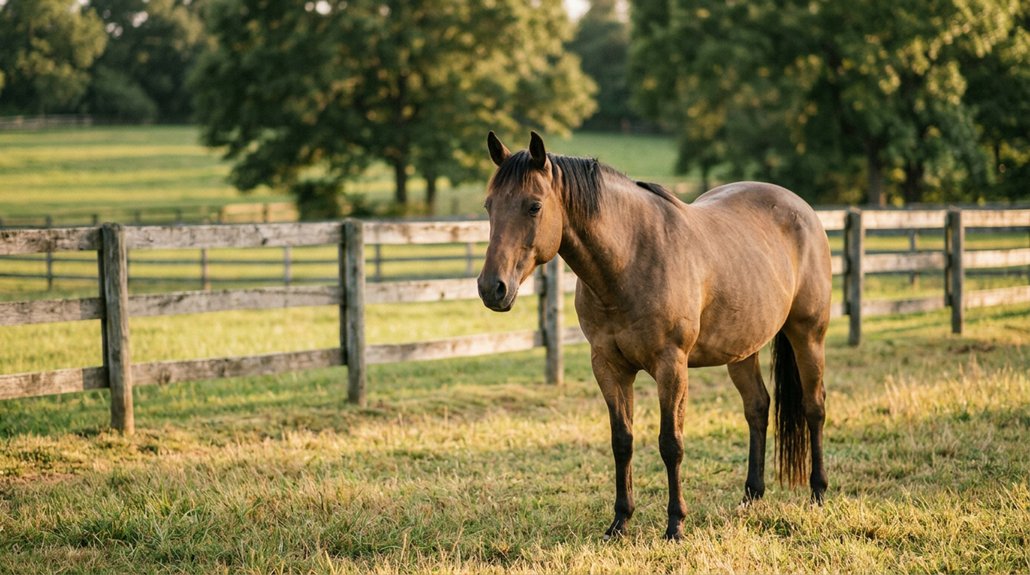
You’ll find low-maintenance horse breeds offer resilient and adaptable companions. Breeds like the American Quarter Horse, Appaloosa, Morgan Horse, and Mustang require minimal care, featuring hardy attributes and calm temperaments. Their robust health and adaptability mean fewer veterinary bills and grooming efforts. Effective feeding strategies optimize their wellness across different climates. By leveraging these horse breeds, you simplify management and optimize your experience. Discover how these traits suit your active lifestyle for effortless ownership.
Key Takeaways
- American Quarter Horses are low-maintenance with robust health, adaptability, and easy grooming needs.
- Appaloosas require minimal maintenance with hardy characteristics and good health needing fewer inputs.
- Mustangs are resilient and thrive in diverse environments with minimal care.
- Paint Horses boast a sociable temperament, intelligence, and low upkeep across various activities.
- Haflingers have calm temperaments and minimal care needs, making them ideal low-maintenance horses.
What Defines a Low-Maintenance Horse Breed?
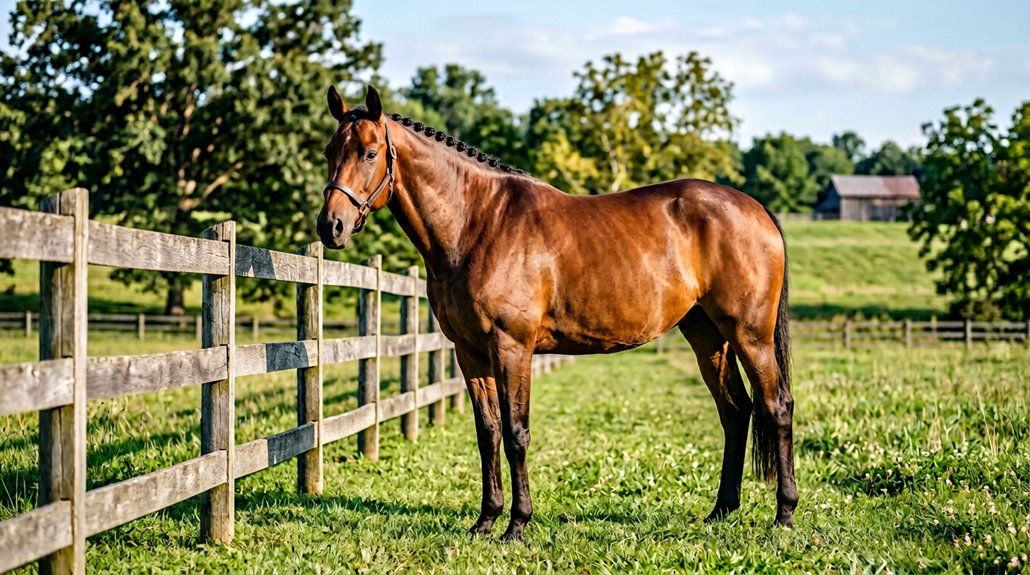
When evaluating what defines a low-maintenance horse breed, one must consider the inherent characteristics that enable these horses to thrive with minimal intervention. These breeds typically exhibit hardy attributes, such as resilient coats and robust health, diminishing the need for intensive grooming. Their calm temperament mitigates stress-related issues, correlating with effective training techniques that enhance adaptability across various activities. Adaptability limits the requirement for multiple specialized horses. Effective feeding strategies for these breeds capitalize on their ability to maintain health across diverse climates, reducing dietary-specific vulnerabilities. Financial savings are realized through reduced veterinary bills and overall care expenses. Consequently, investing in low-maintenance breeds equates to long-term cost efficiency and superior care with minimal time and effort investment.
Popular Choices for Busy Horse Owners
As a busy horse owner, you’ll appreciate easy-care breeds like the American Quarter Horse and Appaloosa, renowned for their robust health and adaptability. These breeds exhibit minimal maintenance requirements, reducing the time and effort spent on grooming and health management. Evidence suggests that such low-maintenance options allow you to allocate more resources towards riding and training, achieving a balanced lifestyle without compromising equine welfare.
Easy-Care Horse Breeds
While the demands of horse ownership can be time-consuming, selecting a low-maintenance breed can ease this burden considerably by offering numerous health benefits and simplified training tips. The American Quarter Horse and Appaloosa stand out due to their robust health, minimizing potential issues and the time spent on healthcare.
- American Quarter Horse: Endowed with excellent health, minimizing veterinary interventions.
- Appaloosa: The breed’s hardy nature requires fewer health inputs while offering conducive training adaptability.
- Morgan Horse: Known for its compact, hardy build, requiring minimal grooming and facilitating versatile environments.
- Haflinger: Exhibits a calm temperament with low-maintenance necessities, focusing efforts on riding rather than grooming.
Selecting these breeds aligns with evidence-based strategies for efficient horse care, especially suited for busy lifestyles.
Minimal Maintenance Requirements
If minimizing maintenance is your priority, certain horse breeds are particularly advantageous due to their inherent resilience and adaptability, making them ideal for busy owners. Breeds such as the American Quarter Horse and Appaloosa exhibit hardy characteristics, necessitating less intensive grooming techniques and streamlined care schedules. The Mustang is distinctive for requiring minimal grooming, with its resilience in varied environments reducing overall care demands. Similarly, Haflinger and Paint Horses maintain manageable energy levels, aligning well with standard care routines. These breeds typically demand fewer veterinary interventions, translating to decreased healthcare expenditures. Prioritizing these low-maintenance horses allows you to concentrate primarily on riding and strengthening bonds, bypassing the exhaustive routines often associated with care, thereby optimizing time management effectively for busy owners.
American Quarter Horse: Easy-Care Versatility
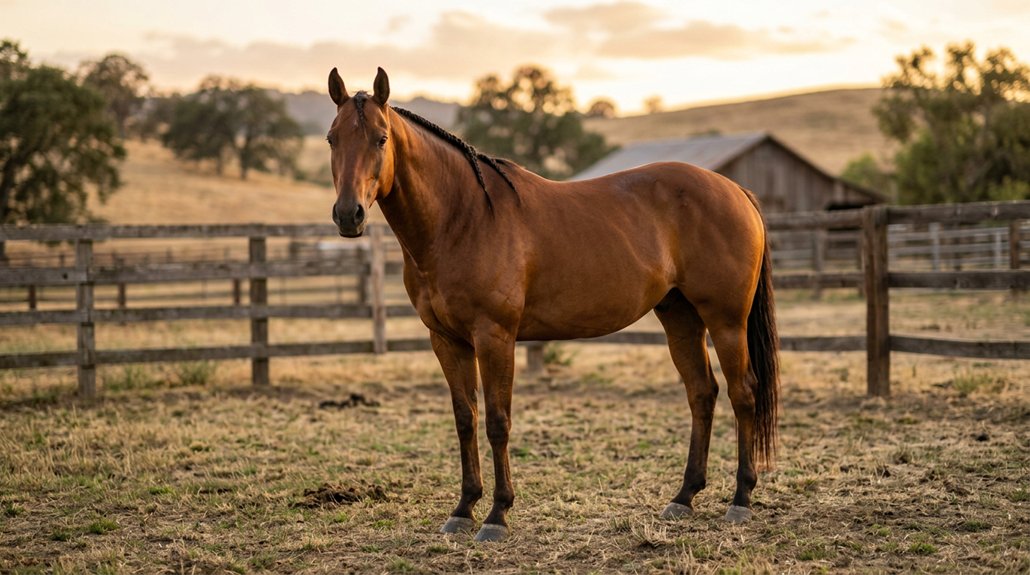
The American Quarter Horse stands out as an exemplary choice for those seeking a low-maintenance breed due to its calm demeanor and adaptability across various disciplines. Their intelligent nature makes training techniques efficient, with Quarter Horses often excelling in varied environments, including trail and Western disciplines.
Quarter Horses excel in versatility and are ideal for low-maintenance ownership due to their calm and adaptable nature.
- Muscular Build: Reduces injury risk, enhancing reliability.
- Grooming Ease: Requires minimal grooming efforts compared to other breeds.
- Bonding Activities: These horses form strong connections with owners, strengthening trust and cooperation.
- Versatile Utility: Their capacity to adapt makes them suitable for a range of activities without excessive care requirements.
Morgan Horse: Hardy and Low Maintenance
You’re likely to appreciate the Morgan Horse’s remarkable adaptability to various climates, evident in its robust physiology and adaptability metrics. This breed requires minimal grooming due to its low-maintenance coat characteristics and naturally healthy skin, reducing the overall care time commitment. Moreover, Morgans exhibit versatile riding capabilities, with evidence supporting their proficiency in both recreational and competitive domains, thanks to their innate willingness to engage.
Adaptable to Various Climates
Although many horse breeds require particular care to adapt to different climates, the Morgan horse’s inherent hardiness allows it to thrive across a broad range. With exemplary climate adaptability and environmental resilience, Morgans adjust seamlessly to diverse temperature extremes. Historically bred for versatility, they excel in cold and warm environments while maintaining soundness and health stability.
- Versatile Adaptation: Capable of thriving in both icy terrains and hot conditions due to robust genetic traits.
- Inherent Resilience: Fewer health complications arise, reducing the need for specialized care and intervention.
- Temperament Advantage: Their calm demeanor requires less intensive oversight, suitable for novice owners.
- Efficient Maintenance: Morgan horses tend to develop fewer hoof problems, decreasing farrier visit frequency.
This resilience makes them a top choice for minimal-maintenance equine enthusiasts.
Minimal Grooming Requirements
Morgan horses offer distinct advantages for those seeking low-maintenance grooming requirements, making them ideal for busy owners. Their short coat necessitates minimal coat care, reducing the complexity of grooming techniques needed. As a result, maintaining a clean appearance typically requires less effort from owners. Morgans’ adaptability to various climates further minimizes the grooming demands, as no special seasonal preparations are usually needed.
Clinically, Morgans exhibit robust hoof health, leading to fewer interventions like frequent shoeing. This combination of factors underscores their low-maintenance nature, essential for beginners or individuals with time constraints. The breed’s hardy reputation is anchored by its reduced grooming needs and resilience against environmental changes, confirming its efficiency in grooming management and overall ease of care.
Versatile Riding Capabilities
Due to their adaptability and endurance, Morgan horses excel across a broad spectrum of riding disciplines, establishing themselves as a versatile choice for equestrian enthusiasts. Their compact and sturdy build is complemented by temperament traits conducive to learning and compliance. Morgans effectively adapt to English and western styles, embodying peak functionality with minimal maintenance. Their steadfast disposition makes them particularly suited for beginners and family-oriented riding activities.
- English Riding: Graceful movement and precise control.
- Western Riding: Suitable for ranch work and competitive events.
- Trail Riding: Endures rough terrain with ease and sure-footedness.
- Training Adaptability: Swift learning capabilities cater to diverse rider demands.
The Morgan’s hardy constitution requires less intensive care, thriving in varied environmental contexts and reducing potential health concerns.
Appendix Horse: Easy-Care Athleticism
The Appendix Horse, a versatile crossbreed, combines the athletic prowess of Thoroughbreds with the practicality of Quarter Horses, creating a breed that excels in both performance and manageability. Appendix Horses benefit from their hybrid vigor, possessing a robust build that supports various equestrian disciplines while demonstrating resilience against common health issues. This results in low-maintenance requirements and broad adaptive potential. The breed’s gentle temperament is well-suited for novice riders, enhancing safety and ridability in recreational settings. They exhibit remarkable intelligence and a willingness to please, streamlining training processes and reducing the need for intensive care routines. As a result, they adapt efficiently across diverse environments, capitalizing on the crossbreed benefits and offering a well-rounded, easy-care equine experience.
Paint Horse: Friendly and Simple to Care For
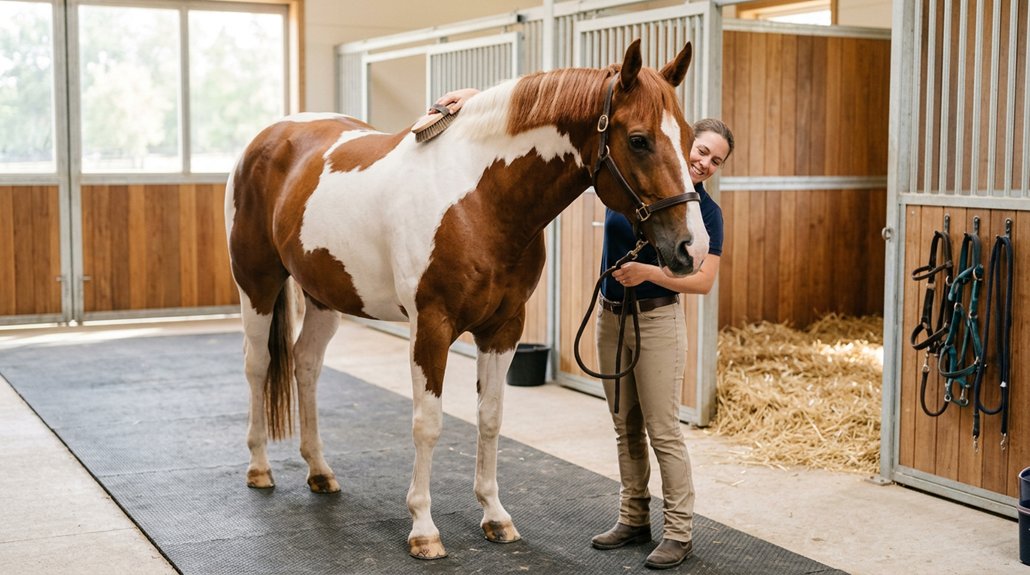
Embodying friendliness and adaptability, the Paint Horse stands as an excellent choice for both families and novice equestrians. Recognized for its sociable temperament, this breed guarantees a stress-free interaction, crucial for new owners seeking companionship without complex challenges. The Paint Horse characteristics include intelligence and enthusiasm to please, yielding significant training benefits. You’ll find the training process smoother and more efficient due to their quick learning ability. Furthermore, their sturdy build accommodates various disciplines like trail riding, catering to diverse riding preferences adeptly. The horse’s low-maintenance nature further contributes to its appeal, thriving with minimal care due to its hardy constitution and adaptability.
- Sociable and friendly nature
- Intelligent, aiding efficient training
- Versatile in various riding disciplines
- Distinctive coat patterns enhancing popularity
Mustang: Resilient and Affordable
Many consider the Mustang an epitome of resilience and cost-efficiency within the equine world. Known for exceptional adaptability, mustang characteristics include thriving in diverse environments with minimal care. Their natural hardiness reduces the need for intensive health and grooming, proving advantageous for equine management. Mustangs are available through adoption programs, presenting an economical acquisition for equine enthusiasts seeking affordable horses. Their strong work ethic and versatility render them suitable for various disciplines, inclusive of trail riding and ranch tasks. Mustang training capitalizes on these traits, enhancing their utility and performance in multifaceted settings. Significantly, they withstand extreme temperatures up to 100°F, showcasing their adaptability and reducing climate-related care challenges. This makes them ideal candidates for low-maintenance ownership.
Mangalarga Marchador: Tough and Weather-Resilient
- Endurance: Renowned for exceptional stamina on long rides.
- Muscular build: Facilitates both riding and working capabilities with ease.
- Temperament: Calm and friendly, they form strong bonds, suiting various rider skill levels.
- Low maintenance: Adaptable to harsh conditions, reducing care complexity.
The Mangalarga Marchador embodies a balance of strength, adaptability, and ease of care, making it a pragmatic choice for diverse equine pursuits.
Simple Tips for Caring for Low-Maintenance Breeds
When opting for low-maintenance horse breeds, such as the American Quarter Horse and Appaloosa, it’s important to implement streamlined care strategies to optimize their innate resilience. Focus on effective diet variations by maintaining a consistent grass diet, only supplementing during suboptimal pasture conditions. Their dietary needs are minimal, promoting cost-efficiency and simplicity in feeding routines. Regular health monitoring remains vital despite these breeds’ robust nature. Prioritize routine health checks to preempt potential issues, even as breeds like Mustangs and Haflingers exhibit fewer health concerns due to their genetic hardiness. Confirm they have access to adequate shelter and space, leveraging their ability to thrive in semi-rough environments. Minimal yet consistent handling further enhances their temperament and adaptability, fostering an enjoyable ownership experience.
Choosing a Breed That Fits Your Busy Lifestyle
Opting for low-maintenance horse breeds involves aligning your lifestyle needs with the suitable breed characteristics. Conducting a lifestyle assessment aids in determining breed compatibility, ensuring you select a horse that integrates seamlessly into your daily routine. Consider breeds like American Quarter Horses and Appaloosas, renowned for their minimal care requirements and suitability for busy owners.
- Health Profile: Breeds with robust health profiles, such as Haflingers, reduce medical needs and associated costs.
- Temperament: Calm demeanor in breeds like Paint Horses equates to less behavioral intervention.
- Adaptability: Mustangs thrive in diverse environments, requiring minimal adjustments.
- Community Engagement: Liaising with local horse communities and consulting extension offices enriches your decision-making process, pinpointing breeds that align with care availability and lifestyle demands.
This approach facilitates effective breed compatibility assessment.
Frequently Asked Questions
What Is the Easiest Horse Breed to Take Care Of?
You’d find the American Quarter Horse easiest for care, ideal for beginner riders due to its hardy nature, needing minimal grooming. Their adaptability and resilience make horse care straightforward, aligning perfectly with evidence-based practices for minimal upkeep.
What Is the 1/2/3 Rule for Horses?
The 1/2/3 Rule for horses guarantees ideal care: one acre space for each horse, yearly veterinary wellness exam, and varied feed. Regular feeding schedules and grooming techniques maintain balanced health and abide by evidence-based practices.
What Is the Lowest Maintenance Horse Breed?
You’ll find Mustangs often exhibit characteristics of hardiness and adaptability, making them a lowest maintenance option. Additionally, Connemara benefits include robust health and manageable upkeep, ideal for minimal intervention, according to studies of breed resilience and care requirements.
What Is the Gentlest Horse to Ride?
You’ll find the American Quarter Horse delivers the gentlest riding experience with its calm horse temperament. Over 2.3 million registered worldwide, it’s favored for soothing rides due to its calm demeanor and willingness to please.
Conclusion
In selecting a low-maintenance steed, simplify your stable strategy with these smart solutions. Bask in the benefits of breeds like the American Quarter Horse or Morgan, celebrated for their commendable care requirements. Explore the enduring energy of the Mustang or the Mangalarga Marchador, known for their resilience in rigorous climates. Each offers efficient upkeep, fitting flawlessly into your fast-paced lifestyle. By evaluating attributes and aligning them with your agenda, you’ll guarantee equine excellence with ease.