
When considering a dog, don’t be swayed by the allure of breeds like French Bulldogs, Golden Retrievers, and Huskies. Their popularity often masks challenges, from French Bulldogs’ health issues due to their brachycephalic nature to Golden Retrievers’ significant grooming and training needs. Huskies require immense exercise and can be impractical for many households. Understanding these breeds’ true care requirements might surprise you, and exploring further can reveal whether certain breeds truly fit your lifestyle.
Key Takeaways
- Golden Retrievers require significant grooming and face health issues like hip dysplasia due to overbreeding, despite their friendly reputation.
- French Bulldogs suffer from respiratory problems and other health issues, raising ethical concerns about prioritizing appearance over health.
- Doodles are often misunderstood as low-maintenance and hypoallergenic, leading to high grooming needs and potential behavioral issues if under-exercised.
- Huskies demand high exercise and mental stimulation, and their strong prey drive can be challenging for inexperienced owners.
- Pugs face serious health challenges from their brachycephalic structure, including breathing difficulties and chronic conditions, causing high veterinary costs.
The Myth of the Perfect Family Pet: Why Some Breeds Disappoint

While it’s tempting to believe that popular dog breeds like Golden Retrievers and German Shepherds will seamlessly integrate into any family, the reality often falls short of this idealized image. These breeds come with their own set of challenges—significant training and socialization needs that might not align with your family dynamic. Misconceptions about these breeds may lead you to overlook the commitment required to nurture them properly. Energetic breeds like Huskies demand constant physical and mental stimulation, which can be overwhelming. Even small breeds like Chihuahuas can surprise you with their fierce temperament, which is often exacerbated by misunderstanding. Many families miss out on potentially better fits like Basset Hounds or Dachshunds, neglecting what truly matches their lifestyle amidst the breeds misconceptions.
Doodles: Dealing With Their Grooming and Behavior Needs
Not every canine companion turns out as expected, especially when it comes to Doodles like Goldendoodles and Cockapoos. Their adorable, curly coats may seem charming, but they bring grooming challenges that rack up both time and cost. Regular trips to the groomer are essential to avoid matting and skin issues. Regarding behavior, Doodles aren’t always as sweet-tempered as advertised. Their mischievous streaks can lead to behavioral issues if not managed with early, consistent training. Energy levels can be high, and without proper exercise and mental stimulation, you’re likely to face a whirlwind of chaos. It’s imperative to understand these dogs’ needs and avoid myths about hypoallergenic features and low-maintenance care to truly enjoy the Doodle experience.
Health Risks in Cutest Breeds: A Look at French Bulldogs
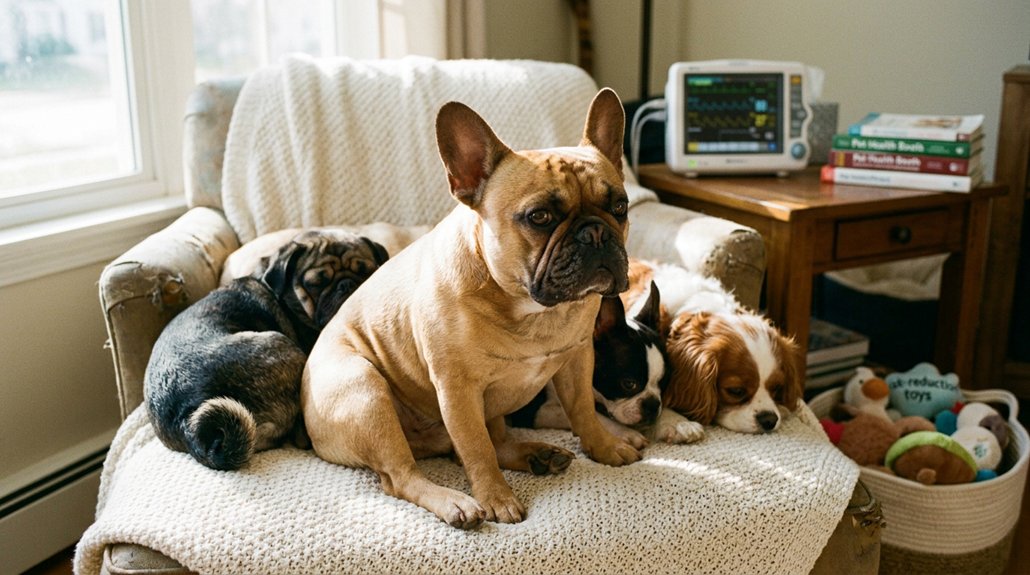
Despite their undeniable cuteness, French Bulldogs come with a host of health risks that potential owners should consider seriously. Their brachycephalic structure often leads to respiratory issues and heat sensitivity, contributing to frequent vet visits that hike up healthcare costs. Spinal disorders, skin allergies, and ear infections are common, demanding costly medical interventions. Compounding these issues, French Bulldogs are often bred for physical traits over health, raising ethical breeding concerns. This practice amplifies congenital health problems, profoundly impacting their quality of life. As a result, many struggle with mobility and require specialized care. If you’re considering welcoming a French Bulldog into your home, factor in these challenges and expenses to guarantee you’re prepared for their unique healthcare needs.
High-Energy Breeds: Why Not Everyone Suits Huskies
When considering the addition of a high-energy dog to your family, Huskies possess a fascinating allure with their beautiful appearance and wolf-like features. However, be prepared to meet their stringent exercise requirements. These dogs demand extensive daily activity and mental engagement; without it, they can turn to destructive behaviors. Their strong prey drive and natural instinct to run mean they thrive in secure, fenced areas, making them unsuitable for many urban homes.
Additionally, your noise tolerance will be tested, as Huskies are naturally vocal, often howling or barking—potentially causing issues with neighbors. They’re independent thinkers, needing consistent training and socialization, which can overwhelm novice owners. Huskies need environments that let them engage in running or pulling to truly flourish.
Trendy Dogs: The Overlooked Challenges of Golden Retrievers

Although Golden Retrievers captivate dog lovers with their renowned friendliness and gentleness, prospective owners often underestimate the challenges tied to owning such a popular breed. Golden Retriever behaviors, like their energetic and affectionate nature, require significant investment in training and socialization, which can be overlooked by those enamored with their lovable reputation. The breed’s willingness can lead to excessive jumping or rough play, especially around children. Additionally, while their lush coats are beautiful, they shed heavily, demanding consistent grooming routines that can be time-consuming. Golden Retrievers also face health issues due to overbreeding, including hip dysplasia and cancers. These dogs thrive in active homes, so it’s crucial to evaluate their exercise needs to guarantee a healthy, harmonious relationship.
Risks in Choosing Brachycephalic Breeds
Choosing a brachycephalic breed like a French Bulldog or Pug may seem appealing due to their adorable, squished faces, but it’s crucial to understand the significant health risks associated with these dogs. These breeds often face breathing difficulties and other health complications. The flattened facial structure can cause severe respiratory distress, requiring invasive surgeries that may strain your finances and stress your pet. Additionally, their anatomical features increase susceptibility to heat sensitivity, ear infections, and joint issues, affecting daily comfort and quality of life. Overbreeding has exacerbated their health problems, often leading to congenital conditions. As an owner, you’d need to manage these unique challenges, which might not suit typical family dynamics. So, carefully consider the responsibilities before bringing one home.
Alternatives to Designer Dogs Like Micro Bullies
If you’re considering adding a dog to your family, it’s important to look beyond trendy designer breeds like Micro Bullies, which often come with a host of health challenges due to unethical breeding practices. These dogs suffer from joint problems and short lifespans, putting a strain on both them and their owners. Consider ethically bred alternatives that focus on health and temperament, providing a better match for your family without the medical drawbacks. Mixed-breed dogs, for instance, can offer similar aesthetics and tend to enjoy better overall health. Alternatively, lesser-known breeds like Basset Hounds or Labrador Retrievers offer versatility without excessive costs. Ethical breeders prioritize animal well-being, ensuring you’re not only choosing a companion but also a healthier, long-lived friend.
Popular German Shepherds: Weighing Their Pros and Cons
When considering a German Shepherd, it’s essential to understand the significant training and socialization they require, which can be intimidating if you’re not equipped for the challenge. Health concerns, such as hip dysplasia due to overbreeding, demand continuous monitoring and can lead to unexpected veterinary expenses. While their loyalty and protective nature make them appealing as family pets, this breed’s high energy and structured training needs may not fit every household’s lifestyle.
Training and Socialization Needs
Though widely admired for their intelligence and versatility, German Shepherds come with a set of training and socialization needs that require serious commitment from their owners. Their sharp minds and protective instincts can lead to behavioral challenges if training consistency isn’t prioritized from a young age. Daily exercise and mental stimulation are vital, as boredom may cause destructive behaviors. Their loyalty makes them exceptional guard dogs; however, without consistent leadership and proper socialization, they can become reactive towards strangers or other dogs. Many underestimate the time and dedication needed to manage their natural instincts and energy levels effectively. Therefore, thorough training is essential for nurturing a well-balanced Shepherd that thrives both mentally and physically, minimizing potential behavioral issues and enhancing their role as loyal companions.
Health Concerns and Maintenance
Isn’t it fascinating how a breed as adored as the German Shepherd can also come with significant health baggage? While their popularity remains unmatched, these dogs are prone to serious health issues like hip dysplasia and degenerative myelopathy due to pervasive overbreeding. This necessitates meticulous attention, including regular check-ups and proactive vet care. German Shepherds aren’t for the faint-hearted, as grooming challenges arise from their tendency to shed heavily year-round, demanding frequent brushing. Coupled with their need for rigorous energy management, which requires consistent mental stimulation and exercise, you’re in for a commitment. Without these efforts, behavioral problems such as anxiety can surface. With shelter demand high, it’s essential you understand these needs to guarantee a healthy, happy relationship.
Suitability for Families
Recognizing the health and maintenance demands German Shepherds present, potential owners often find themselves weighing these against their suitability as family companions. Their loyalty and protective nature can enrich family dynamics, but be prepared for the commitment. These dogs thrive in families that understand their high activity levels and need for extensive training. You’re not just adopting a pet; it’s a lifestyle choice involving daily exercise to keep their minds and bodies sharp.
German Shepherds’ guarding instincts, while beneficial, require careful socialization to prevent unwanted reactivity, especially in families with kids or other pets. Overbreeding has introduced health concerns, so selecting from reputable breeders is vital. When underestimated, this breed’s needs can lead to neglect and behavioral issues. Approach with caution and commitment.
The Price of a Snort: Understanding Pug Health
When you consider bringing a Pug into your home, it’s essential to understand how their cute, scrunched faces can lead to significant breathing challenges and other health issues. Their brachycephalic nature means managing common ailments requires not only vigilance but also an often underestimated financial commitment. By addressing these concerns through informed decision-making and considering healthier breeding options like Retro Pugs, you can mitigate the impact of their health problems while enjoying your pet’s charming companionship.
Breathing Challenges in Pugs
Although pugs are adored for their charmingly wrinkled faces and playful demeanor, their unique appearance comes with a serious caveat: breathing challenges. The pug’s brachycephalic impact leads to pug breathing difficulties due to their shortened skull structure. This results in conditions like brachycephalic obstructive airway syndrome (BOAS), which severely impacts their quality of life. You might notice:
- Difficulty in breathing in hot weather or during exercise.
- Snoring loudly even during deep sleep.
- Frequent vet visits due to respiratory issues, skin infections, and corneal ulcers.
- Potential need for surgical interventions to alleviate severe cases.
Owning pugs requires understanding these inherent challenges. Regular veterinary care and being mindful of their environmental conditions are vital for managing their well-being.
Managing Common Pug Ailments
While owning a pug can fill your life with joy, it’s vital to understand the health challenges that come hand-in-hand with this beloved breed. Pugs often face recurring issues like dental disease and diabetes. Effective management involves a combination of dietary management, preventive care, and consistent owner education.
| Health Challenge | Strategy |
|---|---|
| Dental Disease | Regular cleanings |
| Diabetes | Strict diet control |
| Bladder/Kidney Stones | Hydration focus |
| Seizures | Vet-monitored plan |
Think about incorporating exercise recommendations, tailored to their needs and comfort strategies, to enhance their quality of life. Stay proactive and engage in frequent check-ups, as preventive care is important. Prioritize understanding the intricacies of Pug-specific ailments to truly support their well-being and longevity. Remember, informed owners create healthier, happier pugs.
Mitigating Brachycephalic Concerns
Given their charming personalities, it’s easy to overlook the challenges that come with a pug’s adorable snort. They’re brachycephalic, meaning their short snouts can lead to serious breathing issues and heat sensitivity. You’ll need to take proactive steps to manage their health concerns, improving their quality of life.
- Breathing exercises can help maintain their respiratory health. Regular vet visits guarantee they’re getting the right care.
- Temperature regulation is essential. Avoid hot weather and make sure they have a cool environment.
- Understand their predisposition to health problems. Over 80% face respiratory or other brachycephalic-related issues.
- Expect higher medical costs. Chronic conditions like obstructive pulmonary disease require ongoing treatment.
Responsible ownership means being prepared for these commitments.
How to Choose the Right Dog Breed: Ethical Considerations
When choosing a dog breed, why not start by considering ethical responsibilities that go beyond personal preference? Adopting from shelters provides significant adoption benefits like alleviating overpopulation and providing homes for breeds such as German Shepherds, commonly found there. Prioritize understanding breed characteristics to guarantee they match your lifestyle. For instance, while Golden Retrievers are popular, their temperament and exercise needs may not suit every household. Furthermore, avoid breeds with inherent health issues due to poor breeding, such as French Bulldogs. Instead, consider underappreciated breeds like Basset Hounds or Rottweilers, known for their loyalty and affection. By understanding different breeds and making informed decisions, you contribute positively to dog welfare and create a fulfilling companionship.
Frequently Asked Questions
What Is the Least Desirable Dog Breed?
You might find that Chihuahuas are the least desirable due to their temperament issues and high maintenance needs. Their spirited nature requires understanding K9 psychology, and improper handling can quickly lead to a myriad of behavioral problems.
Which Dog Breed Has a Bad Reputation?
You’ve probably heard that both Pit Bulls and Doberman Pinschers have bad reputations. This often comes from media portrayals and misunderstandings about their nature, overshadowing their potential as loving, loyal companions with proper training.
What Breed of Dog Do Vets Not Recommend?
Vets advise avoiding breeds like French Bulldogs, German Shepherds, and Cavaliers due to pervasive veterinary concerns. Don’t fall for dog breed myths that mask health horrors and pitfalls, potentially leading to costly care and emotional turmoil.
What Is the Most Dumped Dog Breed?
You’re likely to find Pit Bulls topping the list of dumped breeds. Misconceptions and stigma contribute to abandonment. Familiarize yourself with pit bull statistics and breed abandonment reasons to understand why they often end up in shelters.
Conclusion
Choosing the right dog breed is akin to selecting the perfect quill in an age of emails—it requires more than just trend-following. Your family’s canvas needs a pet that complements your lifestyle, not just your Pinterest board. Consider the quirks and challenges each breed presents, beyond the allure of their appearance. Do your homework, weigh the pros and cons, and remember that a well-considered choice often leads to a more fulfilling, harmonious relationship with your canine companion.