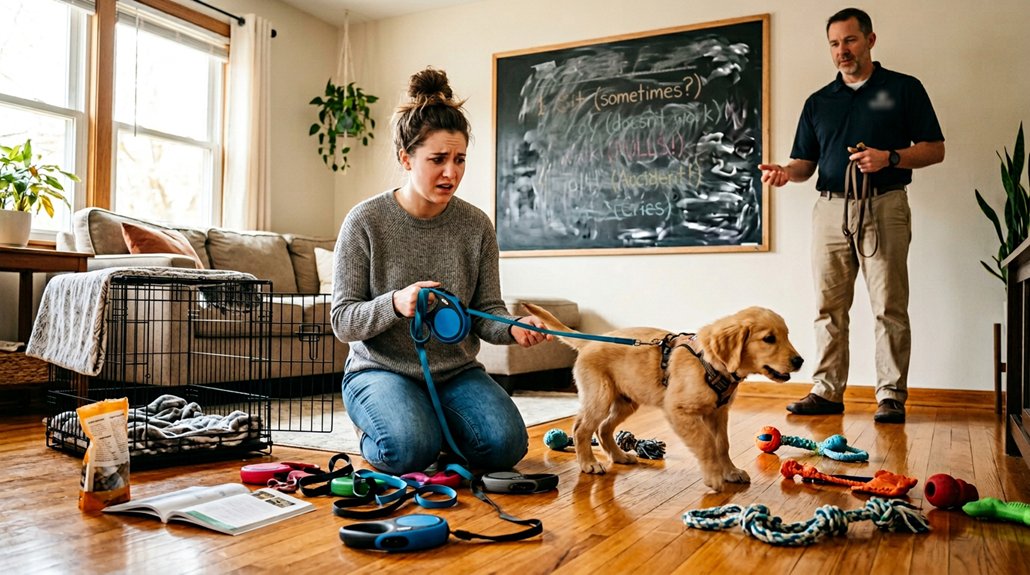
As a first-time dog owner, picking a breed based on looks alone is a big mistake—consider personality and lifestyle compatibility first. Understand your dog’s needs and focus on socialization early to prevent behavioral issues. Consistent training is essential, as changing commands confuses your pup. Balance exercise with mental challenges, and schedule regular vet visits for health checks. Adjust your expectations; gradual learning should be anticipated. Embrace these tips to enhance your journey with your furry friend.
Key Takeaways
- Neglecting breed compatibility leads to frustration; choose a breed that fits your lifestyle and energy level.
- Inconsistent training confuses dogs; maintain uniform commands and routines among all family members.
- Skipping early socialization can cause anxiety; introduce puppies to diverse experiences while ensuring vaccinations are current.
- Ignoring mental stimulation results in boredom; use puzzle toys and varied activities to engage your dog’s mind.
- Delaying vet visits risks health; schedule regular checkups and keep vaccinations up to date for preventative care.
Picking the Perfect Pup: More Than Just Looks
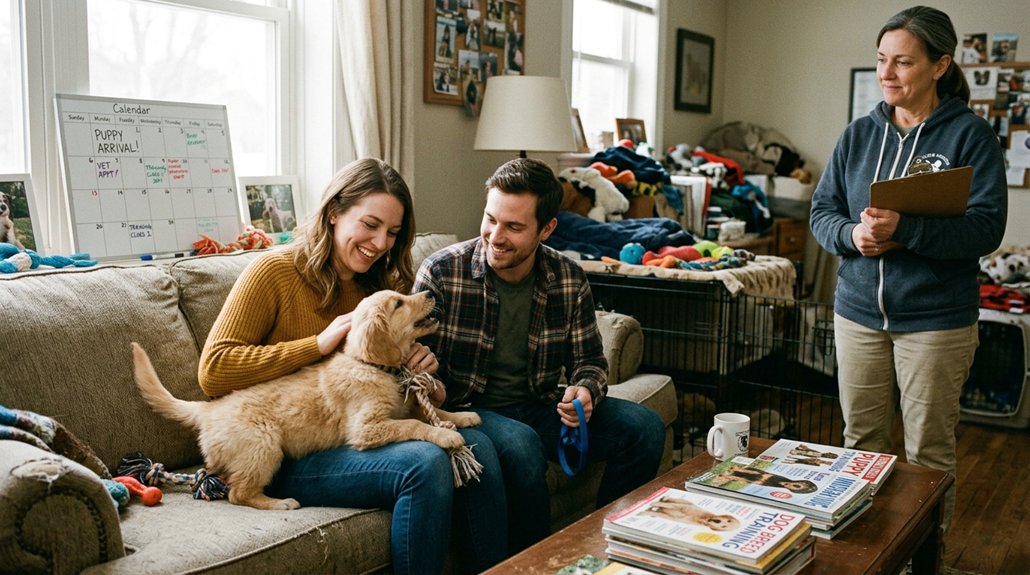
When you’re choosing a furry companion, remember that a dog is much more than its adorable face. Breed selection should revolve around more than just aesthetics; it’s essential to evaluate how personality traits and exercise requirements mesh with your lifestyle. Don’t let a breed’s charming look overshadow its need for activity. For instance, a Siberian Husky may not fit an apartment setting if you’re pressed for time. This is a long-term commitment, so prioritize compatibility over appearance. Consult breeders or foster organizations to gain insights into a dog’s nature and history. Consider how a rescue dog’s temperament might evolve post-adoption. By focusing on function rather than looks, you’re setting yourself and your future pet up for a fulfilling relationship.
Understand Your Dog’s Unique Needs From Day One
From day one, understanding your dog’s unique needs is vital to fostering a harmonious relationship. It’s essential to take into account breed compatibility and conduct a thorough personality assessment to guarantee your new friend’s individual needs align with your lifestyle. This proactive approach prevents common pitfalls and sets the stage for lasting companionship.
- Understand breed characteristics: Different breeds have distinct exercise, temperament, and health needs.
- Conduct pre-adoption screenings: These help identify personality traits and requirements.
- Watch for changes: A dog’s personality can evolve over time, necessitating adjustments in care.
- Consult experts: Engaging with knowledgeable breeders or rescue groups provides valuable insights.
- Evaluate energy levels: High-energy breeds, like Border Collies, need more stimulation compared to breeds like Bulldogs.
Nail Those First Socialization Milestones
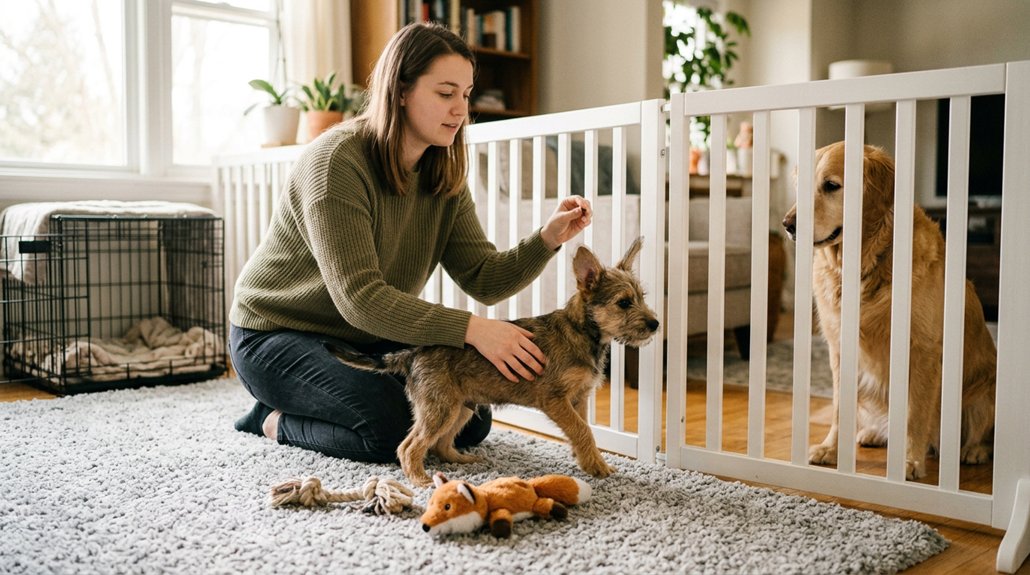
When you’re steering through those essential first weeks with your new puppy, it’s all about quality over quantity in socialization. Controlled interactions, where your puppy can explore and learn without feeling overwhelmed, are important to developing a balanced temperament. Early exposure to various experiences, while ensuring vaccinations are up to date, lays the foundation for a well-adjusted adult dog.
Quality Over Quantity
A puppy’s first weeks are a critical time for laying the foundation of their future behavior, with socialization experiences playing a key role. Focus on socialization strategies that prioritize quality interactions. Instead of overwhelming your puppy by meeting countless dogs, carefully curate diverse, positive experiences. This approach will help reduce future anxiety and aggression.
- Introduce your puppy to different environments gradually.
- Pay attention to their stress signals like tucked tails.
- Ascertain each interaction is calm and positive.
- Tailor experiences to match your puppy’s comfort level.
- Avoid chaotic settings that can cause insecurity.
Monitoring your puppy’s reactions allows you to adjust and create a strong, confident pup. Remember, not all exposure is good exposure; quality truly triumphs over quantity.
Controlled Interactions Matter
As you’ve carefully curated quality interactions for your puppy, it’s equally important to focus on controlled experiences, especially within the vital window of 12-16 weeks. Positive experiences during this period are essential for your pup’s confidence, preventing future anxiety or aggression. Gradual exposure to varied environments, people, and dogs fosters adaptability, ensuring encounters remain stress-free and constructive.
| Situation | Approach | Outcome |
|---|---|---|
| Meeting people | Calm introductions | Comfort with strangers |
| New environments | Step-by-step exposure | Confidence in settings |
| Other dogs | Supervised play | Social skills development |
Structured socialization programs like puppy classes can reinforce these controlled interactions, paving the way for well-rounded growth. Remember, it’s not just about quantity—prioritize quality experiences that build a secure, social adult dog.
Early Exposure Benefits
Often underestimated, early exposure during a puppy’s critical socialization period of 12-16 weeks plays an essential role in shaping a dog’s future behavior and temperament. By using effective socialization techniques, you can build confidence in your puppy, helping them become well-adjusted adults. Start with positive interactions to reduce anxiety and aggression later in life. Gradual exposure to new environments and sounds enhances adaptability and comfort.
Consider these strategies:
- Introduce your puppy to various people, pets, and situations.
- Use controlled and positive interactions to prevent future behavioral issues.
- Enroll in puppy classes or organized playgroups for structured socialization.
- Gradually expose your puppy to diverse sights and sounds.
- Foster positive associations with new experiences through rewards and encouragement.
These steps guarantee friendly, confident dogs.
Why Consistent Training Matters More Than You Think
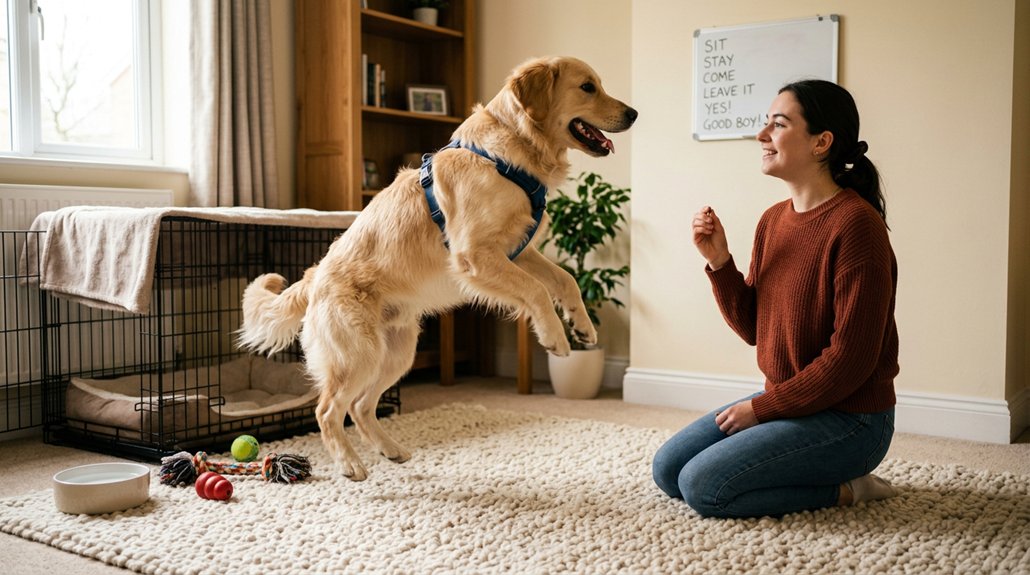
When starting on the journey of dog ownership, you’ll quickly realize that consistent training is essential to your pet’s development and your own sanity. Training consistency is vital because it helps your dog understand expected behaviors and reduces confusion from conflicting commands. When different family members enforce rules inconsistently, it can undermine your dog’s learning process, leading to repeated unwanted behaviors that could’ve been addressed earlier. By providing consistent behavioral reinforcement, dogs form reliable associations with commands and actions, enhancing obedience. A stable training environment where everyone in the household enforces the same rules fosters security and understanding. Research emphasizes that dogs thrive on routine; inconsistent training can lead to anxiety and behavioral issues, solidifying the importance of a unified approach among all owners.
Balancing Exercise and Mental Challenges
Balancing exercise and mental challenges is essential for your dog’s health and happiness. Ensuring that your pet gets at least 30 minutes of vigorous activity daily is important, but don’t underestimate the significance of mental stimulation through activities like puzzle toys and training sessions. Tailor these routines based on your dog’s breed and energy level to reduce anxiety and foster a stronger bond between you and your furry companion.
Prioritize Daily Activity
While it might seem straightforward, prioritizing daily activity for your dog is vital but often underestimated by first-time dog owners. Establishing well-rounded exercise routines and activity schedules can prevent obesity and behavioral issues. A minimum of 30 minutes of vigorous exercise daily is essential, catering to your dog’s specific energy needs with varied activities like walking, running, swimming, or fetch. Here’s how to guarantee your dog stays happy and healthy:
- Aim for at least 30 minutes of daily exercise.
- Mix activities to suit your dog’s breed and energy level.
- Schedule regular playtime to prevent destructive behaviors.
- Adapt activities according to your dog’s age and health status.
- Monitor your dog’s weight and adjust exercise as needed.
These efforts help enhance your bond and foster balanced behavior.
Incorporate Mental Stimulation
Although it’s common for first-time dog owners to focus primarily on physical exercise, incorporating mental stimulation into your dog’s routine is equally essential for their well-being. Interactive toys and puzzle games are excellent tools for preventing boredom and reducing destructive behaviors. These challenges foster cognitive development, keeping your dog engaged and happy. A combined daily regimen of 30 minutes of physical exercise and mental stimulation supports peak health, staving off obesity and anxiety. Training sessions with new commands not only bolster obedience but also deepen your bond with your pet. Dogs thrive on variety; mixing scent work and interactive playtime offers a balanced routine. By consistently integrating these activities, you’ll markedly enhance your dog’s quality of life and satisfaction.
Regular Vet Visits and Essential Safety Precautions
Regular veterinary visits and practicing essential safety precautions are important components of responsible dog ownership. Vet checkups offer significant health assessments and maintain vaccination schedules to protect your dog from preventable diseases like rabies. Don’t overlook microchip identification; it’s a permanent way to guarantee your pet’s safe return if they get lost. Consistent preventative care is essential to shield your dog from fleas, ticks, and costly health issues. Adhering to safety precautions, especially with leash training, keeps public outings secure for everyone.
- Annual vet checkups are critical for monitoring health and staying on top of vaccinations.
- Current vaccination schedules prevent diseases and meet legal requirements.
- Microchip identification increases the chance of reuniting with lost pets.
- Preventative care avoids health issues.
- Leash training guarantees safety in public spaces.
Adjust Expectations: Your Dog’s Learning Takes Time
Understanding that your dog’s learning journey requires patience and time is essential to creating a positive training experience. Many new dog owners mistakenly anticipate immediate results, like instant potty-training or obedience. However, dogs need consistent daily practice to learn effectively. Set realistic goals—it’s vital to manage your expectations and recognize that bad behaviors won’t simply disappear without proactive intervention and reinforcement.
Frequently Asked Questions
What Is the 7 7 7 Rule for Dogs?
The 7-7-7 rule for dogs involves acclimation, training, and socialization. Focus on puppy socialization tips, taking breaks for learning within seven days, weeks, and months, ensuring your pup becomes well-adjusted and conditioned to various environments.
What Are the Biggest Mistakes Dog Owners Make?
You might think dogs outgrow bad behavior, but they don’t. Common misconceptions can lead to training mistakes, like inconsistent rules or reinforcing unwanted behavior unintentionally. Always use clear boundaries and proactive training for effective results.
What Is the 3-3-3 Rule for Dogs?
The 3-3-3 rule describes a dog’s adjustment process: three days to navigate stress, three weeks to settle into a routine, and three months to complete the adjustment period, revealing their true personality and comfort in their new home.
What Is “I Love You” in Dog Language?
Imagine your dog wagging its tail and leaning against you—that’s their “I love you” in canine communication. Recognizing these emotional bonding cues helps you understand and strengthen the affectionate connection you share with your furry friend.
Conclusion
Exploring the world of first-time dog ownership feels like a rollercoaster, doesn’t it? But armed with the right knowledge, you’re equipped to make this ride smoother. Remember, your furry friend’s needs go beyond a wagging tail; they require patience, training, and regular vet check-ups. Embrace each little victory and keep your expectations realistic. With time and consistency, you’ll nurture not just a pet, but a loving companion willing to mirror your efforts with unconditional love.