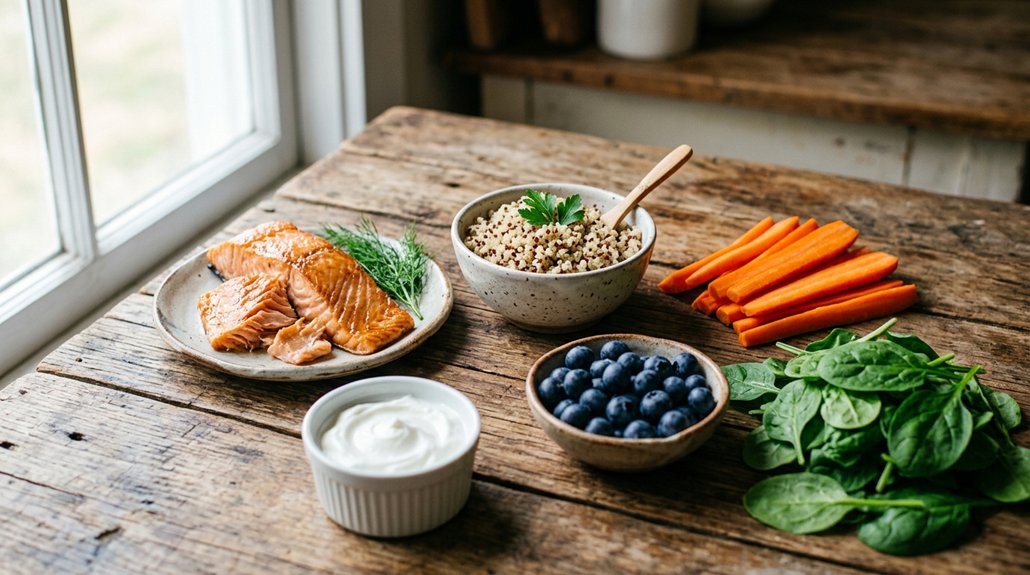
To optimize your dog’s health, provide a balanced diet rich in lean proteins like chicken or fish, ensuring they have essential amino acids and omega-3 fatty acids for skin and cardiovascular well-being. Supplement with antioxidant-rich fruits like blueberries for immune support, and fiber-packed vegetables such as carrots and sweet potatoes for digestive aid. Essential fats from fish and flaxseed oils are crucial for a glossy coat. Following these guidelines will enhance your dog’s vitality and overall wellness. Discover more insights ahead.
Key Takeaways
- Lean meats like chicken and turkey provide essential amino acids for muscle maintenance in dogs.
- Omega-3-rich fish like salmon supports skin health and reduces inflammation in dogs.
- Blueberries and strawberries offer antioxidants and vitamins that boost dogs’ immune function.
- Pumpkin and oatmeal promote healthy digestion in dogs through their high fiber content.
- Cucumbers and plain yogurt hydrate dogs while supporting weight management and gut health.
Understanding Your Dog’s Nutritional Needs

Understanding your dog’s nutritional needs is crucial for promoting their overall health and well-being. To achieve nutritional balance, you need to provide a diet meeting the six fundamental nutrient requirements: water, carbohydrates, proteins, fats, vitamins, and minerals. Each nutrient supports critical functions, from cellular energy to immune defense. Energy requirements fluctuate based on breed, activity level, and age. Therefore, feeding schedules should align with your dog’s specific caloric and life stage needs, as prescribed by guidelines from the Association of American Feed Control Officials (AAFCO). Puppies demand increased protein and fats for development, while adult dogs require a balanced intake to maintain health and manage weight. Regular veterinary consultations are recommended to adjust dietary plans and guarantee nutritional adequacy.
Ideal Protein Sources for Optimal Health
While selecting the ideal protein sources for your dog’s diet, it’s crucial to evaluate quality and digestibility. Prioritizing protein quality and protein variety guarantees that your pet receives thorough nutrition. Lean meats like chicken and turkey deliver important amino acids necessary for muscle maintenance and overall growth. Opt for fish, specifically salmon, which provides omega-3 fatty acids to promote healthy skin, coat, and cardiovascular support. Eggs, another high-quality protein, offer key vitamins but must be cooked to prevent salmonella. Lean beef serves as a nutrient-dense option when cooked properly and devoid of bones. Consider lamb as well, which is rich in amino acids and healthy fats; however, it must be boneless and fully cooked for safe consumption.
Fruits Rich in Antioxidants for Dogs

Incorporating fruits rich in antioxidants into your dog’s diet can greatly enhance their overall health. Blueberries act as a nutrient-dense snack, furnishing essential vitamins that mitigate age-related diseases, while the sweet mango offers an exceptional source of antioxidants to support cellular function. Apples provide immune-supportive benefits through their fiber and vitamin content, though it’s important to exclude their seeds to guarantee safety.
Blueberries: Nutrient-Dense Snack
Blueberries, a powerhouse of nutrients, offer a range of health benefits for dogs, making them an ideal snack. The antioxidant properties of blueberries are derived from essential vitamins such as C, K, and A, supporting canine immune function and overall health optimization. Low-calorie and fiber-rich, blueberries are advantageous in weight management and digestive support. Incorporating blueberries in your dog’s diet can mitigate the risk of diseases and age-related conditions. Fresh and frozen varieties are palatable and safe.
Here’s a practical breakdown of their benefits:
| Component | Health Benefit |
|---|---|
| Antioxidants | Enhances immune response |
| Low Calorie | Aids in weight control |
| Fiber Content | Promotes gastrointestinal health |
Introduce blueberries gradually to monitor individual responses in your pet.
Mango: Sweet Antioxidant Source
Mango, much like blueberries, provides a wealth of nutrients that are invaluable for your dog’s health. High in fiber and essential vitamins such as A, B6, C, and E, mango supports overall canine vitality. The fruit’s antioxidants play an essential role in combating free radicals, potentially mitigating chronic disease risks in dogs. However, adhering to mango serving guidelines is paramount. Always remove the pit and peel to prevent choking and digestive complications. Due to its high natural sugar content, moderation is key to avoiding gastrointestinal upset. Additionally, mango empowers hydration in dogs, particularly during hot weather. The strategic incorporation of this sweet antioxidant source into your dog’s diet exemplifies a commitment to evidence-based nutritional enhancements, optimizing holistic health outcomes for your canine companion.
Apples: Immune-Supportive Benefits
Apples, once the seeds are meticulously removed, offer a myriad of immune-supportive benefits for dogs. Rich in vitamins A and C, apples bolster immune health, underscoring their efficacy in reducing chronic disease risk. The presence of potent antioxidants further fortifies immune functionality. Additionally, apples contribute to digestion by providing high dietary fiber, essential for optimal digestive and immune system interplay. This crunchy, low-calorie snack not only enhances well-being but also promotes skin health.
Here’s a quick reference on the nutrient benefits of apples for dogs:
| Nutrient | Benefit |
|---|---|
| Vitamins A and C | Supports immune system function |
| Antioxidants | Reduces chronic disease risk |
| Dietary Fiber | Promotes healthy digestion, crucial for immune health |
| Low-Calorie Snack | Enhances well-being and skin health |
Vegetables and Grains Promoting Healthy Digestion
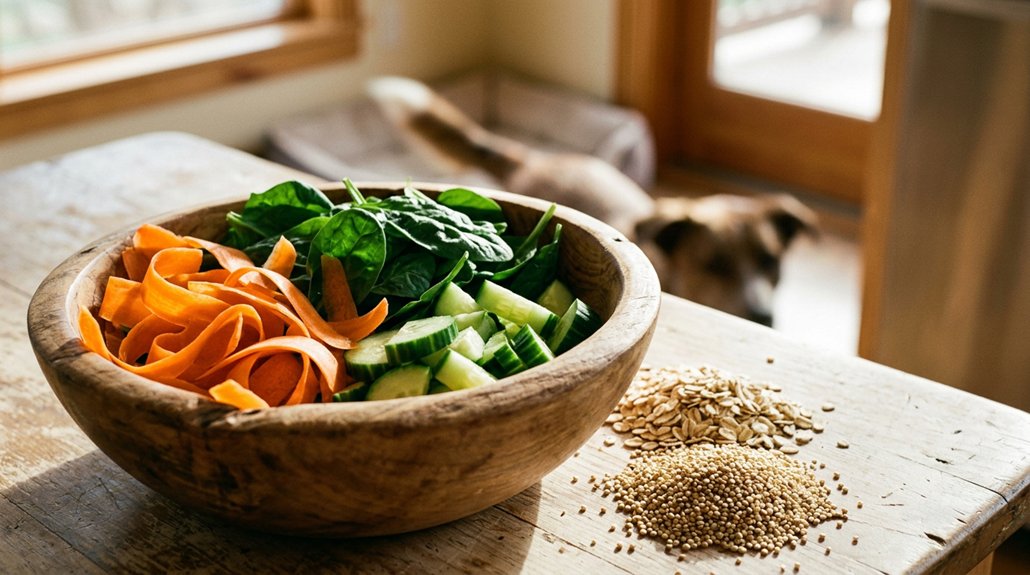
If you’re aiming to enhance your dog’s digestive health through diet, incorporating specific vegetables and grains can be highly effective. Carrot benefits include being low in calories while rich in fiber, aiding in healthy digestion and bowel regulation. Importantly, pumpkin advantages extend to its soluble fiber content, addressing constipation and promoting gut health. Brown rice stands out for its fiber, facilitating effective nutrient absorption. Sweet potatoes are nutrition powerhouses offering essential vitamins and fiber, improving digestive wellbeing as an alternative to traditional treats. Meanwhile, oatmeal effects include serving as an excellent soluble fiber source, ensuring digestive regularity and proving beneficial for dogs with gastrointestinal issues. Incorporating these foods into your dog’s diet can greatly bolster their digestive efficiency.
Refreshing and Hydrating Treats for Dogs
When it comes to hydrating your canine companion, evidence suggests incorporating specific fruits and snacks that not only provide moisture but are also nutritionally beneficial. Watermelon and cucumbers, when properly prepared, deliver essential vitamins and hydration while mitigating risks associated with improper preparation, such as choking. Additionally, offering plain yogurt, fresh apples sans seeds, and frozen blueberries can enhance hydration and provide essential antioxidants and probiotics, yet ensuring they’re served in a dog-friendly manner is important.
Top Hydrating Fruits
While guaranteeing your dog’s health, it is vital to include hydrating fruits in their diet. Watermelon’s hydration benefits are notable, given its high water content and vitamin richness. For maximum safety, ascertain fruit preparation involves removing seeds and rind. Similarly, cucumbers provide both hydration and a low-calorie profile, crucial for weight management. Strawberries offer hydration benefits while supplying antioxidants and vitamin C. Proper fruit preparation entails giving these treats in moderation due to their natural sugar content. Blueberries are another excellent choice, combining hydration with immune-supporting antioxidants and low caloric content. Finally, pineapples provide hydration and digestive assistance through bromelain. Remove the tough skin and core during fruit preparation to guarantee safety. These fruits collectively support your dog’s wellbeing.
Best Cooling Snacks
Cooling snacks play an integral role in maintaining your dog’s hydration and comfort during sweltering temperatures. Among these, watermelon treats stand out due to their hydrating properties, offering essential vitamins A, C, and B6. Verify all seeds and rind are eliminated to prevent gastrointestinal obstruction. Additionally, peach snacks, when prepared without pits, can provide a mild dose of fiber and vitamin A, enhancing canine dietary intake.
Cucumbers are a superior choice for a low-calorie, sodium-free option, effectively supporting thermoregulation. Frozen blueberries add antioxidant value and invigorating quality, ideal during heat peaks. Carrots deliver raw crunchiness that aids oral hygiene through gentle abrasive action. Finally, plain yogurt, when frozen, provides a cooling, probiotic-rich treat, contributing beneficially to gut health alongside hydration.
Essential Fats for Skin and Coat Health
Though often overlooked, fundamental fatty acids are key components in maintaining a dog’s skin and coat health. Omega-3 and omega-6 sources are significant in achieving optimal skin hydration and coat shine. Omega-3 fatty acids, prevalent in fish like salmon and sardines, are instrumental in inflammation reduction and managing skin conditions such as dermatitis. Conversely, omega-6 fatty acids, commonly from vegetable oils and grains, are essential for robust skin barrier function, effectively preventing moisture loss.
Incorporating healthy fats like fish oil or flaxseed oil guarantees a balanced diet, critical for the reduction of shedding and the promotion of a glossy coat. Deficiencies in these fundamental fatty acids could lead to dry skin, itching, and increased infection risk, underscoring their importance.
Determining Safe Serving Sizes for Dogs
How can you guarantee your dog is getting the right serving sizes? Start by adhering to evidence-based guidelines for safe portion sizes. For instance, fruits like apples and bananas should be limited to a few pieces—one apple slice or two banana slices for small dogs—to avoid digestive distress. Lean meats, such as cooked chicken or turkey, are best served in controlled portions; typically, a medium dog needs around 1/4 cup, while small breeds should have just 1 tablespoon to prevent overfeeding. Moderation is key with vegetables like carrots and green beans, offering 1/2 cup for medium dogs or 1-2 pieces for smaller breeds. Similarly, healthy treat options like peanut butter should be restricted to a teaspoon for small dogs, ensuring balanced nutrition.
Foods Dogs Should Avoid for Safety
Ensuring your dog benefits from appropriate serving sizes involves more than just measuring amounts; attention to unsafe food choices is equally important. Toxic human foods pose significant health risks to dogs and must be avoided. Chocolate, especially dark varieties, contains theobromine, leading to significant toxicological effects such as seizures and vomiting. Grapes and raisins, even in trace amounts, may cause acute kidney injury, necessitating urgent veterinary evaluation. Alliums like onions and garlic can induce hemolytic anemia due to the destruction of red blood cells, resulting in weakness. Persin in avocados presents gastrointestinal complications. Alcohol, even in minimal quantities, is highly toxic and can elicit severe symptoms warranting emergency care. Opt for safe alternatives like carrots or apples to support ideal canine health.
Frequently Asked Questions
What Is the Healthiest Food to Give My Dog?
For ideal dog health, homemade meals offer superfood benefits. Lean proteins, nutrient-dense vegetables, and omega-rich fats are vital. These supply essential amino acids, vitamins, and minerals, fostering muscle, digestive, and heart health based on evidence-based recommendations.
What Is the 90/10 Rule for Dogs?
The 90/10 rule for dogs is a feeding guideline prioritizing dog nutrition: 90% of a dog’s diet is balanced commercial food, while 10% involves nutritious treats or human foods. Consult with your veterinarian for tailored advice.
How Do Dogs Say “I Love You”?
Dogs say “I love you” through tail wagging, akin to wind turbines generating affection, and playful nudges, which serve as seismic events. These actions are evidence-based markers of their emotional connection, reflecting trust and companionship.
What Dog Food Is Good for Atopic Dermatitis?
To manage atopic dermatitis, choose dog food with omega-3-rich ingredients like salmon, allergy-friendly options such as high-quality proteins from turkey or chicken, and fiber-rich sources like pumpkin or sweet potatoes. Always consult your vet before changes.
Conclusion
In your quest to nourish your canine companion, it’s almost comical how maintaining their health is both an art and a science. You’d think it as simple as tossing a bone, but instead, it involves understanding complex protein needs, meticulously choosing antioxidant-rich fruits, and balancing essential fats. Yet, ironically, one misstep—like feeding grapes—could negate all those efforts. So, remember that your dog’s diet is an intricate equation where calculated precision trumps whimsical feeding choices.