
So you just brought home a tiny kitten, and now you’re standing in the pet food aisle feeling completely lost. Every bag of kitten food and can looks the same, right?
Here’s something that surprised me the first time I learned it: kittens burn through nearly three times the calories of a full-grown cat. They’re growing so fast that their little bodies need constant fuel just to keep up.
That’s exactly why this guide exists.
I’m going to walk you through what to feed your kitten, when to feed them, and which foods you need to keep locked away for good. Grab a cup of coffee, get comfortable, and let’s figure this out together.
Key Takeaways
- Kittens need up to three times more calories than adult cats and do best on three to four meals a day during their first year.
- Wet kitten food gives young kittens (4 to 8 weeks old) hydration and soft texture, with 1.5 to 2 cans daily split across several meals.
- Toxic foods like onions, garlic, chocolate, grapes, avocado, and xylitol can cause serious harm or death, so keep them completely out of reach.
- AAFCO-approved kitten formulas carry more protein, fat, calcium, and DHA than adult cat food, protecting against malnutrition and stunted growth.
- Fresh water, regular weigh-ins, and body condition checks help you catch problems early and keep your kitten growing right on track.
What to Feed Your Kitten: Choosing the Right Kitten Food
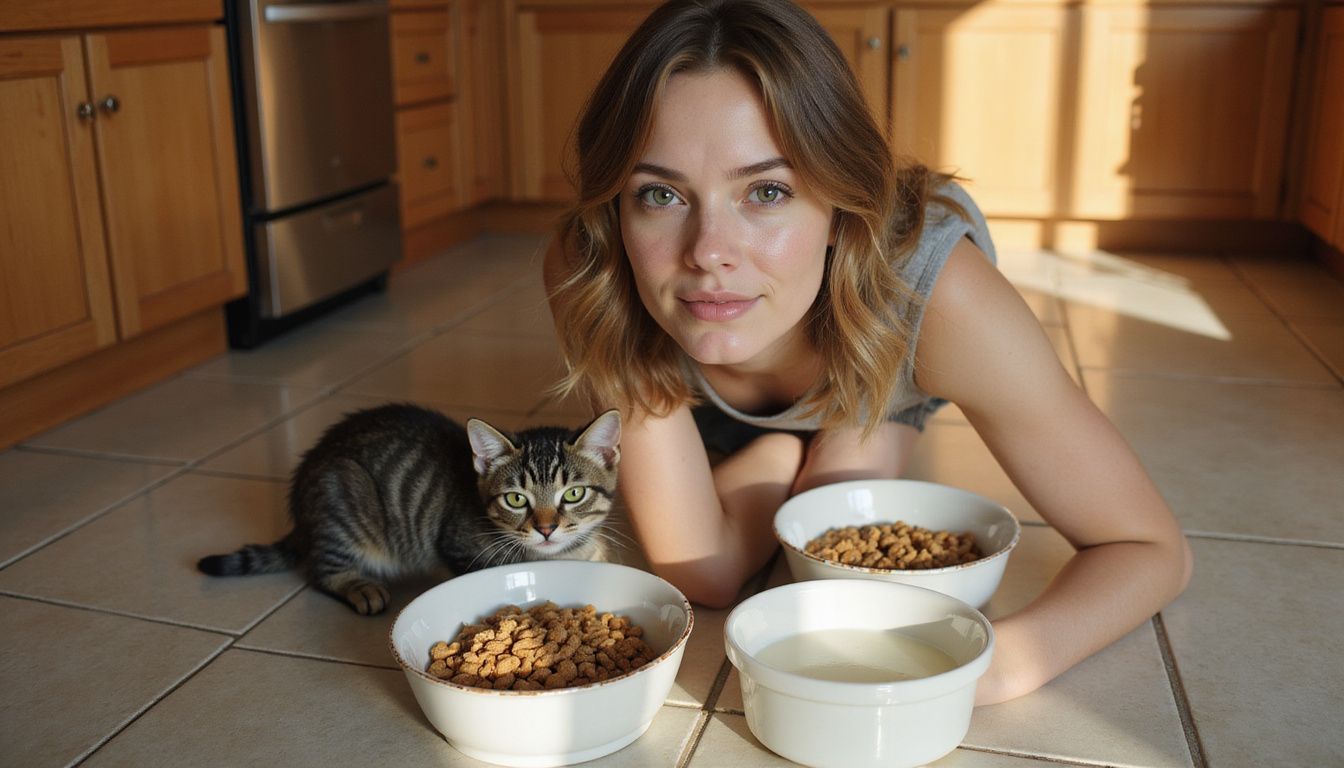
Your kitten needs food that supports growth, builds strong bones, and keeps energy high during these critical early months. Wet food, dry kibble, and milk replacer all play a part in your kitten’s diet, and getting the mix right makes a real difference in how well your little one thrives.
What are the benefits of wet kitten food?
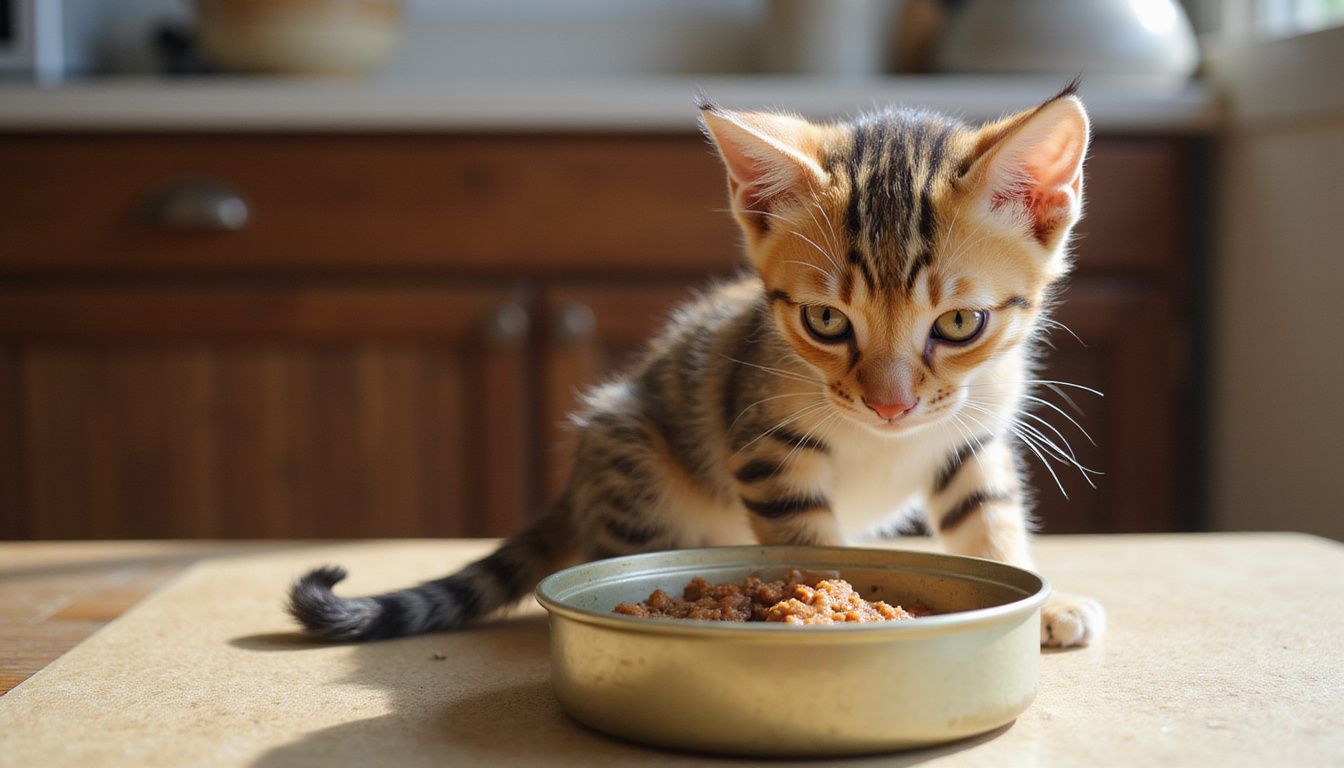
Wet kitten food brings moisture that dry kibble just can’t match, and that matters more than you’d think. Kittens between 4 and 8 weeks old need about 1.5 to 2 cans a day, split into three or more small meals.
Here’s why wet food earns its spot in the bowl:
- High moisture content supports healthy kidney function and easier digestion.
- Soft texture makes eating simple while teeth are still developing.
- The smell and taste stimulate appetite in kittens hesitant to try solid food.
- It smooths the transition away from mother’s milk or formula.
In a foster home with eight orphaned four-week-old kittens, a two-week feeding comparison showed just how much portions matter. Four kittens fed 1.5 cans daily across three meals gained an average of 220 grams and had light-colored urine, a sign of good hydration. The other four, fed just 0.75 cans a day, gained only 120 grams and showed darker urine. By day seven, the kittens on the higher portion were more active and had firmer stools, according to the foster caregiver who ran the comparison.
Brands like Wellness Core natural grain-free canned kitten food and Royal Canin Mother & BabyCat ultra-soft mousse in sauce give you soft textures that little mouths handle without a fight. Split wet food into 2 to 3 servings a day, and toss leftovers after each meal since they spoil fast. Unopened portions keep in the fridge for up to 24 hours.
Serve it at room temperature, not straight from the fridge. Kittens tend to prefer it that way, and it’s easier on their stomachs too. This approach works especially well during the switch from mother’s milk or kitten milk replacer to solid food, giving your kitten a gentle start toward good eating habits that last a lifetime.
When should I feed dry kitten food?
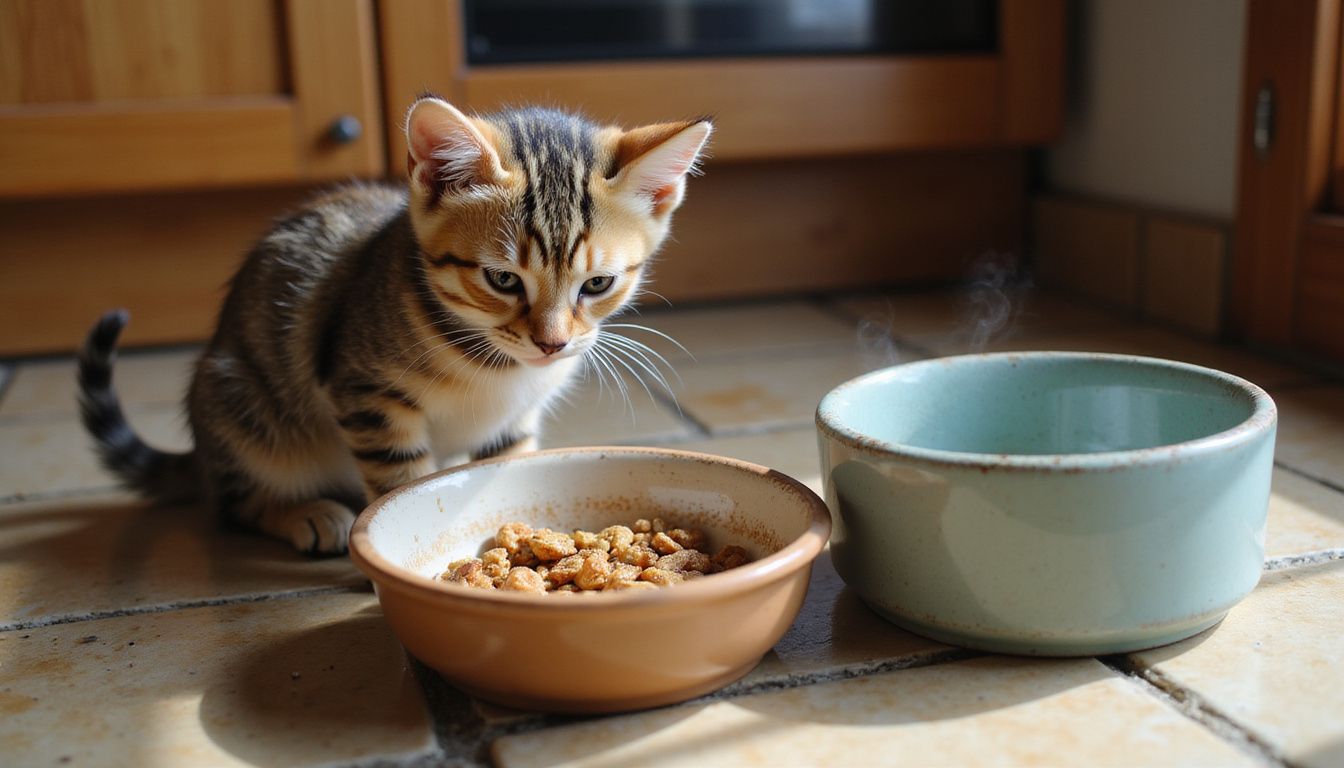
Wet food handles hydration and softness, but dry kibble plays its own role in your kitten feeding routine. You can start introducing dry kitten food during weaning, which usually begins around 3 to 4 weeks old.
Here’s how the switch typically goes:
- Moisten kibble with warm water or kitten formula so it’s easy to eat at first.
- Over the next two weeks, add less liquid and more dry food each day.
- By 6 to 8 weeks, most kittens handle dry food with no liquid mixed in at all.
Dry kibble becomes a daily staple because it supports dental health as adult teeth come in. Serving sizes usually run from 1/4 to 3/4 cup a day, depending on your kitten’s age and weight gain.
Look for AAFCO-approved dry kitten food, like BLUE Healthy Growth Chicken and Brown Rice Recipe, or pair it with something like Royal Canin Mother & Babycat Ultra-Soft Mousse in Sauce Wet Cat Food for variety. Hill’s Science Diet Kitten Healthy Development Chicken Recipe includes LifeSource Bits, which support your kitten’s immune system during this critical development window.
You can leave dry food out in the morning for grazing, or use an automatic pet feeder to keep meal times consistent even when you’re not home. After 6 months, most kittens move to two meals a day of quality dry food that matches their growing needs.
Good feeding habits start early. They shape your kitten’s health for life.
How do I use kitten milk replacer for newborns?
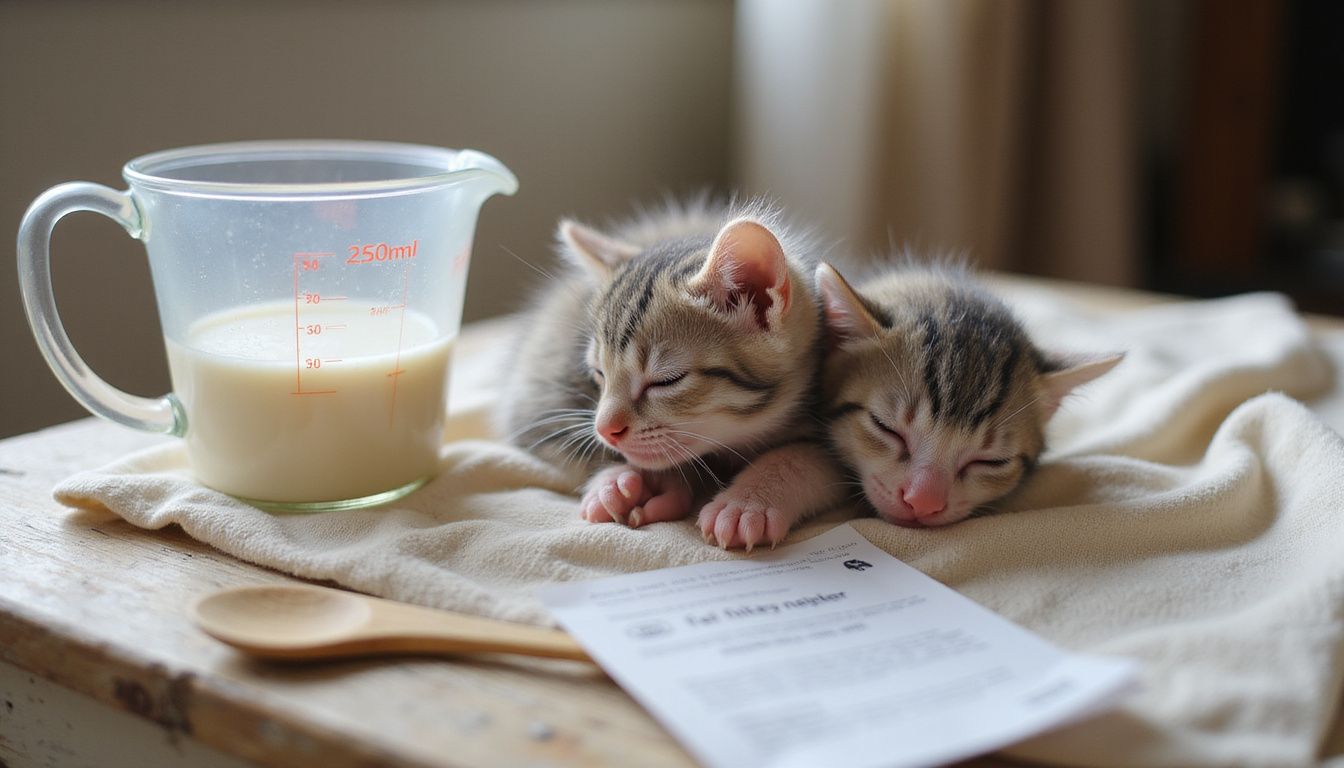
Dry kitten food works great for older kittens, but newborns need something completely different. If the mother cat isn’t available, your kitten will depend on kitten milk replacer, and using it the right way makes all the difference.
- Call your veterinarian first. They’ll recommend the right kitten milk replacer for your newborn’s needs.
- Pick a trusted brand like PetAg KMR Kitten Milk Replacer, which gives nutrients cow’s milk simply can’t provide.
- Follow the mixing instructions exactly, using the right water temperature and powder ratio.
- Mix fresh formula for every feeding. Old formula can grow harmful bacteria fast.
- Feed every 2 to 3 hours around the clock during the first weeks of life.
- Use a kitten-sized bottle nipple or a syringe, and let your kitten swallow at their own pace.
- Hold your kitten in a natural nursing position, supporting their head gently as they feed.
- Introduce small amounts of water once weaning starts, around 3 to 4 weeks old.
- Weigh your kitten weekly to confirm the schedule and formula amount are working.
- Around 4 weeks, start mixing small bits of wet and dry food into the formula until your kitten eats solid food on their own.
Feeding Schedule by Age
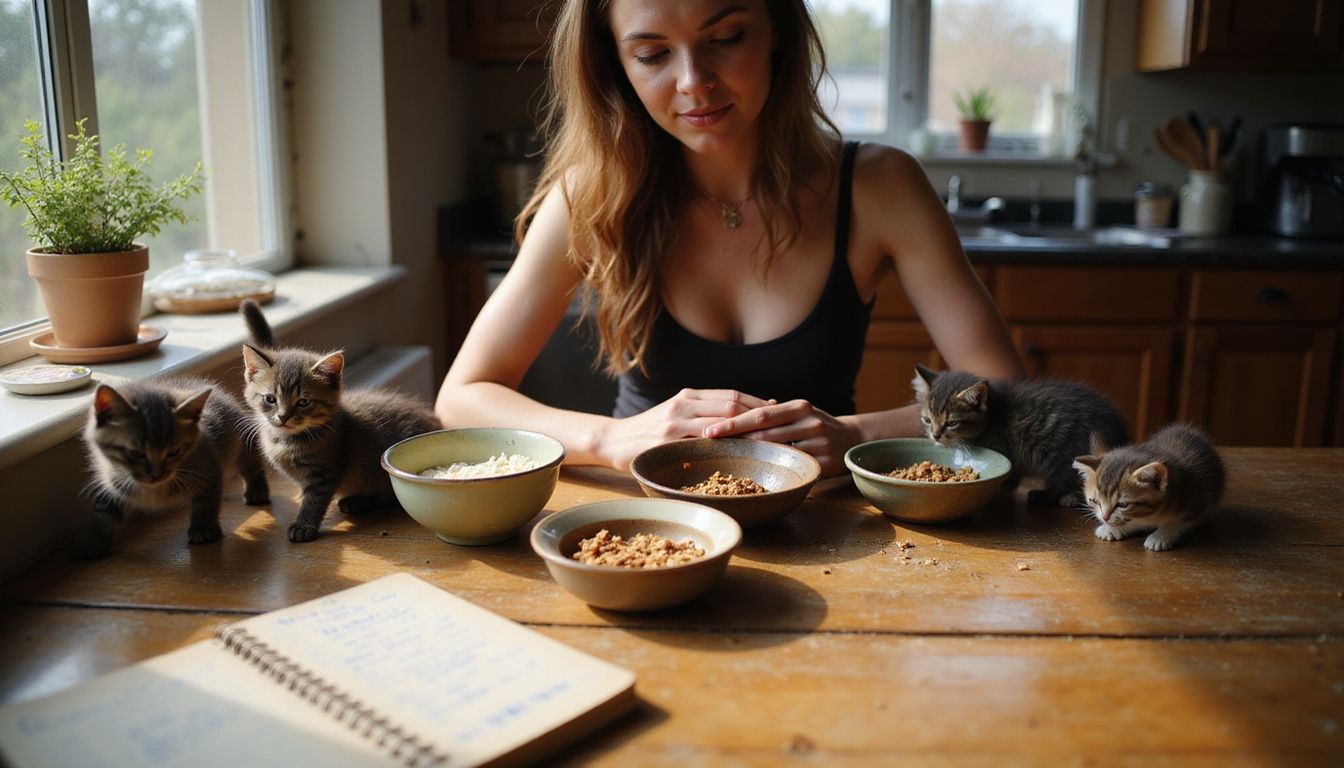
Your kitten’s age decides exactly what and how often you feed them. As they grow, you’ll move through several feeding stages, and getting the timing right sets them up for a healthy life ahead.
0 to 4 weeks: Mother’s milk or kitten milk replacer
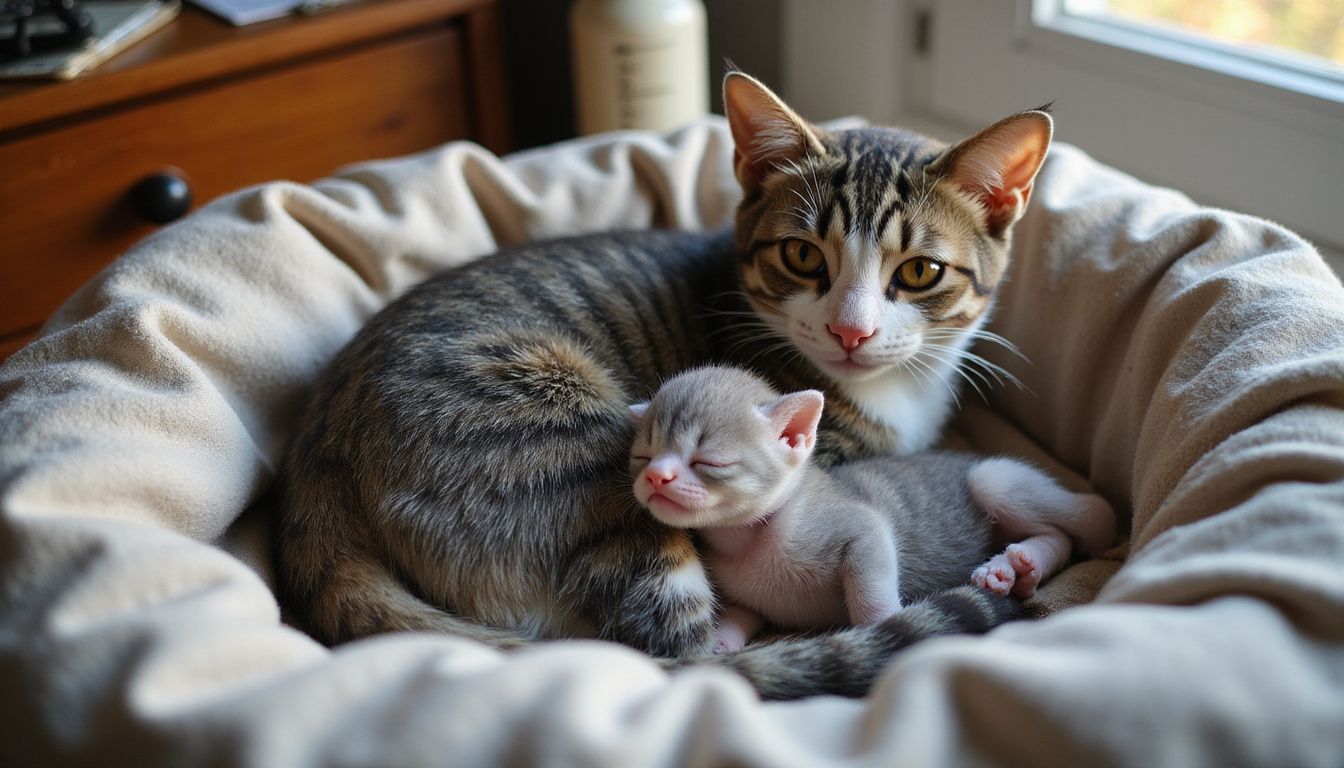
Newborn kittens need mother’s milk for their first four weeks of life. This milk delivers immune support and early growth fuel that nothing else can replace. If mom isn’t around, kitten milk replacer becomes your kitten’s lifeline.
Never reach for cow’s milk. It causes digestive upset and misses the nutrients your kitten actually needs. Your vet will point you toward the right kitten milk replacer, and kittens at this age need feeding every few hours, day and night.
Watch weight gain closely during these early days. It’s the fastest way to catch problems before they grow.
- Solid food has no place in the diet before 3 to 4 weeks old.
- Milk or formula meets every nutritional need at this stage.
- Skipping solid food this early protects a digestive system that isn’t ready yet.
A mother cat naturally knows how to space out feedings and care for her litter. If you’re bottle feeding, stick to your vet’s guidance on portions and timing. Getting this stage right builds the foundation for everything that follows, including the socialization and litter box training that come next.
4 to 12 weeks: Small frequent meals of wet and dry food
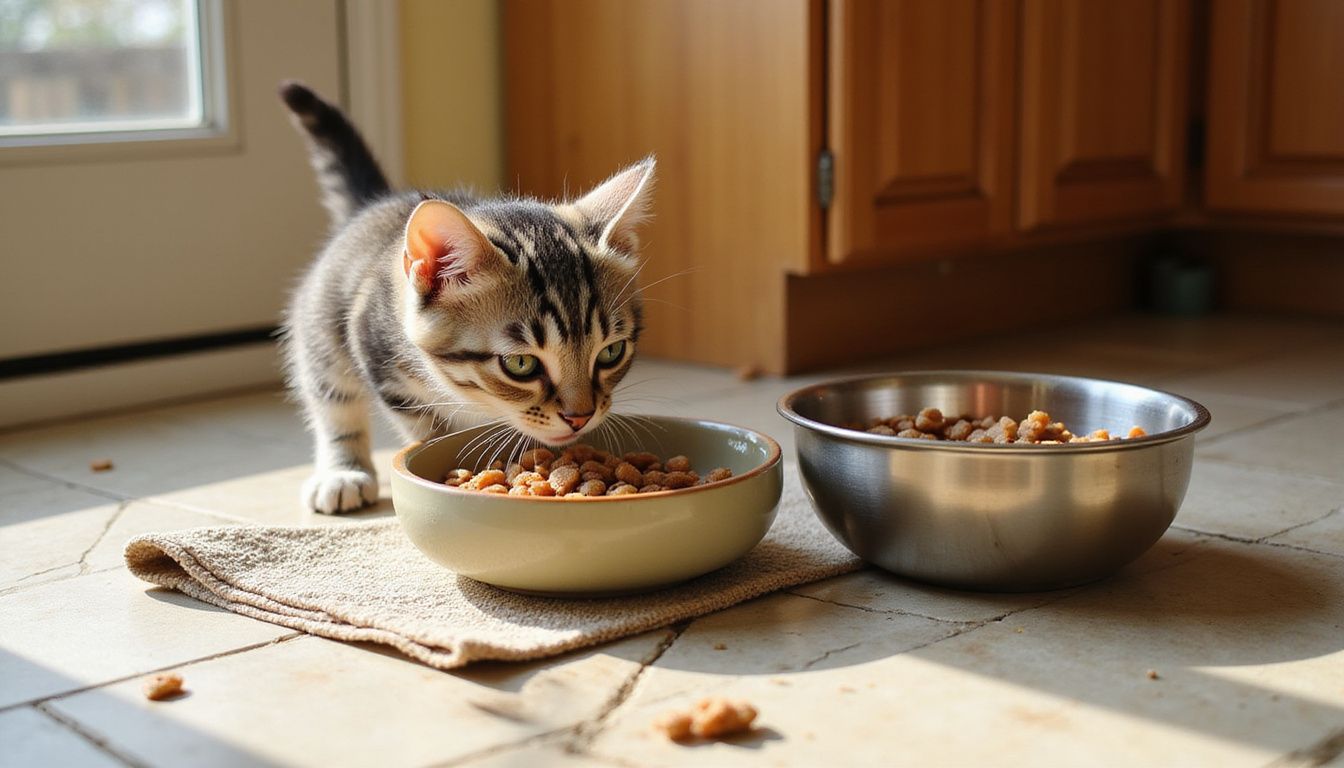
Between 4 and 12 weeks old, your kitten needs small, frequent meals to keep up with fast growth. At this stage, kittens typically weigh 1 to 3 pounds and need careful portion control.
Serve 1/4 to 1/2 cup of dry food, or 1/2 to 1.5 cans of wet food, split into 3 to 4 meals a day. Wet kitten food gives great hydration and tends to taste better to young eaters, while dry kibble supports dental health and packs in concentrated nutrition. Mixing both gives your kitten the best of both worlds, and brands like Blue Buffalo and Pro Plan make kitten-specific formulas for exactly this stage.
A litter of twelve bottle-fed kittens showed this transition clearly. Starting at 4 weeks old and averaging 420 grams, the kittens moved gradually from formula to moistened dry kibble over two weeks. By day seven, average weight hit 540 grams, and ten of the twelve were eating solid meals on their own. By day fourteen, all twelve ate wet or dry food with no formula at all, averaging 660 grams with no diarrhea after day five. The volunteer who monitored the litter said gradual mixing and frequent feedings made the switch smooth.
Keep a close eye on body condition during these weeks, and adjust portions as your kitten grows. Fresh water should always be within reach, since kittens explore the world through play and food alike.
- Cut back milk or formula gradually over two weeks as kibble intake goes up.
- Short separations from mom, if she’s around, encourage eating solid food sooner.
- Stick to AAFCO-approved options like Hill’s Science Diet Kitten Healthy Development or Blue Wilderness Kitten Salmon Recipe.
Your kitten will get more active and curious as calorie needs climb. Keep meal times consistent, and check with your vet for portion guidance specific to your kitten’s needs.
3 to 6 months: Three meals per day
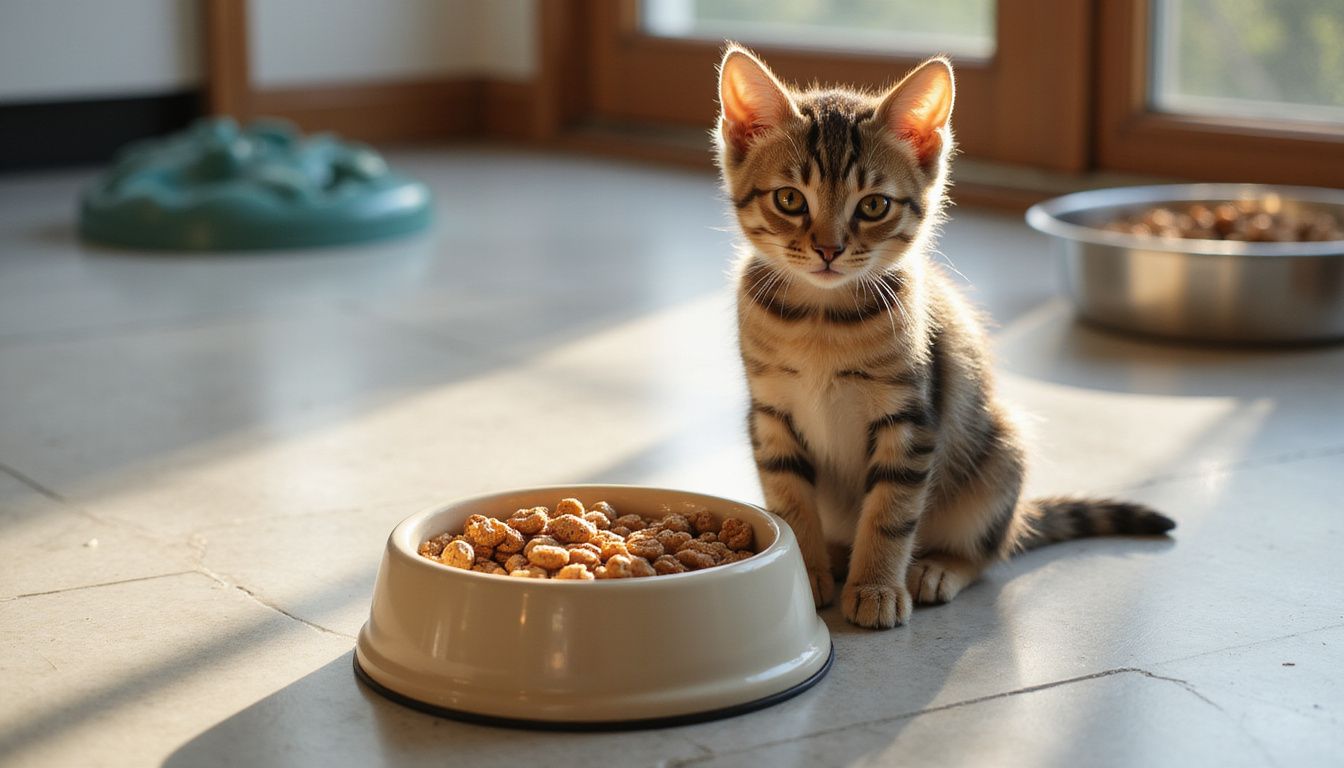
Once your kitten passes the twelve-week mark, feeding shifts into a new phase. They now weigh between 3 and 5.5 pounds and need three meals a day to fuel rapid development.
This schedule keeps energy steady and supports the growth spurt happening inside that small body. Serve about 1/3 to 2/3 cup of dry food per meal, or a similar portion of wet food, depending on how quickly your kitten gains weight.
High-protein, high-fat food matters most during these months. Quality brands like Blue Wilderness Kitten Salmon Recipe or Hill’s Science Diet Kitten Healthy Development Chicken Recipe dry cat food work well, and mixing wet and dry gives your kitten variety along with balanced nutrition for strong bones and muscles.
- Judge portions by how your kitten looks and feels, not just what the label says.
- Weigh your kitten regularly at the vet, especially around FVRCP vaccine appointments.
- Add food puzzle toys for mental stimulation and easy training with treats.
Check weight and body condition every week or two, and make small portion adjustments as needed. This three-meal schedule keeps your kitten satisfied and builds eating habits that last a lifetime.
6 to 12 months: Transition to two meals per day
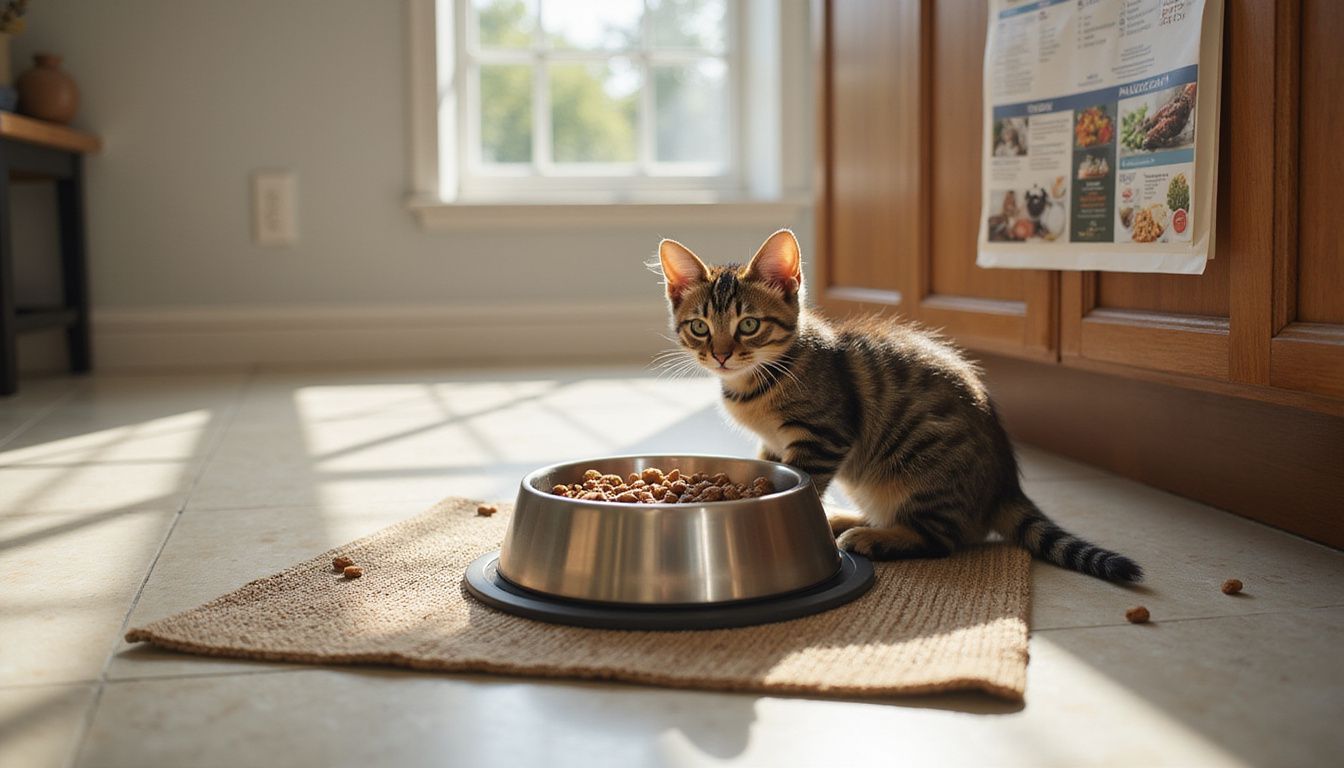
Your kitten’s growth rate slows after six months, so the feeding schedule shifts too. Between 6 and 12 months, most kittens move from three meals a day down to two.
This works because your kitten needs fewer calories as they near adulthood.
| Age Range | Dry Food | Wet Food | Meals Per Day |
|---|---|---|---|
| 5.5 to 8.25 months | 1/3 to 2/3 cup daily | 2 to 3 cans daily | 2 to 3 meals |
| 8.25 months to 1 year | 1/4 to 3/4 cup daily | 2 to 7 cans daily | 2 meals (dry), 3+ meals (wet) |
Calorie needs should drop as your kitten gets closer to adulthood, so watch portion sizes carefully. Stick with AAFCO-approved kitten formulas from trusted brands like Blue Wilderness Kitten Salmon Recipe and Blue Healthy Growth Chicken and Brown Rice Recipe for balanced nutrition through this stage.
Chewy, MyPurina, and PetMD all offer helpful tools for finding the right food for your kitten. Talk to your vet before making any big diet changes, especially as you get close to switching to adult cat food around the one-year mark. This keeps obesity at bay and supports healthy development right up to adulthood.
Foods to Avoid
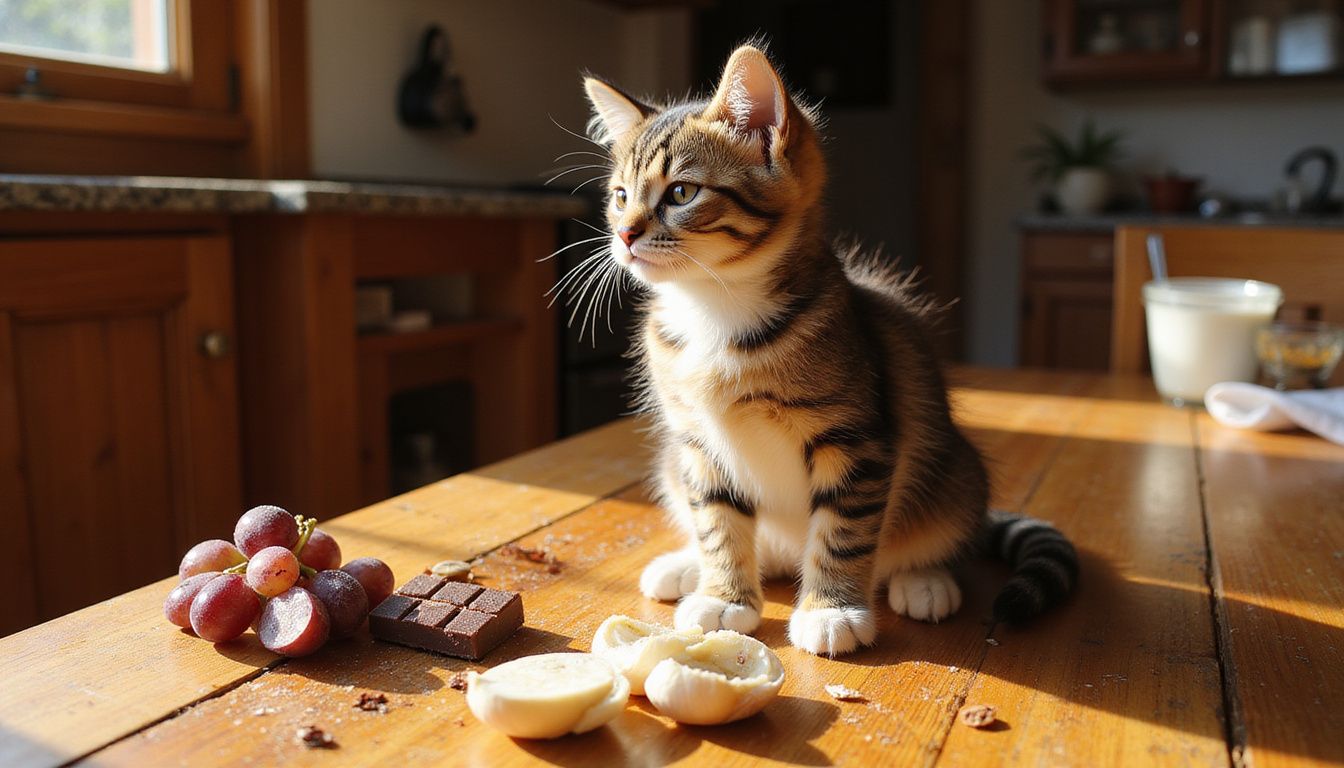
Your kitten’s digestive system needs protection from foods that can make them sick, or worse. Certain human foods and feeding habits pose real dangers to your new furry friend, so knowing what to avoid matters just as much as knowing what to feed.
Which human foods are toxic to kittens?
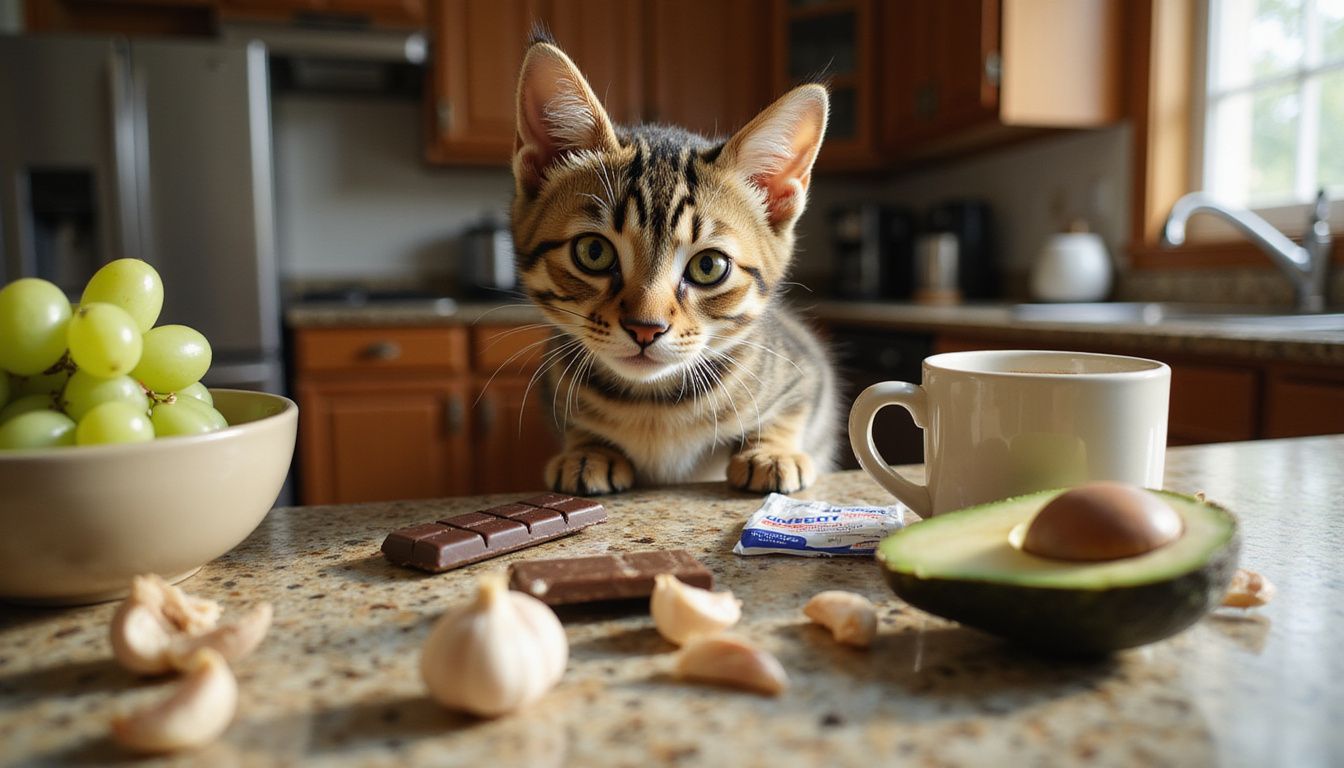
Keeping toxic foods out of reach saves lives. Small amounts of certain human foods can cause serious illness or death in young cats.
According to the 2026 ASPCA Animal Poison Control Center annual report, the center handled over 376,000 cases of pet toxin exposure in 2025 alone, with foods like xylitol, onions, and chocolate among the top culprits. That number alone shows how often accidental poisonings happen, and why keeping these items locked away really matters.
- Onions and garlic damage red blood cells and cause anemia. Store them in sealed containers your kitten can’t reach.
- Chocolate contains theobromine, which triggers vomiting, diarrhea, and heart problems. Dark chocolate carries more toxins than milk chocolate.
- Caffeine from coffee, tea, and energy drinks affects heart rate and breathing. Even small sips can hurt a developing kitten.
- Grapes and raisins can cause kidney failure, and even a single grape can trigger a dangerous reaction in some kittens.
- Avocado contains persin, which causes vomiting and digestive upset fast.
- Raw or undercooked meat and eggs expose kittens to salmonella and E. coli. Cooking kills these pathogens and makes protein safe to eat.
- Xylitol, found in sugar-free gum and baked goods, causes liver damage and low blood sugar. Read labels carefully.
- Alcohol and raw yeast dough ferment in your kitten’s stomach, causing bloating and intoxication.
- Cooked bones splinter easily and can puncture the digestive tract or cause choking.
Call your veterinarian immediately if your kitten eats any of these. Fast treatment prevents lasting damage and saves lives.
Why is adult cat food not suitable for kittens?
Your kitten’s body grows at lightning speed, and adult cat food just can’t keep up with those demands. Adult formulas lack the protein and fat levels kittens need to build muscle and develop properly.
Young cats also need more calcium and DHA than adult food provides. Feeding your kitten adult cat food can lead to malnutrition or stunted growth, setting back development during these critical months.
| Nutrient | Kitten Food | Adult Cat Food |
|---|---|---|
| Protein | Higher | Lower |
| Fat | Higher | Lower |
| Calcium | Higher | Lower |
| DHA | Included | Minimal or none |
Caloric density differs too, so you might accidentally underfeed your kitten without realizing it. Stick to food formulated specifically for kittens up to one year old, and wait until your kitten’s first birthday before switching to adult cat food.
Products like Blue Wilderness Kitten Salmon Recipe or Blue Healthy Growth Chicken and Brown Rice Recipe strike the right balance your kitten needs, with LifeSource Bits and other ingredients built for young cats. Choosing kitten-specific food over adult varieties gives your new family member the best possible start, supporting strong bones, healthy organs, and steady growth through that first crucial year.
Is it safe to feed raw or undercooked meat and eggs to kittens?
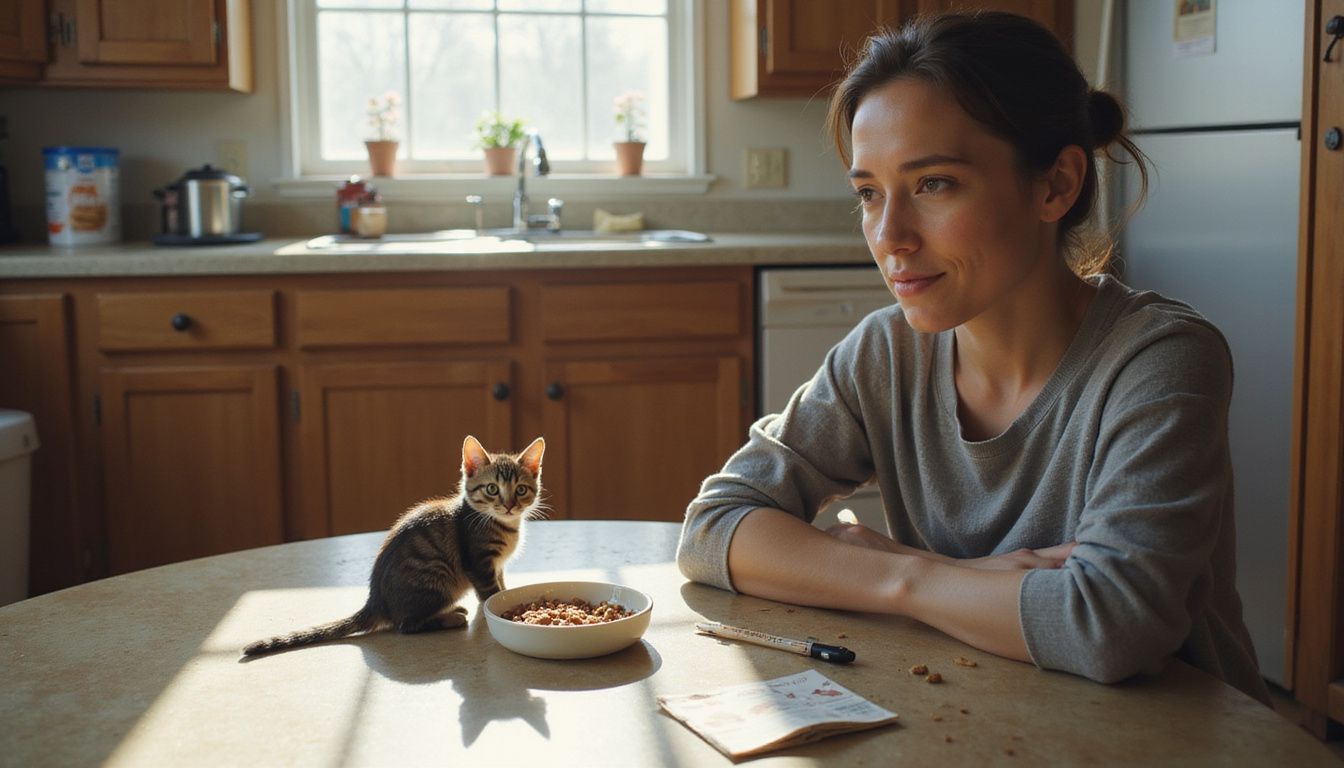
Adult cat food isn’t the only feeding mistake that can cause real harm. Raw or undercooked meat and eggs introduce dangerous bacteria into your kitten’s diet at a time when their body can least handle it.
Salmonella and E. coli thrive in uncooked food, and young kittens are especially vulnerable since their immune systems haven’t fully developed yet. Based on a recent 2026 analysis of FDA pet food recall data, raw or minimally processed pet diets account for about 67% of pathogen-related recalls, despite making up less than 10% of the pet food market. That gap says a lot about where the real risk sits.
Feeding raw diets raises the odds of foodborne illness and can lead to nutritional gaps if not managed with real care.
- Properly cooked, high-quality commercial kitten food removes the guesswork.
- Brands like Blue Wilderness Kitten Salmon Recipe and Blue Healthy Growth Chicken and Brown Rice Recipe use safe cooking methods that keep nutrition intact.
- LifeSource Bits and similar ingredients help fill nutritional gaps that raw diets can miss.
Talk to your veterinarian before trying any raw food diet for your kitten. Safe feeding practices protect your kitten from illness and support healthy growth during these fragile early months.
Tips for Healthy Feeding
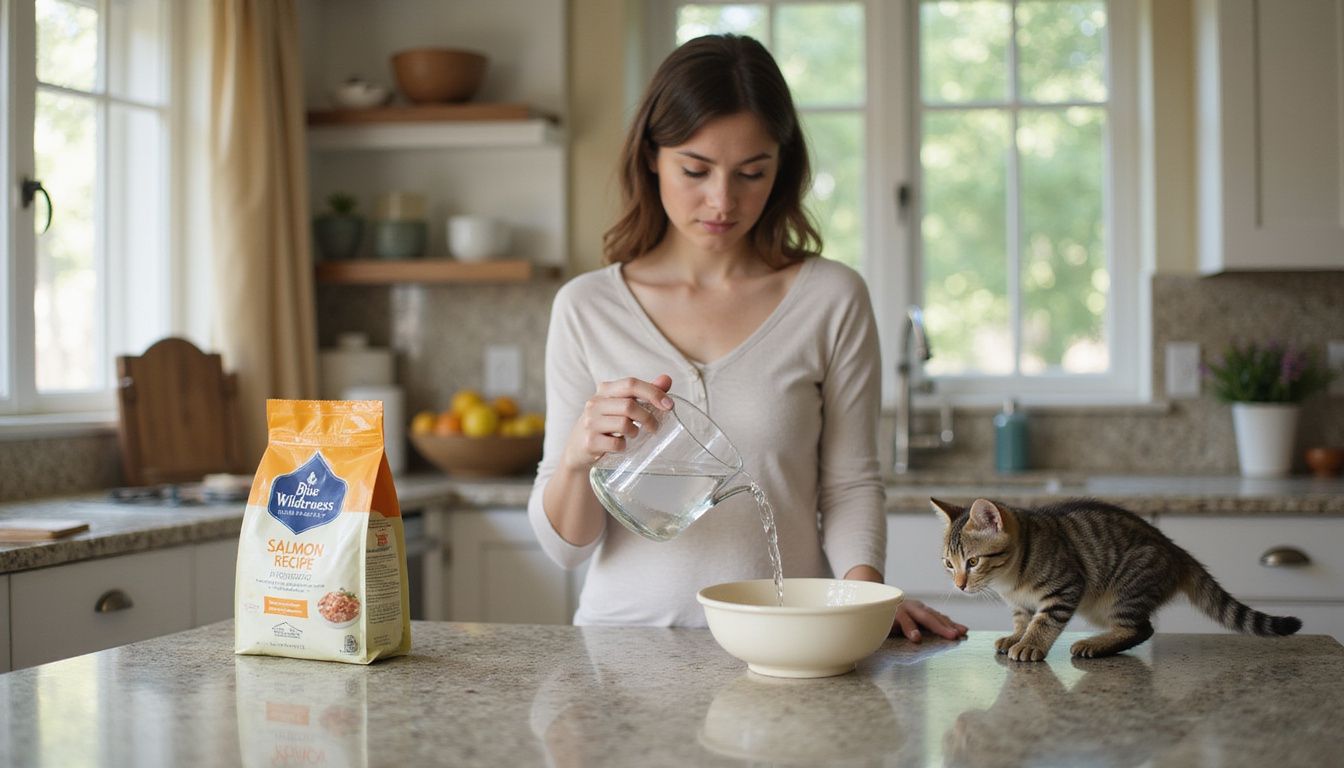
Your kitten needs fresh water every day, and watching their weight closely helps you catch problems early. Quality kitten food brands like Blue Healthy Growth Chicken and Brown Rice Recipe and Blue Wilderness Kitten Salmon Recipe carry AAFCO approval, meaning they meet strict nutrition standards your growing kitten needs.
How much fresh water should a kitten have each day?
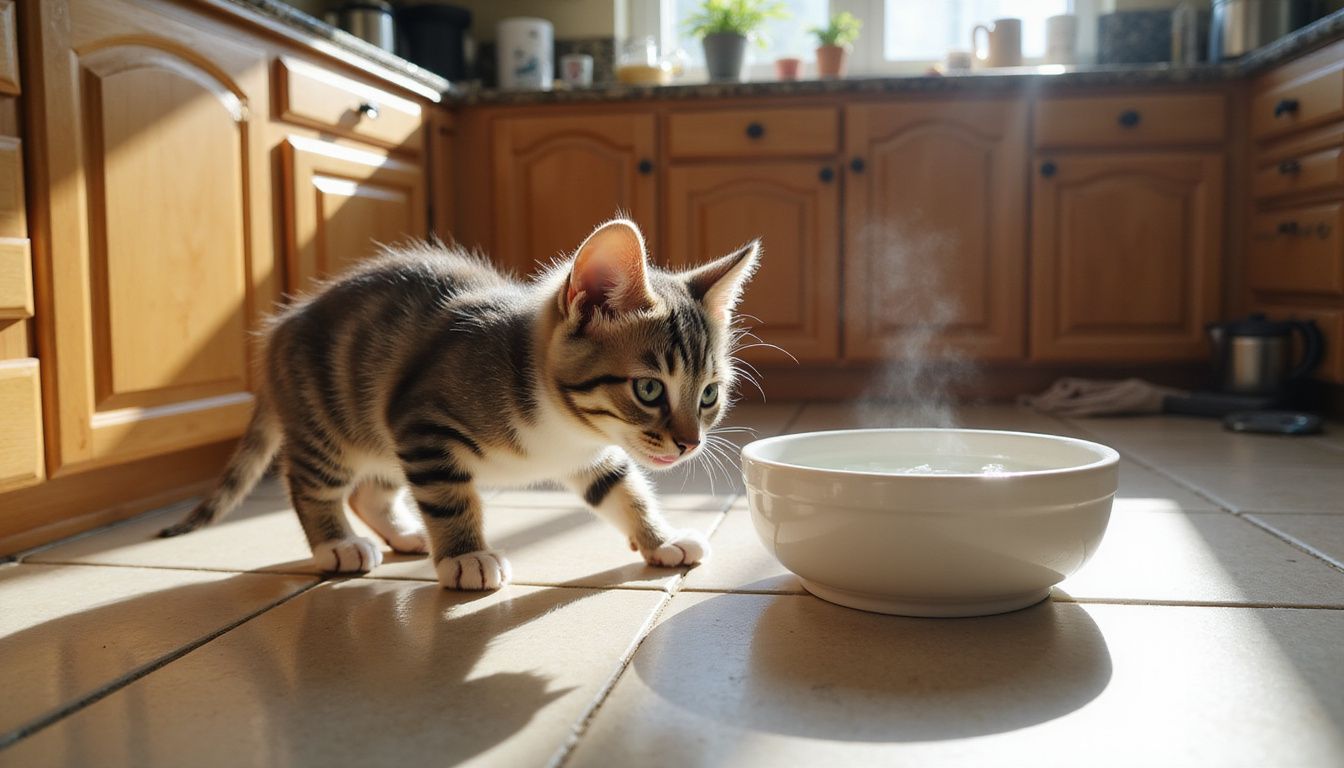
Fresh water needs to be available at all times. This one isn’t negotiable.
Aim for 1 to 2 cups of fresh, shallow water per meal, giving your kitten plenty of chances to drink through the day. According to 2026 guidelines from the Cornell Feline Health Center and PetMD, cats generally need about 3.5 to 4.5 ounces of water daily for every 5 pounds of body weight. That gives you a real number to check against, rather than just guessing if your kitten is drinking enough.
Water bowls need rinsing and refilling at every feeding. Hydration matters for kidney function and overall health, so this isn’t a spot to cut corners.
- Place multiple water bowls around the house, near feeding areas and away from litter boxes.
- Use shallow bowls that don’t touch your kitten’s whiskers, since whisker contact can put kittens off drinking.
- Try a cat fountain if your kitten seems to like running water better than still.
- Clean bowls thoroughly at least once a week to stop bacteria buildup.
Wet food helps with hydration, but it doesn’t replace the need for fresh water. Think of water as the foundation of how much to feed a kitten properly. Without it, even the best kitten feeding schedule falls apart.
Watch how much your kitten drinks. A sudden change in water intake can be an early sign something’s wrong, so don’t ignore it.
How do I monitor my kitten’s body condition and weight gain?
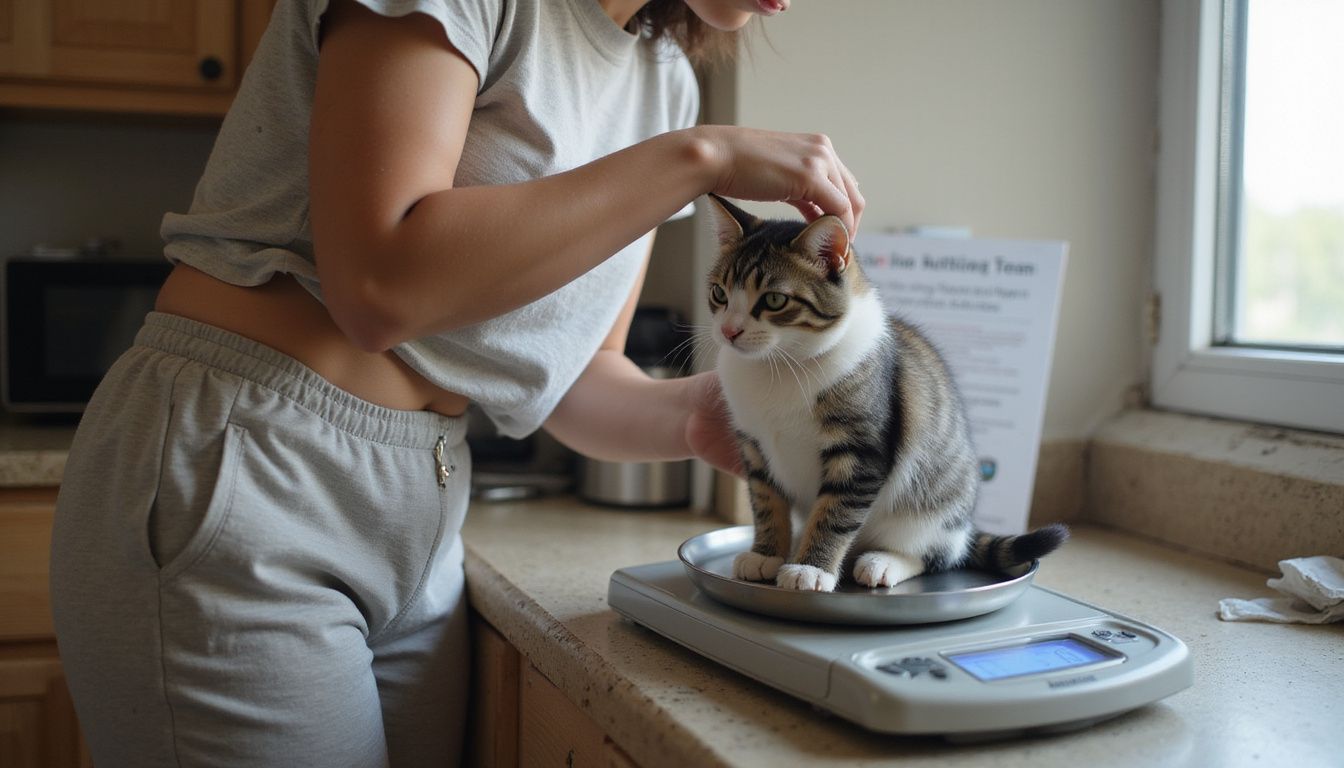
Tracking your kitten’s growth keeps them healthy and strong. Start with regular weigh-ins at home or during vet visits, since real numbers beat guesswork every time.
According to 2026 veterinary growth benchmarks from PetMD and the ASPCA, a healthy kitten should gain about 0.25 to 0.5 ounces (7 to 14 grams) a day, which adds up to roughly 4 ounces a week. If your kitten falls well below that pace for more than a few days, it’s worth a call to your vet.
Your veterinarian can also show you body condition scoring, a simple hands-on way to check your kitten’s shape.
- Ribs should feel firm under a light layer of fat, not sharp or hidden.
- Your kitten’s waist should show a slight curve when you look from above.
- Use label serving sizes as a starting point, then adjust by what you see and feel.
Overfeeding leads to obesity, and underfeeding causes stunted growth, so getting the balance right really does matter. Adjust portions as your kitten’s body condition changes, since every kitten grows at their own pace.
If you notice sudden weight loss or gain, contact your vet right away. PetSnowy and PetMD both offer solid resources for understanding what healthy kitten growth looks like, and feeding chart guidelines can help you figure out the right meal size for each stage.
What makes kitten food high-quality and AAFCO-approved?
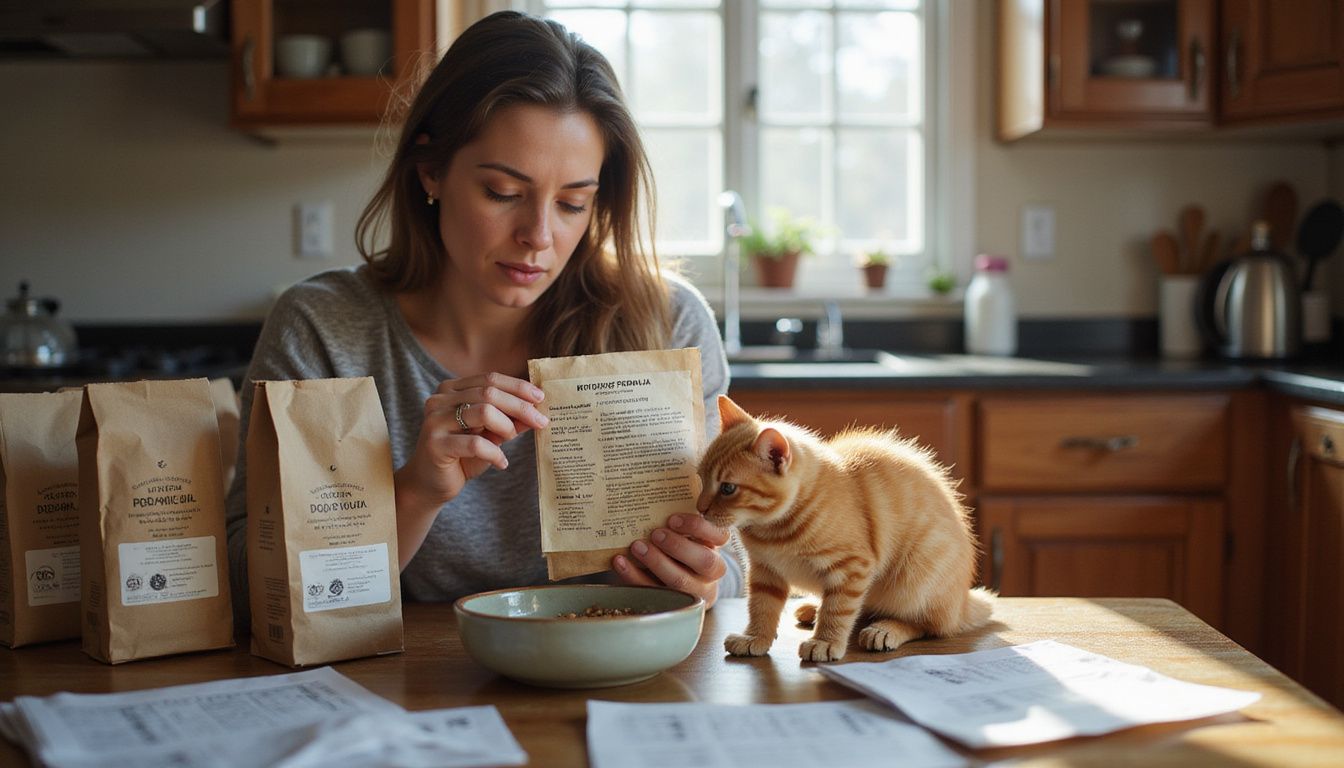
High-quality kitten food meets strict nutritional standards set by the Association of American Feed Control Officials, or AAFCO. Approved formulas deliver complete, balanced nutrition built for your kitten’s growth stage.
Choose foods rich in protein, fat, calcium, and DHA, since these nutrients fuel rapid development. Based on current AAFCO standards, kitten food must contain at least 30% crude protein on a dry matter basis, compared to just 26% required for adult maintenance diets. That’s a number worth checking on the bag, since it tells you right away if a food is actually built for a growing kitten.
Brands like Purina Pro Plan Development kitten formulas and BLUE Healthy Growth Chicken and Brown Rice Recipe deliver these essentials, and products with LifeSource Bits add extra immune support for this life stage.
- Check that the label says “complete and balanced for kittens,” not adult cats.
- Look for named protein sources like chicken or fish, not vague terms like “meat by-products.”
- Skip foods loaded with fillers or artificial colors, since they add little nutritional value.
High-quality kitten food costs more upfront, but it pays off by supporting strong bones, teeth, and organs while helping you avoid digestive issues down the road. Your veterinarian can point you toward products suited to your kitten’s individual needs, so ask at your next visit if you’re not sure where to start.
Conclusion

You now know what your kitten needs to thrive, from wet and dry food choices to feeding schedules that match every stage of growth. Kittens need up to three times more calories than adult cats, so multiple meals with high-protein kitten food matter more than you might expect.
Steering clear of toxic foods like onions, garlic, and chocolate protects your kitten from real harm.
Fresh water every day, AAFCO-approved nutrition, and regular weight checks build the foundation for a healthy start. Brands with ingredients like LifeSource Bits support the rapid growth happening in these early months.
Start putting this feeding guide to work today. Your kitten’s long, energetic, and happy life starts with what’s in their bowl right now.
FAQs
1. How often should I feed my kitten?
Feed your kitten small meals four times a day until they hit six months old. The American Animal Hospital Association recommends this schedule because their tiny stomachs can’t hold much at once. After six months, you can drop down to two or three meals a day.
2. What foods should I avoid giving my kitten?
Skip cow’s milk because most cats lose the ability to digest lactose after weaning. Also steer clear of onions, garlic, and raw dough, as the ASPCA lists these as toxic to cats.
3. Is LifeSource Bits® a good choice for kitten food?
Yes, LifeSource Bits are Blue Buffalo’s special kibble that packs in vitamins, minerals, and antioxidants kittens need. Many pet owners trust this formula for balanced nutrition.
4. When should I switch my kitten to adult cat food?
Most kittens can switch around their first birthday when they’ve reached their full adult size. Larger breeds typically need kitten food until 15 to 18 months old.