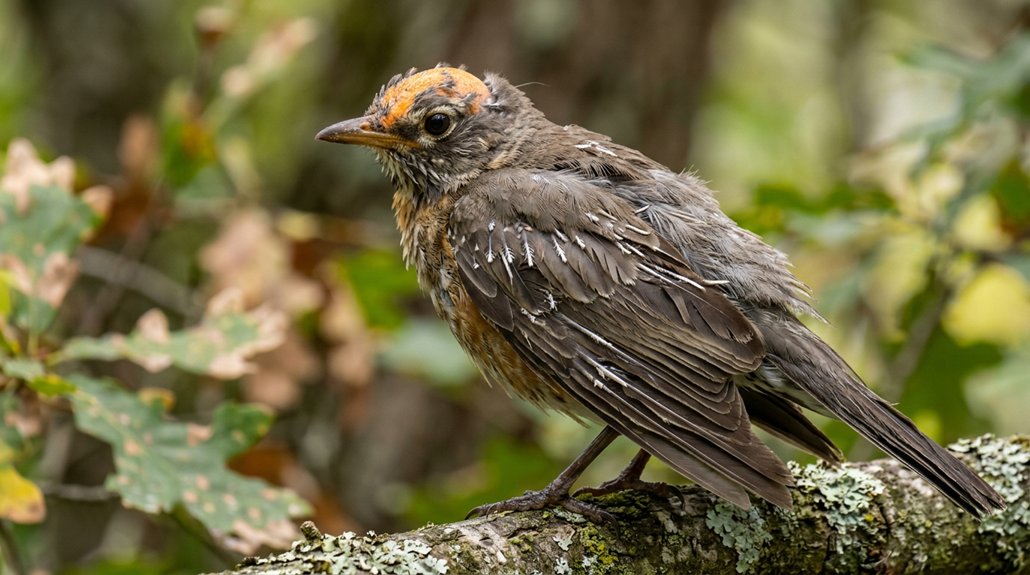
Bird molting is a normal process where you shed old feathers and grow new ones from feather follicles. You may see pin feathers, mild fatigue, and increased preening, but appetite, weight, and droppings should stay stable. Healthy molt is usually gradual and symmetrical, not patchy or bloody. If you notice bald areas, scabs, lethargy, feather chewing, or no regrowth, it could be illness or plucking. There’s more to tell about timing and care.
Key Takeaways
- Molting is the normal shedding of old feathers and growth of new ones from follicles, often with visible pin feathers.
- Healthy molt is gradual and symmetrical, with mild fatigue, more preening, and stable appetite, weight, and droppings.
- Birds molt to replace worn feathers and maintain flight efficiency, insulation, and overall feather quality.
- Normal molting usually follows seasonal cues and may happen once or twice yearly, often after breeding or before migration.
- Abnormal signs include patchy baldness, redness, bleeding, scabs, no regrowth, weight loss, lethargy, or respiratory symptoms.
What Bird Molting Is
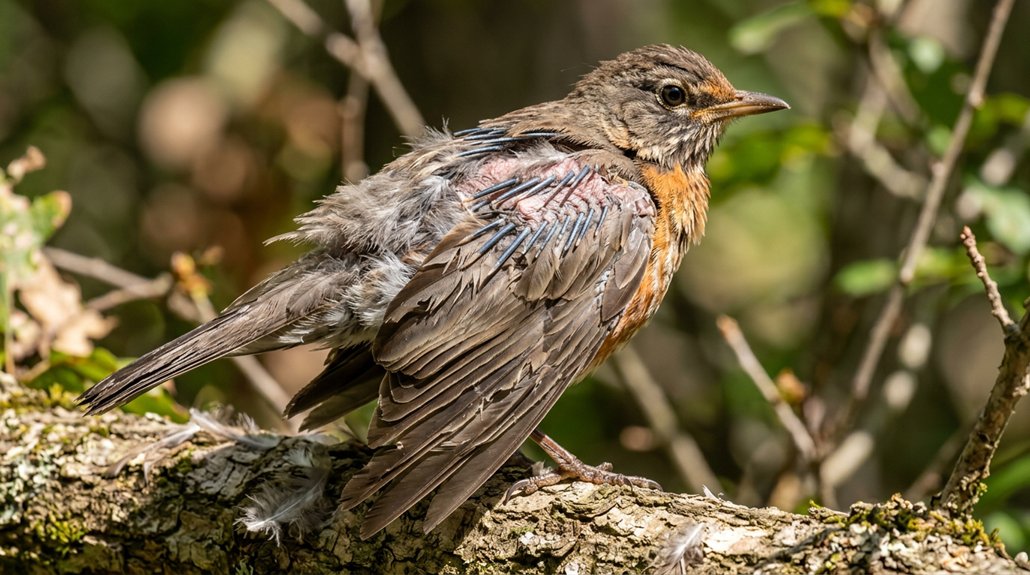
Bird molting is the natural process by which a bird sheds old, worn feathers and replaces them with new ones grown from feather follicles in the skin. You should understand that feathers are made of nonliving beta-keratin, so they can’t repair themselves once damaged. Most species molt once or twice yearly, often in spring or fall, with timing shaped by species, age, seasonal cues, and environmental conditions. Molts may be partial, replacing selected feathers over one or more cycles, or complete, replacing most or all plumage. Flight feathers are usually renewed in a staggered, symmetrical pattern to preserve function. New feathers emerge as sensitive pin feathers with a blood supply, then harden. Molting is hormonally regulated, energetically demanding, and linked to immune modulation.
Why Birds Molt
You’ll see that birds molt to renew worn feathers, which helps maintain efficient flight and effective insulation. This process is usually timed to seasonal and reproductive cues, so molts often occur once or twice a year when conditions favor replacement. By replacing feathers at the right time, birds preserve flight performance and keep their plumage functional for changing environmental demands.
Feather Renewal
Feather renewal is the reason birds molt: feathers are made of non-living beta-keratin, so once they are worn, broken, or faded, they cannot repair themselves and must be replaced. You’ll see this as regular shedding from follicles followed by new growth that restores feather structure and function. Because feathers suffer wear from flight, preening, UV exposure, and abrasion, molt replaces plumage used for insulation, display, camouflage, and flight. Most birds complete one or two molts each year, often in seasonal patterns, but frequency varies with species, age, and environment. Molt may be partial or complete, and many birds stagger replacement to keep flying. Hormones, breeding status, photoperiod, nutrition, and energy demands regulate the process.
Seasonal Timing
The timing of molt is tightly controlled because birds replace feathers when conditions make the energy cost manageable and the new plumage most useful. You’ll usually see a major annual molt after breeding or before migration, and some species molt twice. Day length provides photoperiod cues that shift hormones and initiate seasonal change. Juveniles often undergo a formative molt into adult plumage, while adults may follow spring or fall schedules depending on breeding or winter needs. Nutrition, stress, parental duties, and workload can delay onset or prolong molt, and intense activity can cause molt suppression. Partial molts renew only selected feather tracts within a year, whereas complete molts replace most or all feathers when conditions permit the higher cost. This timing helps birds stay synchronized with seasonal demands and resource availability.
Flight And Insulation
Even when a bird looks intact, molting is essential because it replaces worn flight feathers and insulating down, preserving aerodynamic efficiency and thermal regulation. You’ll usually see flight-feather replacement occur in a staggered pattern, with matching primaries or secondaries lost on each wing to maintain wing symmetry and stable control. New feathers emerge as blood-filled pin feathers, so they can’t yet provide full lift or insulation until they mature. During this period, your bird’s thermal balance depends on rapid, orderly regrowth. Molting is hormonally timed, often after breeding or before migration, to limit risk. If nutrition is poor, or stress, humidity, or temperature shifts are extreme, feather regrowth can slow, reducing both flight performance and insulating capacity until the molt finishes.
When Birds Molt
Most bird species molt once or twice a year, often in spring or fall, and the process usually takes several weeks to several months depending on the species and the feathers being replaced. You’ll see molt timing controlled by hormones and usually scheduled after breeding or outside peak migration and parental care, when energy demands are lower. A juvenile molt may occur soon after fledging, while photoperiod effects, temperature, nutrition, age, and health can shift the schedule. Stress induced molt can also alter timing or progress. Molts may be partial, replacing only some feathers, or complete, replacing most or all feathers. Many birds shed feathers in a symmetrical pattern, which helps preserve flight. New pin feathers then emerge and remain sensitive until fully formed.
Signs of a Healthy Molt
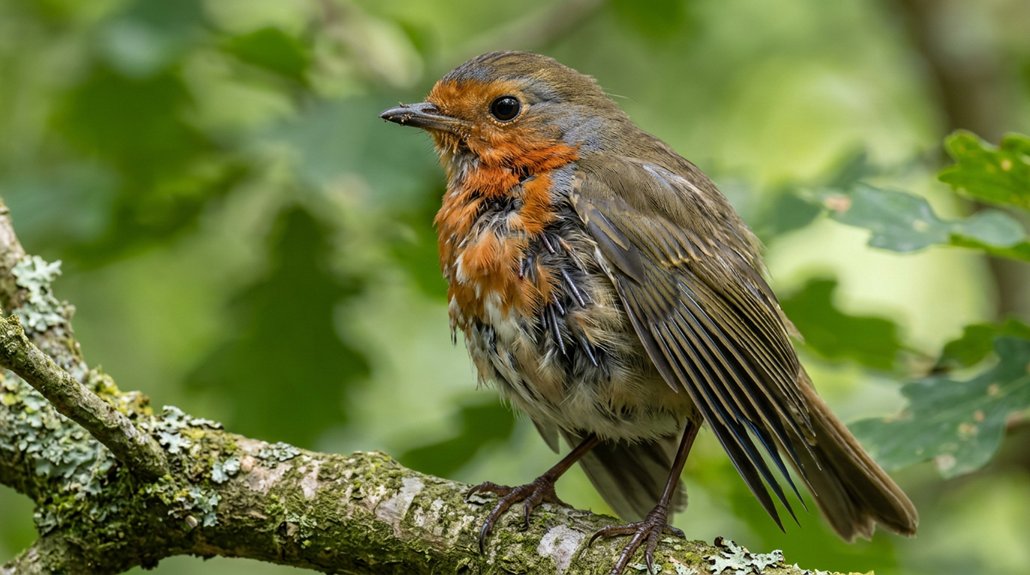
A healthy molt usually looks gradual and even, with matching feathers being lost on both sides of the body or wings rather than sudden bald patches on one side. You should see balanced symmetry in feather loss and regrowth, with new pin feathers appearing as spiky quills, sometimes with a waxy sheath. That means replacement is active. The process typically lasts weeks, and in large parrots, it can extend over months, not days. You may notice mild fatigue, more preening, or slight irritability, but not marked distress. Your bird should keep normal appetite, weight, droppings, and body condition. Skin should remain intact, without bleeding or irritation. Steady, progressive regrowth is a strong sign that the molt’s normal and healthy.
Molting vs. Feather Plucking
You can tell a natural molt by the presence of new pin feathers and sheaths in mirrored feather tracts, with regrowth that’s gradual and usually symmetrical over weeks. Feather plucking is more concerning when you see bare patches, asymmetry, persistent feather loss, excessive preening, or skin irritation and damage. If the pattern isn’t matching normal molt, or you notice other systemic signs, you should have your bird examined by an avian veterinarian.
Signs of Natural Molt
Natural molt typically appears as symmetrical feather loss on both sides of the body, with gradual regrowth over weeks to months rather than abrupt bald patches. You’ll often see seasonal triggers and molt hormones drive this predictable cycle.
- Look for pin feathers: new shafts with a keratin sheath and dark base.
- Expect more loose feathers around the cage or beneath roosts, not clumped losses in one spot.
- Watch for mild fatigue, increased preening, and brief irritability.
During a normal molt, your bird may seem slightly less energetic, but appetite, droppings, and weight should stay stable. If you notice no new growth, skin irritation, bleeding, or systemic changes, don’t assume it’s normal molt. Consult an avian veterinarian promptly for evaluation.
Red Flags For Plucking
Although molt can look dramatic, it should still follow a predictable pattern: feather loss is usually bilateral and gradual, with pin feathers visible as new growth emerges. When you see sudden, asymmetric bald areas, suspect plucking, not molt. | Finding | Molt | Plucking |
| — | — | — |
|---|---|---|
| Pattern | Bilateral | Patchy |
| Skin | Pin feathers | Bare, irritated |
| Behavior | Calm preening | Scratching, chewing |
Persistent scratching, repetitive preening, or anxiety may reflect behavioral triggers or environmental stressors. Scabbing, redness, bleeding, inflammation, or parasites aren’t normal. If you notice weight loss, poor appetite, abnormal droppings, or lethargy, your bird needs prompt avian veterinary evaluation to rule out infection, mites, pain, or other medical causes. Early assessment helps you distinguish normal molt from self-trauma and protect skin health.
When Feather Loss Is a Concern
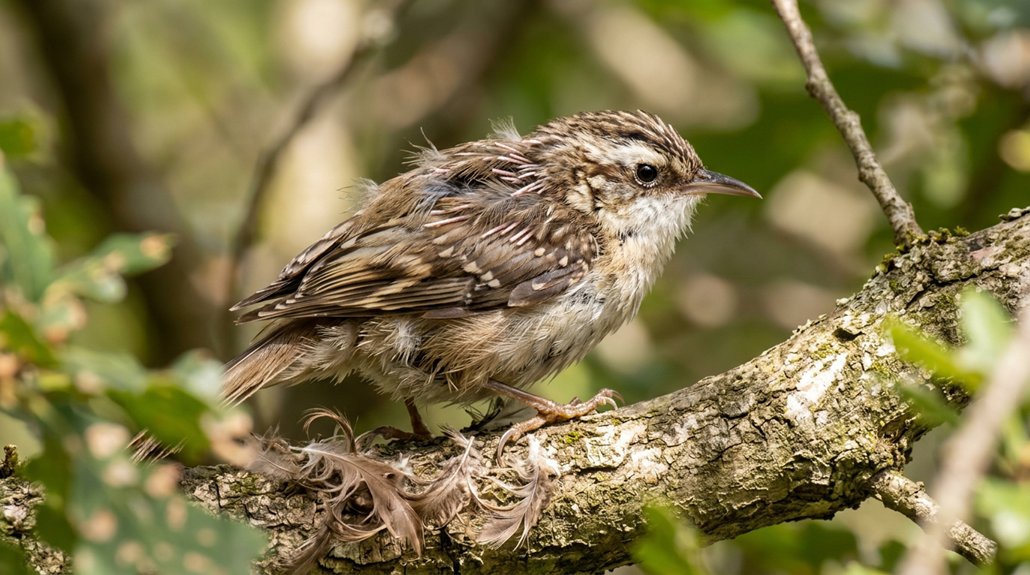
Feather loss is concerning when it doesn’t fit the usual molt pattern or shows signs of illness or injury. You should consider veterinary evaluation if bald areas persist beyond your bird’s normal molt timeline, especially without pinfeathers or new growth. Clinical warning signs include:
- bleeding, scabbed, irritated, or inflamed skin
- asymmetric loss, chewed shafts, or overpreening
- weight loss, lethargy, appetite changes, droppings changes, or respiratory signs
These findings suggest trauma, parasites, infection, self-plucking, or systemic disease rather than normal molt. If feather loss follows stress indicators such as illness or rehoming, or if it’s extensive with no regrowth, schedule an avian exam. Diagnostics may include skin scraping, fecal testing, and bloodwork. Your veterinarian may also discuss nutrition counseling if diet-related deficiencies are suspected.
How to Help a Bird Molt Comfortably
Supporting a bird through molt means reducing the workload on the body while giving the right nutritional and environmental support. You should increase dietary protein by about 15–20% with cooked eggs, legumes, or a quality pellet mix, and add calcium plus vitamins A, D, and E to support feather regrowth. Keep the bird warm, draft-free, and on 10–12 hours of consistent darkness for rest. Regular bathing or gentle misting, along with shallow baths, can soften pin feather sheaths and make preening easier. Good ambient humidity control also helps prevent excessive dryness. Limit travel, heavy handling, and strenuous activity; quiet time and foraging toys are better. Offer high calcium treats. Monitor symmetry, skin condition, and new feather growth, and consult an avian vet if concerns arise.
How Molting Works in Pet Birds
Molting in pet birds is a normal, cyclic process in which old feathers are replaced by new feathers growing from follicles, typically once or twice a year and often in response to seasonal changes or breeding cycles. During feather morphogenesis, each feather follicle drives keratin synthesis, forming a new shaft and vane. You’ll first see pin feathercare? Actually, pin feathers appear as spiky, sheathed growths with blood supply, and they’re sensitive, so handle them gently. Normal molt is gradual and bilateral, with symmetric feather loss over weeks to months.
- Expect visible pin feathers, not sudden bald patches.
- Support growth with protein, vitamins A/D/E, calcium, and bathing.
- Keep lighting consistent and housing warm, dry, and draft-free.
When to Call an Avian Vet
While molting is usually normal, you should call an avian vet if feather loss becomes patchy or asymmetrical, if bald areas don’t begin showing pinfeather regrowth within a few weeks, or if your bird is plucking. Seek care for bleeding pin feathers, systemic signs, or skin lesions, because avian dermatology problems can mask disease.
| Sign | Meaning | Action |
|---|---|---|
| Bleeding quill | Injury risk | Immediate care |
| No regrowth | Plucking, infection, disease | Vet consult |
| Itching, scabs | Feather parasites, dermatitis | Exam needed |
If you notice weight loss, lethargy, appetite change, droppings changes, respiratory signs, or eye or nasal discharge, schedule a consultation. Also arrange a wellness visit for prolonged or incomplete molts, or behavior changes like aggression or depression.
Frequently Asked Questions
What Is the 3-3-3 Rule for Birds?
You’re describing a symmetrical feather replacement pattern: three primary feathers on one wing, then three on the other, in sequence. It usually follows seasonal cycles, preserving flight. Irregularity can signal stress or illness.
How Do Birds Act When They Molt?
You’ll usually notice behavior changes: they’re quieter, preen more, sleep more, and may seem mildly irritable or less active. Their feeding habits can shift too, with reduced appetite or increased nutrient needs during feather growth.
How Long Does It Take a Bird to Fully Molt?
You’ll usually see a full molt take 6–12 weeks, though large parrots or raptors can need months to over a year. Seasonal timing and genetic variation influence your bird’s pace, like a feathered clock.
How Do I Help My Bird With Molting?
You can help by making diet changes toward higher protein, keeping humidity stable, offering baths or misting, reducing stress, and adding environmental enrichment. Watch for bald patches, bleeding, weight loss, or asymmetrical loss, and call your avian vet promptly.
Conclusion
Molting is a normal, periodic renewal of feathers, and you should expect some uneven appearance, mild itchiness, and temporary sensitivity. During this time, you can support your bird with proper nutrition, gentle handling, and a stress-free environment. If you see bald patches, bleeding, persistent overpreening, or behavior changes, don’t assume it’s “just molt.” That’s a red flag. In a matter of fact, your bird deserves prompt veterinary assessment when feather loss seems abnormal.