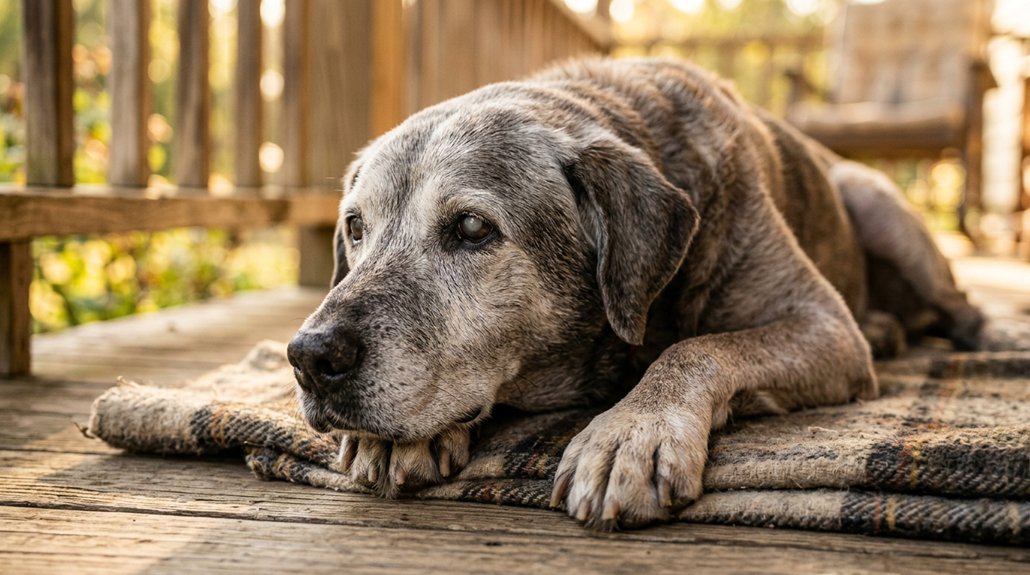
You might notice your dog aging faster if there’s increased lethargy, weight loss despite appetite, graying fur, and irritability. Look for signs like digestive troubles, mobility issues, breathing difficulties, or changes in coat texture, which could indicate health concerns needing veterinary assessment. Joint pain may manifest through stiffness and reluctance to move. Regular check-ups help detect underlying issues. To understand more about managing these changes and improving your dog’s quality of life, further insights are available.
Key Takeaways
- Graying fur and thinning coat in dogs under 5 may indicate accelerated aging.
- Increased lethargy and reluctance to engage in activities suggest changes in energy levels.
- Noticeable weight loss despite a good appetite requires veterinary investigation for health issues.
- Disorientation or increased vocalizations may signal anxiety or cognitive decline.
- Sudden behavioral changes warrant immediate veterinary consultation for possible underlying problems.
How to Tell If Your Dog Is Aging Quickly
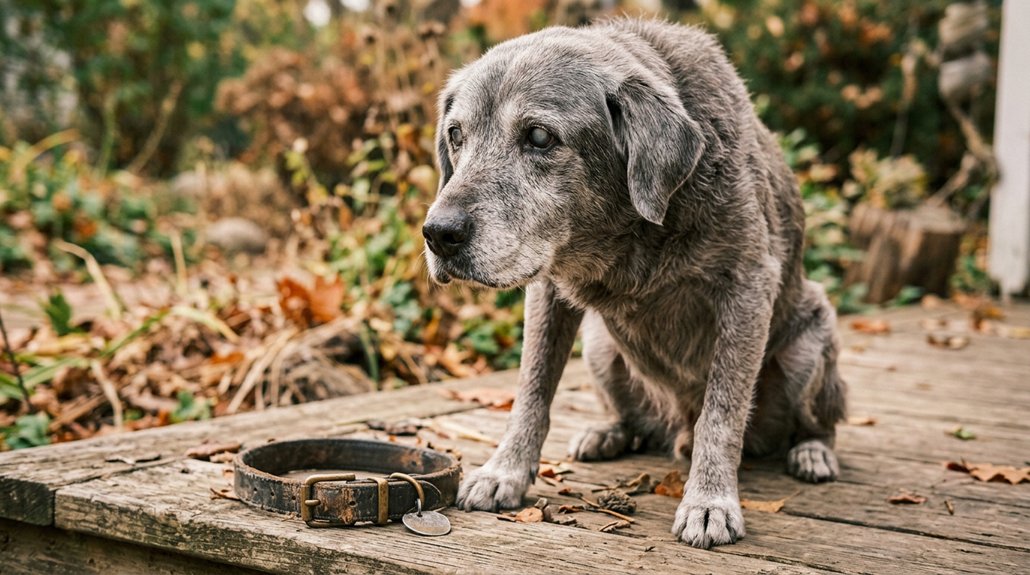
Spotting early signs of rapid aging in your dog is essential for timely intervention and care. One key indicator is the coat condition; graying fur and a thinning coat in dogs under age 5 may suggest accelerated aging or health problems requiring attention. Additionally, monitoring your dog’s energy levels is vital. Increased lethargy and reluctance to partake in previously enjoyed activities can be a sign of quicker aging. These changes shouldn’t be overlooked, especially if your dog maintains a good appetite yet experiences weight loss. Such symptoms often necessitate further investigation to rule out serious age-associated conditions. Consulting a veterinarian is advisable to assess these signs and propose appropriate interventions to manage your dog’s health effectively as they age.
Behavior Changes Indicating Rapid Aging
Alongside physical changes, observing your dog’s behavior is equally important in determining the pace of their aging process. Behavioral indicators, such as increased irritability or withdrawal from interactions, may suggest discomfort or cognitive decline. Emotional changes manifesting as excessive sleeping, lethargy, or reduced interest in activities could point to accelerated aging. Disorientation or confusion, frequently occurring at night, may indicate cognitive dysfunction, affecting up to 35% of dogs over eight years old. Increased vocalizations like barking or whining might reflect anxiety tied to rapid aging. If your dog exhibits signs of pacing or restlessness, particularly at night, this could signal discomfort or cognitive issues. Monitoring these behavioral indicators and emotional changes in your pet is essential for understanding their aging trajectory.
Recognizing Early Indicators of Rapid Aging
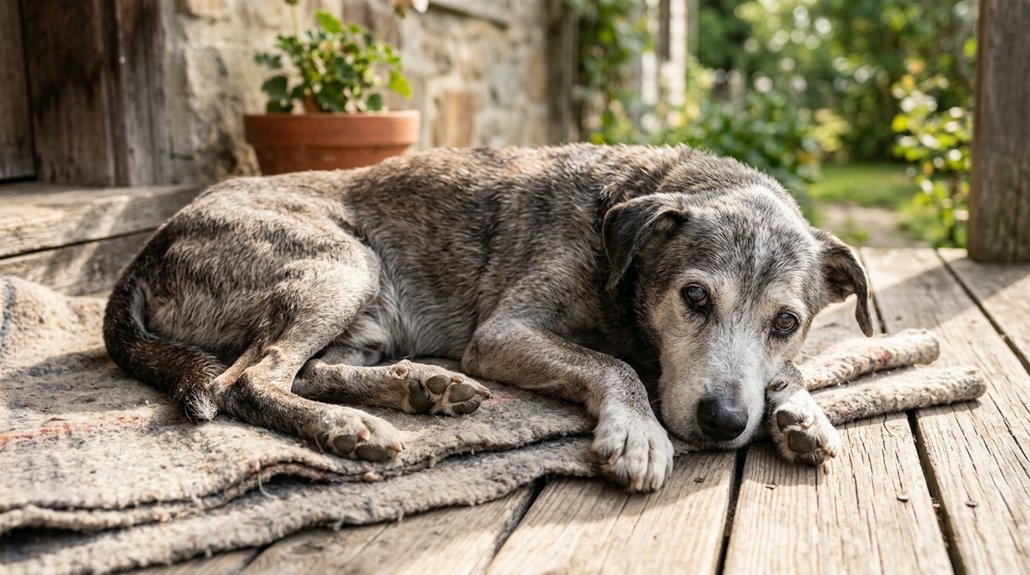
While observing your dog’s health, recognizing early indicators of rapid aging is essential for timely intervention. Behavioral monitoring can reveal cognitive decline, exhibited by increased irritability or withdrawal. These changes merit immediate attention as they often signify accelerated aging. Additionally, significant weight loss should alert you to potential underlying health conditions needing veterinary care. Physical symptoms such as stiffness, difficulty walking, or noticeable joint pain could indicate aging-related issues like arthritis. You should also watch for increased sleep hours or lethargy, as they may hint at systemic diseases. Dental changes like bad breath or tooth decay are critical factors that can accelerate aging, requiring prompt assessment to prevent serious health issues. Early detection through vigilant monitoring is key to managing your dog’s well-being.
Digestive and Breathing Issues
As your dog ages, it may exhibit symptoms of digestive problems, such as vomiting and diarrhea, which shouldn’t be ignored due to potential underlying health issues. Additionally, breathing challenges like coughing or wheezing can indicate serious respiratory conditions commonly seen in senior dogs. Managing your dog’s diet carefully can address metabolic changes and prevent noticeable weight loss, making regular veterinary monitoring essential for their well-being.
Symptoms of Digestive Problems
Digestive problems in aging dogs often present serious challenges, such as vomiting, diarrhea, and changes in appetite, which can serve as indicators of underlying health conditions that require immediate veterinary attention. Frequent digestive issues may denote compromised bodily functions, suggesting dietary adjustments for ideal digestive care. This is essential for senior dogs’ health.
Consider these symptoms:
| Symptom | Possible Cause | Action Required |
|---|---|---|
| Vomiting | Gastrointestinal distress | Consult veterinarian |
| Diarrhea | Nutritional imbalance | Adjust diet under vet guidance |
| Appetite change | Possible underlying illness | thorough veterinary checkup |
| Weight loss | Muscle atrophy/decreased intake | Veterinary assessment |
| Discomfort post-meal | Potential blockage | Immediate medical evaluation |
Monitoring your dog’s eating patterns and overall comfort can help address issues promptly, preventing further health deterioration.
Breathing Challenges in Aging
Senior dogs not only face digestive issues but may also encounter considerable breathing challenges. As they age, respiratory distress can manifest in various forms, such as coughing signs or wheezing. Recognizing these symptoms is vital, as they might signify worsening health problems like collapsing trachea or pulmonary ailments. It’s important to remain vigilant:
- Coughing signs: Persistent coughing may indicate an underlying problem with respiratory function.
- Labored breathing: Difficulties in breathing could suggest impending respiratory failure.
- Wheezing sounds: Often connected to airway obstructions or asthma-related conditions.
- Recurrent vomiting: This might accompany respiratory issues and signify additional health complications.
Monitoring your dog’s health closely and consulting a veterinarian at the onset of symptoms can greatly affect their quality of life.
Managing Senior Dog Diet
While aging may present unique challenges for dogs, understanding how to manage their diet for digestive and respiratory health can be critical. As dogs age, dietary adjustments become essential, particularly for managing digestive issues like vomiting or diarrhea. These symptoms may signal serious conditions, necessitating senior nutrition adaptations. Monitoring changes in appetite or weight loss is important, as they might indicate metabolic alterations or gastrointestinal problems. Consider integrating easily digestible, high-quality foods to accommodate digestive sensitivities.
| Symptom | Dietary Adjustment |
|---|---|
| Vomiting | Bland diet, small frequent meals |
| Diarrhea | Fiber-rich food, hydrated meals |
| Weight loss | Calorie-rich, nutrient-dense food |
| Breathing issues | Vet consultation for tailored diet |
Ensuring your senior dog stays hydrated with fresh water and moisture-rich foods aids digestion and overall health management.
Unexplained Weight and Coat Changes
How can you tell if your dog’s aging process is impacting their weight or coat condition? Be alert to changes like unexplained weight loss, as it might indicate metabolic disorders or dental problems. On the other hand, weight gain could signal decreased activity, necessitating dietary adjustments to prevent obesity-related issues. Pay close attention to coat quality; brittleness, dryness, or patchiness may reveal nutritional deficiencies or other health concerns requiring veterinary assistance.
Monitor for:
- Unexplained weight loss suggesting serious illness.
- Weight gain due to lower activity levels and dietary factors.
- Changes in coat quality like brittleness or patchiness.
- Sudden alterations in coat or skin condition needing vet evaluation.
Early detection through regular check-ups facilitates timely intervention, safeguarding your dog’s well-being.
Mobility Challenges and Joint Pain Solutions
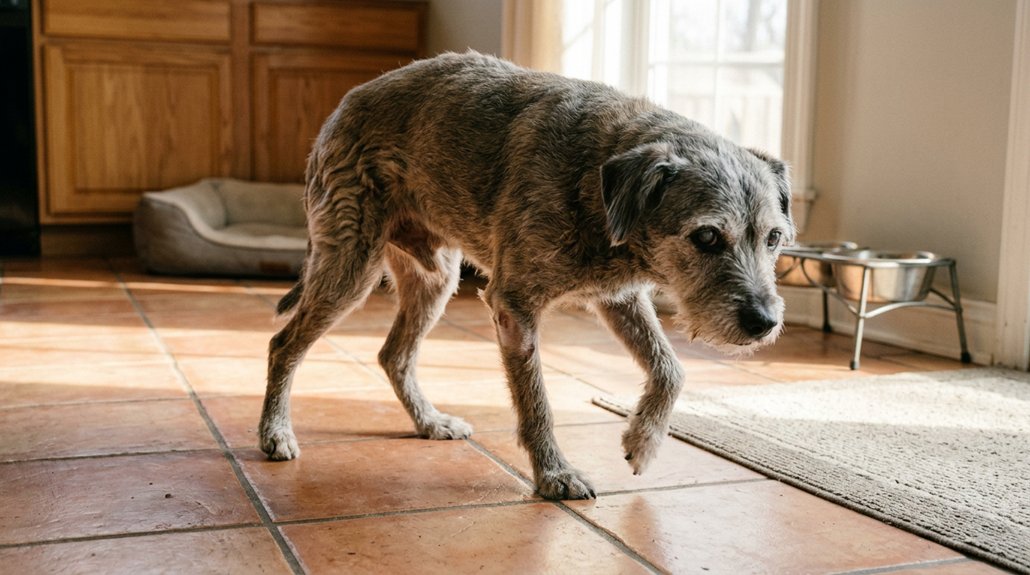
Observing changes in your dog’s weight and coat quality often goes hand in hand with the onset of mobility challenges that surface as they age. Aging, particularly in large breeds, can lead to joint pain from arthritis, manifesting as stiffness and reluctance to move. Effective management involves weight management to reduce joint stress, joint supplements like glucosamine and chondroitin for support, and pain relief through anti-inflammatory medications. Physical therapy enhances mobility, while environmental modifications such as ramps and non-slip surfaces aid in daily comfort.
| Intervention | Benefit |
|---|---|
| Joint Supplements | Supports joint health |
| Mobility Aids | Eases daily movement |
| Physical Therapy | Increases strength and flexibility |
| Environmental Changes | Minimizes discomfort |
Maintaining a healthy lifestyle is key to minimizing mobility issues.
Helping Dogs With Vision or Hearing Loss
As dogs age, sensory impairments like vision and hearing loss become increasingly common, potentially affecting their overall quality of life. Vision loss may reveal itself through symptoms like cloudy eyes or frequent collisions with objects, which could be associated with conditions such as cataracts. While some hearing issues in senior dogs might be manageable, applying strategies for vision assistance and hearing communication can markedly improve their interaction with the environment.
Here’s how you can aid them:
- Create a safe, navigable space by reducing obstacles and employing sound cues.
- Use visual signals or train your dog to respond to hand gestures for effective hearing communication.
- Consider regular veterinary check-ups to monitor sensory changes.
- Strengthen your bond using visual or tactile interaction.
Seeking Veterinary Advice for Aging Dogs
Regular veterinary consultations are essential for early diagnosis in aging dogs, helping to manage health concerns such as arthritis, cancer, or dental issues. Monitoring signs like weight loss, changes in appetite, or decreased activity can prompt timely veterinary intervention to rule out serious underlying conditions. By discussing any behavioral changes with your veterinarian, you can guarantee appropriate care strategies are implemented to maintain your dog’s quality of life.
Importance of Early Diagnosis
While aging is a natural process, early diagnosis of age-related health issues in dogs can greatly enhance management outcomes. With preventive care and proactive measures, you can address potential health concerns before they become severe. Regular consultations with your veterinarian are essential, especially as your dog’s immune system becomes less robust with age. Here’s why early diagnosis is critical:
- Timely intervention: Identifying issues early allows for immediate management and treatment plans.
- Customized healthcare: Tailor preventive care to your dog’s specific aging needs, including dietary adjustments.
- Monitor subtle changes: Be vigilant about shifts in behavior, appetite, and mobility to catch issues early.
- Cognitive assessment: Detect signs of cognitive decline promptly to maintain your dog’s quality of life.
Consult your vet to guarantee peak aging care.
Managing Health Concerns
Detecting age-related health issues early on can greatly improve your dog’s quality of life, and seeking veterinary advice plays an important role in managing these concerns. Regular check-ups are vital as aging dogs are prone to conditions like arthritis, kidney disease, and cancer. If your dog exhibits sudden behavioral changes, such as lethargy or irritability, consult a veterinarian. Monitoring weight and addressing any fluctuations with professional guidance guarantees appropriate dietary and treatment adjustments. Persistent digestive or respiratory symptoms, like coughing, demand immediate attention to prevent severe complications. Expert veterinary advice is essential for effective pain management and end-of-life care, providing comfort and dignity to your dog. Exploring hospice care options guarantees compassionate support during terminal stages.
Boosting Quality of Life for Older Dogs
As dogs age, taking proactive steps to enhance their quality of life becomes essential. Incorporating gentle exercise like swimming or short, leisurely walks can help sustain mobility and health in older dogs. Also, integrating mental stimulation with puzzle toys and training encourages cognitive vitality, potentially delaying cognitive dysfunction.
Incorporating gentle exercise and mental stimulation is key to sustaining health and cognitive vitality in aging dogs.
- Provide gentle exercise to maintain physical health and prevent degeneration.
- Guarantee regular mental stimulation to boost cognitive engagement and reduce boredom.
- Adjust their diet to include senior-specific food, enhancing energy levels and weight management.
- Create a comfortable environment with supportive bedding and slip-resistant surfaces to prevent injuries.
Regular veterinary check-ups remain critical for early detection and management of age-related health concerns, guaranteeing your older dog enjoys a high quality of life.
Frequently Asked Questions
At What Age Do Dogs Show Signs of Aging?
Dogs typically show signs of aging around 7-8 years, though it varies by size. Senior dogs like large breeds may exhibit symptoms as early as 5-6 years. It’s crucial to monitor aging breeds closely for changes.
What Is the 7 7 7 Rule for Dogs?
The 7 7 7 rule estimates a dog’s lifespan, suggesting they age seven years for every human year, although this isn’t precise. Aging factors like breed, size, health, and lifestyle vary individual dogs’ aging processes considerably.
What Are Signs a Dog’s Quality of Life Is Declining?
“A stitch in time saves nine.” Mobility issues, behavioral changes, appetite loss, and sensory decline in your dog signal a declining quality of life, demanding timely veterinary intervention. Don’t wait until it’s too late to act.
Why Is My Dog Aging so Quickly?
Your dog’s rapid aging could be due to breed differences, lifestyle impacts, or unmet nutritional needs. Guarantee ideal dog health with proper veterinary care, balanced diet, and mental stimulation to slow the natural aging process.
Conclusion
As your dog’s journey through life progresses, it’s crucial to monitor any subtle signs of gracefully advancing age. Remember, shifts in behavior, appetite, or energy levels can be more than just quirks—they might indicate your furry companion is maturing a bit sooner than expected. Providing the golden touch of tailored care, alongside seeking veterinary insights, guarantees your four-legged friend enjoys their golden years with vigor. Embrace these changes and support your dog’s well-being with proactive love and attention.