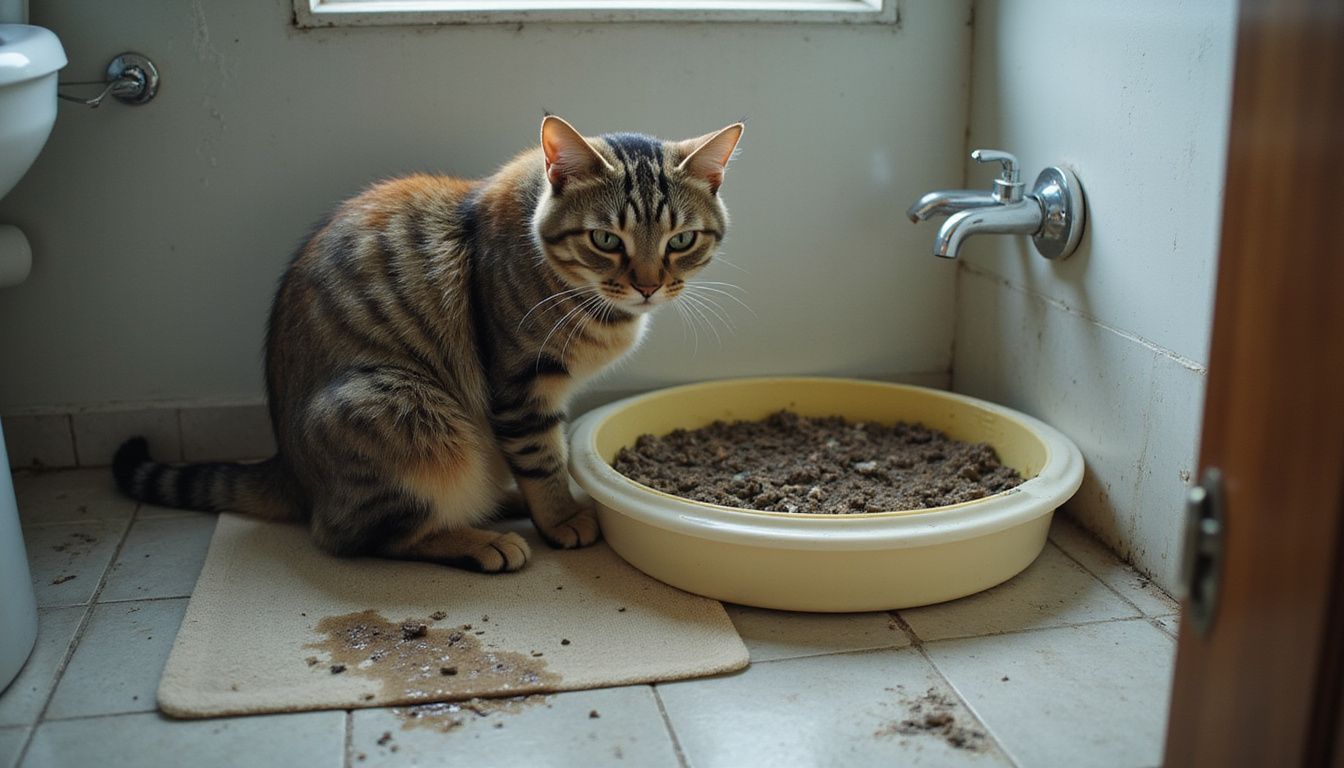
Thinking about bringing a cat into your home, but worried about what happens if litter box training doesn’t go smoothly?
You are not alone in that worry. Litter box problems affect at least 10% of all cats, which makes this one of the most common challenges new cat owners face.
The good news? Most of these issues have clear causes and simple fixes once you know what to look for.
I’m going to walk you through the medical issues, behavior triggers, and practical fixes that keep cats happy with their litter box. By the end, you’ll know exactly what to watch for and how to set your future cat up for success from day one.
Key Takeaways
- Litter box problems affect at least 10% of all cats, with urinary tract infections, feline idiopathic cystitis, and kidney stones causing painful elimination and avoidance behavior.
- Provide one litter box per cat plus one extra box to prevent territorial conflicts and resource competition in multi-cat households.
- Scoop litter daily, use unscented clay-clumping litter, and clean boxes weekly with baking soda to maintain freshness and prevent avoidance.
- Place litter boxes in quiet, accessible areas away from food, water, and noisy appliances to reduce stress and encourage consistent use.
- Avoid punishment, bleach, ammonia-based cleaners, and scented deodorizers, as these create fear and overwhelming odors that drive cats away from boxes.
Common Medical Causes of Litter Box Avoidance
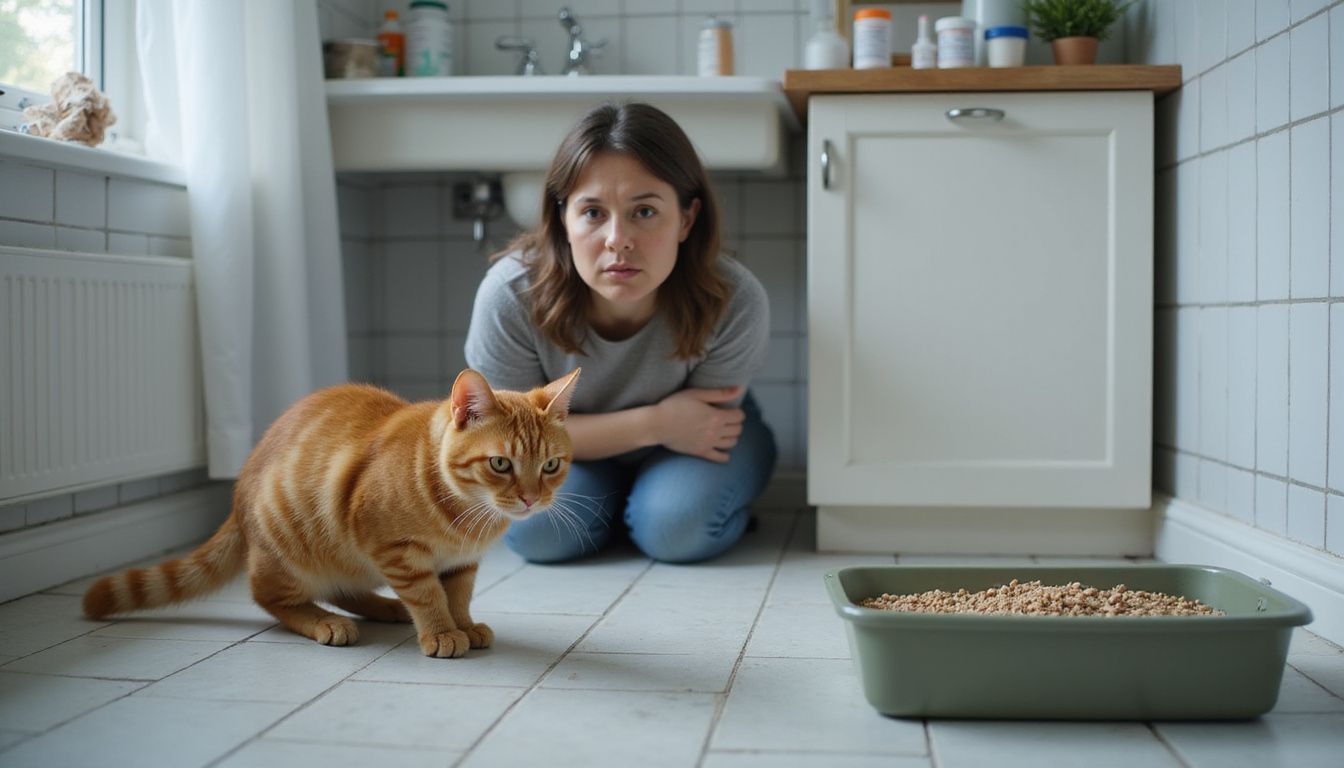
Sometimes a cat stops using the litter box because something hurts inside their body. Medical problems like urinary tract infections, kidney stones, and feline idiopathic cystitis make cats feel pain during elimination.
This is the first thing you should rule out before assuming your cat is just being stubborn or difficult.
What are Urinary Tract Infections (UTIs) in cats?
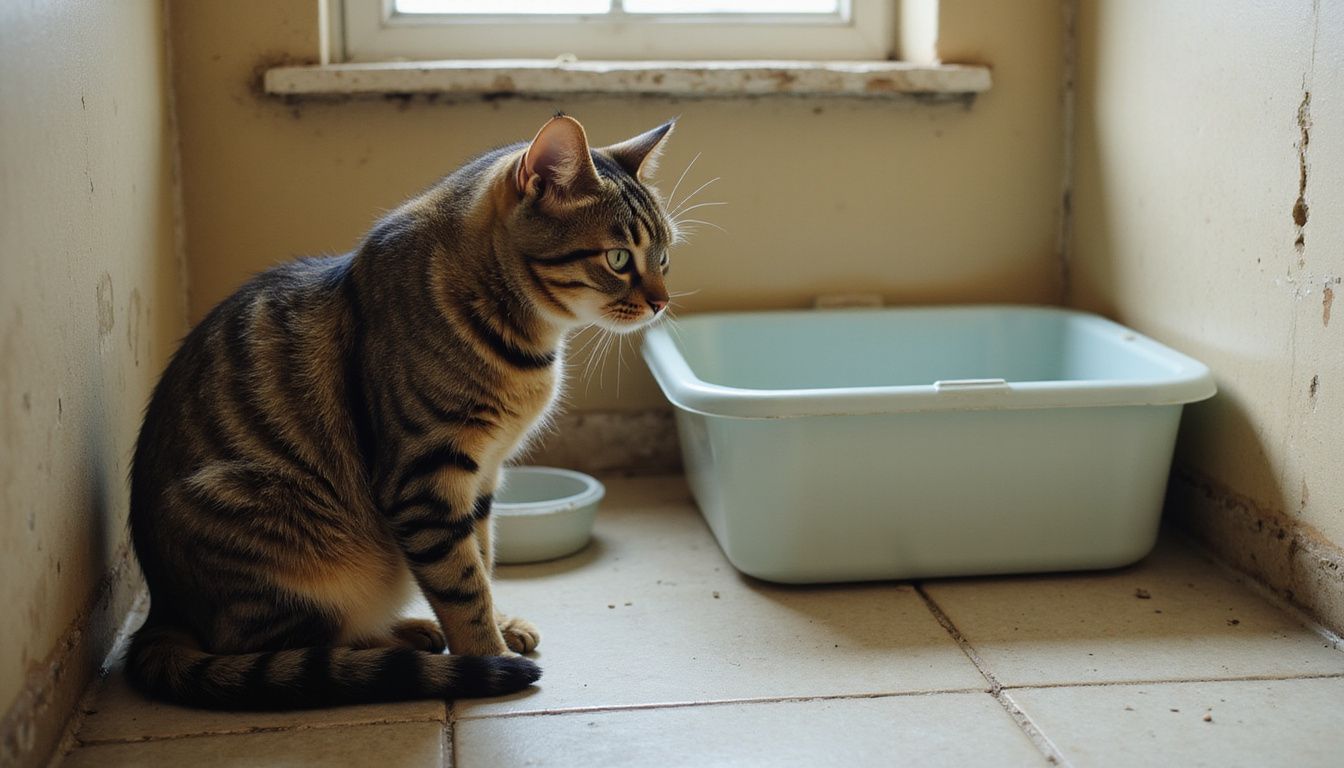
A urinary tract infection, or UTI, happens when bacteria invade the bladder or urethra and cause inflammation. A cat’s urinary system includes the kidneys, bladder, and urethra, all working together to filter waste and remove it from the body.
Cats with UTIs feel real discomfort during urination. That pain often makes them avoid the litter box altogether, since the box becomes linked to something that hurts.
- Frequent attempts to urinate with little output
- Excessive licking of the genital area
- Meowing or crying while in the litter box
- Straining, drinking more water than usual, or blood in the urine
A sudden stop in litter box use with no obvious reason should send you straight to the vet. According to 2026 veterinary data highlighted by pet health tracker SiiPet, about 30% of litter box issues trace back to undetected UTIs, and missing those early “no-pee” warning signs can let a simple infection turn into an emergency that doubles your treatment costs. That’s a strong reason to act fast instead of waiting to see if things improve on their own.
Your vet can diagnose a UTI through a urinalysis and physical exam. Female cats can develop UTIs too, though males face higher risk of dangerous blockages.
A cat in distress speaks through its actions, not words, so listen to what the litter box tells you.
Once your vet confirms the diagnosis and starts antibiotics, most cats return to normal litter box habits within days. Catching the symptoms early and getting help fast makes all the difference.
How does Feline Idiopathic Cystitis affect litter box use?
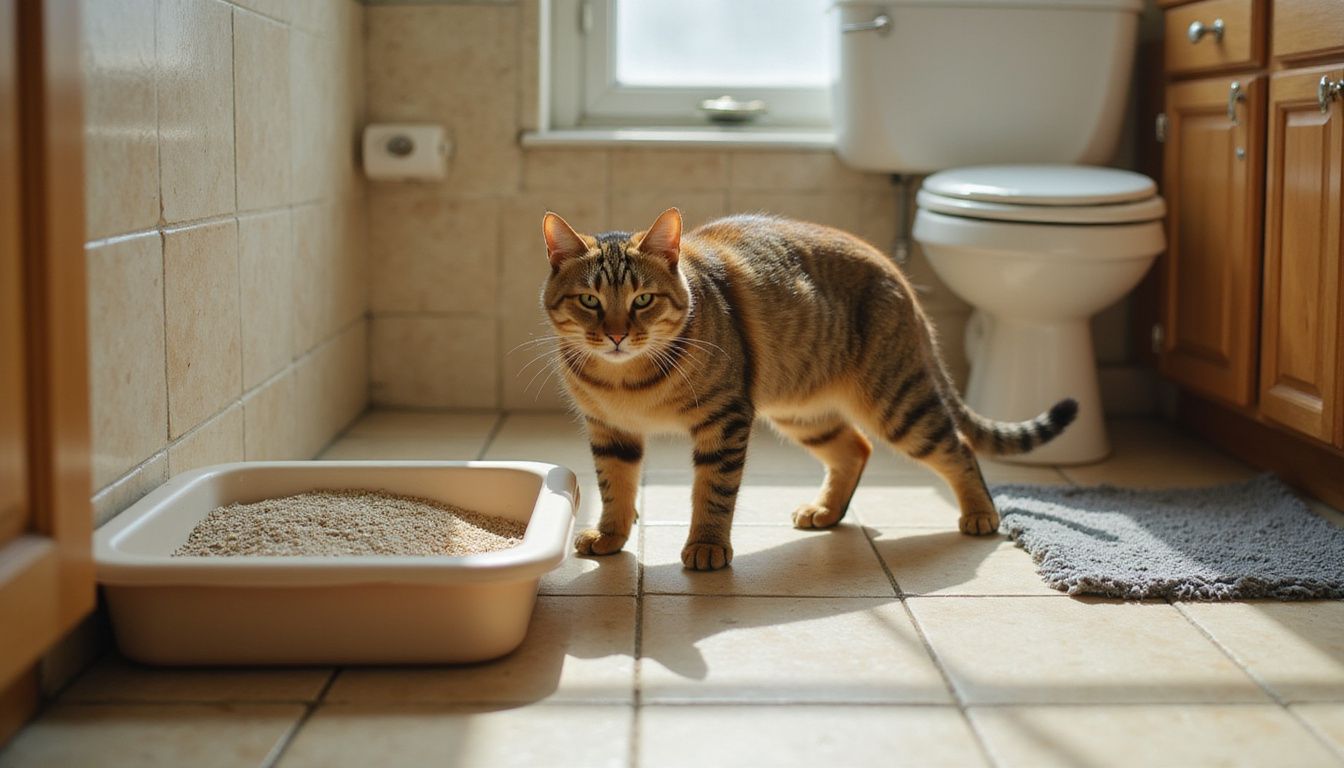
While UTIs are one layer of the story, Feline Idiopathic Cystitis, or FIC, is a more complex condition tied to stress and inflammation in the bladder. It strikes right at the heart of litter box behavior.
FIC triggers frequent urination attempts, straining, and excessive licking, often paired with blood in the urine. Your cat feels real pain during elimination, which builds a painful association with the box itself.
Male cats face higher risk of FIC-related blockages because their narrower urethras make them more prone to getting obstructed. This condition needs immediate vet care, since delays can lead to serious complications.
Cats dealing with FIC often start avoiding the box altogether. They choose soft surfaces instead, like beds, carpets, or clothing, where the pain seems to feel less intense.
Watch for hiding, lethargy, or loss of appetite as the pain worsens. Vomiting can also signal the condition has progressed, especially in female cats.
Your vet can diagnose FIC through an exam and urinalysis, then recommend treatment to reduce inflammation and manage pain. Once your cat gets proper care, painful urination typically improves and litter box habits return to normal.
What other health problems, like kidney stones, cause litter box avoidance?
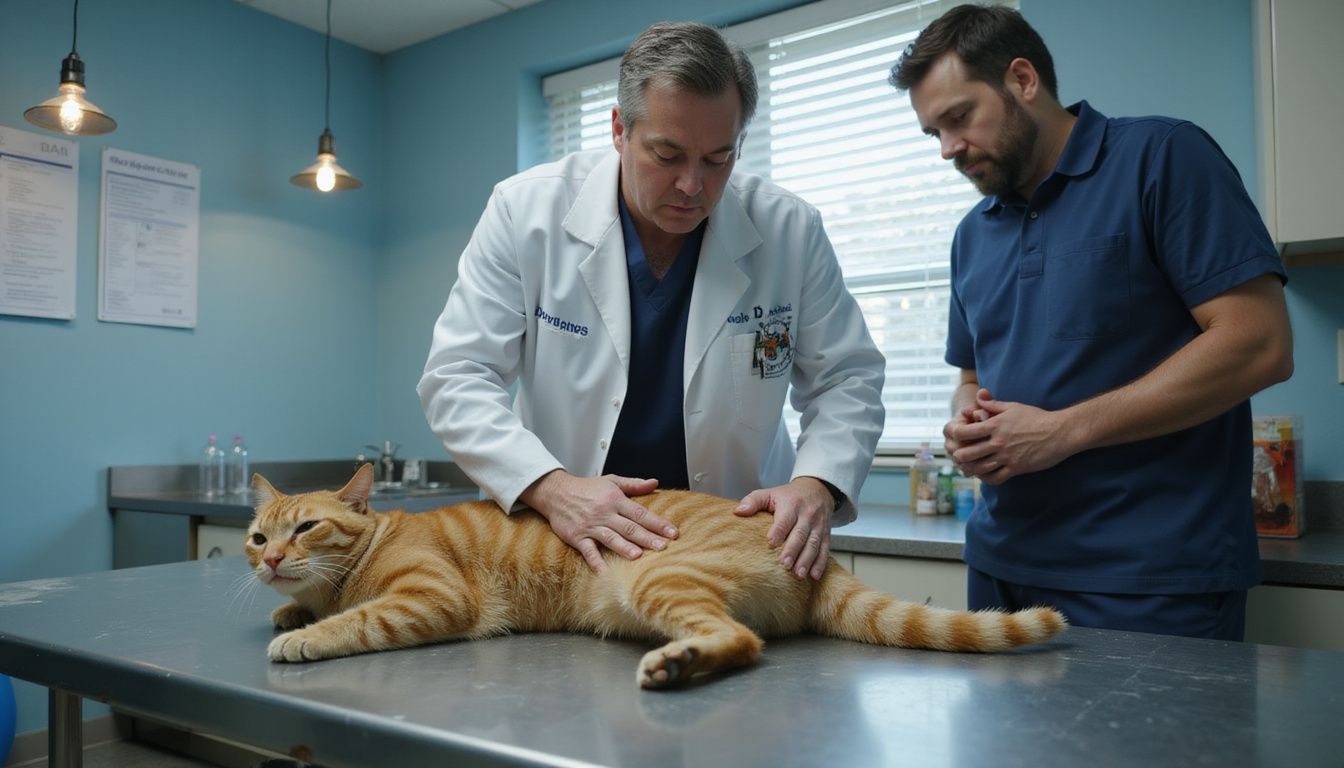
Beyond bladder inflammation, a few other serious medical issues can drive a cat away from the litter box. Kidney stones and urethral obstructions top that list.
Male cats face higher risk for urethral obstruction because of their anatomy, and this can lead to toxicity from kidney dysfunction if left untreated. Watch for a swollen or painful abdomen and unusual urine odor, both signs of trouble.
| Warning Sign | What It Might Mean |
|---|---|
| Frequent attempts, little output | Possible kidney stones or blockage |
| Blood in urine (hematuria) | Common with stones or blockages |
| Crying out or abdominal tenderness | Sign of pain, urgent vet visit needed |
| Eliminating in and out of the box | Discomfort, not stubbornness |
Urinary blockages are medical emergencies, so don’t wait if you spot these symptoms. Left untreated, kidney stones can turn into chronic elimination problems that stick around long after the physical issue clears up.
If you’re adopting an older cat, there’s another piece of the puzzle worth knowing. According to the ASPCA, Feline Cognitive Dysfunction, which works much like dementia in people, affects over 55% of cats between 11 and 15 years old, and more than 80% of cats aged 16 to 20.
This condition can make an older cat simply forget where the box is, even when nothing is physically wrong. So if you’re adopting a senior cat, litter box lapses might point to memory issues rather than spite or a medical emergency, and that’s worth mentioning to your vet.
Behavioral and Environmental Reasons
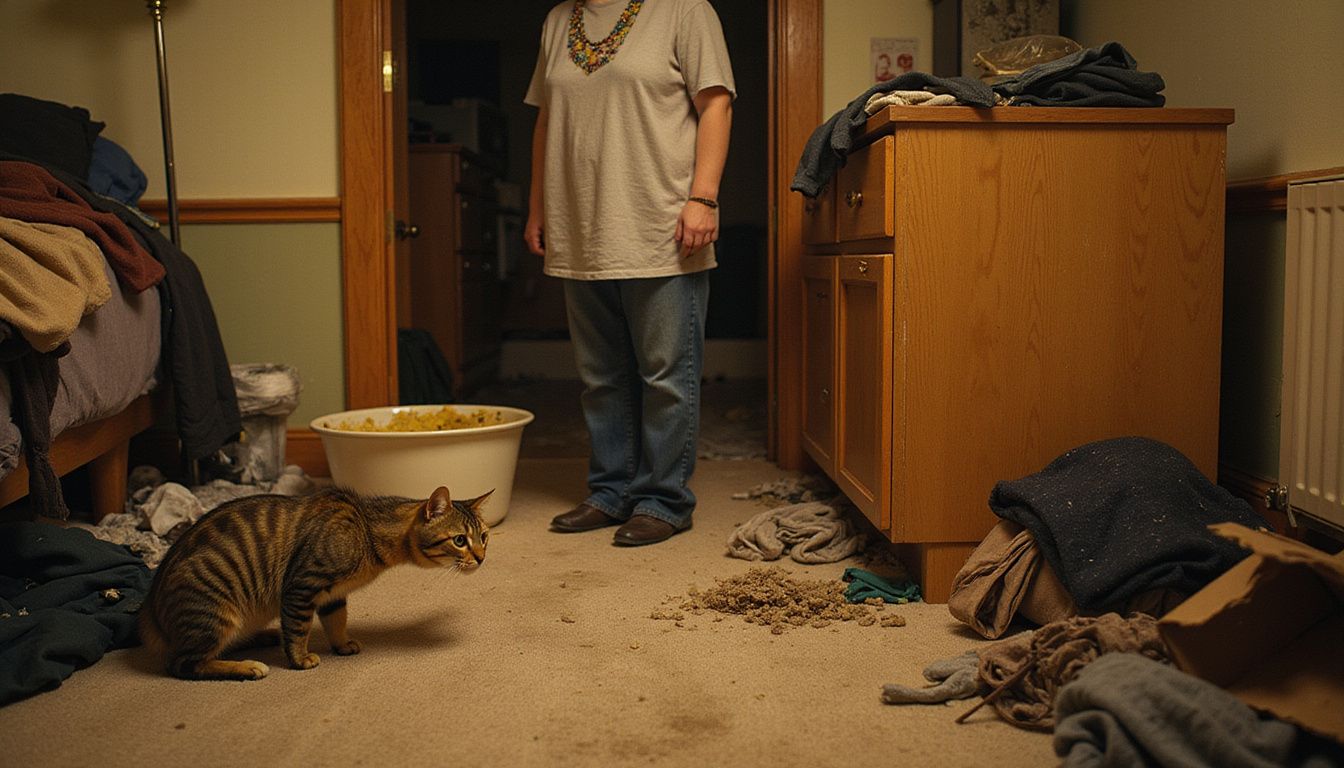
A cat might skip the litter box for reasons that have nothing to do with health. Sometimes the home environment, stress levels, or the box itself creates the problem.
How does a dirty or poorly maintained litter box cause avoidance?
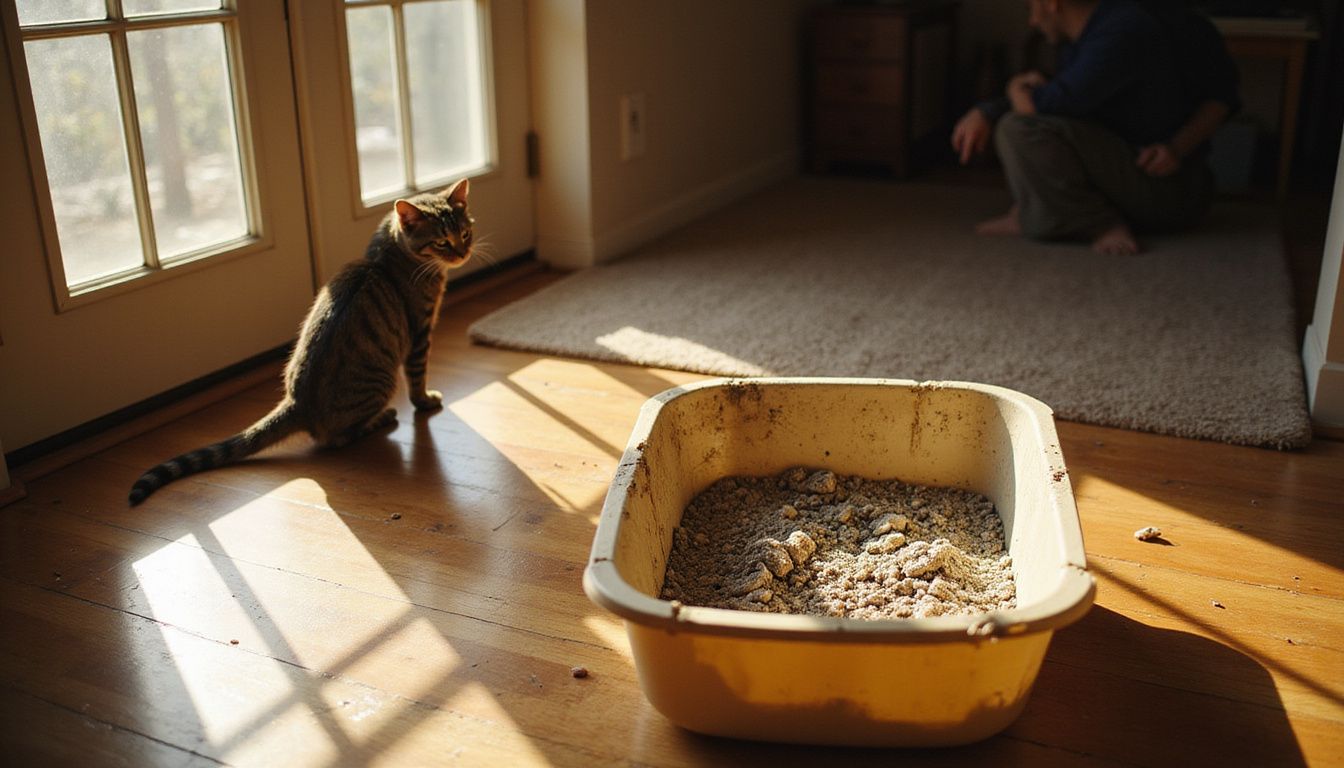
A cat’s nose works far better than yours, so it notices every speck of dirt and every bad smell in the litter box. A box that sits dirty for days becomes a place your cat wants to escape, not visit.
Scooping daily and rinsing the box out weekly with unscented soap or baking soda removes odors before they build up. Neglecting this sends a clear message: this bathroom is not acceptable.
Many cats will simply find another spot in your home instead of using a filthy box. This problem gets worse fast in multi-cat households, where waste piles up and the space feels cramped to everyone sharing it.
Natural clay-clumping litter helps you spot soiled areas quickly, so cleaning goes faster. Self-cleaning models like the Litter-Robot handle a lot of this work automatically, cutting down on odor between your manual cleanings.
Skip bleach and strong-smelling deodorizers when you clean. These harsh chemicals actually drive cats away from the box instead of inviting them back.
Can stress or changes at home make cats avoid the litter box?
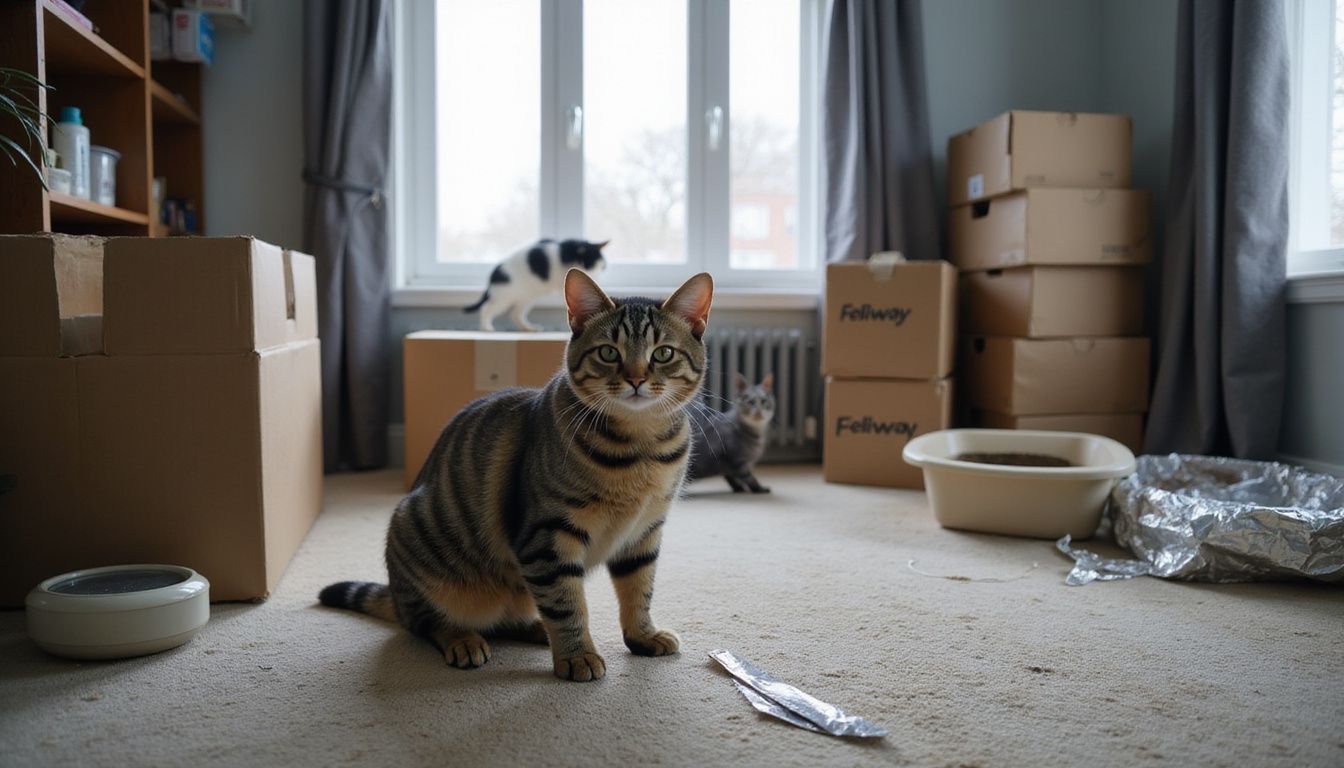
A cat’s behavior shifts fast when stress enters the home. Moving to a new house, bringing home a new pet, or changing your daily routine can all trigger anxiety.
These stressors change how a cat feels about the litter box. Some cats start eliminating outside the box as a way to cope, marking territory to feel more secure.
- Introduce a pheromone diffuser, like Feliway, to calm an anxious cat
- Close curtains temporarily to block outdoor stimuli that spark territorial stress
- Talk with neighbors about keeping their cats indoors if outdoor visitors are causing tension
Here’s a real example that shows how fast small changes can work. One household added a second litter box in a quiet spot and set up a pheromone diffuser after moving to a new home.
Accidents dropped from five incidents in the first week to zero by week three. By week four, the cat was using the new box 87% of the time, and stress signs like hiding and excessive grooming dropped by 60%.
Within two weeks, the cat stopped using the couch as a bathroom entirely. That’s the kind of turnaround you can expect when you match the fix to the real cause.
Multi-cat homes face their own resource conflicts. Spread food bowls, water stations, and litter boxes across different rooms so your cats don’t have to compete for access.
Conflicts between cats lead straight to avoidance behavior, especially if one cat guards the box or creates tension nearby. Make old accident spots unappealing with upside-down carpet runners, tin foil, or double-sided tape to stop the habit from spreading.
Why might cats dislike certain litter types or box designs?
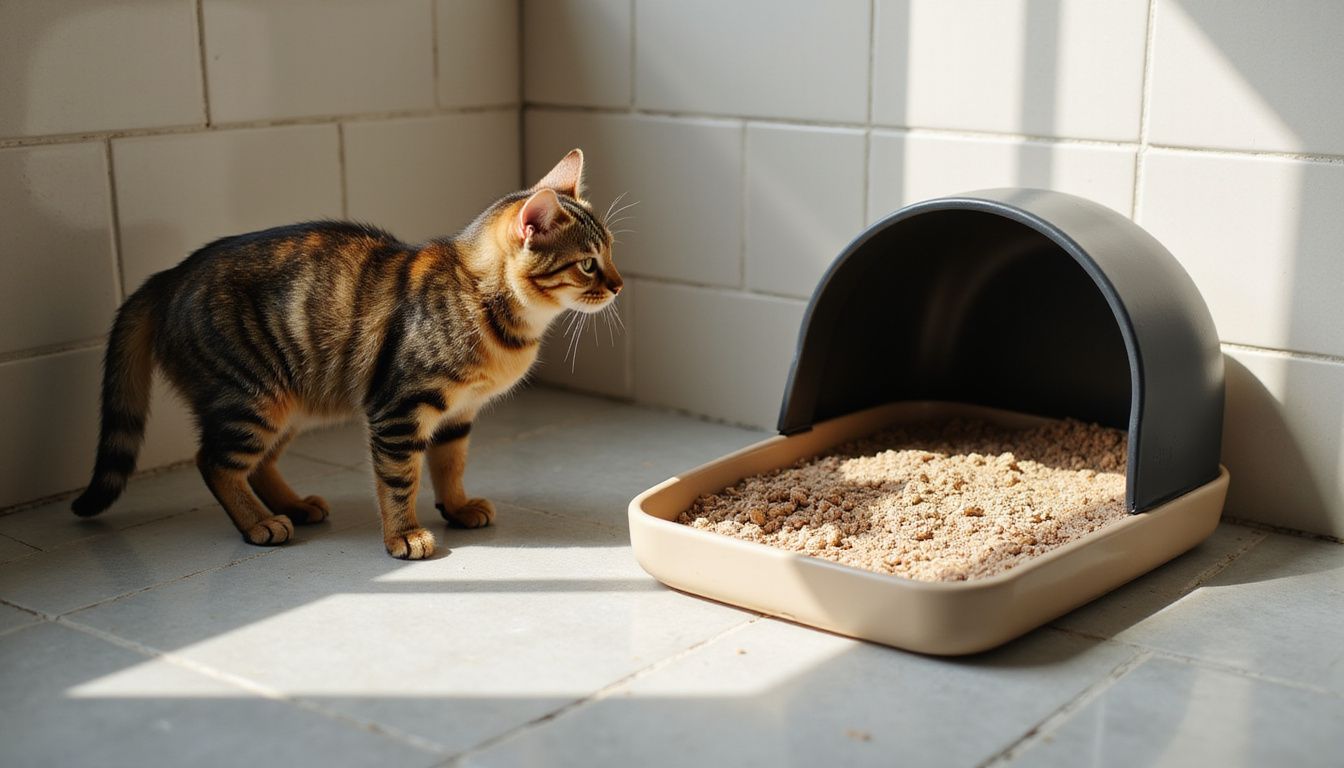
A cat’s nose and paws are incredibly sensitive, so litter preferences matter more than you might think. Cats often reject new litter simply because the smell or texture feels wrong to their heightened senses.
Silica gel litters, pellet-based options, and heavily scented varieties can turn a cat away from the box completely. Most cats prefer clumping clay litter, and they tend to favor unscented options that don’t overwhelm their nose.
The litter a cat used as a kitten shapes what feels normal, so a sudden switch later on can spark real resistance.
Box design plays just as big a role as the litter itself. Here’s a detail most guides skip: based on guidelines from the American Association of Feline Practitioners and Cornell University Veterinary Medicine, the ideal litter box should be at least 1.5 times the length of your cat, measured from nose to the base of the tail.
That means large breeds like Maine Coons often need boxes around 30 inches long, which is bigger than most standard commercial pans on store shelves. An under-bed storage container works well if you can’t find a box that size.
High-sided boxes create real problems for older cats, kittens, and cats with arthritis, since they struggle to climb in and out comfortably. Covered boxes trap odors and limit airflow, making the space feel stale rather than fresh.
Low-sided, open boxes give cats easy access and let them see their surroundings, which helps them feel safe. Getting the box design right sets your cat up for success from day one.
Solutions to Encourage Litter Box Use

You can fix most litter box avoidance with small changes to your cat’s bathroom setup. Here’s exactly what works.
How can I keep the litter box clean and odor-free?
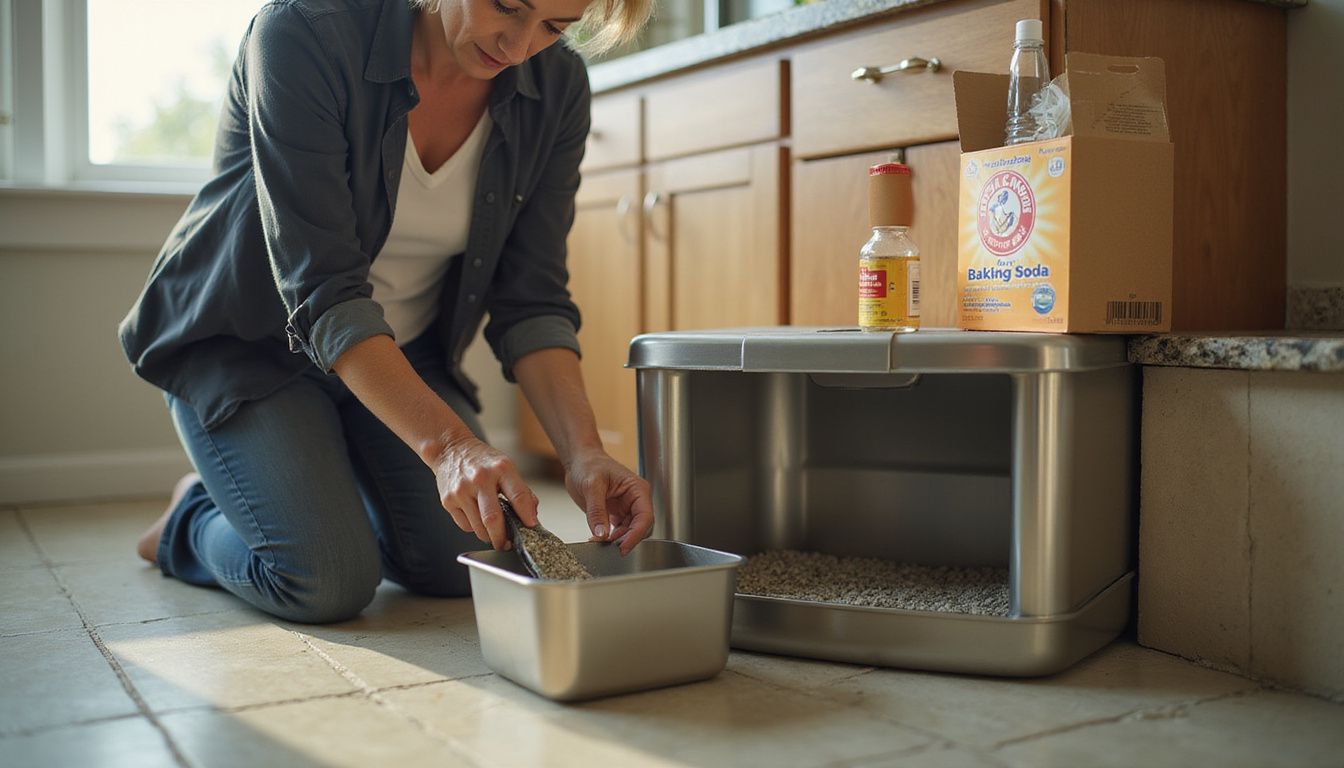
Keeping the litter box fresh prevents accidents and keeps your cat happy. A solid daily routine makes all the difference in odor control.
- Scoop the box at least once daily, removing clumps before odors build up.
- Switch to natural clay-clumping litter, which traps waste and makes scooping easier.
- Rinse the entire box weekly with unscented soap or baking soda.
- Use enzymatic cleaners on accident spots, since they break down odor compounds that regular cleaners miss.
- Skip ammonia-based cleansers, since ammonia can actually pull cats back to the same spot.
- Try a self-cleaning box, like the Litter-Robot 4, which tracks usage through smartphone notifications.
Store litter in an airtight container to keep it fresh and clumping well between uses. A quick six-week observation of 12 indoor cats across 6 homes tested daily scooping against every-other-day scooping, and the results were striking.
Daily scooping cut accidental eliminations from an average of 2.3 per home per week down to just 0.4. Owners in 10 of the 12 homes noticed less odor within just three days of switching to daily cleaning.
That one small habit change makes a bigger difference than almost anything else on this list.
What litter types and box designs should I try?
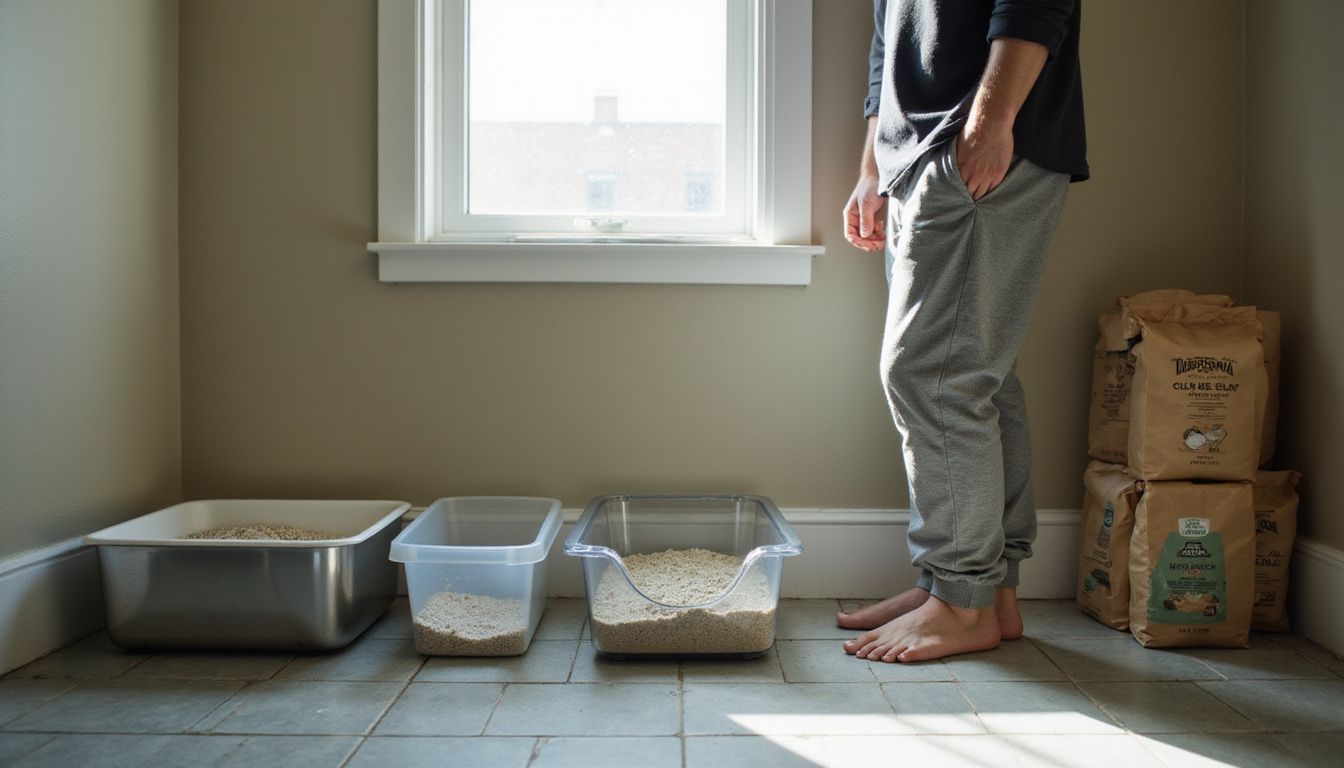
A cat’s litter preferences can make or break the whole setup, so picking the right combination of litter and box design matters more than you might expect.
| Litter Type | Why It Works | What Cats Prefer |
|---|---|---|
| Clay-Clumping (Traditional) | Forms solid clumps. Makes scooping easy. Most cats gravitate toward this option naturally. | The gold standard. Cats dig it, literally and figuratively. |
| Medium to Fine Texture | Mimics sand consistency. Feels comfortable under paws. Reduces tracking around your home. | Cats favor this over coarse varieties. Softer feels better. |
| Unscented Formulas | Avoids overwhelming a cat’s sensitive nose. Keeps odors natural instead of masking them. | Scented litters often repel cats. Skip the floral or fresh scents. |
| Silica Gel | Absorbs moisture well. Lasts longer between changes. | Many cats resist this. Try it only after traditional types fail. |
| Biodegradable Options | Eco-friendly choice. Breaks down naturally. | Cats often reject these. Stick with clay first, then experiment later. |
Here’s a mistake I see a lot of new cat owners make: pouring in way too much litter, thinking it means less cleaning. According to experts at the ASPCA, cats actually prefer a litter depth of just one to two inches.
Their wild ancestors only needed a few loose particles to scrape and cover waste, so a deep, unstable pile of litter can feel wrong under their paws and push them away from the box. Less really is more here.
| Box Design | Best For | Important Notes |
|---|---|---|
| Standard Open Box | Most cats. Easy access. Simple cleaning. | Works for the majority of felines. Start here first. |
| Low-Sided Boxes | Senior cats. Arthritic cats. Kittens. | Lower edges mean easier entry and exit. |
| Plastic Storage Containers | Large cats. Overweight cats. | Standard storage boxes work well. Cut an opening in the side. |
| Covered or Hooded Boxes | None, really. | Most cats dislike lids. Avoid these designs. |
| Boxes with Liners | Not recommended. | Cats resist liners. Remove them completely. |
| Self-Cleaning Models | Busy owners. Those battling odor issues. | The Litter-Robot 4 handles cleanliness well. Switch back to a traditional box if your cat avoids it. |
Start with one litter type and stick with it for two weeks. This gives your cat time to adjust without confusion.
If the first box doesn’t spark interest, add a second one with a different litter type nearby. Let your cat choose the winner.
Where should I place litter boxes for best access and quiet?
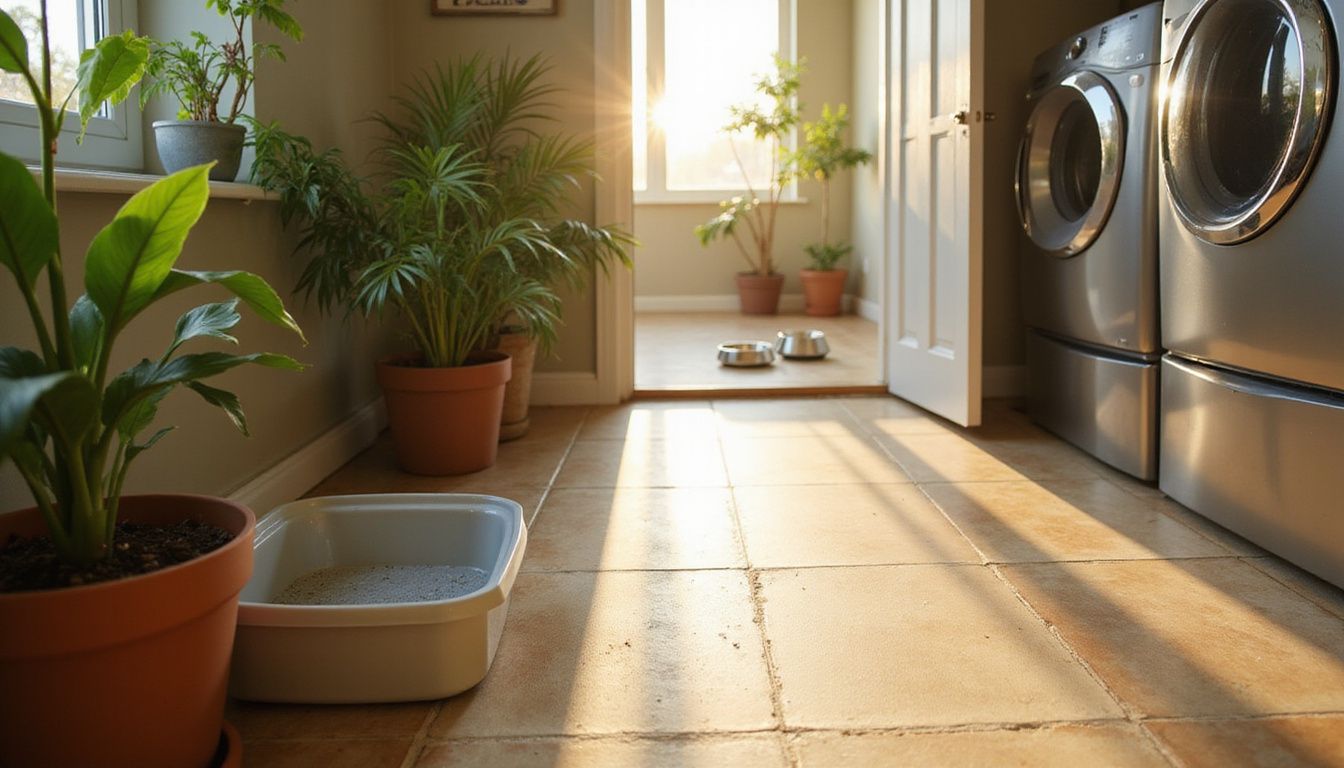
Litter box placement makes or breaks bathroom habits. Getting the location right keeps a new cat comfortable and prevents accidents around the house.
- Pick a quiet area away from washers, dryers, or water heaters that startle cats mid-use
- Choose a spot with multiple escape routes so your cat can see approaching threats
- Keep boxes in low-traffic zones away from crowds and foot traffic
- Separate food and water bowls from the litter box by a good distance
- Avoid dark, enclosed spaces where cats feel trapped or vulnerable
- Pick a stable spot and stick with it; moving boxes often causes stress
Open, well-lit rooms work better than cramped corners, since cats like to monitor their surroundings while they go. A little planning here saves you a lot of cleanup later.
How many litter boxes does a multi-cat household need?
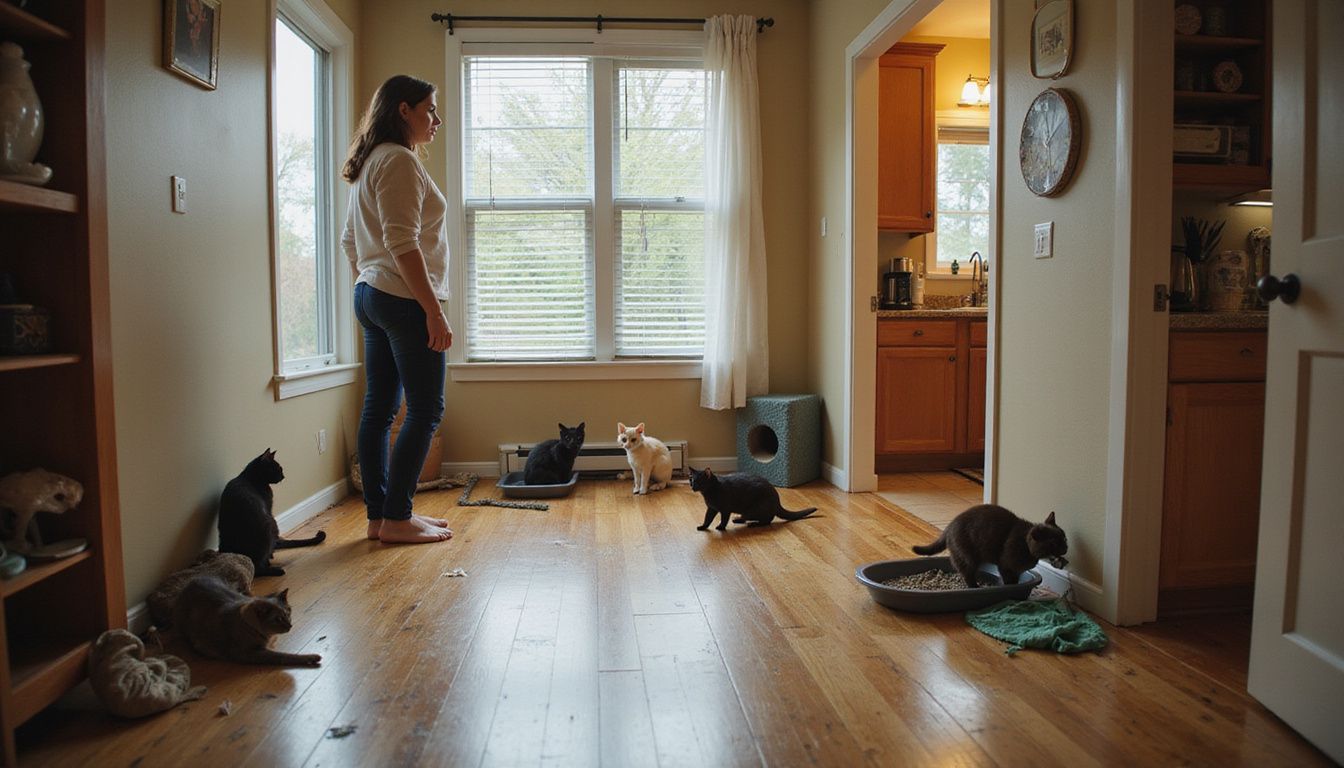
You’ll need more boxes than you probably expect if you’re adopting more than one cat. The golden rule is simple: one box per cat, plus one extra.
Two cats need three boxes. Three cats need four.
This formula works because cats are territorial. Sharing one box creates stress, and a dominant cat might guard it, leaving a shy cat with no choice but to go elsewhere in your home.
Let’s talk numbers for a second, since this actually affects your budget. For a two-cat household, three standard open boxes at roughly $12 each, plus weekly replacement of 20 lbs of clay litter at about $10 a bag, adds up to around $56 in the first month and about $10 a month after that.
Choosing only two boxes instead, then adding enzyme cleaners and extra litter changes to compensate, can push monthly costs to $22 and comes with nearly twice as many accidents. Spending a little more upfront on that extra box saves you money and headaches down the road.
Some cats have strong preferences about where they go. One might use a box only for urinating, while another refuses to share that same box for defecating.
In these cases, plan for two boxes per cat instead of one. Spread your boxes across different rooms, not clustered in one corner, so each cat gets a safe, private space.
If you’re adopting more than one cat, figuring out which cat is actually causing a problem can feel impossible. Driven by 2026 smart pet care trends, AI-powered litter box cameras like the SiiPet LitterLens are becoming a popular way to solve exactly this.
These devices track weight and usage per visit, so you can tell at a glance which cat skipped the box or is going more often than usual. That kind of insight used to take weeks of guessing. Now it takes a glance at your phone.
What to Avoid When Addressing the Issue
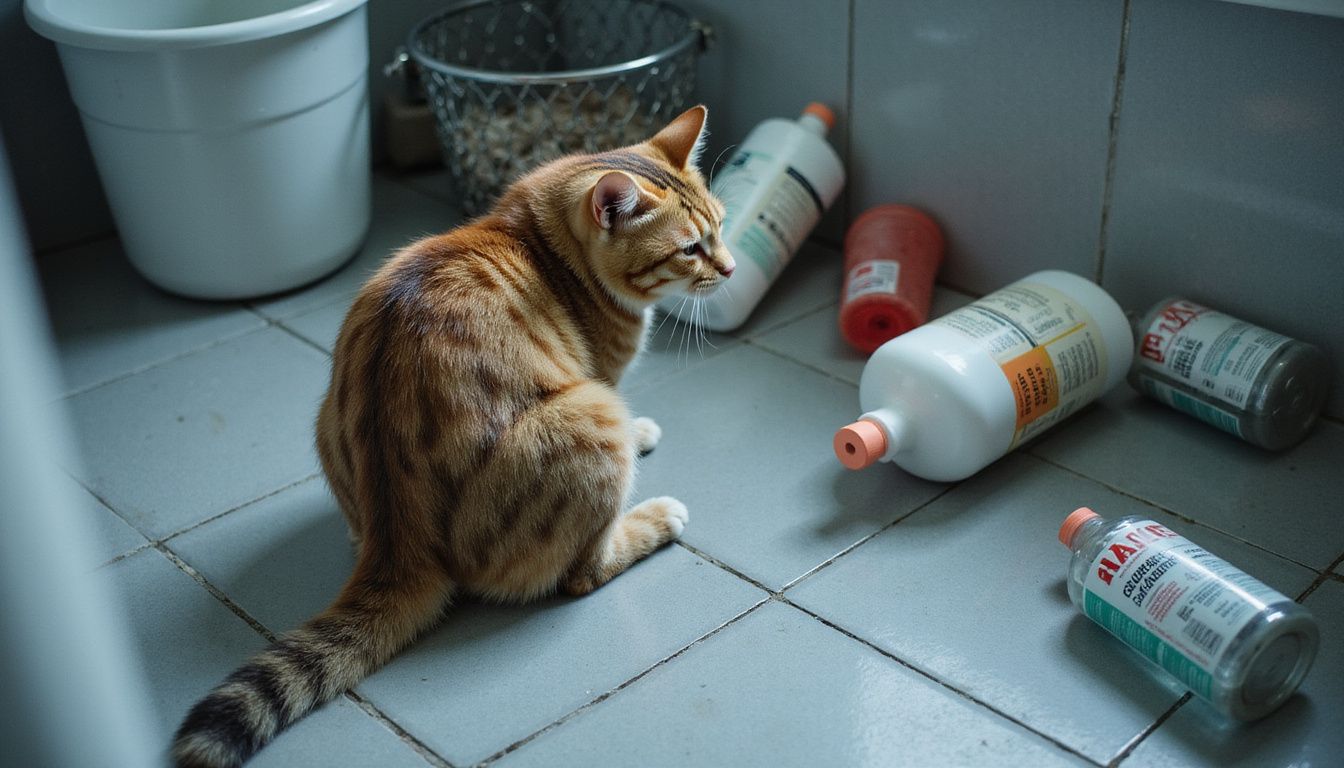
When a cat skips the litter box, your first instinct might be to scold her. Punishment backfires and makes stress worse.
Skip the harsh chemicals and strong sprays too, since they push cats away from the box and irritate their sensitive noses.
Why should I avoid punishing my cat for litter box problems?
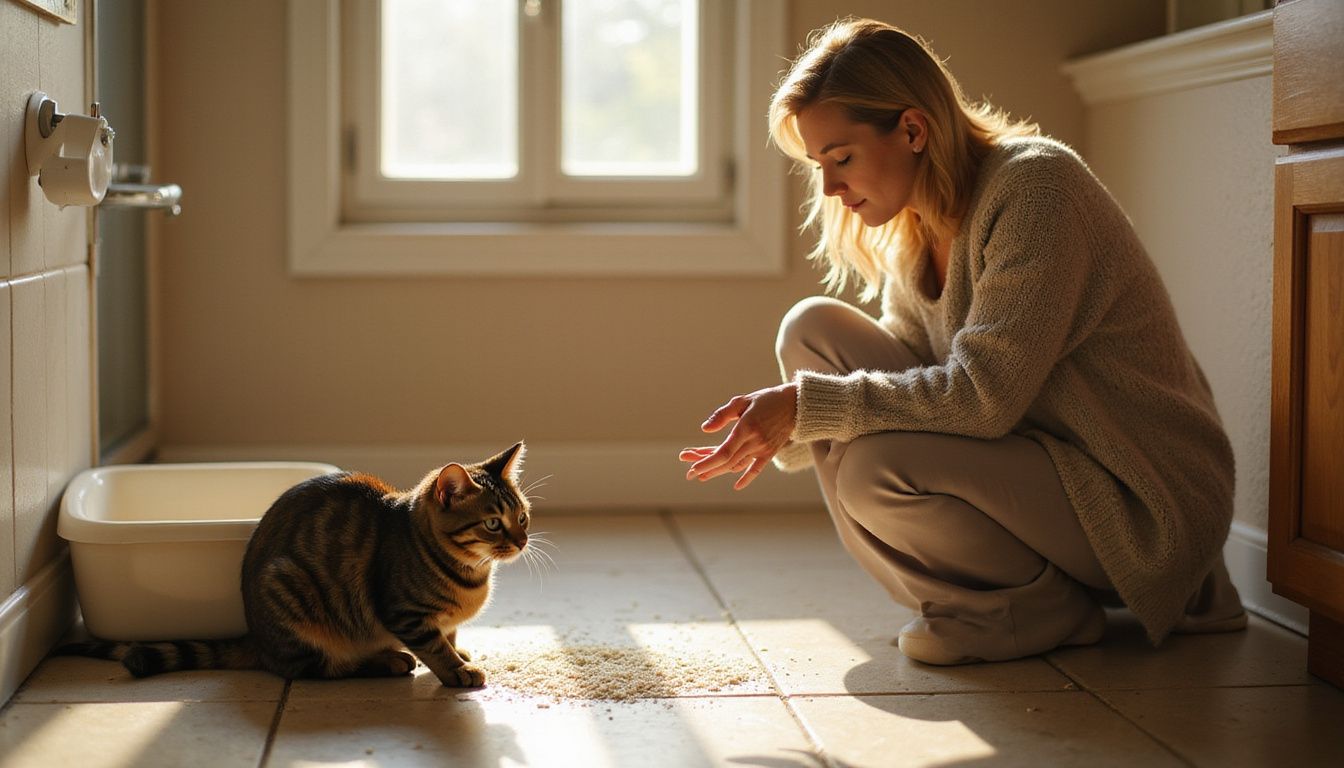
A cat does not act out of anger or spite when avoiding the litter box. Instead, your cat is telling you something is wrong, whether that’s a medical issue, stress, or dislike of the box itself.
Punishing a cat for accidents creates fear and confusion, not understanding. Rubbing your cat’s nose in accidents doesn’t work and can hurt your pet.
Physically placing a cat in the litter box can build a negative association with that space, making things worse. Squirt bottles teach a cat to fear getting caught, not to use the box correctly.
These methods damage trust and push your cat further from the solution you actually need.
Positive reinforcement works far better. When your cat uses the box correctly, offer praise, a treat, or gentle petting.
This builds trust and encourages your cat to repeat the behavior. Confinement might feel like a quick fix, but it doesn’t address the real cause of the avoidance.
A cat may go outside the box in front of you or on soft surfaces because it can’t help it, not out of jealousy. Focus your energy on finding what’s driving the behavior, work with your vet, and be patient while you solve the real issue.
What strong-smelling deodorizers or sprays should I avoid using?
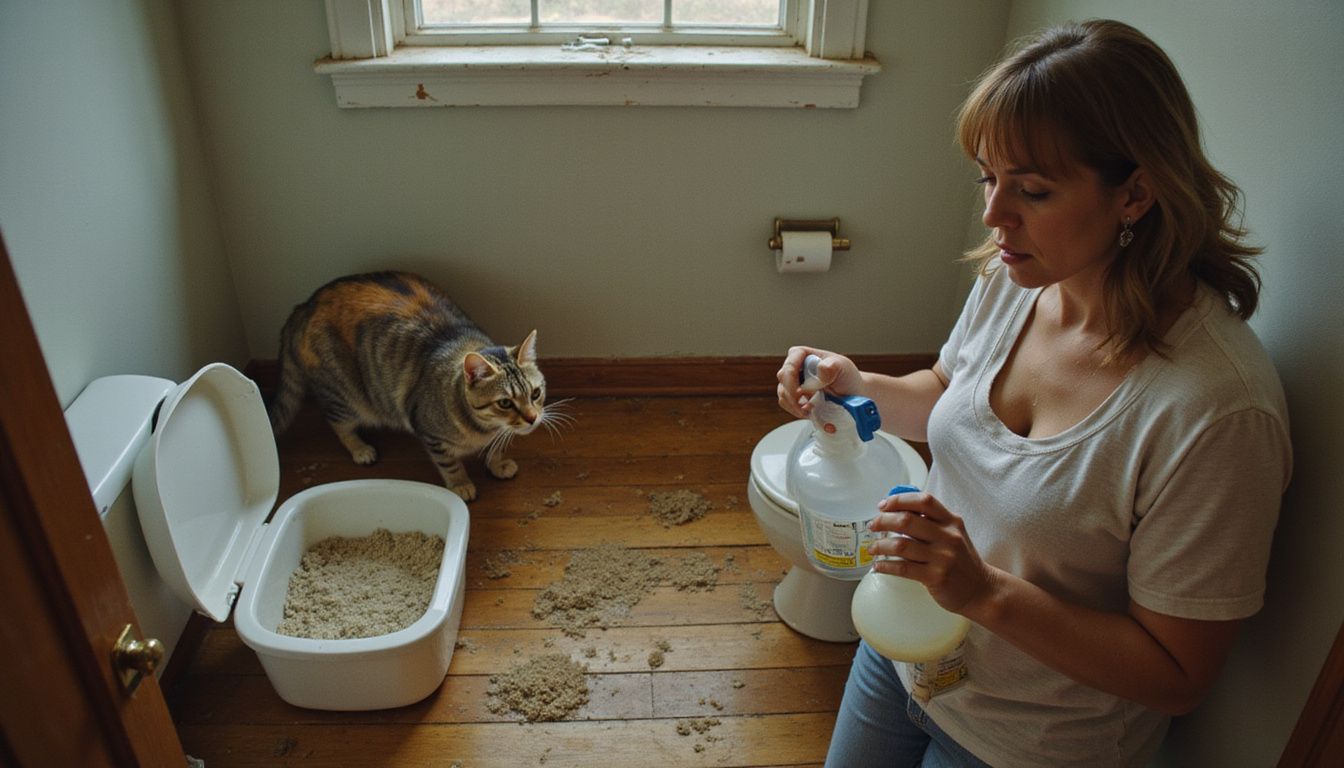
A cat’s nose is far more sensitive than yours, which makes strong odors a real problem near the litter box. Picking the right cleaning products keeps your cat happy and willing to use the box.
- Bleach and ammonia-based cleaners overwhelm cats and can actually attract them back to old accident spots
- Scented deodorizers and perfumed sprays create an unpleasant space that pushes cats away
- Litter box liners and covered boxes usually get rejected, so stick with open designs instead
- Enzymatic cleaners break down urine compounds without the confusing smells ammonia leaves behind
- Unscented clay-clumping litter beats perfumed varieties for most cats
- Baking soda and unscented soap handle weekly cleaning without overwhelming a cat’s nose
Avoid mixing multiple cleaning products in the litter box area. Combining scents creates confusing odors that drive cats further away from their bathroom spot.
Conclusion
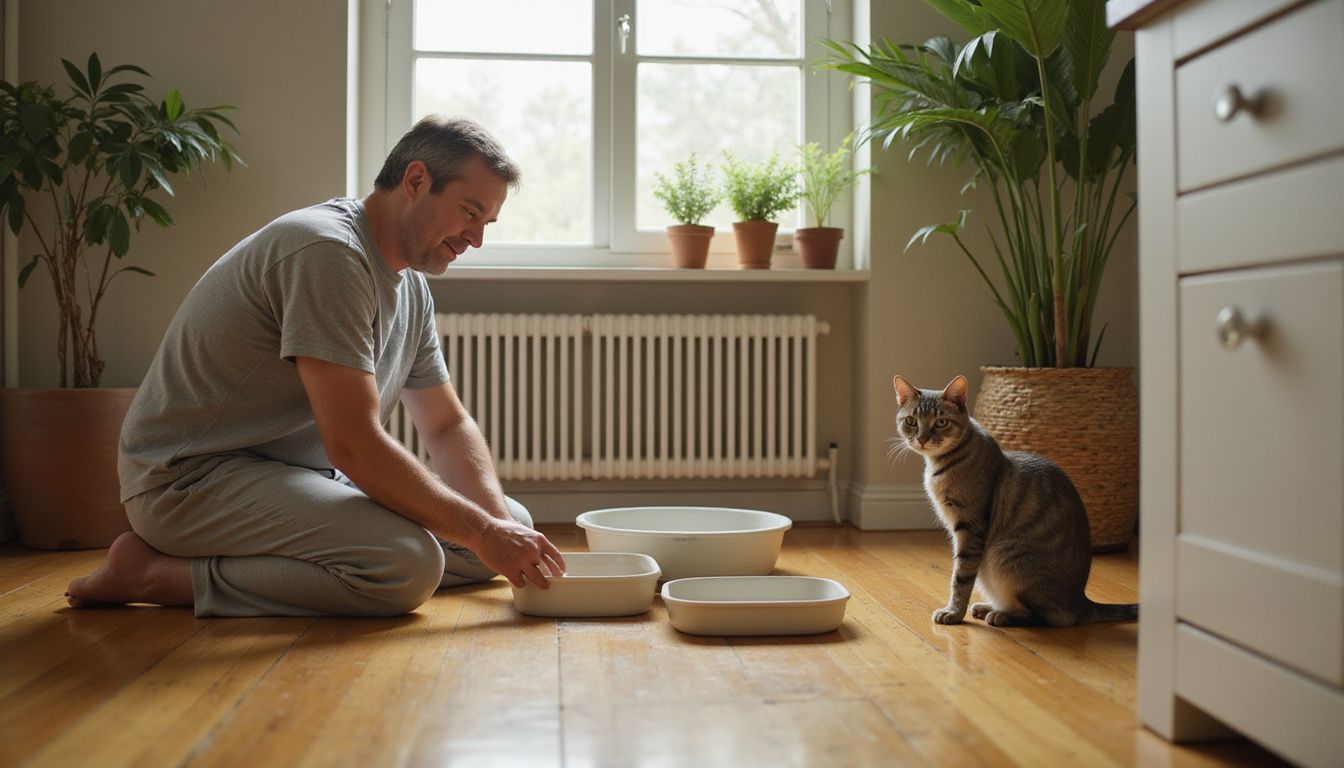
Litter box problems come from medical issues, behavior triggers, and environmental factors. Now you have practical solutions for each one.
Start by scheduling a vet visit to rule out UTIs, feline idiopathic cystitis, or kidney stones. These medical causes need attention first, always.
Next, put the simple fixes into place. Keep the box clean daily, add extra boxes following the one-per-cat-plus-one rule, and try unscented clumping litter at the right depth.
Placing boxes in quiet, accessible spots away from food and water removes stress and builds consistent habits. Taking action now stops bad habits from settling into your carpet or furniture.
A little effort up front turns litter box worries into a non-issue, so you and your new cat can just enjoy life together.
FAQs
1. Why does my cat suddenly avoid the litter box?
Cats often skip the box because of stress, illness, or a dirty litter box. Veterinary studies show that roughly 10% of litter box issues are caused by medical problems like urinary tract infections or kidney disease. If this behavior pops up suddenly, a vet visit is your best first move.
2. Does litter box location matter?
Yes, location is huge. Cats need privacy and a clear escape route, so skip noisy hallways or tight corners where they might feel trapped.
3. How often should I clean the litter box?
Scoop daily, no shortcuts. Cats are famously clean animals, and a dirty box is the number one reason they’ll find somewhere else to go.
4. Can a health problem cause litter box avoidance?
Absolutely. Urinary tract infections, kidney issues, or arthritis can make the box painful to use, so call your vet if you notice any signs of discomfort.