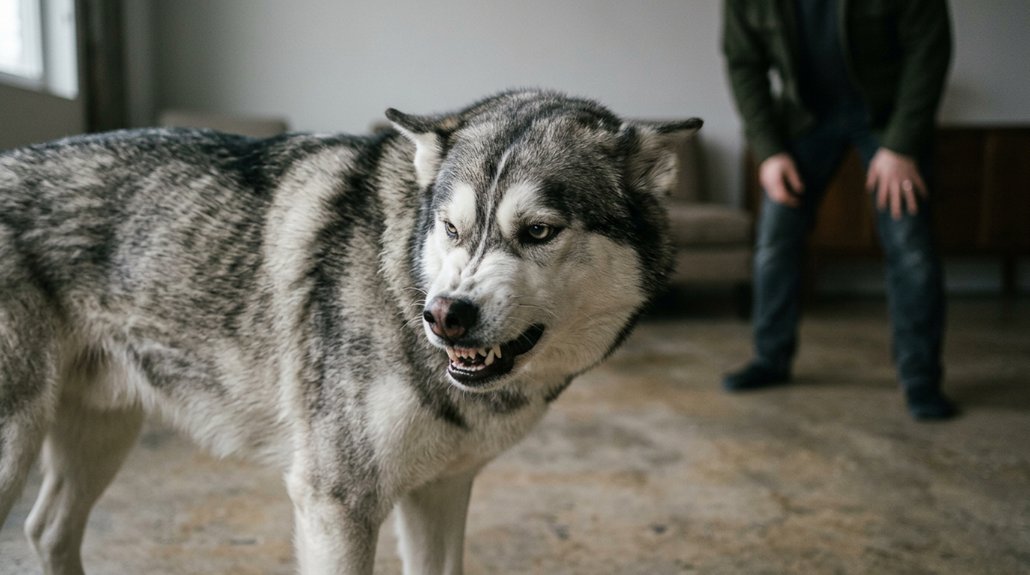
Aggression in dogs can be caused by fear from past traumas, confusion about social hierarchies, medical issues, and lack of socialization. Identifying triggers is essential and often requires expert insights. Management involves techniques like desensitization and positive reinforcement, while safety measures include using muzzles and barriers. Engage professionals for accurate evaluations and intervention plans. Understanding early signs and employing effective strategies can improve behavior substantially. Access more insights to effectively manage and reduce aggression.
Key Takeaways
- Medical issues and inadequate socialization are common causes of aggression in dogs.
- Early signs of aggression include growling, baring teeth, and stiff posture.
- Desensitization and counter-conditioning are effective behavioral modification techniques.
- Professional evaluations uncover subtle triggers and guide appropriate intervention strategies.
- Positive reinforcement training encourages desirable behaviors and reduces aggressive tendencies.
Why Dogs Become Aggressive
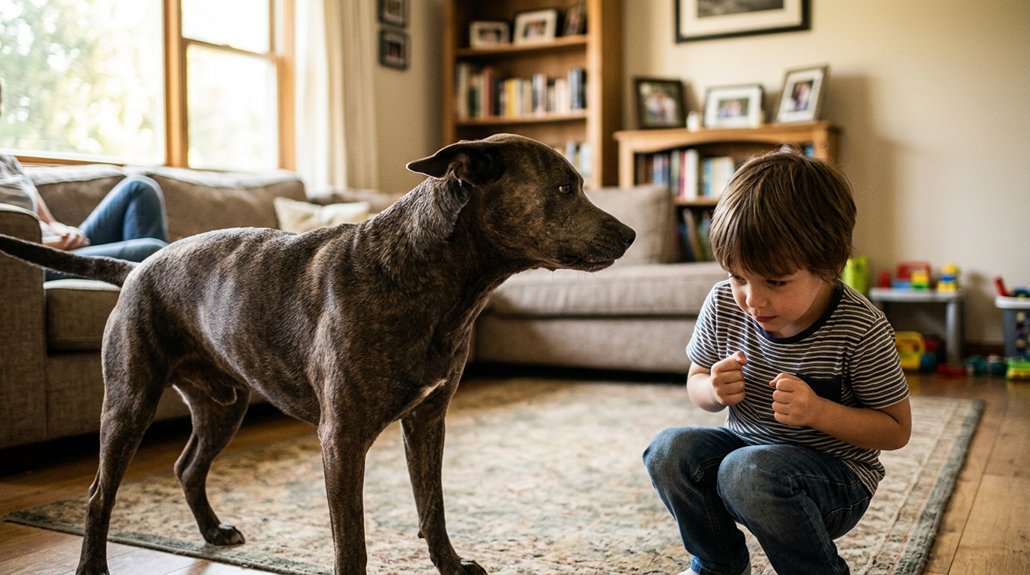
Although dogs are often seen as loyal companions, aggression can sometimes occur due to various underlying reasons. Fear responses are typically triggered by past traumas or environmental factors, leading dogs to perceive certain situations as threats. Dominance hierarchy confusion and social encounters can provoke social aggression, especially among unaltered males dealing with status challenges. Stress signals from breed tendencies and learning experiences also play a role in aggressive behavior. Medical health issues, like pain or hormonal imbalances, might affect a dog’s temperament, reinforcing the need for veterinary assessments. Early influences, such as inadequate socialization, increase the likelihood of aggression. Recognizing these elements helps in understanding their potential impact on your dog’s behavior and provides a pathway for effective intervention and management.
Spotting Early Signs of Aggression
Understanding why dogs become aggressive is pivotal in addressing canine behavior issues and opens the door to recognizing the early signs. Spotting early warning signs of aggression involves closely observing your dog’s body language. Look for cues such as growling, baring teeth, or a stiff body posture, which suggest discomfort or guarding behavior. Fear-based aggression may appear as anxious pacing or trembling before a more aggressive reaction if escape options seem blocked. Possessive aggression can be detected when your dog guards toys, food, or space from others. In unfamiliar social settings, raised hackles, tension, or barking might indicate social aggression. Recognizing these early warning signs allows for timely intervention and prevents escalation, ensuring your dog’s behavior remains manageable and safe.
Assessing Aggressive Behavior
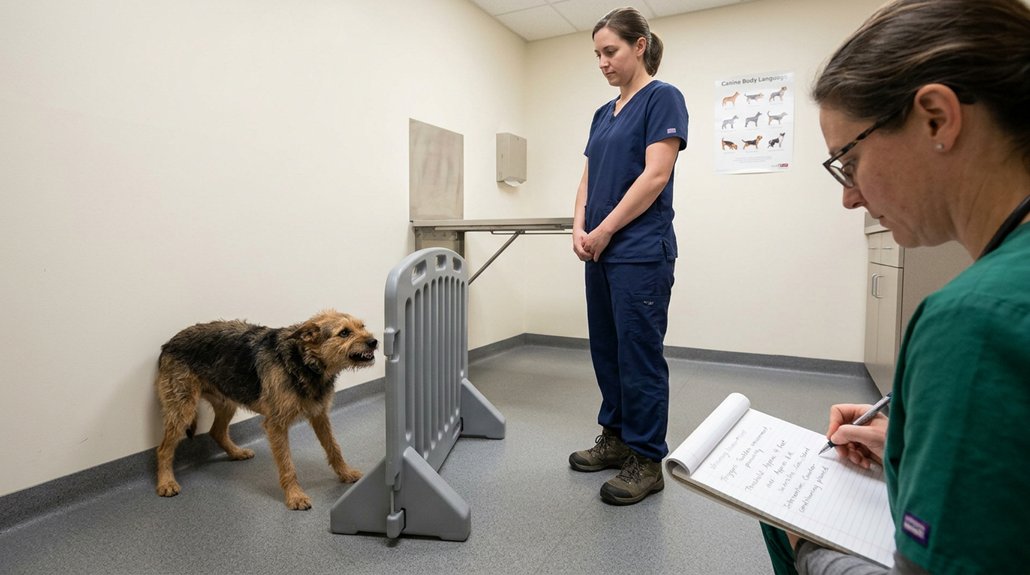
To effectively assess aggressive behavior in dogs, you need to identify specific triggers such as the environment or interactions with certain individuals. Recognizing behavior patterns, including any escalation from warning signs like growling to more severe actions, is critical in understanding the aggression’s severity. Additionally, evaluating past incidents and consulting with a behavioral expert can provide insights into the root causes and necessary intervention strategies.
Identifying Aggression Triggers
Identifying aggression triggers in dogs often hinges on careful observation of their body language and behavior in specific situations. Pay close attention to signs like growling, baring teeth, or tense postures. These suggest discomfort and can be indicative of underlying issues such as fear responses or protective behaviors. Environmental factors, like unfamiliar people or animals entering their space, can lead to territorial aggression. Additionally, resource guarding—when a dog defensively reacts over food or toys—is a common aggression trigger. Context awareness is essential, as aggression often occurs in certain social dynamics, like crowded areas or during walks. Understanding these situations helps in evaluating aggression triggers, allowing you to better manage and address your dog’s specific behavioral concerns.
Evaluating Aggression Severity
How do you effectively evaluate the severity of a dog’s aggressive behavior? Start by examining the aggression context, including triggers and the target. Pay close attention to the dog’s body language, noting any warning signs like growling or baring teeth. Such cues generally indicate less danger compared to dogs that bite unexpectedly. Additionally, a thorough bite history is essential, as past incidents increase the perceived risk and affect safety measures. Consider age factors; aggression in younger dogs is often more manageable than in older dogs with established behaviors. Finally, assess predictability levels. Dogs with consistent aggression patterns allow for more reliable management, while unpredictable behavior poses greater challenges. This evaluation is vital for accurately gauging aggression severity.
Recognizing Behavior Patterns
Evaluating a dog’s aggressive behavior lays the groundwork for recognizing specific behavior patterns that can aid in managing these issues. Through canine communication, learning to understand signals such as growling, baring teeth, or snapping before escalation is essential. Each type of aggression—fear-based, territorial, possessive—reveals unique body language patterns. Observing the triggers and context of these behaviors will help tailor effective strategies. Recording incidents meticulously, noting time, location, and present beings, allows analysis by behaviorists.
Recognize these signals:
- Growling: An early plea for distance
- Baring teeth: A visible warning
- Snapping: Last-ditch effort to avoid conflict
- Biting: Result of ignored signals
Each dog’s history and environment profoundly impact their behavior, underscoring the need for compassionate understanding.
Behavioral Techniques to Manage Dog Aggression
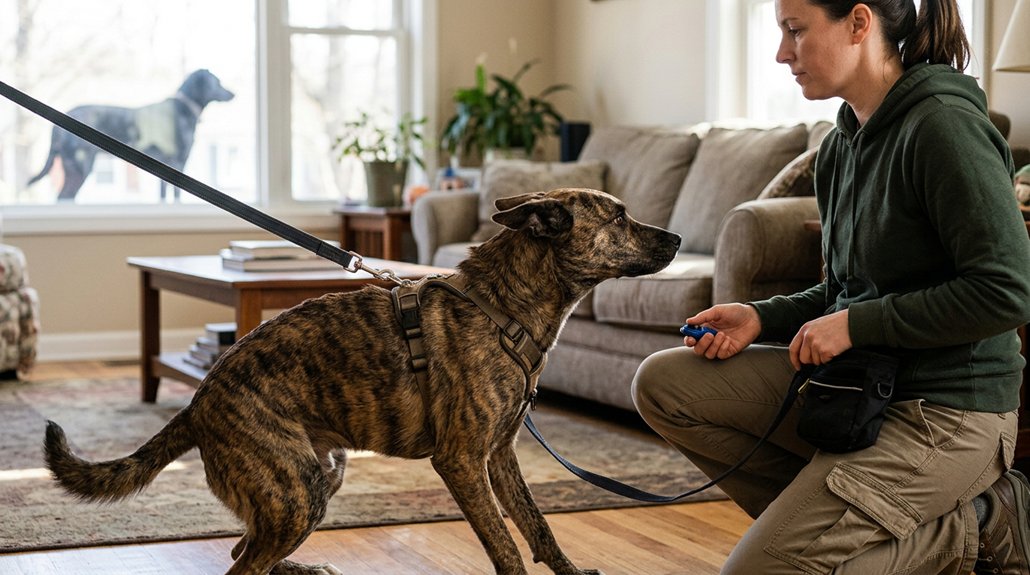
When it comes to managing dog aggression, several behavioral techniques can be effectively employed to modify and improve your pet’s responses. Desensitization techniques involve gradually exposing your dog to triggers in a controlled environment, rewarding calm behavior to decrease aggressive reactions. Counter-conditioning strategies are vital, focusing on altering your dog’s emotional responses by associating triggers with positive experiences like treats or play, thereby diminishing fear and aggression. Positive reinforcement training supports these approaches by encouraging desirable behaviors without punishment. Regular socialization opportunities help your dog build confidence, reducing fear-based aggression over time. It’s important to consult a certified dog trainer or behaviorist for a tailored behavior modification plan, ensuring specific aggression triggers are addressed with precision and care.
Keeping Your Dog and Everyone Safe
To guarantee safety for both your dog and those around it, utilizing equipment like basket muzzles can be essential in preventing biting incidents while still allowing your pet to breathe and drink comfortably. Implementing effective barrier solutions such as child safety gates and screen doors can also help manage interactions between your dog and other pets or children, reducing potential risks. Additionally, it’s important to avoid chaining your dog, as a stable environment fosters non-aggressive behavior.
Safe Equipment and Tools
- Safe environments guarantee peace.
- Reduce stress for happier interactions.
- Channel energy to prevent aggression.
- Keep your pet securely contained.
Effective Barrier Solutions
Creating a safe environment for your dog often extends to using effective barrier solutions to guarantee everyone’s safety. By implementing appropriate barrier types, you can prevent aggressive incidents. Child safety gates and screen doors serve as physical barriers, reducing the likelihood of conflicts with children or visitors. Crates and kennels offer secure retreats during stressful situations, ensuring proper safety measures are in place. In outdoor settings, fencing options or visual barriers can limit territorial aggression by obstructing your dog’s view of potential intruders. However, avoid chaining, as it heightens frustration and aggression. Instead, provide expansive areas for safe movement. Additionally, a basket muzzle is a protective tool that permits panting and drinking, useful during introductions or around unfamiliar guests.
Importance of Professional Intervention
When dealing with aggression in dogs, the involvement of professionals is paramount to accurately identify and address the root causes of such behavior. Professional assessments by certified animal behaviorists and trainers are essential, as they can uncover subtle triggers often missed by dog owners. Tailored interventions such as desensitization and counter-conditioning teach dogs to react calmly to their stimuli. Veterinarians play a significant role, offering regular medical evaluations to detect potential underlying conditions contributing to aggressive responses. Guidance from professionals also aids in making safe rehoming choices, ensuring that dogs find environments suited to their needs rather than facing escalation.
- Misdiagnosis risks more harm than help.
- Identify triggers that only experts can see.
- Ensure your furry friend’s safety and happiness.
- Avoid escalating aggression through proper care.
Early Socialization to Prevent Aggression
Beyond the expertise of professionals in managing aggression, addressing the issue at its roots can often start with early socialization. Introducing your puppy to a variety of people, environments, and animals from 3 to 14 weeks is essential. Engage in puppy playdates and socialization classes with vaccinated dogs. This controlled exposure reduces anxiety and reactivity while fostering confidence, minimizing fear-based aggression later on. Positive experiences during this significant phase lead to better behavioral outcomes. Socialization not only teaches puppy communication skills but also instills healthy play behaviors, preventing aggression-related issues. Varied socialization tips guarantee your dog grows more adaptable, less prone to stress-induced aggression, and develops stable character traits. Early steps are fundamental for a well-adjusted, friendly pet.
Considering Rehoming as a Last Resort
Although it’s often a difficult decision, considering rehoming an aggressive dog should be a last resort after every behavioral modification strategy has been attempted and the well-being of everyone involved can’t be guaranteed. When faced with such rehoming decisions, it’s essential to thoroughly screen potential adopters. This process involves full disclosure of the dog’s aggressive behaviors and identifying triggers to make sure they can handle these challenges. Creating a detailed adoption bio that addresses both positive traits and aggression issues can attract suitable adopters. Involve breed rescue organizations to leverage their experience with aggressive dogs. Conduct adopter screening that includes asking for references and performing follow-ups to assure the dog is placed in a responsible home.
- Emotional turmoil and heartbreak
- Safety concerns for family members
- Fears of misunderstanding and neglect
- Hopes for a better environment and future
Frequently Asked Questions
How to Fix Dogs With Aggression Issues?
Address your dog’s aggression using positive reinforcement training techniques. Identify behavioral triggers, desensitize gradually, and consult professionals for personalized guidance. Guarantee regular vet check-ups to exclude medical issues, maintaining consistency for structured socialization and confidence building.
Do Dogs Forgive You for Yelling at Them?
Dogs don’t dwell on distress, but yelling alters their emotional response and affects dog behavior. While they might not bear a grudge, repeated reprimands risk building anxiety. Consistent calm communication fosters a forgiving, fruitful friendship.
How Do I Calm Down My Aggressive Dog?
Calm your aggressive dog by using behavior modification and positive training techniques. Reward calm behaviors and manage environment triggers. Consistent stimulation and consulting with a certified behaviorist can support long-term improvement and confidence in your dog’s behavior.
Why Is My Dog so Aggressive for No Reason?
You’ve likely noticed your dog’s aggression coincides with specific triggers. Often, fear-based aggression’s masked by misunderstood canine body language. Observing their cues closely helps identify fear sources, guiding effective measures to create a safer environment.
Conclusion
Combatting aggression in dogs isn’t just about addressing a growl here or a snap there; it’s about tackling a complex puzzle that could rival the mysteries of the universe! While spotting early signs and practicing behavioral techniques might feel like unraveling a thousand-layered enigma, the journey to a well-adjusted pet can be immensely rewarding. Don’t underestimate the power of professional intervention—it’s like releasing a superhero to guarantee your dog’s peace and safety.