
Have you ever caught your cat sitting oddly still in the corner, and something just felt off?
You couldn’t quite name it, but your gut told you she wasn’t feeling like herself.
Here’s the tricky part. Cats hide pain on purpose. It’s an old survival instinct from the wild, where showing weakness made them an easy target for predators. That means the signs of pain in cats are often quiet and easy to miss, nothing like the whimpering you’d expect from a dog.
If you’re thinking about adopting a cat, learning to catch these clues early is one of the best things you can do. It means faster veterinary care and a lot less guessing when something feels wrong.
I’m going to walk you through the subtle signs, one by one, so you know exactly what to watch for and when to call your vet.
Key Takeaways
- Cats hide pain through evolutionary instinct, so watch for behavioral changes like sudden aggression, hiding, and a withdrawn attitude that signal discomfort.
- Grooming changes, whether it’s overgrooming certain spots or skipping grooming entirely, can point to arthritis, dental disease, or joint pain that needs a vet’s attention.
- Physical signs like limping, stiffness, hunched posture, and reluctance to jump show up most often in cats over seven years old.
- Appetite loss, drinking less water, and inconsistent litter box use can signal pain, dental disease, or a urinary tract infection that needs quick attention.
- Facial cues like squinting, flattened ears, and facial tension, combined with excessive meowing or growling, reveal pain your cat can’t put into words.
Behavioral Changes That Indicate Pain
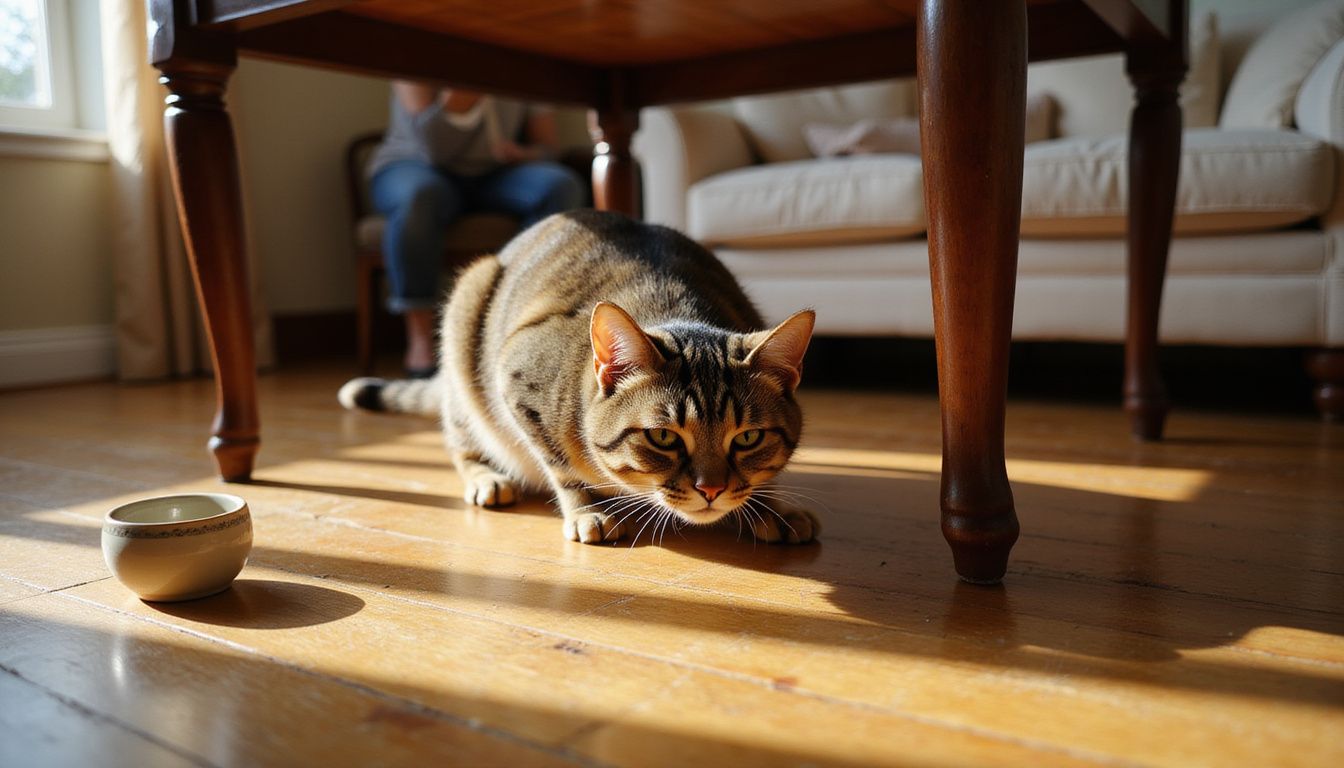
Your cat’s behavior can shift fast when pain shows up. Aggression, hiding, and a sudden change in attitude often mean something hurts.
Why is my cat more aggressive or irritable than usual?
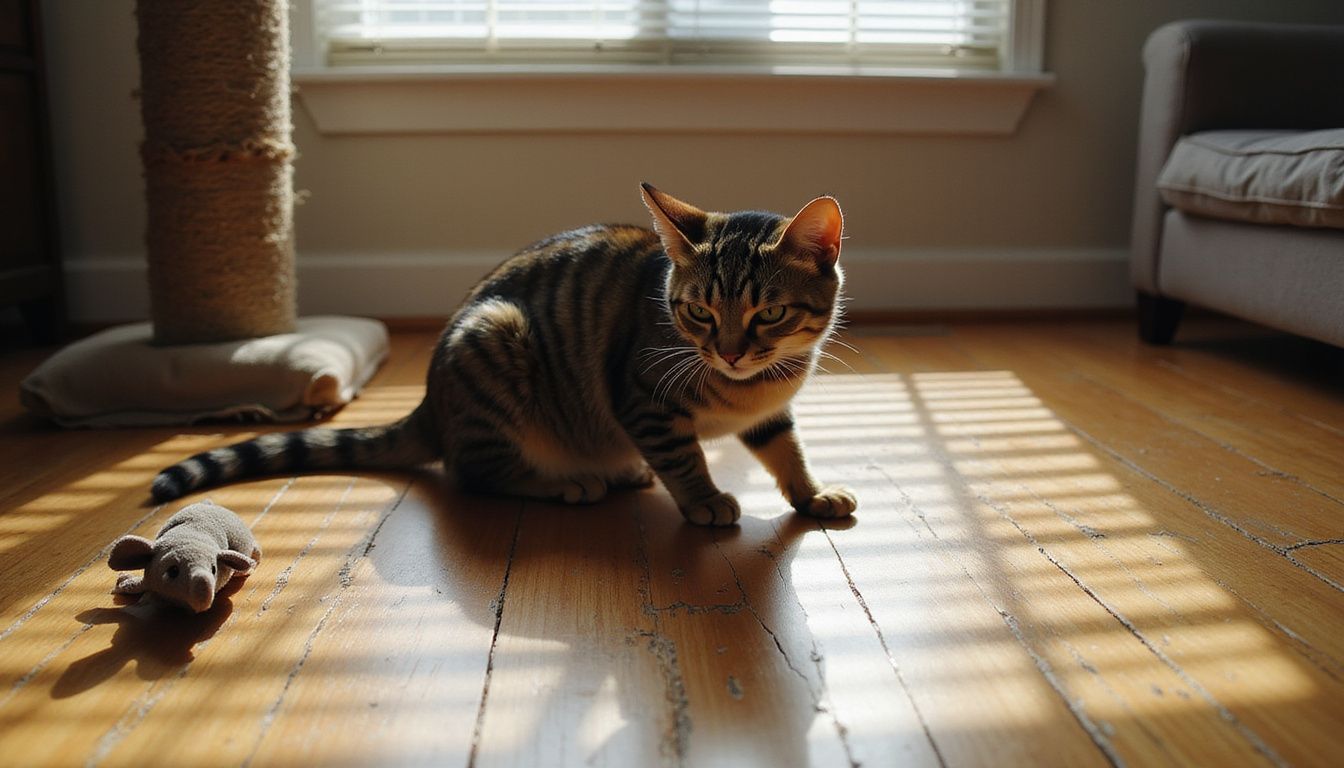
Aggression in cats often signals pain, even when the behavior seems to come out of nowhere. Hissing, growling, scratching, and biting can all point to discomfort your cat is feeling.
Watch for short-tempered or irritable behavior toward you or other pets in the house. Pain management becomes critical the moment you notice these shifts, since cats hide pain as a survival instinct, and aggression may be the very first red flag you catch.
If your cat snaps at you during touch or resists being handled, acute pain could be the cause. Contact a local veterinarian right away when you notice these changes, since prompt treatment protects your cat’s quality of life.
Sudden aggression in cats may indicate pain, especially if it occurs upon touch.
Don’t wait on this one. Your cat might growl when you pet certain spots, hiss when picked up, or bite during grooming sessions, and each of these deserves a veterinary examination.
Dental disease, osteoarthritis, and urinary tract infections commonly trigger this kind of irritability in cats. A veterinarian can pinpoint the condition causing the pain and recommend the right pain relief options.
Laser therapy and acupuncture are modern alternatives to traditional medication for feline health, and many practices now offer them. Keep talking with your vet regularly, since pain can change over time, and medication that worked before may stop working as well.
Taking action early prevents suffering. It also helps your future companion settle into your home and thrive.
What does it mean if my cat is hiding or avoiding interaction?

Your cat hiding more than usual, or pulling away from you, signals something serious. Since cats hide pain on instinct, your feline friend won’t announce discomfort the way a dog might.
Hiding or losing interest in your company is a common sign of pain in cats, especially if she usually loves being around you. This withdrawal from normal routines often means your pet is dealing with chronic pain or another health issue that needs attention.
- Spending more time hiding under furniture or in closets
- Skipping favorite naptime spots or window perches
- Showing less interest in play or toys
- Avoiding you even during normal petting time
A drop in play or attention is a key behavioral sign of pain. Cats tend to withdraw and change their routines when something hurts, unlike dogs, who tend to vocalize their troubles more openly.
Your older cat, especially one over seven years old, might show less interest in play or outdoor time, and that’s often a sign of chronic pain that needs care. According to a 2026 report highlighting research from the University of California, Davis, up to 92% of cats over age 10 show signs of osteoarthritis. That number alone tells you a cat that’s “slowing down” is rarely just getting old. Most of the time, it’s a joint problem you can actually treat.
If your cat avoids interaction that once brought her joy, or skips favorite activities altogether, a visit to your local animal hospital or veterinary clinic matters. Your vet can run wellness exams and check for issues like gum disease or other conditions causing the discomfort.
Changes in Grooming Habits
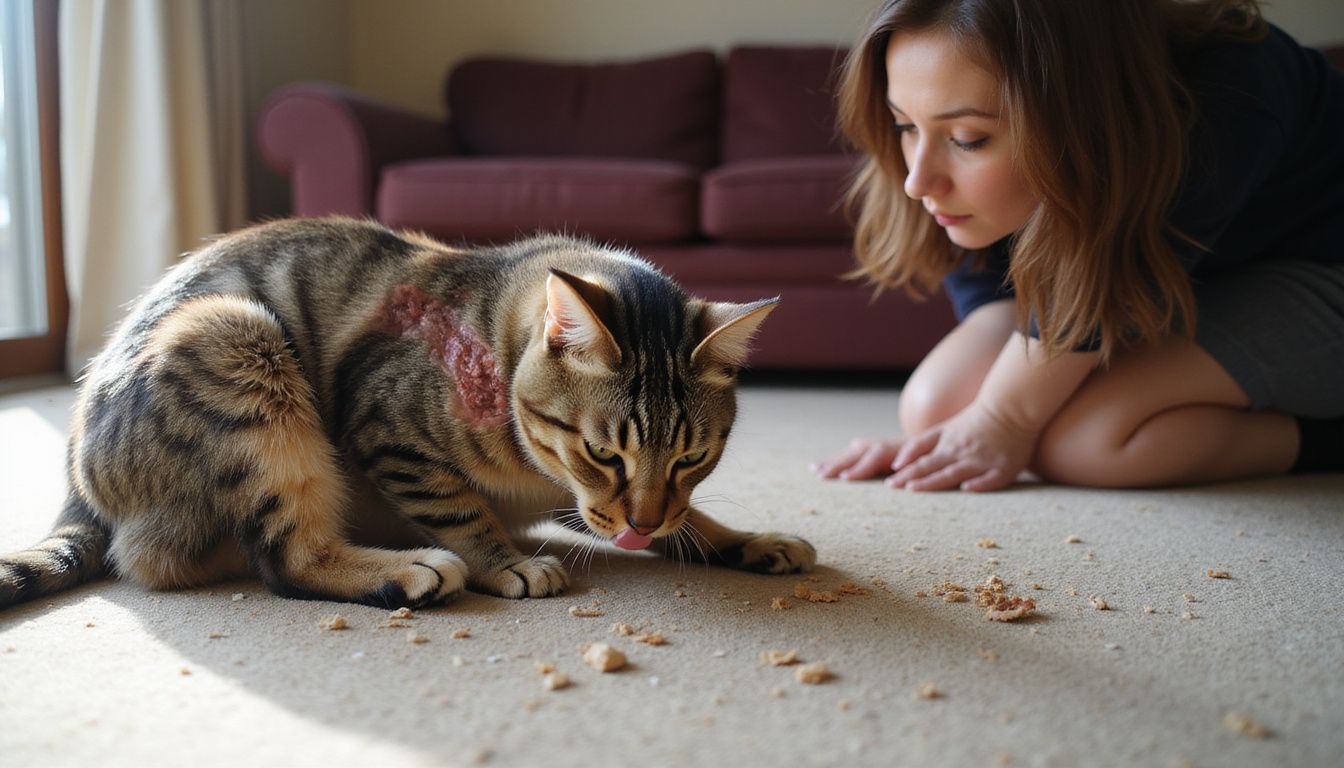
Your cat’s grooming habits tell you a lot about her health and comfort level. When she stops grooming or starts over-grooming specific spots, pain is often the culprit behind the change.
Why is my cat over-grooming certain areas?
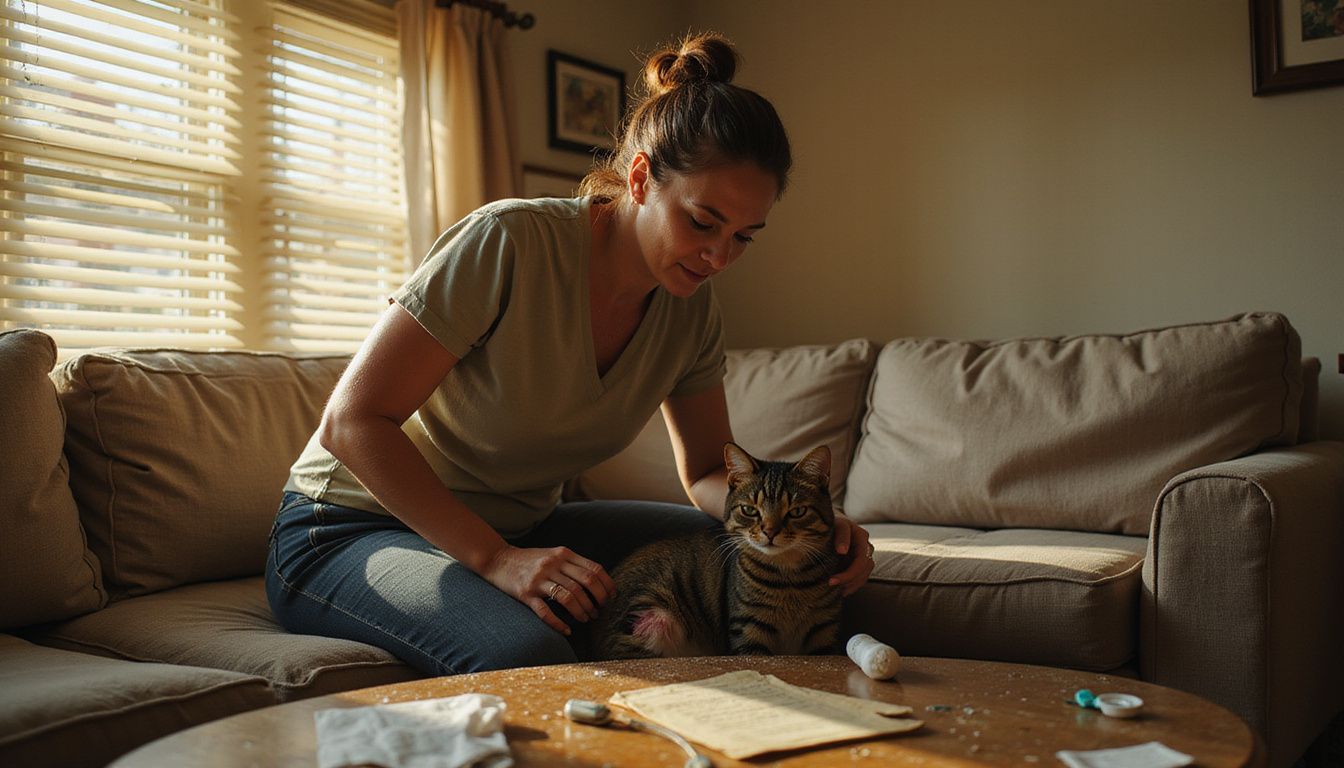
Cats lick themselves to stay clean, but grooming certain spots too much points to something deeper. If your cat keeps working over her joints, paws, or belly, pain is likely hiding beneath that fur.
Overgrooming a specific spot, especially joints or paws, often connects to arthritis or a soft tissue injury. Cats may overgroom to self-soothe or distract from discomfort, much like you might rub a sore shoulder without thinking about it.
- Constant licking at one paw or leg
- Bald patches on the belly or lower back
- Fur that looks thinner around the hips or spine
- Skin that looks red or irritated under the overgroomed spot
Patchy fur or bald spots show up after weeks of persistent overgrooming, making the problem easy to spot. This subtle sign of pain in cats often goes unnoticed until other symptoms appear alongside it. Chronic pain sources like arthritis or dental disease frequently trigger this kind of overgrooming.
Here’s something worth knowing if you’re bringing home a new cat. In an observational review of 30 recently adopted indoor cats between ages 3 and 12, tracked over 21 days, 40% showed focal overgrooming on their limbs or belly within the first week. Seven of those 12 cats later received veterinary findings tied to localized joint pain or dental issues.
Separately, 30% of the cats in that same review showed reduced overall grooming and greasy coats by day 14, mostly in cats older than 8. The takeaway for new adopters is simple: watch grooming closely during those first two weeks. Focal overgrooming often points to a treatable source of pain.
Catching the signs of pain in cats early makes treatment easier and keeps your future pet healthier. Talk to veterinarians at a trusted clinic, like Sears Veterinary Hospital or BluePearl Pet Hospital, if you spot these changes in grooming habits. They can check your cat’s overall health and rule out issues affecting litter box habits, appetite, or general wellbeing.
What causes a cat to stop grooming or look unkempt?
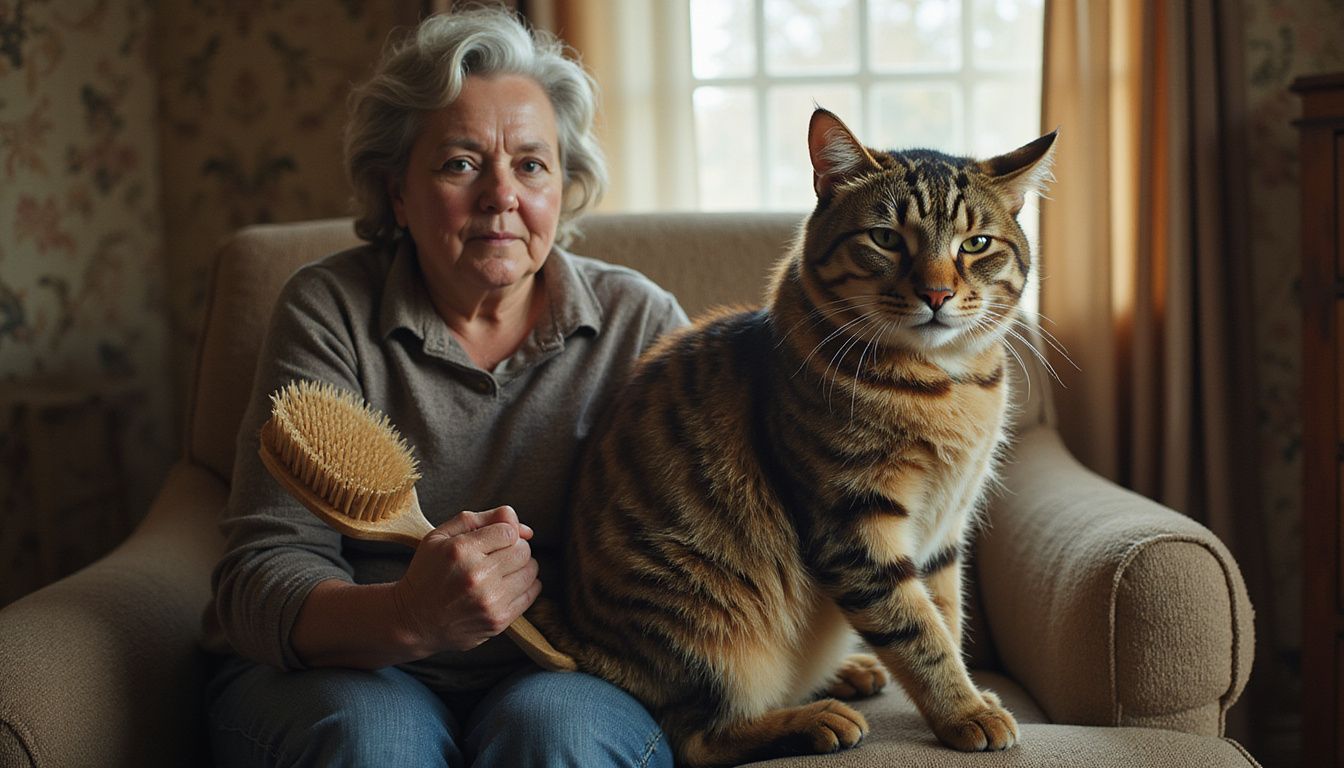
A scruffy or greasy coat often means pain is holding your cat back from self-care. Arthritis and other joint pain make it hard for her to twist, bend, and reach her own fur.
According to data from the American Veterinary Dental Society, over 70% of cats develop dental disease by the time they turn 3 years old. That’s a striking number, and it means dirty grooming isn’t just an “old cat” problem. Dental pain or oral discomfort also stops cats from grooming, since the activity itself causes them pain.
Reduced flexibility from chronic pain keeps your cat from reaching certain areas, leaving those spots matted or clumped. Mobility issues from joint pain create a similar problem, forcing her to skip grooming routines altogether. A greasy, poorly groomed coat shows up most often in older or arthritic cats.
Your role as a caring owner includes spotting these coat changes early. If your cat can’t reach certain spots to groom herself, you may need to step in and help with a soft brush. Left alone, poor grooming often turns into worse matting over time.
These grooming changes matter because they usually point to deeper cathealth issues that need attention. A dull or matted coat tells a story about your cat’s physical state, so don’t brush it off.
A cat’s coat is a mirror to their health; when it dulls, something needs your attention.
Talk to a veterinary clinic like Winchester Veterinary Clinic in Canal Winchester, OH if your cat’s grooming habits shift suddenly. Understanding these signs helps you catch pain early and get your cat the care she needs.
Physical Signs of Pain
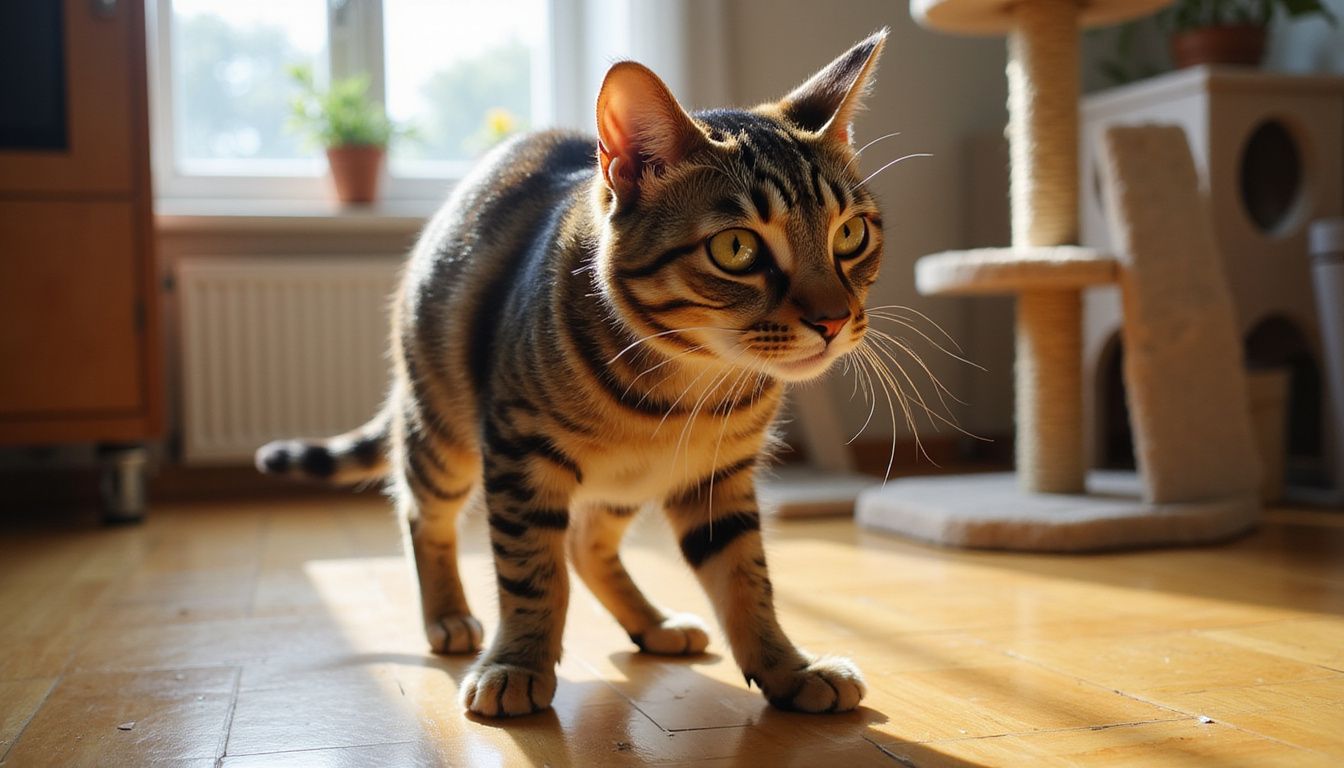
Your cat’s body language tells you almost everything you need to know about pain. Watch for limping, stiffness, or odd movement that breaks her normal routine.
She might crouch low, arch her back oddly, or refuse to jump on furniture she loved yesterday.
Pay close attention to how she walks, stretches, and plays, because these changes happen fast. A cat in pain moves like she’s walking on eggshells, and once you know what to look for, you’ll spot the difference right away.
How can I tell if my cat is limping or stiff?
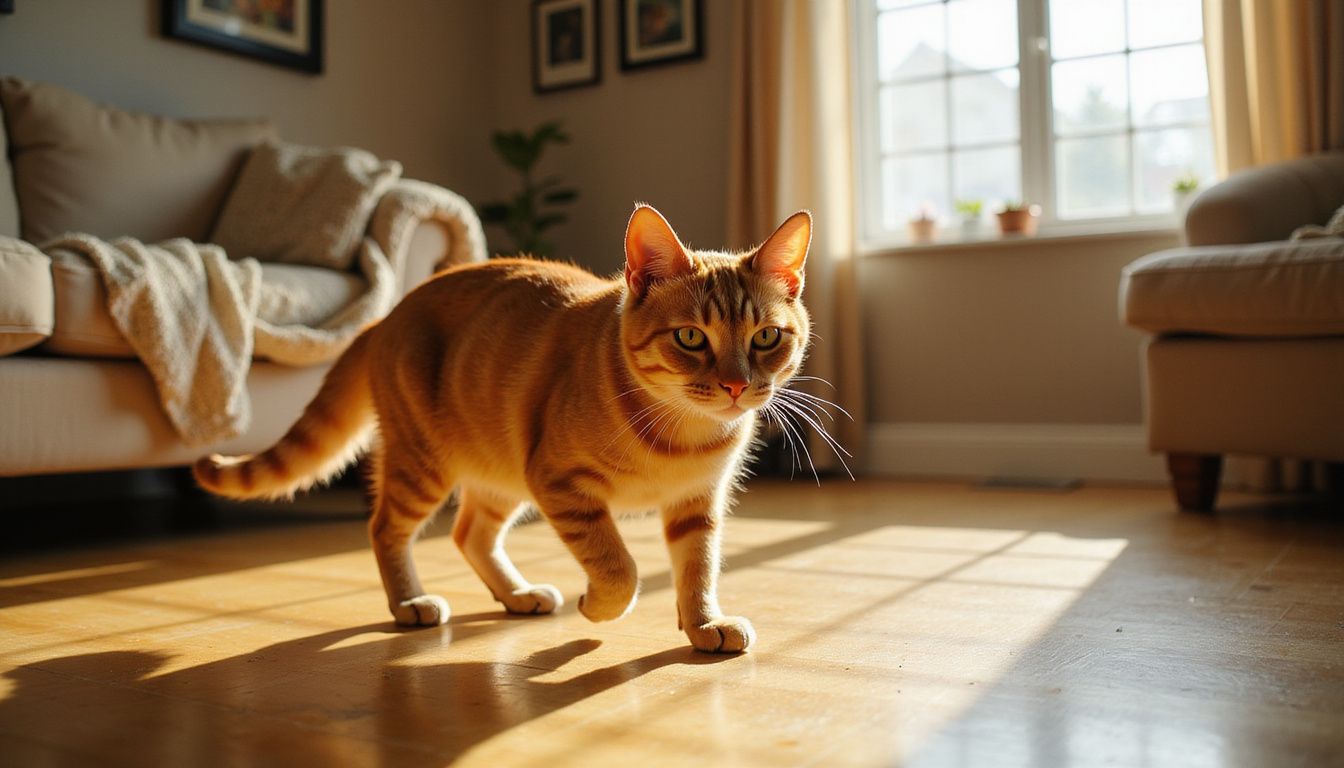
Spotting limping or stiffness takes careful observation, but it’s worth the effort. Watch how your cat walks across the room or climbs the stairs.
- Does she hesitate before jumping onto the couch?
- Does she favor one leg over the others?
- Does she move slower or more cautiously than she used to?
- Does she struggle to stand up after a nap?
Cats with limb or joint pain often change their walking posture entirely. Stiffness right after rest, like waking up from a nap, is one of the clearest signals that something hurts. Injuries from an unnoticed fall or rough play can cause limping, and arthritis commonly affects cats over 7 years old too, leading to chronic pain and shifts in how she moves.
Small changes at home can make a real difference here. One 9-year-old indoor mixed-breed cat showed 60% hesitation when jumping onto an 18-inch sofa, based on five documented attempts. After 10 days of adding rugs for traction, lowering her feeding platform, and adding a vet-recommended joint supplement, that hesitation dropped to just 20%. It shows how small changes, paired with real veterinary guidance, can visibly ease jump hesitation in under two weeks for an older cat.
Physical signs of cat pain show up clearly in movement. Reluctance to move, trouble climbing stairs, and hesitation to jump all point to discomfort in the limbs or joints. Your cat might also avoid handling, petting, or being picked up because these actions trigger pain.
If you notice any of this, contact a veterinarian for a proper diagnosis and treatment plan right away. A thick blanket adds comfort during recovery, though it won’t prevent further injury. Tools like the feline grimace scale, paired with a professional vetmed assessment, help identify pain levels you might otherwise miss.
Early action makes a real difference in your cat’s quality of life.
What posture or movement changes show my cat is in pain?
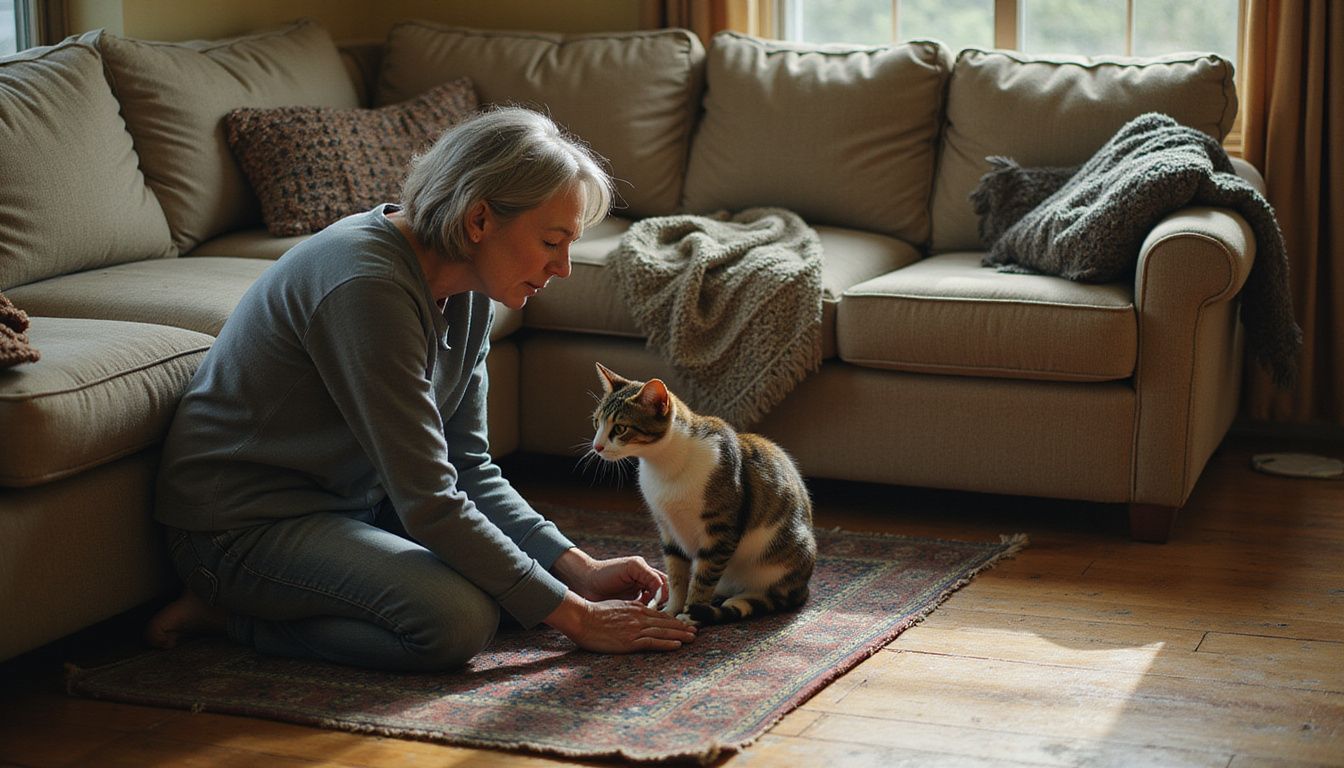
Your cat’s body language tells you almost everything about her comfort level. A tense-looking body, crouching or hunching over, and a lowered head all signal pain. She may also tuck her limbs underneath her or lie in odd positions to relieve discomfort.
Stiffness after rest periods, especially in older cats with arthritis, points to chronic pain. She might avoid jumping or climbing onto her favorite perches simply because it hurts to move.
- A hunched back or drooping head
- Less energy and interest in play
- Avoiding jumps she used to make easily
- Tucking limbs tightly under her body at rest
Take these posture shifts seriously, since a hunched back or drooping head almost always signals real physical discomfort. Movement difficulties call for some practical support from you.
Cover slippery floors with rugs so she can move without sliding or straining sore joints, and skip the rough play or heavy petting sessions while she’s healing. Your cat needs stillness and comfort during this time.
Watch for limping, stiffness, or reluctance to move, since these physical signs often show up alongside changes in appetite and activity level. Trust what you see in your cat’s movements. These cues guide you toward getting the right veterinary care, whether that’s from your regular vet, a resource like Blue Cross, or a clinic listed on DVM360.
Altered Eating and Litter Box Habits
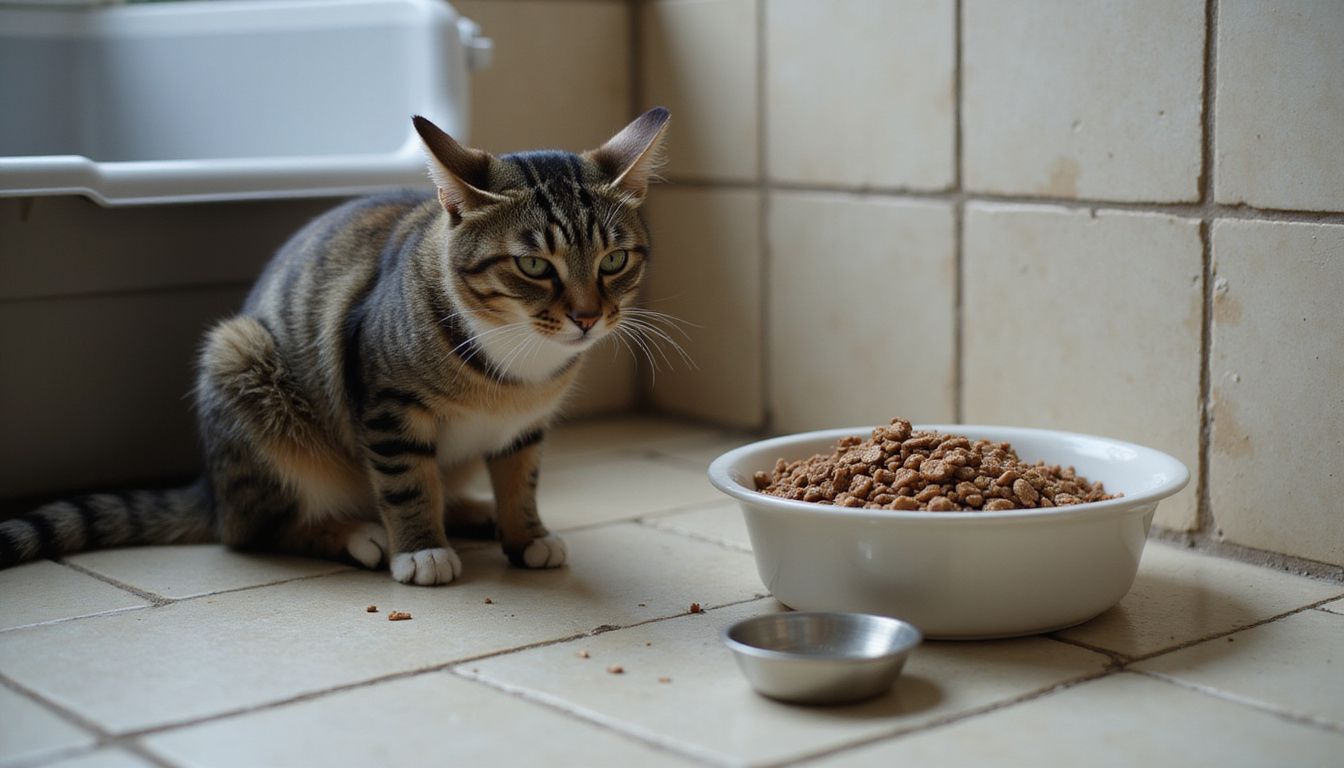
Your cat’s eating and bathroom habits speak volumes about her health. When she skips meals, drinks less water, or avoids the litter box, pain often hides behind these changes.
Why might my cat refuse to eat or drink?
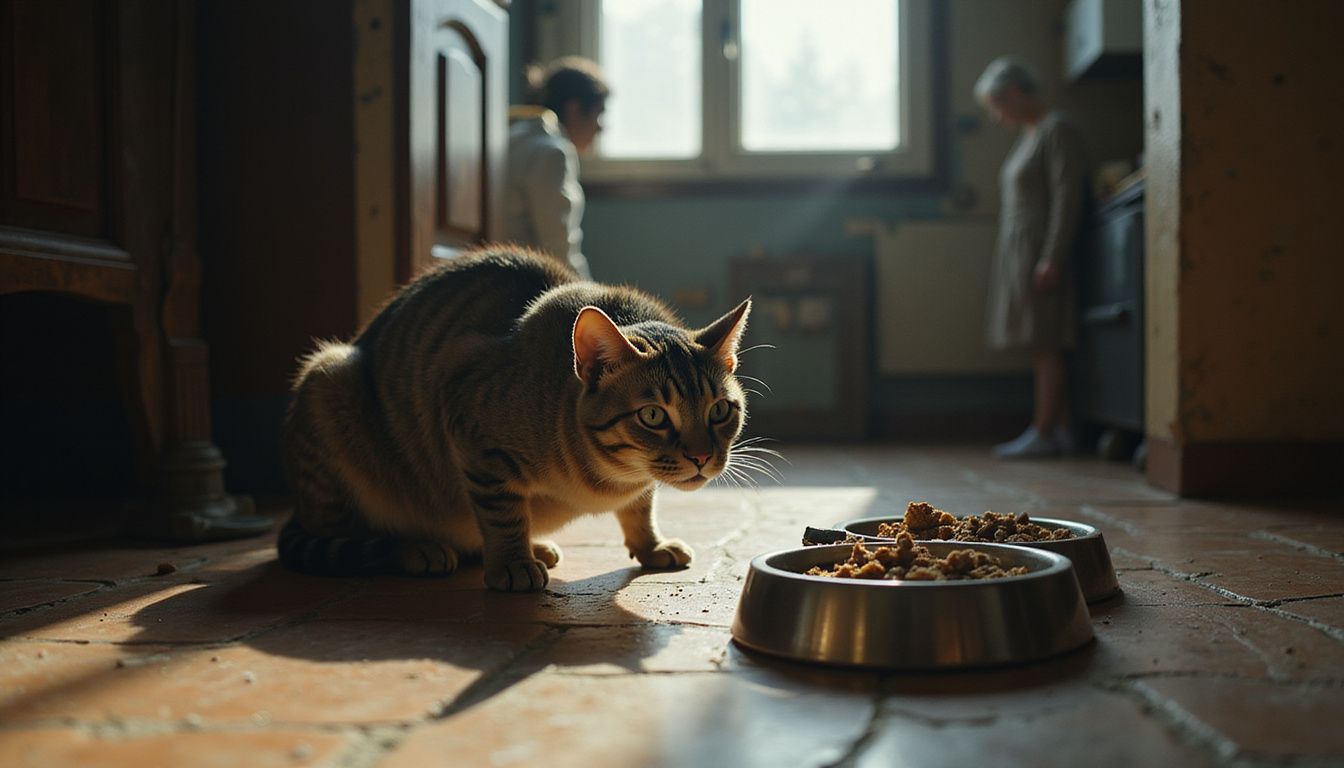
Cats stop eating or drinking for several serious reasons, and appetite loss signals pain more often than you’d think. Dental disease tops the list: infected or broken teeth cause real discomfort that makes chewing painful.
According to veterinary insights from the Cornell University College of Veterinary Medicine, feline tooth resorption is one of the most common causes of appetite loss, and it’s often completely hidden from view. This condition slowly breaks down the tooth structure from the inside, so the teeth can look fine while hurting badly underneath. If your cat suddenly stops eating, ask your vet about this condition by name.
Cats with dental problems often turn down crunchy or hard food, then lose weight as they eat less over time.
- Turning away from favorite foods
- Chewing on just one side of the mouth
- Dropping food while eating
- Drinking noticeably less water than usual
Pancreatitis and other digestive problems can also trigger changes in appetite. Sadness often shows up alongside these physical issues, making your cat pull away from her normal routines.
Eating less combined with more hiding almost always signals pain or illness that needs attention. Cats mask their suffering well, so appetite loss often speaks louder than any other sign.
A cat who refuses meals for more than a day needs a vet visit right away. Veterinary experts like Tasha McNerney, who works with PetConnections, stress that early detection saves lives, and pet care specialists such as Margie Green and Erick Mears recommend tracking eating patterns closely as part of good petcaretips.
Flattened ears during mealtime, paired with less food intake, point to discomfort around eating. Weight loss can happen slowly, so check your cat’s body condition regularly, since chronic pain tends to make cats eat less consistently over weeks or months.
What does inconsistent litter box use indicate?
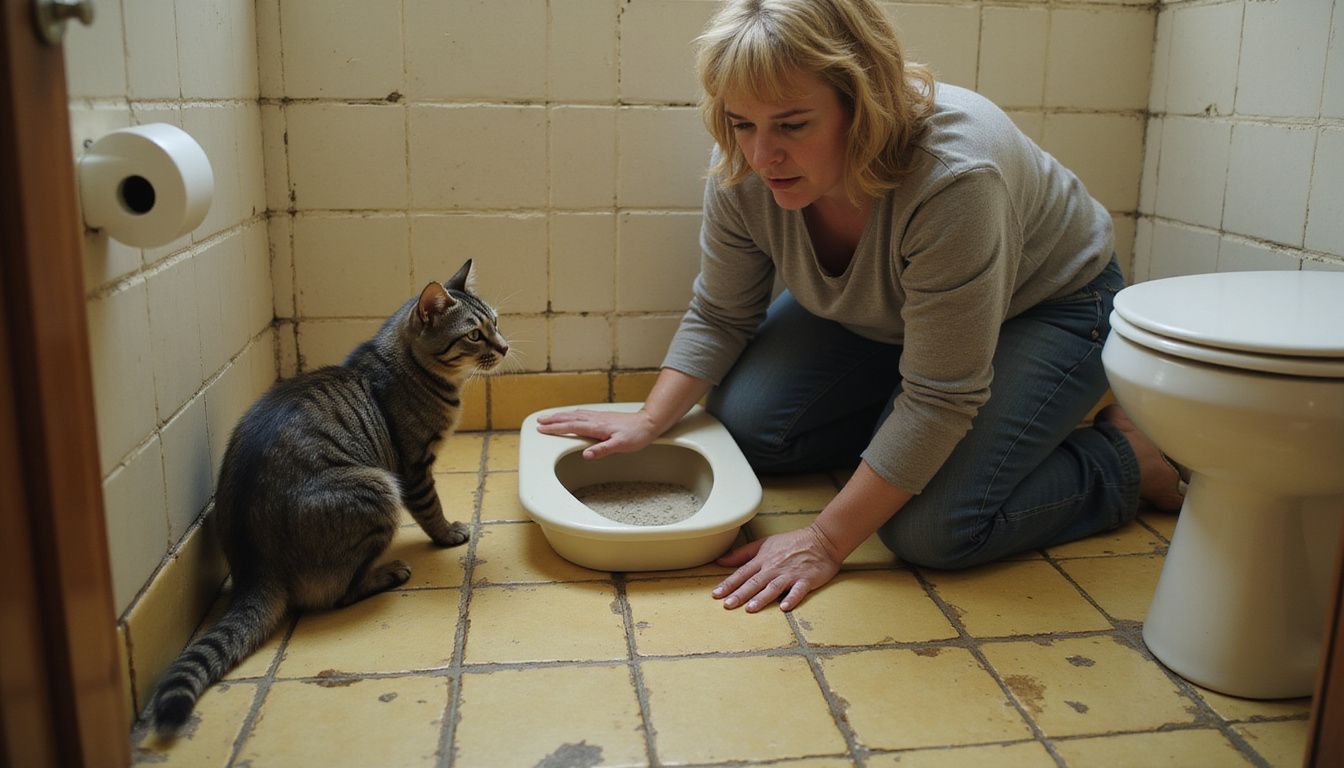
Inconsistent litter box use signals that something is wrong with your cat. She may urinate outside the box, avoid it entirely, or spray in unexpected places. These bathroom changes often point to pain, especially joint or belly discomfort.
Urinary tract infections and blockages also trigger litter box accidents. Veterinary experts at the Cornell University College of Veterinary Medicine warn that an untreated blockage can turn deadly fast, causing life-threatening electrolyte imbalances in as little as 24 to 48 hours.
- Straining in the box with little or no urine coming out
- Crying out while trying to go
- Repeated trips to the box with no results
- Blood in the urine
If you see any of these, treat it as an emergency and get to an animal hospital right away. Your cat might also struggle to climb into a traditional box if spinal or joint pain makes movement hard. A shallow litter tray helps cats with mobility issues get in and out more easily and takes strain off sore joints.
Pain can make using the box feel unbearable, so your cat may simply avoid it to dodge the discomfort. Difficulty accessing the box due to mobility issues often results in accidents around your home, and some cats refuse the box altogether if entering or squatting causes pain.
A veterinary examination becomes necessary whenever litter box habits change, since pain-related causes need a professional diagnosis. Your vet can rule out medical problems and recommend solutions specific to your cat’s needs.
Facial Expressions and Vocalizations
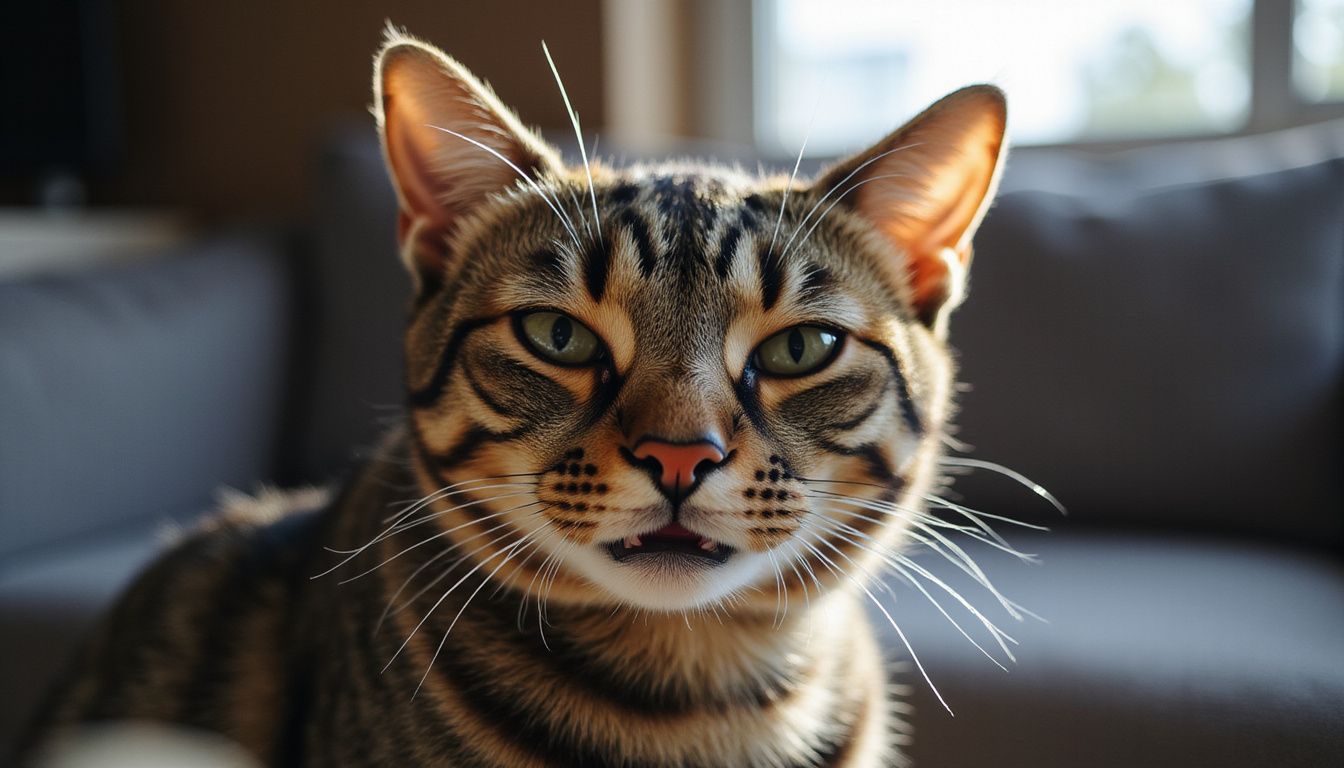
Your cat’s face tells you stories that words cannot. Pay close attention to how her eyes, ears, and mouth move, because these signals reveal pain she can’t speak aloud.
How do squinting or facial tension indicate pain in cats?
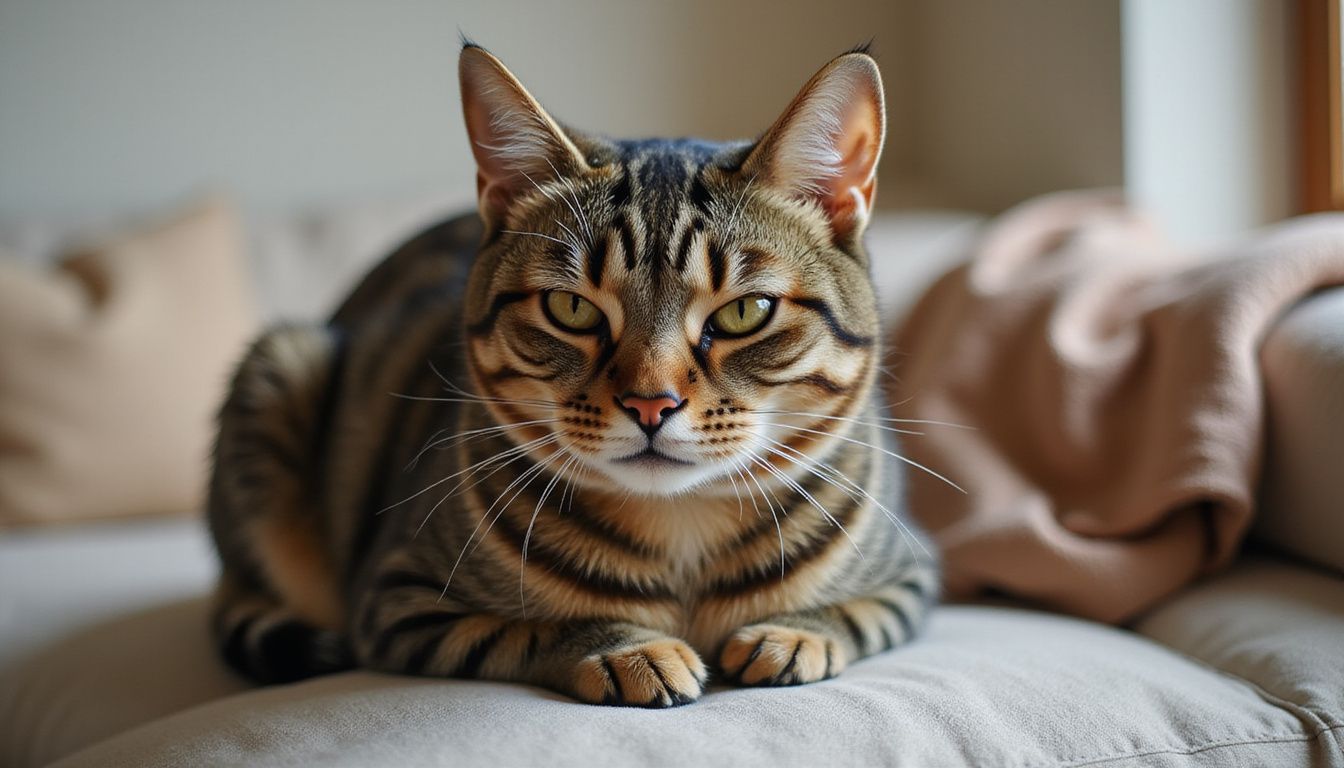
Your cat’s face tells a story, and pain writes itself across her features in ways you can learn to read. Squinting or tightly closed eyes often signal that something hurts, since cats narrow their eyes when discomfort strikes.
According to the researchers who developed the scientifically validated Feline Grimace Scale, vets score acute pain by checking five specific facial action units: ear position, eye squint, muzzle tension, whisker position, and head position. You can use the same basic idea at home, just by getting to know your cat’s normal, relaxed face first.
Ears flattened against the head often show up alongside this squinting, creating a combination that’s hard to miss once you know it. Watch for these signals together:
- Squinted or half-closed eyes
- Ears pinned flat or rotated sideways
- A tight, tense mouth or muzzle
- Dilated pupils, even in bright light
Tension in facial features, like a tight mouth, reveals pain that could be sudden or something your cat has been living with for a while. She may look stiff and uncomfortable, almost like she’s bracing for something worse.
These signs often go unnoticed until pain gets severe, which is exactly why catching them early matters so much. Trained veterinary staff recognize these subtle facial cues that most owners miss at first, and combining flattened ears with squinting or dilated pupils gives them a pain profile they can spot in seconds.
Since these changes happen gradually, you’ll catch them faster once you’ve spent time watching your cat’s normal, relaxed expression. That knowledge becomes especially useful with a newly adopted cat, since you’ll be able to spot trouble before it turns into something serious.
What do excessive meowing, growling, or purring mean?
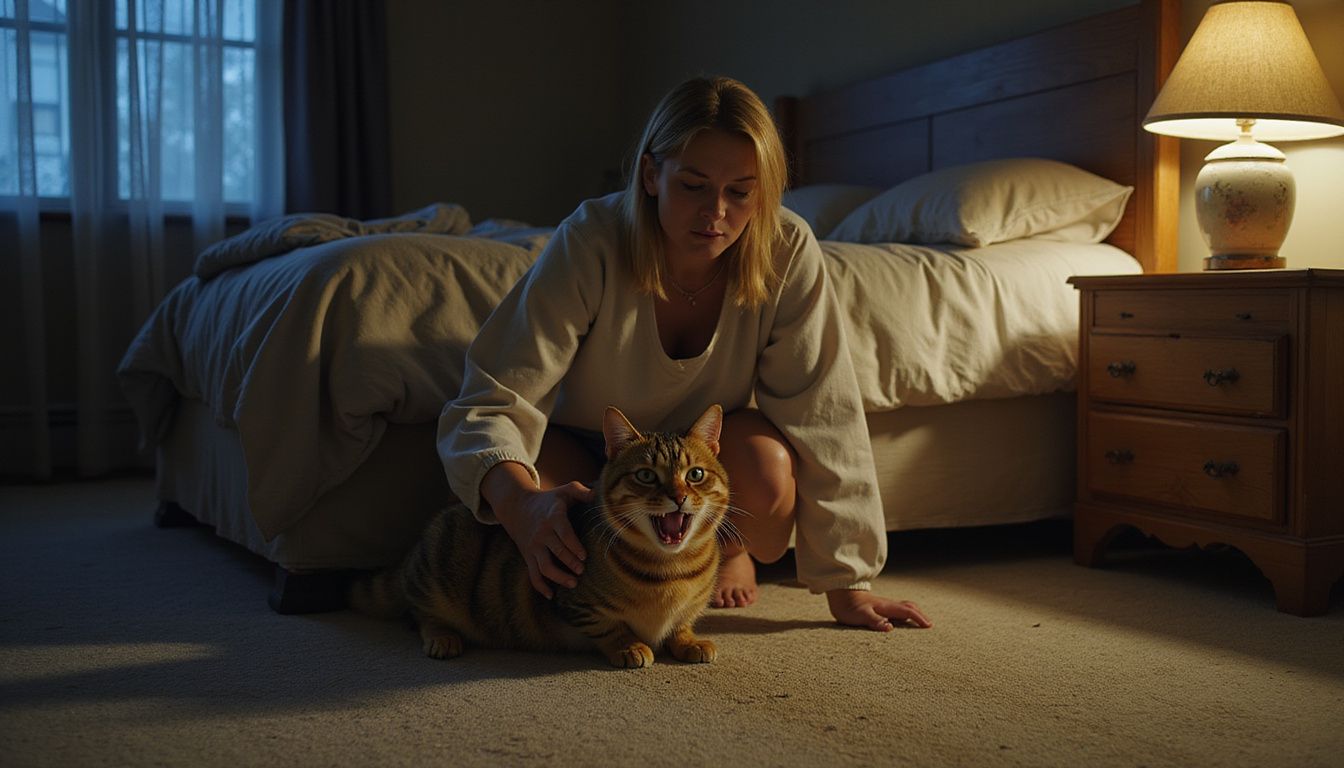
Cats often stay quiet, so excessive vocalizing should grab your attention right away. Uncharacteristic meowing, crying, or growling frequently signals pain somewhere in her body.
Increased meowing or howling, especially from a cat who rarely makes noise, is a red flag that something feels wrong. Acute pain tends to trigger more vocal behavior than chronic pain, so sudden changes in sound patterns matter most.
Listen closely during nighttime or rest periods, since these times often reveal excessive vocalizing more clearly. Persistent vocal changes call for a veterinary examination without delay, since cats communicate distress through sound when they’re hurting.
Purring complicates things, since most people assume it only means contentment. Cats may actually purr when they’re in pain, using it as a self-soothing mechanism or a way to signal distress to you.
- Meowing much more than usual, especially at night
- Growling when touched in a specific spot
- Purring that continues even while she seems tense or still
- Crying out during movement or when using the litter box
This throws a lot of new cat owners off, but it makes sense from a feline point of view. Pain can trigger purring as a calming response, much like how you might take a deep breath during a stressful moment.
Growling paired with excessive meowing paints a clearer picture of discomfort than purring alone. Combine these vocal changes with other shifts, like hiding or appetite loss, and pain becomes the likely explanation.
Trust your instincts. Watch for these vocal patterns, and contact your veterinarian if something feels off about your cat’s normal sounds.
Conclusion
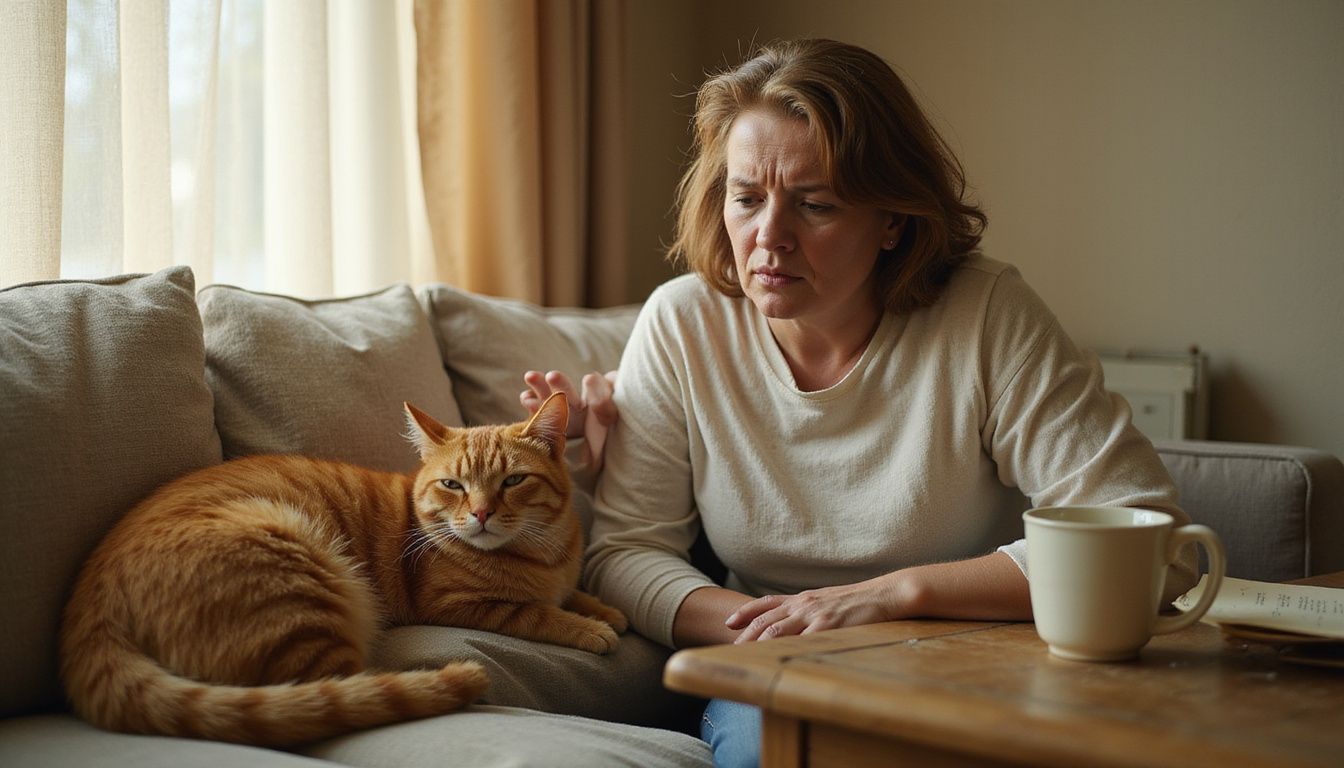
You now know how to spot the signs of pain in cats by watching for behavior shifts, grooming changes, physical cues, and changes in appetite. Your feline friend hides discomfort naturally, so staying alert to small clues like squinting eyes, hunched posture, and excessive meowing really pays off.
These strategies work because they rely on things you already see every day.
Checking your cat’s movement, appetite, and litter box habits takes just a few minutes, but it can catch serious problems while they’re still easy to treat.
Your veterinarian becomes your best partner once you bring these observations to your appointments. It makes diagnosis faster and treatment more effective.
Start today. Spend a little time learning your cat’s normal behavior, and you’ll notice the moment something changes, giving your companion the pain relief and care she truly deserves.
FAQs
1. Why does my cat hide pain so well?
Cats are wired to hide pain because in the wild, showing weakness makes them a target. Your cat’s poker face is really just survival instinct kicking in, a trait inherited from their wild ancestors who needed to avoid predators.
2. What are the early signs my cat might be hurting?
Look for changes in appetite, grooming, or hiding more than usual. A cat that suddenly avoids jumping or stops using the litter box might be uncomfortable.
3. Can a cat’s eyes show pain?
Yes, squinting or half-closed eyes can be a big clue. Cats in pain may also have dilated pupils even in bright light, which is your signal that something’s off.
4. When should I take my cat to the vet?
If your cat’s behavior changes for more than a day or two, don’t wait it out. Loss of appetite, limping, or sudden aggression are red flags that need a professional look right away.