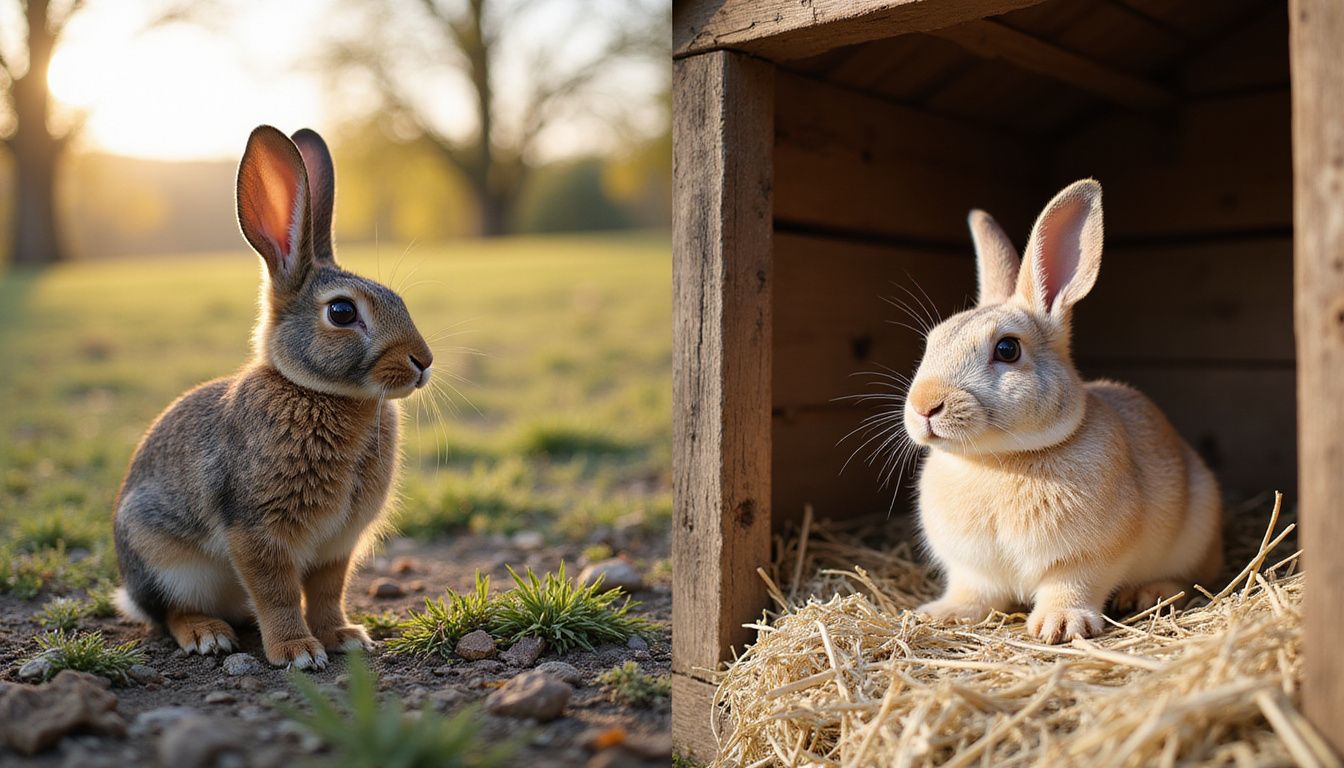
Thinking about keeping a wild rabbit as a pet might seem like a great idea. But did you know wild rabbits and domestic rabbits are very different? This guide will help you understand the challenges of taming wild rabbits and why domestic breeds make better pets.
Keep reading to learn what’s best for both you and the bunnies!
Key Takeaways
- Wild rabbits are not suited as pets. They stress easily, face health risks like capture myopathy, and struggle to adapt to human care.
- Keeping wild rabbits is often illegal and disrupts ecosystems. Contact a rescue group like the BC SPCA for help instead of capturing them.
- Domestic rabbits come from European breeds and are social, trainable, and safer to keep indoors. They live longer (8–12 years) than wild ones (1–2 years).
- Wild rabbits rely on grass in nature, while pet rabbits need hay for fiber year-round to prevent digestive problems like GI stasis.
- Domestic bunnies thrive with proper housing, vet care, and companionship but require daily cleaning and attention from their owners.
Can You Keep a Wild Rabbit as a Pet?
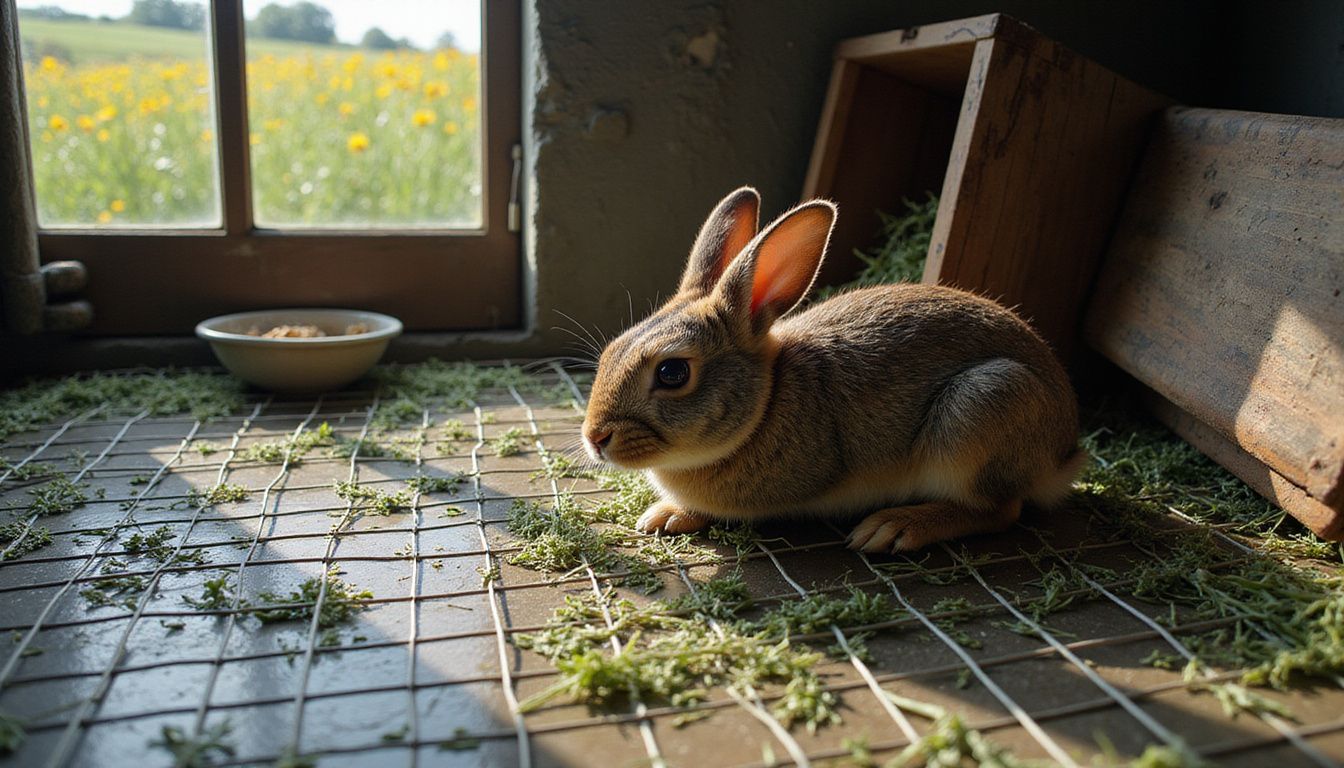
Keeping a wild rabbit as a pet is tricky and often unfair to the animal. They are not like domestic rabbits and struggle to adapt to human care.
What are the legal and ethical issues of keeping wild rabbits?
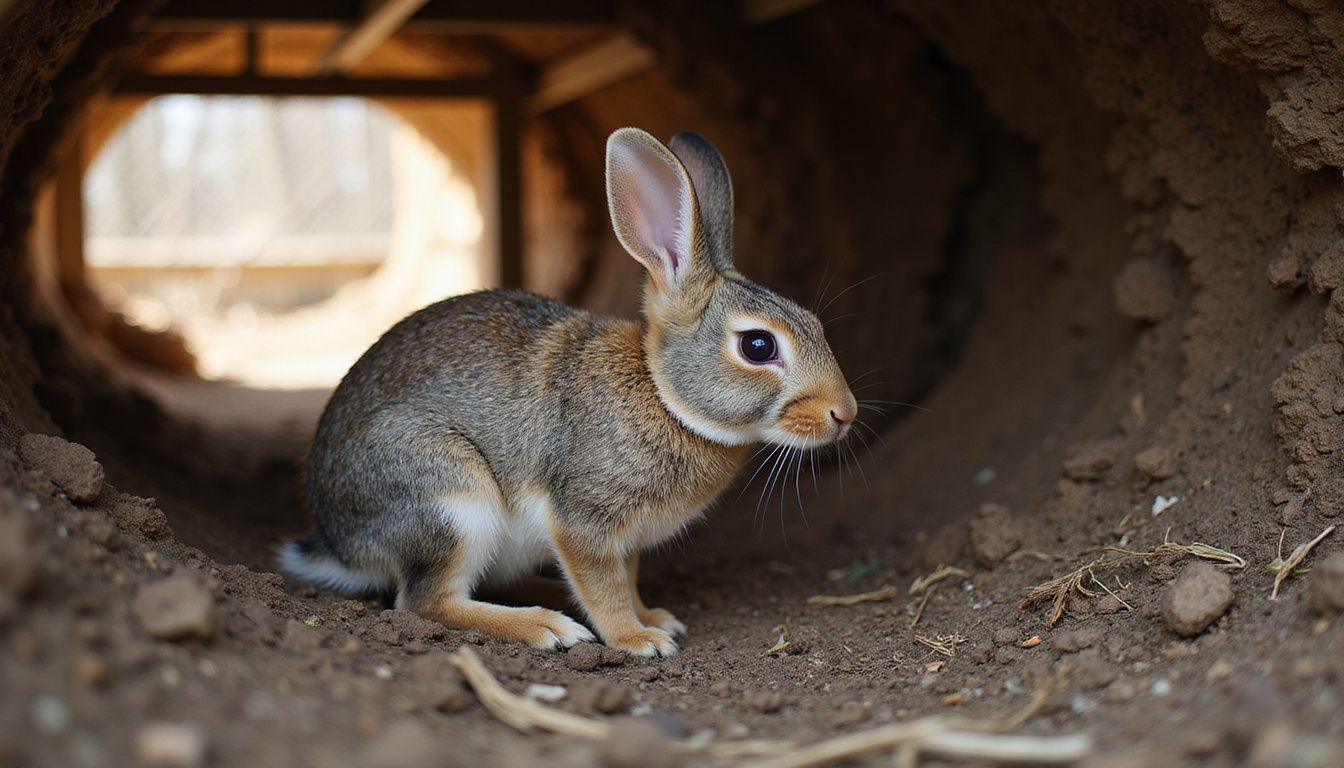
Taking a wild rabbit from its habitat may break animal protection laws. For example, the BC Prevention of Cruelty to Animals Act makes abandoning any rabbit illegal. Wild rabbits are protected under specific wildlife regulations in many areas, so capturing or keeping them can result in fines or legal trouble.
Contacting local authorities is crucial before interacting with a wild animal.
Removing a rabbit disrupts ecosystems and risks their survival. Wild rabbits have unique needs that cannot be met easily at home. They often experience stress and health problems when confined, including capture myopathy caused by fear or injury during trapping.
Ethical care involves contacting groups like the BC SPCA or other wildlife rescue centers for help instead of intervening alone.
How difficult is it to tame a wild rabbit?
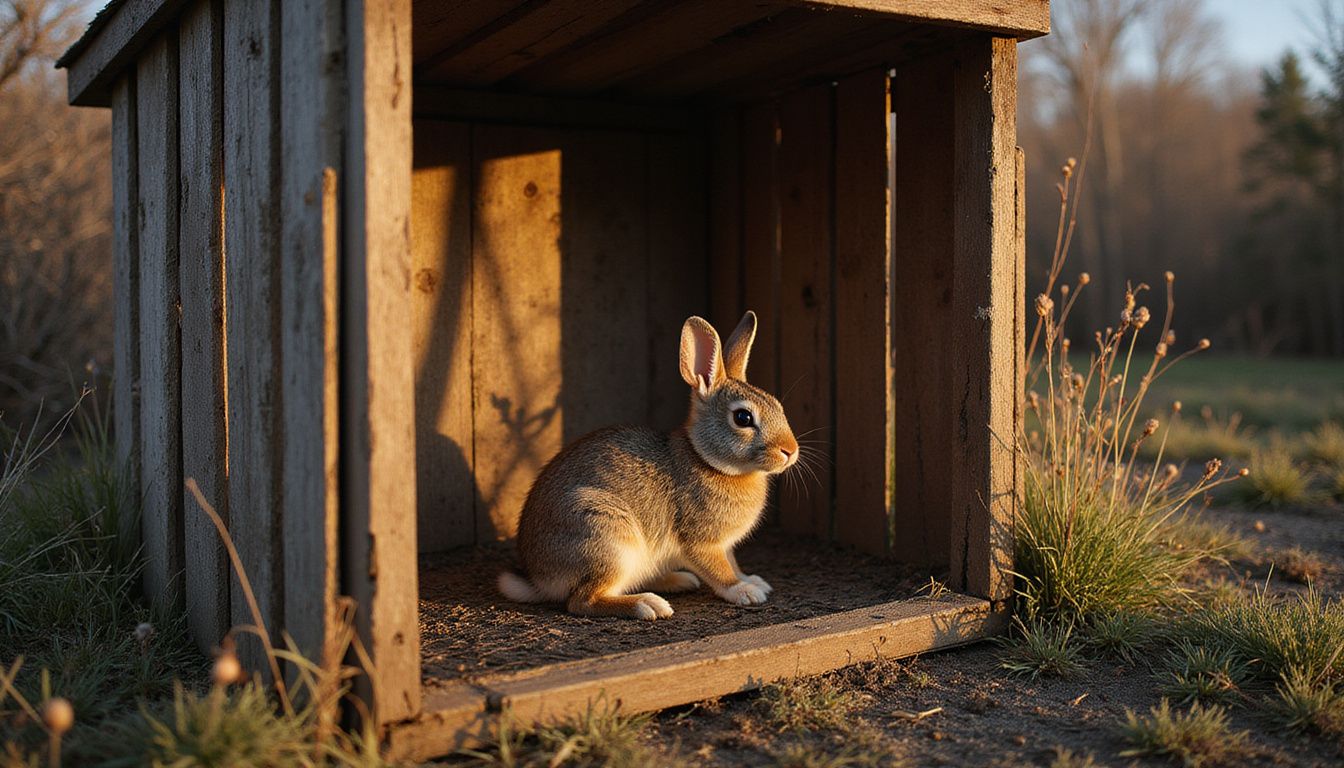
Taming a wild rabbit is extremely hard, nearly impossible in most cases. Wild rabbits are naturally afraid of humans and see them as predators. Stress alone can harm or even kill them due to capture myopathy.
If you catch one, it may panic so much that its heart gives out. Even if it survives the ordeal, fear will keep it from ever feeling safe around you.
Wild rabbits rely on instincts to protect themselves, not affection like domestic ones do. They are built for survival—quick reflexes and territorial behavior come first. Attempts to tame them often fail because they cannot easily adapt to human care or confinement.
A frightened rabbit will hide, bite, or try escaping at every chance instead of bonding with you like a pet might.
A wild rabbit’s heart belongs outdoors.
Key Differences Between Domestic and Wild Rabbits
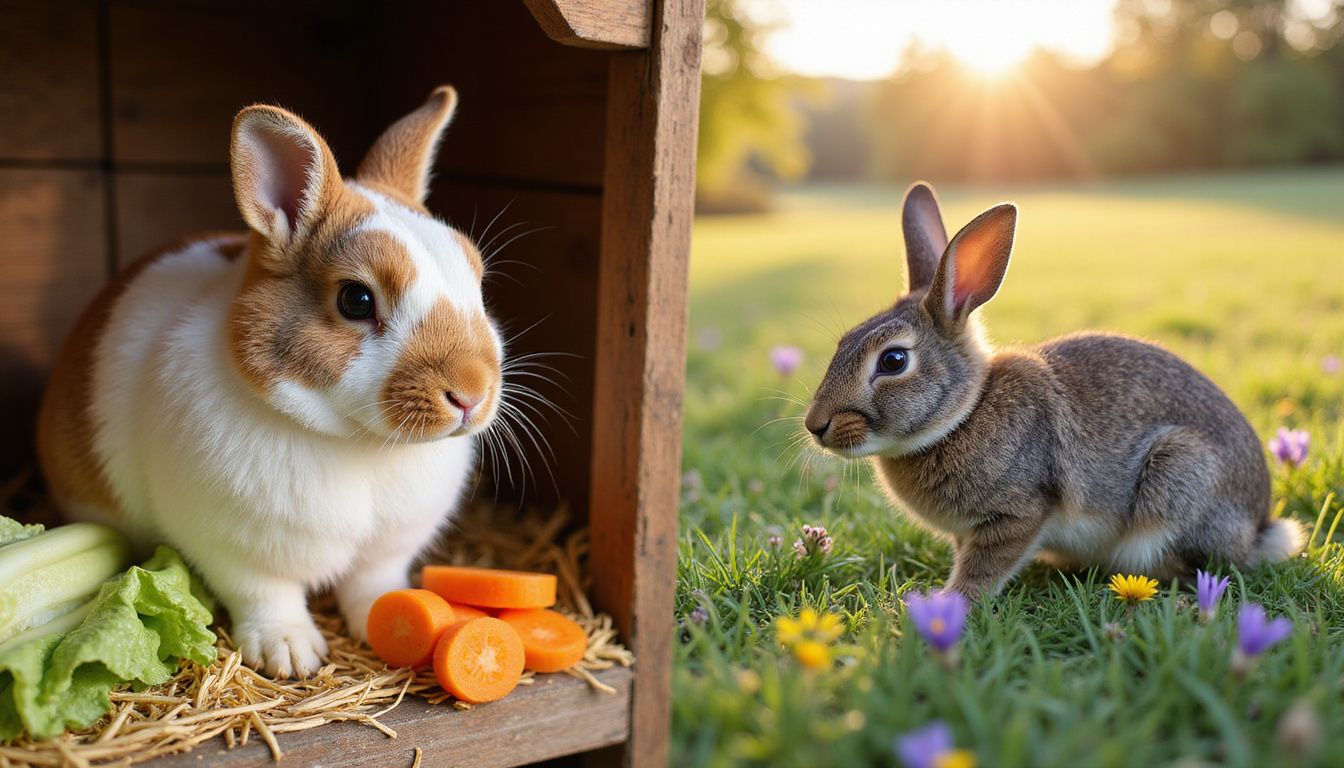
Wild rabbits and domestic rabbits may look similar, but they’re like night and day. Their needs, habits, and even their looks tell two very different stories.
How do species and behavior differ between wild and domestic rabbits?
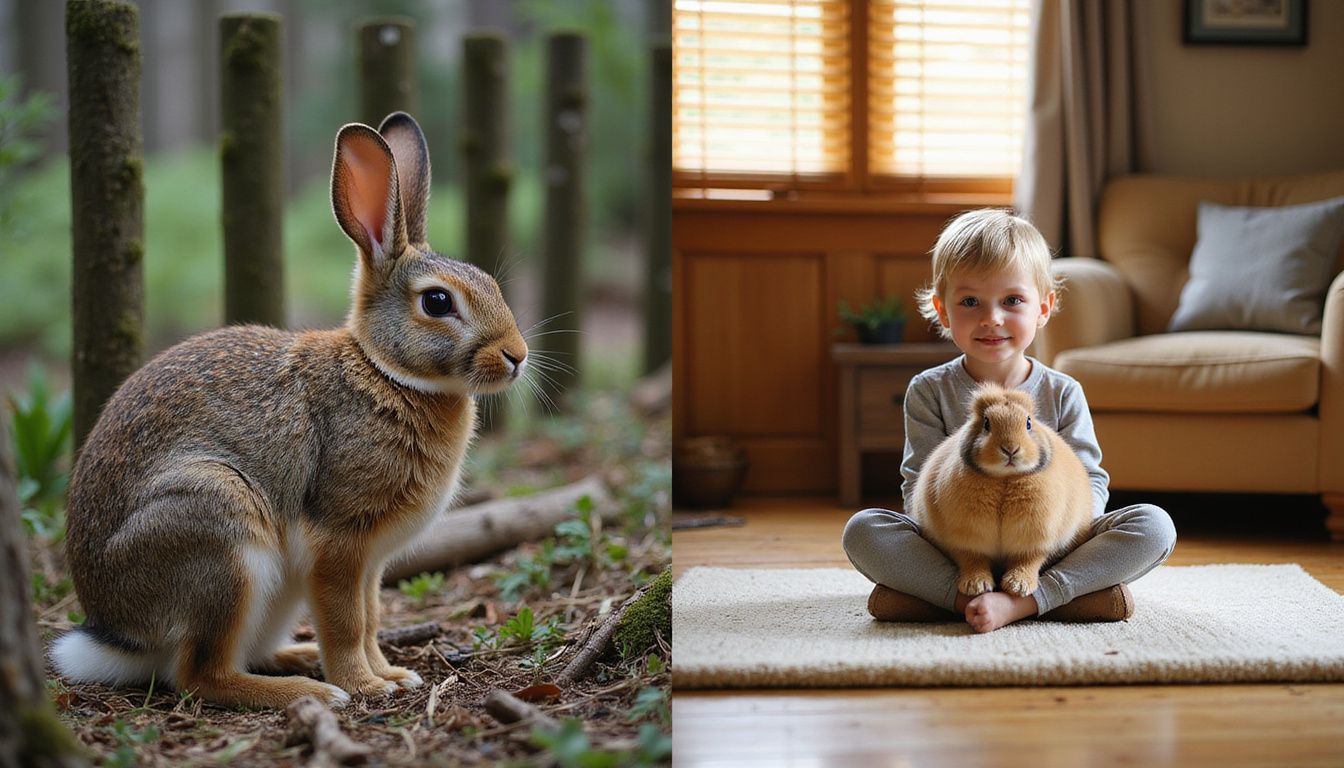
Not all rabbits are created equal. Wild and domestic rabbits are worlds apart in species and behavior. Here’s a side-by-side comparison to help you see the big picture about their differences.
| Aspect | Wild Rabbits | Domestic Rabbits |
|---|---|---|
| Species | Typically, wild rabbits belong to species like the cottontail or hare. They aren’t the same as domestic breeds. | Domesticated rabbits are descendants of European wild rabbits but are highly bred for specific traits. |
| Social Behavior | Wild rabbits are often solitary. They prefer to avoid group interactions unless they are mating. | Domestic rabbits are social and enjoy human interaction. They thrive in small groups or with companionship. |
| Territorial Behavior | The males are territorial. They may fight, which can lead to injuries or even death. | Domestic males can also show territorial tendencies, but neutering often reduces this behavior. |
| Aggression | Both males and females can be aggressive, especially in the wild where survival instincts dominate. | Aggression in domestic rabbits is less common and usually linked to hormones or fear. |
| Communication | Wild rabbits rely on natural body language to communicate. They share cues with domestic rabbits but misunderstandings can occur due to selective breeding. | Domestic rabbits interpret signals differently at times. Breeding mutations have impacted their communication methods. |
| Adaptability | Surviving predators and extreme environments makes wild rabbits wary and nervous around humans. | Domestic rabbits are calmer, used to human presence, and much easier to train. |
Behavior isn’t just about personality. It’s shaped by environment and survival instincts. These differences make domestic rabbits far better suited for life as a pet than their wild counterparts.
What is the difference between hay and grass in their diets?
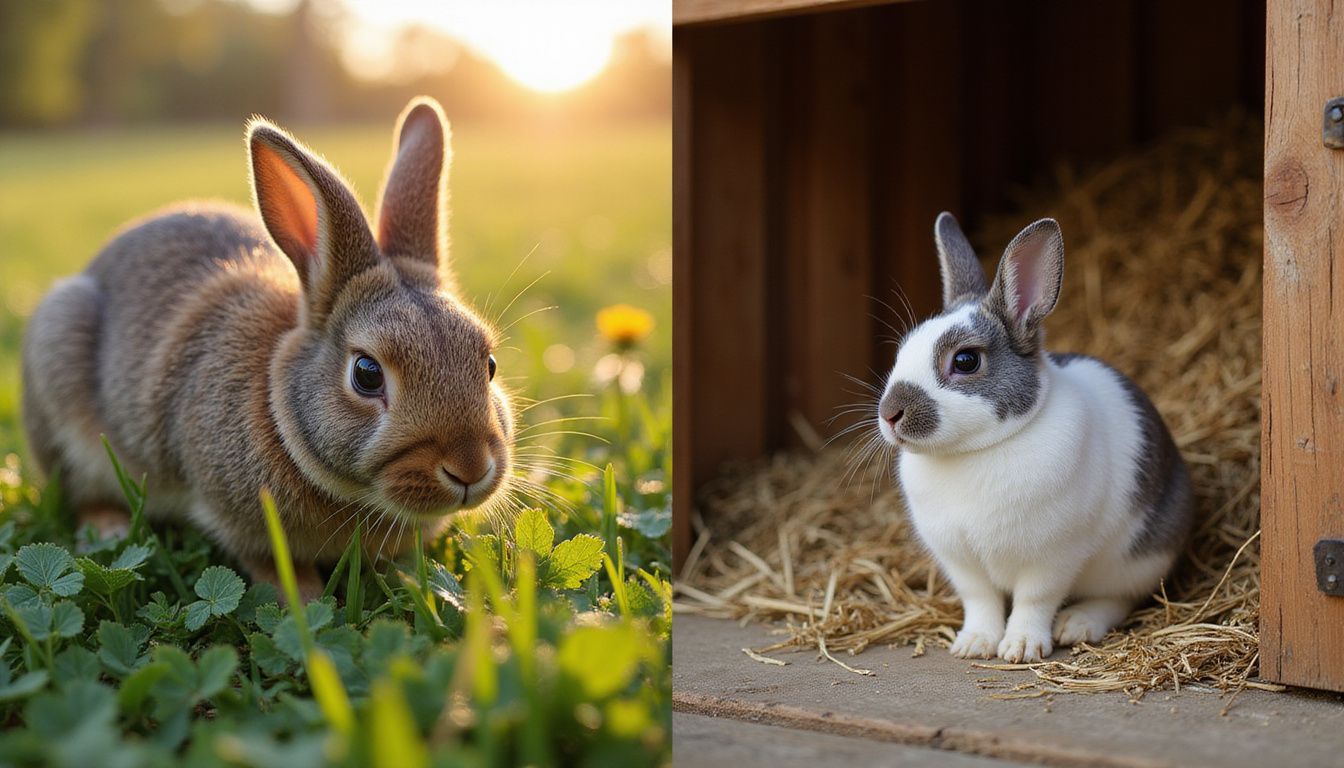
Wild and domestic rabbits both need fibrous plants, but their diets are like comparing apples to oranges. Let’s break it down in a quick table to show how hay and grass meet their nutritional needs differently.
| Aspect | Wild Rabbits (Grass) | Domestic Rabbits (Hay) |
|---|---|---|
| Main Source of Fiber | Fresh grass they find in nature, along with herbs, twigs, and bark. | Hay makes up 85–90% of their diet, providing essential roughage. |
| Availability | Grass grows seasonally, depending on climate and location. | Hay is dried and stored, available year-round for easy feeding. |
| Digestive Benefits | Grass keeps wild rabbits’ fast-moving digestive systems working smoothly. | Hay prevents gut blockages, avoiding dangerous health issues like GI stasis. |
| Nutritional Differences | Grass contains more moisture and varied nutrients. | Hay is less hydrating but more concentrated in fiber. |
| Types or Variations | Natural grasslands include a mix of plants like clover and dandelions. | Hay comes in types like timothy, oat, and orchard grass, each offering unique benefits. |
| Preparation | No prep needed; rabbits graze on fresh grass. | Hay requires proper storage to stay dry and mold-free. |
Grass is perfect for survival in the wild, but hay fits the bill for indoor care. Domestic rabbits thrive on consistent, fiber-rich diets, while wild rabbits eat what grows naturally.
What are the housing needs for wild vs. domestic rabbits?
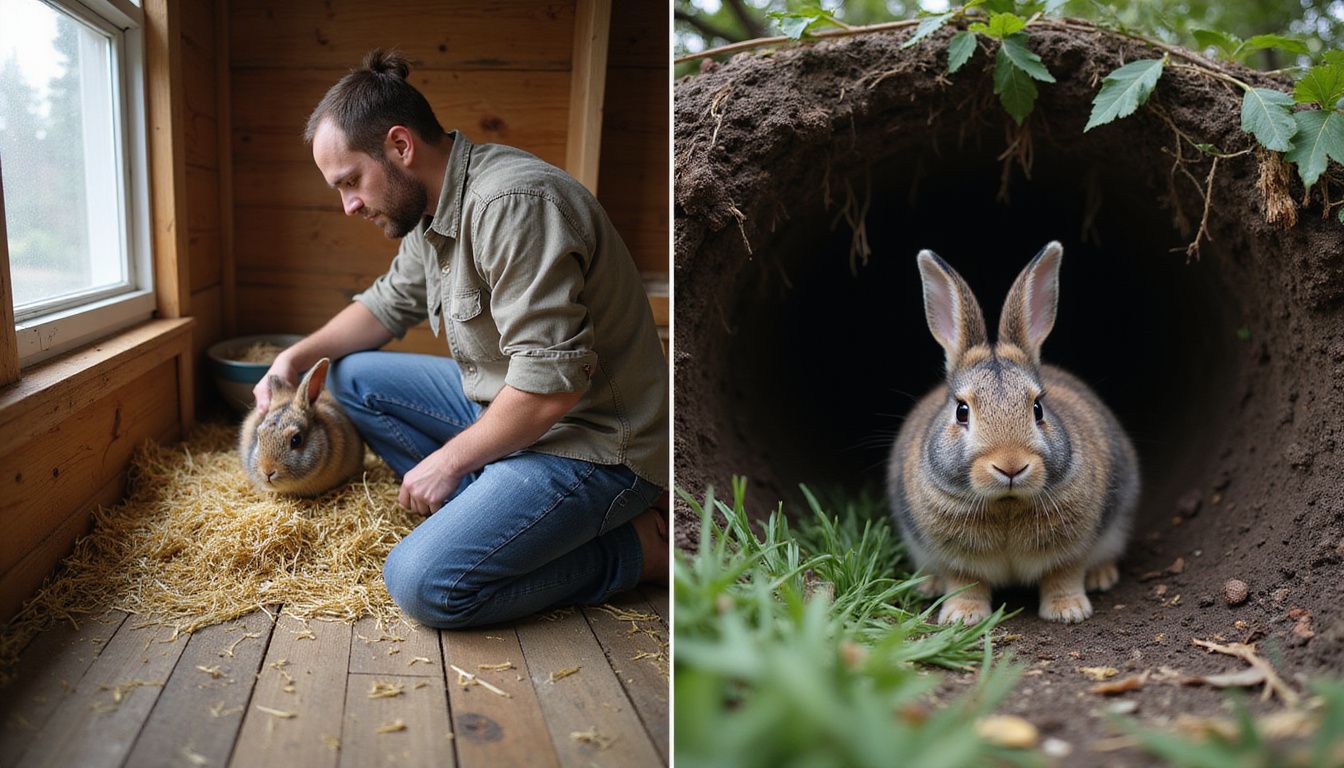
Housing for wild and domestic rabbits couldn’t be more different. They have distinct needs due to their habits, behaviors, and environments. Let’s break it down in a simple table to make things clear.
| Aspect | Wild Rabbits | Domestic Rabbits |
|---|---|---|
| Living Environment | Live in nature, often underground in warrens (interconnected tunnels). Eastern cottontails prefer shallow grass nests. | Typically live indoors, sometimes free-roaming. Can also live in secure outdoor hutches if protected from predators. |
| Shelter Needs | Rely on natural landscapes like dense shrubs or burrows for safety and shelter. | Require a cage, playpen, or designated indoor space. Must stay dry, warm, and away from drafts. |
| Safety from Predators | Natural instincts and environments help them hide from predators like foxes and hawks. | Completely dependent on you for safety. Indoors removes most risks, and outdoor setups need strict predator-proofing. |
| Space Requirements | Roam freely in the wild, covering large territories daily for food and exploration. | Need ample space to hop, play, and exercise. Enclosures should allow at least 8-12 square feet of living area. |
| Maintenance | No human involvement in their upkeep. Depends on their ecosystem for survival. | Daily cleaning of litter boxes, regular enclosure maintenance, and fresh bedding are essential. |
Each type of rabbit thrives in an environment suited to its nature. Wild rabbits are built for the outdoors, while domestic ones need human care and attention. Always consider their needs before deciding.
How does life expectancy vary between wild and domestic rabbits?
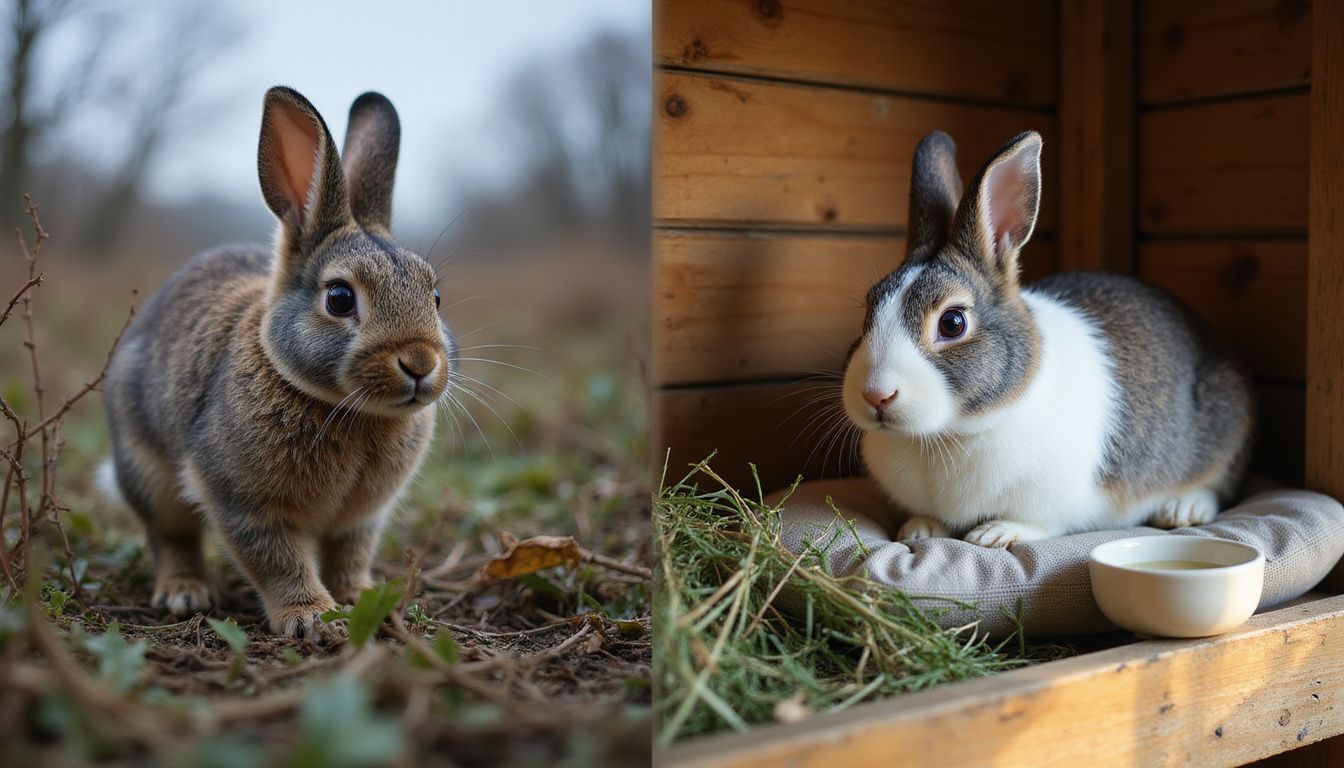
Wild rabbits often face many dangers. Predators, harsh weather, and limited food reduce their life expectancy to just 1–2 years. They live constantly on edge in order to survive.
Domestic rabbits, with proper rabbit care and a safe home, can live much longer. On average, they reach 8–12 years or more thanks to good veterinary care and protection from predators. This long lifespan means lifelong commitment is key before considering rabbit adoption!
How do physical appearances differ between wild and domestic rabbits?
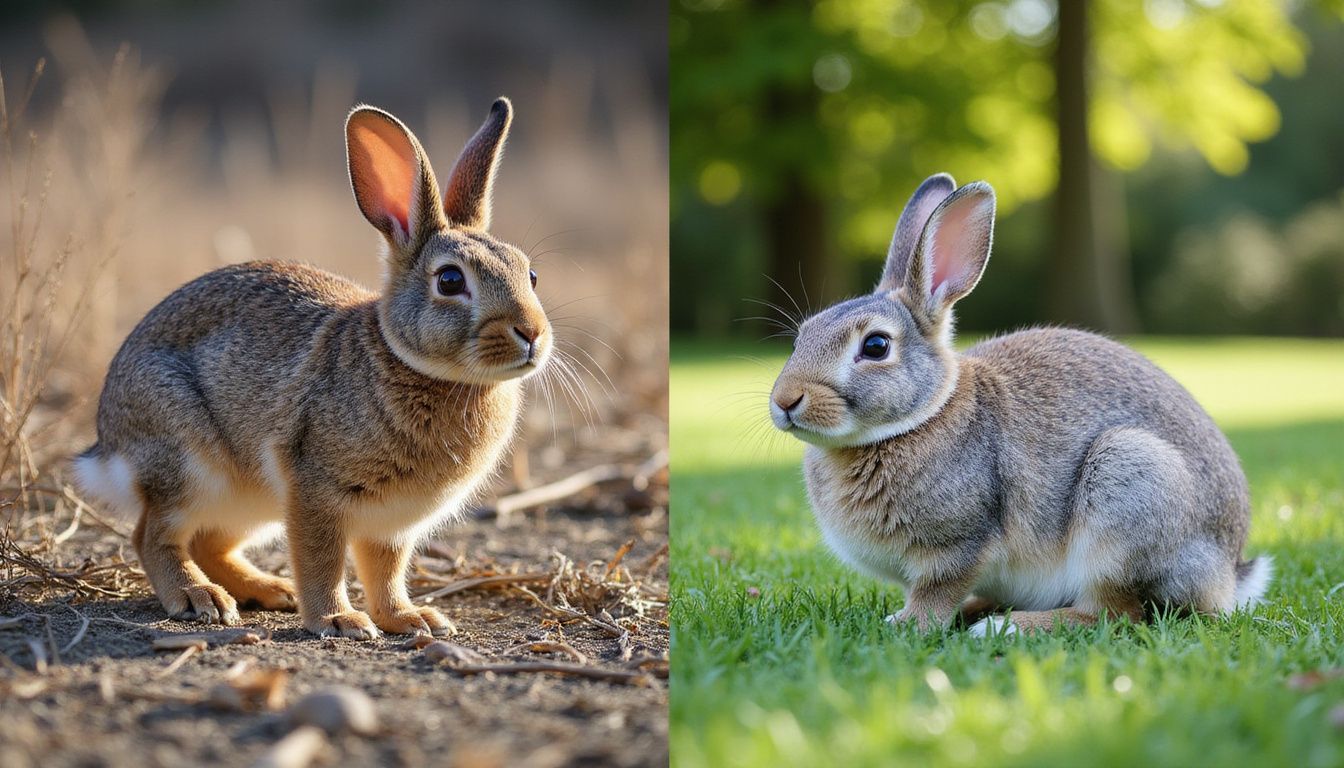
Wild rabbits, like Eastern cottontails, have lean bodies and brown fur to blend with their surroundings. They weigh about 1 kilogram and have small ears that stand upright. Their thin faces and bright white tails help them communicate danger.
Domestic rabbits, such as lop-eared breeds or angoras, come in many colors like black, gray, or spotted. They often weigh between 1 to 2.5 kilograms and may have floppy ears or rounder faces. Unlike wild ones, domestic rabbits lack natural camouflage features for hiding from predators.
Why Domestic Rabbits Are Better Suited as Pets

Domestic rabbits are friendlier and easier to bond with than their wild cousins. They adapt well to indoor living, making them perfect for a cozy home life.
Why are domestic rabbits more social and trainable?
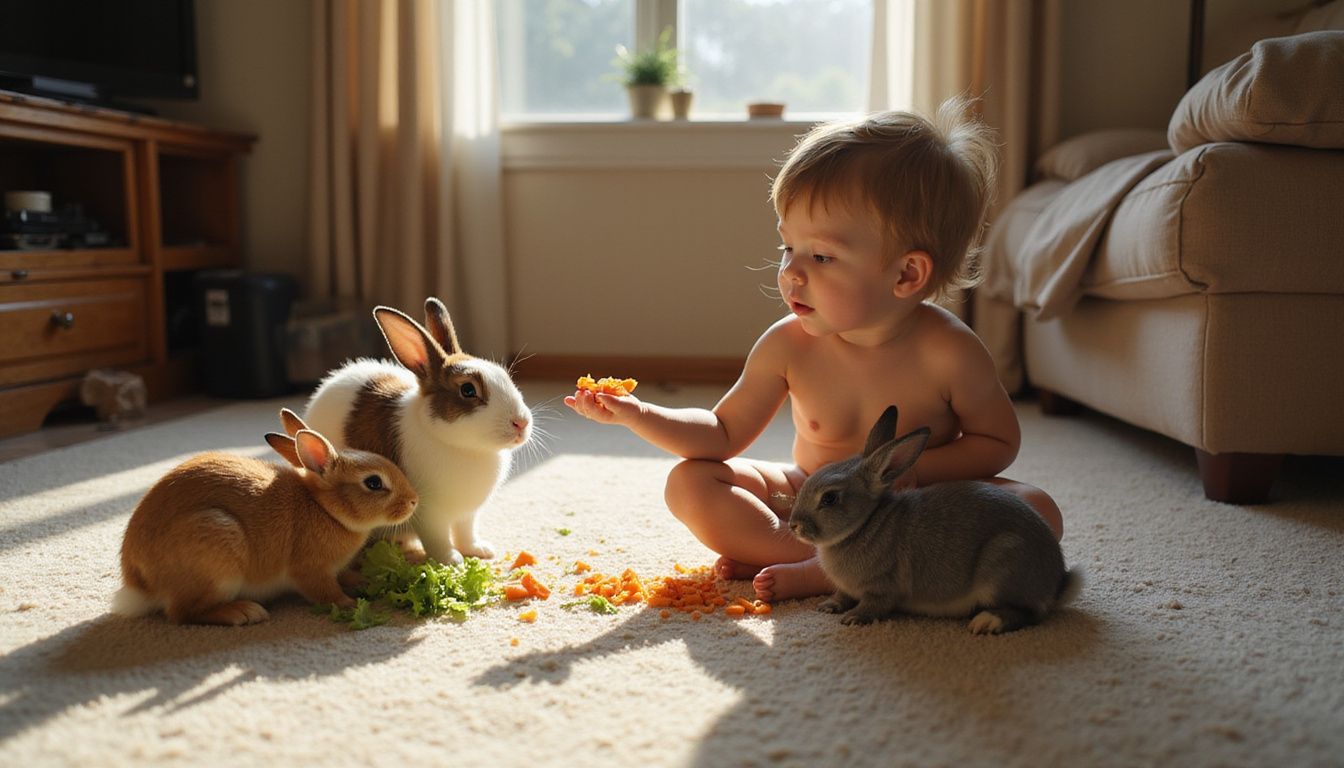
Domestic rabbits are social because they have been raised around humans and other pets. They enjoy company, both from people and fellow rabbits. Unlike wild cottontail rabbits who avoid contact, domestic rabbits like Rocky Roo can form close bonds with you and even another rabbit, like Sunny Bunny.
These pets thrive in a calm home where they feel secure. Their natural friendliness helps them adjust to living indoors or being free-roamed.
They are also easier to train compared to their wild cousins. You can litter-train domestic rabbits so they keep your home clean. With patience, you can teach them simple tricks or commands using treats as motivation.
The European rabbit breeds most pet bunnies come from were bred for generations to handle human interaction calmly. This makes it easier for you to guide their behavior while keeping both of you happy and stress-free!
How is veterinary care different for domestic rabbits?
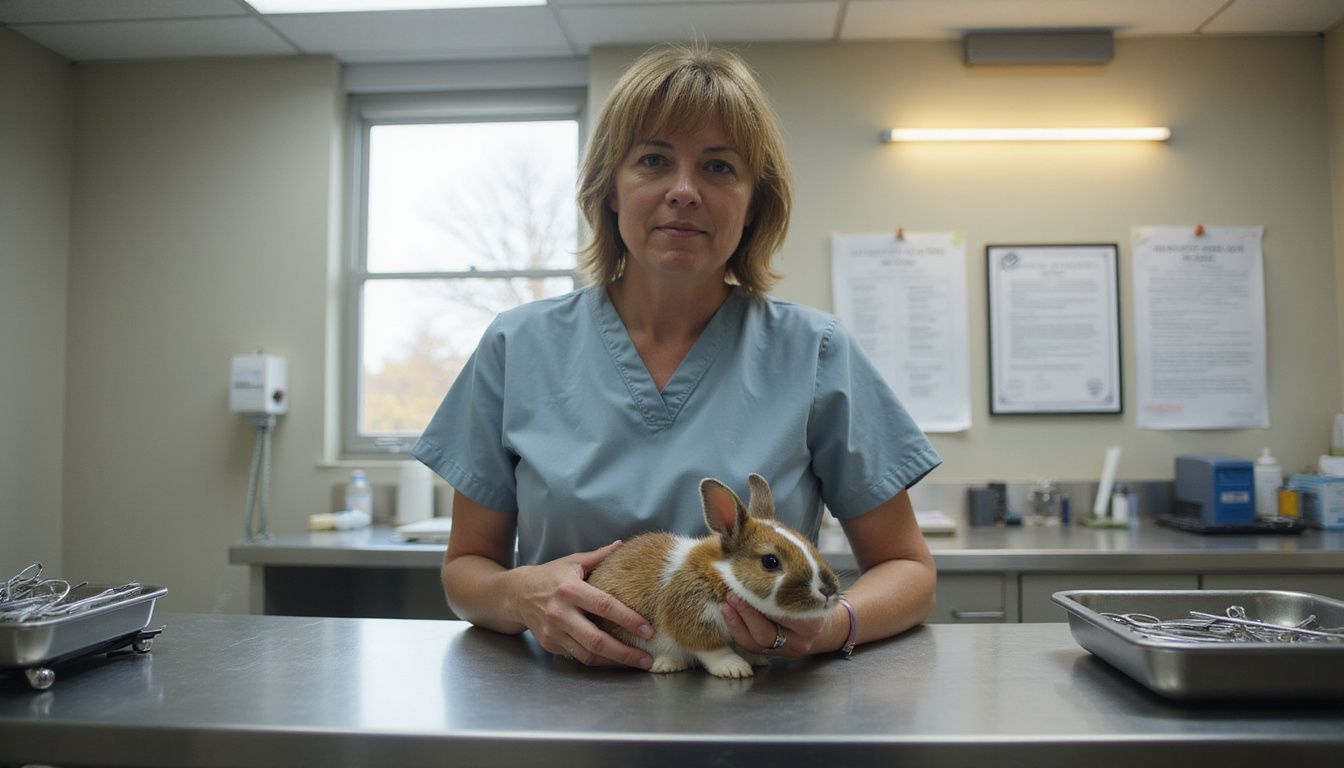
Caring for domestic rabbits is simpler due to their history with humans. Veterinarians who treat these bunnies are trained in small pet care. Wild rabbits rarely get this type of attention, as they behave differently and react poorly to handling.
Domestic rabbits can safely visit a vet for common issues like spaying or mucoid enteritis treatment. Vaccines exist for diseases like rabbit hemorrhagic disease (RHD). Handling wild rabbits carries risks, including disease spread between species.
No rabies vaccine exists for any rabbit, so mixing them is dangerous. Always choose veterinarians familiar with pets, such as those connected to groups like Small Pet Select or Rocky Mountain House Rabbit Rescue.
Conclusion
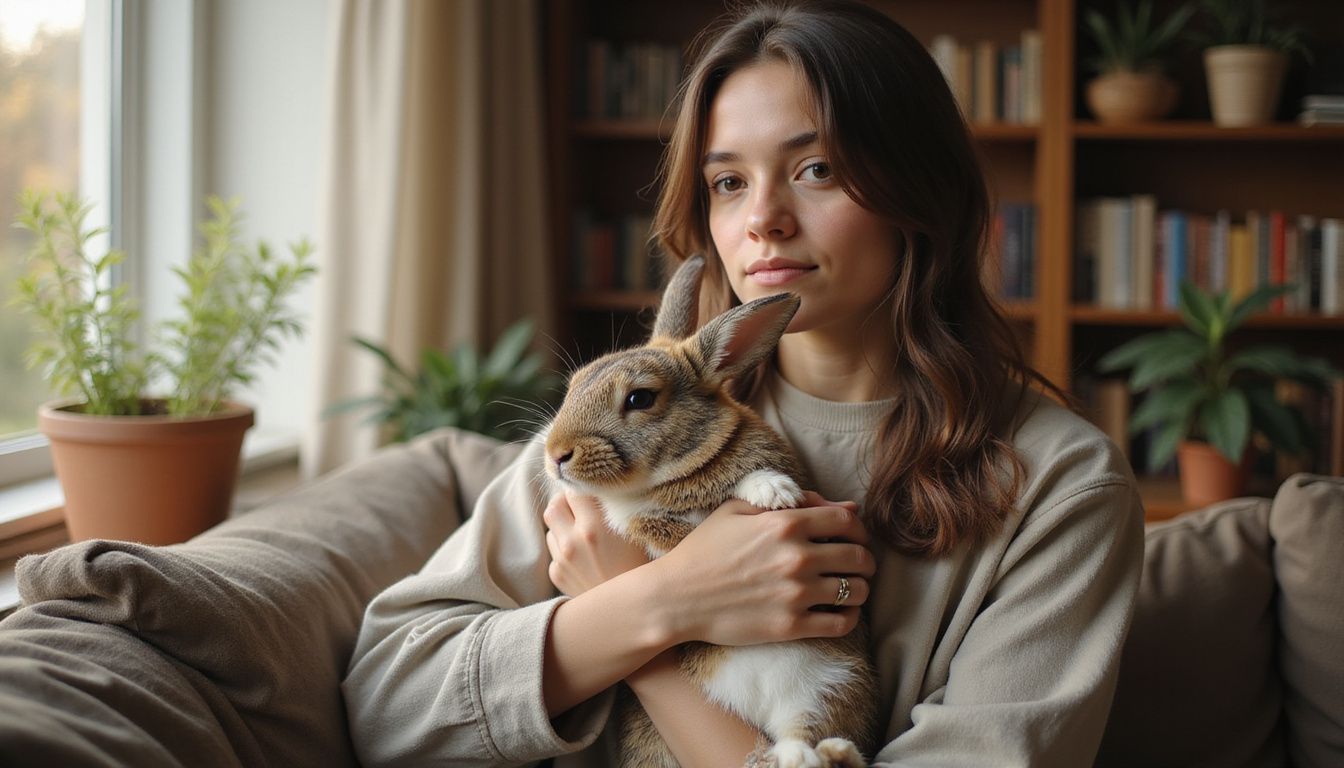
Keeping a wild rabbit as a pet is not safe or practical. Domestic rabbits are calmer, healthier, and easier to care for. Wild ones face stress in captivity, and their needs differ greatly from house rabbits.
You can adopt domestic breeds from groups like Rabbit Rescue Inc. or the Pittsburgh Animal Rescue League. Choose wisely; it’s better for you and the rabbit!
FAQs
1. Can you keep a wild rabbit as a pet?
No, keeping a wild rabbit as a pet is not recommended. Wild rabbits, like snowshoe hares or European hares, have different behavior and needs compared to domestic breeds such as Lionhead rabbits or Rexes.
2. Why are domestic rabbits different from wild ones?
Domestic rabbits have been bred for generations to live with humans. They rely on people for food, safety, and care. Wild rabbits are adapted to survive in nature and don’t thrive in captivity.
3. What should I do if I find an injured wild rabbit?
Contact a local animal helpline or wildlife rescue group like the Pittsburgh Animal Rescue League or Vancouver Island’s Animalkind. These experts can provide proper care without harming the animal’s welfare.
4. What kind of diet do domestic rabbits need?
Domestic rabbits eat hay, fresh vegetables, and pellets designed for their health needs. Their diet differs from what feral rabbits forage in the wild.
5. How can I help abandoned pet rabbits?
Reach out to organizations like Rabbit Rescue Inc., Colorado House Rabbit Society, or the House Rabbit Resource Network near your area for guidance on rehoming efforts and veterinary services tailored to rescued pets’ well-being.