
For home protection, consider breeds like Akitas, Cane Corsos, and Rottweilers for their loyalty and strength. German Shepherds offer versatility and strong familial bonds, while Bullmastiffs provide stealthy…

Choosing the Right Dog
What to Know Before Getting a Dog With Allergies
Before getting a dog with allergies, you need to identify potential triggers like environmental allergens or specific food ingredients. Establishing daily routines, such as frequent paw cleaning and…
Living with Dogs
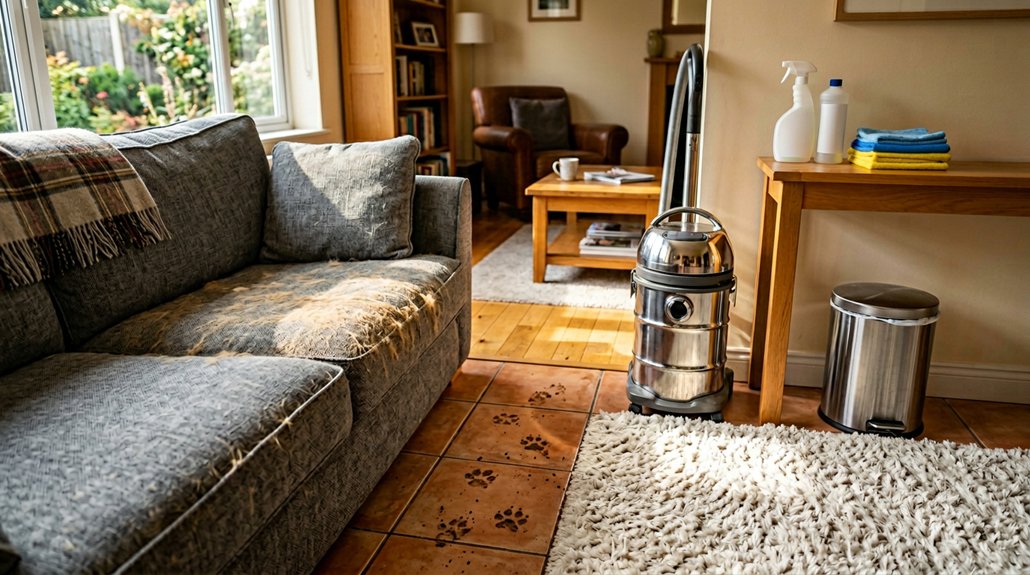
Best Cleaning Tips for Living With Dogs
Living with dogs is wonderful, but maintaining a clean home requires strategic efforts. Establish a cleaning routine during your dog’s calm times, like their nap hours, and engage…

Cat Breeds
Easiest Cat Breeds to Train
You’ll find that some cat breeds are more responsive to training due to innate characteristics. Abyssinians are active learners, excelling in task-oriented activities. American Shorthairs demonstrate impressive adaptability…

Cat Health & Wellness
How to Help an Overweight Cat Lose Weight
To help your overweight cat lose weight, consult your veterinarian for a customized weight loss plan and Body Condition Score assessment. Shift to a veterinary-prescribed diet with controlled…

Dog Behavior
How Long It Takes to Change Dog Behavior
Changing your dog’s behavior requires patience and consistency, and you may notice improvements within a few weeks. Initially, focus on building trust and communication while choosing the right…

Dog Health & Wellness
Dog Nutrition Basics: What Every Owner Should Know
Understanding dog nutrition basics is essential to your pet’s health. Dogs need water, proteins, fats, carbohydrates, vitamins, and minerals in their diet for energy and bodily functions. Look…

Behavior & Training
What Causes Behavior Issues in Horses
Behavior issues in horses often spring from pain, environmental stressors, or insufficient social interaction. Over two-thirds are connected to pain or fear of pain, highlighting the importance of…

First-Time Dog Owners
Best Training Tips for First-Time Dog Owners
Training your first dog involves essential commands like “sit” and “stay.” Start early, aim for consistency, and integrate commands into daily routines. Utilize positive reinforcement with high-value treats…

Hamsters
Best Bedding Options for Hamsters
Choosing the best bedding for your hamster is essential for their comfort and health. Aim for paper-based options like Carefresh or Kaytee for their softness, absorbency, and eco-friendliness.…

Cat Behavior
What Causes Behavioral Changes in Cats
Behavioral changes in cats often stem from health issues like hyperthyroidism or dental disease, environmental stressors such as loud noises or territorial threats, and dietary imbalances. Social dynamics…

Rabbits
How to Rabbit-Proof Your Home the Right Way
To rabbit-proof your home effectively, start by identifying hazards like electric cords and toxic plants. Use cord protectors, elevate wires, and secure furniture with covers or guards. Create…
Guinea Pigs
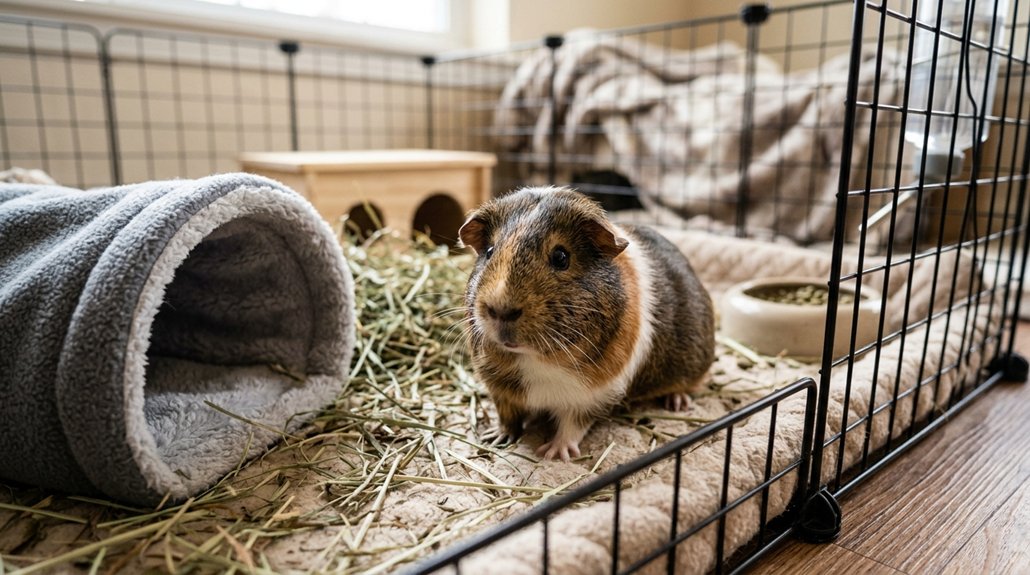
What Size Cage Does a Guinea Pig Really Need?
To guarantee your guinea pig’s health and happiness, start with a cage measuring at least 7.5 square feet for one guinea pig, and expand to 16 square feet…

Horse Ownership
Horse Ownership Checklist: Everything You Need to Get Started
To start your horse ownership journey, first identify your riding goals and choose a suitable breed. Conduct detailed veterinary checks for soundness. Budget carefully for initial costs and…

Cat Adoption
Common Mistakes When Bringing a Cat Home
When bringing a new cat home, don’t neglect creating a cat-friendly space with climbing structures and secluded retreats. Avoid rushing introductions; let your cat explore gradually to reduce…