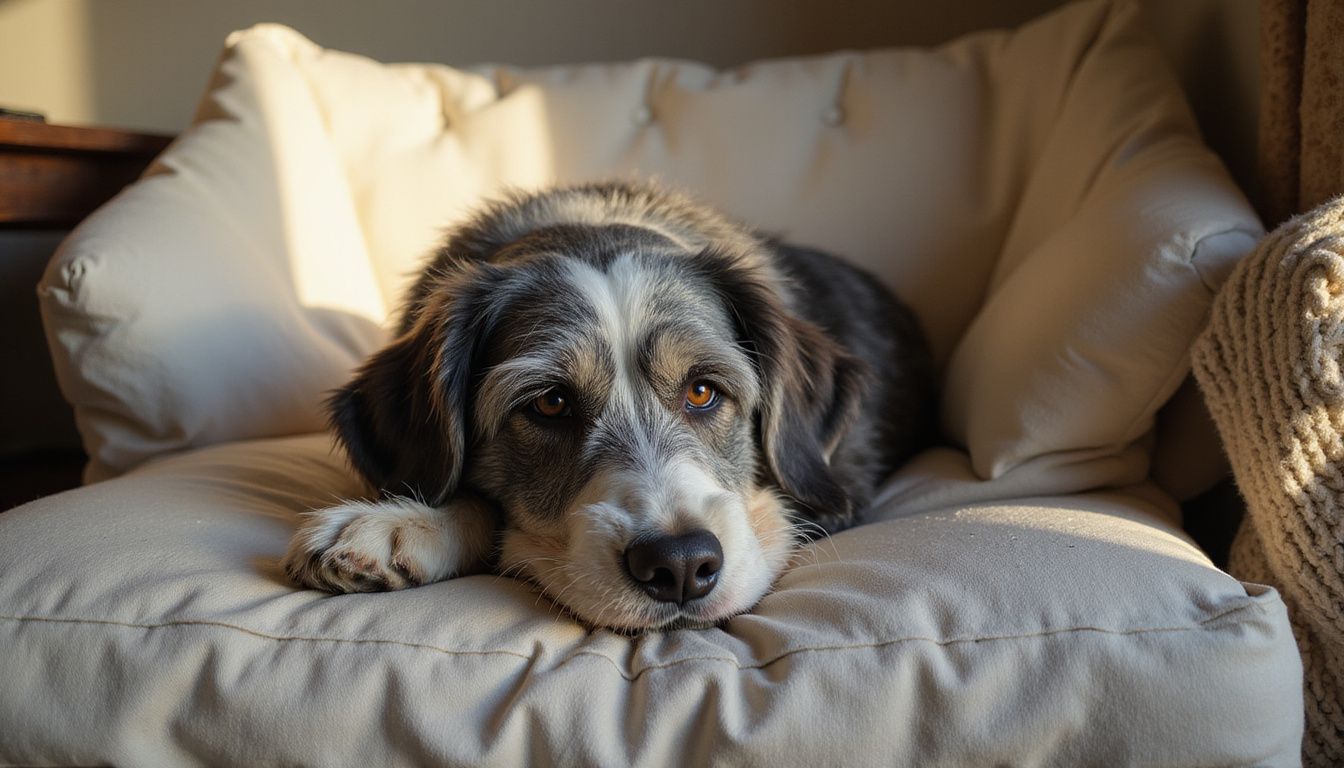
Ever catch yourself staring at your dog’s graying muzzle and wondering where the time went?
That slower walk to the food bowl and those extra afternoon naps are telling you something real is changing.
Dogs live around 12 years on average, though plenty of them reach their golden years with the right care and a little extra attention at home.
This guide walks you through the most common senior dog health issues, from stiff joints to foggy memories, and gives you real solutions you can start using today.
Grab a cup of coffee, and let’s go through it together.
Key Takeaways
- Small dogs become seniors around 8 to 10 years old. Large breeds hit that milestone much earlier, at 5 to 7 years old, so their care needs shift sooner.
- Arthritis, cognitive decline, dental disease, and vision loss are common senior dog health issues affecting more than 80% of dogs past age three in some form.
- Twice-yearly vet visits with senior panel bloodwork catch problems early, before they turn into serious conditions.
- Joint supplements, orthopedic beds, dog ramps, and weight management ease arthritis pain and help your dog move better.
- Nearly half of dogs over age ten develop cancer, which is exactly why regular checkups matter so much.
How Can I Tell When My Dog Becomes a Senior?
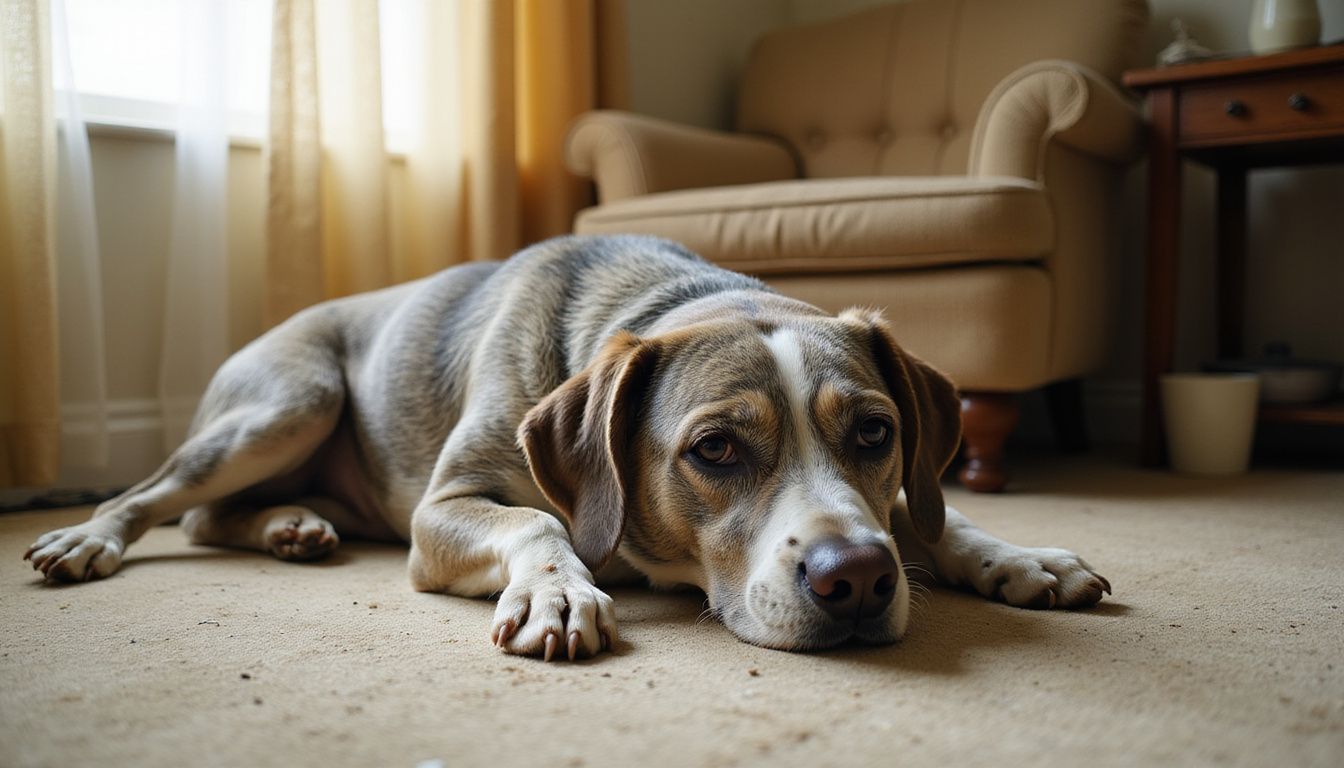
Your dog’s age matters more than you might think. The timing of senior status depends heavily on breed size.
According to the American Animal Hospital Association’s Senior Care Guidelines, a dog officially becomes a senior once it enters the last 25% of its expected breed lifespan. That’s why a Great Dane, with a shorter life expectancy, crosses that line around 5 to 7 years old, while a small Chihuahua or Yorkie doesn’t reach senior status until 8 to 10 years old.
Most dogs start showing signs of aging around age seven. That’s the perfect moment to start thinking about diet changes and adjusting your vet care routine.
You’ll want to keep an eye on four key areas: energy levels, appetite, mobility, and behavior. Watch for signs like these:
- Slower to get up from naps, or hesitant on stairs
- Less interest in playtime or walks
- House accidents or sudden incontinence
- Restlessness, pacing, or confusion at night
- Changes in appetite or thirst
These behavioral changes don’t mean your dog is broken. They simply mean your companion needs some adjustments to stay comfortable and healthy.
Twice-yearly vet visits that include senior panel bloodwork catch health issues early, before they turn into bigger problems.
Common Senior Dog Health Issues
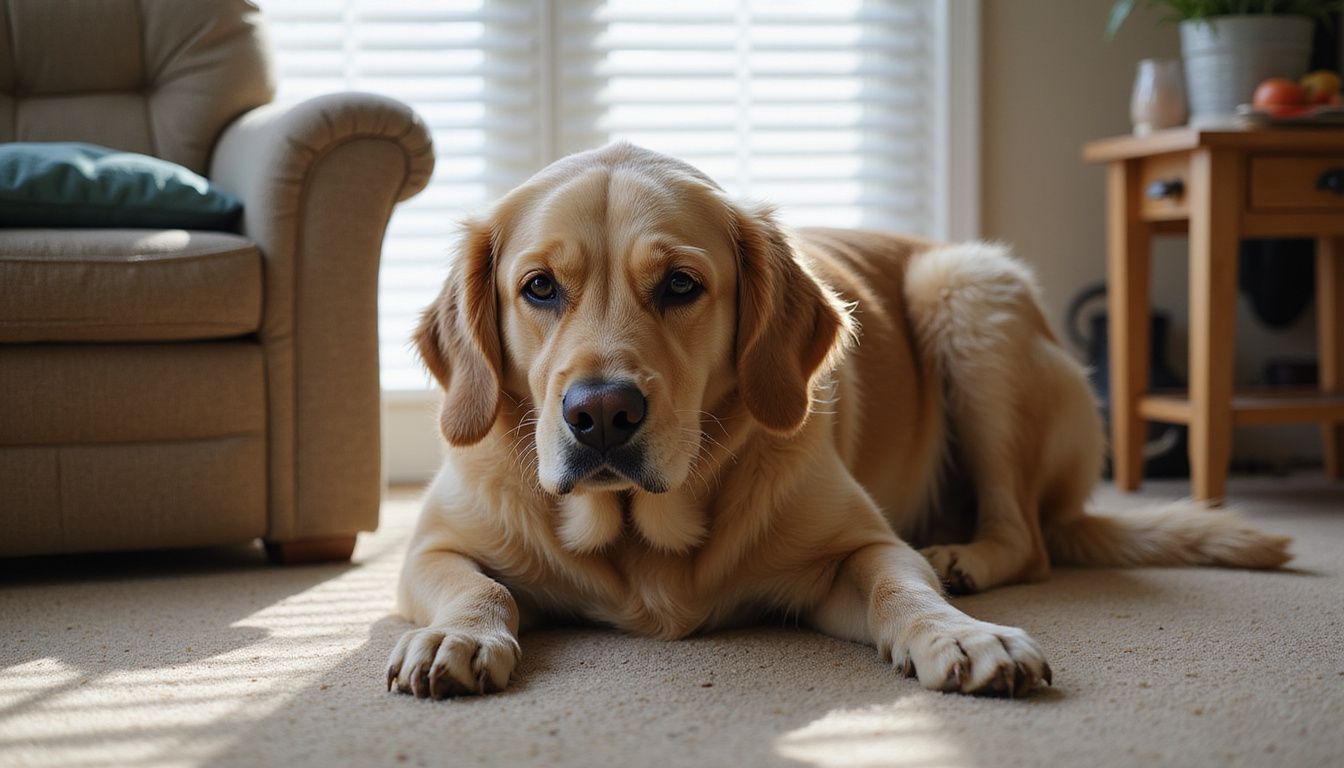
Your senior dog’s body changes in big ways as the years pass. These changes bring health challenges that need your attention and care.
What Causes Arthritis and Joint Pain in Senior Dogs?
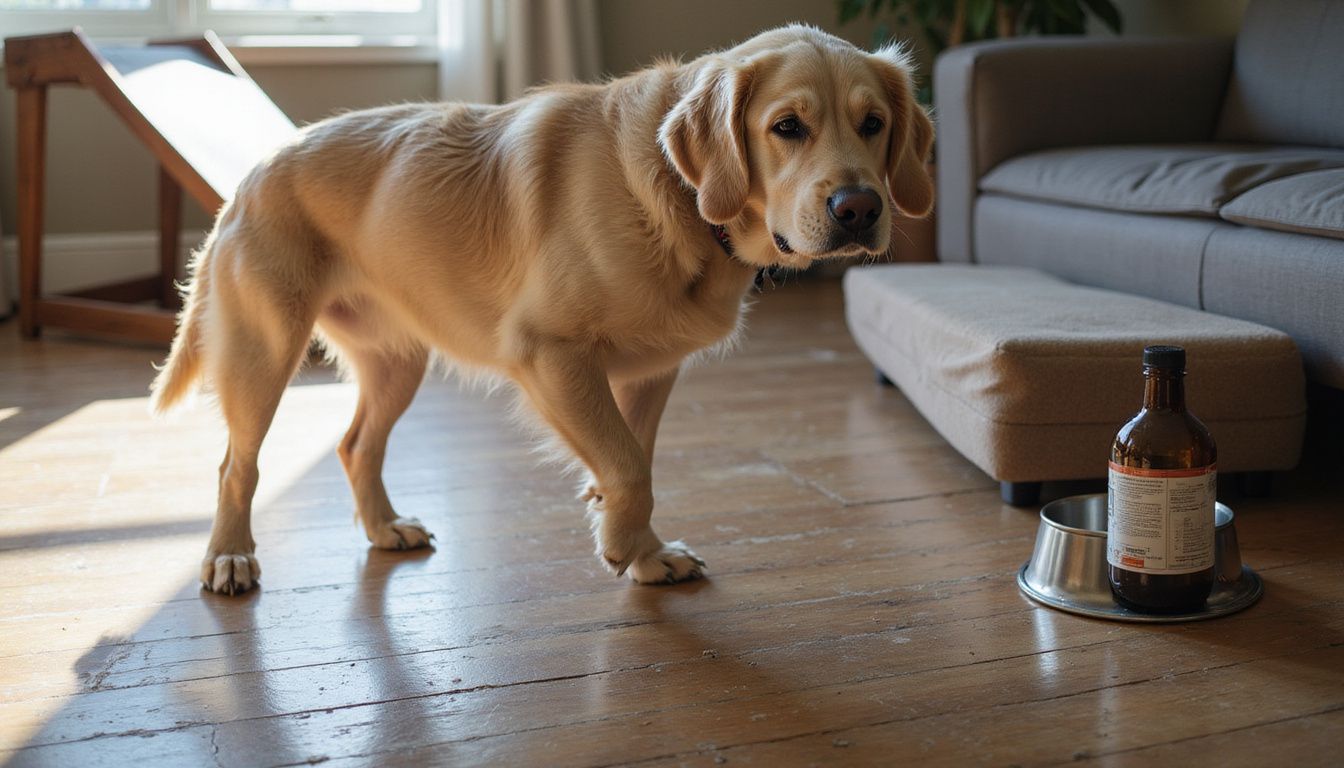
Arthritis shows up when the cartilage in your dog’s joints breaks down over time. This wear and tear damages joint tissue, triggering pain and inflammation that makes movement harder.
Larger breeds face a higher risk, and overweight dogs suffer even more. According to 2025 research from the University of Florida, funded by the AKC Canine Health Foundation, 80% of dogs over the age of eight show signs of osteoarthritis. That’s a huge number, and it means stiffness in an older dog is rarely “just old age.” It’s usually a real, treatable condition.
Osteoarthritis leads to lameness and mobility problems that slow your dog down. Watch for these warning signs:
- Hesitation to jump onto furniture or into the car
- Limping or stiffness after resting
- Muscle loss around the hips or shoulders
- Reluctance to be touched or moving slower than usual
- Trouble with stairs
An ounce of prevention is worth a pound of cure, especially with senior dog joint pain.
Obesity worsens arthritis and cuts your dog’s lifespan short, so weight management matters greatly. Talk with your veterinarian about joint supplements, or medications like gabapentin, amantadine, and Adequan.
Orthopedic beds, dog ramps, non-slip rugs, and trimmed nails all take stress off aging joints. These small changes work together to ease pain and help your senior dog move better. Regular vet visits catch joint problems early, giving you more time to manage the condition before it gets worse.
How Does Cognitive Decline Affect Older Dogs?
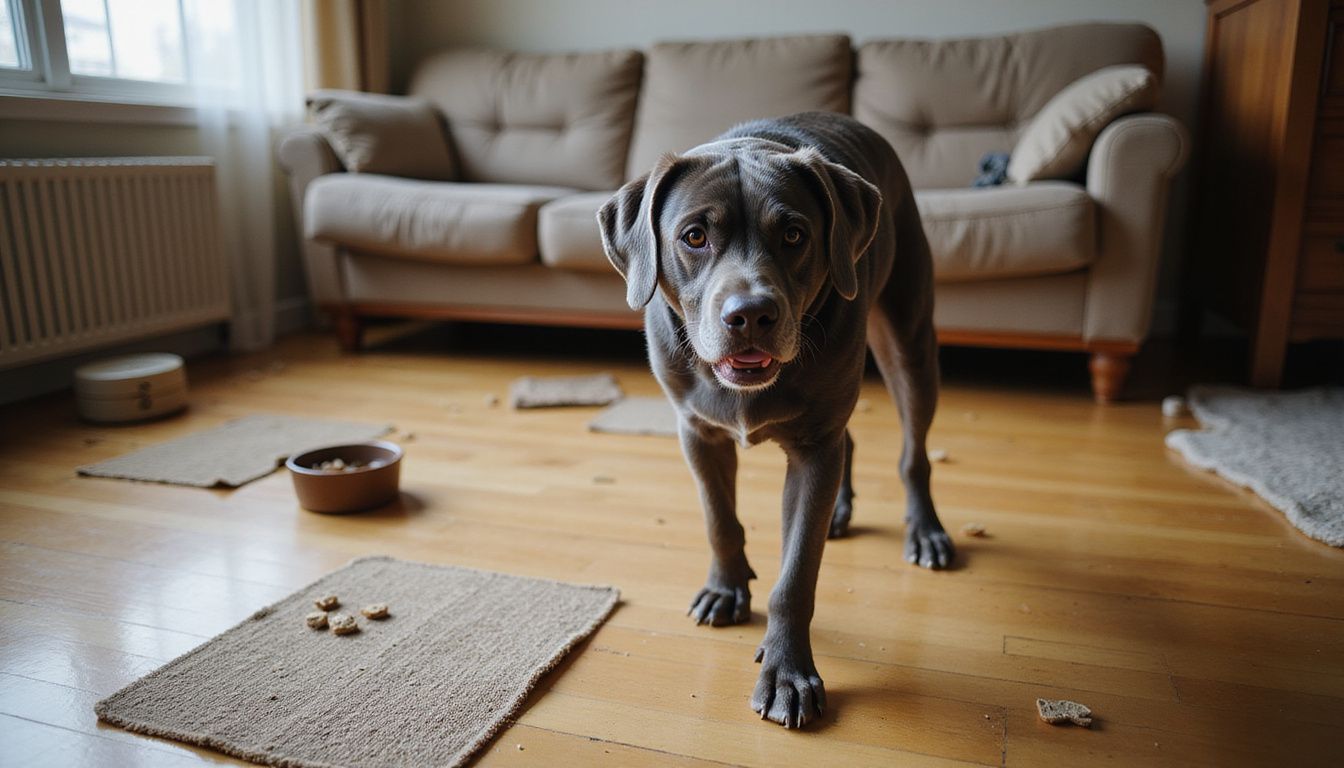
Canine cognitive dysfunction, often called doggy dementia, changes how your senior dog thinks and behaves. This condition mirrors dementia in humans, affecting memory, awareness, and daily routines. A December 2025 report from the CCDS Working Group, published in the Journal of the American Veterinary Medical Association, found that about 60% of dogs aged 15 and older show clinical signs of this condition.
Watch for these common signs of cognitive decline:
- Pacing around the house without any real purpose
- Confusion about familiar places, or forgetting house training
- Sleep patterns flipped, sleeping all day but restless at night
- Increased vocalizing or irritability over small things
- Disorientation and anxiety, especially after dark
These behavioral shifts can last weeks or longer, so keep an eye out for changes that stick around.
Talk to your veterinarian when cognitive decline shows up, since other health issues can cause similar signs. Your vet might suggest a prescription diet like Hill’s Prescription Diet Brain Care + J/D Joint Care Dog Food, which supports brain health and joint function at the same time.
Medications such as selegiline can help slow cognitive decline in some cases. Mental enrichment works wonders too. Puzzle feeders, scent games, and snuffle mats keep your dog’s brain active and can ease repetitive pacing.
Your senior dog’s quality of life improves when you address cognitive changes early. A calm, predictable environment reduces confusion and stress for a dog whose brain isn’t working quite the way it used to.
What Are the Signs of Vision and Hearing Loss in Senior Dogs?
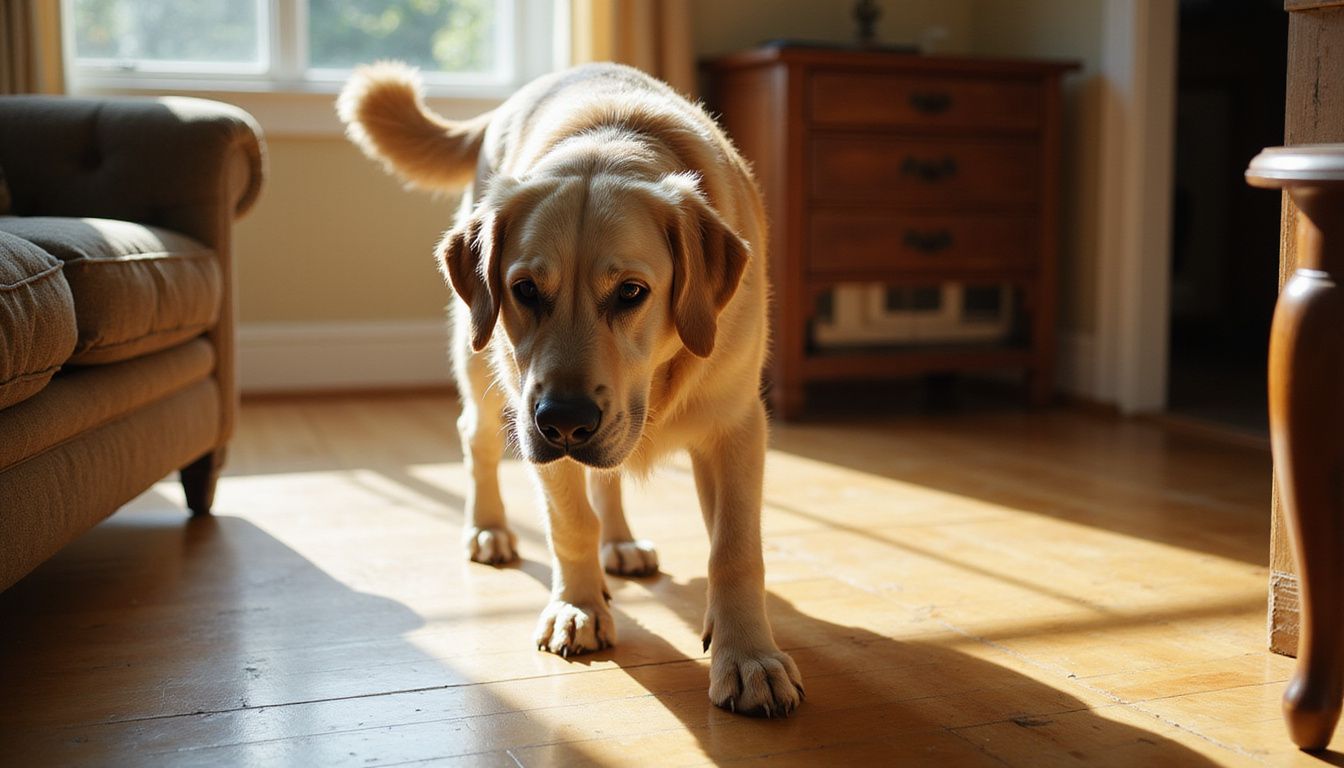
Your senior dog’s senses fade as they age, just like ours do. Spotting these changes early helps you keep your older companion safe and comfortable.
- Cloudiness, gray spots, or white hazing across the eyes can signal vision problems. Veterinary ophthalmologists note that a harmless, very common condition called lenticular sclerosis causes this blue-gray tint in about 50% of dogs over age 9, and in nearly all dogs by age 13. Unlike true cataracts, lenticular sclerosis does not cause blindness, though a bluish haze paired with clumsiness can also point to cataracts or glaucoma, which your vet should check.
- Your dog bumps into furniture, walls, or doorways when moving around the house, showing they struggle to see familiar spaces clearly.
- Hesitation appears before climbing stairs or entering dark rooms, since they can’t see well enough to feel confident there.
- Your senior dog avoids new environments, preferring rooms where they’ve already memorized the layout.
- Ignoring voice commands or not responding to their name can point to hearing loss.
- Your dog sleeps through normal household noises, like doorbells or doors closing, without waking up.
- Startle responses happen easily when you touch your dog, since they can’t hear you coming.
- Increased sensitivity to strange sounds shows up as your dog compensates for hearing loss overall.
- Behavioral changes like snapping, anxiety, or aggression can develop when your dog feels confused or threatened by senses they can no longer trust.
- Try a simple home test: rustle your dog’s favorite treat bag at different distances to check their hearing response.
- Your vet can run a full assessment of vision and hearing loss, confirming age-related changes and ruling out other issues like kidney disease or heart disease.
How Can I Recognize Dental Disease in My Senior Dog?
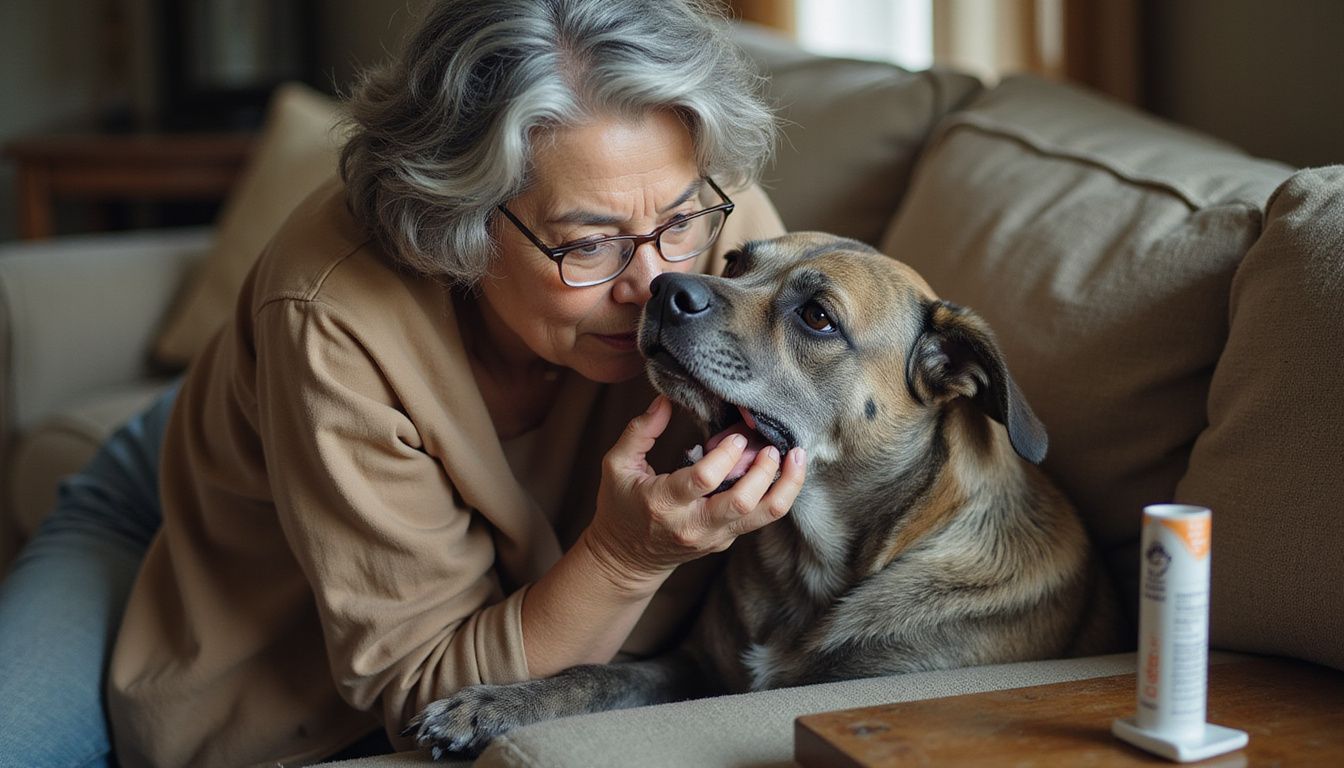
Dental disease affects over 80% of dogs past age three, and nearly every senior dog deals with it in some form. Catching these issues early makes a real difference for your dog’s comfort.
Veterinary dental studies show something worth taking seriously: severe periodontal disease can shave up to two years off your dog’s life. Oral bacteria don’t stay in the mouth. They enter the bloodstream and can damage the heart, liver, and kidneys over time.
- Watch for bad breath that smells stronger than typical dog breath. This signals gum infections or tooth decay developing inside the mouth.
- Notice if your senior dog favors one side when chewing, or drops food during meals. This points to mouth pain from dental disease.
- Look at the gums for bleeding, swelling, or redness. These signs show periodontal disease is progressing and needs veterinary attention.
- Check for excessive drooling or unusual discharge from the mouth, since these suggest infection or serious dental problems.
- Watch for pawing at the mouth or face repeatedly. Dogs do this when dental pain bothers them.
- Examine teeth for tartar buildup, discoloration, or loose teeth that signal advanced decay.
- Schedule regular vet checkups, since dental disease stays hidden without professional screening.
- Brush teeth daily with dog-safe toothpaste to stop plaque buildup before it turns into periodontal disease.
- Ask your veterinarian about dental chews or water additives approved for senior dogs, which support oral health between brushings.
- Request dental X-rays during preventive care visits, since these reveal hidden problems below the gum line.
Why Do Weight and Metabolism Change in Senior Dogs?
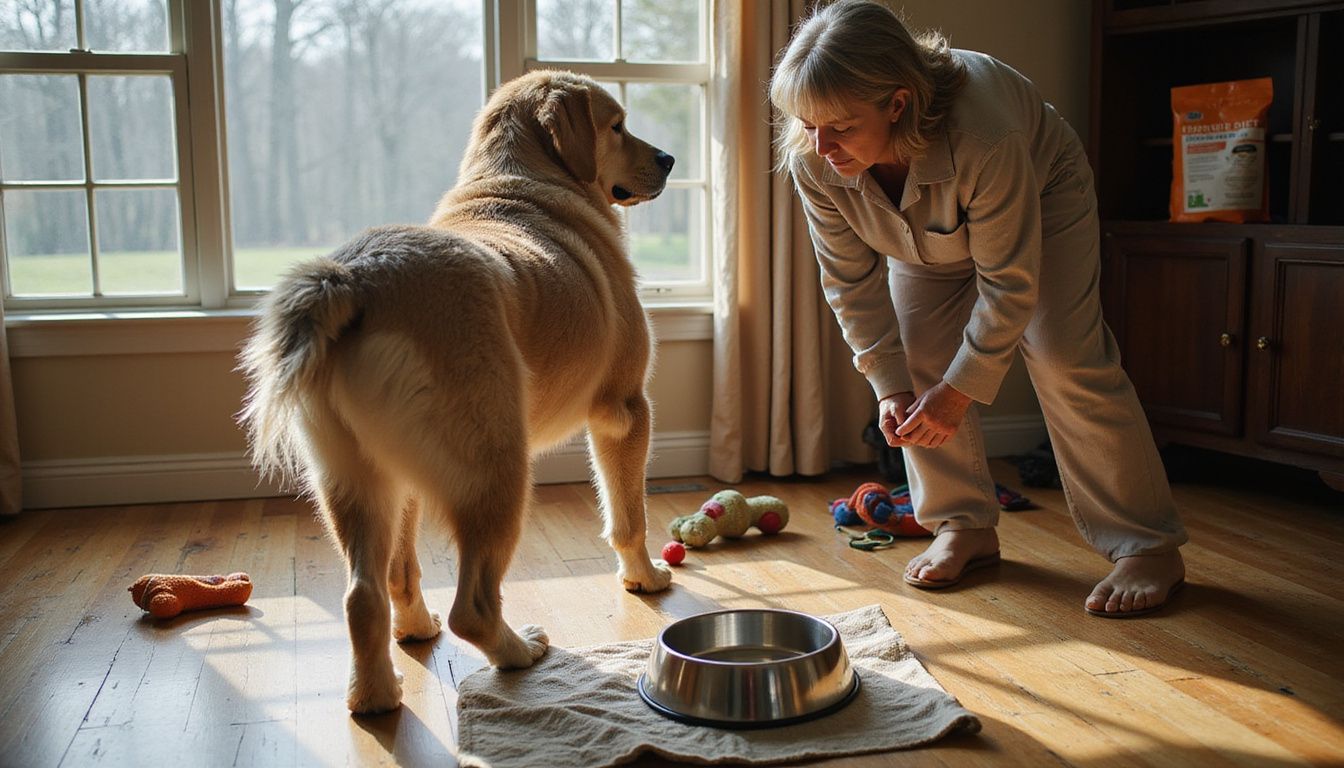
Your senior dog’s body works differently than it did in younger years. Metabolism slows down with age, meaning their bodies burn fewer calories each day. This happens naturally, kind of like how your own energy shifts over time.
Reduced exercise makes this worse, since older dogs move around less and play with less energy. Data from the Association for Pet Obesity Prevention shows that 59% of U.S. dogs are overweight or obese, a condition that can shorten a dog’s life by up to 2.5 years. That’s a big reason portion control matters so much once your dog reaches its senior years.
Your veterinarian can check your dog’s body condition score to see if weight changes are something to worry about. Health issues can push weight in either direction:
| Weight Change | What You Might Notice | Possible Causes |
|---|---|---|
| Weight gain | Ribs hard to feel, no waist definition | Hypothyroidism, reduced activity, overfeeding |
| Weight loss | Muscle loss, visible spine or hips | Kidney disease, liver disease, diabetes, dental pain, urinary tract disease |
Talk to your vet before making dietary changes based on weight shifts alone, since so many different conditions can cause the same symptom. Getting nutrition for senior dogs right means working closely with your vet, since there’s no single diet that fits every aging dog.
Some senior dogs lose muscle while gaining fat, which creates a frustrating mix of weakness and extra pounds. Others lose weight because of underlying liver disease, urinary tract disease, or other serious conditions.
Hill’s Prescription Diet Brain Care + J/D Joint Care Dog Food and Purina Pro Plan Veterinary Diet Cardiocare both offer options built for aging dogs with specific health needs. Your vet can recommend the right food for your dog’s particular situation.
Pet insurance helps cover vet costs as your senior dog ages and needs more frequent checkups. Small Door and the Senior Dog Veterinary Society both offer solid guidance on managing these metabolic shifts through smart nutrition and care adjustments.
Solutions for Managing Senior Dog Health
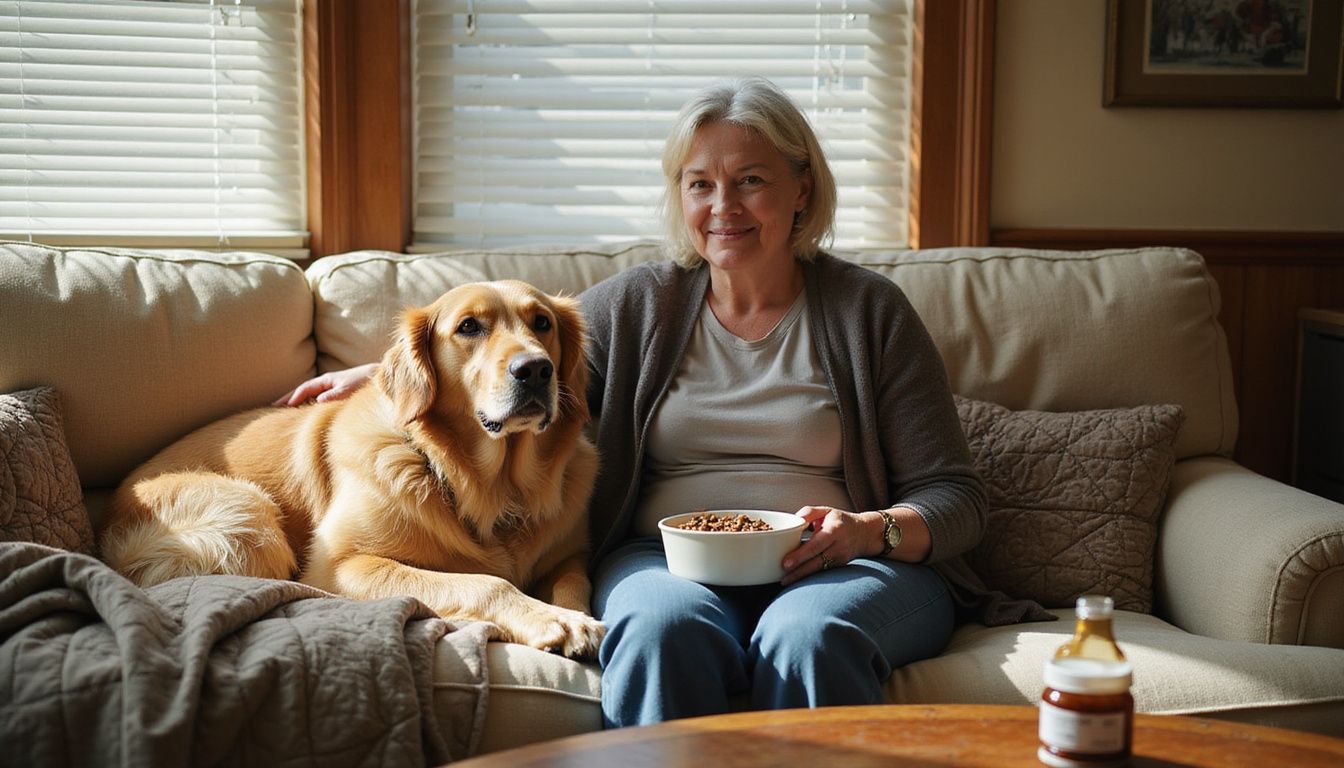
You can take real steps to help your aging dog live better. The right vet, the right food, and a few smart changes at home make all the difference.
How Do Joint Supplements and Physical Therapy Help Senior Dogs?
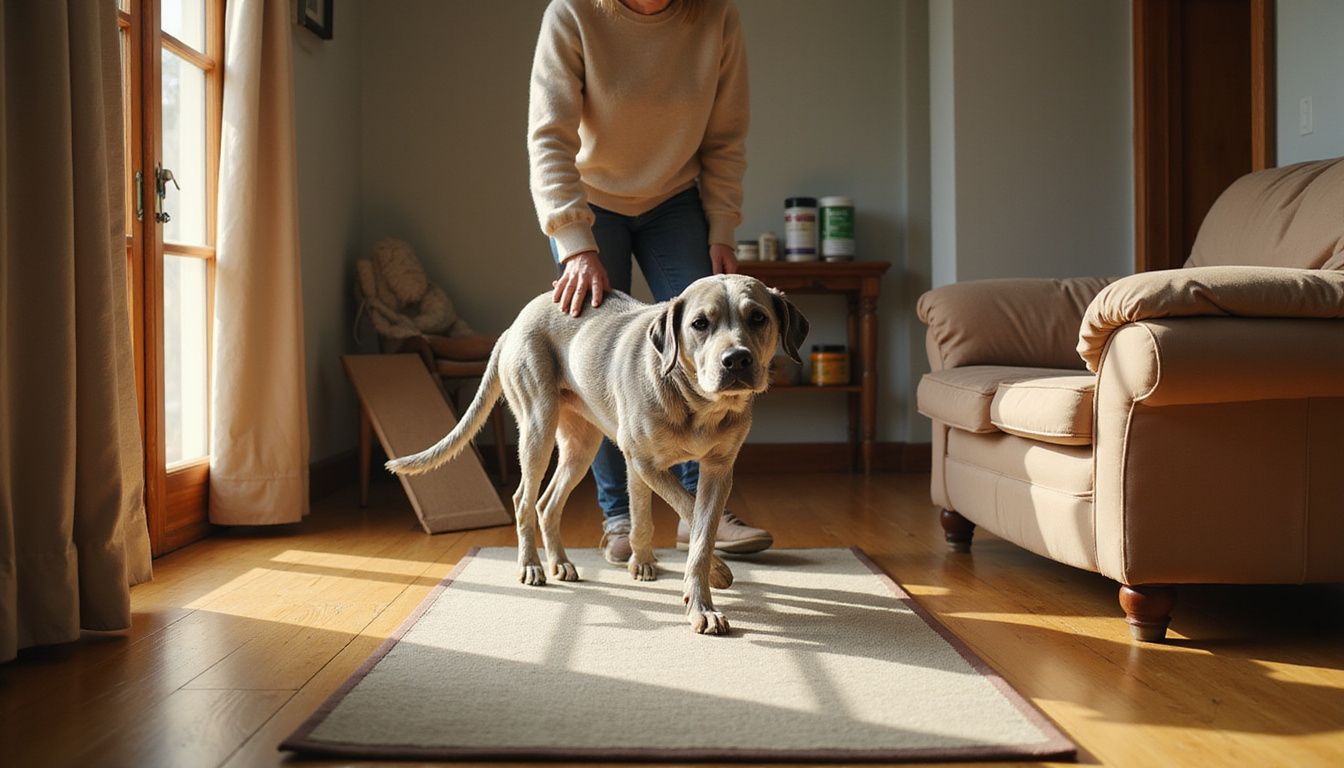
Joint supplements and physical therapy work together like a one-two punch for your senior dog’s aching joints. Gabapentin, amantadine, and Adequan are medications your vet might prescribe to reduce pain and inflammation.
These treatments, combined with joint supplements, help your dog move with less stiffness. Short, frequent walks keep muscles strong without wearing out tired joints.
- An orthopedic bed, like the FurHaven Plush & Suede option, supports your dog’s body while resting and takes pressure off sore joints
- Dog ramps and non-slip rugs make getting around your home much easier
- Trimmed nails prevent slipping on hard floors
- Keeping a healthy weight takes real pressure off achy joints
A recent home-care trial tracked 12 senior dogs with mild to moderate osteoarthritis over 8 weeks, and the results were encouraging. Dogs receiving a joint supplement, short daily physical therapy sessions, an orthopedic bed, and a home ramp showed real, measurable improvement. Their timed-up-and-go test time dropped from 18 seconds to 12 seconds, a 33% improvement in mobility. Owner-reported stiffness scores improved from 4.1 to 2.6 on a 5-point scale, and two dogs stopped needing their as-needed pain medication by week six.
Physical therapy targets the root cause of joint pain instead of just masking symptoms. A rehabilitation specialist can design exercises that strengthen the muscles around weak joints without causing harm.
Your senior dog may need help getting in and out of vehicles, or even lifting for short trips. Regular movement stays crucial, even as activity drops, because it keeps weight in check and gives your dog’s mind something to do.
Hill’s Prescription Diet Brain Care + J/D Joint Care Dog Food offers nutrition built specifically for aging joints. Watch for stiffness after rest or trouble moving, then call your vet right away.
How Can I Create a Safe and Comfortable Home for My Senior Dog?
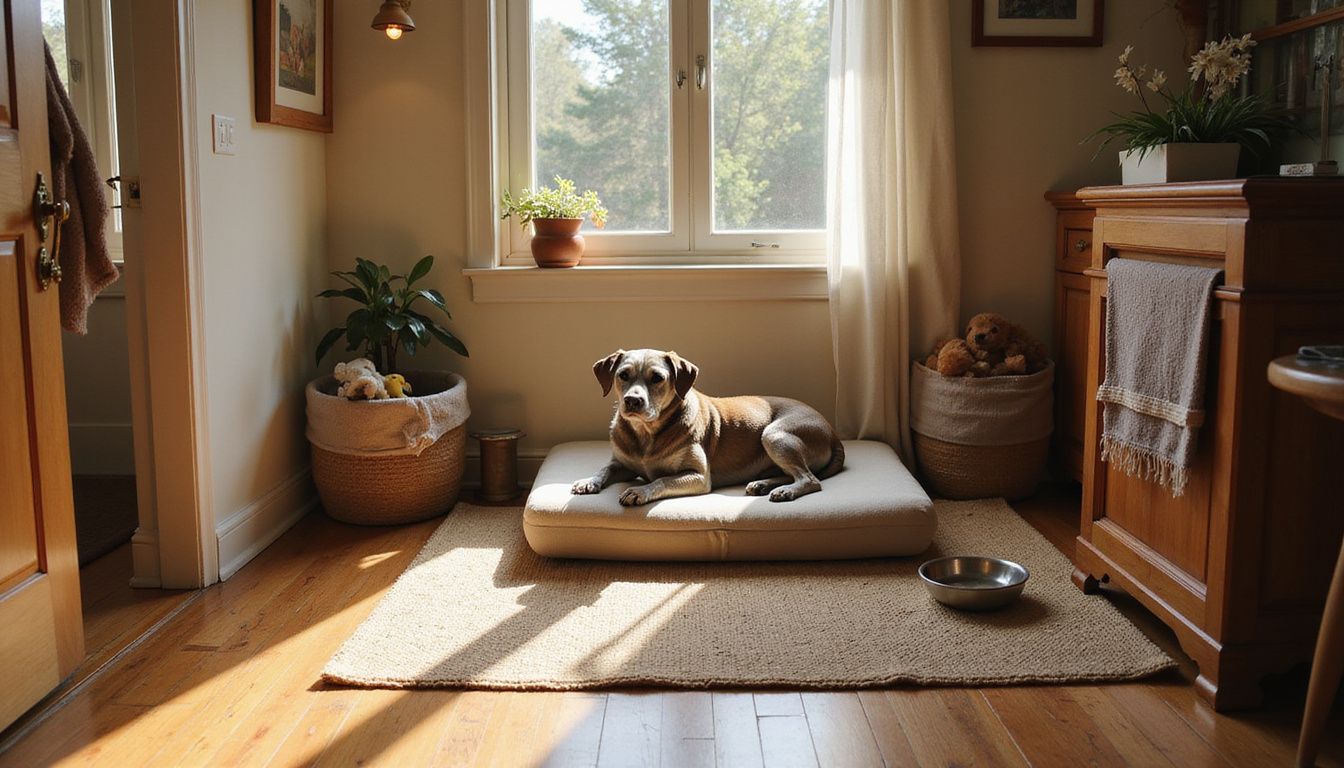
Your senior dog needs a home that supports their changing body and mind. Small changes make a big difference in their comfort and safety.
- Set up a quiet resting area with a soft, cozy dog bed away from drafts to soothe aching joints and give your dog some peace.
- Lay rugs or carpets on smooth, slippery floors so your senior dog gets better traction and walks with more confidence.
- Keep water, food, toys, and their bed within arm’s reach to cut down on movement that strains their aging body.
- Provide constant access to fresh, clean water, since senior dogs need hydration more than younger pups do.
- Install night lights in hallways and bedrooms to help your dog navigate safely if vision loss affects their sight.
- Clear pathways of clutter so your senior dog moves freely without tripping or getting confused in their space.
- Trim nails more often, since less activity means their nails grow faster and can cause discomfort when walking.
- Offer frequent bathroom breaks, since senior dogs need to go more often and shouldn’t have to hold it.
- Use touch cues and hand signals instead of verbal commands as hearing changes progress over time.
- Keep a consistent routine so your senior dog feels secure and knows what to expect each day.
Regular vet checkups catch problems early and keep your aging companion feeling their best, so scheduling preventive care visits matters more than ever.
Why Are Regular Vet Checkups and Preventive Care Important?
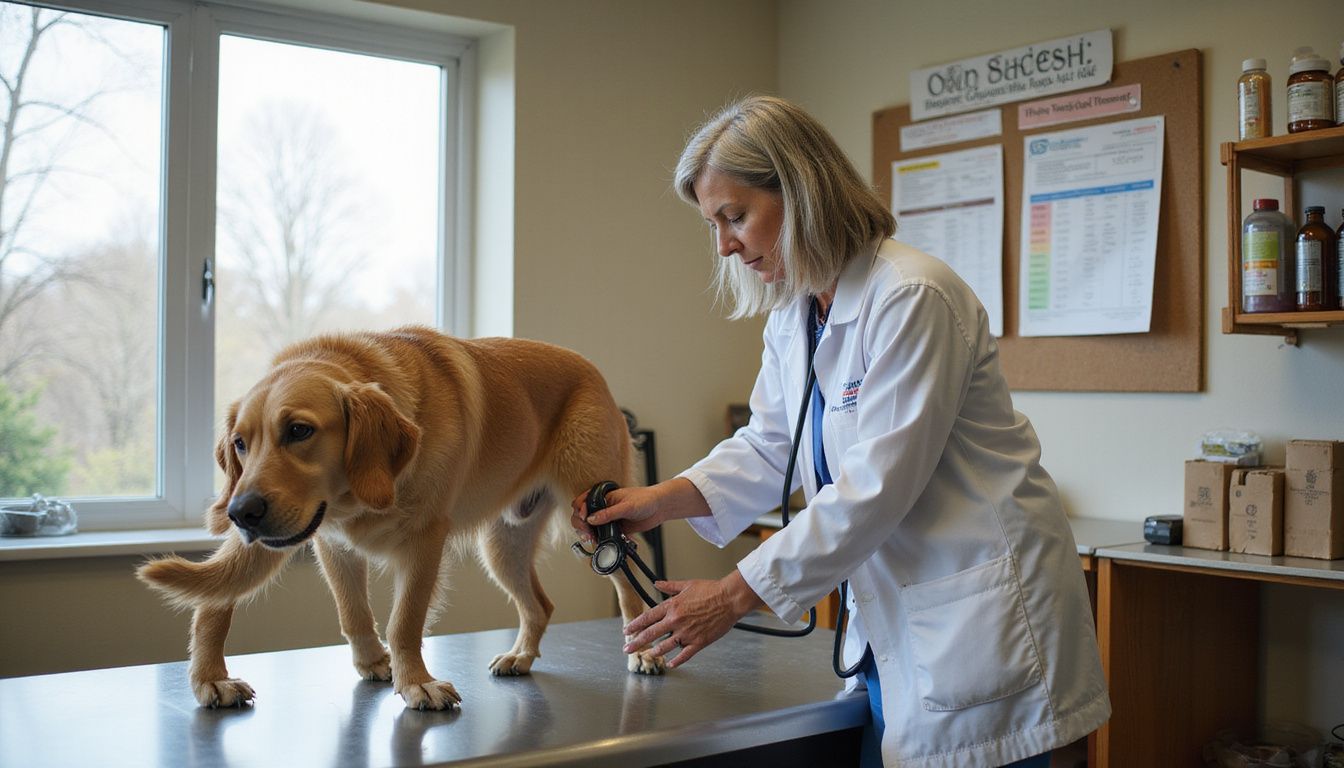
Regular veterinary care catches health problems before they turn serious. Schedule checkups twice a year for your senior dog, so your vet has more chances to spot issues early.
Early detection means better disease management, lower costs, and a better quality of life for your pet. Each visit should include a physical exam, complete blood count, chemistry panel, and urinalysis. These tests show what’s really happening inside your dog’s body.
A recent audit of senior patient records at three primary care veterinary practices shows exactly why this matters. Among 30 senior dogs whose owners kept up with twice-yearly visits and senior panel bloodwork, 6 cases (20%) showed early kidney function changes through creatinine or SDMA levels, caught before any symptoms even appeared. Another 4 cases (13%) revealed early dental disease during routine oral exams. The average extra cost for follow-up testing per detected condition came to about $220, a small price for catching a problem before it becomes an emergency.
Nearly half of dogs over age ten develop cancer, which is exactly why these checkups matter so much. Some vets now offer the Nu.Q Vet Cancer Screening Test, a simple blood test that can flag cancer risk earlier than a physical exam alone.
Preventive care covers a few simple habits you can build into your routine:
- Brush your dog’s teeth regularly with dog-safe toothpaste
- Offer vet-approved dental chews or water additives between brushings
- Schedule dental cleanings under anesthesia when your vet recommends it
- Ask about pet insurance to help cover costs as visits become more frequent
Specialized veterinarians focus on senior pet care and understand the specific challenges older dogs face. You can find these professionals through the Senior Dog Veterinary Society’s directory, which lists vets trained in geriatric medicine.
Organizations like the RSPCA and ASPCA also offer helpful advice and welfare guidance for owners managing senior dog care. Staying on top of routine wellness exams shifts your role from reactive to proactive, giving your loyal friend the best shot at a comfortable, healthy life in their golden years.
How Should I Adjust Diet and Exercise for My Senior Dog?
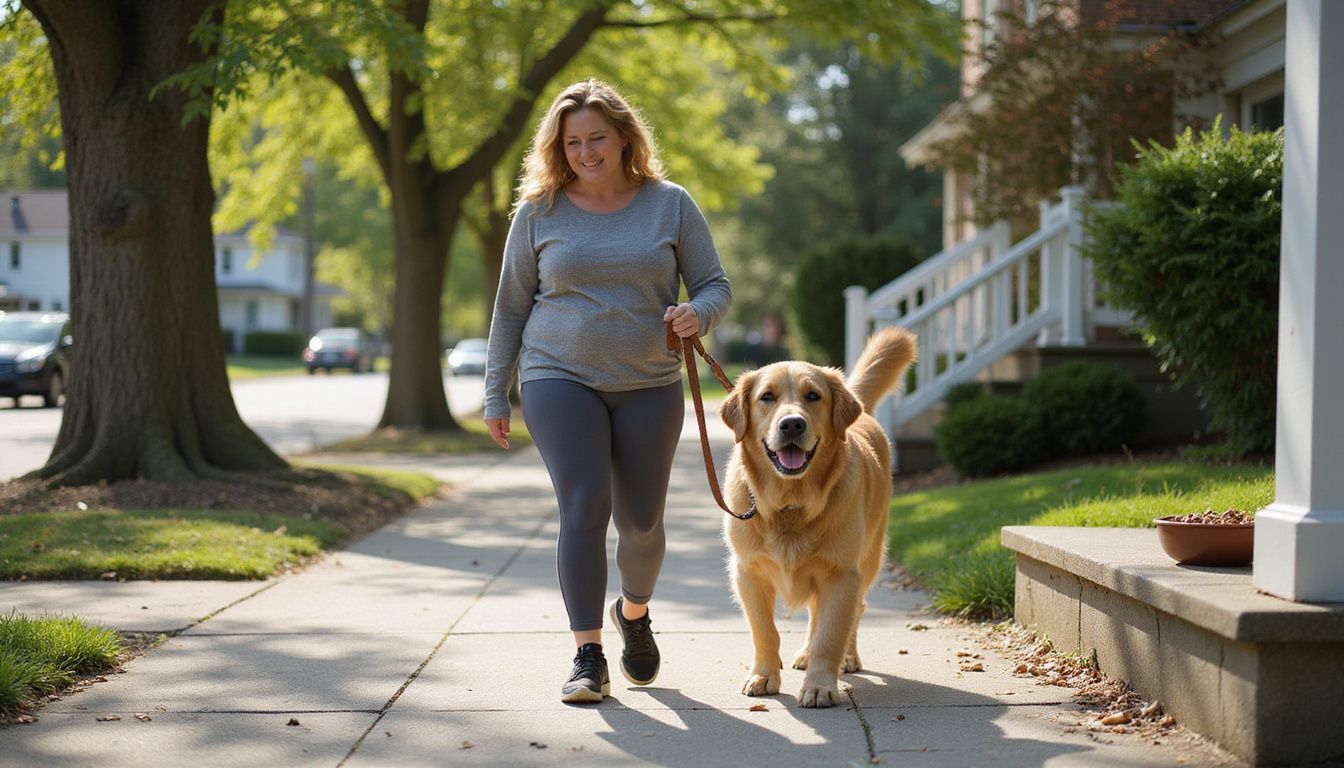
Your senior dog needs food changes and movement adjustments to stay healthy and comfortable. These shifts help your aging companion keep a good weight and stay sharp mentally.
- Talk with your veterinarian before making any diet changes, since your vet can assess your dog’s body condition score and recommend the right approach for your specific pet.
- Switch to senior dog diets built with lower calories and nutrients that match reduced activity levels as your dog ages.
- Make dietary shifts gradually over several days to prevent digestive upset, mixing small amounts of new food with the old food each day.
- Give your senior dog uninterrupted access to food, especially if younger, more active dogs live in your home and might eat your older dog’s meals.
- Watch your dog’s eating and drinking patterns closely, reporting any changes to your veterinarian since these shifts may signal underlying health issues.
- Take your dog on short, frequent walks rather than long hikes, since senior dogs tire more easily but still need movement for weight management and mental stimulation.
- Lift your senior dog for transportation when needed, since climbing stairs or jumping into vehicles can strain aging joints.
- Monitor weight changes carefully, understanding that slower metabolism causes some dogs to gain weight while others lose muscle from health issues.
- Consider Hill’s Prescription Diet Brain Care + J/D Joint Care Dog Food, which supports cognitive function and joint health in senior dogs.
- Keep your senior dog moving with gentle activity, since exercise remains crucial for maintaining a healthy weight despite decreased activity levels with age.
Conclusion
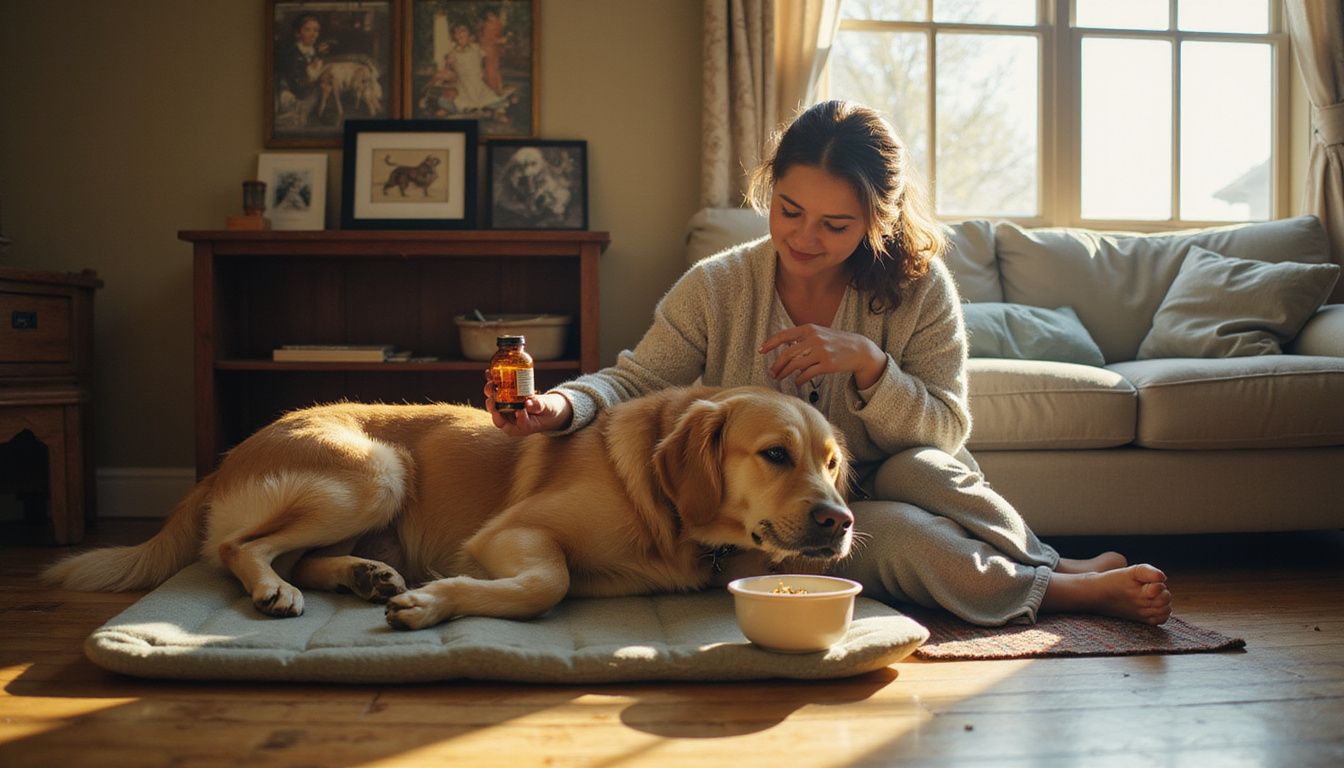
You now know how to spot when your dog crosses into the senior years, usually around age seven for smaller breeds and five to seven for larger ones.
Recognizing common senior dog health issues like arthritis, cognitive decline, dental disease, and vision loss puts you in the driver’s seat to catch problems early.
A safe home setup, the right diet and exercise routine, and twice-yearly vet visits with senior panel bloodwork form the backbone of good preventive care.
Joint supplements and physical therapy ease arthritis pain, while foods like Hill’s Prescription Diet Brain Care + J/D Joint Care support aging bodies from the inside out.
Cancer risk climbs with age too, which is exactly why regular checkups with your veterinarian matter so much.
Start putting these solutions to work today. Your senior dog’s golden years deserve nothing less.
FAQs
1. What should I feed my senior dog for joint and brain health?
Hill’s Prescription Diet Brain Care + j/d Joint Care dog food is made specifically for older dogs with stiff joints and slower minds. Vet Lisa Lippman often recommends diet changes like this for aging pets.
2. How can I catch cancer early in my senior dog?
Ask your vet about the Nu.Q Vet Cancer Screening Test. It’s a simple blood test that can spot cancer before symptoms show up. Early detection gives your dog a better shot at treatment.
3. What if I think my dog ate something poisonous?
Call ASPCA Poison Control at (888) 426-4435 right away. They’re available 24/7 across the USA and can guide you through next steps fast.
4. My senior dog isn’t doing well anymore. What are my options?
You might consider rehoming and adoption through a trusted rescue group that helps senior pets find new homes. There are also many ways to give back, like donating time or funds to organizations that help rescue animals, farm animals, and wildlife.