Ever stood in your living room and wondered if it’s actually dog-proof?
That question crosses almost every parent’s mind right before adoption day.
Here’s some good news: a few simple changes now can save you a stressful vet visit later.
Let me walk you through exactly what to check, room by room, so your home feels ready before your new dog ever walks through the door.
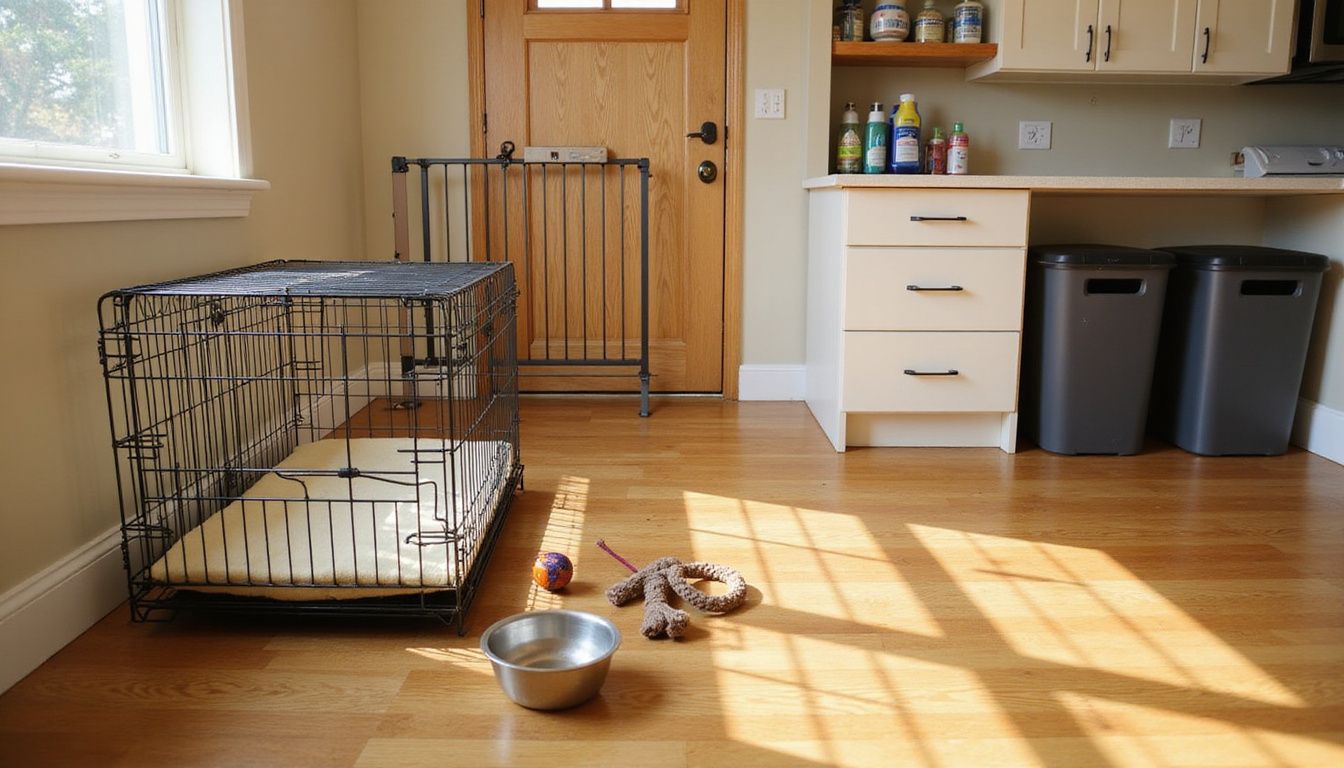
Start by getting down on the floor and looking at your house from your dog’s eye level. You’ll spot hazards you’d otherwise miss standing up. Store cleaning products in high cabinets where paws can’t reach them.
Secure your trash cans with locking lids, or keep them behind closed doors. Close off bathrooms and bedrooms to limit access to anything dangerous. These small steps cut down the risk of accidents that could hurt your new pet, and they matter more than most families realize.
A lot of pets end up back at shelters simply because the first few weeks felt too chaotic for everyone. Solid prep work makes the difference between a rocky start and a smooth one.
Give Your Dog a Space to Call Their Own
Your new dog needs time to adjust, so set up a personal space where your pup can feel calm. A crate training area with soft bedding, toys, and water gives your dog a den-like retreat when the house feels like too much.
Keep things quiet during the first few days. Skip the loud noises and hold off on inviting a crowd of visitors over.
A few other prep steps worth adding to your list:
- Pick up a dog seatbelt or car barrier before your first car ride together, since a loose dog in a moving vehicle is a safety risk for everyone inside.
- Decide on a daily routine for feeding, walks, and bathroom breaks before the dog arrives, so the schedule feels predictable from day one.
- Consider adopting an older, already-trained dog if your family dynamics call for a pet with basic obedience skills already in place.
Puppy proofing takes effort, but it protects your dog and gives your kids a safer space too. An older dog with some training under its belt often leads to faster, smoother introductions with your children.
How do I create a safe space for my new dog?
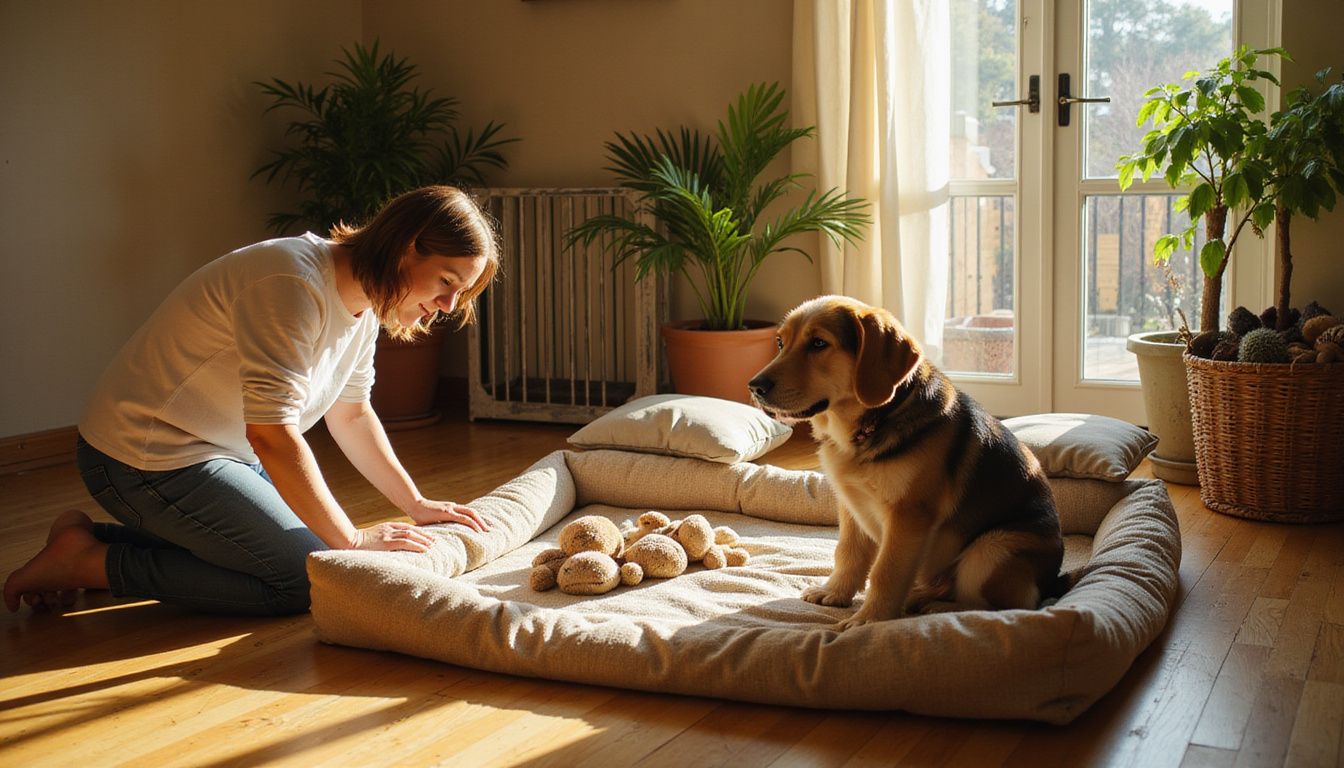
Your new dog needs a zone where it can relax without stress or danger. That means removing hazards, setting up comfortable spots, and giving your pup a place to call its own.
What steps should I take to pet-proof my home?
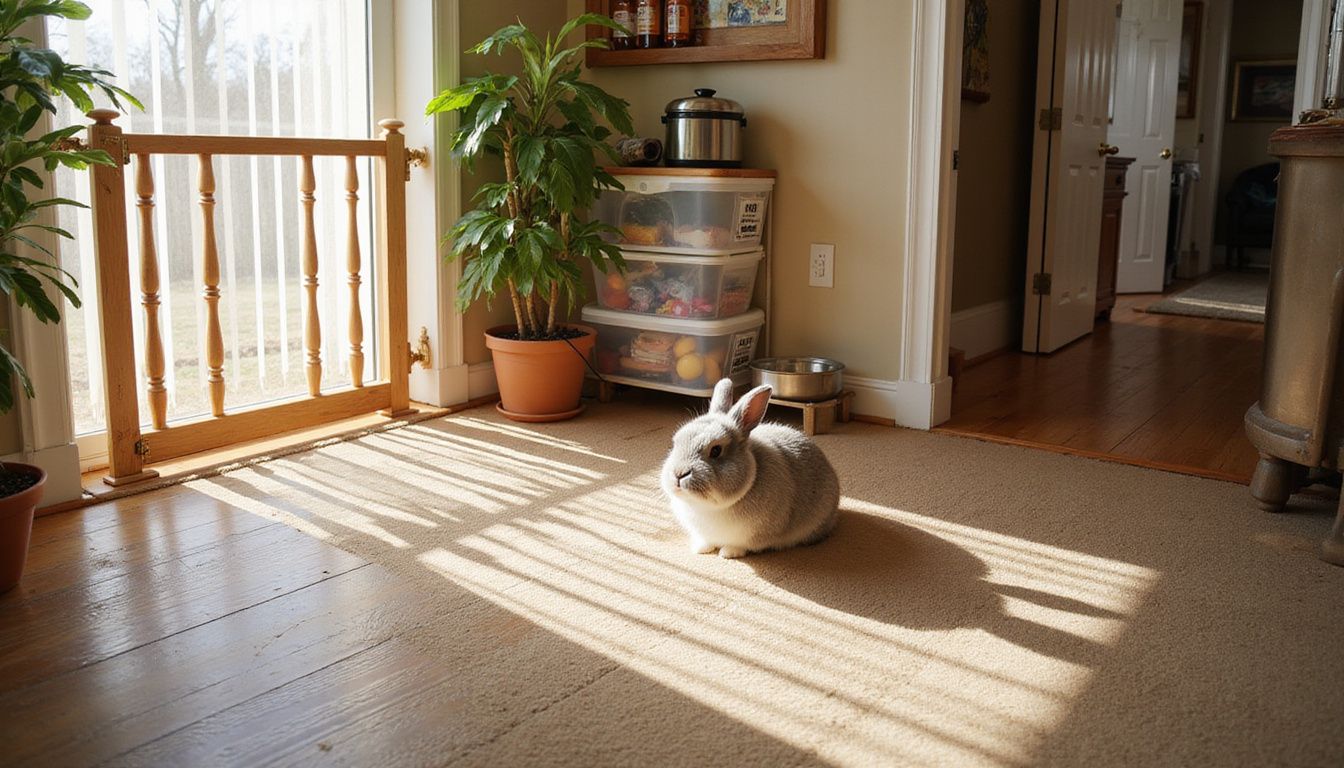
Getting a dog means turning your home into a safe haven for your newest family member. Smart planning now prevents accidents and keeps your pet healthy and happy.
- Lock up over-the-counter medications and human foods like grapes and chocolate. According to 2026 reporting from the ASPCA Animal Poison Control Center, based on more than 376,000 exposure calls, these two categories cause a full third of all pet poisoning cases in the US. That single stat makes medicine cabinets and kitchen counters your top priority.
- Secure lidded trash cans in cabinets or closed rooms to block access to dangerous items. Dogs dig through garbage and swallow things that can make them seriously sick.
- Install gates to restrict your dog’s movement in certain areas of the house. This protects both your pet and your family’s belongings from damage.
- Close bathroom and bedroom doors to prevent access to medications, cosmetics, or other hazards. These rooms hide many toxic items your dog shouldn’t get near.
- Assess every room from ground level, exactly where your dog will sniff and explore. Watch for electrical cords, toxic plants, or small objects your pet could swallow.
- Cover electrical cords with protective tubing so your dog can’t chew through them. Damaged wires bring serious shock and fire risks into your home.
- Place an automatic feeder in a set eating area, away from kids’ toys and activity zones. This keeps mealtime calm and cuts down on stress for your dog.
- Block off tight spaces under furniture where your dog could get stuck or hide. Small pets and puppies squeeze into places they can’t always get out of.
- Keep kids’ small toys stored behind gates or in closed containers. Loose toys turn into choking hazards fast.
Teaching Kids How to Interact with Dogs
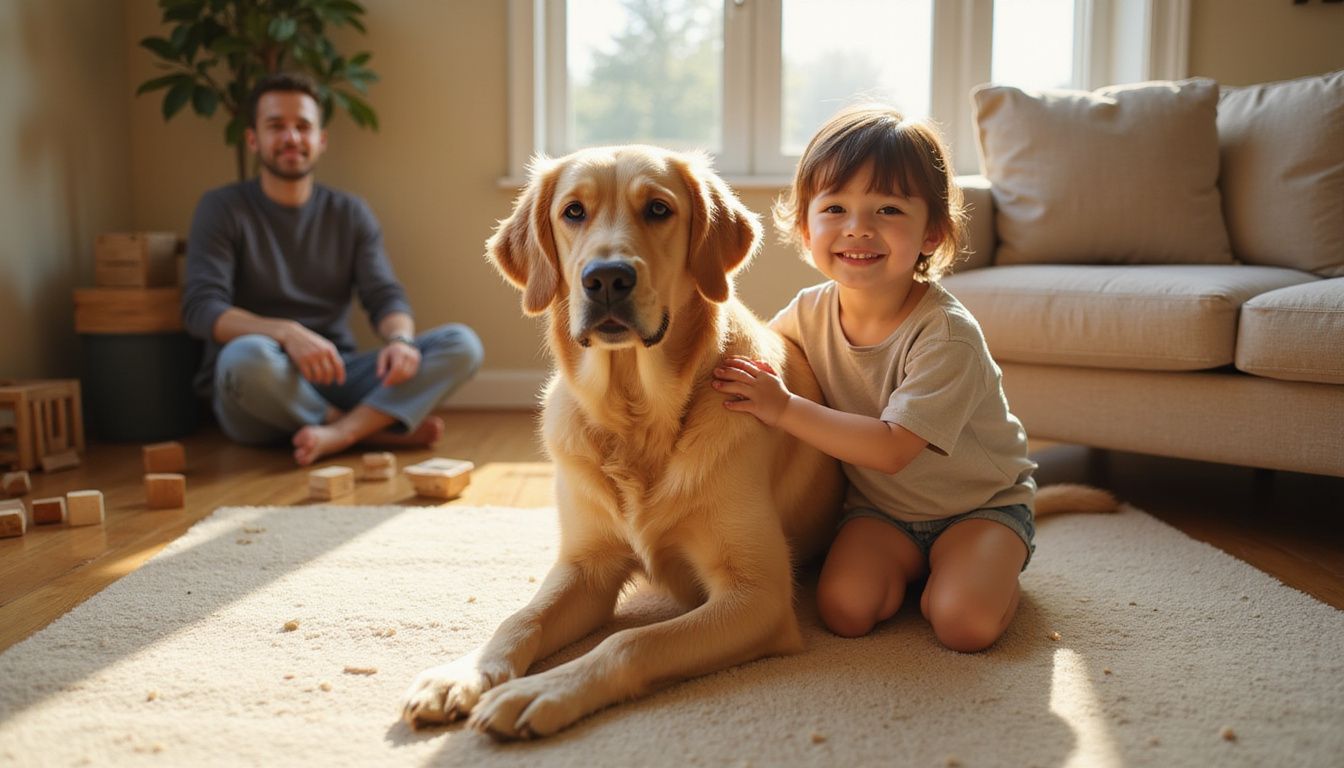
Your kids need to learn how to treat a dog with respect and kindness. Keep reading for practical ways to teach them the right approach.
How can I teach children to respect a dog’s space?
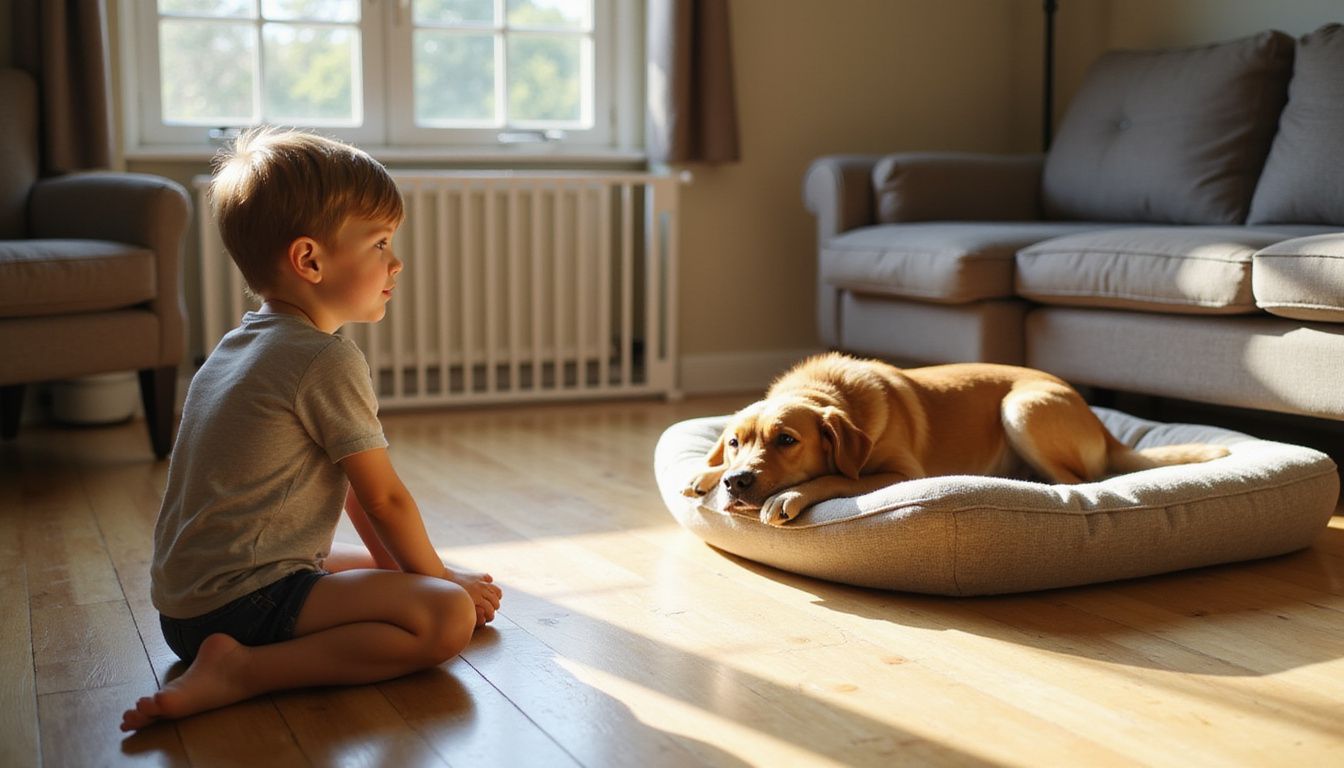
Teaching kids to respect a dog’s space starts with showing them how to approach slowly and calmly. Have your child sit on the floor when meeting a new dog. It makes them look less threatening and helps the dog feel more at ease.
Let the dog come to your child instead of the other way around. Model the behavior yourself with a calm voice and gentle hands, so your kids see exactly what respect looks like in action.
This approach keeps the dog from feeling overwhelmed. It also builds positive reinforcement between your children and their new furry friend.
Set clear boundaries around your dog’s downtime. Disturbing a dog while it eats, drinks, or sleeps can trigger a defensive reaction, so create physical barriers like gates that give your dog a safe zone to retreat to when it feels stressed.
Dog trainer Kate Perry, who wrote the book Training for Both Ends of the Leash, describes this kind of teamwork perfectly: both dog and child learn the rules together, at the same time.
When kids understand these limits, they build real respect for the animal’s needs. That respect creates a safer household for everyone in it.
What is the proper way for kids to approach and pet a dog?
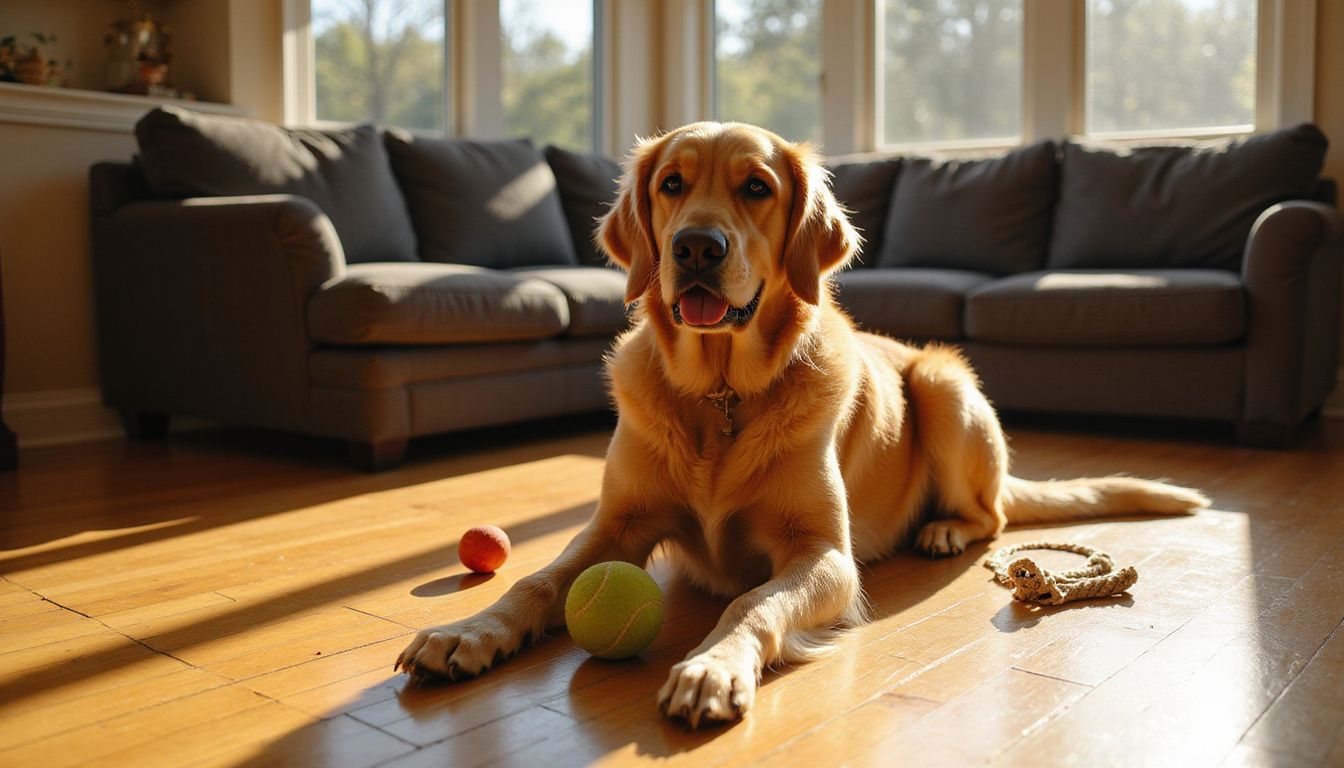
Now that your kids understand boundaries, they need to learn the right way to greet and touch a dog. Proper approach and petting technique keeps both your kids and your dog safe and happy.
- Ask permission before your child moves closer to any dog, even one that belongs to a friend or family member. This builds respect and stops the animal from getting startled.
- Have your child approach slowly from the side, not head-on. Dogs feel less threatened when you skip the direct, frontal approach.
- Let the dog sniff your child’s hand first, before any petting starts. This lets the dog get familiar with the scent and builds trust.
- Show your child the safe petting zones: chest, shoulders, and under the chin work best. Most dogs feel comfortable there, and it keeps hands away from sensitive spots.
- Keep petting gentle, with slow and smooth strokes. Quick or rough movements can startle or irritate the dog.
- Teach your child to skip the face, paws, and tail entirely. Those spots make dogs defensive fast.
- Tell your child never to hug, squeeze, or grab a dog around the neck. Dogs read these moves as threatening, which can trigger a defensive response.
- Watch your child’s interactions closely and check the dog’s body language the whole time. Young kids often miss warning signs like stiff posture, growling, or pinned-back ears.
- Stop the interaction right away if your dog shows stress signals or tries to move off. Good pet care means protecting both your child and your dog from conflict.
Key Safety Rules for Families
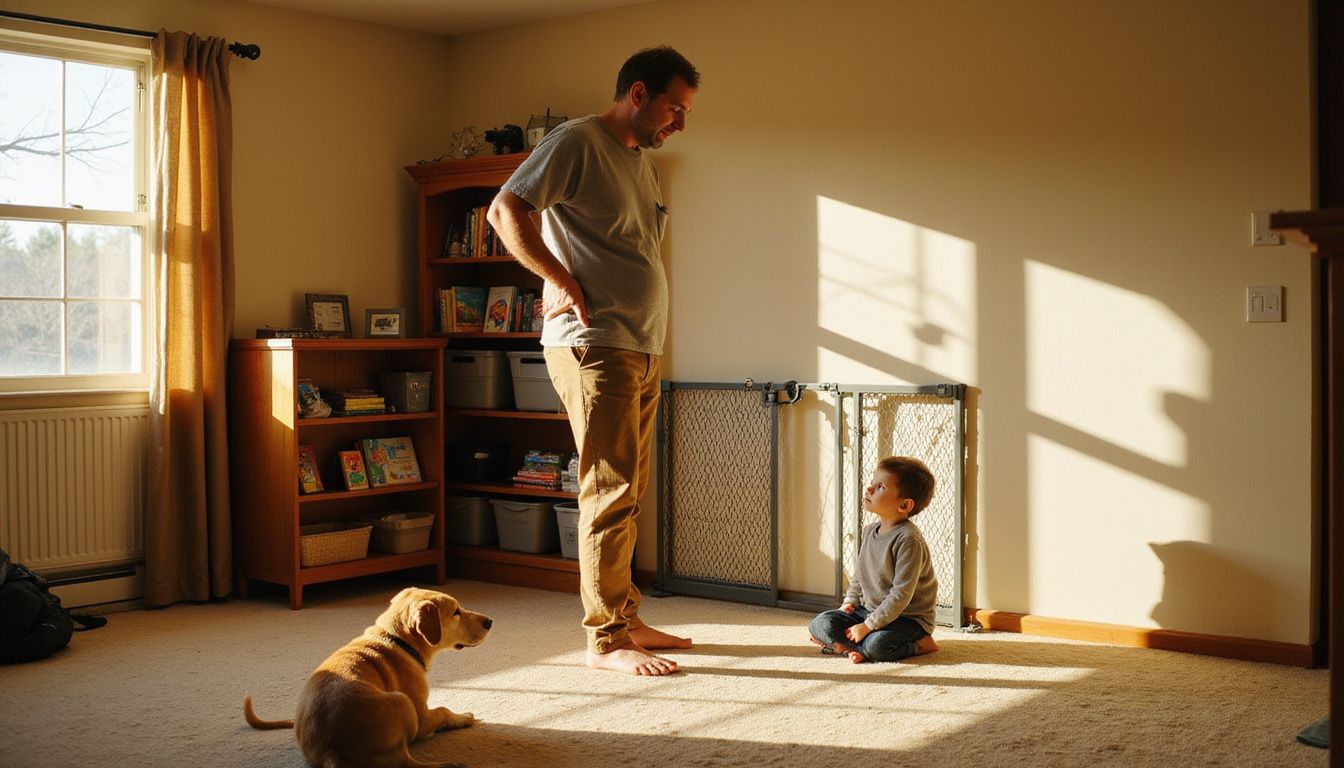
You need clear rules to keep both your kids and your dog safe and happy together. Here’s what matters most.
Why is it important to supervise interactions between dogs and kids?
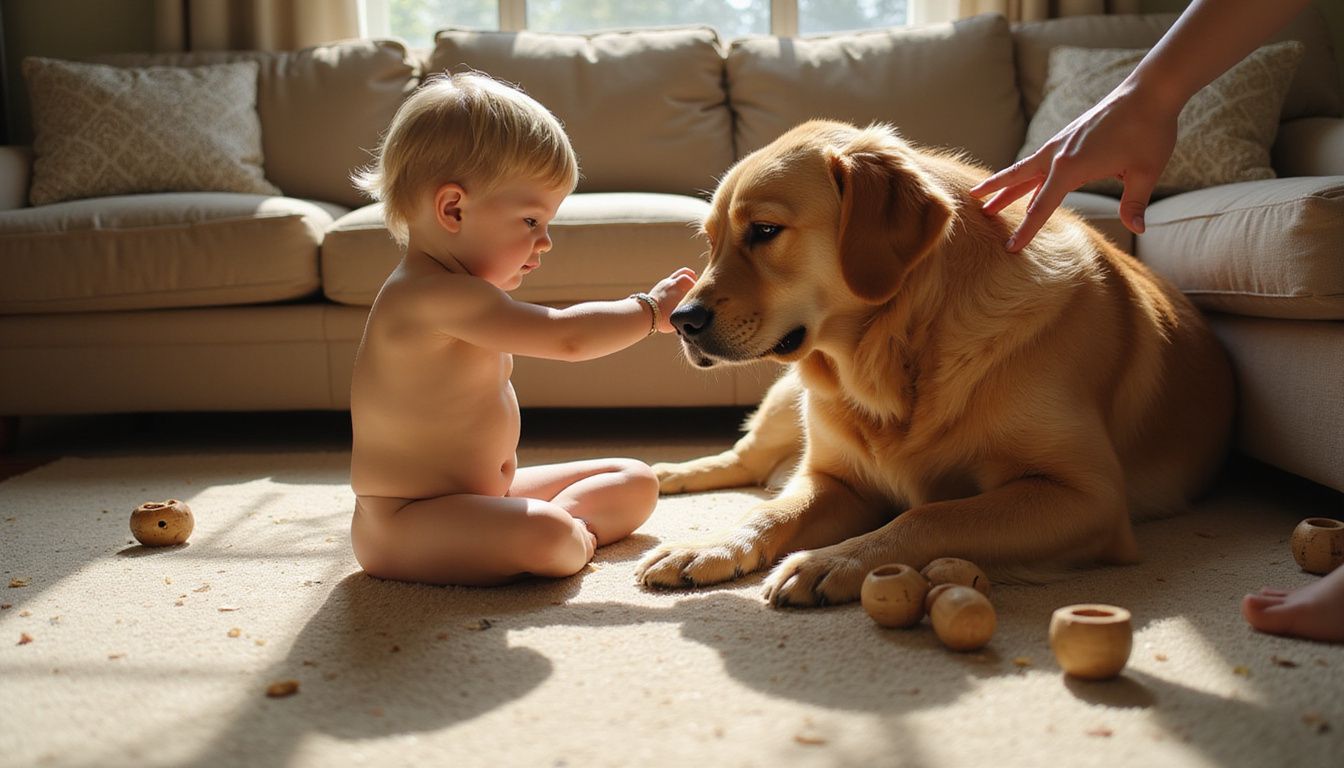
Your kids and your new dog need constant supervision during their early days together. Babies and kids under five should never be left alone with a dog, since rough play can turn into a problem in seconds.
The numbers back this up. According to 2025 and 2026 data published by the American Veterinary Medical Association, more than 4.5 million dog bites happen in the US every year, and kids under nine face the highest rate of severe injury, usually from a dog they already know.
Young kids don’t read dog body language yet. They might pull a tail or corner a pup without meaning any harm, and a stressed dog often communicates through subtle signals like a stiff posture, whale eye, or a tucked tail.
Your child won’t catch these warning signs on their own. A stressed dog may snap or bite out of fear, not aggression, so supervision stops accidents before they start.
A dog’s safety and a child’s safety are equally important when they share a home together.
Watching both the dog and the kids at the same time keeps everyone safe during that chaotic adjustment period. Veterinarians and other animal care professionals stress that active monitoring prevents misunderstandings between species.
Supervision also protects your dog from getting hurt by accident. A child might squeeze too hard, step on a paw, or startle a sleeping pup, and moments like that cause real fear and stress in dogs.
A frightened dog can develop anxiety around kids, which makes future interactions even harder. Watch for signs your dog hides, growls, or avoids certain family members. Those signs tell you it’s time to adjust how the kids interact with your pet.
Doggie daycare workers and dog walkers often notice behavior problems that trace back to unsupervised play at home. Some crisis foster care cases even involve dogs carrying fear-based aggression from a rough childhood.
Set clear boundaries around meal times and rest periods. Teach your kids that a dog eating or sleeping needs space, since that protection helps your dog feel secure in a house full of kids.
How do I set boundaries to avoid disturbing the dog during meals or rest?
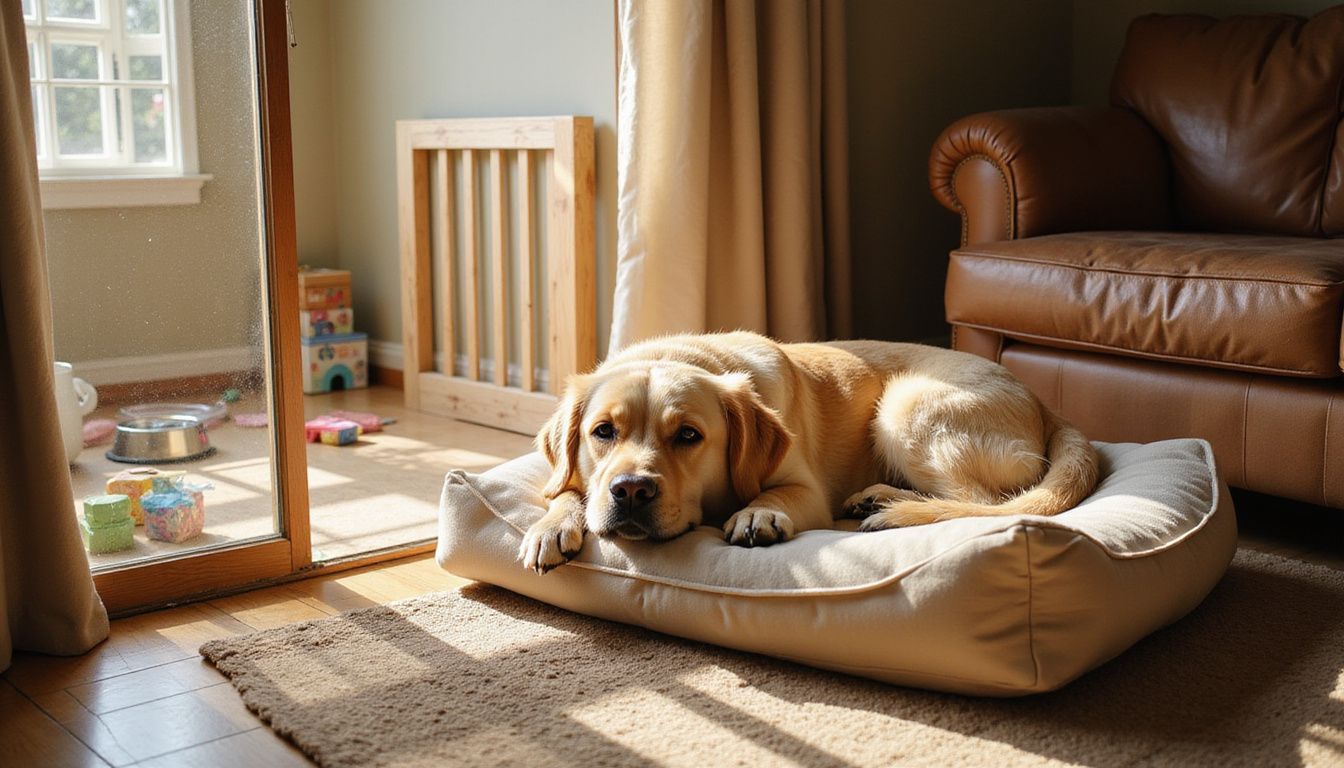
Supervision builds the foundation for safe interactions, but your dog also needs protected time away from the action. Clear boundaries around meals and rest keep stress low and your household running smoothly.
- Set up a designated eating zone where your dog eats alone, away from kids and foot traffic. An automatic feeder here can help keep mealtime on a consistent daily routine.
- Use gates to create a safe retreat area for your dog, an escape route during the busiest, loudest parts of the day.
- Teach kids never to disturb a sleeping dog. Waking a resting animal suddenly can startle it and trigger a defensive reaction.
- Set consistent rules for where your dog sleeps, eats, and plays. Clear expectations help the whole family understand where the lines are.
- Model calm behavior yourself, especially near your dog’s meals or rest spots. Kids copy what they see the adults around them doing.
- Keep kids away from the face, paws, and tail whenever your dog is eating or sleeping. Those spots feel vulnerable to a dog in that state.
- Feed your dog away from where the kids play or eat their own meals. Separation prevents resource guarding and mixed signals.
- Let your dog retreat to its safe space without interruption, any time it needs a break. Treat this boundary as non-negotiable.
Training Your Dog for a Family Environment
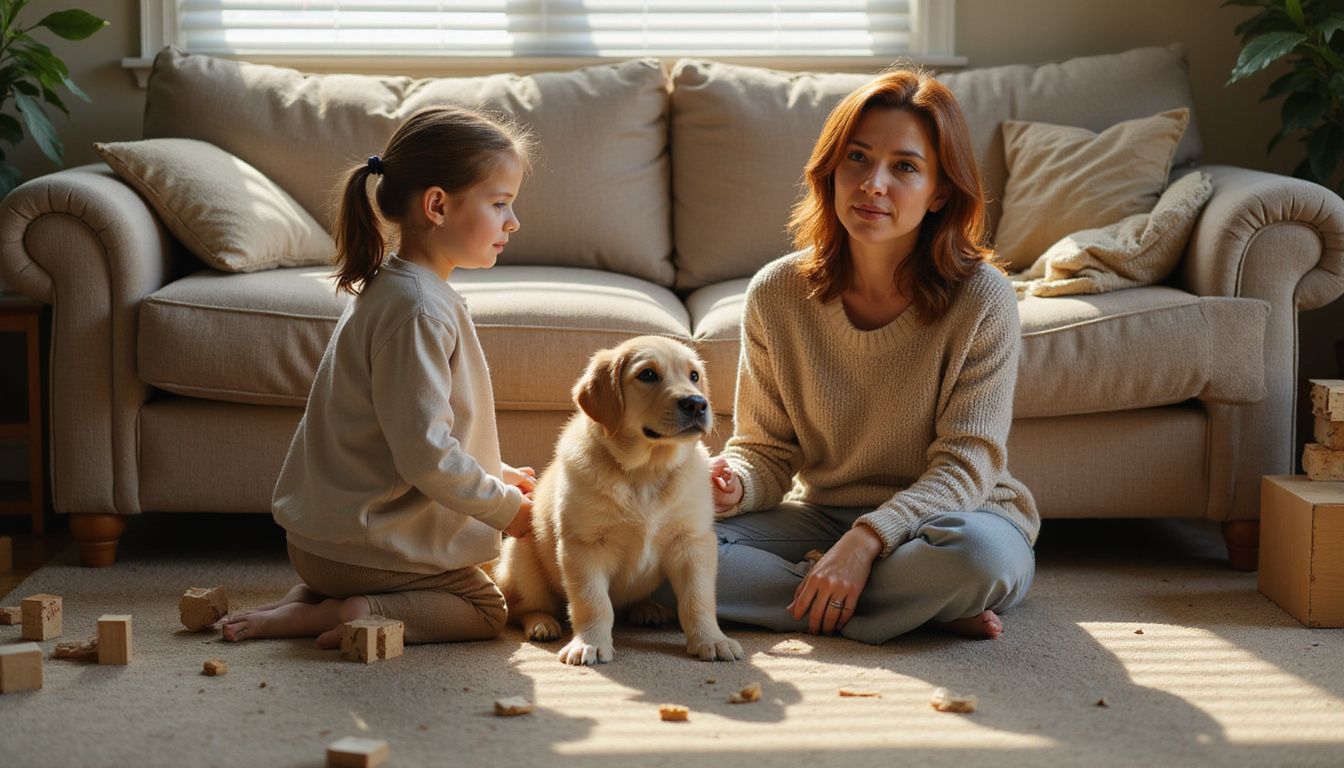
Training your dog opens the door to a calmer household where kids and pups genuinely coexist in peace. Keep reading to see how professional dog training classes and patient practice turn your new dog into a true family member.
How do I train my dog to feel comfortable around children?
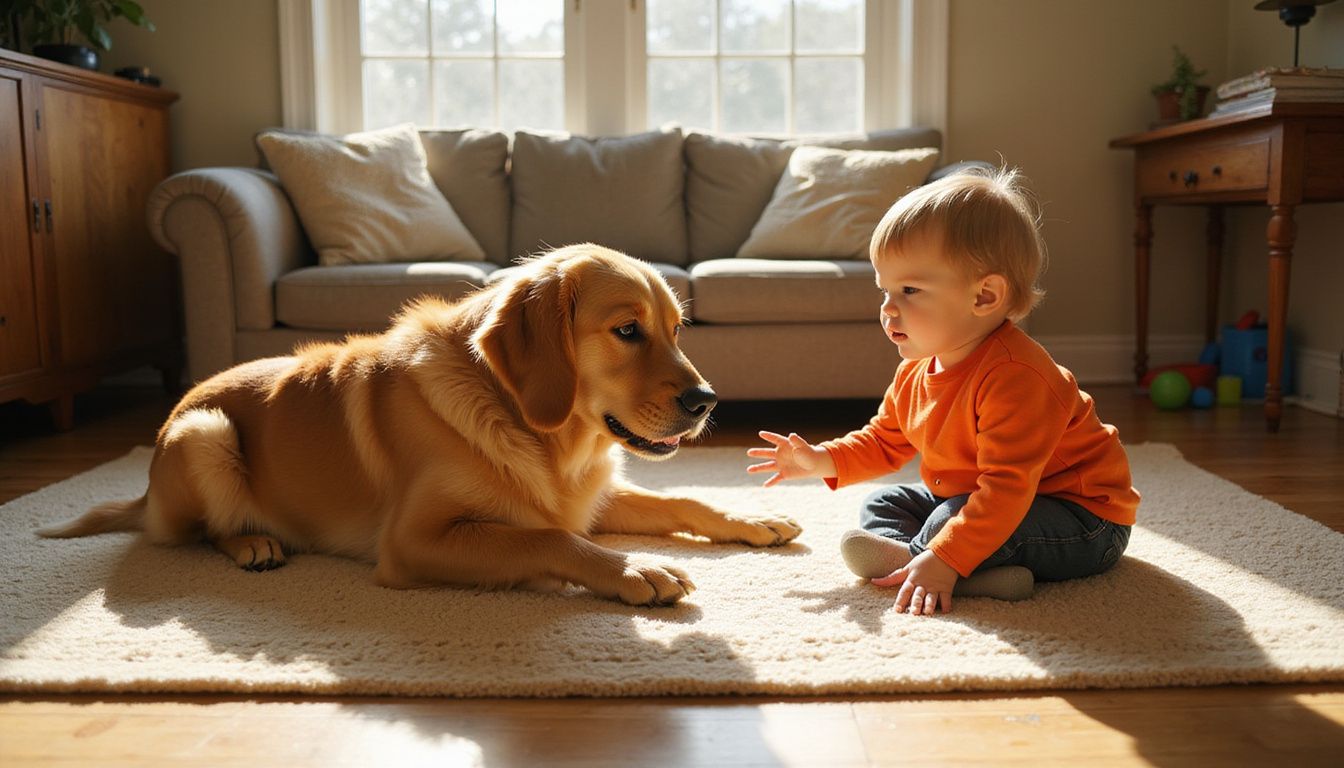
Thinking about adding a dog to your family? That’s exciting news. Getting your new companion comfortable around kids takes patience, practice, and the right approach.
If you’re bringing home a puppy, timing matters more than most people realize. The American Veterinary Society of Animal Behavior points out that a puppy’s critical socialization window closes for good around 14 to 16 weeks of age. After that point, new experiences, like loud, fast-moving kids, become much harder for a dog to adjust to. That’s why early, gentle exposure counts so much.
- Start socialization early with an adopted dog, especially one with prior experience around kids and other dogs, like the 11-month-old Maya Holtrop Sheets fostered before adopting.
- Shelter dogs sometimes carry past trauma, so move slowly and let your pup set the pace during introductions to your kids.
- Older dogs often show calmer behavior around children than younger pups do, which makes them a solid choice for households with children.
- Give your dog space at first. Kids should understand that pets need time to adjust and feel secure in a brand new home.
- Enroll your dog in professional training classes to build confidence and teach the obedience skills that matter around kids.
- Kids between 3 and 5 years old tend to understand puppies a bit better, which helps the overall training process and keeps everyone safer.
- Choose a responsible breeder or reputable pet adoption source, since well-socialized dogs adjust faster to family life and kids’ energy.
- Practice calm greetings where kids approach slowly and let the dog sniff their hands first, before any petting starts.
- Supervise every interaction between your dog and your kids so you catch stress signals early and prevent accidents.
- Set clear boundaries around meal times and rest periods. Your dog needs quiet zones where the kids know not to go.
What are the benefits of enrolling my dog in training classes?
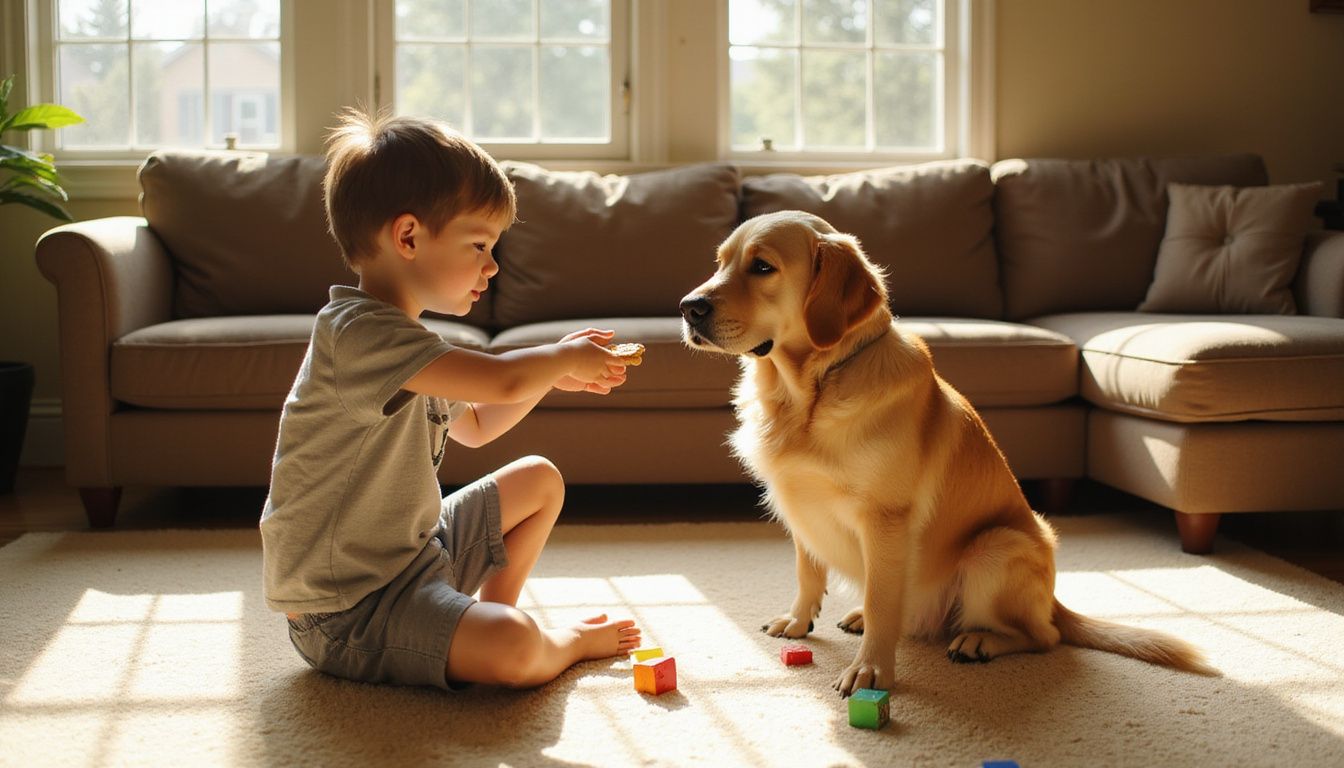
Training classes give your dog the tools to succeed in a home full of kids. Consistent commands create a shared language between your family and your pet. The American Kennel Club recommends classes for family dogs because they build a solid behavioral foundation from day one.
Your dog learns what you expect, and you learn how to communicate clearly back. Classes catch behavioral issues before they turn into serious problems, and that’s exactly what keeps dogs out of shelters. A 2022 data analysis on shelter returns published by Pupford found that roughly 96% of dogs relinquished to shelters had never gone through any formal obedience training. That single stat says a lot about how much a few weeks of classes can matter.
A trainer helps your dog settle into its new environment faster. Safe interactions happen naturally once everyone knows the rules, and your kids feel more confident around a dog that actually responds to commands.
Why Training Pays Off Long-Term
Enrolling in classes changes how your dog behaves at home for good. Your whole family agrees on the same training approach, so mixed signals never confuse your pet.
Animal behaviorist Patricia McConnell and other researchers in animal welfare circles have long pointed to training as the key to long-term companionship between dogs and families. A trained dog learns to stay calm during meals and rest time, and it learns to respect boundaries around kids.
Positive behaviors stick when you reinforce them again and again. The time you spend on training now pays off through years of peaceful coexistence, turning your dog into a true family member rather than just another animal in the house.
What are the signs of stress in dogs to watch for?
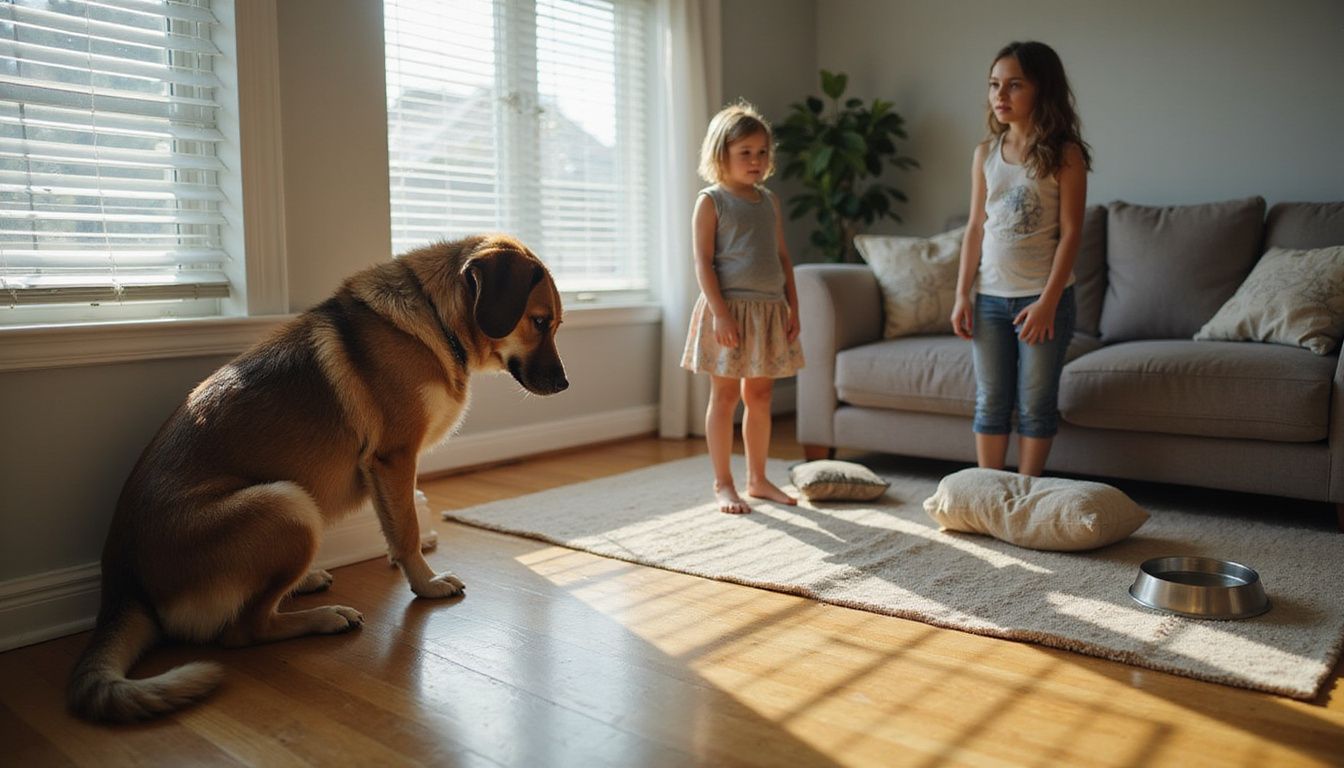
Your new dog will show stress signals you need to catch early. Learning these signs helps you protect both your dog and your kids.
- Lip licking or yawning with no food around signals that your dog feels anxious or uncomfortable right in that moment.
- Pacing back and forth repeatedly tells you your dog can’t relax or settle in your home yet.
- Heavy panting shows up when your dog feels stressed, even if the room feels cool.
- Ears pinned back against the head mean your dog feels scared or worried about something happening nearby.
- A tucked tail signals your dog wants to retreat and needs space from whatever is going on.
- Turning the head away and avoiding eye contact means your dog doesn’t want to engage with you or your kids right now.
- Destructive chewing or scratching often shows up when your dog feels anxious, especially after being left alone for a while.
- Hiding under beds or in corners means your dog needs time to adjust and deserves quiet space without disturbance.
Here’s the part parents often miss: kids can’t always tell when a dog needs space. According to a pediatric behavioral study published by the National Institutes of Health, children between 3 and 5 years old frequently read stress signals like lip licking, yawning, or a turned-away head as an invitation to play or hug the dog. That’s the opposite of what the dog is actually asking for.
That’s exactly why adults have to watch a dog’s body language closely, since young kids simply can’t spot the discomfort or fear their new pet might be showing.
Conclusion
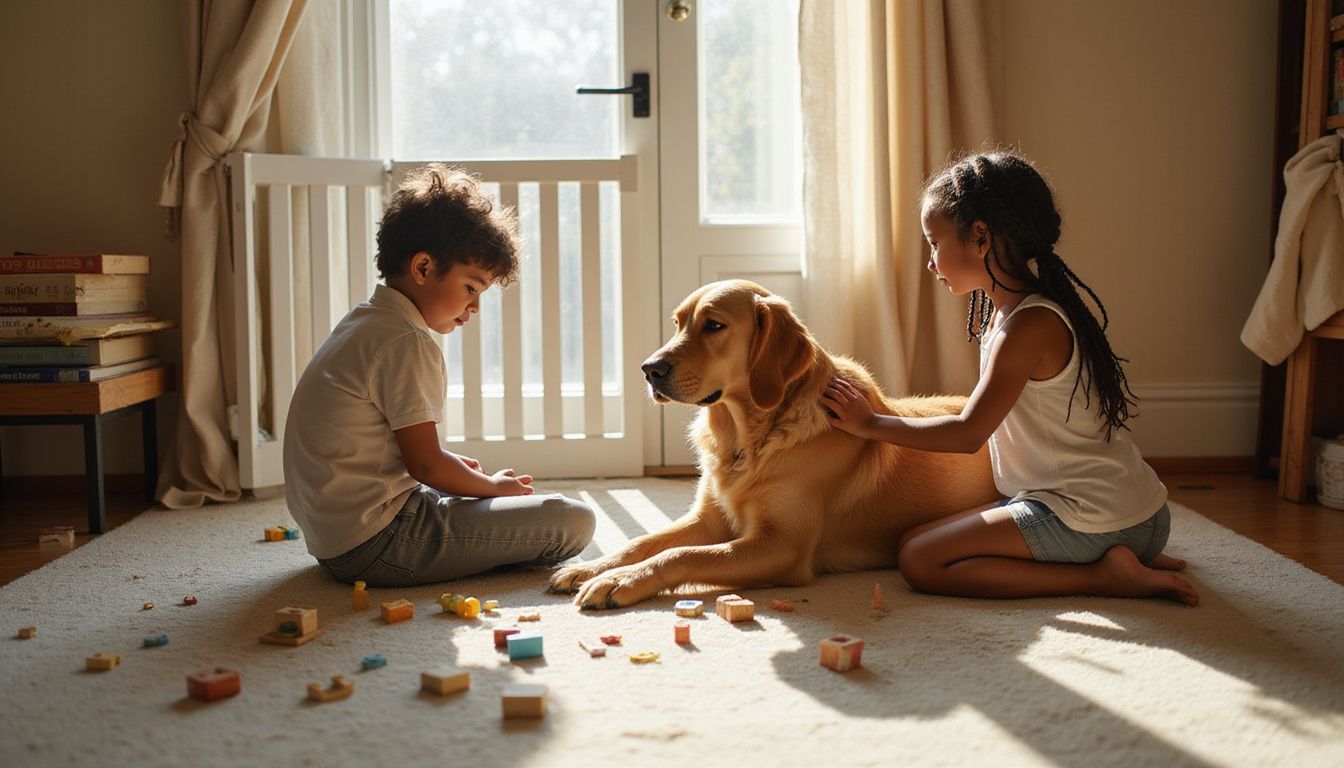
Bringing a dog into a home with kids takes preparation, patience, and clear boundaries.
The effort pays off once everyone learns to live together safely.
You now know how to pet-proof your space, teach your kids to read a dog’s signals, and spot the stress signs that mean your pup needs a break.
Training classes and steady supervision build the foundation for good interactions between kids and their new furry friend. Organizations like Paws Chicago, a no-kill shelter group, and other local animal care and control groups can help match your family with a dog that fits your energy level, whether that’s a calm older dog or a bouncy puppy.
Take action today. Walk through your home with fresh eyes, talk to your kids about dog safety, and reach out to a local shelter or a responsible breeder.
Built on respect and a little know-how, the bond between kids and dogs in households with children can turn into one of the best parts of family life.
FAQs
1. How do I know if a dog is safe around kids?
Look for calm, patient breeds like Golden Retrievers or Beagles, which the American Kennel Club consistently ranks as top family dogs. Groups like PAWS Chicago or your local animal care & control can help match you with a dog that’s been temperament-tested around children, but always supervise early interactions.
2. Should I adopt from a shelter or a breeder?
Pet adoption from a no kill shelter like PAWS Chicago is a great choice. You’ll often find dogs already health-checked and spayed or neutered, and you can browse adoptable pets on their Facebook page before you even log in to their site.
3. What safety gear do I need for car rides with a new dog?
A dog seatbelt or car barrier keeps everyone safe, since unrestrained pets can become dangerous projectiles in sudden stops. According to a 2023 study by the Center for Pet Safety, using a crash-tested harness reduces injury risk for both kids and dogs during car rides.
4. Do I need to get my dog spayed or neutered before bringing it home to kids?
Yes, spay/neuter surgery is highly recommended and helps reduce territorial or aggressive behaviors. Most shelters, including PAWS Chicago, complete this procedure before adoption so your dog is ready to come home.
5. What if I have questions after adopting my dog?
Reach out to your vet or a clinic like Lurie Clinic for guidance on health or behavior concerns. You can also create new account on your shelter’s website to access support resources, and if you forget your login, just use the forgotten account option with your email address or phone number to reset your password.