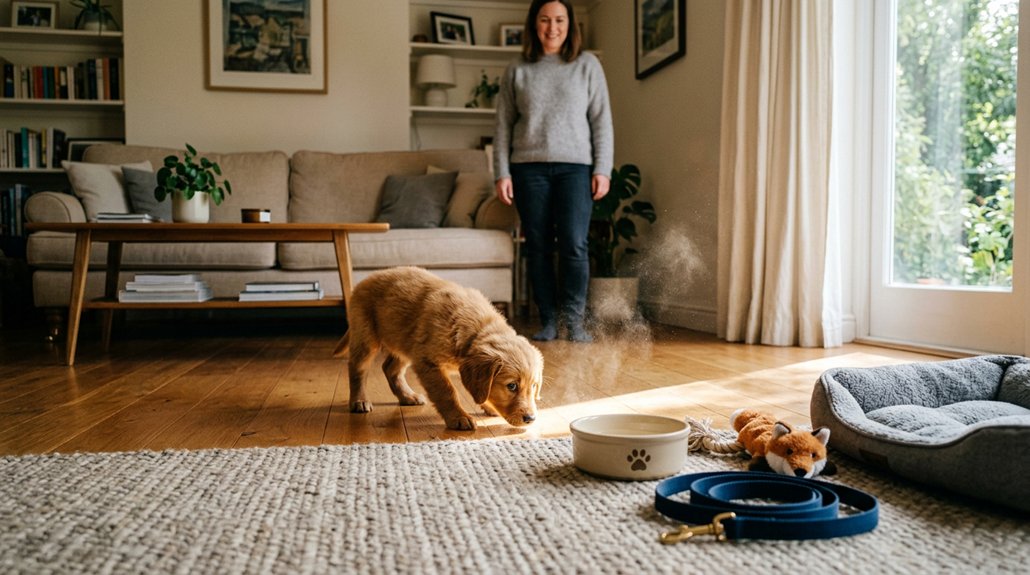
Before bringing a dog home, evaluate your lifestyle and family dynamics to guarantee compatibility with your new pet. Consider the financial commitment, as costs range from $1,000 to $2,000 annually. Prepare your home by identifying hazards and selecting proper supplies like food, grooming tools, and a first-aid kit. Establish a consistent routine with feeding and exercise to ease adaptation. This thorough consideration guarantees a smooth changeover and supports a healthy environment for your dog, enhancing your bond further.
Key Takeaways
- Evaluate household lifestyle, schedule, and family dynamics for compatibility with a new dog’s needs.
- Prepare for the annual financial commitment ranging from $1,000 to $2,000, including initial and ongoing expenses.
- Ensure house safety by removing hazards like toxic plants and securing areas to prevent chewing and accidents.
- Establish stable routines for feeding, potty breaks, and play to facilitate adaptation and manage separation anxiety.
- Prioritize training and socialization for emotional support, confidence building, and positive behavior reinforcement.
Assess Your Lifestyle for a New Dog
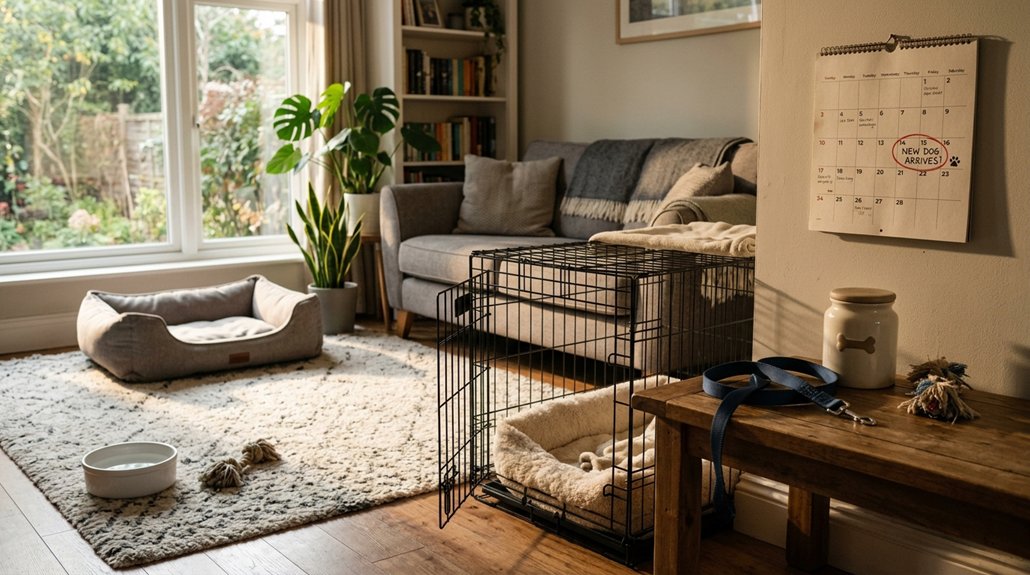
Evaluating your lifestyle is a vital first step in welcoming a new canine companion into your home. Consider your daily schedule for integrating regular walks, feeding, and training expectations necessary for a harmonious coexistence. Breed characteristics play an essential role in adaptation, determining the compatibility of your living space with the dog’s size and activity needs. For instance, a high-energy breed like a Border Collie demands consistent mental and physical stimulation, whereas a Bulldog might find apartment living more suitable. Analyze your activity level; an athlete may thrive with an energetic breed, while a sedentary individual might prefer a calm companion. In addition, examine family dynamics, ensuring chosen breeds align with children’s or other pets’ temperaments to establish a balanced household.
What Will Pet Ownership Really Cost You?
Understanding the financial commitment of dog ownership is essential before making the decision to bring a furry friend into your home. The average annual cost can vary widely, from $1,000 to $2,000, influenced by breed and health needs. Initial expenditures may total $500 to $1,500, covering purchase, vaccinations, and spaying/neutering. Monthly costs average $80 to $150 for quality food and regular veterinary care. However, hidden costs can arise, such as unexpected medical emergencies, with vet visits ranging from $50 to $400, and surgeries requiring thousands. Consider budgeting tips: allocate funds for non-essentials like training and pet sitters, which elevate your financial responsibility. Having a robust financial plan guarantees you’re fully prepared for all aspects of responsible pet ownership.
Prepare Your Home for a Curious Canine
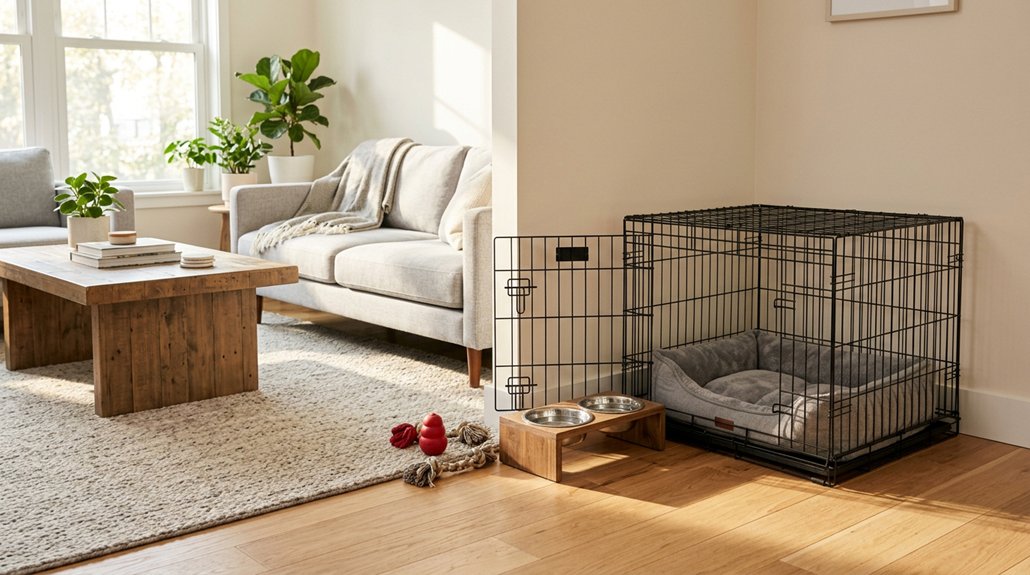
To guarantee your new dog’s safety, assess your home meticulously, beginning with identifying and mitigating hazards like unsecured electrical cords and toxic plants. Strategically implement chew-proofing strategies by using durable materials to protect vulnerable furniture and install childproof locks on cabinets containing toxic substances. Conduct thorough outdoor hazard checks by reinforcing fences and securing potentially hazardous areas to prevent accidents and guarantee your pet’s well-being.
Home Safety Essentials
When welcoming a new dog into your home, prioritizing safety with a few key adjustments will guarantee a smooth changeover. Begin with dog proofing techniques by evaluating your environment from their perspective. Remove hazardous items like cleaning chemicals and electrical cords. Utilize safety gadgets such as cord concealers and outlet covers to mitigate electrical risks. Make certain toilet lids are closed to prevent exposure to harmful substances. Also, secure outdoor spaces by inspecting fence integrity and eliminating climbing hazards. Indoors, minimize choking dangers by securing bags, wrappers, and small objects that might be knocked by a playful tail. Additionally, prevent burns or ingestion issues by relocating lit candles and ashtrays to unreachable areas. These strategies create a safe home for your curious canine.
Chew-Proofing Strategies
While preparing your home for a new dog, ensuring chew-proofing is an essential aspect of creating a safe environment. Implement chew prevention techniques by establishing boundaries with a dog crate or X-pen, effectively controlling your dog’s access to restricted zones and safeguarding your valuable possessions. Conduct a thorough assessment of potential chew hazards, eliminating threats such as electrical cords and unsecured small objects. Strategic toy selection is pivotal; invest in durable, chew-specific toys. Consider treat-stuffed options like Kongs to positively redirect your canine’s natural chewing instincts. Cultivating a structured routine enriched with exercise and mental activities can greatly mitigate boredom-related destructive behaviors. Promptly redirect inappropriate chewing to designated toys to cement healthy chewing habits, protecting your home and your dog’s wellbeing.
Outdoor Hazard Checks
Before letting your curious canine roam freely in the yard, it’s essential to conduct a thorough outdoor hazard check to protect their wellbeing. First, inspect the yard’s fence integrity; confirm there are no gaps or weak points that might permit an adventurous escape. Consider climbing hazards as well—remove anything near fences or walls that a determined dog could utilize to breach the perimeter. Additionally, identify and eliminate poisonous plants, such as azaleas or lilies, which pose a toxicity risk. Safeguard health by storing outdoor chemicals, like antifreeze or pesticides, securely away from canine access. Also, trash cans should be tightly sealed to prevent scavenging that might lead to the ingestion of harmful substances. Your diligence is vital for a safe environment.
Choose the Right Supplies and Equipment
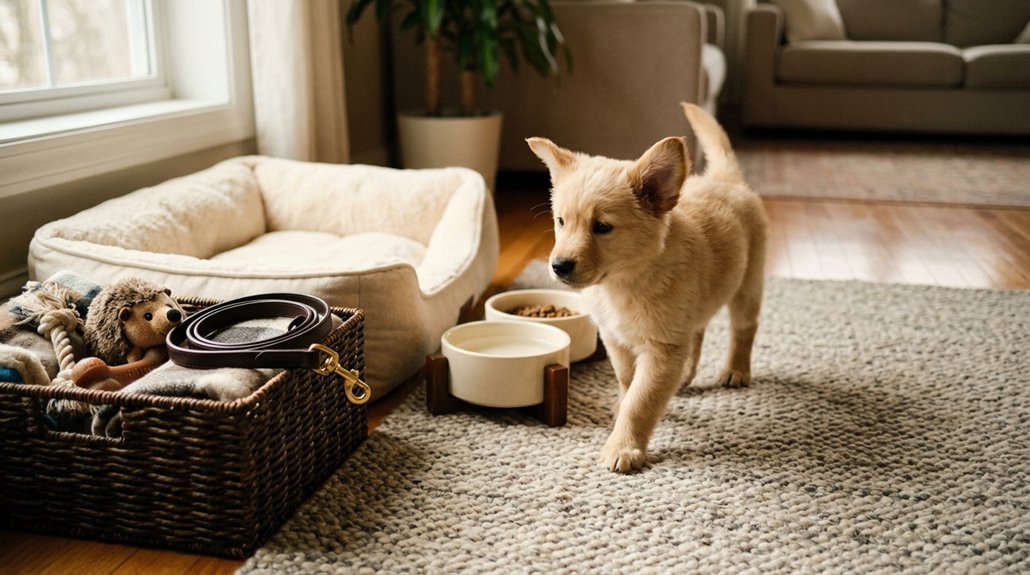
Bringing a dog home necessitates thorough preparation, beginning with acquiring essential supplies tailored to your new dog’s needs. Prioritize selecting high-quality dog food suited to your dog’s breed, age, and health needs to guarantee ideal nutrition. Secure grooming supplies including brushes, shampoo, and nail clippers to maintain coat health and hygiene. Key equipment includes a properly sized crate, food and water bowls, and a collar with an ID tag.
Preparation is key: Select quality dog food and grooming supplies, and secure essential equipment for your dog’s well-being.
- Invest in a durable leash and comfortable dog bed to provide security and rest.
- Opt for durable toys to stimulate your dog physically and mentally.
- Prepare a pet first-aid kit with medical essentials and your veterinarian’s contact details.
Equipping yourself with these items establishes a practical foundation for your dog’s well-being.
Ensure a Safe, Fun Yard
When creating a safe environment for your new dog, understanding the potential risks in your yard is vital to their health and security. Start by inspecting your fencing materials for any gaps or weak spots. Eliminating climbing obstacles, like low tree branches or furniture, is essential to prevent unintended escapes. Address outdoor safety by identifying and removing any toxic plants, as ingestion can be detrimental to your dog’s health. Make sure that water hazards such as pools and ponds are securely fenced to avoid the risk of accidental drownings. Additionally, fortify trash security by using tight-fitting lids on trash cans to prevent scavenging. By proactively addressing these elements, you create a secure and enjoyable environment for your canine companion.
Manage Your Dog’s First Weeks Home
Establishing a consistent routine from the outset is essential for your dog’s sense of security and emotional well-being, mitigating the risk of separation anxiety. Focus on structured feeding schedules, regular potty breaks, and timed play sessions to impart predictability in their daily life. Gradual socialization is critical; introduce your dog to new people and environments incrementally, ensuring these interactions are calm to enhance their comfort and confidence.
Establishing Routine Early
A structured routine is essential for helping your new dog acclimate effectively and feel secure in their new home. Establishing consistency is paramount; it aids in acclimation and minimizes confusion. Despite this, schedule flexibility is vital to accommodate both your needs and your pet’s natural rhythm. Begin by incorporating defined times for feeding, exercise, and potty breaks:
- Implement multiple daily potty breaks post-meals and naps to prevent accidents indoors.
- Schedule brief, positive training sessions to promote good behavior and strengthen the bond.
- Include regular playtime to alleviate stress and foster trust.
Gradually introduce your dog to household routines, like quiet time and walking schedules, ensuring they feel stable and secure. This careful structuring fosters a supportive environment, promoting overall canine well-being.
Addressing Separation Anxiety
As you welcome your new dog into your home, it’s essential to address potential separation anxiety effectively during their initial weeks. Gradually increase the duration of alone time to help mitigate separation signs. Establish a designated safe space, like a crate, where they feel secure. Utilize high-value treats or engaging toys, such as stuffed Kongs, to employ positive reinforcement strategies, fostering constructive associations with solitude. Additionally, ambient solutions like calming music or white noise can buffer external stimuli, preventing anxiety escalation. Persistent distress indicators, including barking or destructive behavior, necessitate professional intervention. Consulting a behaviorist guarantees access to tailored therapeutic modalities that align with your dog’s specific anxiety profile, securing their emotional well-being throughout the pivotal adjustment period.
Prioritizing Socialization Activities
When you bring your new dog home, prioritizing socialization activities during the initial weeks is essential for long-term behavioral health. Gradual exposure to varied stimuli mitigates fearfulness and enhances confidence. By employing positive reinforcement, you encourage desirable behaviors, making new puppy experiences both enjoyable and impactful.
Consider these structured activities:
- Introduce a diverse array of people and environments: This helps your dog acclimate and reduces anxiety over time.
- Schedule playdates with well-mannered, vaccinated dogs: They not only learn canine body language but also enjoy controlled social interactions.
- Participate in puppy socialization classes: Such settings offer professional guidance, ensuring your pup acquires robust social skills.
Monitor your dog’s emotional responses carefully and allow them to engage at their own pace, avoiding overwhelm.
Frequently Asked Questions
What Is the 3-3-3 Rule When Getting a New Dog?
The 3-3-3 rule outlines essential adjusting behavior and socialization stages for new dogs: three days of acclimation, three weeks revealing true personality, and three months for secure settling, requiring patient and health-focused support from new owners.
Where Should a Puppy Sleep the First Night You Bring Them Home?
On the first night, your puppy should sleep in a crate with soft bedding in a quiet area, preferably your bedroom. This setup fosters security and comfort, essential for health by mitigating separation anxiety and ensuring restful sleep.
What Is the 10 10 10 Rule for Dogs?
Imagine walking a lively Labrador, its energy infectious. The 10-10-10 rule balances immediate breed characteristics, short-term socialization importance, and long-term behavioral nuances, guiding your training techniques and health-focused commitment over a decade.
What Is the 7 Second Rule for Dogs?
The 7 Second Rule involves observing dog behavior during introductions. Essential for training basics and socialization skills, it supports evaluating health needs and breed selection, ensuring lifestyle compatibility. Recognize stress signals early to foster positive experiences.
Conclusion
So, you’re ready to invite chaos and furry love into your perfectly peaceful life? Great choice! Remember, the initial charm of puppy eyes quickly fades when your flawless carpet becomes a canvas of canine creativity. You’re investing in a four-legged fitness coach and organic home security system, not a fluffy toy. As you unearth supplies, verify they’re as indestructible as your patience. Welcome to pet parenthood, where sleep is optional and love unconditional!