
Choosing the right age for a dog depends on your lifestyle and resources. Puppies require intense engagement for training, while young dogs need substantial exercise. Adults offer a balanced routine ideal for first-time owners. Mid-adults bring playful yet calm companionship, making them suitable for busy households. Seniors provide emotional stability with minimal demands, perfect for those seeking gentle affection. Understanding these stages can guide you toward the best canine companion that fits your life seamlessly. Explore further to find your perfect match.
Key Takeaways
- Puppies require intensive training and supervision, ideal for those ready to commit significant time for socialization and development.
- Young dogs need high energy activities and consistent training, suitable for active individuals or families with time for daily exercise.
- Adult dogs offer manageable energy levels and pre-training, fitting well into various lifestyles, including for first-time dog owners.
- Mid-adult dogs blend playfulness and calmness, perfect for families seeking easy integration with children.
- Senior dogs provide stable, low-maintenance companionship, ideal for those desiring a loving pet with minimal exercise needs.
What Are the Different Life Stages of Dogs and Which Is Right for You?
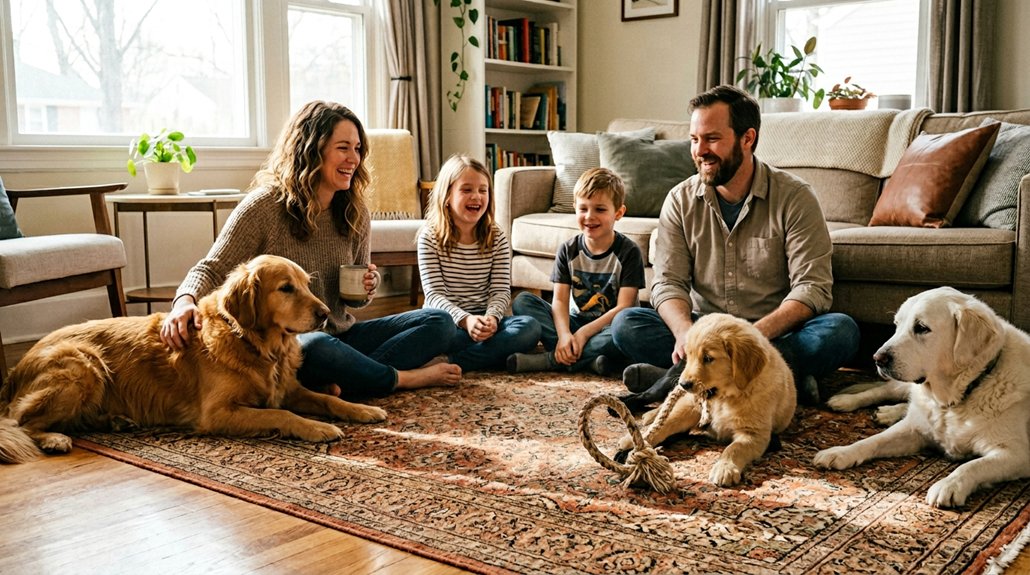
Selecting the right life stage of a dog for your lifestyle involves understanding distinct developmental phases, each presenting unique demands and benefits. Dog lifespan varies considerably with breed differences, influencing your choice. Puppies, for instance, require ample time for training and socialization, aligning only with those committed to this intense developmental stage. Adolescents, aged 1 to 3 years, thrive on exercise, suiting active individuals or families. In contrast, adult dogs, aged 4 to 6 years, often come pre-trained, simplifying management, an ideal fit for first-time owners. Mid-adults, between 7 to 9 years, balance companionship with moderate exercise. Finally, senior dogs, over 10 years old, offer calm camaraderie, perfect for those valuing nurturing over activity. Choose wisely, considering energy and lifespan.
How to Know if Your Family Is Ready for a Dog
How can you determine if your family is truly prepared to welcome a dog into your home? Begin by evaluating your family’s lifestyle and time commitment, as dogs require daily exercise, training, and socialization. It’s essential that all family members are on board and ready to share pet responsibilities, fostering a supportive atmosphere. Evaluate your living environment’s safety, guaranteeing secure areas and minimal hazards for both pets and children. Financial readiness is also significant; establish a budget for veterinary care, food, and supplies, which will accumulate over time. Reflect on your children’s ages, as younger families might manage better once children are around five years old, thereby balancing the demands of a dog and child more effectively. Prioritize overall pet readiness to guarantee a harmonious household.
Understand Puppies: Establish a Strong Foundation
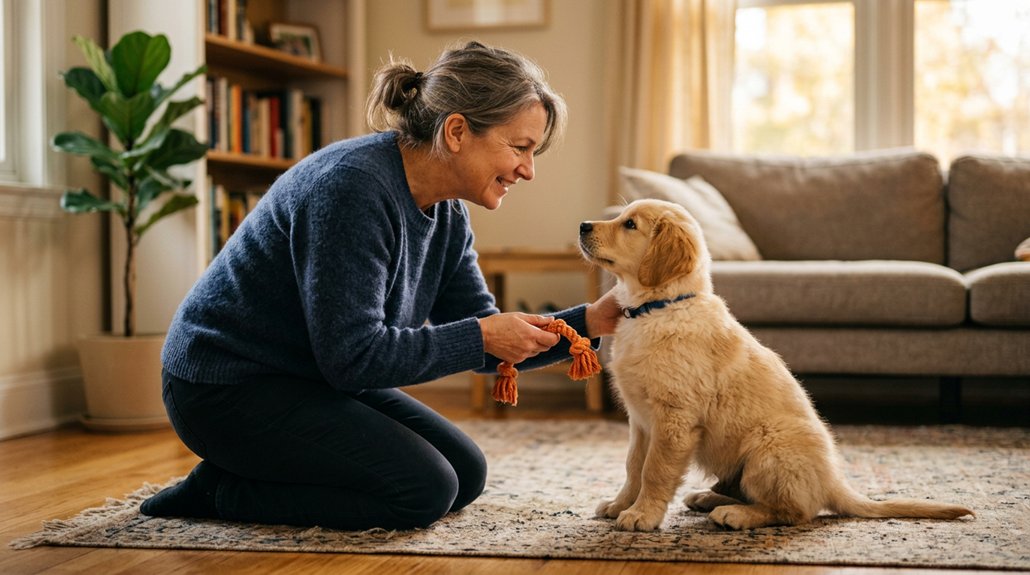
When choosing a puppy, you must be prepared for the substantial commitment required during their critical socialization period, particularly within the first twelve weeks. Clinical evidence shows that early experiences greatly influence a puppy’s behavior and personality, emphasizing the importance of fostering positive interactions and diverse environments. Without these, there’s an increased risk of developing lifelong fears or anxiety, underscoring the importance of early development challenges and proactive socialization efforts.
Commitment and Socialization Needs
Though bringing a puppy home can be an exciting milestone, it demands significant commitment to their training and socialization, especially during the first twelve weeks, a period crucial for their behavioral development. During this phase, puppy training and effective socialization strategies are essential. Exposing your puppy to diverse environments, people, and stimuli can markedly reduce the likelihood of future anxieties. Supervision around small children is important to prevent accidental injuries due to puppies’ sharp teeth and exuberant play. As teething puppies often resort to damaging household items, consistent guidance helps instill acceptable behaviors. Investing time in these early stages sets the groundwork for a well-adjusted adult dog. Such dedication pays off in a lifetime of rewarding companionship.
Early Development Challenges
Establishing a strong foundation during a puppy’s early development is essential, as the experiences and interactions they encounter can have lasting impacts on their behavior and temperament. Early training and socialization in the first twelve weeks are important to prevent puppy anxiety and future behavioral problems. This phase, known as the critical socialization period, requires structured exposure to diverse environments. Negative experiences can cause lifelong issues if not addressed immediately. Puppies should stay with their mother until they’re at least eight weeks old to develop essential social skills and bite inhibition. The commitment to initial training and appropriate socialization efforts plays a profound role in shaping your puppy’s long-term disposition, emphasizing how vital these early months are for successful canine development.
Managing High-Energy Juvenile Dogs
To effectively manage high-energy juvenile dogs, you must prioritize daily exercise routines to prevent behavioral issues and guarantee ideal health. Steering through behavior challenges requires a consistent approach to training and activities, fostering a balanced energy level and reducing frustration for both you and your dog. Additionally, embedding proper socialization into your routine is essential, as it mitigates potential fear and anxiety, leading to a well-adjusted adult dog.
Maintaining Daily Exercise Routine
When managing high-energy juvenile dogs, ages one to three, it’s essential to establish a consistent exercise routine that spans at least 60 to 120 minutes daily. Effective exercise routines, such as daily walks, hikes, or interactive play sessions, serve as important energy outlets. By providing consistent stimulation, including training or agility exercises, you help foster your dog’s physical and mental well-being while preventing behavioral issues that may occur due to pent-up energy. It’s important to remember that after exercise, juvenile dogs need time to calm down. Therefore, allocate extra time for a cool-down period. The table below outlines suggested activities and their duration.
| Activity | Time Per Session | Frequency |
|---|---|---|
| Daily Walks | 30-45 minutes | Once or twice |
| Off-leash Play | 20-30 minutes | Daily |
| Agility Exercises | 15-20 minutes | 1-2 times/week |
| Training Sessions | 10-15 minutes | 3-5 times/week |
| Cool-down Period | 15 minutes | Post-exercise |
Navigating Behavior Challenges
Although managing high-energy juvenile dogs can be challenging, understanding their behavioral intricacies is key to successful training and integration into your lifestyle. Effective energy management requires significant daily exercise and mental stimulation to prevent boredom and destructive behaviors. Incorporating interactive activities like agility training or puzzle toys can provide the necessary mental engagement and physical exercise. Establishing a consistent training routine with obedience and relaxation exercises is essential. This approach helps address hyperactivity and difficulties in settling down. Be vigilant about their responses to commands and social interactions to tailor your training efforts effectively. Remember, a second fear period might occur between 6-14 months, warranting careful exposure to new stimuli to avoid fostering lasting fears or anxiety.
Ensuring Proper Socialization
For those managing high-energy juvenile dogs, it’s crucial to embed proper socialization into their daily routine to avert behavioral challenges down the line. Utilizing effective socialization strategies and ensuring fear prevention begin by recognizing the importance of continuous exposure during the critical developmental stage of 10 weeks to 2 years.
- Exercise: High-energy dogs need significant daily activity to curb destructive behavior.
- Socialization Opportunities: Engage in classes, dog parks, or safe outings to cultivate a well-adjusted companion.
- Positive Interactions: Encourage encounters with other dogs and people to prevent anxiety later in life.
- Training Activities: Incorporate mentally stimulating exercises for smoother adulthood shift.
Tailoring your efforts to these areas helps build a confident, socially adept adult dog.
Why Adult Dogs Are Great for First-Time Owners
If you’re a first-time pet owner, choosing an adult dog can be a wise decision due to their typically manageable nature. Adult dogs, often house-trained, simplify your changeover with less focus on training methods. Their energy levels have moderated post-puppy phase, aligning with various lifestyles and exercise needs. This age group is ideal for fitting less demanding daily routines and allows for bonding activities that blend with your pace.
Furthermore, their established temperament assessment aids compatibility within different family dynamics. Adult dogs display adaptability factors that are advantageous for versatile living arrangements. With these qualities, they offer companionship that doesn’t overwhelm your schedule or require extensive supervision. Consequently, first-time owners find adult dogs suitable for smoother integration into everyday life.
Why Mid-Adult Dogs Make Wonderful Family Members
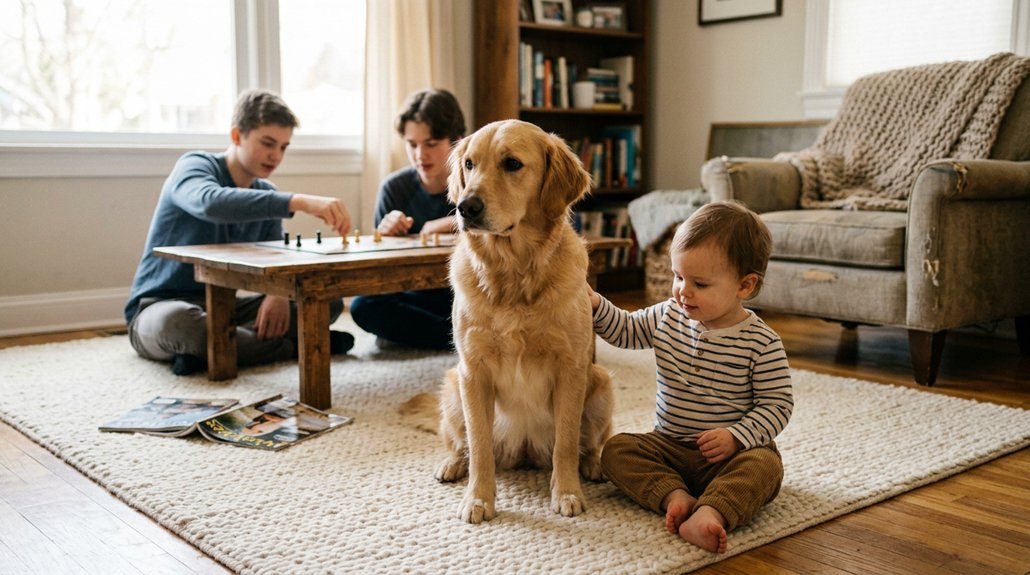
Given their balanced energy levels and existing training, mid-adult dogs make wonderful family members. These dogs, ranging from 7 to 9 years old, provide an ideal mix of playfulness and calmness, suitable for families with various demands. Here’s why you should consider welcoming a mid-adult dog into your home:
Mid-adult dogs, aged 7-9 years, offer ideal playfulness and calmness for diverse family needs.
- Mid Adult Energy: Striking a perfect balance between playtime and relaxation, they are great for family outings and quiet evenings alike.
- Established Training: Often house-trained with basic obedience skills, they ease the adjustment for new owners.
- Calm Demeanor: Less hyper than younger dogs, they fit seamlessly into busy households, especially those with children.
- Emotional Connection: Their quick bonding capabilities and appreciation for a stable environment enhance family cohesion.
The Unique Joy of Having Senior Dogs
While age might suggest slowing down, senior dogs offer unique joys and multifaceted benefits that can greatly enrich your home environment. These mature companions, typically over 10 years old, provide senior companionship that’s both enriching and comforting. They excel in forming emotional bonds, often due to their capacity for gratitude and appreciation of stability from challenging pasts. You’ll find them ideal if you’re looking for a less demanding pet, as their exercise needs are usually lower, fitting well with various lifestyles. Having a senior dog means embracing a fulfilling relationship during their twilight years, rewarding you with unwavering loyalty and affection. It’s an opportunity to provide love and care when they need it most, enhancing your life profoundly.
Find the Best Dog Age for Your Lifestyle
How do you decide the best dog age for your lifestyle? Start by evaluating lifestyle compatibility and finding the right breed. Each life stage presents unique challenges and benefits. Consider the following:
Choosing a dog age starts with aligning your lifestyle with the unique benefits each life stage offers.
- Puppies (up to 1 year): Need significant time for socialization and house-training. Ideal for those ready for intense engagement.
- Young dogs (1 to 3 years): High energy requires regular exercise. Suitable if you can accommodate a demanding schedule.
- Adult dogs (4 to 6 years): Typically house-trained with moderate energy. Fits well for first-time owners desiring a low-maintenance pet.
- Senior dogs (10+ years): Offer loving companionship and minimal activity needs, perfect for those ready to provide stability in their later years.
Choose an age that aligns with your lifestyle for mutual fulfillment.
Frequently Asked Questions
What Is the 3-3-3 Rule With Dogs?
The 3-3-3 rule outlines puppy adjustment and integration phases: three days for initial anxiety, three weeks to reveal personality, and three months for routine stability. Senior care needs patience during longer adjustment periods.
What Is the Most Difficult Age for a Dog?
The most difficult age for a dog is typically the juvenile to adolescent stage, around 10 weeks to 2 years, due to puppy challenges and behavioral issues, needing more commitment than senior care with proper socialization and training.
How Do You Say “I Love You” in Dog Speak?
Actions speak louder than words, and in dog communication, expressing love involves understanding canine affection. You’ll see it when they wag tails, lean against you, make soft eye contact, or offer gentle licks. These actions reveal their bond.
What Annoys Dogs the Most?
Dogs find loud noises, unfamiliar scents, and sudden movements particularly annoying. A lack of space, inconsistency in behavior, and harsh training can further stress them, leading to anxiety and behavioral issues. Consistency and routine are key.
Conclusion
Bringing a dog into your life isn’t just a choice; it’s a transformative journey. So, which age fits your lifestyle best? The playful energy of a puppy? The adventure with a juvenile? The stability of an adult? Or perhaps the wisdom of a senior? Each stage offers distinct joys and challenges. With careful thought and understanding, this decision holds the key to an enriching, life-altering chapter. Are you ready to discover it? Choose wisely. Choose life-changingly.