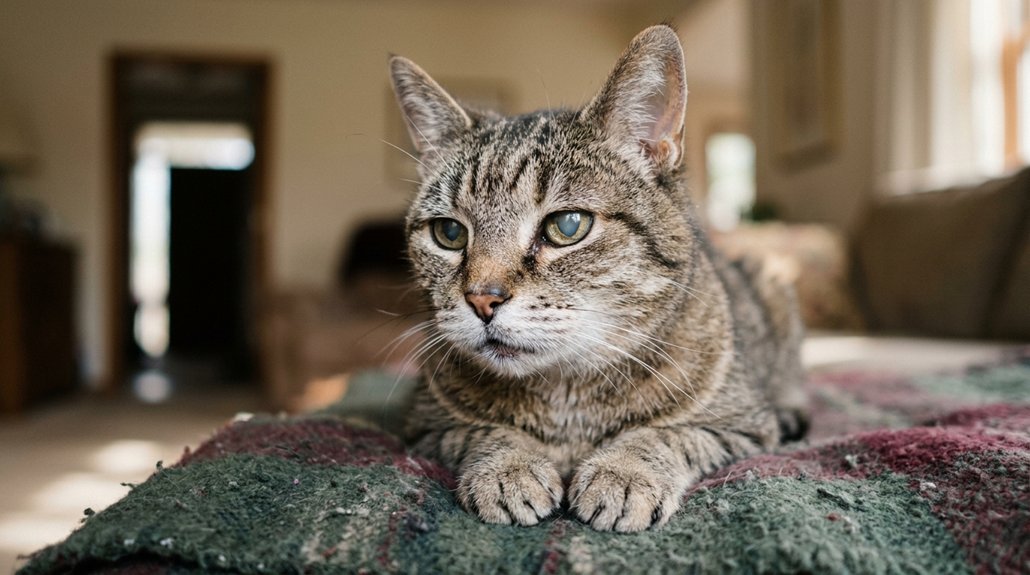
If your cat’s sleeping considerably more than usual, showing reluctance to play, or struggling with mobility, these may signal accelerated aging. Rapid weight changes or declining dental health…

Cat Behavior
How to Introduce a Cat to a Dog Safely
To safely introduce a cat to a dog, create separate, secure spaces while managing initial interactions. Monitor body language for stress signals and use scent familiarization techniques to…

Cat Adoption
Signs You’re Ready for Cat Ownership
You’re ready for cat ownership if you understand the need for a consistent routine involving feeding, grooming, and playtime to guarantee your cat’s well-being. Budgeting for vet bills,…

Kittens
What to Do When Your Kitten Acts Out
Your kitten’s misbehavior is a normal part of their growth process. It’s essential to understand the underlying causes, like lack of stimulation or stress. Redirect unwanted actions with…

Living with Cats
How Living With a Cat Changes Your Routine
Living with a cat reshapes your routine considerably. You’ll need structured feeding schedules to support your cat’s digestive health and emotional stability. Regular playtimes engage their hunting instincts…

Cat Breeds
How to Choose a Cat Breed for a Multi-Pet Household
When selecting a cat breed for a multi-pet household, focus on sociability, adaptability, and compatibility. Prioritize non-territorial breeds like Ragdolls or American Shorthairs for easier integration with existing…
Cat Health & Wellness
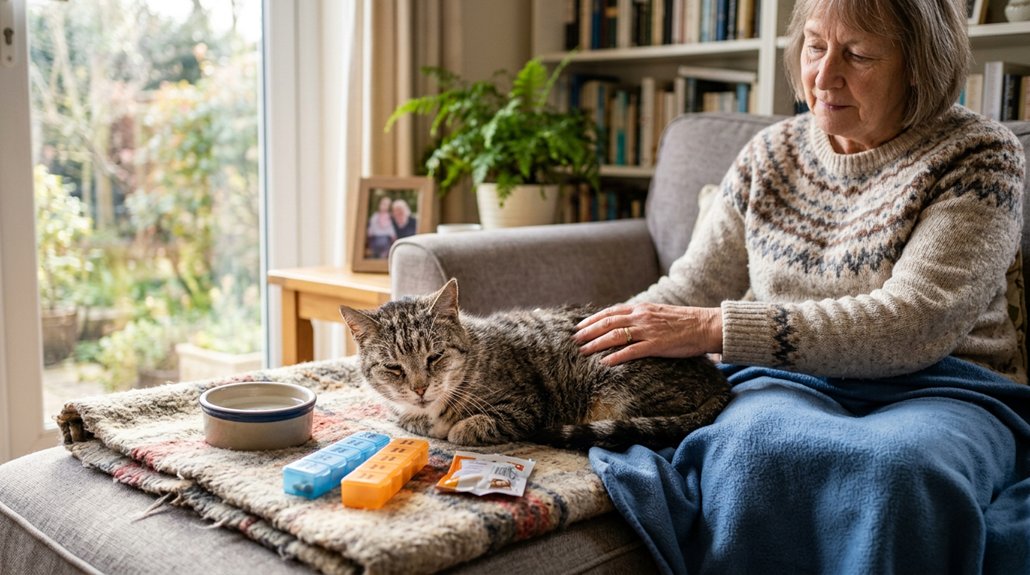
How to Care for a Senior Cat at Home
Caring for a senior cat involves tailored strategies to accommodate their changing needs. Regular grooming and accessible environments prevent discomfort and mobility issues. Diet and hydration adjustments, like…

Cat Behavior
How to Introduce a Cat to Other Cats Without Fighting
To introduce a new cat to your existing cats without fighting, start by isolating the newcomer with familiar items to reduce stress. Use scent exchange techniques with bedding…

Cat Adoption
Are You Ready to Adopt a Cat? Key Questions to Ask
Consider if you’re ready for the commitment of up to 20 years caring for a cat, including daily feeding, grooming, and veterinary visits. Can you financially handle costs…
Kittens
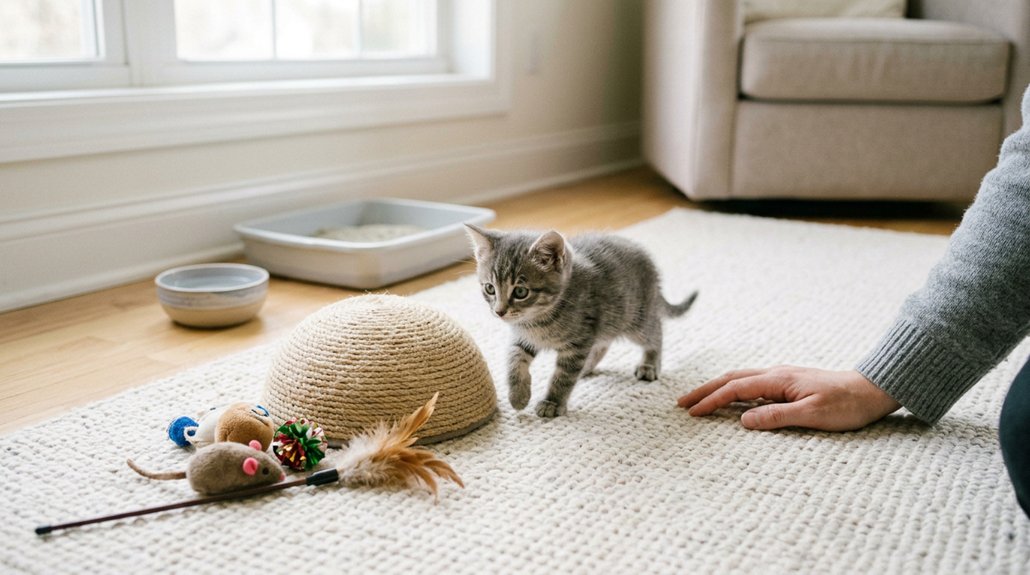
How to Avoid Overwhelming a New Kitten
To prevent overwhelming a new kitten, establish a cozy, secure space with hiding spots, and kitten-proof it for safety. Implement consistent routines for feeding, play, and rest, allowing…

Living with Cats
What New Cat Owners Struggle With at Home
As a new cat owner, you might grapple with your cat’s initial stress responses, such as hiding, reduced appetite, and increased vocalization. Creating a calm and safe environment…

Cat Breeds
Cat Breeds That Are Good With Other Pets
If you’re looking for a cat breed that gets along well with other pets, consider options like Maine Coons, Ragdolls, Siamese, Burmese, and Birmans. These sociable breeds are…
Cat Health & Wellness
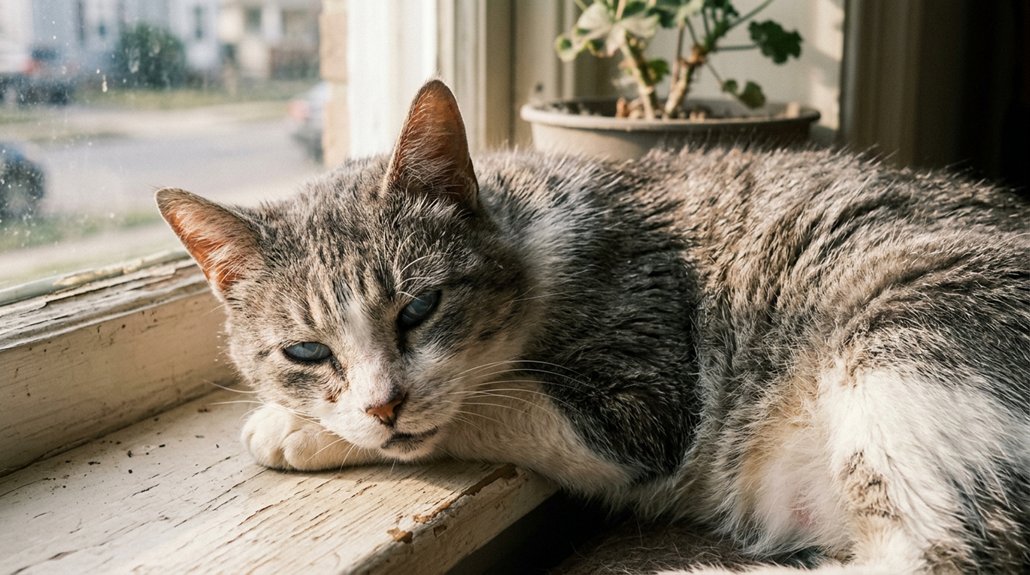
Common Health Issues in Older Cats
As your cat ages, expect common health concerns such as arthritis, kidney disease, obesity, and dental issues. Regular veterinary check-ups every six months are essential for early detection…

Cat Behavior
How to Set Up a Litter Box the Right Way
To set up a litter box correctly, guarantee it’s 1.5 times your cat’s body length, opting for low sides for easier entry. Use unscented, scoopable litter to favor…

Kittens
How to Keep a Kitten Focused During Training
To keep a kitten focused during training, choose a quiet, distraction-free space and use soothing tones. Keep sessions brief, under 15 minutes, and focus on one command at…