Your dog needs essential core vaccines: rabies, distemper, parvovirus, and adenovirus to protect against severe diseases. Consider non-core vaccines based on lifestyle, such as Bordetella for social dogs, leptospirosis for outdoor exposure, Lyme in tick-prone areas, and canine influenza for high-contact environments. Maintaining an organized vaccination schedule with regular boosters and vet check-ups is vital for overall health. Guarantee community immunity and safeguard public health through diligent vaccination efforts. Discover how to tailor a vaccine plan with your veterinarian.
Key Takeaways
- Core vaccines, like rabies and parvovirus, are essential for all dogs to prevent severe, life-threatening diseases.
- Non-core vaccines are based on your dog’s lifestyle, such as Bordetella for social dogs or Lyme for tick exposure.
- Assess your dog’s daily activities to determine if non-core vaccines are necessary for specific environmental risks.
- Keeping organized vaccination records ensures timely boosters and compliance with health regulations.
- Vaccinating dogs aids in community immunity, protecting vulnerable pets and reducing disease spread.
Essential Core Vaccines for Every Dog
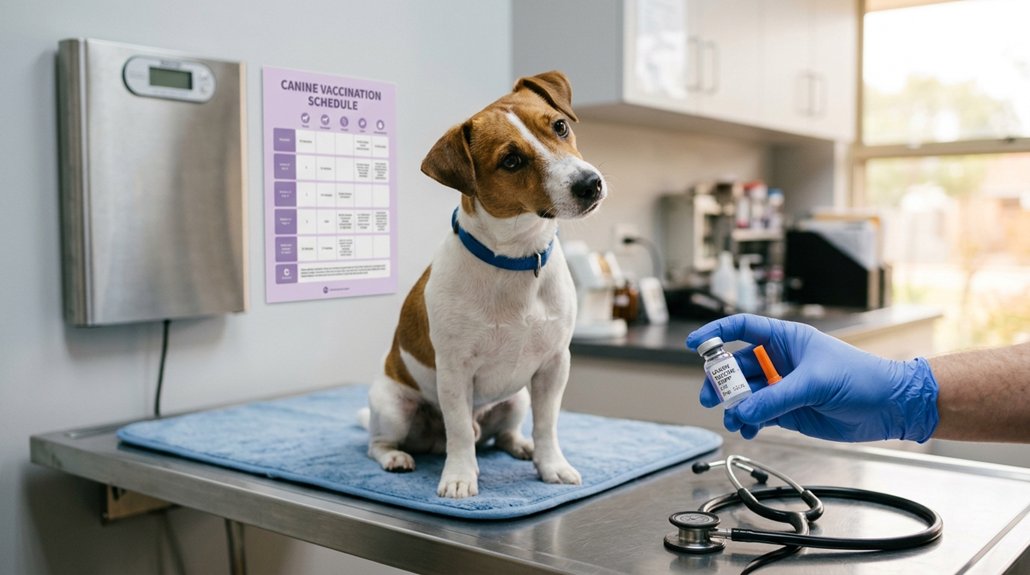
When it comes to safeguarding your dog’s health, understanding essential core vaccines is important. These vaccines protect against severe diseases like rabies, distemper, parvovirus, and adenovirus. Your puppy vaccination schedule is significant, starting as early as six weeks, with boosters following every few weeks until immunity is established. The rabies vaccine, often legally required, is imperative, given that rabies is a deadly disease affecting humans too.
Canine distemper invades multiple body systems, causing various health issues, so vaccinating is a must. Parvovirus poses a particularly lethal threat to puppies, with high mortality if not administered timely in the vaccine schedule. The DHPP combo vaccine simplifies protection, covering distemper, hepatitis, parvovirus, and parainfluenza in one shot, streamlining your pup’s protection plan.
Lifestyle-Specific Non-Core Vaccines
To guarantee your dog receives ideal protection, it’s essential to assess their lifestyle risks and tailor a vaccination plan accordingly. Non-core vaccines like Bordetella, Leptospirosis, Lyme disease, and canine influenza are designed to safeguard dogs against specific threats they may encounter based on their activities and environment. By aligning the vaccination plan with your dog’s unique exposure risks, you provide them with thorough protection against potentially serious health challenges.
Assessing Lifestyle Risks
How do you determine which non-core vaccines are necessary for your dog’s health? Start by evaluating lifestyle factors and conducting a thorough risk assessment. It’s important to match vaccines to your dog’s lifestyle to guarantee they’re protected from specific threats. Here’s a general guideline:
- Social Environments: If your dog frequents parks, groomers, or boarding facilities, consider the Bordetella vaccine to prevent kennel cough.
- Outdoor Exposure: For dogs roaming in areas with contaminated water or soil, the leptospirosis vaccine is significant.
- Tick-Prone Regions: Living in areas with a high tick population? The Lyme disease vaccine is essential to safeguard against tick-borne illnesses.
- High-Contact Settings: Canine influenza vaccination is important for dogs involved in shelters or shows, guarding against respiratory infections.
Veterinarians will make recommendations based on these criteria.
Tailored Vaccination Plans
Although core vaccines provide essential protection for all dogs, non-core vaccines should be selected based on specific lifestyle risks to offer extensive health coverage. Your dog’s exposure to other dogs or environments can warrant vaccines like Bordetella for high-contact settings or Leptospirosis for outdoor lovers. Canine Lyme disease vaccinations are advisable if you frequent tick-heavy areas, requiring initial doses and annual boosters. Canine influenza shots should be considered too, following similar schedules in high-contact zones. By engaging in thorough owner education, you can work alongside your veterinarian to determine the vaccine schedules most suitable for your dog’s unique lifestyle. This tailored vaccination plan guarantees your canine companion remains safeguarded against specific risks they face.
How to Keep Your Dog on Track With Vaccines
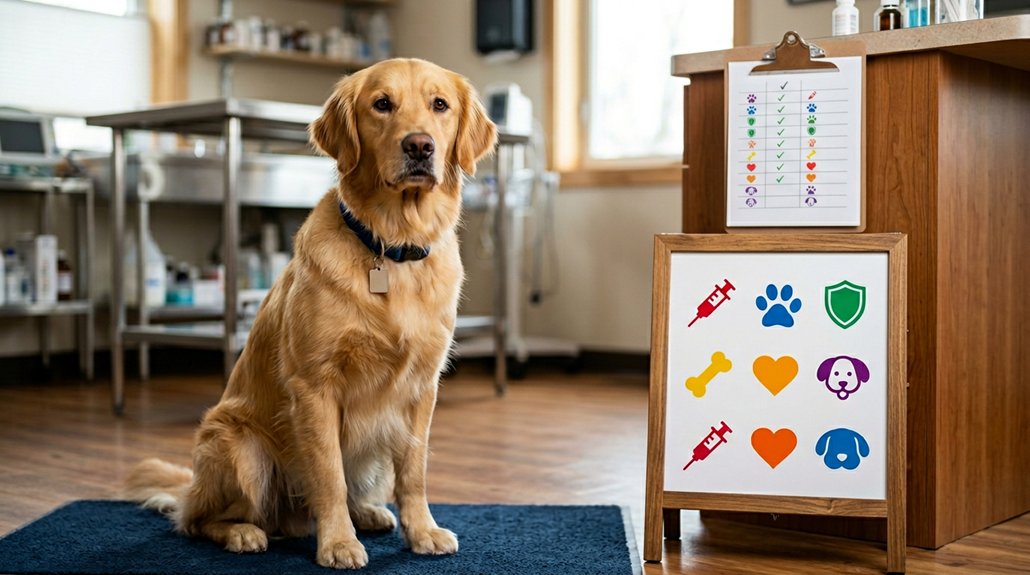
Keeping your dog on track with vaccines is essential for their health and well-being. To guarantee your pet stays protected, maintain an organized vaccination schedule. Consider these steps:
Maintain an organized vaccination schedule to ensure your dog’s health and well-being.
- Vaccination Schedule: Work with your veterinarian to establish a timeline, starting with core vaccines for puppies at 6–8 weeks, continuing every 3–4 weeks until they reach 16 weeks.
- Booster Reminders: Set alerts for adult dogs’ boosters, typically every 1 to 3 years for DHPP and rabies.
- Annual Check-ups: Schedule regular vet visits to assess pet health, discuss lifestyle changes, and update vaccination plans.
- Record Keeping: Keep track of records and due dates, guaranteeing compliance with regulations and effective prevention against diseases.
Use vaccine reminders for ideal pet health and seamless vaccination management.
Safety of Dog Vaccines: What You Need to Know
Vaccines play an important role in your dog’s health regimen, providing protection against serious diseases. They train your dog’s immune system to recognize and combat specific pathogens, reducing the risk of illness. Despite prevalent vaccine myths suggesting otherwise, dog vaccines are largely safe, with only mild side effects such as soreness, lethargy, or a low-grade fever. These reactions are typically short-lived. However, it’s not impossible for severe reactions like facial swelling, vomiting, or breathing difficulties to occur, albeit rarely. Such cases require immediate veterinary care. Monitoring your dog for unusual symptoms post-vaccination is essential. Proper side effect management, including open communication with your veterinarian, guarantees any potential issues are swiftly addressed, maintaining your pet’s well-being and safety.
Tailoring a Vaccine Plan With Your Veterinarian

When designing a vaccination plan for your dog, collaborating closely with your veterinarian is vital. During vaccine consultations, your vet will assess several factors to guarantee a tailored approach:
Collaborating closely with your veterinarian ensures a tailored vaccination plan for your dog’s unique needs.
- Lifestyle: Your dog’s daily activities and environment play an important role in shaping a customized schedule.
- Age and Breed: Puppies, seniors, or specific breeds may have different vaccine needs.
- Medical History: Previous health issues or reactions to vaccines will guide future plans.
- Exposure Risks: Non-core vaccines, like Bordetella and Lyme disease, may be necessary based on geographical and lifestyle factors.
Regular wellness visits allow your vet to update this plan as your dog grows or changes environments. Open communication guarantees a vaccine schedule that aligns with your dog’s health and living conditions, keeping them protected effectively.
Community Immunity: How Dog Vaccines Safeguard Public Health
As you collaborate with your veterinarian to customize your dog’s vaccination plan, it’s important to recognize how these efforts extend beyond individual health. Dog vaccinations play an essential role in achieving community immunity, or herd immunity, which markedly reduces the spread of diseases such as rabies and distemper. By vaccinating your pet, you’re not only protecting them but also contributing to public health by creating a barrier against disease transmission. This is particularly critical for safeguarding young puppies and unvaccinated dogs. Rabies vaccinations are essential due to the zoonotic nature of the virus, which poses considerable risks to humans and animals. High vaccination rates result in decreased outbreaks and healthcare costs, enhancing the well-being of pets and their human community.
Frequently Asked Questions
What Shots Are Absolutely Necessary for Dogs?
Core vaccines like rabies, distemper, parvovirus, and adenovirus are essential for dogs. Make sure your puppy vaccinations are timely, adhere to the vaccine schedule, and keep up with booster shots for ongoing protection against these life-threatening diseases.
What Is the 7 7 7 Rule for Dogs?
The 7 7 7 Rule guides vaccination frequency, ensuring puppy immunizations start at 7 weeks, continue every 7 weeks, and complete by 16 to 20 weeks. This schedule builds strong immunity, protecting your puppy from infectious diseases.
Which Dog Vaccines Are Absolutely Necessary at Home?
Make certain your dog receives core vaccines: rabies and the DHPP series for distemper, parvovirus, and adenovirus, as per the vaccination schedule. These protect against health risks. Follow veterinary recommendations to maintain puppy vaccinations and dog immunity.
Are Dog Vaccines Actually Necessary?
Absolutely, dog vaccines are critical. Think of them as your dog’s health “insurance” in the modern world. Vaccines guarantee vaccine safety and promote robust canine health, preventing serious diseases and protecting both pets and their human companions.
Conclusion
When deciding on vaccines for your furry friend, balance necessity with lifestyle. Core vaccines are non-negotiable, safeguarding against devastating diseases, while non-core vaccines depend on your dog’s individual risk factors. Sticking to a schedule guarantees your pet’s health, much like a safety net beneath a tightrope walker. Although side effects may occur, the protection vaccines offer is invaluable. Collaborate with your veterinarian to create a plan, because your dog’s health isn’t just personal—it’s a community commitment.