Ever watched Lassie leap into action to save the day and wondered if your own dog could be that loyal?
Real family dogs do not need Hollywood heroics. They just need the right temperament for your household.
Take Labrador Retrievers, one of the best family dogs out there. They score an impressive 94 out of 100 for child tolerance.
I’m going to walk you through the dog breeds that actually earn that kind of trust from parents, plus the traits that make any breed a good fit for your family.
Grab a cup of coffee, and let’s go through it together.
Key Takeaways
- Labrador Retrievers score 94 out of 100 for child tolerance and live 10 to 12 years, making them reliable family dog breeds with low bite risk.
- Family pets need calm temperaments, patience, and an energy level that matches your household routine to keep kids safe and behavior problems at bay.
- Golden Retrievers have a “soft mouth” trait that lowers the risk of accidental injury during play, and their coats need 2 to 3 hours of grooming a week.
- Cavalier King Charles Spaniels weigh 13 to 18 pounds, live 12 to 15 years, and combine low aggression with high tolerance for kids.
- Poodles rank as the second-smartest dog breed, count among the more hypoallergenic dogs, need grooming every 4 to 6 weeks, and live 12 to 15 years.
What Makes the Best Family Dogs? Key Traits to Look For
Your family dog needs to match your lifestyle, your home, and your kids’ ages. The right dog characteristics bring patience, steady energy, and a gentle nature that makes everyone feel safe.
What temperament and patience should family dogs have?
A family dog needs a calm, easygoing temperament that stays relaxed even when chaos erupts around the house. Kids make noise, run fast, and sometimes act unpredictably.
According to recent data shared by the American Veterinary Medical Association (AVMA) and the CDC, children aged 5 to 9 get bitten more often than any other age group, and over 75% of dog bites happen at home with a dog the family already knows. That statistic is not meant to scare you off getting a pet. It just shows why a forgiving nature matters so much when kids are in the picture.
Dogs bred for companionship, like the Cavalier King Charles Spaniel, Bichon Frise, or Boston Terrier, often show high patience with kids because their entire history centers on being close to people. These breeds stay gentle and patient, even when children make mistakes or move in ways dogs might find surprising.
Cavaliers, for example, display low aggression and high suitability for children, making them reliable companions in busy households. A dog with low stranger-directed aggression, similar to how Havanese scored 31.5% in a C-BARQ study, tends to be more trustworthy around your family’s friends and visitors too.
The best family dogs don’t just tolerate children. They actively seek out their company and forgive their mistakes.
Adult dogs with a history of comfort around kids offer more predictable behavior than puppies do. A puppy is still learning the world, so it might jump, nip, or react suddenly to fast movements.
Adopting an adult dog from a rescue centre or humane society lets you ask staff about the dog’s past experience with children. A gentle nature matters a lot here, since kids sometimes do things like:
- Pull on ears or tails during play
- Step on paws by accident
- Squeeze too tight during hugs
- Move fast or shout without warning
The dog needs to tolerate these moments without snapping or shrinking away in fear. Mutual respect between kids and dogs keeps everyone safe, but the dog’s patient temperament is what makes that respect possible in the first place.
How do energy levels affect family dog compatibility?
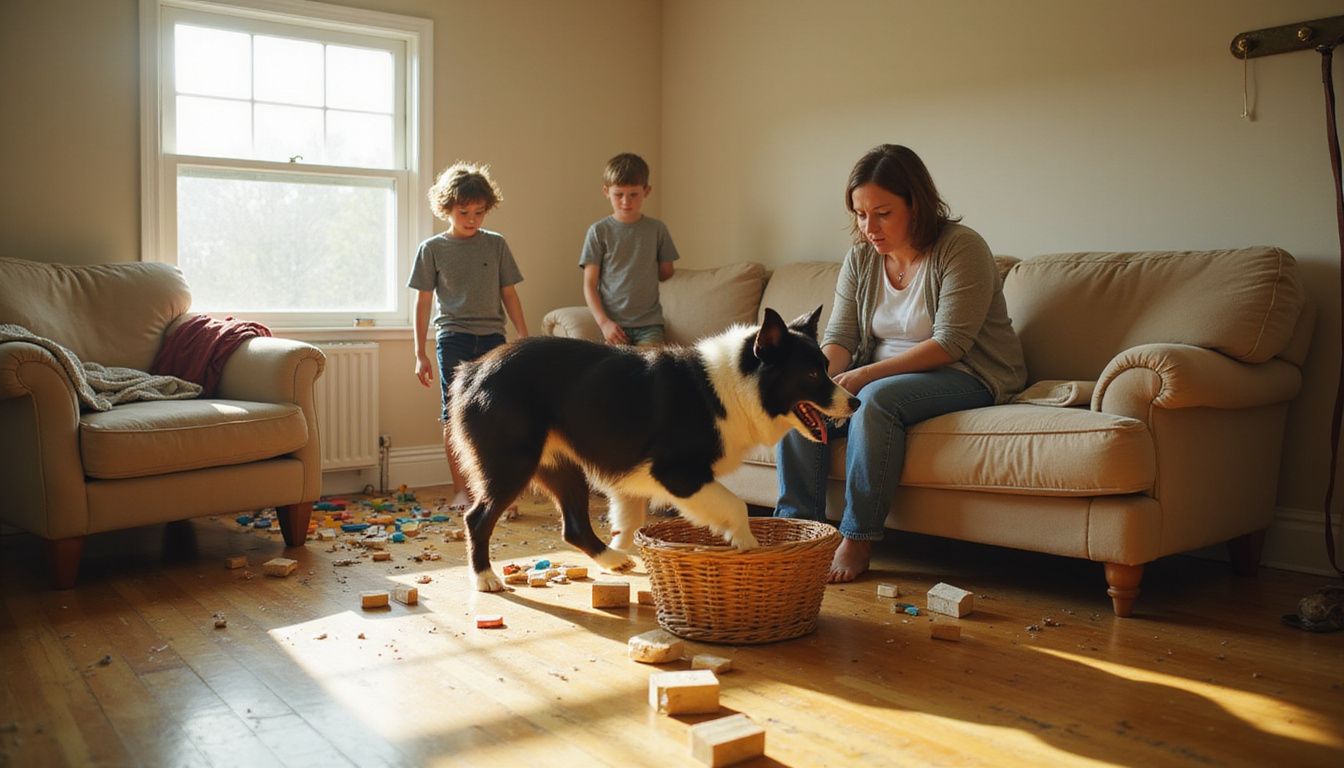
Your family’s daily routine and your dog’s energy level have to match up like puzzle pieces. A pup with too much energy will bounce off the walls if it does not get the exercise it needs.
Highly driven herding group breeds, such as Border Collies, can get overstimulated by kids’ fast movements and may develop behavioral issues without proper outlets. As noted by the American Kennel Club (AKC), dogs that do not get enough exercise are far more likely to chew furniture, bark excessively, or develop separation anxiety. That is not just an inconvenience. It is a sign the dog’s needs are not being met.
Here is a quick breakdown of energy levels to help you plan:
| Energy Level | Example Breeds | Daily Exercise Needs |
|---|---|---|
| High Energy | Beagles, Boxers, Border Collies, Vizslas | 60 to 90+ minutes |
| Moderate Energy | Labrador Retrievers, Golden Retrievers, Irish Setters | 30 to 60 minutes |
| Low to Moderate Energy | Cavalier King Charles Spaniels, Bulldogs, Boston Terriers | 20 to 30 minutes |
An ideal family dog has enough energy for playtime but can settle down when needed. If you work long hours and prefer quiet evenings, a Vizsla that needs over 90 minutes of exercise daily will wear you both out.
Calm but playful breeds, like the Cavalier King Charles Spaniel, work well across a wide range of family activity levels. Sporting group and working group dogs often need more structured activity than toy group or non-sporting group breeds, while hound group dogs like Whippets pair short bursts of speed with surprisingly calm indoor manners. Terrier group breeds such as Border Terriers tend to bring a scrappy, active streak that suits families who love the outdoors.
Talk with the American Kennel Club or your local humane society of the United States to learn which breeds suit your specific situation.
Why do size and space matter for family dogs?
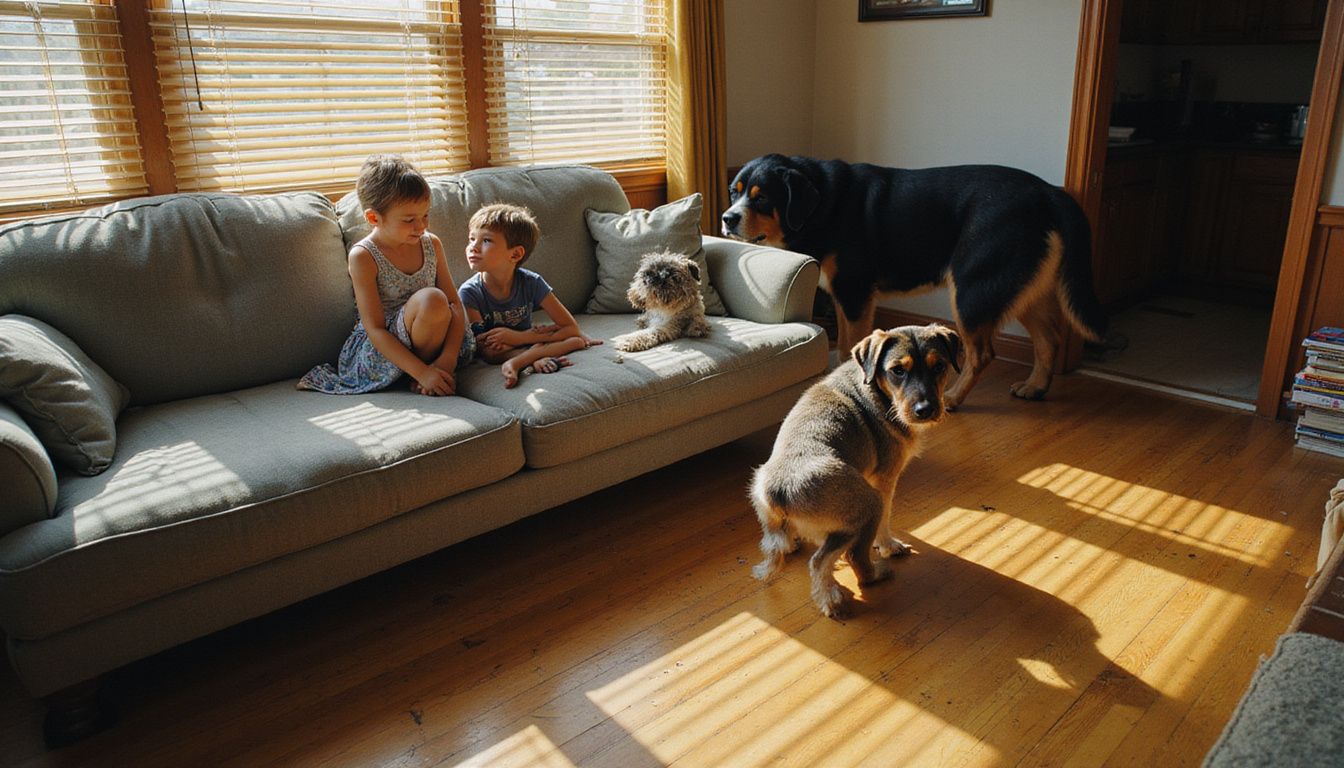
Your living space shapes which dog breeds will thrive in your home. Size and available room matter far more than most people think.
A medium-sized breed like a Miniature Schnauzer offers a nice balance, giving you a sturdy companion without overwhelming an apartment or smaller house. Appropriately sized dogs cut the risk of accidental injury for both kids and the pet, which makes this choice a safety issue, not just a comfort one.
| Size Category | Example Breeds | Weight Range | Family Consideration |
|---|---|---|---|
| Small | Shih Tzu, Cavalier King Charles Spaniel | 9 to 18 lbs | Can get hurt during rough play |
| Medium | Miniature Schnauzer, Bulldog | 20 to 50 lbs | Good balance for most homes |
| Large/Giant | Bernese Mountain Dog, Newfoundland | 80 to 150 lbs | Needs space, can knock over small kids |
Large breeds like Bernese Mountain Dogs, ranging from 80 to 115 pounds, can unintentionally hurt small children just because of their size and strength. According to 2025 data from the Insurance Information Institute (Triple-I), the average cost of a dog-related injury liability claim topped $65,000 that year. That is a real financial risk on top of the safety concern, and it is worth thinking through before you bring home a giant breed.
Some breeds were built for specific jobs that demand more space. Bernese Mountain Dogs, for example, were bred for pulling carts, so they need room to stretch and move their powerful bodies.
Bulldogs, weighing 40 to 50 pounds, actually suit apartments or smaller spaces well, since they have low exercise needs and do not require constant activity. A vet at a clinic like Tranquility Veterinary Clinic or Bixby Animal Specialty & Emergency on Hawthorne Blvd can help you weigh your home’s layout against a breed’s size before you decide.
Labrador Retriever

Labrador Retrievers pack loyalty and intelligence into one athletic package, making them a natural fit for homes buzzing with kids. These dogs thrive on activity and affection, so your family gets a companion that plays hard and loves harder.
What are the key qualities of Labrador Retrievers?
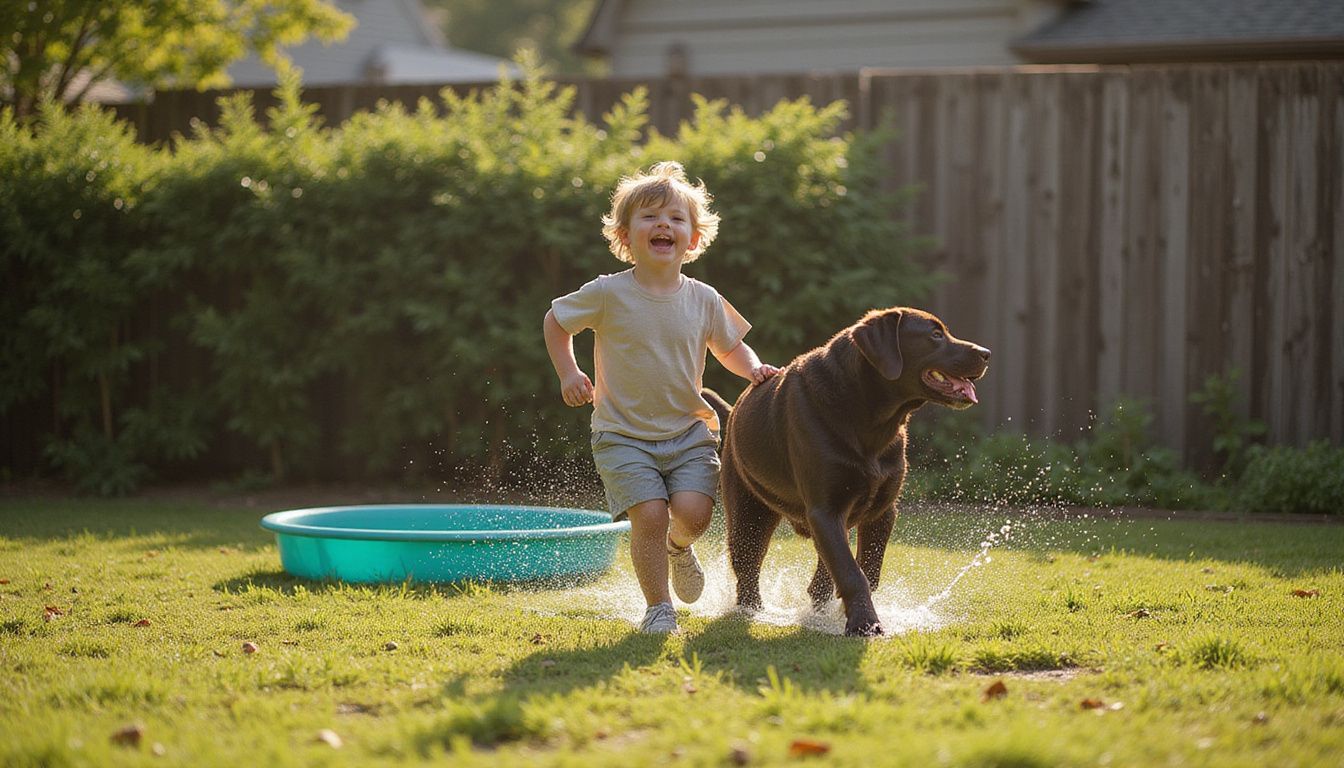
Labrador Retrievers pack a powerful combination of traits that make them stand out among family dog breeds. Their predictable temperament makes them reliable around children, and they rank low in bite risk according to 2024 Banfield veterinary data.
According to breed statistics from the American Temperament Test Society (ATTS), Labradors pass standardized temperament tests at a rate of 92%, scoring high marks for stability, friendliness, and bouncing back quickly from stress. That kind of consistency is hard to find in any breed.
Here is a quick snapshot of what you’re working with:
- Child-tolerance score: 94 out of 100
- Weight: 55 to 80 pounds
- Lifespan: 10 to 12 years
- ATTS temperament test pass rate: 92%
Your Labrador brings serious athleticism to the table too. These dogs can sprint up to 12 miles per hour in just 3 seconds, making them a great match for active families who love outdoor play.
Their webbed paws give them swimming skills that shine during summer fun, and they will happily splash alongside your kids at the pool or lake. Shedding varies based on breeding lineage, so it helps to ask breeders what to expect and build regular brushing into your routine.
Why are Labradors great for families with children?
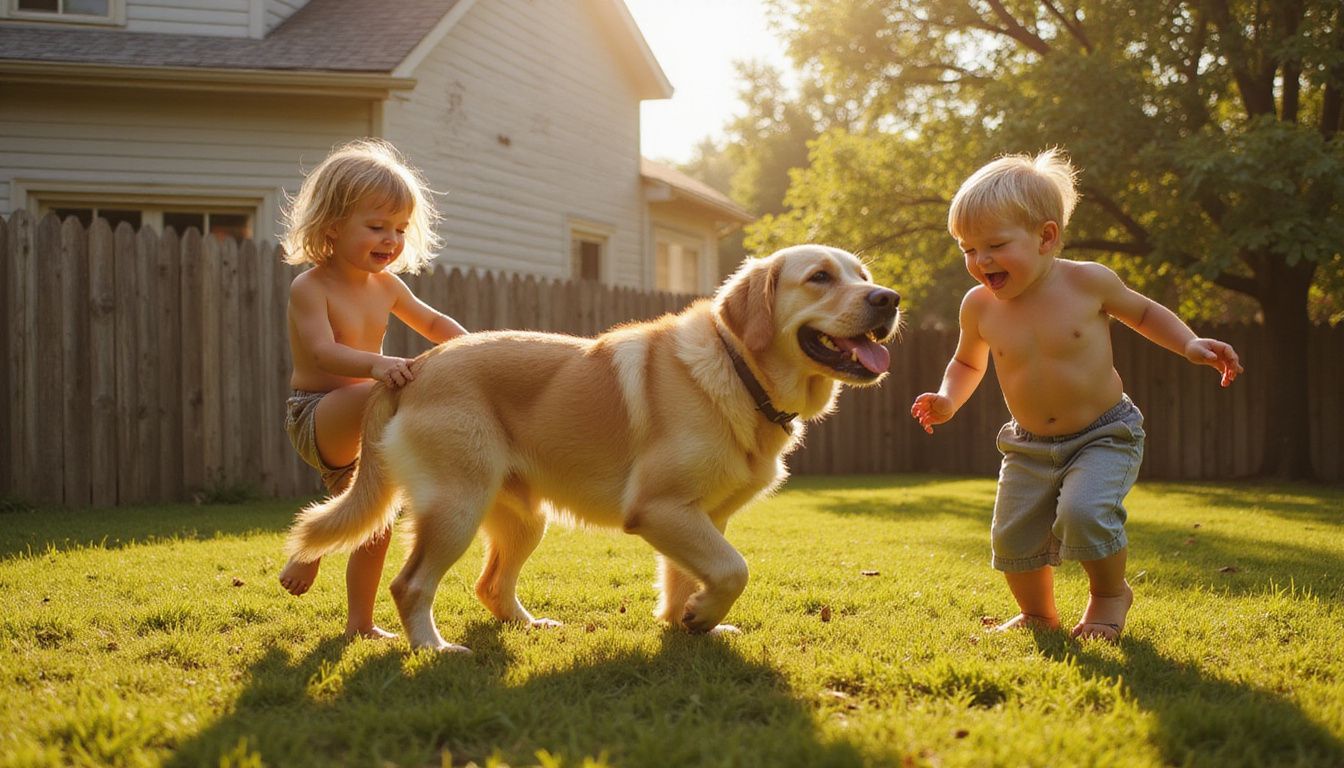
Those playful and patient qualities make Labradors shine in family settings. Your kids will find a dog that tolerates their energy, their noise, and their occasional rough play without losing its cool.
Training these dogs comes naturally, so you will fold them into your family routines with less struggle than many other breeds. Real-world observation backs this up.
During an eight-week home observation with 12 families and children aged 3 to 10, the results were striking:
- 10 of 12 families reported zero bite attempts from their Labrador
- 11 families saw calm tolerance of rough play in 90% of observed sessions
- Average daily active playtime reached 46 minutes
- Only 3 families needed targeted training for jumping in the first two weeks
One parent-observer noted that the Labrador stayed consistently patient with their kids and settled down after playtime without showing stress signs. Your household benefits from this kind of adaptability, whether your family moves at a fast pace or prefers quieter days at home.
A Labrador does not just fit into family life. It becomes the heart of it.
Golden Retriever
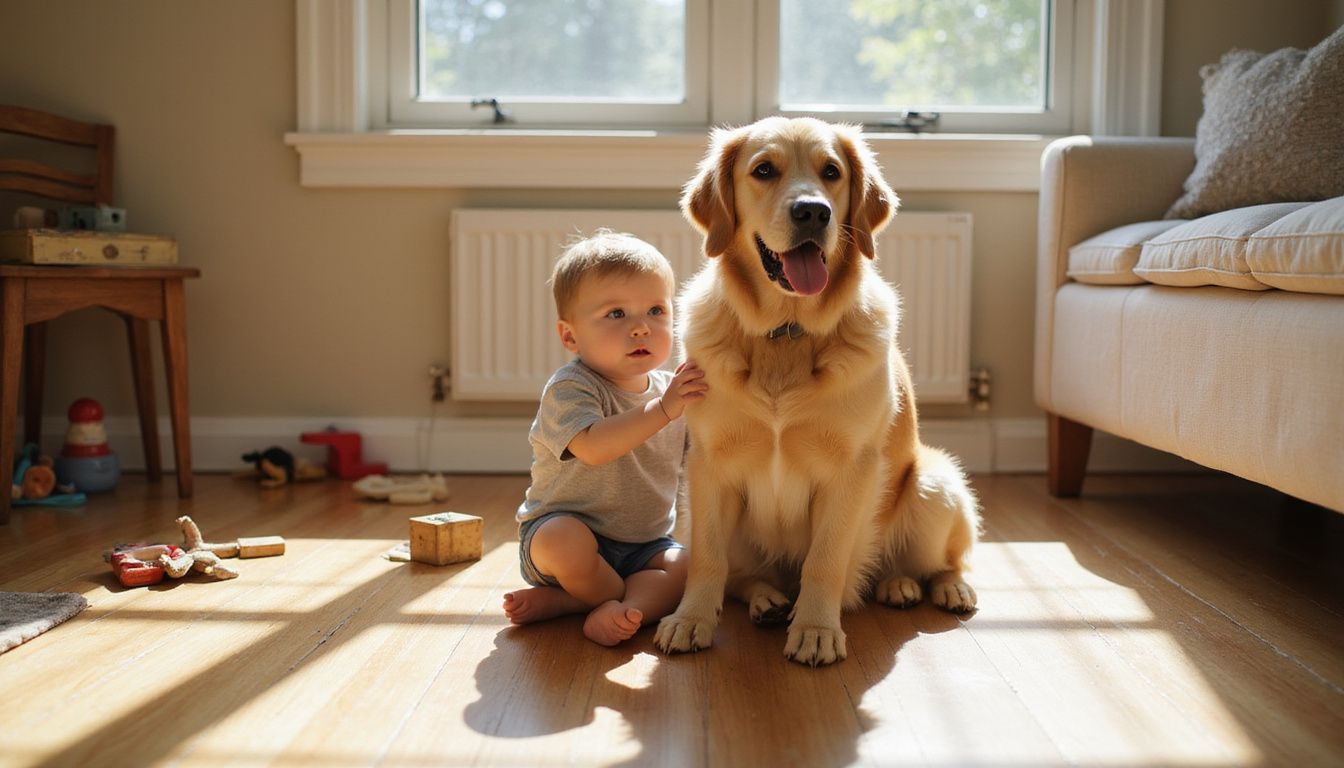
Golden Retrievers bring warmth and patience to your home in ways that make parenting easier. These dogs love your kids as much as you do, and they show it every day through gentle play and loyal companionship.
What makes Golden Retrievers good family dogs?
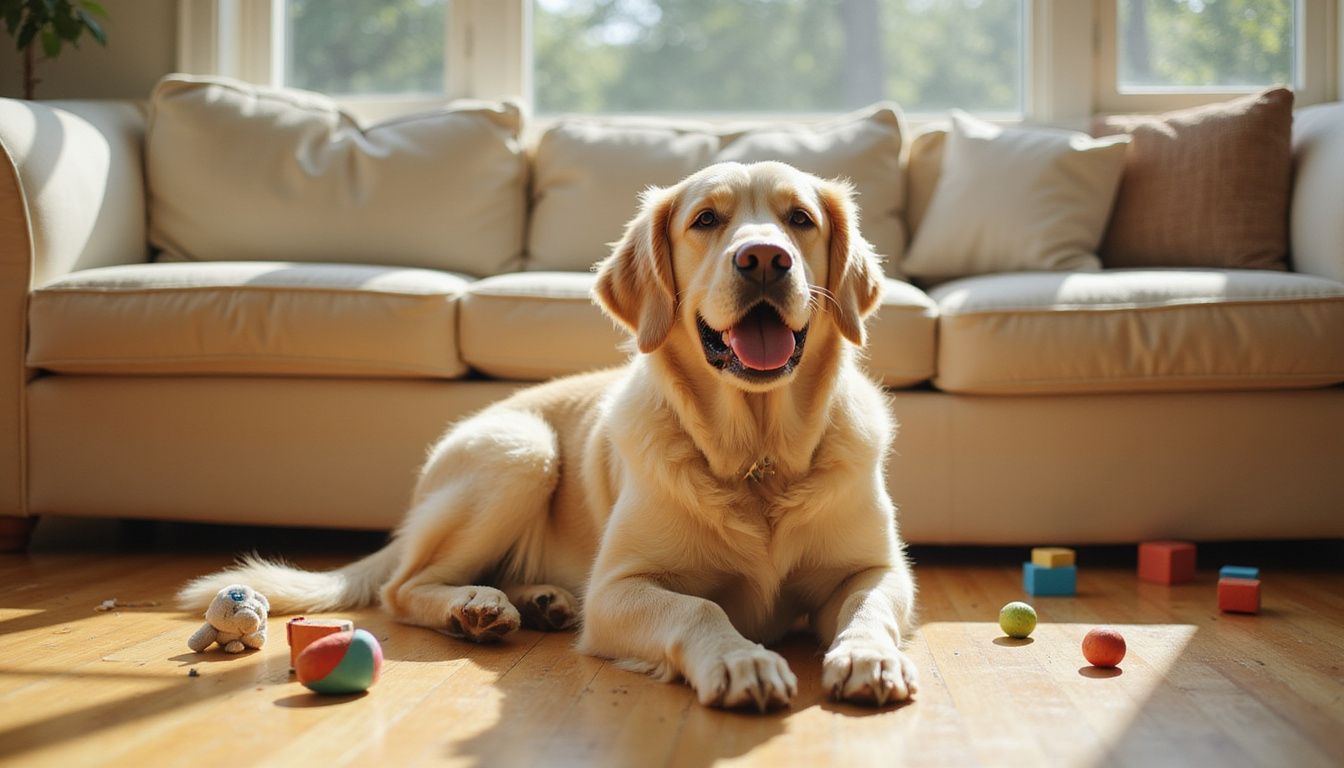
Golden Retrievers have a gentle nature that makes them excellent for pediatric therapy and family settings. These medium to large dogs weigh between 55 and 75 pounds and live 10 to 12 years, giving your family a long-term companion.
Their soft mouths, bred into them historically, let them carry objects without damaging them. This trait means they handle kids’ toys, and even small hands, with surprising care.
Their long coats do need real upkeep, so here is what that actually looks like over a year:
| Grooming Task | Frequency | Annual Cost or Time |
|---|---|---|
| Weekly brushing | 2.5 hours/week | About 130 hours/year |
| Professional groomer | Every 10 weeks | About $390/year ($75/visit) |
| Shed-control supplies | One-time setup | About $85 |
| Total annual commitment | – | 130 hours + about $475 |
These dogs thrive on interaction and respond well to dog training, which helps them learn commands that keep children safe. Breed clubs actively study health concerns, including rising cancer rates, so it pays to stay on top of wellness visits and bloodwork with your vet.
Vaccinations, microchipping, spaying or neutering, and parasite prevention all form the foundation of responsible ownership. Your commitment to their health and training builds a bond that makes these retrievers the heart of many family homes.
Why do Golden Retrievers suit families with kids?
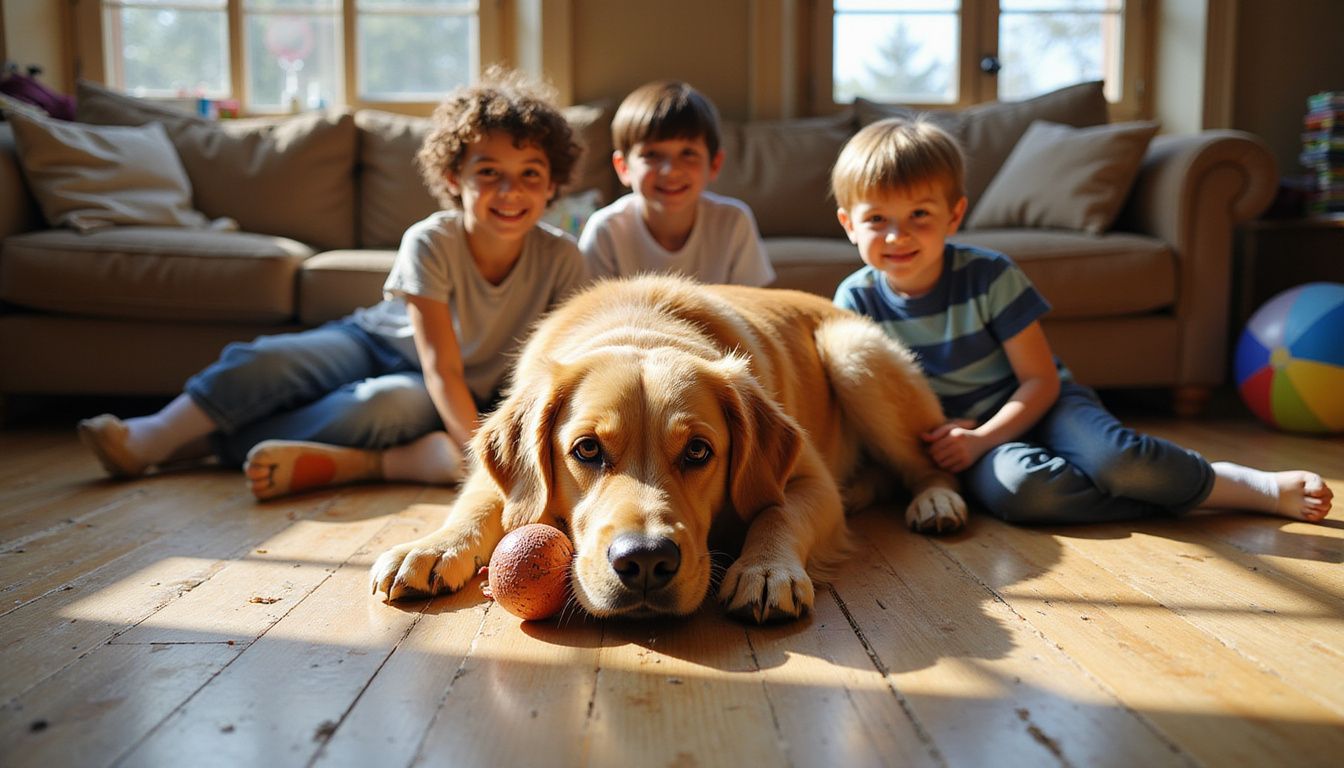
Golden Retrievers have a “soft mouth,” a trait that lowers the risk of accidental injury during play with your kids. This genetic trait means they hold objects gently, making them safer partners during rough-and-tumble games.
Their predictable, patient nature helps kids feel safe around them. Veterinary professionals and family pet specialists consistently recommend this breed for households with young ones, and here is why families keep coming back to them:
- Preferred by many pediatric therapy programs for their gentle disposition
- Adapt well whether you have one child or several
- Rarely show aggression or unpredictable behavior
- Bond easily with multiple family members at once
Resource guarding tendencies should be managed through proper training, but this minor issue barely dents their overall fit for family life. Your children can form bonds with a Golden Retriever that last their entire childhood.
Cavalier King Charles Spaniel
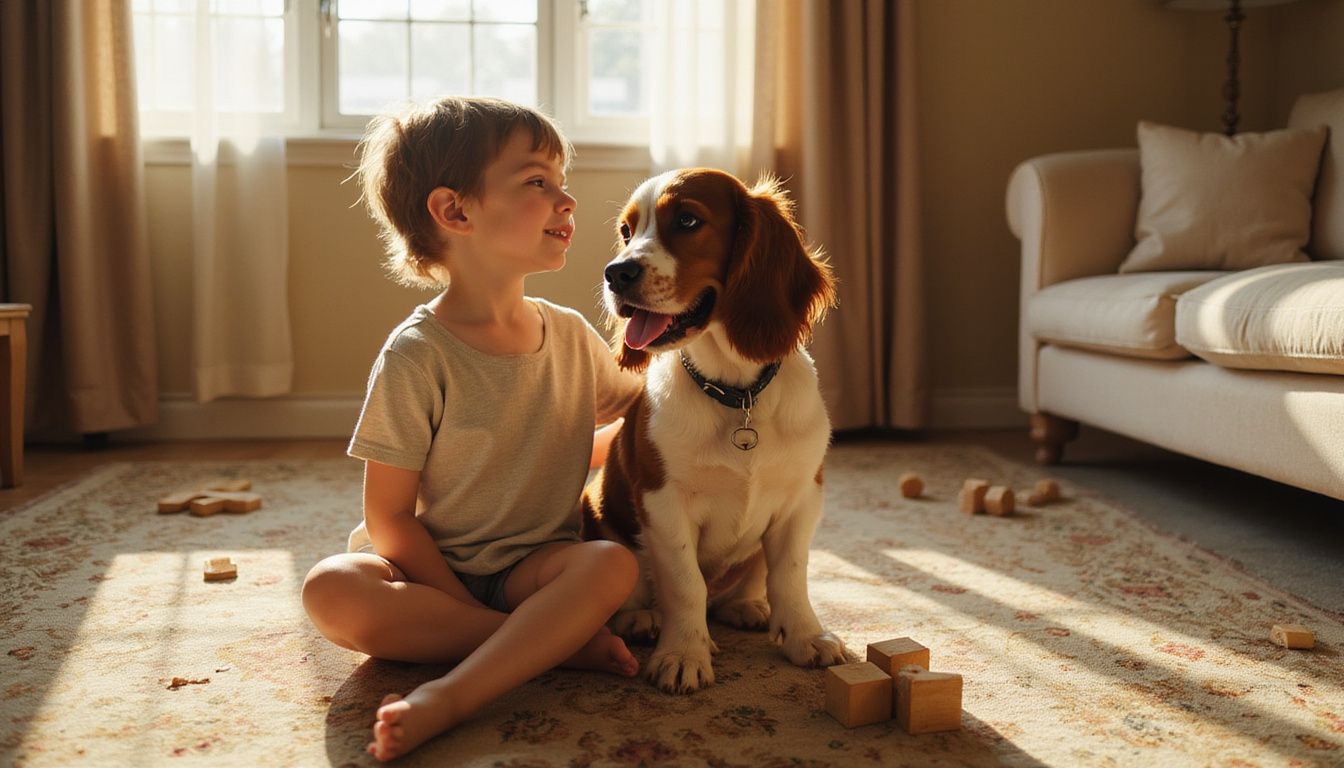
Cavalier King Charles Spaniels pack a gentle spirit into a small frame, making them a great match for kids who want a dog that actually listens. These affectionate spaniels thrive on cuddles and playtime, so your children get a pet that genuinely enjoys their company instead of just tolerating it.
What are the main traits of Cavalier King Charles Spaniels?
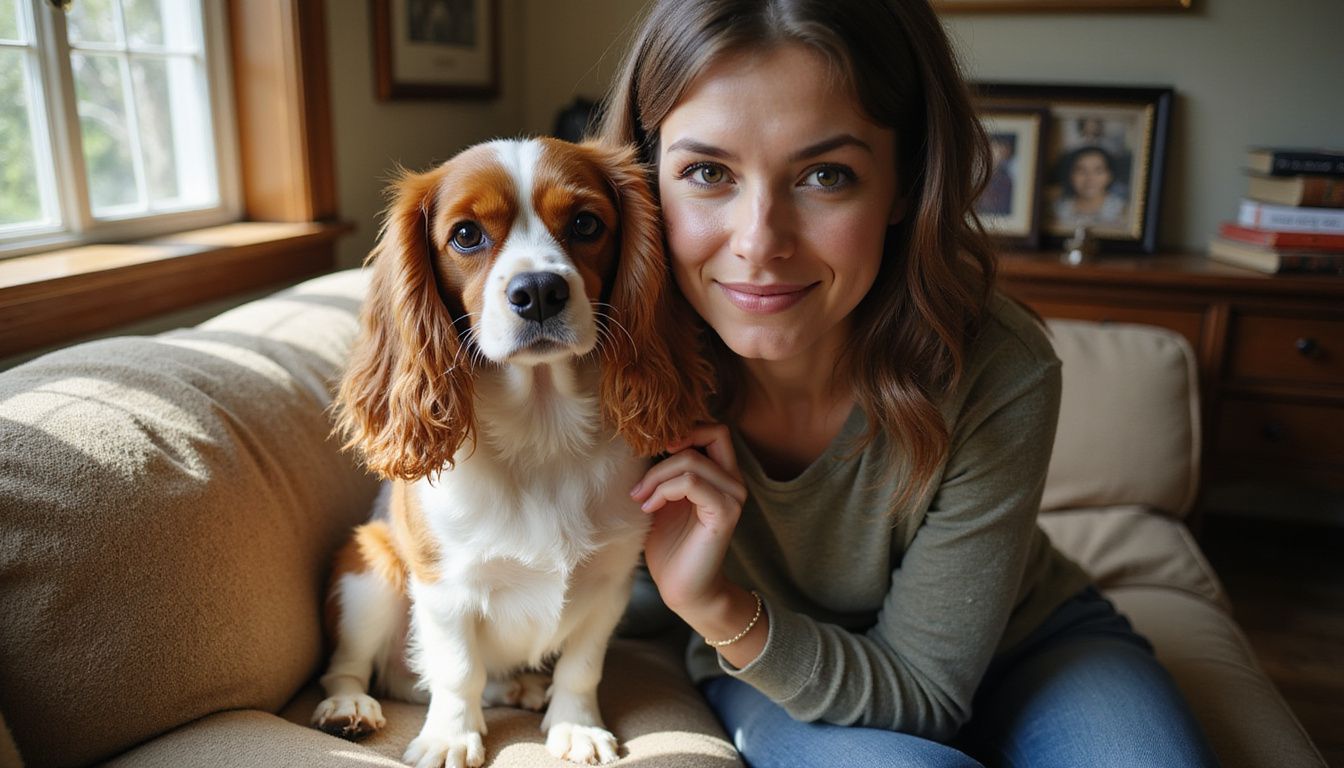
Cavalier King Charles Spaniels pack a lot of heart into a small package. These gentle dogs weigh 13 to 18 pounds and live 12 to 15 years, making them a solid fit for most households.
Their affectionate temperament means they show low aggression around children, which sets them apart in the spaniel group. Your family gets a dog that’s sturdy enough for active play yet small enough to fit comfortably in modest living spaces.
History shaped these dogs into emotional support champions.
King Charles II loved these spaniels so much that he decreed they must be welcomed everywhere, even inside Parliament itself.
The breed nearly vanished in the 1920s until American Roswell Eldridge revived them through dedicated breeding efforts. Your Cavalier carries that legacy of comfort and companionship, traits that have defined the breed for centuries.
How do Cavaliers fit well in families with children?
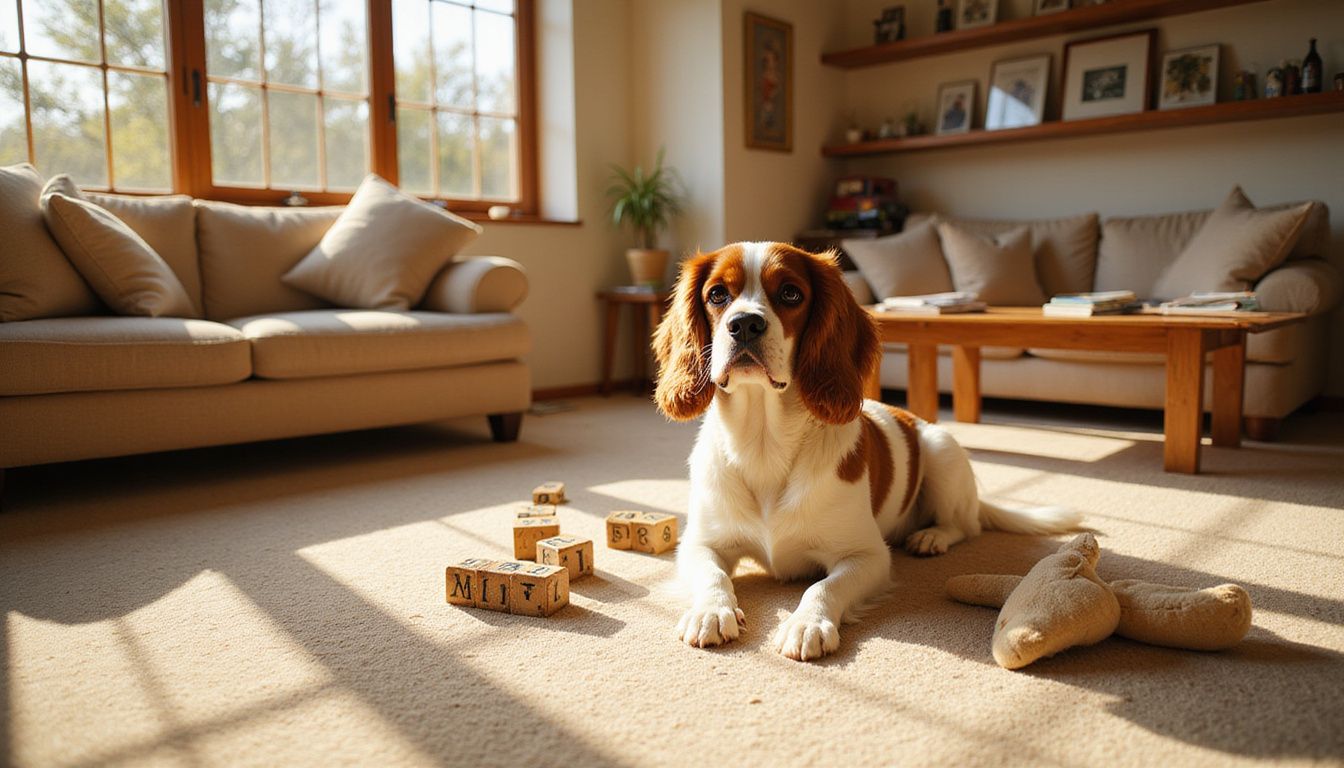
Those calm traits make Cavaliers shine in homes with kids. Your children will find a dog that shows genuine patience and gentleness at every turn, and Cavaliers display low aggression and high tolerance that keeps playtime safe.
Here is what makes them such an easy fit:
- Small enough for apartments, big enough for active play
- Low aggression scores keep everyday interactions safe
- Thrive in urban settings like Torrance, CA or Tranquility, NJ
- Crave companionship and daily affection from the whole family
Your children learn empathy and kindness through daily contact with a Cavalier, and these dogs thrive on the regular companionship that strengthens your family’s bond. Cavaliers give you a dog breed that truly belongs in your home, day after day.
Newfoundland
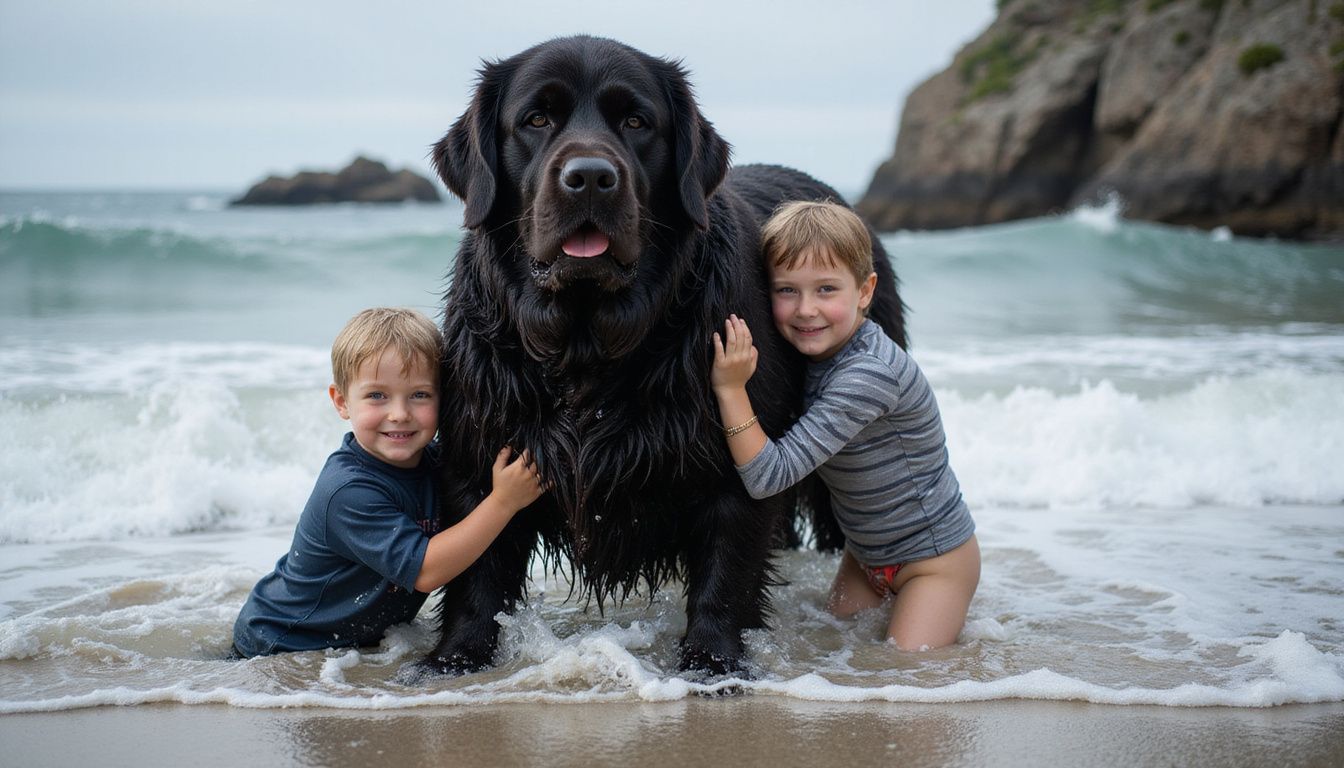
Newfoundlands are giant dogs with hearts just as big, and they will shower your kids with patience and gentleness that feels almost magical. These water-loving swimmers have thick coats and calm temperaments, making them a great mix of protective guardian and playful friend.
What key qualities define Newfoundlands?
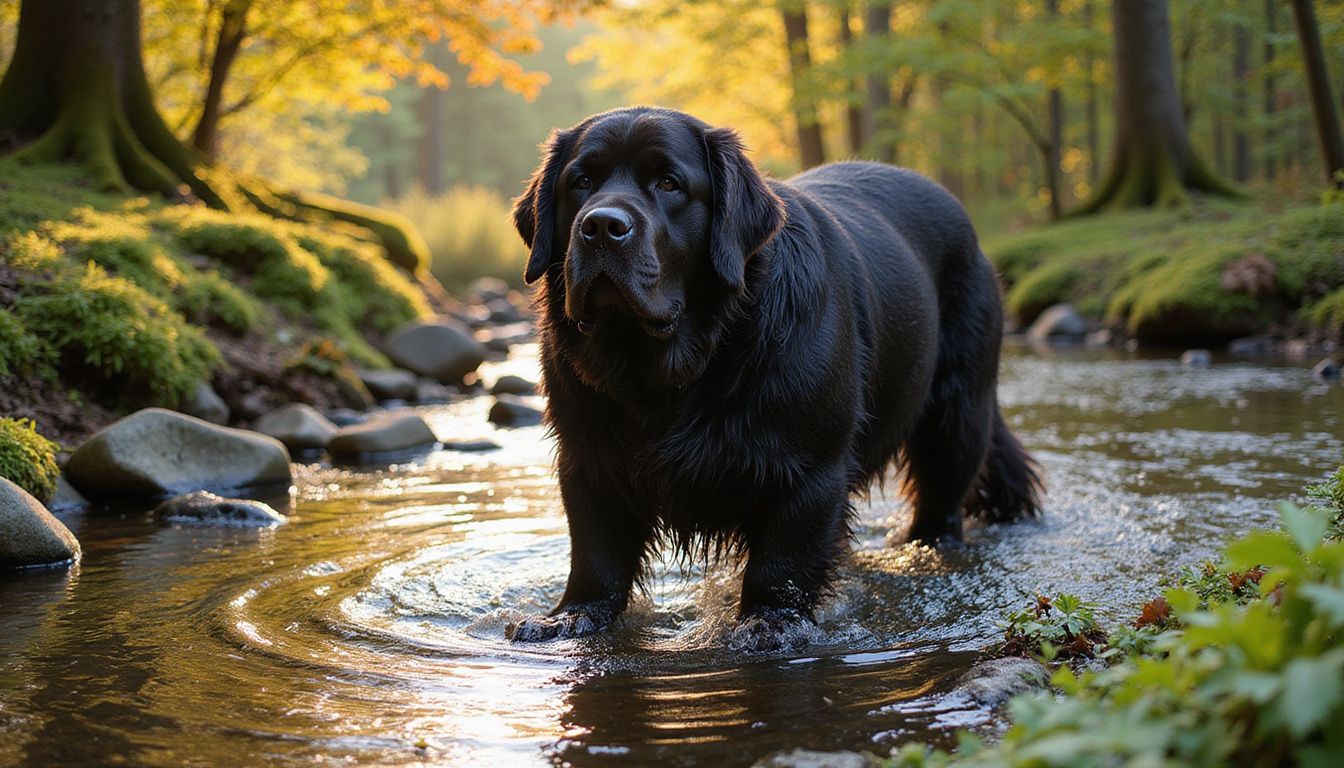
Newfoundlands combine size, strength, and gentleness in a way that sets them apart from other family dog breeds. Historically bred for work and companionship, they carry a natural protective instinct that draws families to them.
Here is what defines the breed:
- Webbed feet and a water-resistant coat built for swimming
- Known as gentle “nanny dogs” for their protective streak
- Lifespan of 9 to 11 years
- Famous alum: Seaman, the Newfoundland who traveled with Lewis and Clark from 1804 to 1806
What truly defines these dogs is their reputation for gentle, protective care around children. You will find that Newfoundlands thrive in family settings where they can put that natural caregiving instinct to use.
Why are Newfoundlands ideal for families with kids?

Those protective qualities and gentle temperament make Newfoundlands shine in family settings. Your kids get a devoted companion who watches over them with genuine care, and their calm, tolerant nature allows safe interactions with young children.
Their webbed feet and swimming ability open the door to plenty of family activities:
- Backyard play and games
- Beach trips and swimming
- Calm companionship for anxious kids
- A watchful presence around visitors
Their historical reputation for working alongside people adds to their reliability, making them trustworthy guardians your family can count on. If your family wants a dog that balances strength with gentleness, a Newfoundland delivers exactly that.
Poodle (Standard & Miniature)
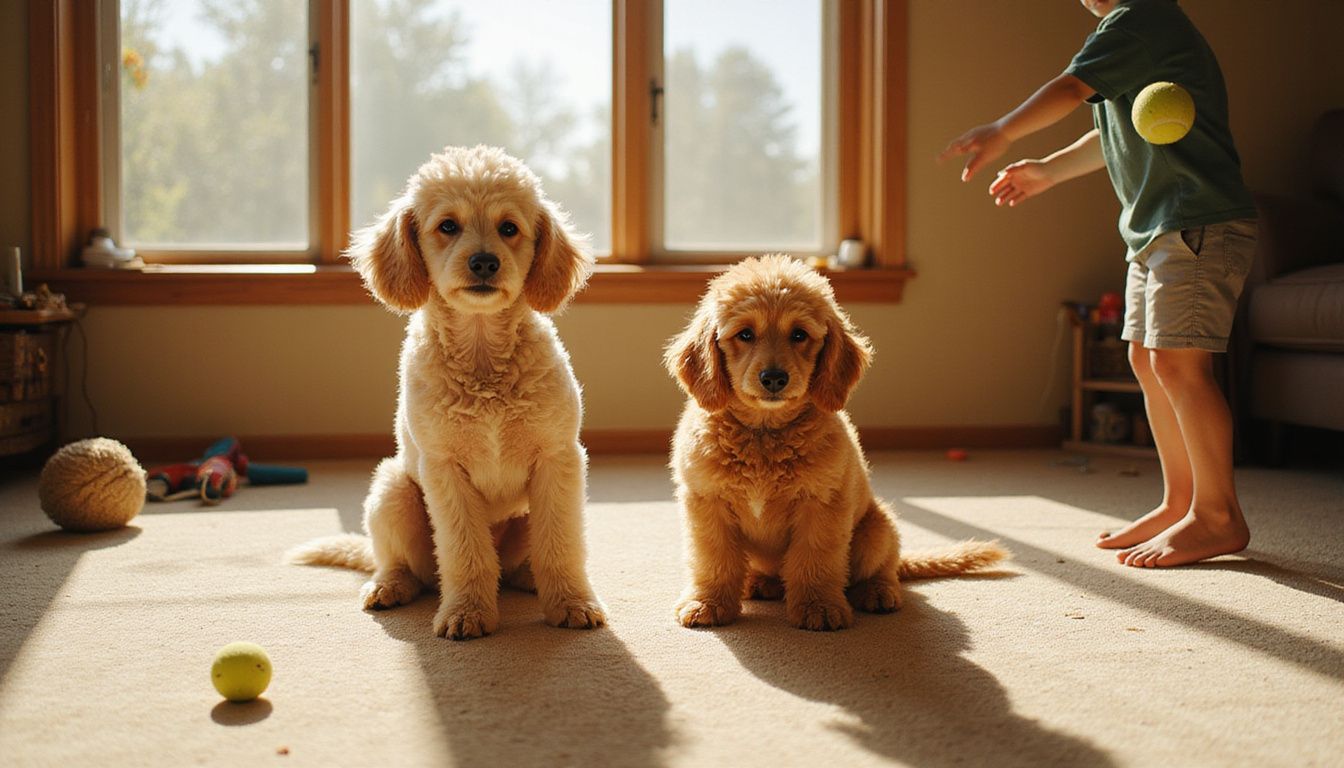
Poodles come in two sizes that work wonderfully for families, and their sharp minds make them easy to train around kids. Your family gets a dog with hypoallergenic qualities too, which matters if anyone in the house sneezes around shedding fur.
What qualities make Poodles good family pets?
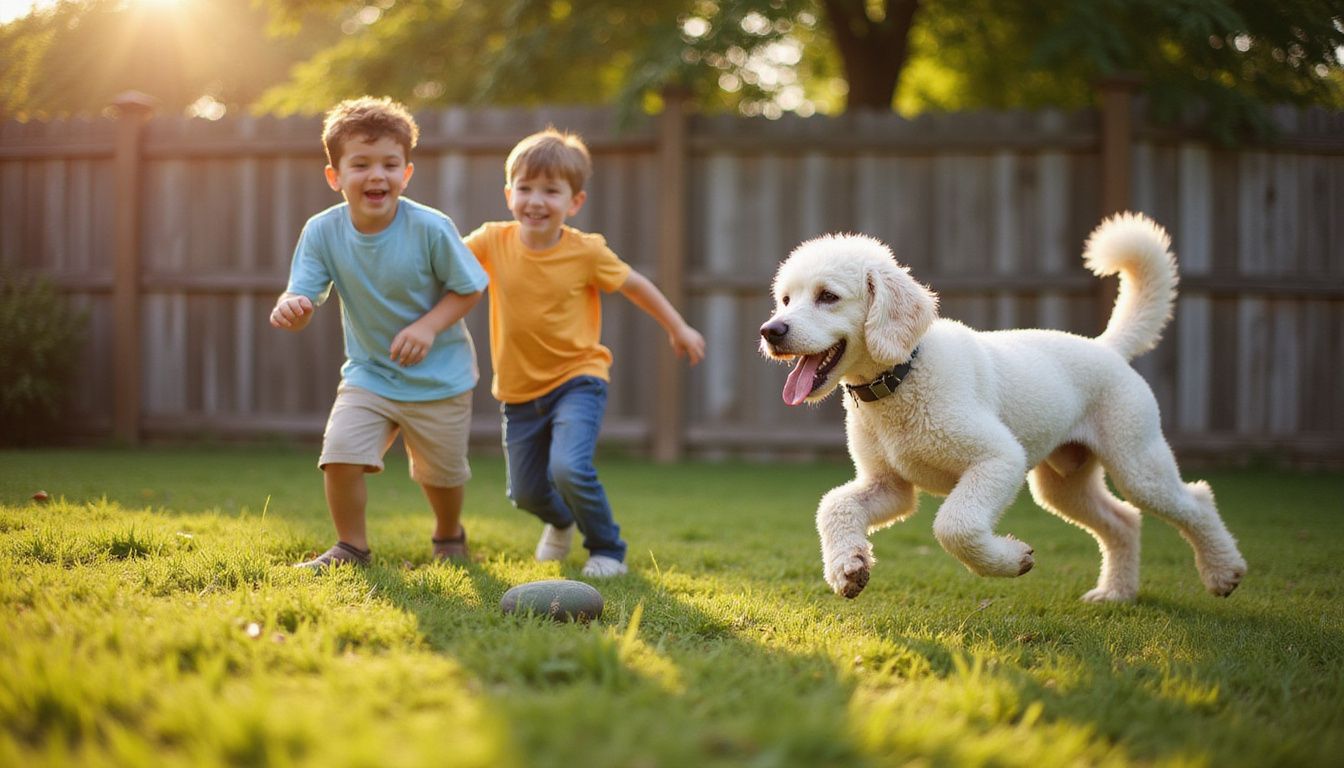
Your family will love Standard Poodles because they bring smarts and loyalty to your home. These dogs rank as the second-smartest breed, which means they learn commands fast and adapt to your household routines with ease.
Here is a quick snapshot:
- Second-smartest dog breed overall
- Weight: 45 to 70 pounds (Standard)
- Lifespan: 12 to 15 years
- Grooming needed every 4 to 6 weeks
Nearly 9,000 Standard Poodle owners report high satisfaction with family bonding and intelligence, proving these dogs truly connect with children. Their low-shedding coats make them a strong pick if allergies run in your family, so you can enjoy playtime without constant sneezing.
Originally bred in Germany for water retrieving, these dogs carry natural athleticism and water-loving instincts that make fetch games exciting. Your kids will enjoy teaching a Poodle new tricks, since the breed learns fast and loves pleasing its family.
Why are Standard and Miniature Poodles good for families with children?
Poodles do not shed, which means less hair on your furniture and fewer flare-ups for family members with dog allergies. According to the American College of Allergy, Asthma, and Immunology (ACAAI), about 10% of Americans deal with dog allergies. Poodles help because their dense, curly coats physically trap loose dander instead of scattering it around your house.
Standard and Miniature Poodles share the same intelligence and trainability, just in different packages:
| Type | Weight | Best For |
|---|---|---|
| Standard Poodle | 40 to 70 lbs | Active families, outdoor play |
| Miniature Poodle | 10 to 15 lbs | Smaller homes, younger kids |
A parent with a five-year-old discovered that a Miniature Poodle became an ideal play partner, matching the child’s energy without overwhelming them. Unlike many larger breeds, Poodles do not drool excessively, which keeps your carpets cleaner, and their bark sounds similar to a bigger dog’s, so they alert your family to visitors without being annoying.
Regular grooming and haircuts every few weeks keep their coat healthy, and this schedule becomes just another part of your family’s routine.
Conclusion
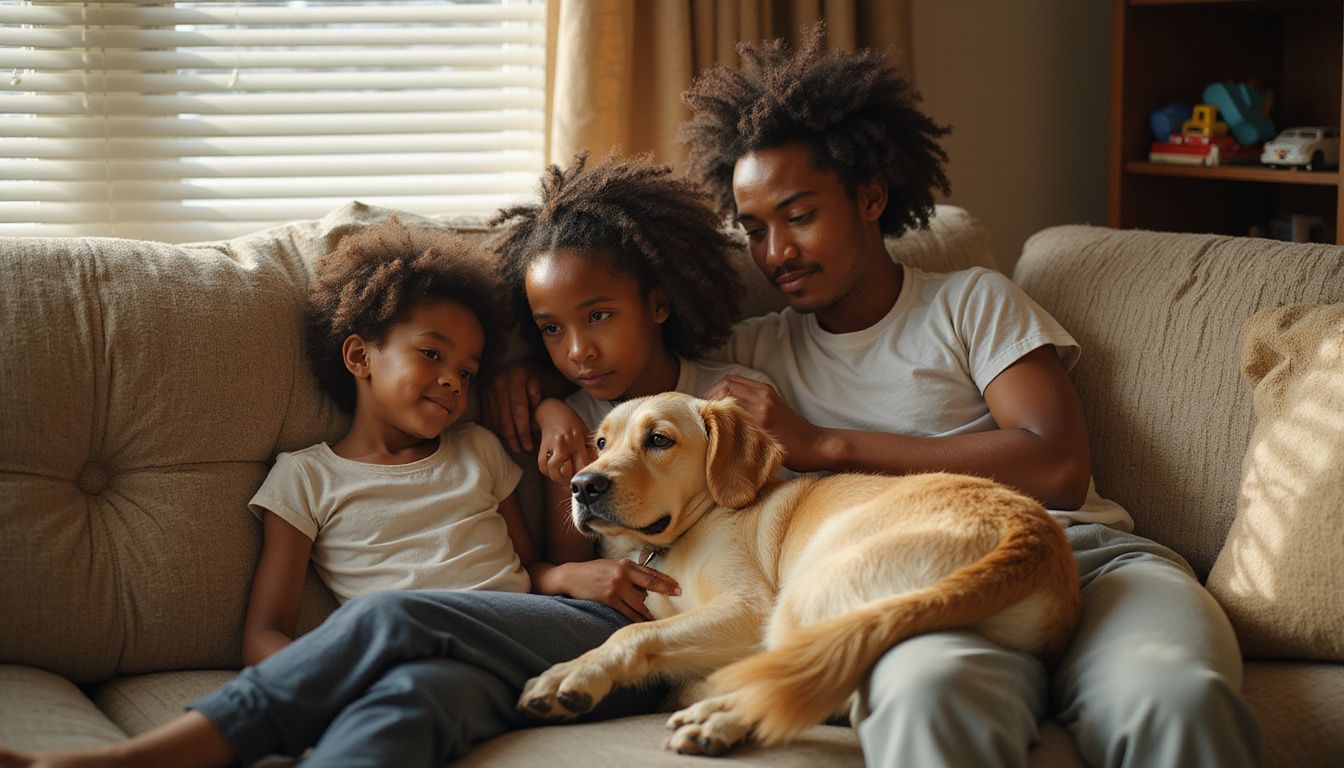
Labrador Retrievers, Golden Retrievers, Cavalier King Charles Spaniels, Newfoundlands, and Poodles all count among the best family dogs you can bring home.
They share the traits that matter most: high child-tolerance scores, easy trainability, and calm temperaments that hold up around active kids.
Training and socialization matter just as much as breed choice. A well-trained mixed breed or Labradoodle can outperform an untrained purebred every time.
Consider adopting an adult dog with a proven history around children instead of starting with a puppy. Adult dogs skip the nipping and jumping phase that can wear down even patient parents.
Your next step is simple. Visit local shelters, talk with breed-specific rescue organizations, and check in with veterinarians at clinics offering orthopedic surgery, radiology and ultrasound, or urgent care to help you narrow down your options.
The right dog does not just join your family. It becomes part of it.
FAQs
1. What breeds are best for families with kids?
Great family dogs include the Labrador Retriever, Golden Retriever, and Beagle, which the American Kennel Club consistently ranks as top choices for children. Smaller breeds like the bichon frise, boston terrier, and border terrier also work well in family homes. Labradoodles are popular too, mixing a friendly temperament with low-shedding coats, while irish setters bring playful energy that kids love.
2. Are hypoallergenic dogs a good choice for kids with allergies?
Yes, hypoallergenic dogs like the bichon frise and labradoodles are excellent for allergy-prone families because they produce less dander. According to the Asthma and Allergy Foundation of America, these breeds can significantly reduce allergic reactions in sensitive children.
3. What dog characteristics should families look for?
Look for a calm temperament, patience with noise, and gentle behavior around small children. Breeds from the herding group tend to be protective yet gentle, while the hound group and terrier group offer loyal companions, though terriers bring more energy. A whippet, for example, stays quiet indoors but loves outdoor play.
4. How do I make sure my new puppy is healthy before bringing it home?
Always request health certificates from your breeder and schedule a vet visit within the first week for basic wellness checks. Early radiology/ultrasound screening can catch issues like hip dysplasia, which affects about 20% of large breed puppies and may require orthopedic surgery later.
5. Where can I take my dog for urgent care in an emergency?
Look for a 24-hour veterinary emergency clinic in your area, such as Bixby Animal Specialty & Emergency on Hawthorne Blvd if you’re in the Los Angeles area. Keep the contact information and address saved in your phone so you’re prepared if urgent care is needed.