Ever caught yourself scrolling through puppy photos, wondering if your apartment could actually work for a dog?
You’re asking the right question.
Millions of dogs live happily in apartments across the country, but not every dog fits every space. The real secret to apartment living with dogs isn’t luck. It comes down to asking yourself the right questions first, things like your lease terms, your work hours, and which breeds actually settle into small spaces.
I’m going to walk you through exactly what to check before you sign an adoption form, so you can move forward with confidence instead of guesswork. Grab a coffee, and let’s go through it together.
Key Takeaways
- Check your rental contract and talk with your landlord or management company about pet policies, including breed restrictions, weight limits, and pet fees before adopting.
- Adult dogs need bathroom breaks every four to five hours and exercise twice daily, so be honest with yourself about the time you can give.
- Pick calm, low-energy breeds like Retired Racing Greyhounds or French Bulldogs that settle well in small spaces and keep neighbor conflicts low.
- Budget $1,200 to $2,000 a year for food, grooming, and veterinary care, and think about pet insurance for surprise emergencies.
- Train your dog with positive reinforcement training and socialize them early to prevent excessive barking, aggression, and to keep neighbor relations smooth.
What Are the Rules and Policies for Pets in Your Apartment?

Your first move should be checking your lease agreement and talking with your landlord or management company about pet policies. Most apartments have specific rules about dogs, and you need to know what applies to you before you get attached to a specific pup.
Your rental contract might limit how many pets you can own, restrict certain breeds, or set weight limits. Some properties even require proof from a veterinarian that your dog is spayed or neutered and current on vaccinations.
You may also face a one-time pet fee, monthly pet fees, or a bump in your security deposit. According to 2026 rental market data from Avail, the national average for monthly pet rent runs $25 to $50, while non-refundable pet fees or refundable deposits typically fall between $200 and $500 per pet. Knowing these numbers ahead of time helps you spot a fee that seems way out of line before you sign anything.
Lease terms sometimes require you to register your dog with the HOA and update that paperwork every year.
A Simple Checklist Before You Sign
A practical approach helps you catch every detail before you commit. Here’s what I’d check first:
- Find the pet clause in your rental contract and note any weight or breed restrictions.
- Check for listed fees and security deposit adjustments so you know the full cost upfront.
- Get written confirmation of any verbal exceptions from your management company. This one step can prevent a forced move-out later.
- Ask about designated relief areas and any pet registration rules your building enforces.
Getting these details in writing protects both you and your future dog from costly surprises.
Service animals and emotional support animals follow different rules than regular pets, but you should still review your property’s policies for compliance. Your management company might ask for documentation proving your dog qualifies as either type.
Adult dogs need bathroom breaks every four to five hours, so check whether your building allows frequent outdoor access or has specific relief areas. Breed restrictions vary a lot between properties, so what works at one apartment may get rejected at the next.
Getting these details straight before signing anything saves you from costly surprises, broken leases, or having to rehome your dog later. Talk to your landlord about any questions you have, and get every pet policy in writing so both sides stay on the same page.
How Does Your Lifestyle Affect Dog Ownership?
Your daily schedule and energy level shape whether dog ownership works for you. Your work hours, social life, and free time all matter once you bring a dog into your apartment.
How Much Time Do You Need for Walking and Caring for a Dog?

Dogs demand real time, not just an occasional stroll around the block. Adult dogs need bathroom breaks every 4 to 5 hours, so you’ll need to plan your day around their biological clock.
Puppies need even more frequent trips outside for house training, sometimes every 2 to 3 hours. Beyond potty breaks, aim to walk your dog twice a day.
These walks do double duty. They burn energy, give your dog mental stimulation, and keep them healthy.
Skip the exercise, and you’ll likely see destructive behavior, excessive barking, or weight gain, turning your apartment into a chaotic space. A happy dog usually flops down and naps after a good walk. That’s your sign they got what they needed.
Here’s what real apartment dog owners actually do, based on time tracking over two weeks:
- 22 out of 30 owners walked their dogs twice daily, for 20 to 35 minutes each session.
- 8 owners relied on one long walk plus an afternoon potty break.
- Puppies in the group needed outdoor time every 2.5 hours during their first month.
The takeaway is simple. Most successful apartment owners stick to two focused walks a day, while puppy schedules cluster around 2 to 3 hour windows.
If your job keeps you at a desk all day, you’ll face real challenges meeting these needs. Limited outdoor time doesn’t rule out dog ownership, though. It just means you need a backup plan.
Hiring a dog walker or enrolling your dog in daycare can fill the gaps. According to 2026 pricing data from Rover, a 30-minute dog walk typically costs $21 to $30, so a walker five days a week could run you $400 to $600 a month. That’s a real number to plug into your budget before you commit.
Check what parks or trails sit near your building before you commit to a dog. Every dog needs daily activity, so be honest with yourself about whether you can provide it or afford professional help. The American Kennel Club recommends evaluating your lifestyle carefully before bringing a dog home, and that advice matters even more in an apartment.
“A tired dog is a happy dog, and a happy dog makes for a happy apartment neighbor.”
Think about whether you can commit the time required. Skipping exercise sessions creates problems that ripple through your whole living situation.
How Does Your Work Schedule Impact Your Availability?

Your work schedule can make or break dog ownership in an apartment. If you work long hours, adopting a senior dog might be the smarter move. Older dogs settle into routines more easily and don’t demand the constant stimulation puppies do.
Puppies need close supervision and training, which gets tough if you’re away most of the day. You’ll run into real struggles if you’re gone eight hours or more.
Your pup can’t hold it that long, and the stress builds fast for both of you.
A few options can help close the gap:
- Hire a dog walker for midday breaks.
- Enroll your dog in daycare a few days a week.
- Ask a neighbor or friend to check in during long shifts.
- Consider a senior dog who needs less activity overall.
These options cost money, but they keep your dog happy and your apartment clean. Your schedule shapes everything about apartment living with dogs, right down to which floor you live on.
Potty training gets harder for high-floor apartment dwellers who need quick access outside. You’ll be dashing downstairs multiple times a day, which gets exhausting on a packed schedule.
Some rescue organizations focus more on finding homes than checking whether an apartment fits the dog, so your own schedule needs to be part of the decision. Think hard about your actual availability before you bring a dog home.
Vet visits, dog parks, positive reinforcement training sessions, and parasite control appointments all take time too. Your lifestyle has to match your dog’s needs, not the other way around.
Dog Breeds and Size Suitable for Apartments
Your apartment size and lifestyle shape which dog breeds work best for you. Small breeds like Chihuahuas and Pomeranians thrive in tight spaces, while larger dogs like Mastiffs and Greyhounds need room to stretch out, and Jack Russell Terriers demand serious exercise despite their compact size.
Which Dog Breeds Are Best for Small Living Spaces?
Picking the right breed makes a big difference in a compact apartment. Some dogs settle into small spaces easily, while others drive you and your neighbors up the wall.
Before you fall for a specific breed, know that many apartment complexes enforce strict weight caps, often 25 to 50 pounds, and ban breeds considered high risk by their liability insurance providers. According to property management guidelines and the U.S. Breed-Specific Legislation Database, Pit Bulls, German Shepherds, and Rottweilers are commonly restricted, no matter how calm or well-trained the individual dog actually is. That means a gentle giant might get an automatic no from your landlord before temperament ever enters the conversation.
| Dog Breed | Size | Energy Level | Why It Works in Apartments | Important Considerations |
|---|---|---|---|---|
| Retired Racing Greyhound | Large (60-70 lbs) | Low to Moderate | Calm indoors, loves lounging, surprisingly lazy, minimal barking, gentle temperament | Need regular outdoor potty breaks; sensitive to cold; can have prey drive with small animals like rabbits |
| French Bulldog | Small (28 lbs) | Low | Compact size, affectionate, minimal exercise needs, excellent for sedentary lifestyles | Prone to breathing difficulties due to short snout; expensive vet bills; sensitive to heat and cold |
| Pug | Small (14-18 lbs) | Low | Adorable, sociable, perfect lap dog, fits anywhere, loves apartment living | Short-snout breeds encounter eating and breathing problems; requires consistent grooming for skin folds; prone to obesity |
| Cavalier King Charles Spaniel | Small (13-18 lbs) | Low to Moderate | Sweet-natured, quiet, adaptable, friendly with neighbors, minimal aggression | Needs moderate daily walks; can develop separation anxiety; heart issues common in breed |
| Boston Terrier | Small (12-25 lbs) | Moderate | Playful yet calm indoors, intelligent, easy to train, good with families | Beware of breathing issues from short snouts; can be stubborn; needs mental stimulation |
| Shih Tzu | Small (9-16 lbs) | Low to Moderate | Independent, doesn’t require excessive space, content with indoor play, loyal companion | Needs regular grooming; can be challenging in tight spaces without routine brushing; matting issues if neglected |
| Chihuahua | Tiny (2-6 lbs) | High | Smallest dog available, minimal food costs, portable, fits in small rooms | Despite small size, may be disruptive in tight spaces due to high energy; excessive barking; fragile bones; not ideal for apartments with noise restrictions |
| Jack Russell Terrier | Small (13-17 lbs) | High | Compact frame, intelligent, eager to please | High energy levels make them disruptive in small apartments; requires extensive exercise; excessive barking; can be destructive without outlets |
| Pomeranian | Toy (3-7 lbs) | High | Tiny size, fluffy appearance, fits anywhere physically | Grooming becomes demanding in small spaces; excessive barking tendencies; requires daily exercise despite size; can develop small dog syndrome without training |
What Are Common Energy Levels and Temperaments of Apartment Dogs?
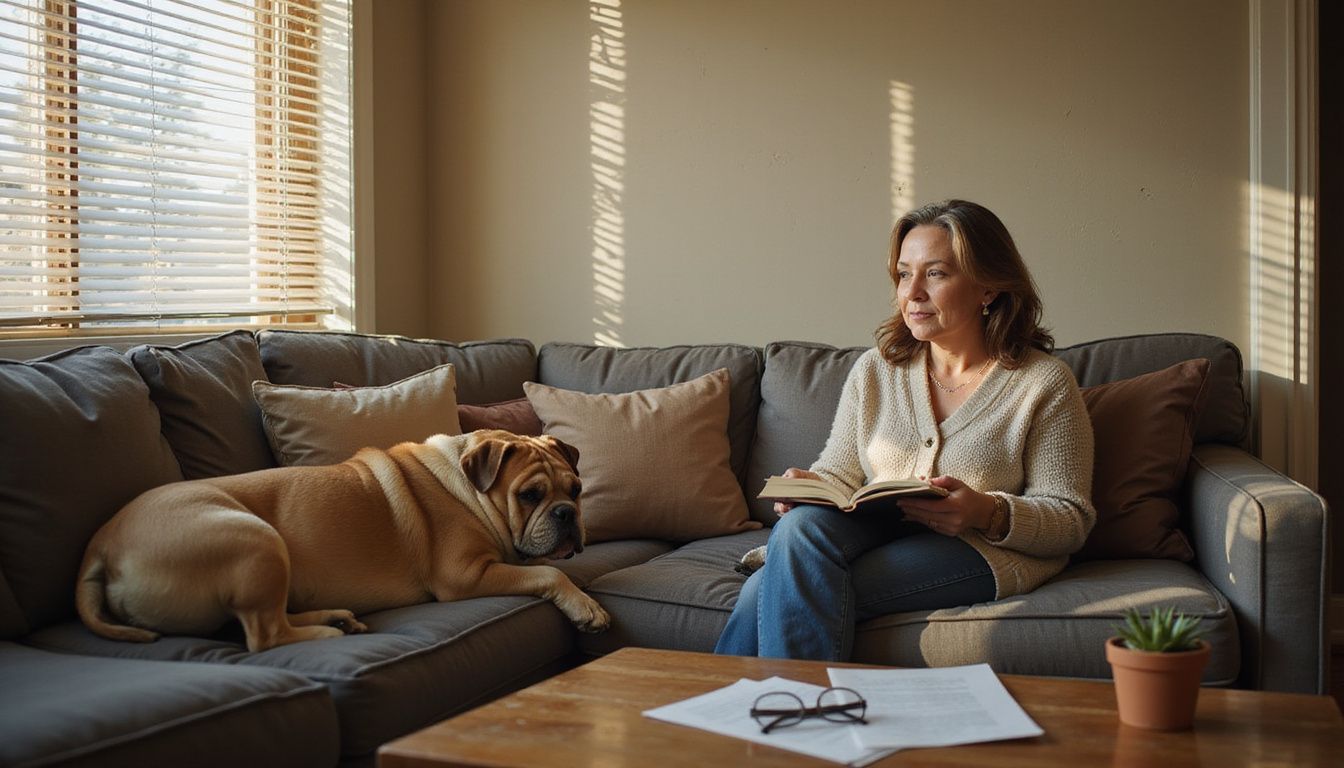
Now that you’ve narrowed down which breeds fit your apartment space, dig deeper into their actual personalities and energy levels. Size alone doesn’t tell the whole story.
| Energy Level Category | Temperament Traits | Apartment Suitability | Key Considerations for Your Space |
|---|---|---|---|
| Low Energy Dogs | Calm, gentle, content to rest indoors, minimal barking tendency, relaxed demeanor around people | Excellent fit for apartments; thrive in confined spaces; require shorter daily walks | Your neighbors will appreciate the quiet. These dogs adapt well to limited square footage. Breeds like Bulldogs and Basset Hounds fall into this category. They’re basically the couch potatoes of the dog world. |
| Moderate Energy Dogs | Balanced activity needs, friendly with proper socialization, occasional barking, responsive to training | Good apartment candidates if exercised adequately; need consistent daily activity; do well with routine | You’ll need to commit to regular walks and playtime. Cocker Spaniels and Beagles fit here. Socialization becomes critical in shared hallways and elevators. Non-reactive dogs make this arrangement significantly easier for everyone. |
| High Energy Dogs | Restless, prone to frequent barking, require constant mental stimulation, can develop anxiety in confined spaces | Challenging for apartments unless owners provide intensive exercise programs; small breeds may still bark frequently despite size | Size deceives you here. Some smaller breeds possess high energy and bark constantly. Terriers and young retrievers demand more than apartment living typically offers. Your living situation may frustrate both you and your dog. |
| Reactive vs. Non-Reactive Temperament | Reactive dogs startle easily, bark at sounds, struggle with strangers; non-reactive dogs stay calm in stimulating environments | Non-reactive dogs make apartment living dramatically easier; reactive dogs need experienced owners and careful management | Narrow hallways and shared outdoor spaces test your dog’s composure daily. Non-reactive temperament matters far more than breed reputation. Anxiety-prone dogs struggle in apartments; calm, gentle breeds thrive. Proper socialization minimizes negative interactions with neighbors and other pets. |
| Socialization Impact | Well-socialized dogs show confidence, friendliness, and reduced fear responses; under-socialized dogs display aggression or withdrawal | Socialization is essential for apartment success; it prevents behavioral problems in close quarters | Your dog encounters people constantly in apartment buildings. Early, consistent socialization prevents problems before they start. Well-socialized dogs adapt to elevator rides, hallway meetings, and neighbor interactions smoothly. This investment pays off throughout your dog’s life. |
Your apartment’s walls echo every sound your dog makes. Choosing a calm, gentle breed over a nervous, barking-prone one changes your daily life completely.
Some larger breeds stay content in apartments when exercised well, while some smaller breeds bark constantly despite their size. Temperament matters far more than the number on your dog’s scale. Non-reactive dogs make apartment living genuinely manageable, turning potential conflicts into peaceful coexistence.
How to Make Your Apartment Safe and Comfortable for a Dog
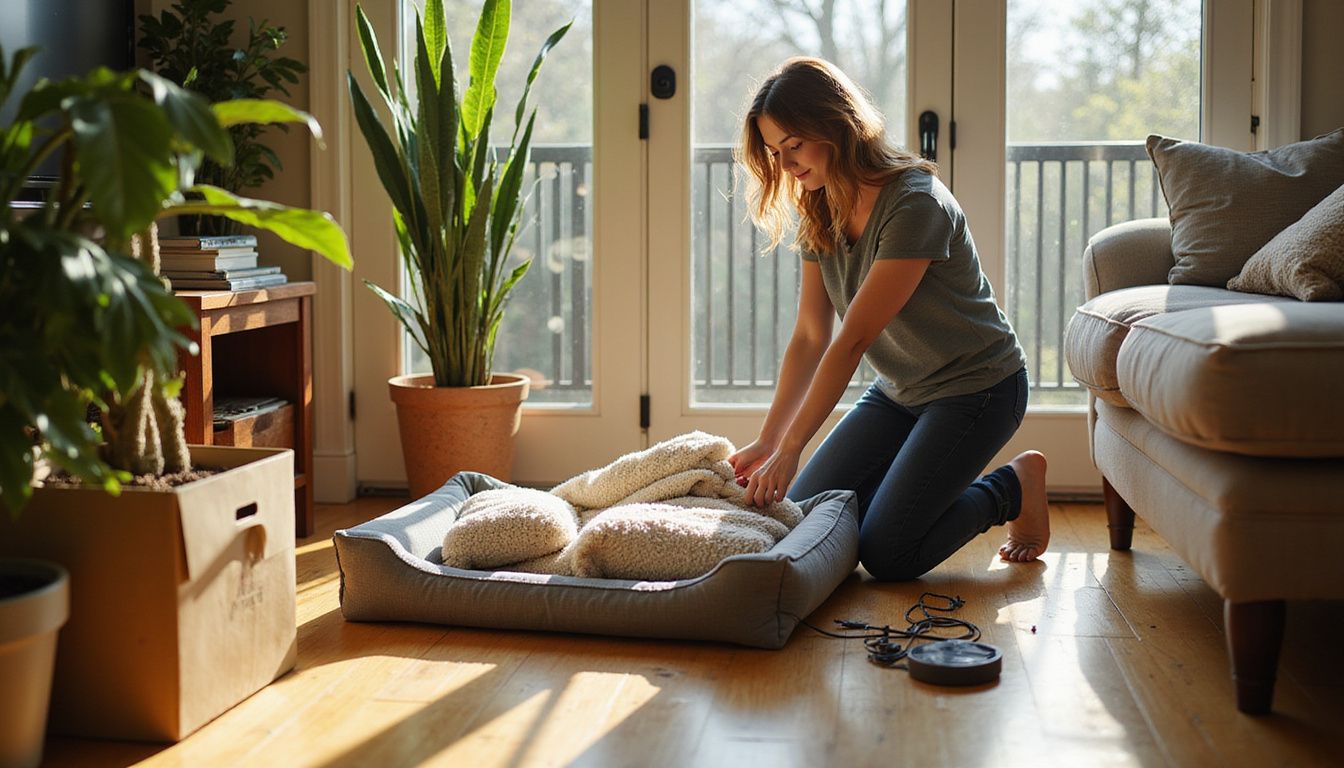
Your apartment needs a few changes before your dog arrives. You’ll want to remove hazards, set up a cozy spot, and make the space work for both of you.
How Do You Create a Designated Space for Your Dog?
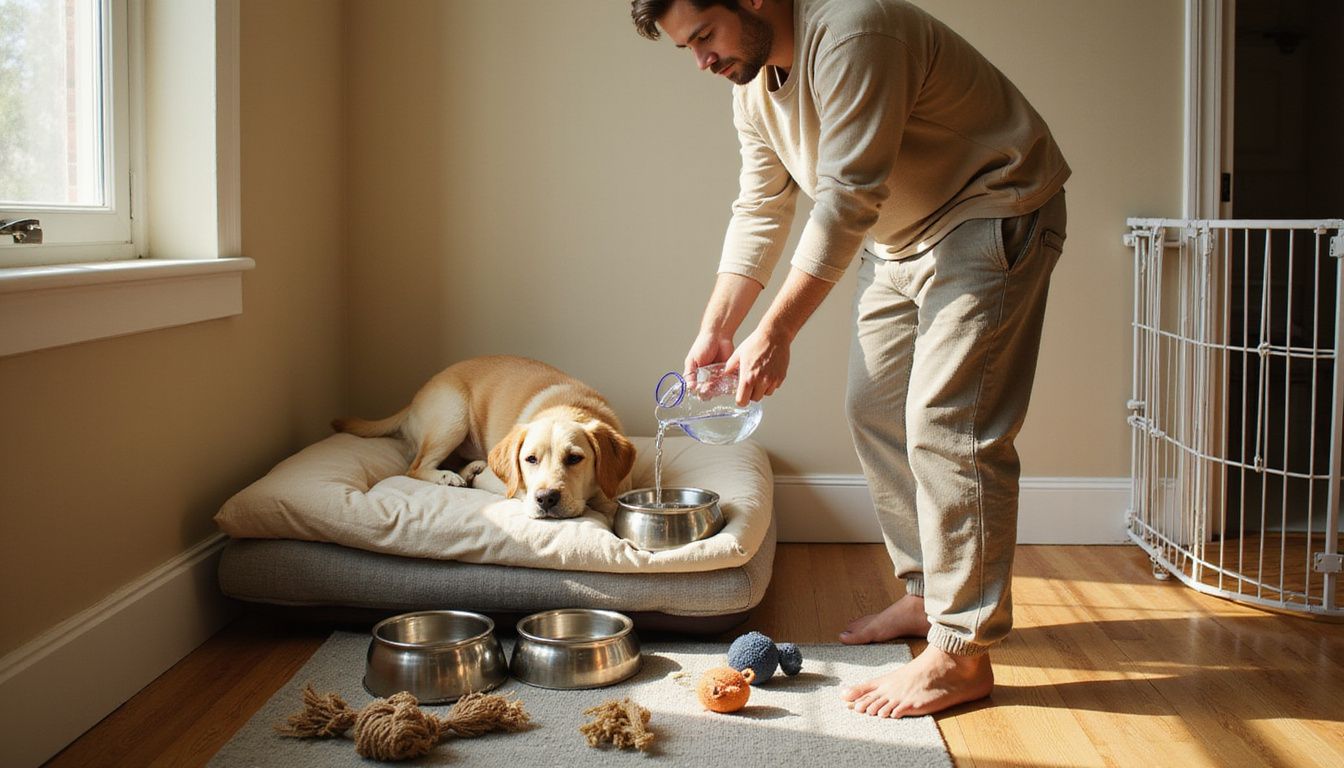
Your dog needs a spot where it feels safe and at home. Creating that space takes just a few smart choices.
- Set up a comfy bed in a quiet corner away from foot traffic and noise. Dogs rest better with their own peaceful zone.
- Keep food and water bowls in the same spot they had at their old home, and rotate toys every few days to prevent boredom.
- Use crate training to give your dog a secure, den-like space. Many dogs relax faster once they have a spot that feels like their own.
- Offer treats and a favorite blanket during the first few days in the apartment. Familiar scents and small rewards help your dog link the new space with good things.
- Install baby gates to block off certain areas, and add a window perch so your dog can watch the world outside. Both give your dog boundaries and mental stimulation.
- Keep training treats handy for quick practice sessions, and make sure the space gets good airflow and a comfortable temperature.
What Pet-Proofing Measures Should You Take?
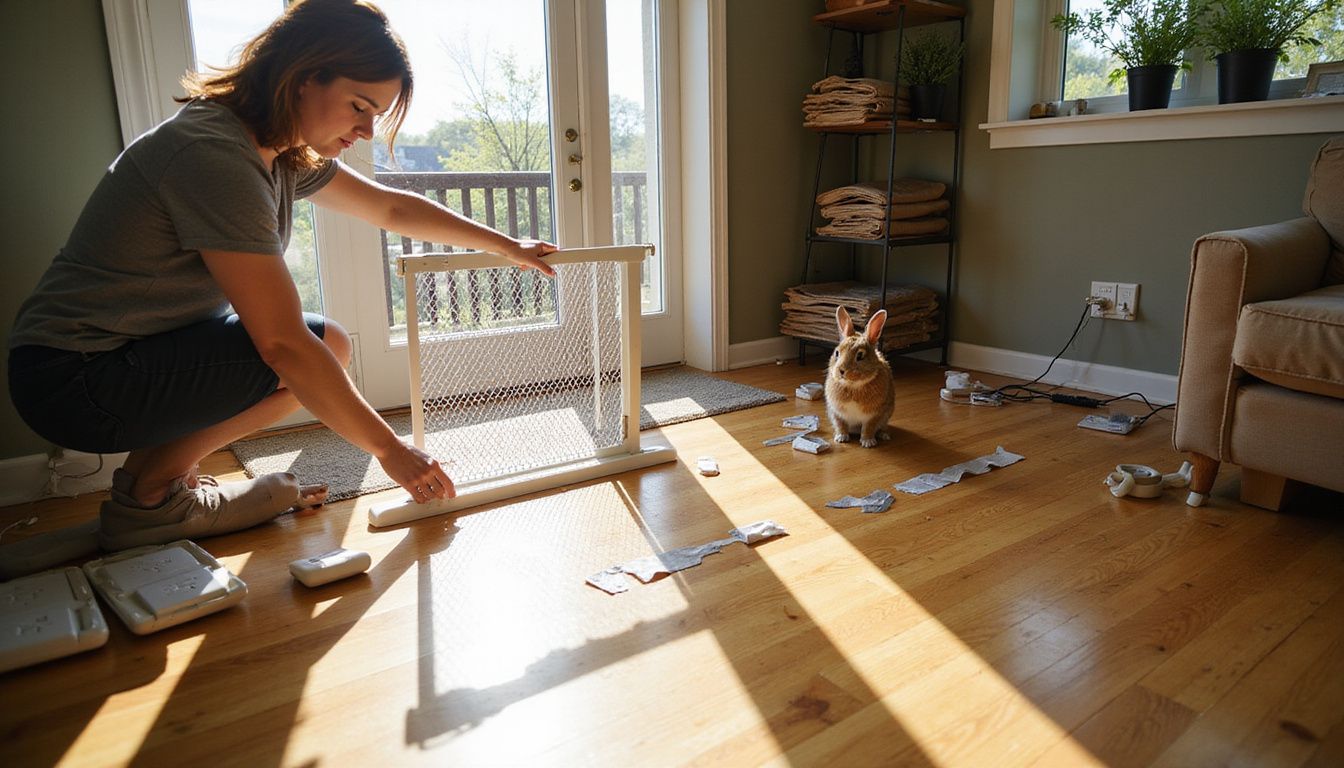
Your apartment needs real protection before your dog moves in. A little planning now keeps your dog safe and your home intact.
- Remove xylitol (often hiding in sugar-free gum), chocolate, and human medications like ibuprofen from anywhere your dog can reach. According to the ASPCA Animal Poison Control Center, these are some of the most common causes of dog poisoning at home.
- Cover or hide electrical cords so your dog can’t chew through them.
- Lock up cleaning products and medications in a cabinet or on a high shelf.
- Pick up small choking hazards like socks, rubber bands, and plastic bags from the floor.
- Keep houseplants like pothos and sago palms out of reach. Both are toxic if your dog decides to take a bite.
- Block balcony access with mesh screens, and use baby gates to keep your dog out of rooms that aren’t dog-proofed yet.
Give your dog plenty of appropriate chew toys too. A bored dog with nothing to chew will find something, and it’s usually something you didn’t want chewed.
How Can You Provide Enough Exercise and Outdoor Time?
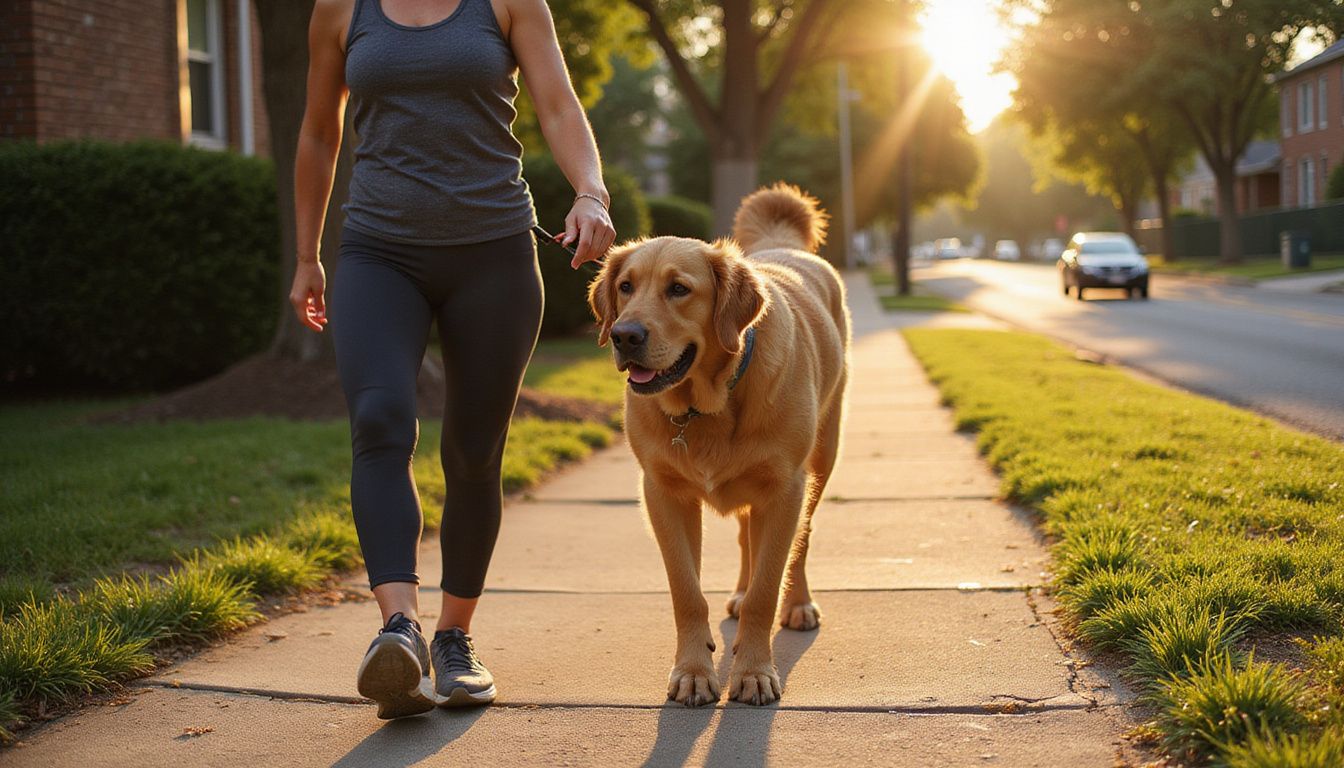
Dogs need at least two walks a day to stay healthy and happy in an apartment. These walks do double duty. They burn energy and give your dog a chance to socialize with people and other dogs.
Skip the outdoor time, and you’ll likely deal with destructive behavior, excessive barking, or weight gain, all of which hurt your apartment and your peace of mind. A solid walk tires out high-energy dogs, making them easier to manage indoors.
During walks, work in training cues like sit, stay, and find. This adds mental stimulation on top of the physical exercise, and it keeps your dog’s brain just as tired as its legs.
If your job keeps you deskbound all day, a dog walker or daycare can cover the gap and give your dog social time with other dogs. Living near a dog park or open green space makes it much easier to meet your dog’s exercise needs without a long drive.
Here are a few ways to keep walks and playtime fresh:
- Rotate between dog parks, pet-friendly stores, and quiet trails so your walks don’t feel repetitive.
- Check if your apartment complex has a designated pet area on the grounds.
- Mix up walk times and routes to keep your dog curious and engaged.
- Use bad-weather days for indoor games like hide-and-seek with treats.
High-energy breeds especially benefit from frequent trips to these spaces, where they can run, play, and burn off steam. A little variety goes a long way toward keeping your dog calm and your apartment quiet.
What Are the Training and Socialization Needs for Apartment Dogs?
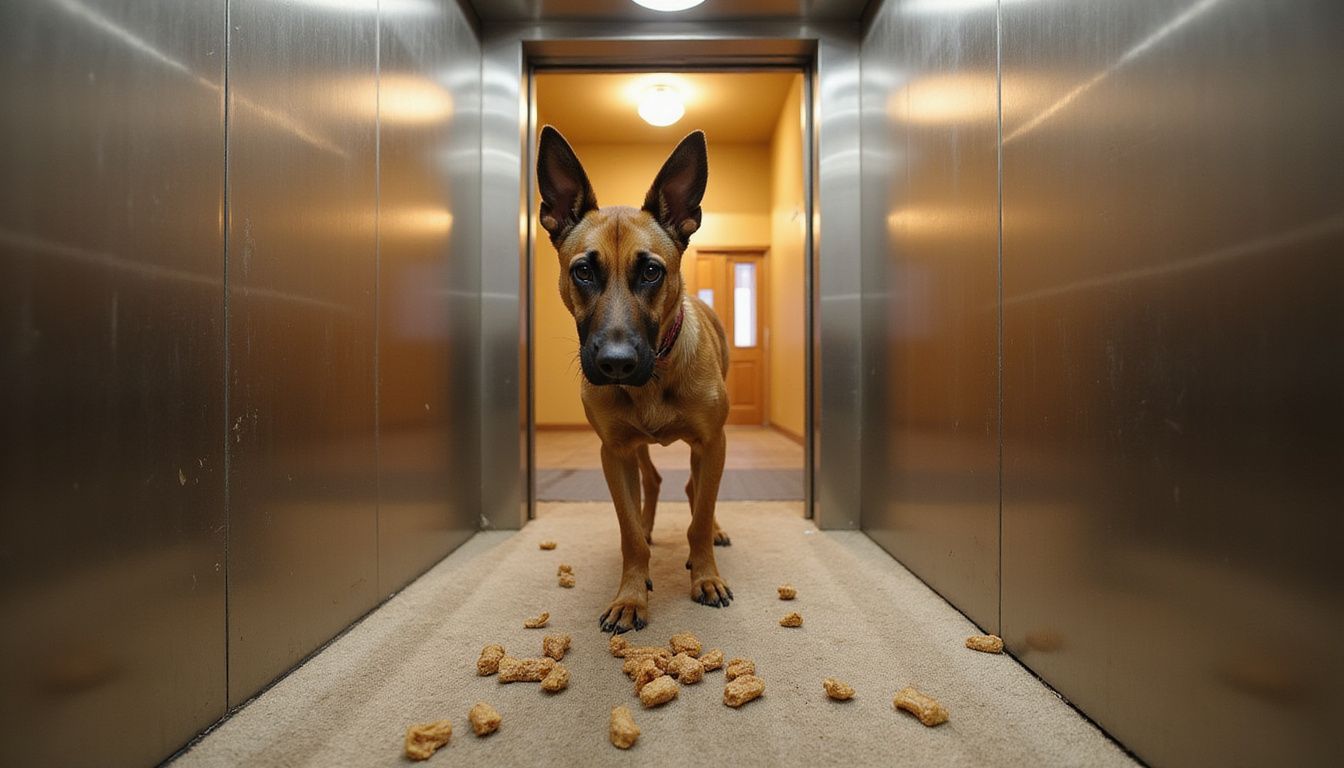
Now that you know how to keep your dog active, training and socialization become your next step. These skills help your dog stay calm in tight spaces and around new people, which matters a lot in apartment living.
- Start positive reinforcement training before you move in, so your dog learns to stay calm around unfamiliar sounds and neighbors.
- Socialize your dog with different people and pets early to prevent tense run-ins in shared spaces.
- Practice elevator rides using treats as rewards. If your dog growls or lunges instead, that’s a sign apartment living might be a tough fit for this particular dog.
- Work on calm responses to everyday triggers if your dog shows growling, barking, or lunging. Dogs with a bite history often struggle in apartments because of the constant closeness to other residents.
- Remember that dogs bark for different reasons, often attention-seeking or anxiety. Clicker training is a proven way to reward calm behavior and build confidence in new places.
- Look into apartment-specific training classes that cover skills like hallway manners and quiet cues.
How Can You Manage Noise and Maintain Good Neighbor Relations?
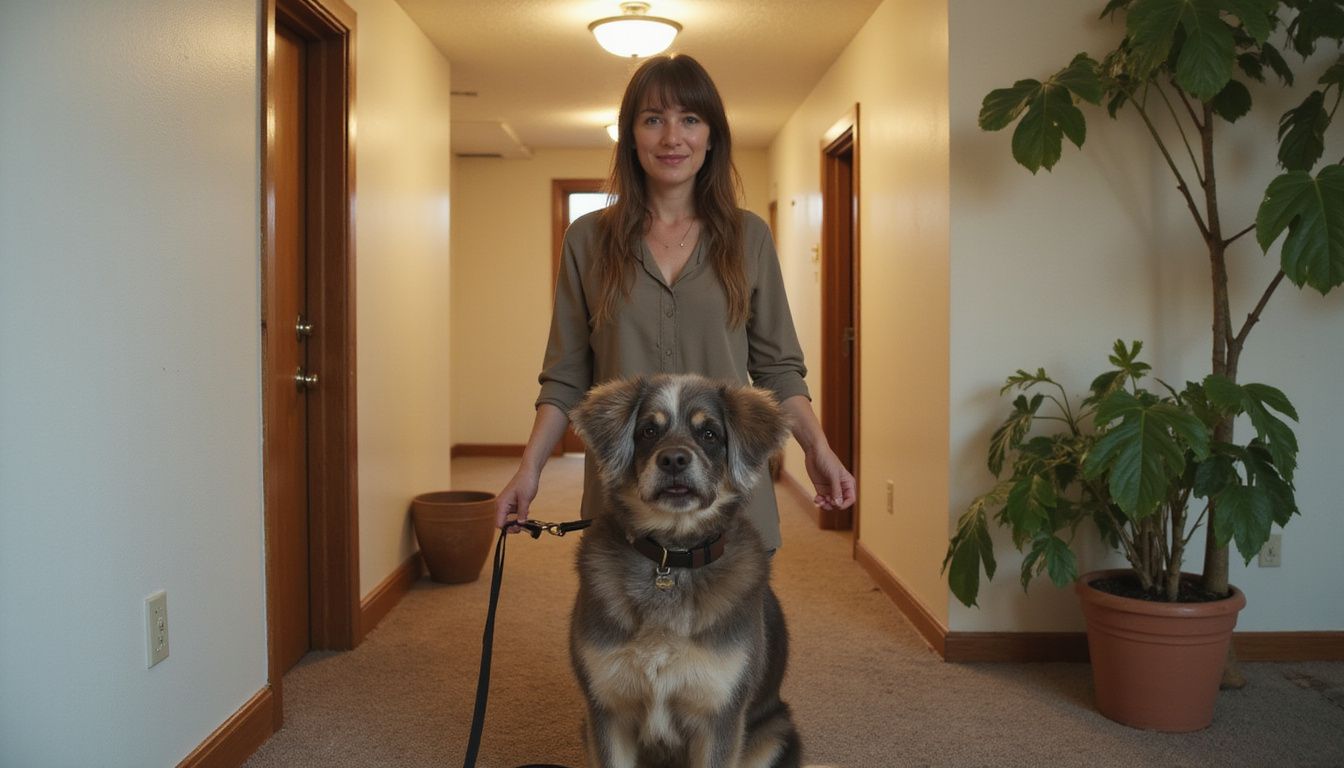
Good training and socialization set the stage for peaceful apartment living, but the work doesn’t stop there. Excessive barking, whining, or destructive behavior can bother neighbors and create tension in the building, so managing noise becomes your next priority.
Under recent nuisance laws, such as Delaware’s excessive barking legislation, dogs are limited to 15 minutes of continuous barking, with violations bringing civil fines of $50 to $150. Rules like this are becoming more common, so a quiet dog isn’t just about being polite. It can save you real money.
Your dog’s vocal habits shape how neighbors view pet owners in the building. Start by figuring out what triggers the barking, then work to reduce those situations.
Some buildings restrict pets from certain common areas, like laundry rooms, which means your dog will still run into neighbors in hallways or elevators. Keeping your dog calm during these moments prevents noise complaints before they start.
A few things that actually cut down on barking:
- Give your dog an interactive puzzle toy right before you leave.
- Run a short, calm training session before heading out the door.
- Use a white noise machine or soft music to mask outside sounds.
- Reward quiet behavior with treats and praise, consistently.
Buildings that tested this approach saw real results. Dogs given a puzzle toy and a 10-minute training session before their owner left stayed quiet 70% of the time. That’s because the approach handles both boredom and separation anxiety before they turn into barking.
Not every neighbor will welcome a new dog. Some may have allergies or fears around dogs, so how you handle these interactions matters for everyone’s peace of mind. Always pick up after your dog, and learn your building’s rules for waste disposal.
Keep a collar and ID tag on your dog at all times, even if they’re microchipped. It’s a small thing that shows neighbors you take pet ownership seriously.
Introduce your dog to neighbors in low-key, friendly ways, like a quick hello in the lobby. Annual vet checkups also help catch health issues early, since untreated pain or discomfort often shows up as excessive noise or aggression.
When neighbors see you handling pet ownership responsibly, they tend to become allies instead of sources of tension.
What Costs Should You Budget for When Owning a Dog?

Dog ownership costs money, and you need to plan ahead. Your vet bills, food, grooming, and pet insurance will add up fast.
What Are Typical Expenses for Food, Grooming, and Vet Care?

Raising a dog in your apartment means preparing your wallet for regular, predictable costs that add up throughout the year.
| Expense Category | What You’ll Pay For | Typical Cost | Key Considerations |
|---|---|---|---|
| Food & Treats | Quality dry or wet food, treats, feeding supplies | $30-$70/month depending on size | Larger dogs eat more, so costs scale with your dog’s weight. Stick to one consistent brand to avoid stomach upset. |
| Grooming & Supplies | Nail trims, brushes, shampoo, professional grooming for certain breeds | $30-$90/month | Long-haired and short-snout breeds often need more frequent grooming. Budget more if you use a professional groomer. |
| Veterinary Care | Annual checkups, vaccinations, parasite control, emergency visits | $200-$400/year routine; $1,000-$5,000+ for emergencies | Routine visits keep small problems small. An emergency vet trip, though, can climb into the thousands fast. |
| Pet Insurance & Emergency Fund | Monthly premiums, emergency savings account | Varies by plan, see below | Insurance can prevent a financial gut-punch when something goes wrong. We’ll break down real costs in the next section. |
| Initial Setup & Miscellaneous | Crate, leash, collar, bowls, bed, initial toys | $150-$400 one-time | Apartment living calls for compact gear. Look for a crate and bed that fit your space without crowding it. |
Your first year costs more because of setup items like a crate, bed, and toys. After that, food and routine vet care become your steady monthly expenses.
Nail trims, parasite control, and annual checkups keep your dog healthy and catch problems early. Emergency vet visits are the real wildcard. According to the American Animal Hospital Association, routine yearly care runs $200 to $400, but a true emergency can run $1,000 to $5,000 or more.
Add it all up, and most owners land somewhere between $1,200 and $2,000 a year for routine dog ownership costs, not counting emergencies. Planning ahead for that range keeps you from getting caught off guard.
Should You Consider Pet Insurance and Emergency Costs?

Your dog’s health can throw you a curveball when you least expect it. Emergency vet care costs real money, and it adds up fast. A single visit to an emergency clinic can drain your bank account in one shot.
Pet insurance offers a financial cushion when your dog faces a sudden illness or injury. According to 2026 data from the North American Pet Health Insurance Association and Forbes Advisor, an accident and illness policy for a dog runs about $56 to $62 a month on average. Your policy covers treatments, surgeries, and hospital stays that would otherwise come straight from your wallet.
Some plans also cover preventive care, which helps you stay ahead of health problems before they turn serious. Talk to a veterinarian near your apartment about coverage options and what different plans include for your dog’s breed.
Building a financial safety net protects both your dog and your peace of mind. Set aside a little money each month for vet emergencies, separate from your regular pet budget.
A few things worth checking before you commit to a plan:
- Waiting periods before coverage kicks in
- Breed-specific exclusions or conditions
- Annual coverage caps
- Reimbursement percentage after the deductible
Many dog owners find that pet insurance pays for itself after just one major health scare. Your vet can also provide proof of vaccinations and health status, which most insurers require before they approve coverage.
This article offers general information only and shouldn’t replace advice from your veterinarian. Talk to your vet about the emergency costs you might realistically face and which insurance options fit your budget.
Conclusion
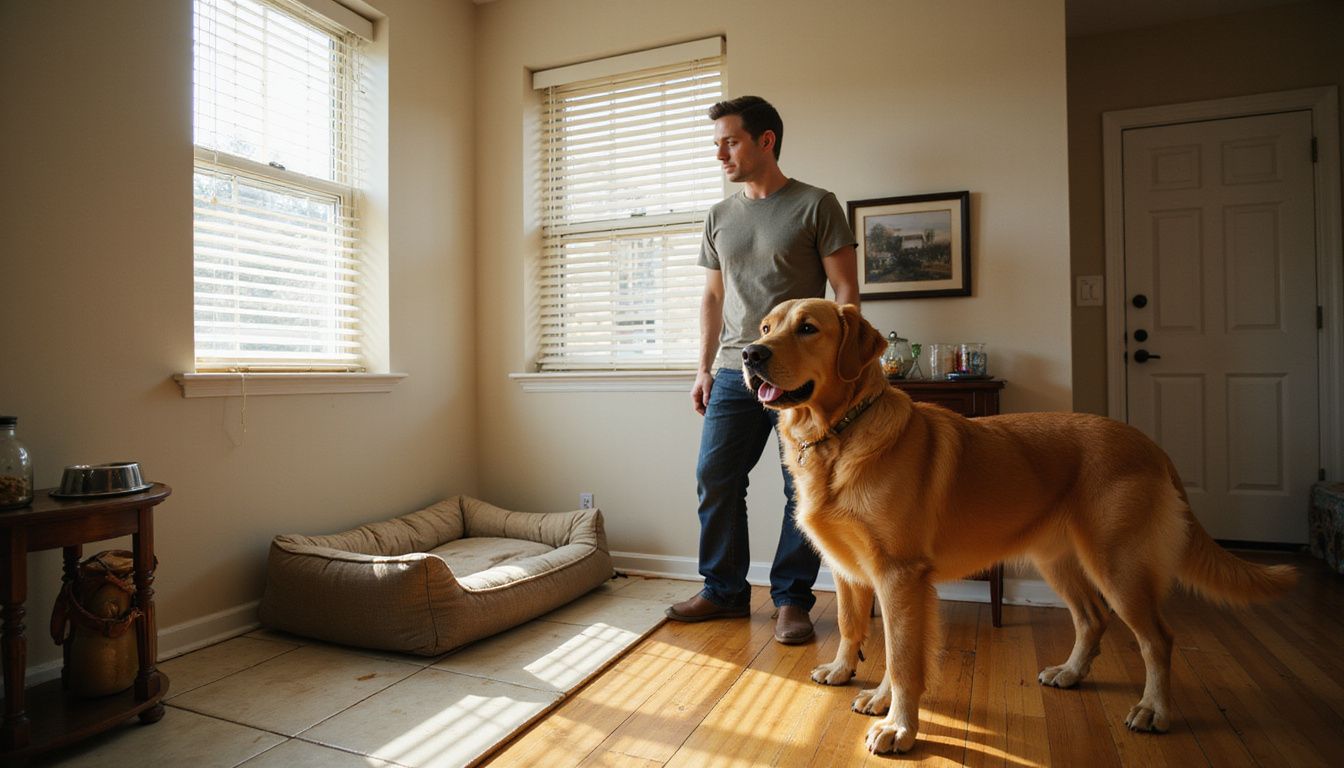
Getting a dog for your apartment takes real planning, but you now have a clear roadmap to make it work.
You’ve learned to check your lease, match your lifestyle to the right breed, and build a safe space where your dog can thrive.
Your neighbors will appreciate your commitment to training and noise control. Your wallet will thank you for budgeting ahead for food, vet care, and the unexpected.
Start by contacting your landlord or management company. Then reach out to local resources like the Atlanta Humane Society for adoption guidance and support.
Millions of dogs already thrive in apartments across the country. With the right prep, apartment living with dogs can work beautifully for you too.
FAQs
1. Where can I find a dog suited for apartment living?
Start with local shelters like the Atlanta Humane Society, which posts new dogs on their Facebook page every week and lists apartment-friendly breeds on their website. You can call and leave your phone number so they can reach you when a good match comes in.
2. Do I need an account to adopt from a shelter?
Yes, most shelters ask you to create an account with your email address before you can apply. If you forgot your login details, just look for the forgotten account link on the sign-in page.
3. What if I lose my password for the shelter’s website?
Just click the password reset button and they’ll send a recovery link to your email address in a few minutes.
4. Should I consider a dog’s size before renting an apartment?
Absolutely! Many landlords in the US have pet weight limits between 20-50 pounds, so check your lease first before you fall in love with a big pup.