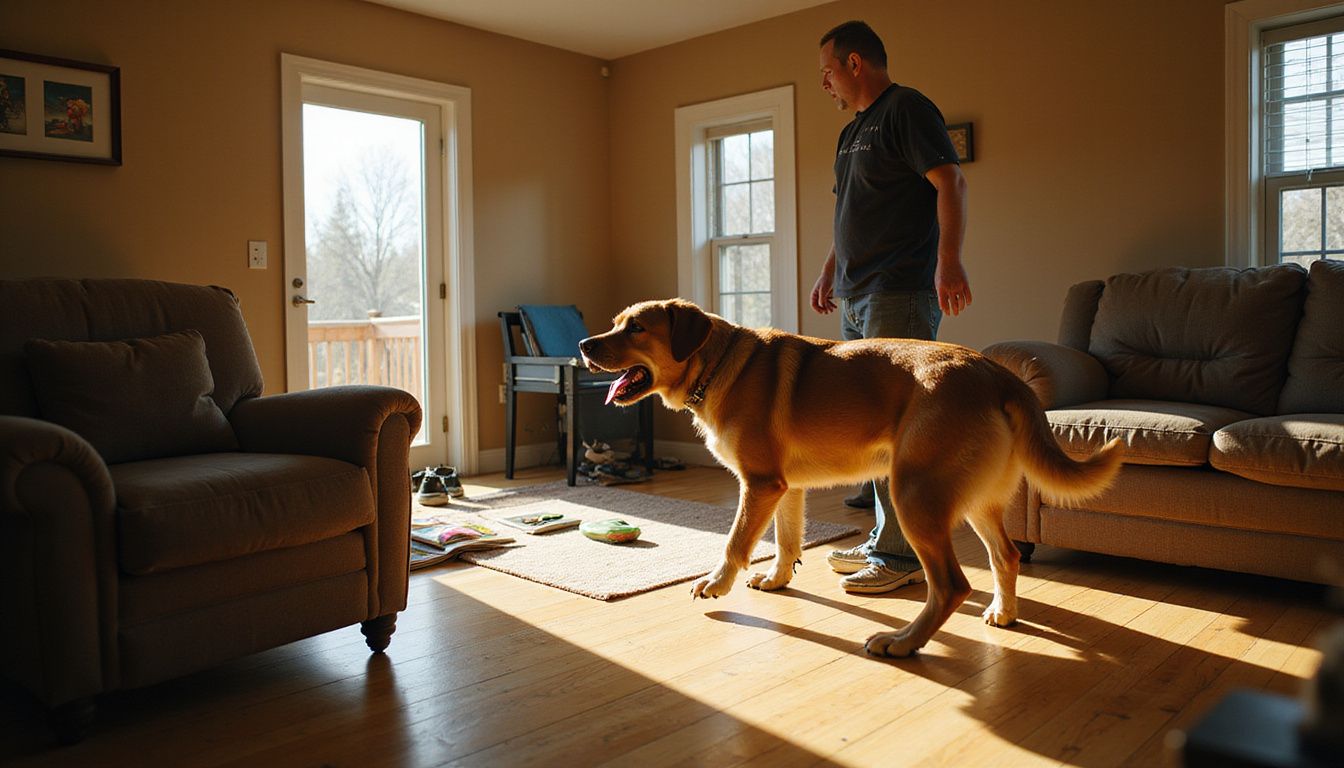
Does your stomach drop every time the doorbell rings?
You already know what’s coming next. Frantic dog barking, a rush to grab the collar, maybe an apologetic wave to whoever is standing on your porch.
Here’s something that helped me make sense of it all: barking at strangers rarely comes out of nowhere. It usually traces back to territorial behavior, protective instincts, fear, excitement, or plain old attention-seeking.
Once you know the reason behind the noise, you can actually fix it instead of just yelling over it.
I’m going to walk you through positive reinforcement methods that help your dog feel calm around visitors instead of defensive. Grab a treat pouch, and let’s turn those chaotic doorbell moments into peaceful ones.
Key Takeaways
- Dogs bark at strangers due to territorial behavior, protective instincts, fear, excitement, and attention-seeking, so understanding the root cause comes before any training.
- Teach “quiet” and “enough” using positive reinforcement with treats and praise, rewarding calm behavior within two seconds for results that actually stick.
- Introduce strangers gradually at 20 to 50 feet, then close the gap by 5 to 10 feet during multiple weekly sessions as your dog stays calm.
- Practice five to ten minute sessions several times a week, and stay consistent over months since progress takes real time.
- Use desensitization with clicker training, calming sounds, and blocked visual triggers so your dog links visitors with good things instead of threats.
What Causes Dog Barking at Strangers?
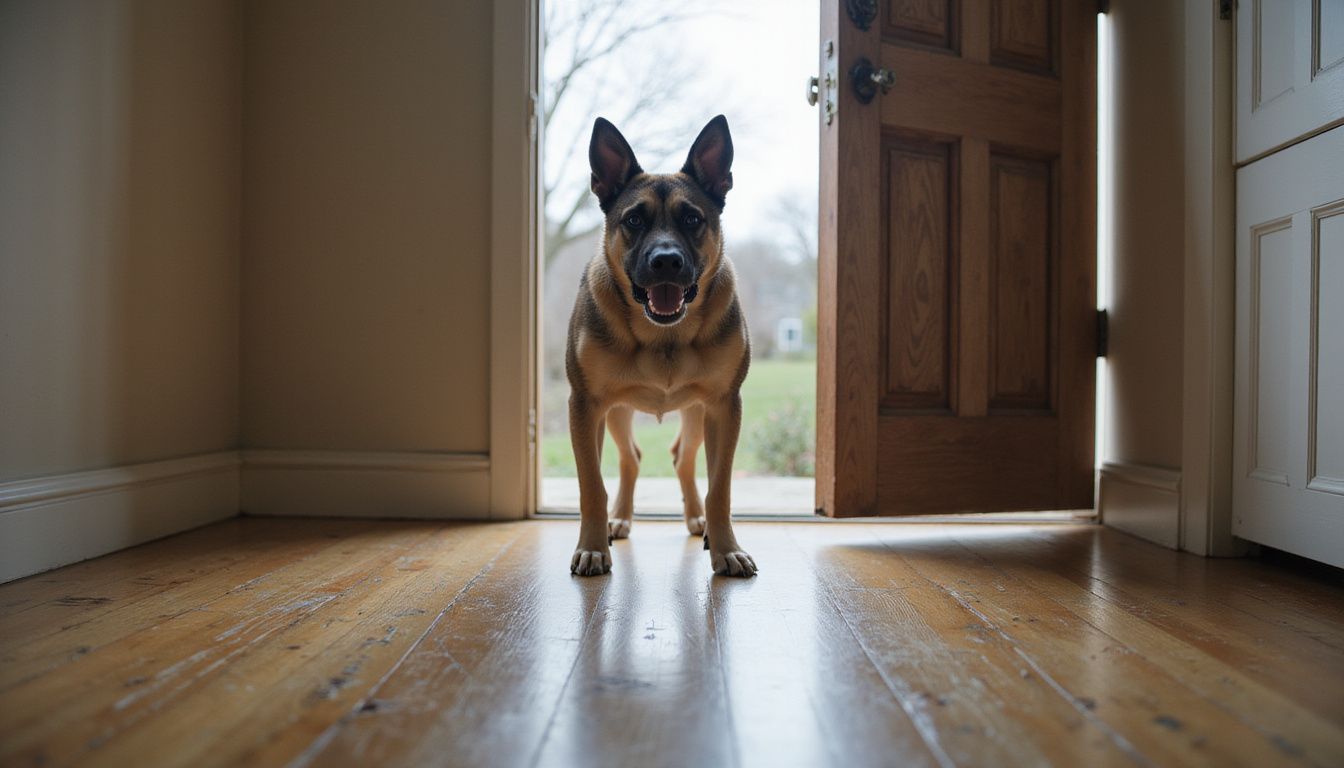
Your dog barks at strangers for a few solid reasons rooted in canine behavior. Territorial behavior and protective instincts drive much of it, especially when someone approaches your home or yard.
Your pup sees themselves as a guard dog, alerting you to unfamiliar people. That watchdog mentality isn’t a flaw. It’s actually a natural trait that kept dogs useful for thousands of years.
Fear or anxiety also triggers excessive barking, especially if your dog missed out on early socialization. A dog that didn’t meet many people as a puppy often feels nervous around strangers, so barking becomes a way to create distance and feel safe.
According to a May 2026 study by Texas A&M University based on data from the Dog Aging Project, more than 84 percent of dogs show mild to moderate fear or anxiety in everyday situations, and unfamiliar people rank as one of the biggest triggers. So if your dog barks at your mail carrier, they’re not broken. They’re pretty normal.
Excitement and attention-seeking round out the common culprits too. Some dogs simply get overstimulated when visitors arrive, treating the moment like a party they can’t hold in their excitement about.
Your dog isn’t being stubborn or difficult. They’re trying to tell you something real. That bark might mean:
- “Hey, I don’t know this person yet.”
- “This is my space, and I need to protect it.”
- “I’m so excited I might explode.”
Once you figure out which one applies, you can respond in a way that actually helps. This shift in perspective lets you manage the barking instead of just trying to silence it.
A dog’s bark is their voice. Learn what they’re saying, and you’ll unlock better behavior together.
Desensitization and positive-reinforcement training work because they target the root cause, not just the symptom. Your dog learns that strangers mean good things happen, and the barking fades on its own.
Basic Obedience Training
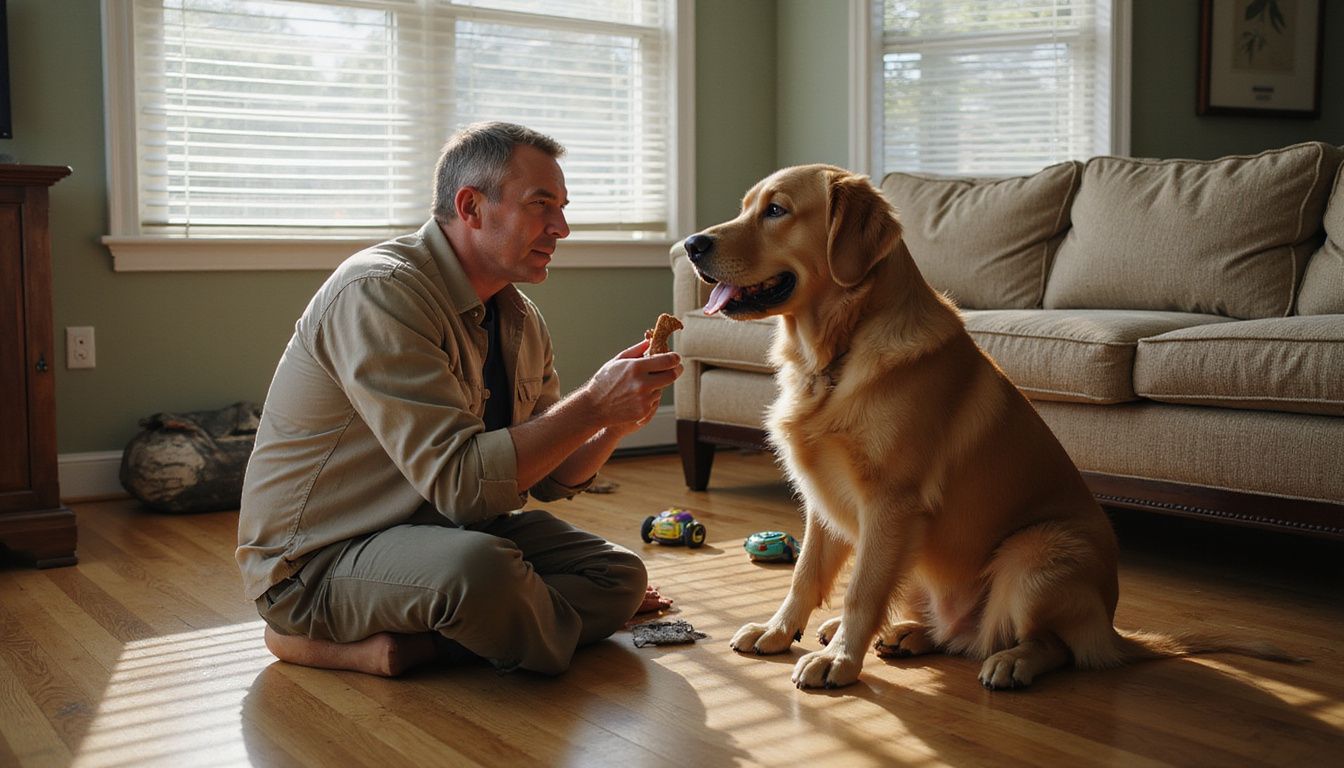
Your dog needs some basic command training before you can tackle the barking problem head on. Teaching your pup words like “quiet” and “enough” gives you real power to manage their behavior the moment strangers show up.
How Do I Teach My Dog Commands Like “Quiet” or “Enough”?

Teaching your dog the “quiet” command takes patience and steady practice during regular activities. Start small, and you’ll see real progress in just a few weeks.
- Catch your dog barking naturally, then say “quiet” in a calm, firm voice while gently holding their muzzle closed for a few seconds.
- Release the muzzle the instant your dog stops barking, then reward them with treats and enthusiastic praise right away.
- Repeat this sequence several times a day during normal barking situations to build the link between the command and the behavior you want.
- Use a marker word like “yes” the second your dog stops barking, so they know exactly what earned the reward.
- Practice in low-stress spots first, like your living room, before you move to busier settings.
Once your dog gets the hang of it, layer on these next steps:
- Introduce the “enough” command alongside “quiet” using the same technique, giving your dog two ways to understand your request.
- Reward compliance every single time your dog responds to either command, since this locks in the connection between obedience and good things happening.
- Gradually raise the difficulty by asking for quiet during more intense barking episodes or stronger triggers.
- Bring in a professional dog trainer if your dog shows aggression or extreme anxiety during sessions.
- Stick to short five to ten minute sessions daily, and keep the training fun for your dog.
How Can I Use Treats and Praise to Reinforce Commands?

Treats and praise are powerful tools for shaping behavior through positive dog training. Consistent rewards teach your dog that quiet behavior brings good things, so they’re more likely to repeat it.
- Carry high-value treats during walks and training sessions, just as Ted Mayberry does, to grab your dog’s attention before barking starts at strangers.
- Call your dog with “come here” the moment you spot a trigger, then reward right away to pull their focus off the visitor.
- Use a “hush” command when your dog quiets down, followed instantly by praise and a treat so the connection sticks.
- Pick treats your dog loves most. These become your secret weapon for behavior modification when distractions feel overwhelming.
Keep these tricks in your back pocket too:
- Praise your dog with your voice and touch alongside treats, so you’re sending multiple positive signals at once.
- Stick with this reward system over several months, as Mayberry saw gradual improvement in his dogs through repeated positive reinforcement.
- Switch between treats and verbal praise sometimes, so your dog doesn’t only respond when food shows up.
- Offer treats within two seconds of the right behavior, so your dog’s brain links the reward directly to the action.
The good news? Treat-based training won’t break the bank. Here’s a quick look at what a typical labrador owner might spend on a three-sessions-a-week schedule.
| Item | Amount |
|---|---|
| Sessions per week | 3 |
| Treats per session | ~20 |
| Treat bag size | 16 oz ($12) |
| Bag lasts about | 8 weeks |
| Cost per week | ~$1.50 |
That’s a small investment for the kind of consistency that leads to real behavior change.
Controlled Exposure Training
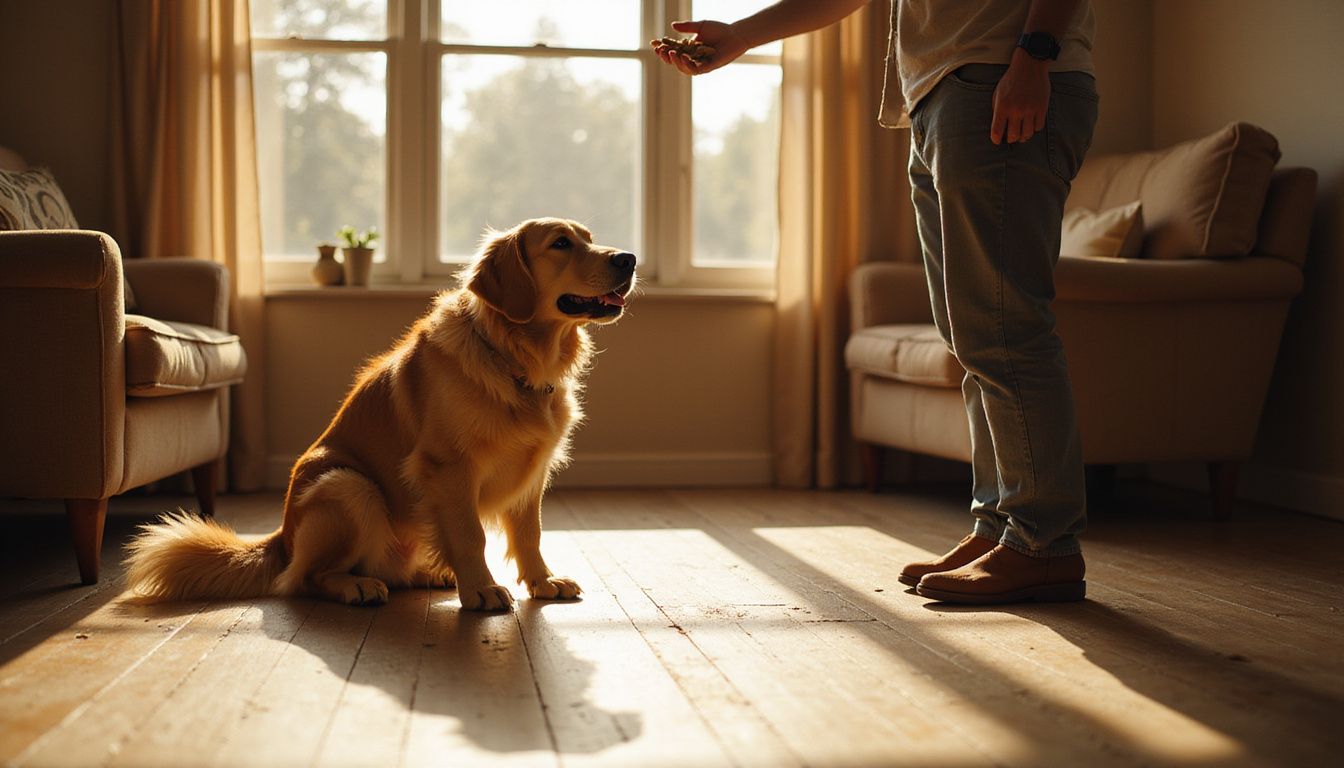
You’ll move your dog forward by introducing strangers in small, manageable steps that keep your pup calm and confident. This method works because your dog learns that visitors bring good things, not scary situations that call for barking.
How Can I Safely Introduce Strangers at a Distance?
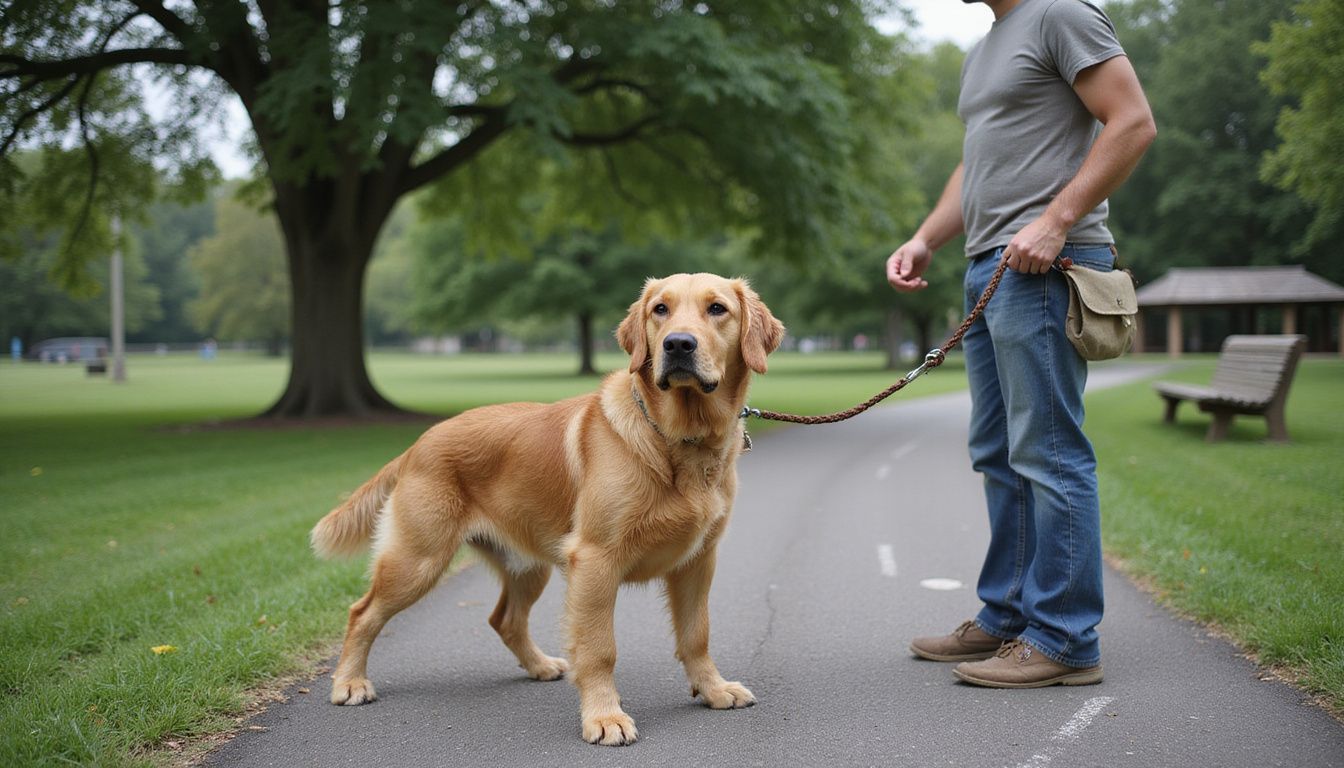
Introducing strangers requires patience and smart planning. Distance is your best friend during these early sessions.
- Start outdoors in a neutral space, like a park or quiet street, to keep your dog calm from the beginning.
- Position the stranger at least 20 feet away at first, so your dog can observe without feeling threatened.
- Use clicker training paired with high-value treats when your dog stays calm and doesn’t bark at the distant stranger.
According to 2026 canine behavior industry data on aggression and reactivity, over 70 percent of owners seeking professional help for reactive dogs report that treat-based training fails completely when tried too close to the trigger. Once a dog gets that stressed, adrenaline shuts off their appetite, and even the best treat won’t work. That’s exactly why distance matters more than anything else here.
- Have the stranger stay still and quiet. Moving or talking can trigger barking and undo your desensitization progress.
- Reward calm behavior right away, so your dog learns that strangers at a distance mean good things.
- Gradually close the gap by 5 to 10 feet over multiple sessions once your dog shows steady calm.
- Practice hand targeting between introductions to keep your dog’s focus on you instead of the visitor.
- Control the leash and positioning to manage distance, preventing close approaches during early interactions.
- Repeat these sessions several times a week to build confidence and lower barking triggers over time.
Charlie’s outdoor training sessions at Clover Park show how methodical distance work pays off. Over four weeks, Charlie went through eight staged stranger introductions, each starting at 50 feet and moving 5 to 10 feet closer as his comfort grew.
By week four, Charlie tolerated a person standing just 15 feet away without barking in six out of eight trials. Working from far to near taught him that people predict treats, not threats, and that kind of patient progress builds lasting confidence.
How Do I Gradually Decrease the Distance to Strangers?

Your dog needs space to feel safe, so move strangers closer only when your pup shows calm behavior. This gradual approach builds confidence without triggering fear or excessive barking.
- Hold this second session outside your home, where your dog feels less territorial pressure. This helps your pup adjust to people near his space.
- Position a stranger about 50 feet away at first. This keeps your dog comfortable while you watch his body language.
- Use hand targeting to keep your dog focused on you rather than the visitor. This redirects his attention before barking starts.
- Watch your dog’s ears, tail, and posture during each session. Reading dog body language tells you exactly when he’s ready for closer contact.
As your dog settles into the routine, add these final steps:
- Close the gap by 5 to 10 feet every few minutes if your dog stays calm and quiet. Charlie’s 90-minute sessions showed that patience here really pays off.
- Reward your dog with treats and praise the moment he stays silent as strangers move closer. This teaches him that quiet behavior around visitors brings good things.
- Schedule follow-up sessions regularly to keep progress moving and build lasting comfort over time.
- Stop moving closer if your dog shows stress, like heavy panting or lunging. Go back to the previous distance and try again next session.
Now that you know how to bring strangers closer safely, it’s time to use desensitization techniques to ease your dog’s anxiety around visitors.
Desensitization Techniques

Your dog barks at strangers because fear or excitement takes over, and desensitization flips that response around. You reward calm behavior, and over time your dog becomes desensitized to visitors instead of stressed by them.
How Does Positive Reinforcement Help Calm My Dog?

Positive reinforcement works wonders when you want to calm your dog around strangers. Each time your dog stays quiet or relaxed near a visitor, reward that behavior with treats or praise right away.
This builds a positive association in your dog’s mind. Strangers start to mean good things instead of threats.
Clicker training makes this even clearer, since the click marks the exact second your dog does something right.
- Calm behavior starts to pay off more than barking does.
- Toys or treats can pull your dog’s focus onto something fun the moment a stranger approaches.
- Puzzle toys channel nervous energy into problem-solving, which naturally settles an anxious dog.
- A professional dog trainer or behaviorist can guide you through advanced desensitization if your dog struggles with deep fear or aggression.
This approach beats punishment every time, since you’re teaching your dog that visitors mean fun is on the way, not danger.
How Can I Slowly Introduce Visitors to Reduce Anxiety?

Once your dog feels calm through positive reinforcement, you can bring real visitors into the picture. Gradual introductions turn your pup’s anxiety into curiosity.
- Put your dog on a leash before opening the door. This simple step stops jumping and gives your pup a safe boundary.
- Ask your visitor to toss small treats near your dog. This builds a positive association with their presence.
- Keep the leash on through the whole visit, letting your guest toss treats without invading personal space. Skip direct eye contact for now.
- Watch your dog’s body language. Relaxed ears and a wagging tail mean it’s time for the next step, while tension means slow down.
Once your dog handles that well, move on to these steps:
- Reward calm behavior before your guest moves around the house or gets closer. Timing matters, so reward the second your pup stays quiet.
- Space out visitor introductions over several weeks instead of overwhelming your dog with too many people at once.
- Have friends and family follow the same routine every visit, so your dog learns a pattern they can trust.
- Gradually shrink the distance between your visitor and your dog as calm behavior improves. Only move closer when your pup shows zero distress.
Managing the Environment

Your dog’s barking often comes from what he sees and hears around your home. You can take control by changing his surroundings, blocking visual triggers, and adding calming sounds that turn your space into a spot where he feels safe instead of on high alert.
How Can I Block Visual Triggers That Cause Barking?

Blocking what your dog sees stops many barking problems before they even start. Managing sightlines is one of the simplest, most overlooked tools you have.
Indoor Sightline Fixes
- Close blinds or curtains so your dog can’t see pedestrians or other triggers outside.
- Rearrange furniture to block direct sightlines from windows where your dog usually watches the street.
- Install frosted window film on lower panes so your dog can’t see movement outside, though light still comes through.
- Use baby gates to keep your dog out of rooms with windows facing high-traffic areas.
- Move your dog’s crate away from windows and doors, creating a calm space free from visual distractions.
Entryway and Yard Adjustments
- Hang sheer curtains over glass doors to soften the outline of people approaching.
- Move your dog’s bed to an interior room with fewer outside sightlines and less noise.
- Block the front door view with a decorative screen so arriving guests don’t instantly catch your dog’s eye.
- Keep outdoor areas calmer by closing gates or fencing that stops your dog from tracking movement beyond your yard.
- Pair visual blocking with calming sounds or white noise in your dog’s space for an extra layer of calm.
Simple sightline changes can bring real, measurable results. One doberman living with windows facing a busy street barked at pedestrians an average of nine times an hour before any changes were made.
After applying frosted film to the lower panes and moving his crate away from the window, combined with two weeks of desensitization sessions, his barking dropped to just two times an hour during the same observation periods. That’s a big shift from a few simple changes, no complex protocols required.
What Are Effective Calming Sounds or White Noise Options?

Your dog barks at strangers partly because outside noises spike his anxiety and alertness. Calming sounds and white noise mask these triggers, helping your pup stay relaxed when visitors arrive.
Setting the Mood Before Guests Arrive
- Play soft instrumental music at a low volume during visitor arrivals to mask doorbell sounds and footsteps.
- According to a 2024 biometric study using PetPace smart collars on service dogs, calming music and steady white noise measurably improve heart rate variability and lower resting pulse rates compared to silence or classical music. Try white noise machines in the room where your dog spends time, since these devices cover sudden noises that spark barking.
- Try nature sounds like rainfall or ocean waves through speakers for a familiar, gentle backdrop that calms your dog’s nervous system.
- Stream soundscapes made specifically for dogs on pet relaxation platforms, which research shows can lower stress responses.
- Turn on calming sounds about thirty minutes before guests arrive, so your dog adjusts before the actual interaction begins.
Fine-Tuning Your Sound Strategy
- Pair white noise with your training techniques by combining the sounds with treats and praise during stranger practice.
- Watch your volume levels. Too loud backfires, while too soft won’t mask the triggers causing the barking.
- Layer a few sound options together, mixing white noise with gentle music, for a richer audio backdrop.
- Use this dog gone problems trick during crate training too, so your dog links calming sounds with feeling safe indoors.
Give your dog’s ears the same attention you give their eyes, and those visitor moments get a lot quieter.
How Often Should I Practice and How Patient Should I Be?
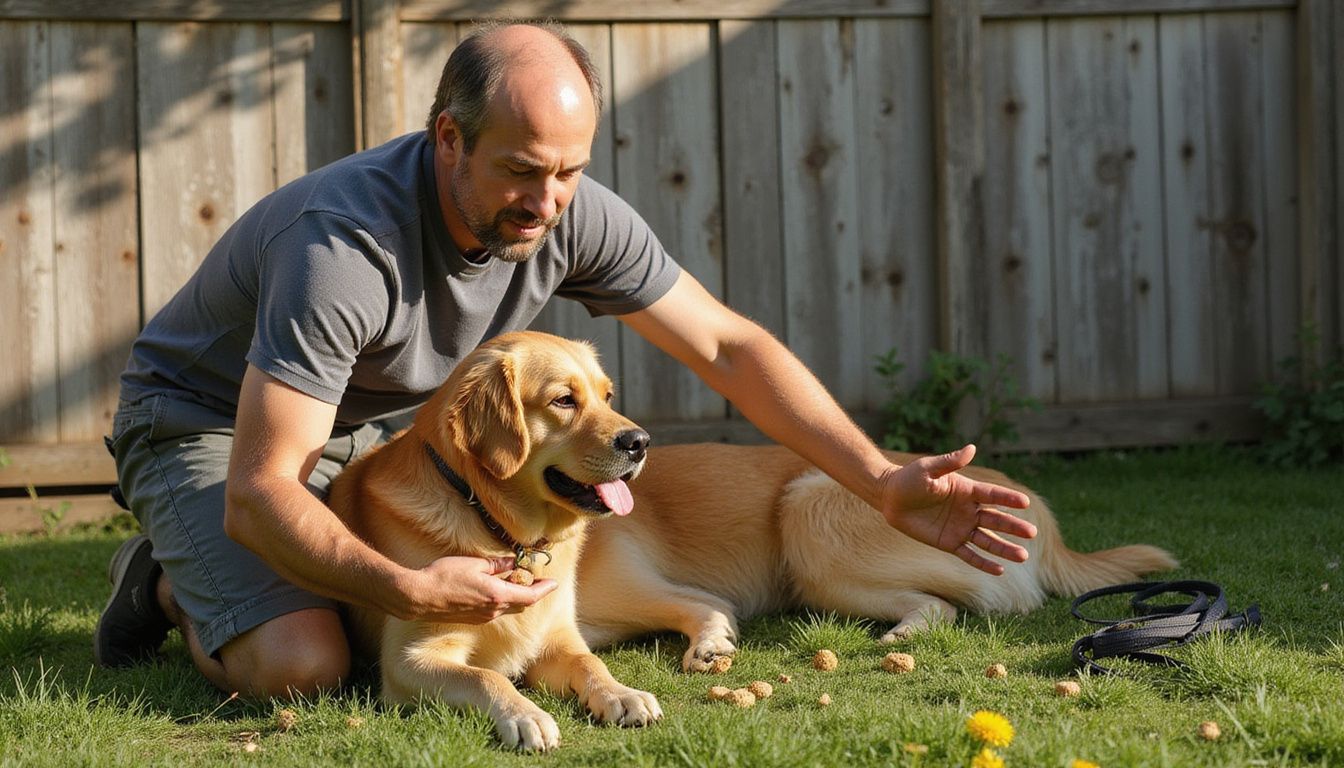
Training sessions work best when they’re short and focused. Aim for five to ten minute blocks, a few times each week. This keeps your dog from getting tired or bored, which keeps you both engaged.
Short bursts of training actually stick better in your dog’s mind than long, exhausting sessions. Think of it like building muscle. Consistent, manageable workouts beat one intense gym day.
According to a January 2025 study published in Applied Animal Behaviour Science, dogs trained in short sessions with built-in breaks learn faster and remember commands longer than dogs trained in one long, continuous stretch. Your dog’s brain simply works better this way.
Ted Mayberry’s dogs showed gradual improvement over time, which proves that steady effort produces real results. Spacing out your sessions gives your dog time to process what he learned.
The brain needs rest to lock in new behaviors. Skipping weeks between sessions sets you back, so consistency matters more than intensity here. If life gets hectic, even two quick sessions a week beat none at all.
In a 12-week program, 42 dogs practiced five to ten minute barking sessions three times a week. By the end, 31 of them cut their barking by at least 40 percent during controlled visits.
Steady short sessions produced the most consistent calm responses during guest arrivals, according to the trainers who tracked the progress. That backs up what many owners already suspect: brief, regular practice beats sporadic marathon sessions.
Patience is your greatest tool here, since progress can take several months to show up. Some dogs shift their behavior in weeks, others need longer. Scheduled follow-up sessions help you track what’s working.
Don’t expect perfection overnight. That mindset only leads to frustration. Celebrate the small wins instead, like:
- Your labrador barks less at the mail carrier.
- Your doberman stays calm when the neighbors stop by.
- Your dog holds a “quiet” command a few seconds longer each week.
Country Life newsletter readers often share stories of dogs that took months to improve, yet eventually became calm around strangers. Persistence and consistency build lasting change. Your dog isn’t being stubborn, they’re just learning a new way to respond. Give them the time to succeed.
Conclusion

Dog barking at strangers comes from territorial instincts, fear, excitement, or attention-seeking, and understanding your dog’s emotional state matters more than just stopping the noise.
Basic commands like “quiet,” paired with treats and praise, give you practical tools to redirect your dog’s behavior in real moments. Controlled exposure at Clover Park or a similar outdoor space lets your dog practice calm responses around strangers at safe distances, building confidence step by step.
Short five to ten minute sessions a few times a week keep your dog engaged without wearing him out. Positive reinforcement through clicker training and desensitization creates lasting change, because your dog learns that visitors mean good things, not threats.
Start today with one simple step. Invite a friend over, and watch your pup turn from a barking alarm into a calm, confident companion who greets people with a wagging tail instead of endless noise.
FAQs
1. Why does my dog bark at strangers and visitors?
Dogs bark at new people because they feel unsure or want to protect their territory. Trainer David Codr, known for his work in Brentwood dog training, says most dogs just need practice staying calm around new faces and can become desensitized to visitors with consistent exposure.
2. How long does it take to stop a dog from barking at guests?
It depends on the dog, but a 2025 study by the Association of Professional Dog Trainers found that most dogs show improvement within 2 to 4 weeks of consistent training. Some pups calm down faster, while others take a month or more, so consistency matters more than the calendar.
3. Are there specific training methods that work best?
Yes, many trainers in Los Angeles use beggarbush methods to teach calm greetings. These methods focus on rewarding quiet behavior instead of punishing the bark. You can also find similar programs in places like Omaha or Clover Park, so good training is not limited to one city.
4. Do I need my dog’s consent before starting training?
Not consent in the legal sense, but you do need your dog to feel safe and willing to learn. Forcing a scared dog to get over it often backfires, so go slow and let your dog’s comfort guide the pace.
5. Where can I learn more about dog training tips online?
Many trainers share videos and tips through Facebook and other Meta products, though these platforms track your activity for online advertising through their cookies policy and accounts center settings.