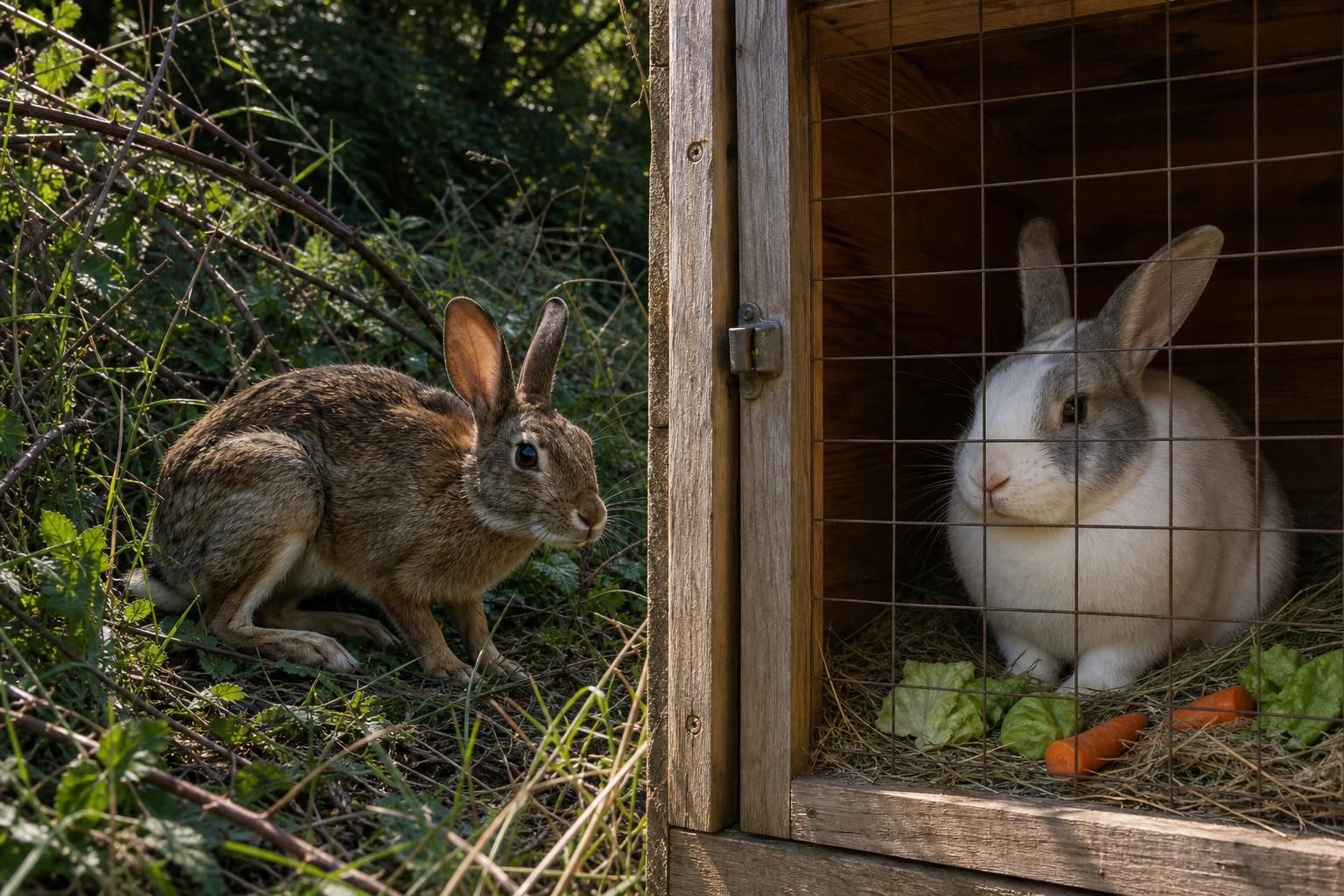
Thinking about keeping a wild rabbit as a pet? Wild rabbits and domestic rabbits are completely different, even though they share ancestors. This blog will explain why wild rabbits aren’t good pets and how domestic breeds make better companions.
Keep reading to learn what makes them so different!
Key Takeaways
- Wild rabbits are not pets; keeping them is often illegal and can harm ecosystems. They face high stress in captivity and carry diseases like tularemia.
- Domestic rabbits are bred for companionship. They are social, trainable, and adapt well to indoor living with human care.
- Wild rabbits cannot adjust to confinement or taming. Their instincts make them skittish, while domestic rabbits bond easily with humans.
- Domestic rabbits need hay-based diets, regular vet care, and protected homes to thrive up to 10–15 years—unlike wild ones who live less than 2 years outdoors.
- Adopt domestic rabbits from shelters or rescues for a safe choice that ensures happiness for both you and the rabbit!
Can You Keep a Wild Rabbit as a Pet?
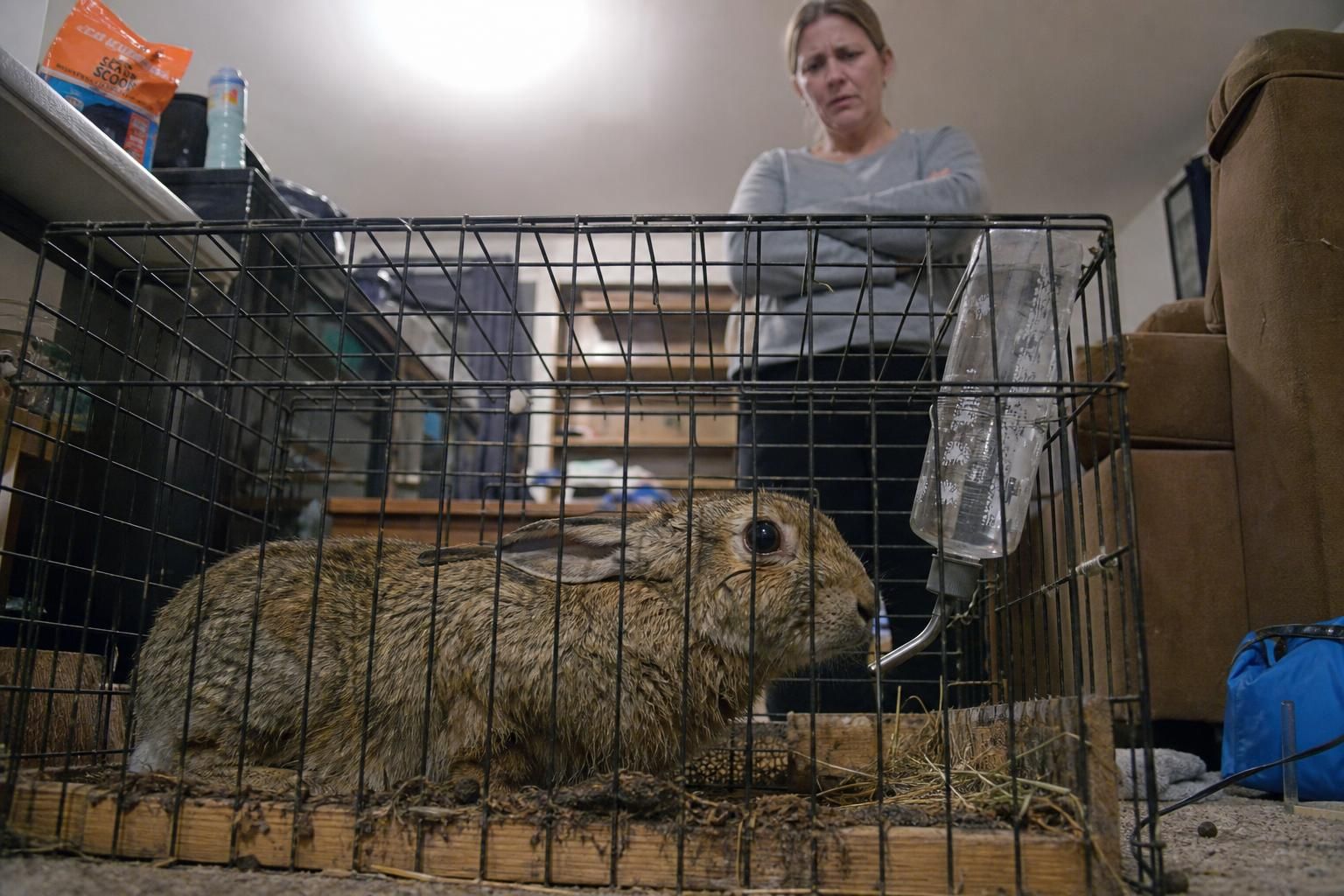
Keeping a wild rabbit as a pet may sound tempting, but it’s far from simple. They’re not like domestic rabbits and can face stress or health issues in captivity.
What are the legal and ethical issues of keeping wild rabbits?
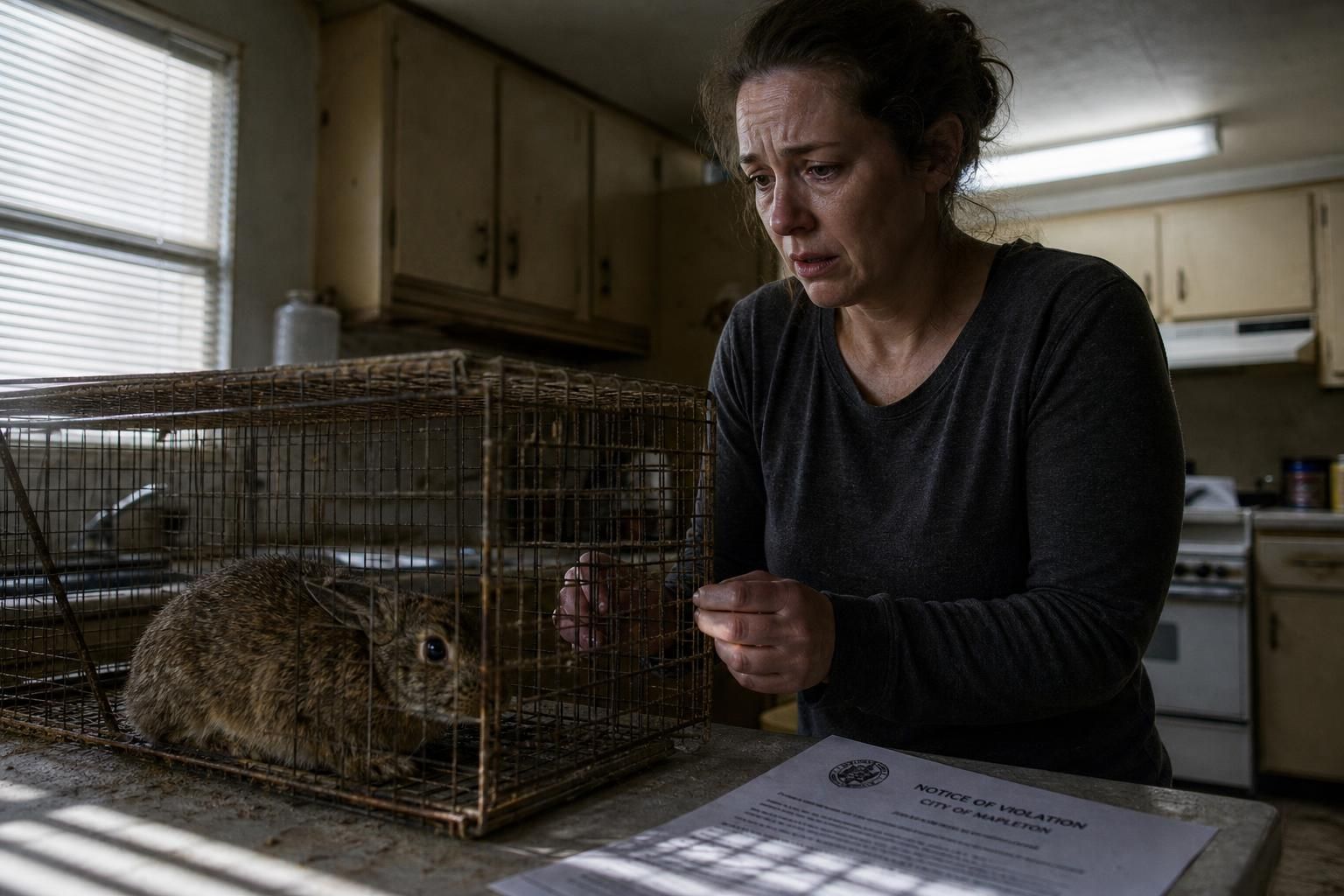
Keeping a wild rabbit as a pet often breaks the law. Many states prohibit this without permits. Wild rabbits belong in their natural habitat, not inside homes or cages. Taking one from the wild can disrupt local ecosystems and cause harm to other animals.
For example, eastern cottontails are protected in certain areas, making it illegal to capture them. Authorities may impose fines if you keep wildlife illegally.
Ethically, it’s unfair to domesticate an animal meant for freedom. Wild rabbits experience high stress when confined by humans, which can lead to health issues like capture myopathy—a fatal condition caused by extreme fear or trauma.
These animals also carry diseases like tularemia and rabbit hemorrhagic disease that could spread to domestic pets or even people. The right choice? Contact your local wildlife rehabber if you find an injured or orphaned rabbit needing help instead of keeping it at home.
How difficult is it to tame a wild rabbit?
Taming a wild rabbit is incredibly hard. Their natural instincts make them fear humans. Even if you spend months gaining their trust, they remain cautious and skittish. A wild cottontail may take food from your hand after weeks of patience but will still run at sudden movements.
True domestication takes generations of breeding, not just human kindness.
Wild rabbits can harm themselves trying to escape. They can bite when scared, which carries bacteria that may cause infection. Bringing one home risks stress for the rabbit and danger in your house, especially with other pets around.
Unlike domestic rabbits from rescue groups like Rabbit Rescue Inc., wild ones are not trainable or social by nature, no matter how much effort you put in.
Key Differences Between Domestic and Wild Rabbits
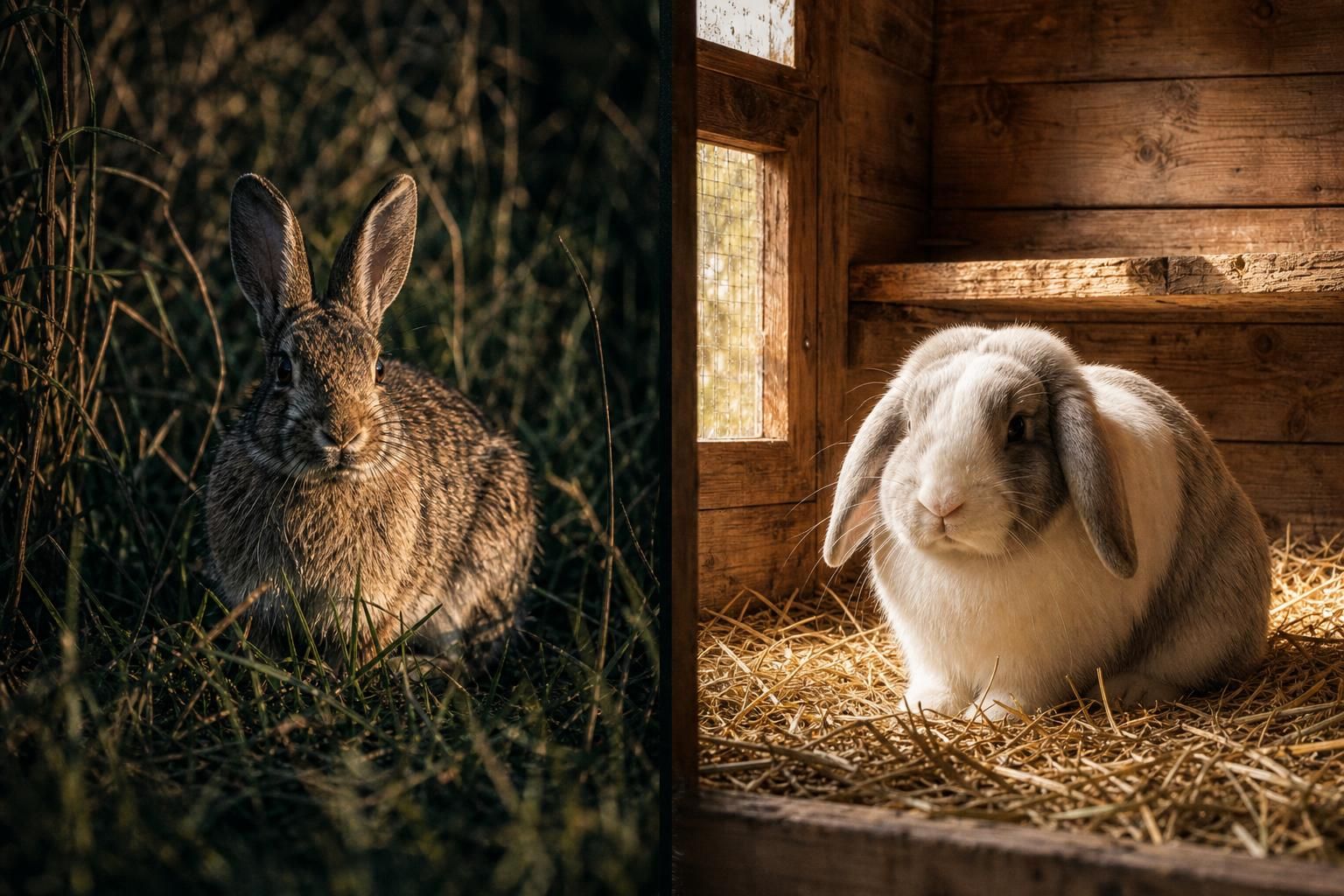
Wild rabbits act on instincts, while domestic ones thrive in homes with care and comfort. Their habits, needs, and looks are as different as night and day!
How do species and behavior differ between wild and domestic rabbits?
Rabbits might seem similar at first glance, but wild and domestic ones are worlds apart in species and behavior. Below is a clear breakdown to help you understand these differences.
| Aspect | Wild Rabbits | Domestic Rabbits |
|---|---|---|
| Species | Wild rabbits include cottontails or hares, and they aren’t the same species as domestic rabbits. | Domestic rabbits are Oryctolagus cuniculus, bred specifically for living with humans. |
| Temperament | Skittish and shy, wild rabbits fear humans and flee quickly to avoid threats. | Social and trainable, domestic rabbits enjoy interaction when they’re raised in loving homes. |
| Behavior | Wild rabbits are survival-driven. They’re quick to burrow, camouflage, or escape predators. | Domestic rabbits crave companionship and can learn tricks, like using a litter box. |
| Response to People | Wild rabbits view humans as predators, often injuring themselves while trying to escape. | Domestic rabbits recognize humans as caretakers and bond with consistent handling. |
| Environment | Wild rabbits live outdoors in natural habitats like grasslands or forests. | Domestic rabbits thrive indoors or in secure enclosures, protected from weather and predators. |
These differences set the stage for understanding why domestic rabbits are better suited as pets.
What is the difference between hay and grass in their diets?
Wild rabbits and domestic rabbits may look similar, but their diets differ significantly, especially regarding hay and grass. Here’s a simple comparison to help you understand their distinct needs.
| Aspect | Wild Rabbits | Domestic Rabbits |
|---|---|---|
| Diet Source | Wild rabbits rely on fresh grass and other plants they can forage in their natural environment. | Domestic rabbits depend on you to provide them with unlimited hay, along with pellets and some vegetables. |
| Primary Food | Fresh grass is their main source of nutrients. They eat what they find in fields or forests. | Hay is essential for their diet. It keeps their digestive system healthy and prevents dental issues. |
| Availability | Grass availability changes with the seasons. In winter, food sources might be scarce. | Hay is available year-round, as it’s dried and stored. It provides a stable food source. |
| Digestive Adaptation | Wild rabbits are adapted to digest fresh greens like grass and clover efficiently. | Domestic rabbits thrive on hay, which mimics the fiber found in wild plants but is easier to manage indoors. |
| Suitability for Pets | Grass is impractical to maintain as a daily food source for a rabbit at home. Fresh grass can also carry pesticides or parasites, which can harm them. | Hay is safe, clean, and easy to store. It promotes good health and is much better suited for rabbits as pets. |
Domestic rabbits need hay, not just for food but for their complete health. Wild rabbits eat grass out of necessity, but that doesn’t mean it’s better or easier for a pet rabbit. Hay is clearly the better choice for keeping them healthy indoors.
What are the housing needs for wild vs. domestic rabbits?
Wild and domestic rabbits have vastly different housing needs, and understanding these differences is crucial before bringing a rabbit into your life. Below is a comparison to help you see how their needs stack up:
| Aspect | Wild Rabbits | Domestic Rabbits |
|---|---|---|
| Habitat | Live in burrows or nests they dig themselves. | Require safe indoor enclosures or weather-protected outdoor hutches. |
| Adaptability | Cannot adjust to confinement; stress impacts their health. | Easily adapt to living in human-designed spaces. |
| Survival Instincts | Equipped for outdoor survival in their natural environment. | Completely reliant on humans for shelter and safety. |
| Protection Needs | Instinctively evade predators in the wild. | Must be protected from predators if housed outdoors. |
| Stress Level | High stress when confined or exposed to humans for long periods. | Low stress in proper housing with human interaction. |
Domestic rabbits depend on you for proper shelter, unlike wild rabbits, who are wired to survive in nature. Focus on providing warmth, security, and plenty of space for your pet rabbit inside your home.
How does life expectancy vary between wild and domestic rabbits?
A wild rabbit’s life is short, often only lasting 10 to 15 months. Predators, harsh weather, and diseases like mucoid enteritis keep their survival rates low. Even feral rabbits in colonies face similar dangers that limit their lifespan.
In contrast, domestic rabbits can live up to 10 or even 15 years with proper rabbit care. They avoid predators and get protection from environmental risks. Veterinary services also play a big role in keeping them healthier for longer. A safe home, good nutrition with hay-based diets, and regular check-ups make all the difference for pet rabbit lovers like you.
How do physical appearances differ between wild and domestic rabbits?
Wild rabbits look lean and sleek. Their bodies are thin, their fur stays short, and their ears are smaller. They always have earthy brown or gray tones in their coats to blend into nature. Their eyes are almond-shaped with no bright colors like blue or red.
Domestic rabbits often appear rounder with fuller cheeks. Some breeds like Lionheads have long, fluffy fur, while wild rabbits never do. Domestic ones can have floppy ears like Lops or unique fur patterns such as spots or brindles. You might notice domestic rabbits with white, black, orange, or even multicolored coats that stand out compared to the simple look of a cottontail rabbit found in the wild.
Why Domestic Rabbits Are Better Suited as Pets
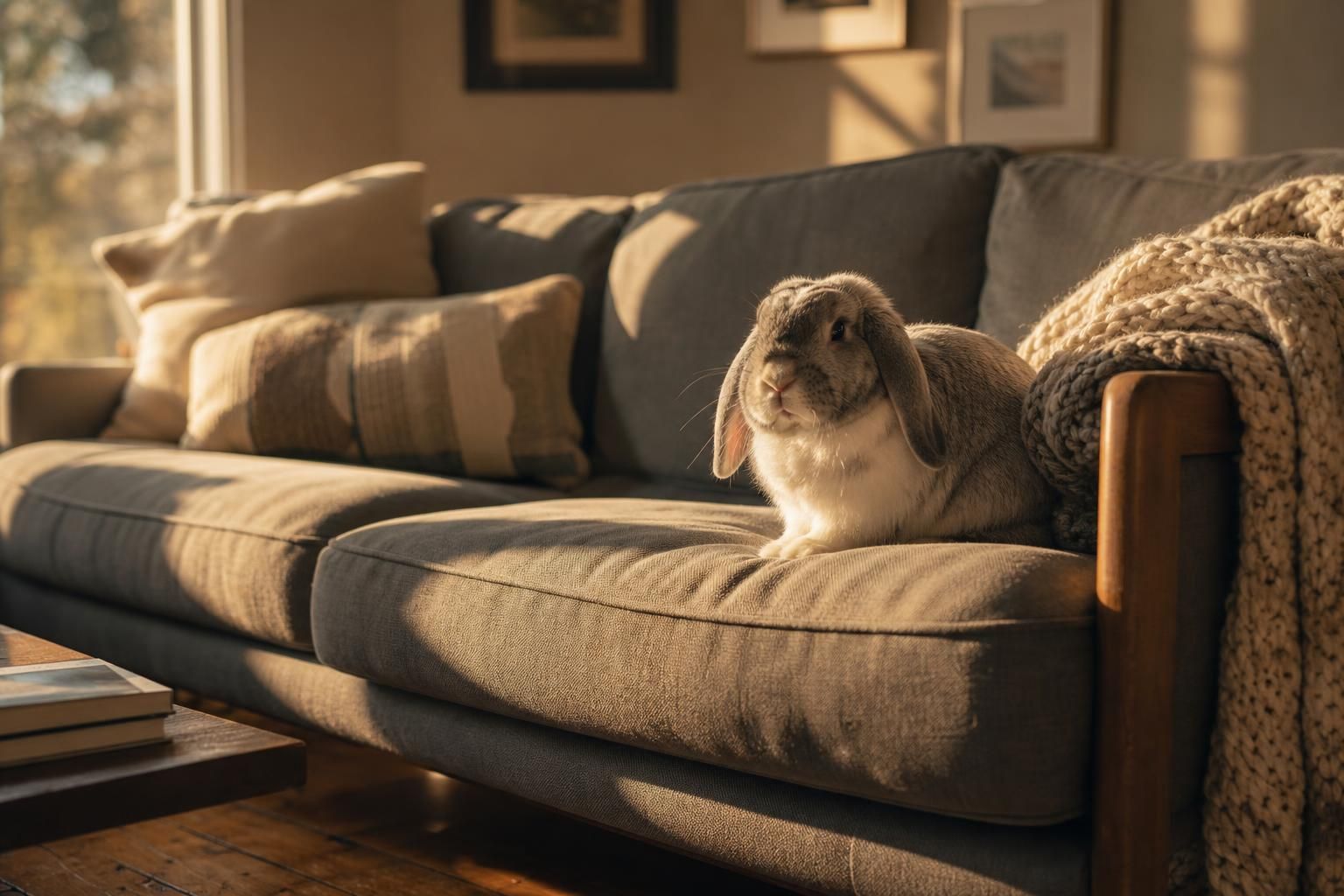
Domestic rabbits thrive in homes. They are friendlier, easier to train, and love spending time with people.
Why are domestic rabbits more social and trainable?
Domestic rabbits are bred to be calmer and more social with humans. They don’t fear people like wild rabbits do. Over time, selective breeding made them friendlier and adjusted to living indoors or in families.
You can train them to use a litter box or even teach them simple tricks, such as responding to their name.
They enjoy routines and positive reinforcement, which makes training much easier. Unlike wild rabbits, they crave interaction and affection from humans. This bond often leads to reduced stress for both you and your rabbit.
With resources like rescue groups or guides from places like Rocky Mountain House Rabbit Rescue, learning how to train and care for domestic rabbits is manageable for anyone willing to try!
How is veterinary care different for domestic rabbits?
Veterinary care for domestic rabbits is specialized and important. Unlike wild rabbits, they rely on you to take them to rabbit-savvy vets. These vets understand their unique needs and know how to prevent common illnesses in pet rabbits.
Preventive care, like spaying or neutering, helps avoid health issues and improves their quality of life.
Domestic breeds face diseases that don’t affect wild ones due to selective breeding. They may get dental problems or digestive diseases more often. Organizations such as the House Rabbit Resource Network offer lists of trusted vets for your area.
Regular check-ups extend their lifespan because early treatment can stop small problems from becoming serious.
Conclusion
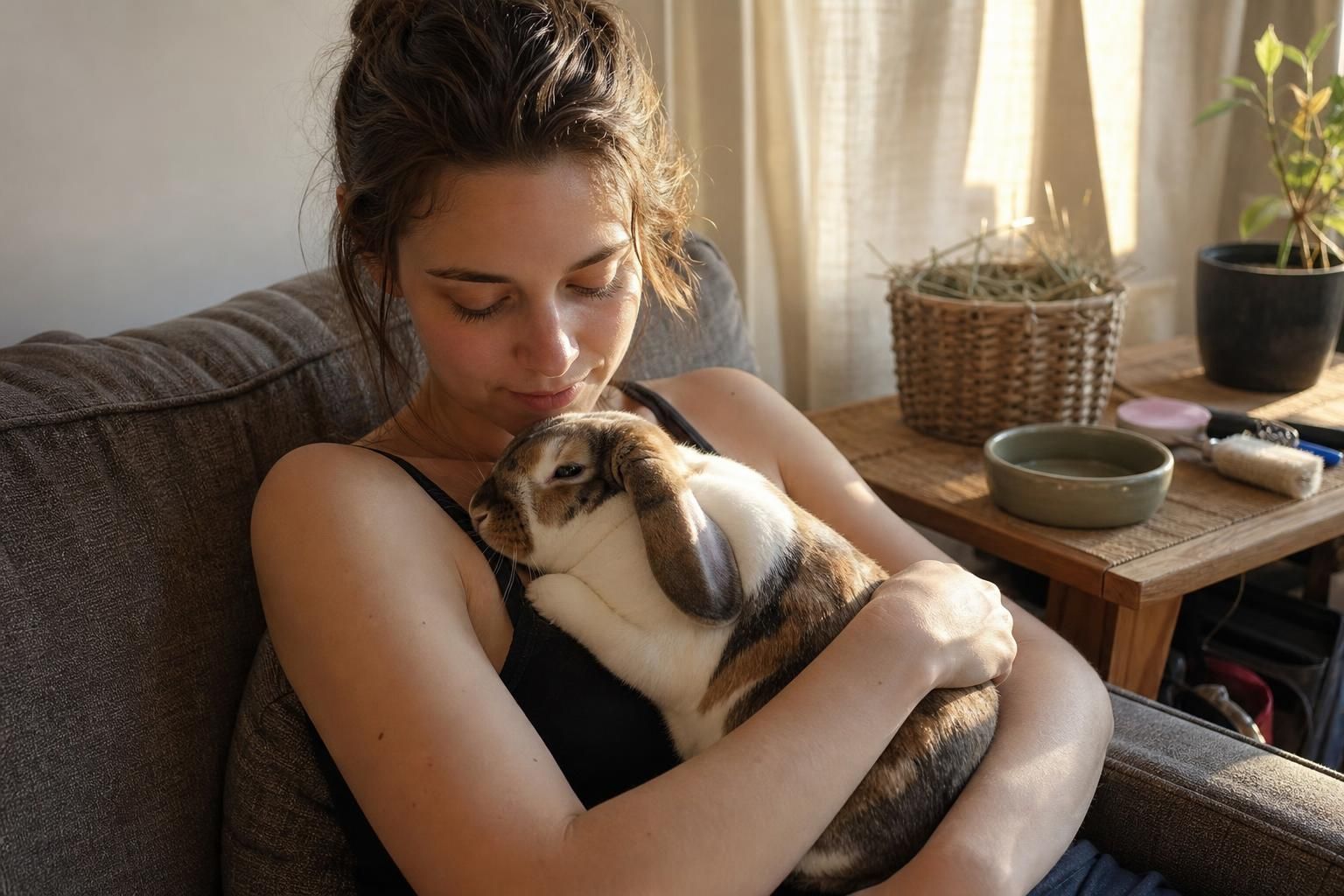
Wild rabbits and domestic rabbits are worlds apart. Wild ones are not fit to live as pets due to their fear, behavior, and health risks. Domestic rabbits thrive with people because they’ve been bred for it.
They live longer, adapt better, and can bond with humans easily. Caring for domestic ones is simpler and safer than trying to tame wild bunnies. If you want a pet rabbit, adopt from trusted places like shelters or rescues.
Choose wisely; you’ll save yourself trouble and ensure the bunny has a happy life!
FAQs
1. Can you keep a wild rabbit as a pet?
No, it is not safe or legal in most areas to keep a wild rabbit as a pet. Wild rabbits have different behavior and needs compared to domestic breeds like Lionhead rabbits or Rexes.
2. Why are domestic rabbits different from wild ones?
Domestic rabbits, such as Angoras or European rabbits, have been bred for specific traits like calm temperaments and adaptability to indoor living. Wild rabbits, including snowshoe hares, are built for survival in nature and cannot adjust easily to life with humans.
3. What should I do if I find an injured wild rabbit?
Contact your local animal helpline or organizations like the BC SPCA or Pittsburgh Animal Rescue League for advice on proper care. Wild animal rescue experts can help ensure the rabbit’s health and safety.
4. Is adopting a domestic rabbit better than taking in a wild one?
Yes, adopting from places like Vancouver Island rescues or the Colorado House Rabbit Society ensures you get an animal suited for home life while also supporting responsible pet care practices.
5. What diet does a domestic rabbit need compared to its wild counterpart?
Wild rabbits eat grass and plants found near their warrens, while domestic ones thrive on hay-based diets supplemented by pellets and fresh vegetables from trusted brands like Small Pet Select.
6. How can I protect my adopted rabbit’s welfare at home?
Register your pet through systems like Pet ID Registration, provide regular vet visits under guidelines set by animal protection groups such as Animalkind, and create an environment that matches their natural instincts without compromising safety indoors.