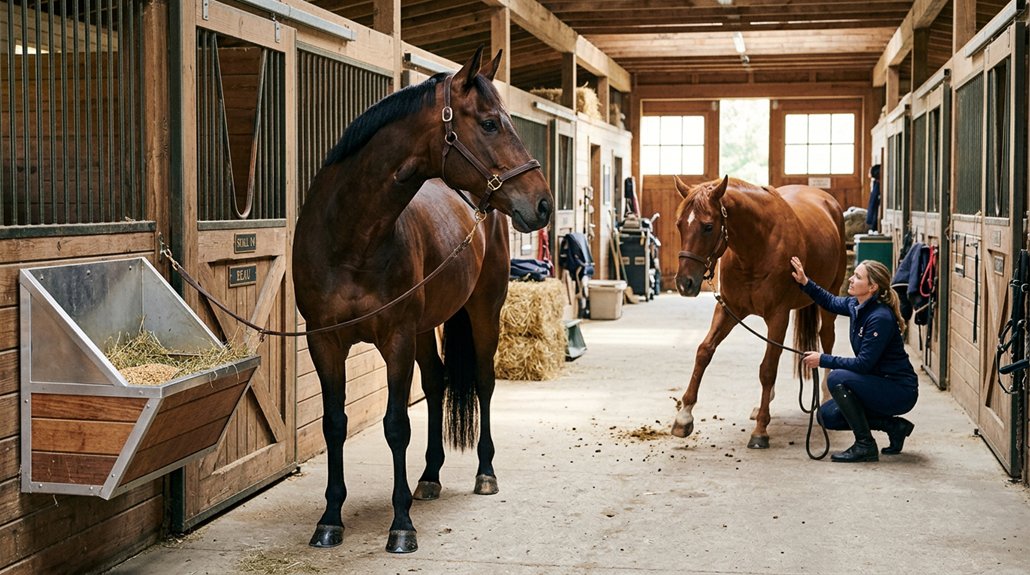
You’ve got to tackle horse behavior problems by first identifying their causes, such as pain, stress, or nutritional deficiencies. Enrich their environment and guarantee socialization to minimize stereotypic behaviors like cribbing. Address aggressive tendencies through careful observation and incremental desensitization techniques. Hormones can influence behavior, so regular veterinary checks are essential. Build trust by understanding fear triggers and using positive reinforcement. There’s much more to learn about enhancing horse well-being and performance.
Key Takeaways
- Assess and alleviate pain issues such as ulcers and dental problems to address horse behavior problems effectively.
- Ensure horses have proper socialization and companionship to reduce stress and improve behavior.
- Provide environmental enrichment and dietary evaluation to prevent boredom and address nutritional deficiencies.
- Identify triggers of aggression and use training techniques like desensitization to manage aggressive behaviors.
- Gradually expose horses to fear-inducing stimuli using positive reinforcement to reduce anxiety and improve behavior.
Common Causes of Horse Behavior Issues
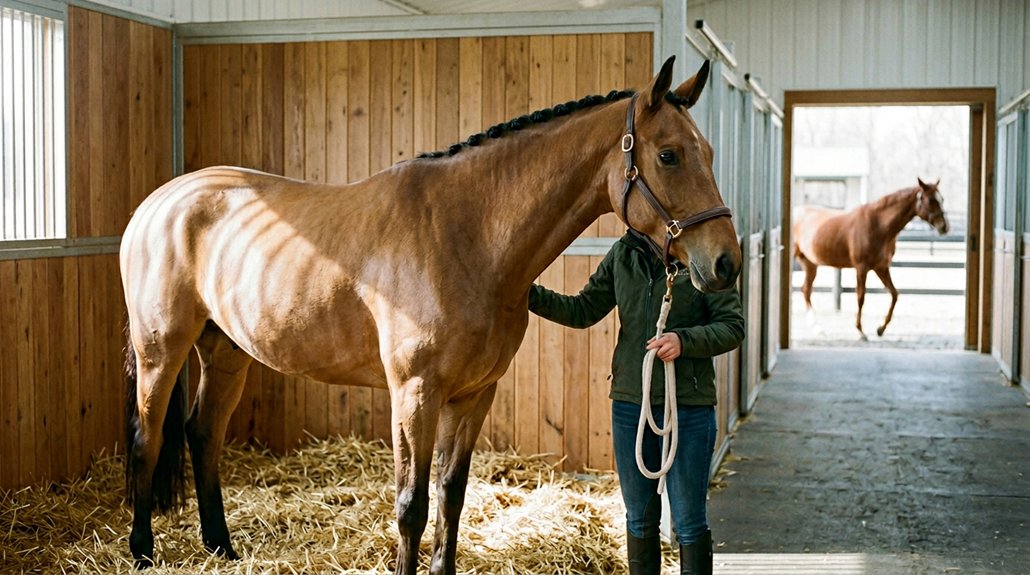
Horse behavior issues are often rooted in a variety of underlying causes, each demanding careful consideration and understanding. Start by performing a pain assessment to identify ailments like ulcers, arthritis, or dental problems that might lead to discomfort or aggression. Recognize socialization needs and manage stress by ensuring adequate companionship or a stimulating environment. Dietary evaluation is essential to address nutritional deficiencies that may prompt behaviors like coprophagia or pica. Integrating environmental enrichment and mental stimulation can prevent boredom, reducing the risk of behaviors such as cribbing or weaving. Ongoing health monitoring and dental care are crucial for maintaining overall well-being. Finally, incorporate stress management techniques to alleviate anxiety, enhancing your horse’s quality of life and behavior.
Reducing Stereotypic Behaviors in Horses
When horses develop stereotypic behaviors like weaving or cribbing, it’s often a cry for help rooted in boredom, stress, or confinement. To effectively reduce these behaviors, consider implementing enrichment strategies that enhance their environment. Increasing turnout time, providing varied activities, and facilitating social interaction with other horses can greatly alleviate their distress. Tailor exercise routines that incorporate both regular physical activity and mental challenges, as these are vital in combating boredom and stress-associated patterns. By understanding and identifying specific triggers, you can modify their surroundings to minimize stressors. It’s also important to assess your horse for any underlying health issues, since discomfort can exacerbate these behaviors. Professional veterinary evaluation may be necessary to guarantee thorough well-being.
Solving Eating Disorders in Horses
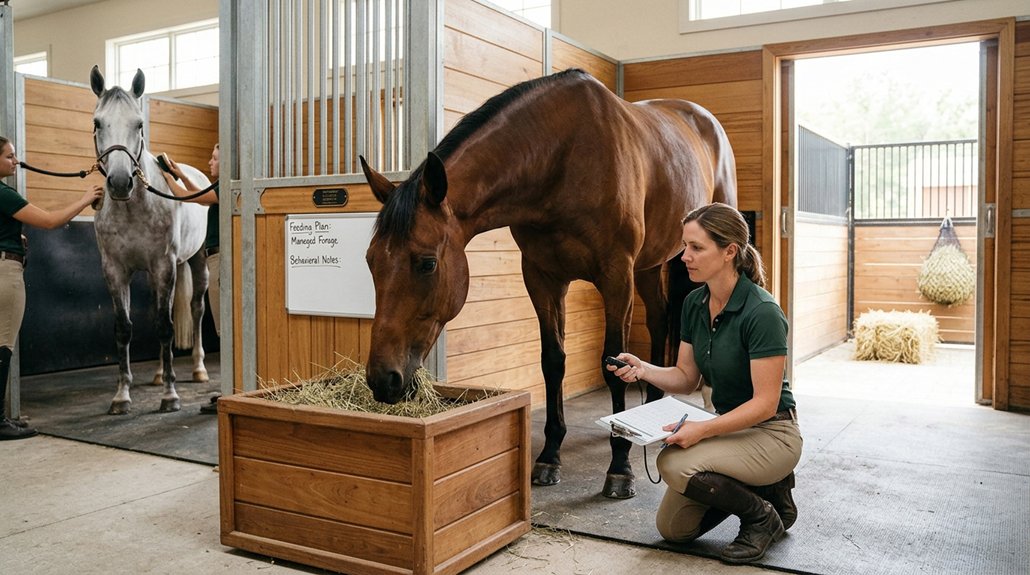
As you tackle eating disorders in horses, identifying the causes of conditions like pica and anorexia is vital, as these often arise from boredom, stress, or nutritional gaps. Implementing strategies that enhance dietary quality, alleviate stress, and provide engaging environments can greatly help manage these issues and prevent associated health complications. Regular veterinary check-ups are essential, ensuring your horse’s health is monitored and any underlying problems contributing to eating disorders are promptly addressed.
Addressing Pica and Anorexia
Understanding and addressing pica and anorexia in horses is crucial for their health and well-being. Implementing effective pica prevention strategies involves increasing roughage and providing enrichment to counteract boredom and fulfill dietary needs. Consider the following table highlighting key interventions:
| Issue | Strategy | Benefit |
|---|---|---|
| Pica | Enrichment Activities | Reduces boredom |
| Pica | Nutritional Evaluation | Corrects deficiencies |
| Anorexia | Veterinary Check-Ups | Identifies underlying causes |
| Anorexia | Social Interaction | Relieves stress |
| Anorexia | Prompt Treatment Options | Prevents severe complications |
Anorexia treatment options often involve addressing social changes or medical concerns through regular veterinary check-ups. These professionals can identify underlying conditions and recommend suitable dietary adjustments. Ensuring your horse remains healthy through attentive care and social interaction is essential to resolving these eating disorders.
Managing Obesity and Stress
Although managing obesity and stress in horses presents a significant challenge, understanding the roots of these issues can lead to effective interventions. Obesity often stems from overeating in food-rich environments, resulting in complications like laminitis. You can tackle this through weight management by implementing controlled feeding strategies—utilize slow feeders and restrict access to calorie-dense forage. Regular exercise, whether through turnout or structured regimes, is essential in combating excess weight. Stress-related eating behaviors, such as pica, might signal anxiety. Identifying and reducing these stressors is important for stress reduction. Don’t overlook the importance of regular vet check-ups. These will help in dietary evaluations and maintaining nutritional balance, critical elements in solving eating disorders like obesity in your horse.
Safely Managing Aggressive Horse Behavior
When managing aggressive behavior in horses, it’s important to balance effective interventions with safety precautions. Observing signs like flattened ears or threats to kick indicates possible fear, pain, or learned aggression. Start by identifying root causes through veterinary evaluations and consider training techniques such as counter-conditioning or desensitization. These methods help reshape behavior by linking negative stimuli to positive experiences. Safety measures are crucial—ensure human safety using barriers like stall doors when dealing with aggression. Social interaction is significant; isolation might exacerbate aggression, so gradually introduce horses to new companions to alleviate stress. Addressing discomfort and fear proactively while implementing precise interventions can transform a hostile horse into a calm companion, bolstering equine welfare and human safety alike.
How Hormones Affect Horse Behavior
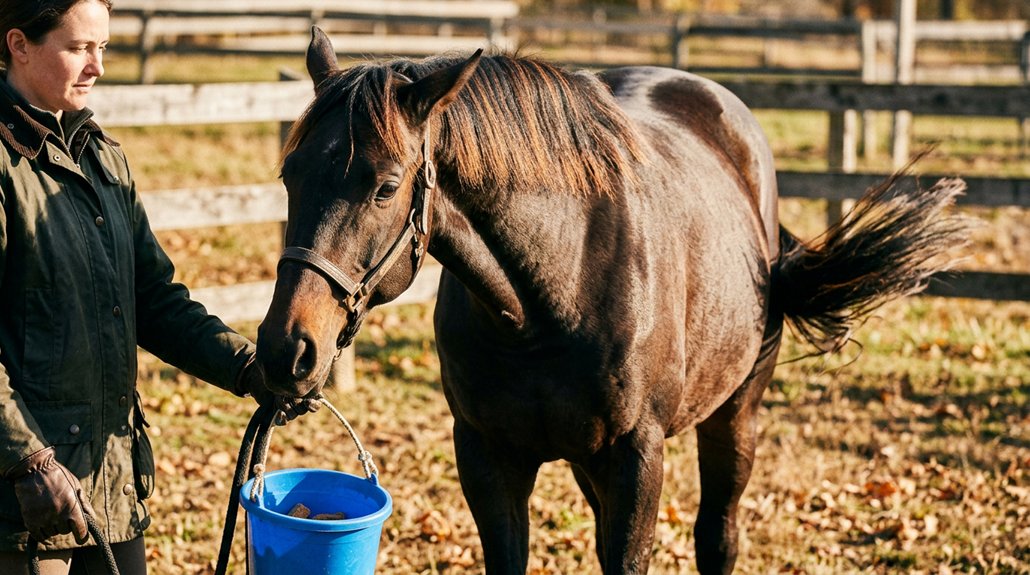
As you navigate the complexities of horse behavior, it’s essential to recognize how hormonal changes can lead to notable behavior shifts, impacting both stallions and mares in ways that may challenge breeding and performance management. Understanding these hormonal influences enables you to address issues ranging from behavioral aggression in geldings or mares to libido concerns in stallions, ensuring more effective solutions that cater to the horse’s specific needs. Your empathetic approach to managing these conditions can greatly improve the overall health and functionality of your horse.
Hormonal Imbalance Impacts
Delving into the domain of equine behavior, hormonal imbalances emerge as an important factor influencing how horses behave and interact. When addressing these complex issues in horses, it’s important to focus on several aspects:
- Stallion Behavior and Libido Management: Low testosterone in stallions can reduce libido, whereas elevated hormones might increase aggression. Hormonal therapies and careful aggression treatment can aid in maintaining balance.
- Mare Cycles and Breeding Challenges: Hormonal fluctuations, like silent heat or nymphomania, can complicate breeding management. Understanding reproductive health requires insights into mare cycles and effective treatment.
- Cryptorchid Issues: Undetected cryptorchidism in geldings can lead to aggressive behaviors; recognizing these symptoms early is vital for behavioral and hormonal management.
Navigating these dynamics is key to fostering healthier horse interactions.
Behavioral Changes Solutions
Understanding hormonal influences on horse behavior is the linchpin for tackling the resulting behavioral changes effectively. Hormonal imbalances in stallions and mares often lead to aggression or heightened sexual behaviors. To provide adequate behavioral support, work closely with a vet to guarantee regular evaluations, helping to pinpoint and address these issues. If your mare experiences silent heat, frustrating breeding challenges can emerge; strategically manage these periods with expert guidance to maintain performance and mood. For geldings, undetected cryptorchidism can mask aggression triggers, so explore surgical interventions if necessary. Incorporating environmental enrichment, like varied routines and social interaction, will enhance their overall well-being. Remember, a proactive approach using environmental and health strategies can make a significant difference in regulating your horse’s behavior.
Overcoming Fear and Improving Horse Performance
Regular veterinary checks guarantee there’s no health issue exacerbating fear. Here are essential strategies to enhance performance:
- Identify fear triggers: Understand where stress originates to mitigate it effectively.
- Trust building: Consistent, patient training builds confidence and reliability.
- Gradual exposure: Slowly introduce fear-inducing stimuli with positive reinforcement to diminish anxiety.
Taking these steps can transform performance challenges into triumphs.
Frequently Asked Questions
What Are the Signs That My Horse Is Experiencing Stress?
Your horse might be stressed if you notice signs like pacing, tail swishing, or sweating. Use calming techniques, such as gentle talking or soothing grooming, to help ease stress indicators and guarantee your horse feels more relaxed and safe.
How Does Weather Affect My Horse’s Behavior?
How do weather changes impact your horse? Seasonal effects can modify your horse’s mood and energy levels. Cold can make it sluggish, while heat might cause irritability. Understanding these shifts guarantees you’re better prepared to manage them effectively.
Can Certain Training Techniques Exacerbate Behavior Problems?
Yes, certain training techniques can exacerbate behavior problems. Misunderstanding your horse’s signals or inconsistent reinforcement may create frustration and stress. Guarantee clear communication and appropriate reinforcement strategies to prevent misunderstandings and address emerging issues effectively.
How Do I Build a Stronger Bond With My Horse?
A study shows using positive reinforcement can improve bond strength by 20%. Engage in horse play, rewarding your horse’s good behavior with treats or praise. Analyze interactions and empathize with their needs for a stronger connection.
What Are the Best Practices for Introducing My Horse to New Environments?
When introducing your horse to new environments, implement gradual exposure techniques. Start with familiar scents, sounds, and sights. Give your horse time for environmental adaptation. Be patient and observant, reassuring them with calm, confident leadership.
Conclusion
You’ve now got the tools to tackle the stormy seas of horse behavior issues with confidence and compassion. Understanding the roots of these behaviors—from habitual patterns like weaving to food quirks and aggression—allows you to steer your horse toward calmer waters. Remember, hormones can be hidden currents in this journey, and overcoming fear requires patience and practice. With your newfound expertise, you’re well-equipped to transform challenges into opportunities, ensuring both you and your horse thrive.