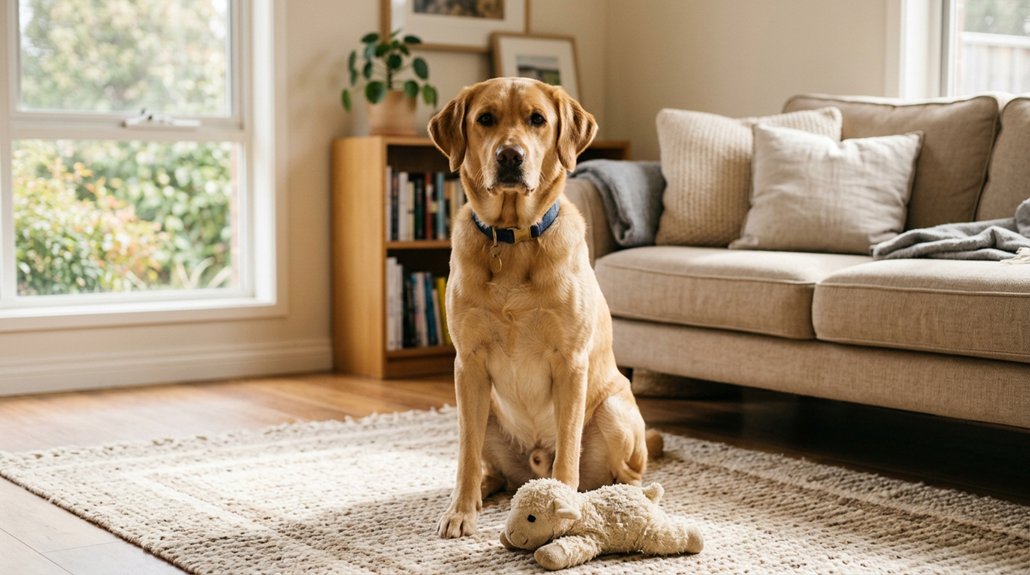
As a first-time dog owner, consider breeds known for their friendliness and trainability, such as Labrador Retrievers and Golden Retrievers. These dogs are affectionate and easy to train, making them ideal companions. If you’re in an apartment, think about breeds like French Bulldogs or Cavalier King Charles Spaniels, which adapt well to small spaces. Also, evaluate your lifestyle and time commitments, as certain breeds require more time and care. Discover more about selecting the perfect breed next.
Key Takeaways
- Labrador Retrievers are ideal for first-time owners due to their intelligence, friendliness, and ease of training.
- Golden Retrievers offer gentle companionship and adaptability, making them a great choice for new dog owners.
- Cavaliers King Charles Spaniels provide affectionate and playful interaction, suiting families and singles alike.
- Poodles are hypoallergenic and adaptable, making them suitable for owners with allergies and various living conditions.
- French Bulldogs require minimal grooming and exercise, ideal for new owners with busy lifestyles.
Discover the Perfect Breed for Your Lifestyle
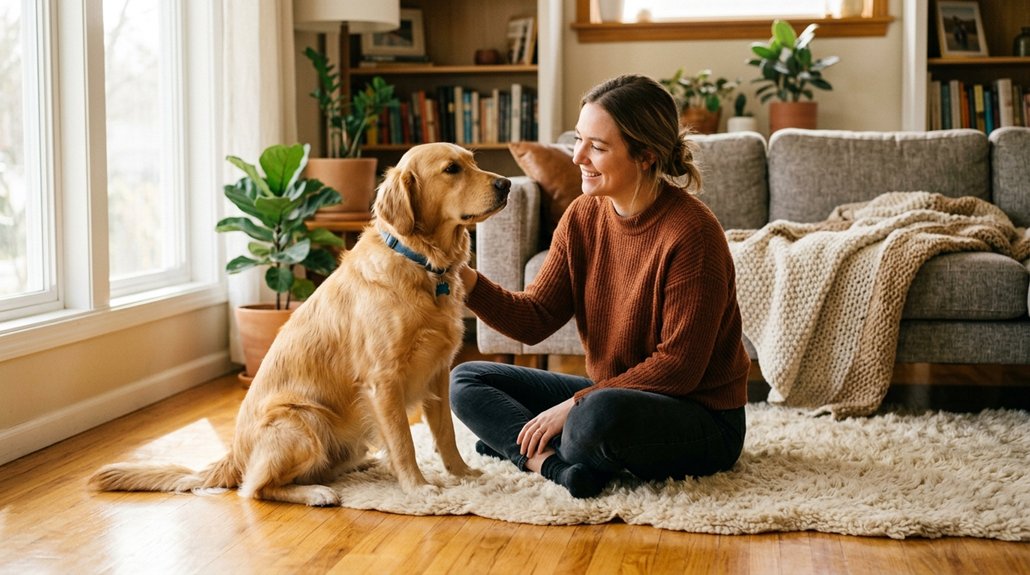
How do you know which dog breed aligns perfectly with your lifestyle, especially as a first-time owner? Consider factors like lifestyle compatibility and personal preferences to guide your decision. If you have a thriving, active life, a Labrador Retriever may be suitable due to its adaptability and friendly demeanor. Alternatively, if your home is lively with children, a gentle Golden Retriever could complement that family atmosphere beautifully. For those residing in smaller spaces, Beagles offer playful energy without overwhelming size. Meanwhile, if you’re inclined towards quieter activities, a Pug’s low exercise needs and loving temperament might fit your pace. Shih Tzus, with their small stature and affectionate nature, serve well for individuals who crave a lap-friendly companionship. Your ideal match requires thoughtful consideration of these dynamics.
Sociable Breeds That Make Training a Breeze
When you’re seeking a dog breed that’s both sociable and easy to train, consider options like Labrador Retrievers and Golden Retrievers, which are renowned for their intelligence and gentle nature. Poodles, known for being hypoallergenic, offer an additional benefit of trainability with a keen desire to please. Additionally, breeds like Beagles and Cavalier King Charles Spaniels respond exceptionally well to positive reinforcement, ensuring a pleasant training experience for first-time owners.
Sociable Breeds for Amicable Living
Maneuvering the world of dog ownership can be intimidating for first-time owners, yet selecting a sociable breed can greatly ease the journey. Labrador Retrievers, known for their friendly companions hallmark, are adaptable pets that seamlessly fit into various environments. They flourish in dynamic households due to their affable and trainable nature. Similarly, Golden Retrievers offer gentle and affectionate dispositions, thriving in family settings and making them well-suited for novice owners. Beagles are excellent with children and other pets due to their playful demeanor, although they can be independent. Pugs, on the other hand, are charming and require minimal exercise, perfect for less active homes. Finally, Cavalier King Charles Spaniels provide gentle companionship, fostering harmonious living for new owners.
Easy Training Dog Traits
Selecting the right breed doesn’t just involve finding a sociable temperament but also considering a dog’s trainability to guarantee a harmonious household. Labrador and Golden Retrievers stand out with their remarkable trainable qualities, blending sociability and intelligence to be responsive to commands. Poodles, whether toy, miniature, or standard, are superior in obedience training, driven by their enthusiastic and intelligent nature, needing continuous mental engagement. Cavalier King Charles Spaniels are affectionate, keen to please, and responsive, ideal for families seeking quick-learning companions. Although Beagles’ independence requires consistent training, they respond well to positive reinforcement techniques. Similarly, Boxers, with their intelligence and energy, thrive when early socialization is coupled with structured training, ensuring they grow into well-mannered pets.
Easy-Care Breeds for Busy Owners
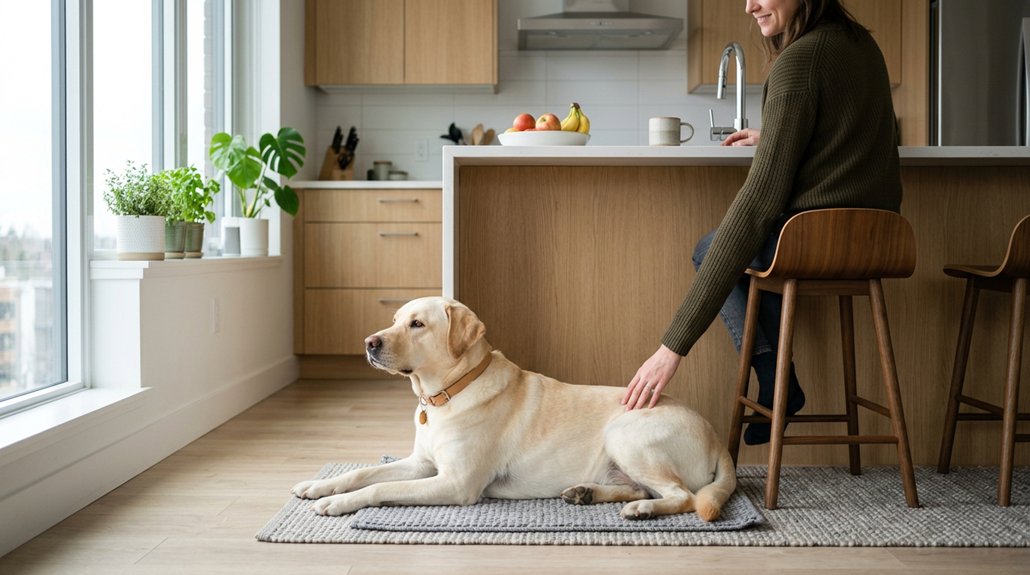
For many potential dog owners juggling a busy lifestyle, choosing an easy-care breed can be essential. Breeds like the French Bulldog and Cavalier King Charles Spaniel offer grooming simplicity paired with temperament suitability, providing stress-free companionship. Their affectionate nature matches well with minimal grooming needs, making them ideal for those strapped for time. Similarly, Basset Hounds, with their laid-back demeanor and short, low-maintenance coat, require minimal exercise and grooming. Pugs and Dachshunds follow suit, offering easy-going personalities and low energy levels. The Dachshund’s charming temperament complements its manageable grooming needs—only short walks suffice for daily exercise. Meanwhile, Chihuahuas are perfect for hectic schedules, needing very little grooming while maintaining a friendly disposition. These breeds guarantee uncomplicated care for busy owners.
Apartment-Friendly Breeds That Thrive in Small Spaces
Finding the right dog to share your apartment involves understanding which breeds can flourish in limited spaces. Consider small to medium-sized breeds like Chihuahuas, Dachshunds, Corgis, and Italian Greyhounds, renowned for their adaptability to apartment size. These breeds typically demand minimal exercise, allowing them to thrive without the need for extensive outdoor space. Additionally, French Bulldogs and Bichon Frises exemplify low-energy dogs with affectionate dispositions, making them ideal companions in confined living areas. Another excellent choice is the Cavalier King Charles Spaniel, known for its gentle nature and moderate exercise needs. Regular playtime and brief walks satisfy these breeds’ activity requirements, fostering their wellbeing in apartment living. Selecting breeds with inherent adaptability guarantees comfort and security in limited environments.
Family-Friendly Breeds: Perfect Companions for Kids
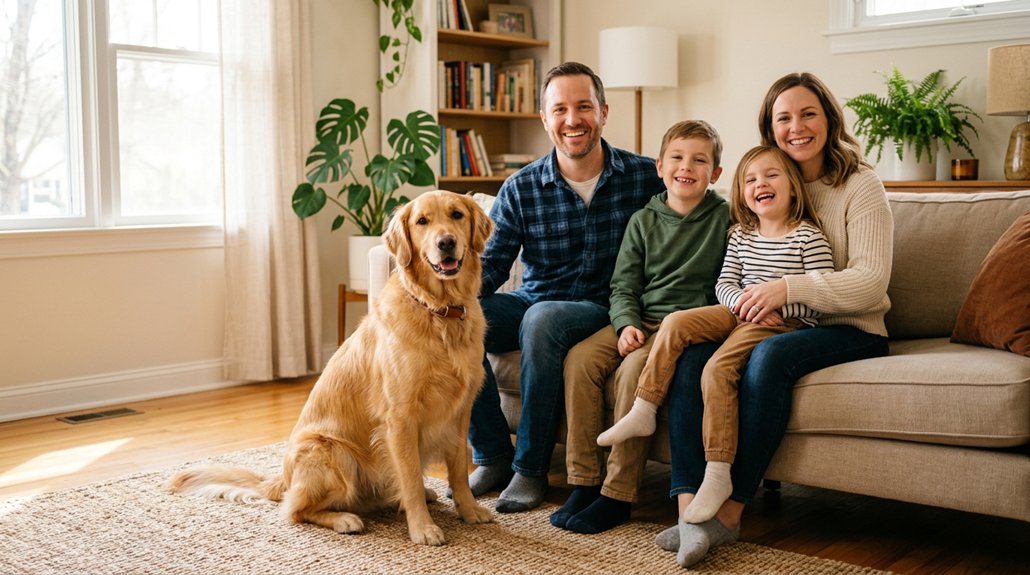
When choosing a dog breed suitable for families with children, it’s important to take into account temperament, energy levels, and size. Certain breeds display child-friendly traits, ensuring safety and engaging playful interactions. Golden Retrievers, with their gentle disposition, are excellent for kids’ companionship. Labrador Retrievers thrive in active families, excelling in playful settings. Cavalier King Charles Spaniels, known for their affection, are well-suited for those desiring a smaller breed. Boxers offer a blend of energy and protective nature, forming strong bonds with children. Bichon Frises are ideal for allergy-prone families, pairing a cheerful demeanor with a hypoallergenic coat.
| Breed | Temperament | Size |
|---|---|---|
| Golden Retriever | Gentle, Patient | Large |
| Labrador Retriever | Outgoing, Trainable | Medium-Large |
| Cavalier King Charles | Affectionate, Calm | Small |
| Boxer | Energetic, Protective | Medium-Large |
| Bichon Frise | Cheerful, Friendly | Small |
Think Twice About These Breeds
When considering a dog, it’s essential to evaluate the breed’s specific needs and whether they align with your experience level. Breeds like Border Collies, Siberian Huskies, and Akitas, for instance, have high maintenance requirements and can present behavioral challenges that might overwhelm novice owners. Additionally, breeds such as Dalmatians and Cane Corsos demand rigorous exercise and socialization to prevent potential aggression issues.
High Maintenance Needs
Steering through the domain of dog ownership can be intimidating, particularly when faced with breeds that come with high maintenance requirements. Border Collie challenges stem from their high intelligence and exuberance, demanding constant mental engagement and physical activity. Without these, they’re likely to exhibit restlessness. Akita management requires a firm, knowledgeable handler, as their strong-willed nature can be overwhelming, especially if improperly socialized. Siberian Huskies also require ample exercise and discipline; their independence can lead to unwanted behavior if neglected. Dalmatians and Chow Chows come with their own demands. Dalmatians need consistent, robust exercise and early socialization. Chow Chows are stubborn, requiring experienced hands to navigate their training complexities.
| Breed | Maintenance Needs | Considerations |
|---|---|---|
| Border Collies | High energy, mental stimulation | Active lifestyle required |
| Akitas | Experienced handling | Potential for aggression |
| Siberian Huskies | Regular exercise | Risk of destructive behavior |
Potential Behavioral Challenges
Steering through the complexities of dog ownership requires diligence, especially for first-time owners confronted with breeds known for potential behavioral challenges. Consider how a Border Collie’s behavioral tendencies, coupled with their need for mental stimulation, may surpass typical owner expectations. Similarly, the independence of Siberian Huskies can challenge your training skills if you’re inexperienced. Akitas demand assertive handling, and their strong-willed nature might clash with novice instincts. Meanwhile, Dalmatians require early socialization to mitigate aloof behaviors, which can escalate without structured guidance. Finally, Chow Chows bring stubbornness that tests unseasoned owners’ patience and management abilities. Understanding these demands guarantees you’re not caught off-guard by the intensity required to meet their unique behavioral needs effectively.
Demanding Exercise Requirements
While enthusiasm for adopting a dog can be overwhelming, it’s important to reflect on exercise requirements before choosing a breed, especially if you’re a first-time owner. Certain breeds, such as Border Collies and Siberian Huskies, demand rigorous exercise motivation strategies and enriching activities suggestions. These breeds are ideally suited for those with prior experience due to their high energy levels and need for mental stimulation. Akitas and Dalmatians also require substantial physical exertion to deter destructive behavior arising from boredom. The Belgian Malinois, known for its work-driven nature, presents challenges in keeping them content without sufficient activity.
| Breed | Key Requirements |
|---|---|
| Border Collie | Extensive daily exercise, mental stimulation |
| Siberian Husky | Vigorous exercise, avoid boredom |
| Akita | Confident training, regular physical exertion |
| Belgian Malinois | High physical and mental engagement |
Pro Tips for First-Time Owners: Start Your Journey Right
Starting your journey as a first-time dog owner can be both exciting and overwhelming, but with informed preparation, you’ll set a positive trajectory for you and your new companion. Begin by researching breeds renowned for their friendliness and trainability, such as Labrador Retrievers or Golden Retrievers. Assess your living space to guarantee it aligns with breed needs—consider Pugs or Shih Tzus for smaller, low-energy environments. Prioritize health considerations; regular vet visits are essential. Additionally, grooming needs should not be overlooked, as each breed has distinct requirements. Adopt from shelters, as these dogs are often evaluated for temperament. Establish a routine with daily walks and engage in professional training or puppy classes to enhance obedience and socialization, fostering good behavior from the outset.
Frequently Asked Questions
What Breed Is Best for First Time Dog Owners?
You’d find Labrador Retrievers, known as friendly breeds, excellent for first-time owners due to their intelligence and adaptability. Pugs, as low maintenance dogs, require minimal exercise and grooming, also making them a wise choice.
What Is the 7 7 7 Rule for Dogs?
The 7 7 7 rule involves three stages: a seven-day acclimation, seven-week training, and socialization period. It’s essential for easing first-time responsibilities and offers expert dog training tips, ensuring a happier pet and owner bond.
What Annoys Dogs the Most?
What annoys dogs the most? Loud noises and unpredictability are key stress triggers. Factor in prolonged isolation or harsh training methods, and you disrupt dog communication, causing anxiety and hindering their trust and learning capabilities.
How Do Dogs Say “I Love You”?
Imagine love as an invisible leash; dogs show affection through wagging tails and tender gazes, vocalizing their needs softly. Puppy bonding shines through shared toys and constant companionship, forming an unspoken symphony of affection expressions.
Conclusion
As you commence on your canine journey, remember that choosing the right breed is like finding the perfect puzzle piece for your lifestyle—it needs to fit seamlessly. Prioritize sociable, easy-care, apartment-friendly, and family-friendly breeds to guarantee harmony between your furry friend and your daily routine. Be cautious of breeds that might pose challenges for first-time owners. With thoughtful consideration and expert guidance, you’ll soon be on your way to nurturing a rewarding companionship that enriches your life.