Common causes of illness in pet birds include viral, bacterial, fungal, protozoal, and parasitic infections, plus nutrition and husbandry problems. You may see lethargy, diarrhea, respiratory signs, weight loss, feather damage, or sudden death. Seed-heavy diets, obesity, hepatic lipidosis, calcium deficiency, and stress-related feather picking are common. Some infections are zoonotic or progress rapidly, so early avian veterinary care is critical. More detail can help you spot patterns sooner and respond appropriately.
Key Takeaways
- Viral diseases like polyomavirus, Pacheco disease, and poxvirus can cause sudden death, diarrhea, lesions, and respiratory compromise.
- Bacterial infections including psittacosis, mycobacteriosis, Salmonella, and clostridial enterotoxemia cause weakness, diarrhea, and sometimes zoonotic risk.
- Fungal, yeast, and protozoal diseases such as aspergillosis, candidiasis, Macrorhabdus, and trichomoniasis often cause wasting and breathing or crop problems.
- Parasites and mites, including Giardia, roundworms, Knemidocoptes, and feather mites, can cause diarrhea, pruritus, scaly skin, and poor condition.
- Poor diet, obesity, feather-picking, reproductive disorders, and vitamin or calcium deficiencies commonly lead to illness and life-threatening complications.
Common Infectious Diseases in Pet Birds
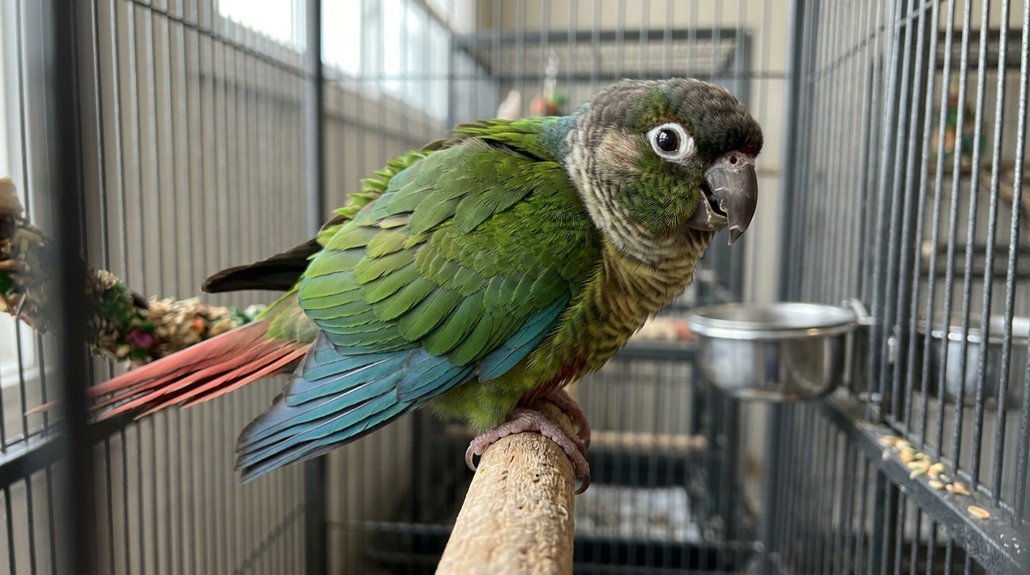
Common infectious diseases in pet birds range from rapidly fatal viral syndromes to chronic opportunistic infections. You may see psittacine herpesvirus in parrots, especially macaws, Amazons, and conures, with peracute death in 24–48 hours and shedding from stressed carriers. Polyomavirus often affects nestlings and juveniles, while adults can remain asymptomatic carriers. Chlamydia psittaci can cause respiratory disease, diarrhea, hepatomegaly, and neurologic signs; it’s zoonotic and needs prolonged therapy. Aspergillosis produces dyspnea, sneezing, lethargy, and weight loss in immunocompromised birds. Giardia and Macrorhabdus ornithogaster cause chronic wasting and undigested seed in droppings. Although avian influenza and respiratory coronavirus are notable differentials, they’re less typical in routine pet-bird practice. Diagnostic confirmation requires targeted testing, isolation, and prompt treatment.
Common Viral Diseases in Pet Birds
You should watch closely for psittacine polyomavirus, which can cause sudden lethargy, diarrhea, bruising, and high mortality in nestlings and juveniles, with survivors sometimes becoming asymptomatic carriers. You also need to factor in Pacheco disease, a peracute psittacine herpesvirus infection in parrots that can spread rapidly under stress and may cause sudden death with minimal warning. Poxvirus lesions can present as wart-like skin or mucosal growths, so you’ll want a prompt clinical exam when you notice nodules, crusts, or respiratory signs.
Polyomavirus Risks
Avian polyomavirus, first identified in budgerigars, is a highly contagious infection that can cause sudden weakness, diarrhea, subcutaneous and muscular bruising, and rapid death in nestlings and juvenile birds, with mortality often occurring within 24–48 hours. You should note that transmission occurs vertically and horizontally through contact with infected birds, feather dust, and droppings, and adults can remain asymptomatic carriers while shedding virus. If your bird survives, you may later see feather abnormalities and, in some cases, chronic cardiac, hepatic, or renal damage. There’s no specific antiviral therapy. Your best control measures are veterinary testing, strict isolation, quarantine of new birds, sanitation, disinfection, stress reduction, and vaccination with a two-dose series beginning at about 4 weeks, followed by boosters.
Pacheco Disease Spread
Another highly lethal viral threat in pet birds is Pacheco disease, a psittacine herpesvirus infection that can kill New World parrots—especially macaws, Amazons, and conures—so quickly that many birds show little warning before death. You should treat any sudden illness as an emergency, because stressed carriers can shed virus in feather dust, feces, saliva, and respiratory secretions.
| Route | Example | Control |
|---|---|---|
| Direct contact | Bird-to-bird | Isolate immediately |
| Fomites | Bowls, cages | Disinfect rigorously |
| Airborne particles | Feather dust | Improve hygiene |
| New arrivals | Quarantine risk | Carrier testing |
Clinical clues may include fluffed feathers, lethargy, watery droppings, and mild respiratory signs. Stress reduction, quarantine, and rapid veterinary diagnosis are essential, since death can occur within 24–48 hours.
Poxvirus Signs
Poxvirus infections in pet birds typically present in one of three forms: dry pox, wet pox, or a severe systemic disease. You may see dry lesions on unfeathered skin—feet, legs, eyelids, or beak—where they can hinder feeding or vision. Wet poxvirus causes cheesy plaques in the mouth, throat, esophagus, or trachea, leading to dysphagia, respiratory distress, and weight loss. Severe infection can progress to lethargy, cyanosis, anorexia, and sudden death.
- Scabs on bare skin
- Oral plaques
- Breathing difficulty
- Sudden collapse
You should treat supportively with vitamin A, antibiotics for secondary infection, warmth, humidity, and topical care. Mosquito control, clean feeders, and vaccination, where available, help reduce risk.
Bacterial Infections in Birds
Bacterial infections in birds can range from localized skin disease to severe systemic illness, and several are important zoonoses. You may see avian abscesses, wound infections, and secondary bacterial dermatitis after self-trauma, especially in cockatoos, eclectus parrots, and lovebirds; culture-directed antibiotics and wound care are indicated. Psittacosis, caused by Chlamydia psittaci, affects parrots, especially cockatiels and budgerigars, and can produce respiratory signs, diarrhea, hepatomegaly, and neurologic signs; it needs prolonged therapy and public-health reporting. Mycobacteriosis often causes progressive weight loss, diarrhea, and fatal intestinal-hepatic disease in adult parrots. Clostridial enterotoxemia and Salmonella from contaminated foods or feeders can cause weakness, bloody droppings, diarrhea, tremors, and sudden death. Strict hygiene and feeder disinfection help reduce risk.
Yeast, Fungal, and Protozoal Illnesses
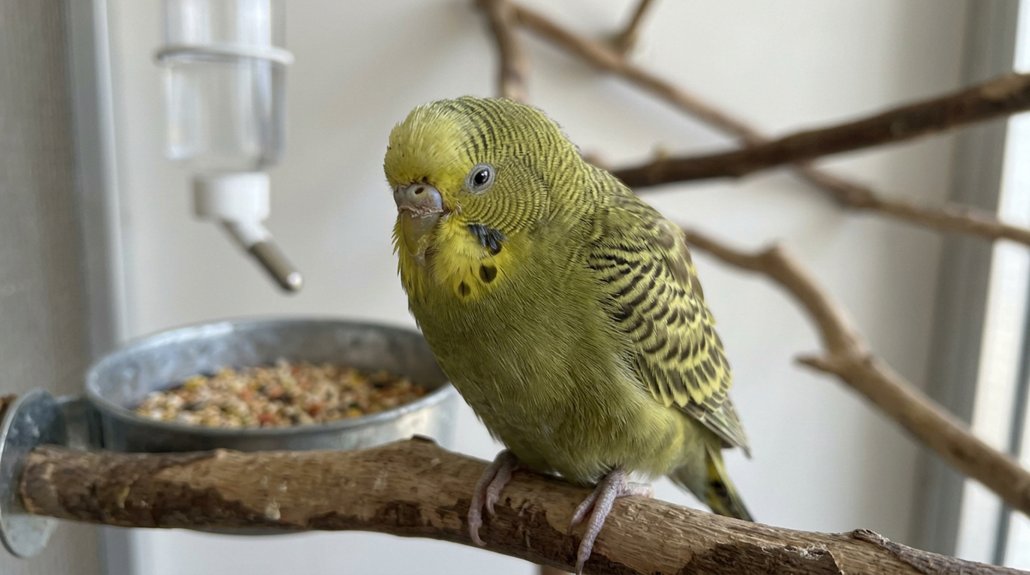
Yeast, fungal, and protozoal diseases in pet birds can be subtle at first, but they often cause progressive gastrointestinal or respiratory decline. You may notice chronic weight loss, regurgitation, undigested seed, labored breathing, or poor appetite.
Yeast, fungal, and protozoal disease in pet birds can quietly cause weight loss, regurgitation, and breathing trouble.
- Macrorhabdus ornithogaster demands prompt macrorhabdus management in small birds.
- Avian candidiasis often follows antibiotic exposure in chicks, with delayed crop emptying and white plaques.
- Aspergillosis can impair breathing in susceptible birds exposed to mold.
- Repeated microscopy of droppings, crop contents, or oral swabs is often required.
Veterinary treatment uses targeted antifungal or antiprotozoal drugs, plus nutrition, fluids, hygiene, and environmental disinfection. If you delay care, outcomes can worsen quickly, especially with chronic yeast or fungal disease.
Parasites That Make Birds Sick
Beyond yeast, fungal, and protozoal disease, parasitic infections can also drive significant illness in pet birds, often through chronic gastrointestinal irritation, malabsorption, skin damage, or upper alimentary tract lesions. You may see Giardia in cockatiels; it’s spread in droppings and can cause diarrhea, weight loss, and intense pruritus with self-trauma. Intestinal parasites such as roundworms are acquired from contaminated food or intermediate hosts and may produce weakness, wasting, or obstruction. Trichomonas can create whitish, cheesy lesions in the mouth, crop, and throat, especially in budgerigars and pigeons, and spreads by direct contact or contaminated water. Feather mites and Knemidocoptes mites cause crusty scaly lesions on the beak and feet, risking deformity and beak overgrowth if untreated.
Nutrition Problems That Cause Illness
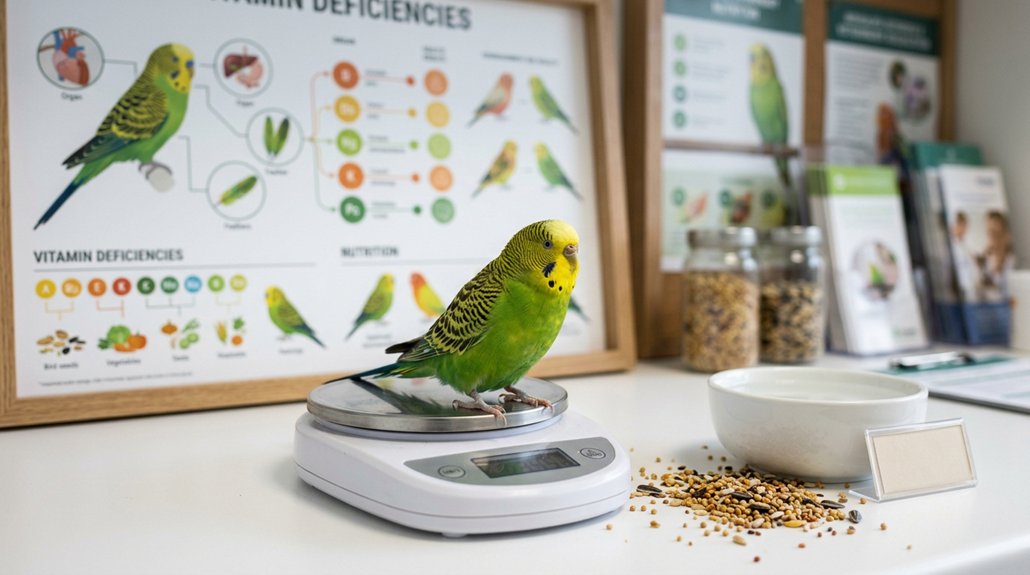
If you feed your bird an all-seed, high-fat diet, you’re increasing the risk of obesity and hepatic lipidosis, especially in Amazons, budgerigars, and cockatiels. Seed-only rations can also cause calcium and vitamin D deficiency, with hypocalcemia, tremors, seizures, and egg-binding risk in species such as African grays, finches, budgerigars, and canaries. In budgerigars and other seed-fed birds, poor diet can also contribute to lipomas, xanthomas, and other nutritional disorders that require correction under veterinary guidance.
Seed Diet Deficiencies
All-seed diets commonly cause serious nutritional disease in pet birds. You’re seeing avian malnutrition when seed lacks calcium, vitamin D, vitamin A, and iodine. In African greys, budgerigars, canaries, Amazons, and eclectus parrots, this can trigger hypocalcemia, poor feathering, oral mucosal swelling, beak overgrowth, goiter, and reproductive failure. 1. Tremors or seizures may appear. 2. Egg-binding can become fatal. 3. Upper respiratory disease may recur. 4. Hormonal imbalance can distort plumage and egg production. Use seed alternatives to restore balance, but do it under veterinary guidance. Formulated diets, targeted supplementation, and species-appropriate enrichment reduce deficiency risk and stabilize metabolism. If you rely on seed-only feeding, you’re increasing clinical vulnerability and delaying correction of preventable, potentially life-threatening disorders.
Obesity And Fatty Liver
Excess dietary fat from seed-heavy diets commonly drives obesity and hepatic lipidosis in pet birds, especially Amazons, budgerigars, cockatiels, rose-breasted cockatoos, and Quaker parrots. You may notice lethargy, weight gain, then weakness and weight loss despite fat stores as the liver fails. Diagnose with diet history, body condition scoring, blood work, and imaging when needed. | Sign | Risk | Action |
| — | — | — |
|---|---|---|
| Obesity | Seeds, treats | Pelleted nutrition |
| Lipidosis | Chronic fat excess | Portion control |
| Liver enzymes ↑ | Hepatic injury | Vet monitoring |
These birds can also develop lipomas, xanthomas, and atherosclerosis, especially macaws. Treatment requires you to reduce seeds, increase exercise, and monitor weight and liver function. Early intervention improves prognosis and limits progressive dysfunction.
Behavioral and Reproductive Problems
Behavioral and reproductive disorders in pet birds often reflect underlying stress, social deprivation, or endocrine disease rather than simple misbehavior. In you, feather-destructive behavior and feather-picking in African greys, Amazons, cockatoos, eclectus parrots, Quaker parrots, and macaws may stem from boredom, loneliness, sexual frustration, or hormonal imbalances. Environmental enrichment can reduce compulsive self-trauma, but hand-reared or human-bonded birds often need stricter social management.
- Chronic feather-picking
- Egg binding
- Cloacal prolapse
- Reproductive tumors
Sexually mature females may develop brown cere changes, and males may show mate aggression during breeding. Budgerigars, cockatiels, canaries, finches, and lovebirds can develop soft eggs, shell-less eggs, or oviduct prolapse, especially on all-seed diets lacking calcium and vitamin D. Reproductive tract tumors can alter behavior and require avian evaluation.
When to See an Avian Vet
Not every change in a pet bird’s behavior or condition is benign, and some signs warrant urgent avian veterinary care. You should seek immediate care for open-mouth breathing, tail-bobbing, severe lethargy, seizures, collapse, or sudden inability to perch; these can indicate avian influenza, aspergillosis, or toxin exposure. Contact an avian vet promptly for persistent vomiting, regurgitation, passing undigested seed, or rapid weight loss, because proventricular dilatation disease, macrorhabdosis, or crop and GI parasites need diagnostics. Reproductive emergencies, including egg binding, cloacal prolapse, or uncontrolled bleeding, require rapid intervention. Chronic diarrhea, respiratory noise, sneezing, poor feather quality, or feather destructive behavior also justify evaluation. If you’ve exposed your bird to nonstick fumes, aerosols, or heating ducts, don’t delay. Preventive checkups and owner education help you recognize these signs early.
Frequently Asked Questions
What Are the Common Health Problems in Pet Birds?
You’ll commonly see poor-diet obesity, liver disease, calcium deficiency, infections, parasites, toxins, Feather plucking, and Beak disorders. You might also notice egg-binding, respiratory distress, diarrhea, weight loss, neurologic signs, and stress-related self-mutilation.
What Is the 3 3 3 Rule for Birds?
It’s a behavioral guideline: 3 minutes to settle, 3 days to acclimate, and 3 weeks to trust you. In avian behavior, you’ll minimize handling early. About 70% of birds show improved feather maintenance with routine.
What Sickness Can You Get From Pet Birds?
You can get psittacosis, salmonellosis, avian influenza, giardiasis, campylobacteriosis, or fungal infections from pet birds, especially via droppings or secretions; psittacosis prevention means strict hygiene, and you shouldn’t ignore flu-like, gastrointestinal, or respiratory symptoms.
Do Pet Birds Get Sick Easily?
Yes, they can, like sentinels at a fragile gate. If you don’t manage Diet changes or Stress factors, your bird’s immunity may falter, making infections, metabolic disease, and toxic exposures more likely clinically.
Conclusion
You may think your bird is fine because it is eating, preening, and vocalizing, yet subtle changes often signal serious disease. Infectious agents, parasites, nutritional deficits, and reproductive stress can look similar but require different treatment. By recognizing the contrast between outward normalcy and hidden pathology, you can act before minor signs become critical. If your bird’s behavior, appetite, droppings, or breathing changes, you shouldn’t wait—avian illness progresses quickly, and prompt veterinary evaluation can be lifesaving.