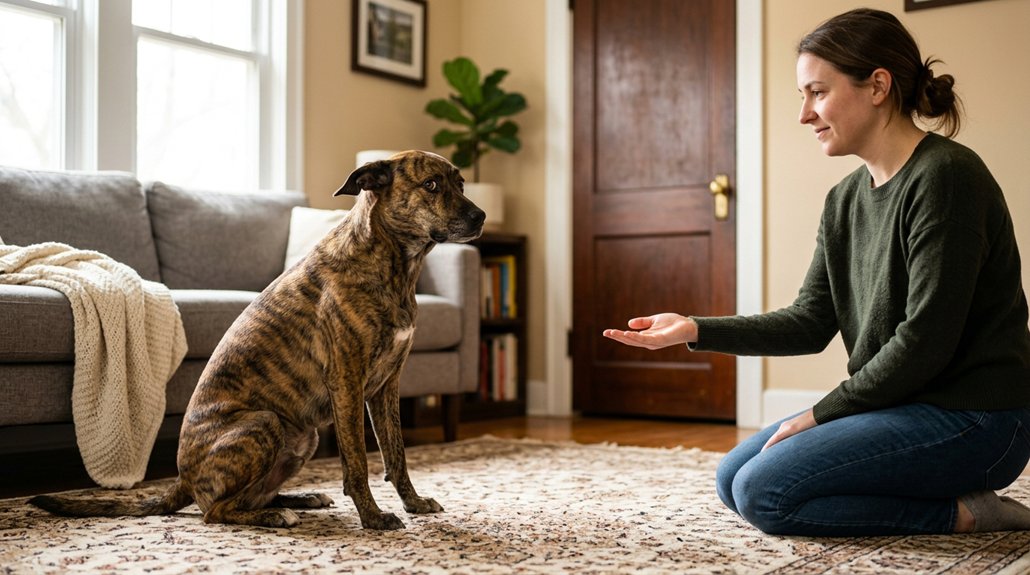
Your dog’s hesitation to bond might be due to past experiences or trust issues. Dogs with a history of trauma or neglect often need time to adjust to new environments and people. Their affection can show in subtle ways, not always through physical touch. Health and socialization also play roles; underlying health issues or poor past socialization can cause withdrawal. Patience and understanding are key to developing a strong bond. Discover strategies to foster a deeper connection.
Key Takeaways
- A dog’s past trauma can lead to mistrust and hesitance in forming new attachments.
- Lack of socialization in a dog’s history may slow the bonding process with new owners.
- Health issues can cause changes in behavior that delay bonding with the owner.
- Environmental stressors and household dynamics impact a dog’s comfort and willingness to bond.
- Gradual trust-building and consistent affection are necessary for dogs with anxiety or fear issues.
Understanding Your Dog’s Past Experiences
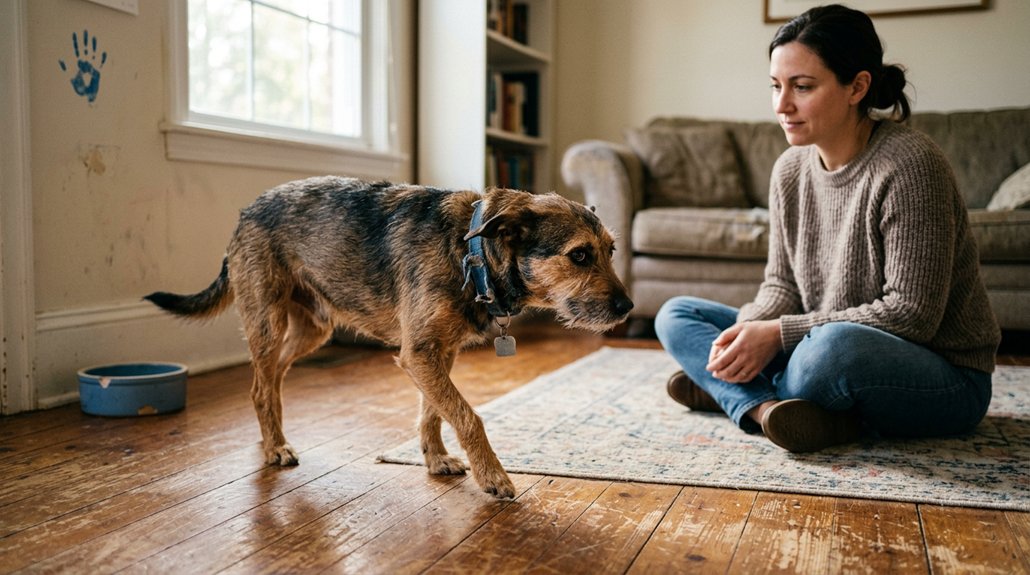
While bringing a new dog into your home can be a joyful experience, understanding your dog’s past experiences is essential for building a strong bond. A dog’s history, especially if marred by previous adoptions, trauma, or neglect, plays a significant role in how they react to their new environment. You might notice your dog exhibits mistrust or fear, creating challenges in forming an immediate connection. These emotional scars, formed from unstable past environments, can manifest as avoidance behaviors, such as keeping a distance or reluctance to engage. Being aware of these factors allows you to respond with patience and empathy. By acknowledging these elements of your dog’s history, you’re better equipped to help your new companion gradually feel safe and loved.
Alternative Signs of Your Dog’s Affection
Recognizing the alternative ways your dog expresses affection can deepen your understanding and strengthen your bond. Playtime interactions are a clear indicator of care. When your dog fetches a ball or keeps pace with you while running, they’re expressing enthusiasm and a desire to please through energetic loyalty signals. Additionally, their behavior outside playtime, such as bringing you toys or treats, shows a willingness to share and connect on a deeper level. If your dog waits by the window for your return, this unwavering loyalty signifies attachment, even without overtly physical affection. Pay attention to moments when your dog acknowledges your presence, focusing on you rather than cuddling. These gestures highlight subtle but meaningful expressions of their affection.
Identifying Health and Behavioral Changes
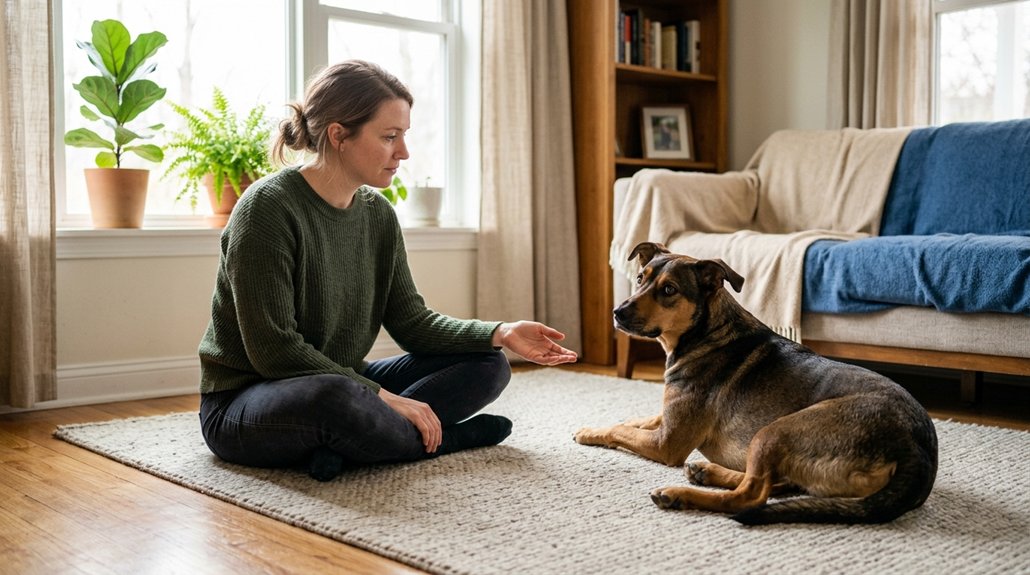
Noticing even one small change in your dog’s behavior can be crucial for their well-being. Through diligent health monitoring and behavioral observations, you might uncover clues to underlying health issues. Sudden shifts in affection or activity levels could signal that it’s time for a vet visit. Early intervention can often prevent potential problems from escalating, ensuring peace of mind for both you and your pet.
Understanding your dog’s baseline behavior is essential for spotting signs of stress, illness, or discomfort. If your dog consistently avoids interaction or refuses to follow commands, it could indicate deeper emotional issues or trauma. Regular veterinary check-ups not only safeguard their health but also strengthen the bond between you, providing reassurance that you’re meeting their needs fully.
Effective Training Techniques to Foster Dog Affection
To effectively promote your dog’s affection, start with positive reinforcement techniques by rewarding them when they accept your affection, as this builds trust in a gentle, encouraging manner. It’s important to understand their unique communication and set realistic goals that align with their personality, allowing you to foster a comforting environment. Remember, consistent encouragement combined with socialization plays an essential role in building a lasting bond, making your dog more inclined to seek your company.
Positive Reinforcement Techniques
Embrace the power of positive reinforcement to transform your relationship with your dog into a bond filled with affection and trust. Carefully consider treat timing and engagement levels to maximize the effectiveness of your training sessions. By rewarding your dog consistently, you encourage them to link your presence with positive experiences, leading to stronger connections. Here are ways to enhance your bond using positive reinforcement:
- Offer praise or treats immediately after desired behaviors for best treat timing.
- Keep training sessions short and frequent to maintain high engagement levels.
- Use a variety of rewards; alternate between treats, affection, and toys.
- Focus on gradual introductions of affection, especially for dogs with trust issues.
- Balance food rewards with praise to avoid over-reliance.
This approach strengthens love and trust.
Building Trust Gradually
Positive reinforcement lays the foundation for a trusting relationship. Trust exercises, like gradual exposure to touch and short petting sessions, are incredibly effective. Pair these with treats, and you’ll help your dog associate your affection with positive experiences. It’s vital to take into account your dog’s unique personality while setting realistic training goals. By doing so, you enhance their willingness to engage and bond with you. Incorporate consistent training routines, including playtime and rewards for good behavior, to create a structured environment that fosters emotional connection. Avoid relying solely on food, encouraging genuine bonding through affection. Regular, calm, and reassuring interactions, complemented by patient reinforcement, are essential—especially for newly adopted dogs who need time and patience to feel safe.
Understanding Canine Communication
Ever wonder why some dogs seem to connect easily with their humans, while others remain distant? Understanding canine communication is key. Recognizing canine behavior and communication signals helps in fostering a deep bond with your dog. Here’s how you can effectively train and communicate:
- Observe your dog’s body language to notice signs of comfort or distress.
- Use positive reinforcement like treats and praise to encourage affection.
- Tailor training to match your dog’s unique personality and pace.
- Be consistent to establish yourself as a trustworthy leader.
- Pay attention to their unique affection signals, such as tail wagging or enthusiastic following.
How Socializing Helps Build a Dog-Owner Bond
When considering how socializing can enhance the bond between you and your dog, it’s important to understand the multifaceted benefits that arise from these experiences. Frequent visits to dog parks or arranging playdates expose your dog to varied environments and companions, boosting their confidence and decreasing anxiety. This foundation is vital for trust and security. Using interactive toys and attending training classes, where scent work may be incorporated, encourages behavioral improvements and affectionate behaviors.
| Activity | Benefit |
|---|---|
| Dog Parks | Builds confidence, reduces anxiety |
| Playdates | Enhances social skills |
| Interactive Toys | Encourages positive behavior |
| Training Classes | Reduces territoriality and fearfulness |
| Canine Clubs | Promotes positive owner-dog interactions |
Through these controlled and rewarding experiences, you’re likely to witness a stronger, tighter bond unfold with your beloved pet.
How Proper Nutrition Impacts Dog Bonding
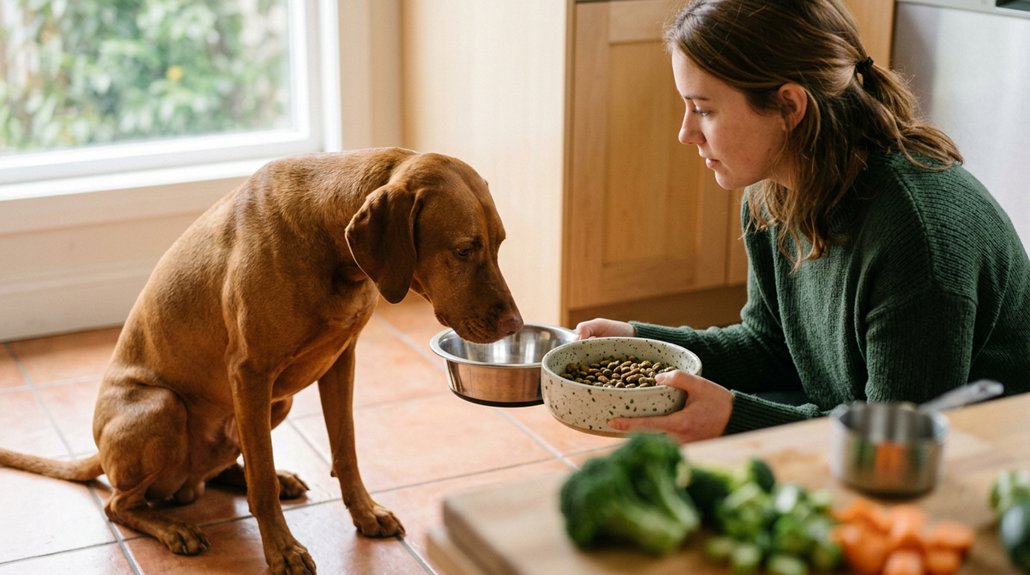
Proper nutrition plays an often underestimated role in the bond between you and your dog, influencing not only their physical health but also their emotional wellbeing. Achieving nutritional balance with high-quality ingredients can greatly impact your dog’s energy and mood. Here’s how nutrition helps foster a stronger connection:
Nutrition is key to enhancing your dog’s health and emotional connection with you.
- Vitality and Well-being: Quality ingredients enhance overall vitality, encouraging a positive disposition.
- Energy Levels: Proper nutrition boosts energy, making your dog more engaged and interactive.
- Behavioral Stability: Balanced diets can prevent anxiety or aggression, supporting a loving bond.
- Comfort and Mood: Special formulas for sensitivities improve comfort, promoting affection.
- Trust and Loyalty: Healthy dogs tend to be more loyal, reinforcing the bond with their human.
Focusing on nutrition leads to a happier, more connected relationship with your furry friend.
Frequently Asked Questions
How Long Does It Take a Dog to Fully Bond With You?
It typically takes three months for a dog to fully bond with you, but the bonding timeline can vary. Factors affecting the bond include your dog’s past experiences, age, temperament, and consistency in positive interactions and routines.
What Is “I Love You” in Dog Language?
In dog communication, “I love you” manifests through expressive wagging, bringing toys, consistent proximity, and playful interactions. Canine emotions often speak through actions rather than cuddles, reflecting trust, affection, and a strong bond with you.
What Are the 4 Signs Your Dog Thinks of You as a Parent?
Imagine the unspoken bond: a dance of loyalty. If your dog shadows your steps, shares treasured items, shows relaxed joy around you, or leans on you during stress, it’s canine attachment and owner recognition—you’re their pawrent.
What Is the 7 7 7 Rule for Dogs?
The 7 7 7 rule for dogs involves dog socialization and bonding techniques: 7 days to adjust, 7 weeks to build trust, and 7 months for strong attachment. Exercising patience and positive interactions fosters this developmental journey.
Conclusion
Building a bond with your dog is like tending a garden; it requires patience, understanding, and nurturing. Your dog’s past is the soil, rich with unique stories. Watch for their wagging tail, an unspoken bloom of affection. Be attentive to health and behavioral shifts, the changing seasons in your garden. Use effective training as the watering can, socialization as the sun, and proper nutrition as the fertilizer. With care, your dog will flourish, and your bond will blossom.