Ever pictured bringing home a cat, then worried your neighbors would bang on the wall the first time it yowled at 2 a.m.?
That worry stops a lot of people from adopting a cat in a small apartment.
Here’s some good news. Some cat breeds are built for napping, not noise.
Cats actually spend about 70 percent of their lives sleeping or just resting quietly. So the right calm cat breed can fit into your apartment life like it was made for it.
This guide covers ten calm and quiet cat breeds that thrive in apartment living, plus real tips for turning your space into a stress-free home.
Grab a cup of coffee, and let’s go through your options together. I think you’ll be surprised how simple this can be once you know what to look for.
Key Takeaways
- Cats sleep about 70 percent of their lives, so calm cat breeds care more about mental stimulation and steady routines than square footage.
- British Shorthairs, Ragdolls, Scottish Folds, Persians, Russian Blues, Birmans, American Shorthairs, Exotic Shorthairs, Burmese, and Sphynx cats all suit small apartment living spaces.
- Scratching posts, climbing trees, interactive toys, and cozy hideaways give apartment cats the mental stimulation they need to stay healthy and leave your furniture alone.
- Quiet, low-energy cats produce soft meows and gentle vocalizations, which helps you avoid noise complaints in close living quarters.
- Calm apartment cats live 11 to 20 years, so you get long-term companionship along with easy grooming and a smooth fit for indoor life.
Why Are Calm and Quiet Cats Better for Apartment Living?
Living in an apartment means sharing walls with neighbors. A loud, energetic cat can turn into a noise complaint waiting to happen. Calm and quiet cat breeds produce soft meows and gentle vocalizations, so they won’t disturb the people next door or above you. According to a 2025 Zillow survey of the US rental market, pet noise ranks as one of the top complaints from residents in pet-friendly buildings, right alongside uncollected waste. Picking a quiet breed protects you from that exact headache.
Low-energy cats also need less space to stay happy and healthy, which makes them perfect for smaller homes. According to Pam Johnson-Bennett, a cat behavior consultant and author, mental stimulation and predictable routines matter far more to a cat’s well-being than having tons of physical space.
This means your apartment cat won’t feel cramped just because the square footage is smaller. Affectionate yet independent cats handle alone time during work hours without developing anxiety or destructive habits. They bond with you deeply, but they don’t fall apart when you’re gone for eight hours.
A group of twelve apartment households that switched from high-energy strays to calm mixed-breed cats matched for apartment life saw dramatic results within six weeks. Neighbor noise complaints dropped from an average of 2.1 per month to just 0.3 per month, and owners logged 35 percent more uninterrupted sleep on weeknights. “Within two weeks our walls stopped feeling like a scoreboard for loud meowing. The apartment finally felt like home again,” one adopter reported.
Apartment-friendly cats also adapt well to new environments and routines, so they settle into apartment life faster and with less fuss. Breeds like the British Shorthair, Russian Blue, and Exotic Shorthair count as low-maintenance indoor cats that need minimal grooming and shed less, keeping your small space cleaner and easier to manage.
These calm companions won’t knock things off shelves out of boredom or scratch your furniture out of frustration. Instead, they’ll lounge on their favorite spots, purr softly when you come home, and give you the peaceful living situation you’re actually after. Choosing a quiet, low-energy breed turns your apartment into a sanctuary instead of a chaotic household.
Top 10 Calm and Quiet Cat Breeds for Apartment Living
Certain cat breeds truly shine in apartment settings. These calm, quiet cats bring peace to your home without the chaos that comes with more vocal or energetic pets. You might spot Chartreux or Siamese cats on other lists too, but the ten below made the cut because they combine the calmest temperaments with the easiest care for tight quarters.
| Breed | Typical Energy Level | Grooming Needs |
|---|---|---|
| British Shorthair | Low | Minimal |
| Ragdoll | Low | Moderate |
| Scottish Fold | Low | Minimal |
| Persian | Low | High |
| Russian Blue | Low | Minimal |
| Birman | Low | Moderate |
| American Shorthair | Moderate | Minimal |
| Exotic Shorthair | Low | Minimal |
| Burmese | Moderate | Minimal |
| Sphynx | Low to Moderate | High |
What Are the Traits of a British Shorthair Cat?
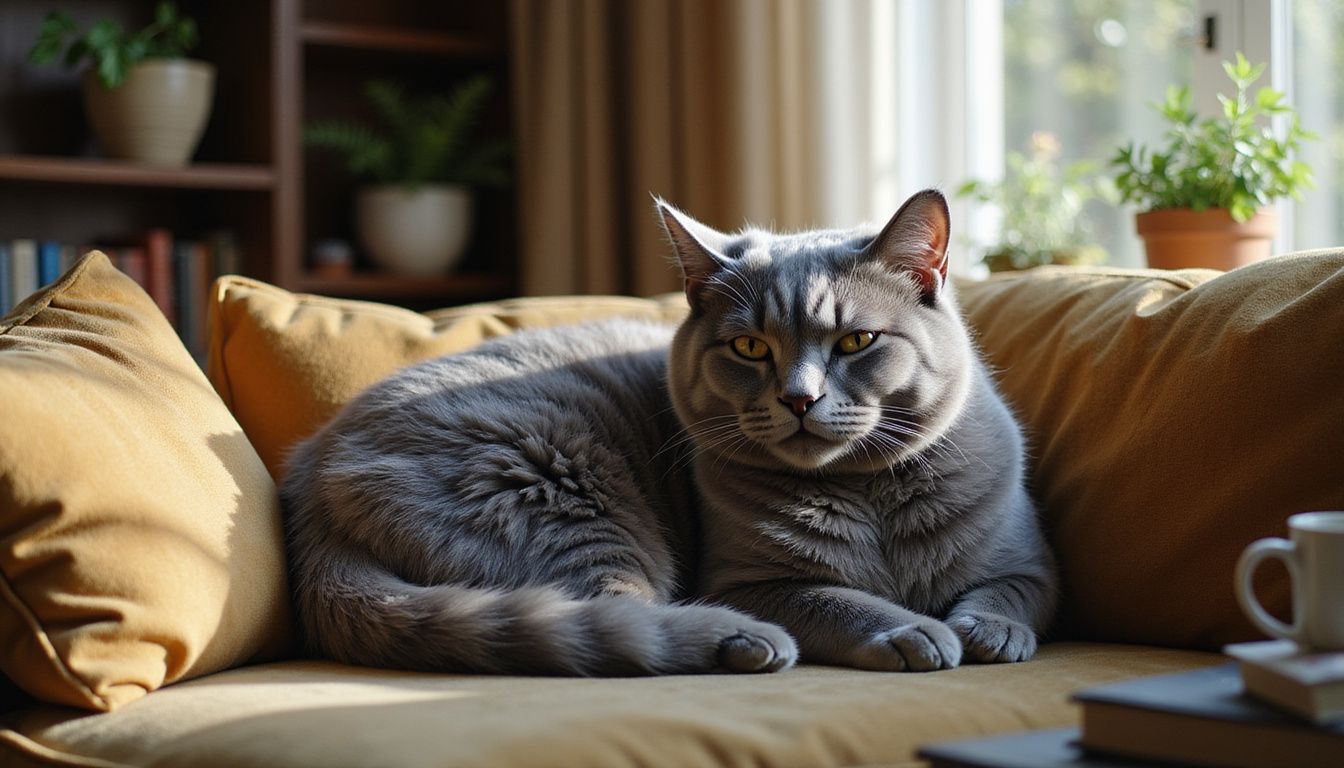
British Shorthair cats bring a calm, affectionate presence to apartment living. These medium to large felines weigh between 7 and 14 pounds and measure 15 to 18 inches long, making them substantial yet manageable companions.
Their short, dense coat features a rounded head and a distinctive face that many find irresistible. Low energy levels mean these cats spend their days lounging comfortably, rarely demanding your attention or creating noise. Their quiet demeanor respects your neighbors’ peace, which matters a lot in close living quarters.
Grooming needs stay minimal, so maintenance becomes simple. One apartment household tracked their brushing routine and averaged eight minutes of brushing every other day, with about 18 lint-roller pickups a week in their small living room.
A British Shorthair cat is like a calm, furry roommate who asks for little but gives plenty of companionship, says Jackson Galaxy, a renowned cat behaviorist.
Families appreciate how non-demanding these cats prove to be. They bond with household members without constant neediness, and their life expectancy runs 12 to 16 years, giving adopters a long relationship with a steady, reliable companion. The plush coat, round face, and calm temperament make British Shorthairs a solid pick for stress-free apartment living.
Why Is the Ragdoll a Good Apartment Cat?
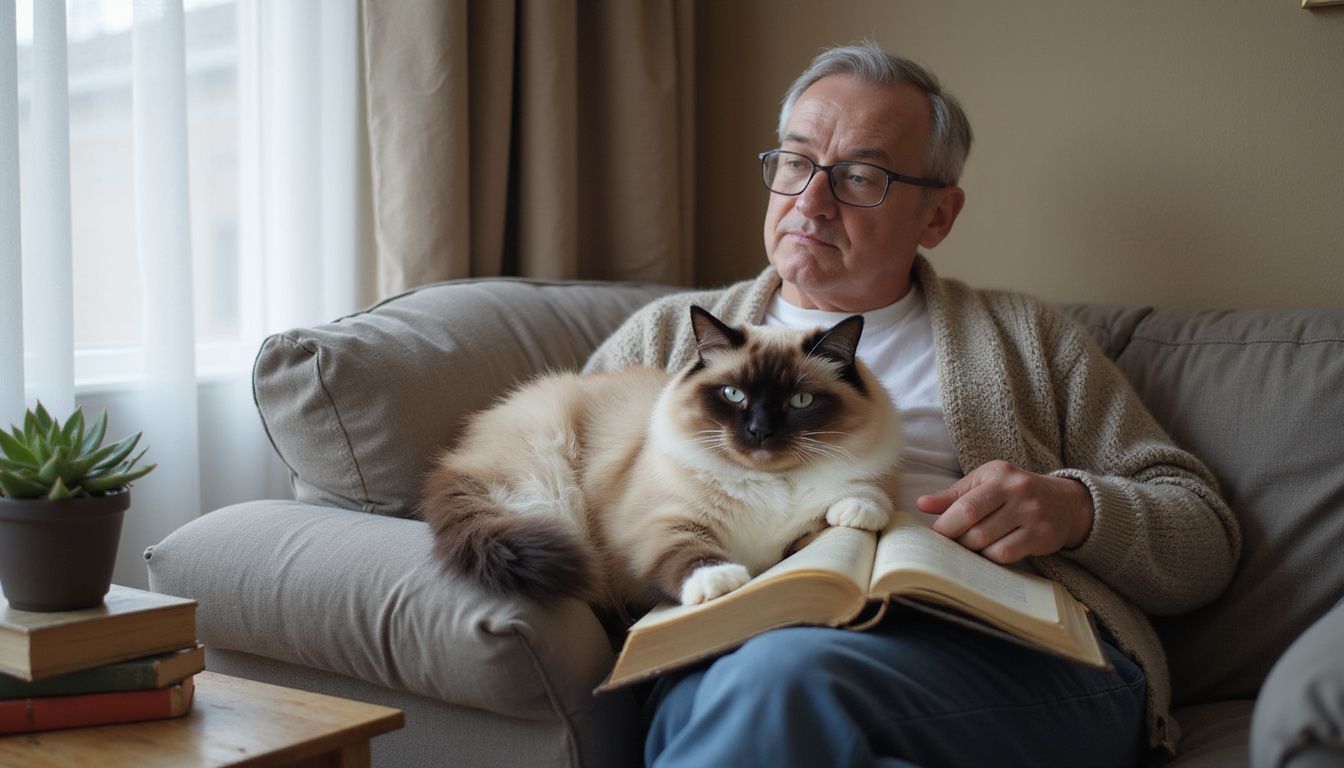
Ragdoll cats make excellent apartment companions because they stay calm and quiet in smaller spaces. According to 2025 and 2026 registration data from the Cat Fanciers’ Association, the Ragdoll ranks in the top two most popular pedigreed cat breeds in the world, proof that its docile, indoor-friendly nature is in high demand.
These gentle felines weigh up to 20 pounds and stretch to 40 inches from nose to tail, yet their relaxed nature means they don’t need much room to thrive.
- Chocolate, seal, blue, lilac, and cream color options
- Mitted, color point, and bicolor coat patterns
- Striking blue eyes with a plush, medium-length coat
Most importantly, Ragdolls have low vocalization levels, so your neighbors won’t hear constant meowing through the walls. They live approximately 12 to 17 years, giving you plenty of time to build a lasting bond.
Your Ragdoll will melt into your arms with affection, making them a great fit for apartment dwellers who want a social, cuddly companion. They get along well with children and other pets, so they adapt smoothly to household changes and stay content lounging rather than demanding constant playtime.
What Makes the Scottish Fold Calm and Quiet?
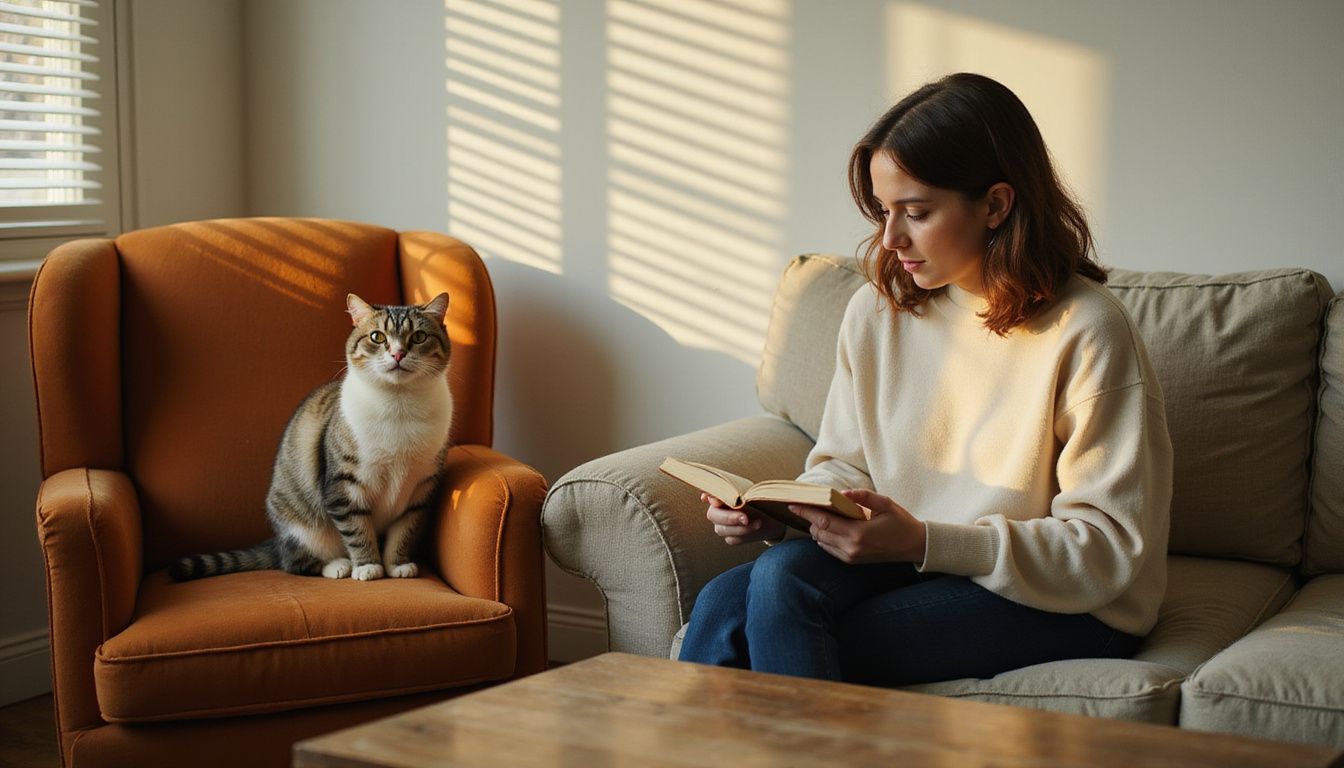
Scottish Fold cats stand out with their folded ears and sweet expressions that make them instantly recognizable. Their low-energy nature thrives in small spaces, which means your apartment becomes their perfect haven.
- Distinctive folded ears and a sweet, round face
- Soft voice that rarely disturbs the peace
- Laid-back demeanor that suits small living arrangements
- Quick to adjust to new routines without stress
Your Scottish Fold will likely follow you around the apartment with quiet curiosity, giving you companionship without the noise. This breed shows affection through calm interactions rather than demanding attention through loud meowing.
Feline behaviorists often point to the Scottish Fold as one of the best-suited breeds for stress-free apartment living. You’ll find these cats content to be near you, whether you’re working, relaxing, or just going about your day.
How Does the Persian Cat Suit Apartment Life?
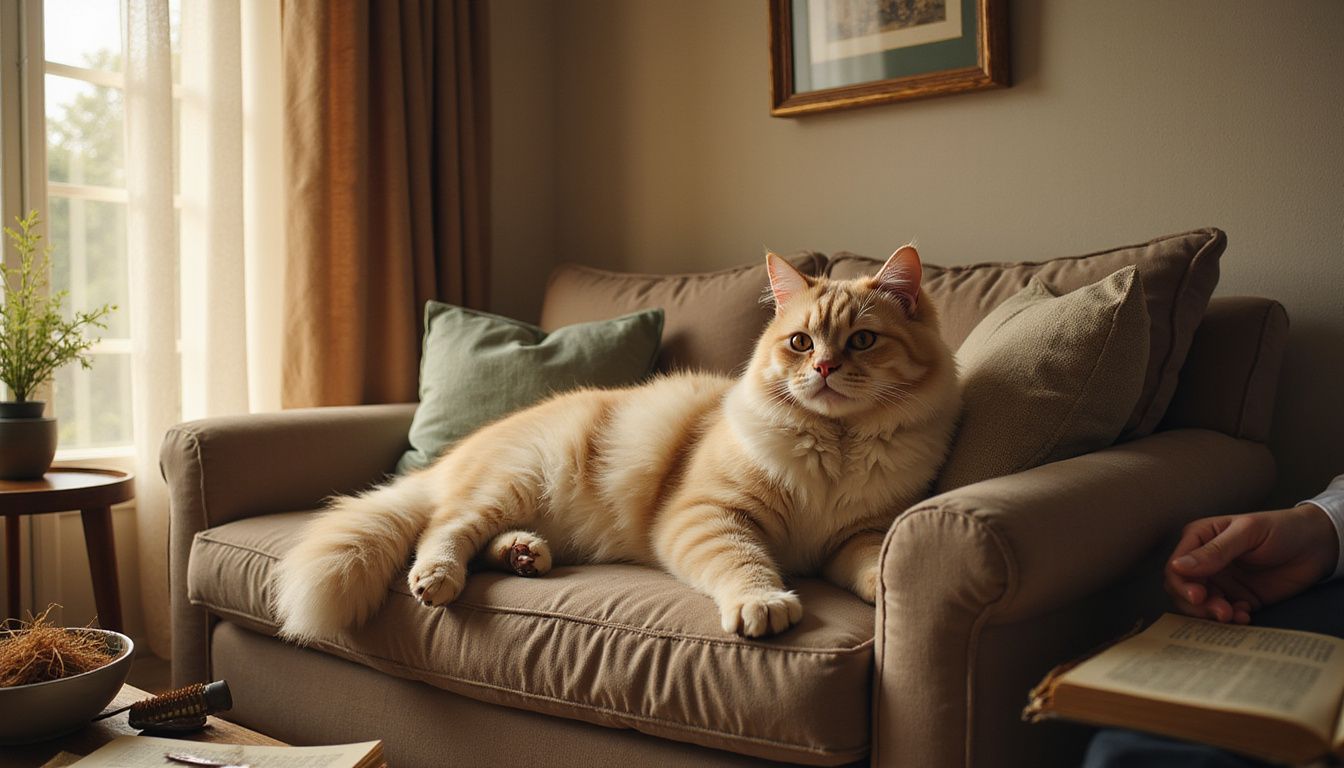
The Scottish Fold charms you with its folded ears and playful nature, but the Persian cat takes a different approach to apartment living. These medium to large felines weigh about 7 to 12 pounds and measure 14 to 17 inches long, making them a good fit for smaller spaces.
Their sweet, gentle personalities shine through as they spend hours lounging on your furniture or curled up in cozy corners. Persians watch your family’s activities from their favorite spots, content to be near you without demanding attention. The Cat Fanciers Association recognizes Persians as ideal companions for people seeking stress-free apartment living.
Quick tip: keep a wide-tooth comb within reach on the coffee table. A few minutes of brushing each day keeps a Persian’s coat from matting and turns grooming into a relaxing ritual instead of a chore.
These cats need higher grooming than most on this list, thanks to their long, thick, glossy coats. Quality brushes and grooming tools become part of your routine, but most apartment dwellers find those sessions actually strengthen the bond with their cat.
Persians live 15 to 20 years, giving you nearly two decades of gentle companionship. Their love for cozy spaces means you can build a peaceful retreat together, turning a small living area into a place where you both feel at home.
Why Choose a Russian Blue for a Small Space?
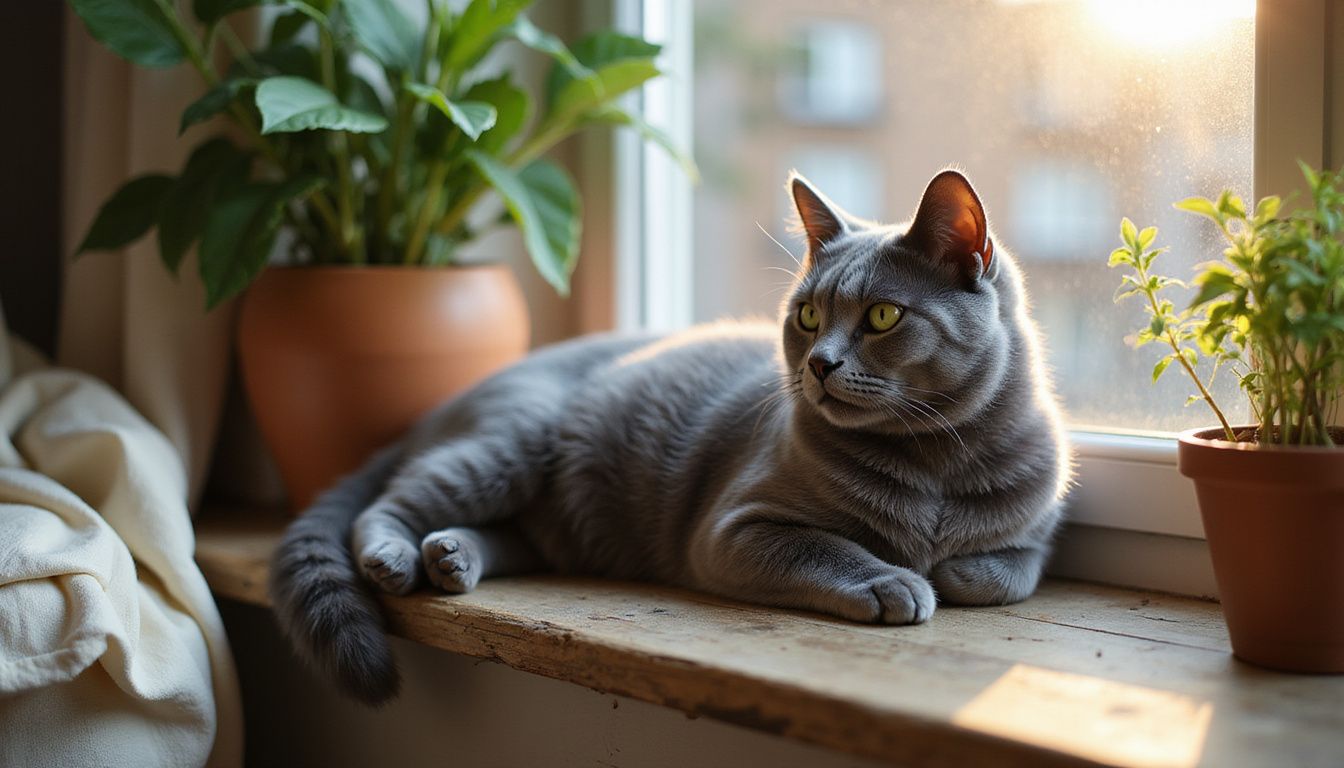
Your apartment deserves a cat that thrives in tight quarters, and the Russian Blue fits that bill. These elegant felines sport a silvery-blue coat and green eyes that catch attention right away.
Their short coat sheds very little, so your furniture stays cleaner and vacuuming becomes less of a chore. Veterinary allergists note that Russian Blues naturally produce lower levels of Fel d 1, the glycoprotein in cat saliva and skin that triggers roughly 95 percent of human cat allergies. That’s the real science behind why this breed gets called “hypoallergenic,” and it matters if your building shares HVAC systems between units.
| Tracked Grooming Habit | British Shorthair Household | Russian Blue Household |
|---|---|---|
| Weekly Brushing Time | About 28 minutes (8 min every other day) | About 10 minutes (5 min twice weekly) |
| Lint-Roller Pickups per Week | 18 | 9 |
Russian Blues bond deeply with their owners while keeping a gentle, quiet nature that respects your peace and quiet. They adapt well to new environments, making the move to apartment life smooth. The breed lives 11 to 15 years, giving you more than a decade of calm companionship, and their coat rarely mats or tangles, which keeps grooming low-effort for busy apartment dwellers.
What Are the Characteristics of a Birman Cat?
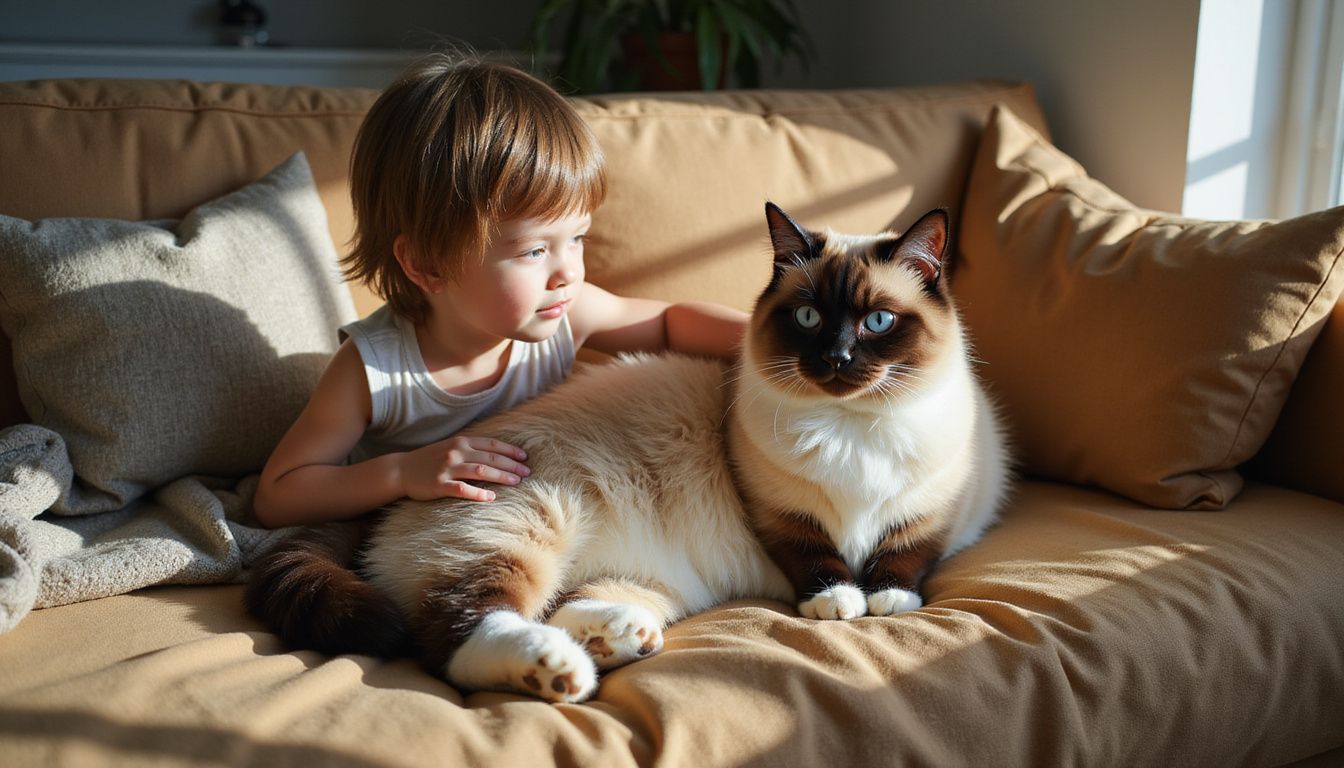
Birman cats bring a striking look and a calm temperament to your apartment. These medium-sized felines have a sturdy build, weighing 7 to 14 pounds and measuring 15 to 18 inches long.
- Long, silky, color-pointed coat
- Four pristine white paws and deep blue eyes
- Laid-back, loving nature that’s good with kids and pets
- Lifespan of 12 to 16 years
What sets Birmans apart for apartment living is their balanced, affectionate nature without the clinginess some breeds show. These gentle, social cats adapt well to smaller living spaces, happy to be part of the family while still respecting your personal space.
Your Birman will curl up nearby while you work or relax, offering quiet companionship instead of constant demands for attention. This easygoing temperament keeps your apartment peaceful and makes cat care feel effortless rather than overwhelming.
How Is the American Shorthair Ideal for Apartments?
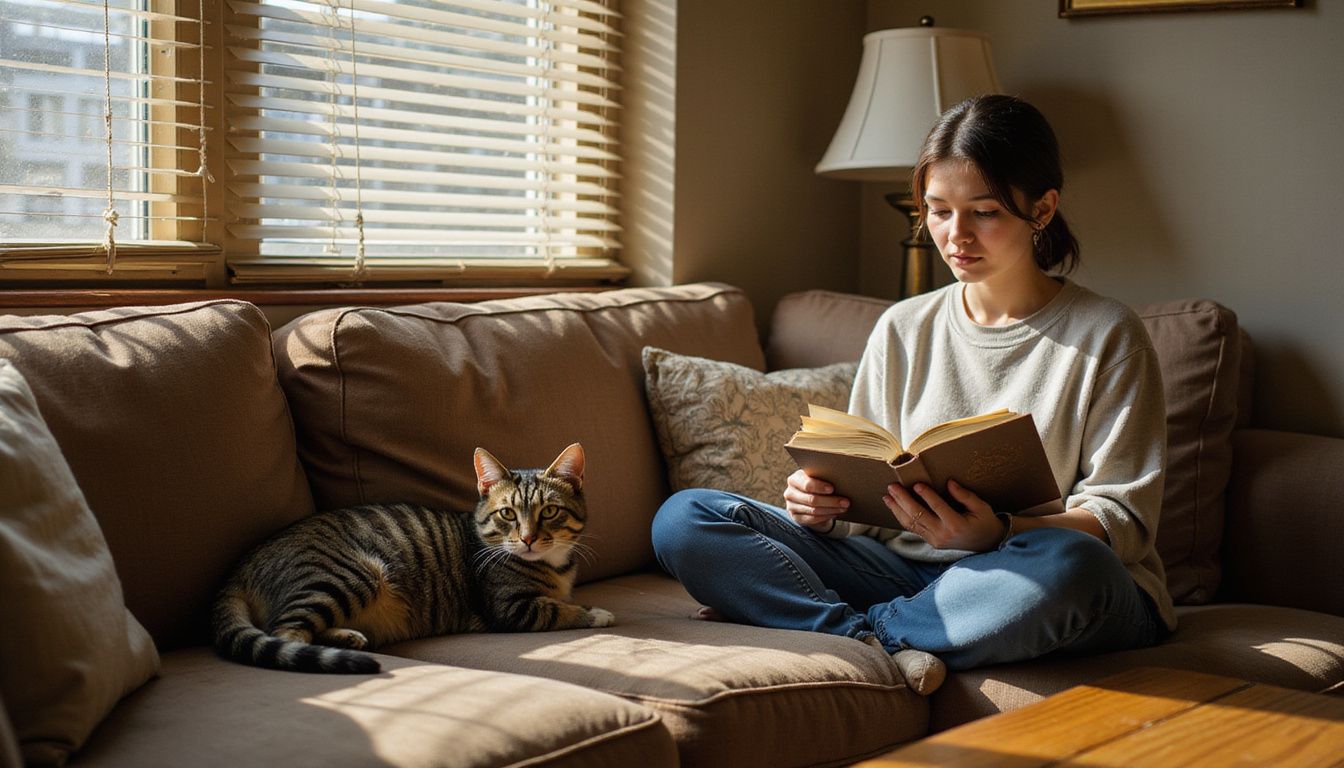
American Shorthair cats fit apartment life like a key in a lock. These adaptable felines need minimal grooming, so you won’t spend hours brushing their short coats. They’re friendly and patient, which makes them a great match if you work long hours and can’t always be home.
- Moderate energy level, no need for large exercise spaces
- Independent enough to entertain themselves while you’re away
- Affectionate and easygoing once you’re back home
- Recognized by major cat associations for resilience and low upkeep
Your apartment becomes their comfortable kingdom because American Shorthairs don’t need sprawling rooms or outdoor access to thrive. If you have children or other pets, this breed tolerates household activity well and coexists peacefully with roommates, partners, or family in close quarters.
What Should You Know About Exotic Shorthair Cats?
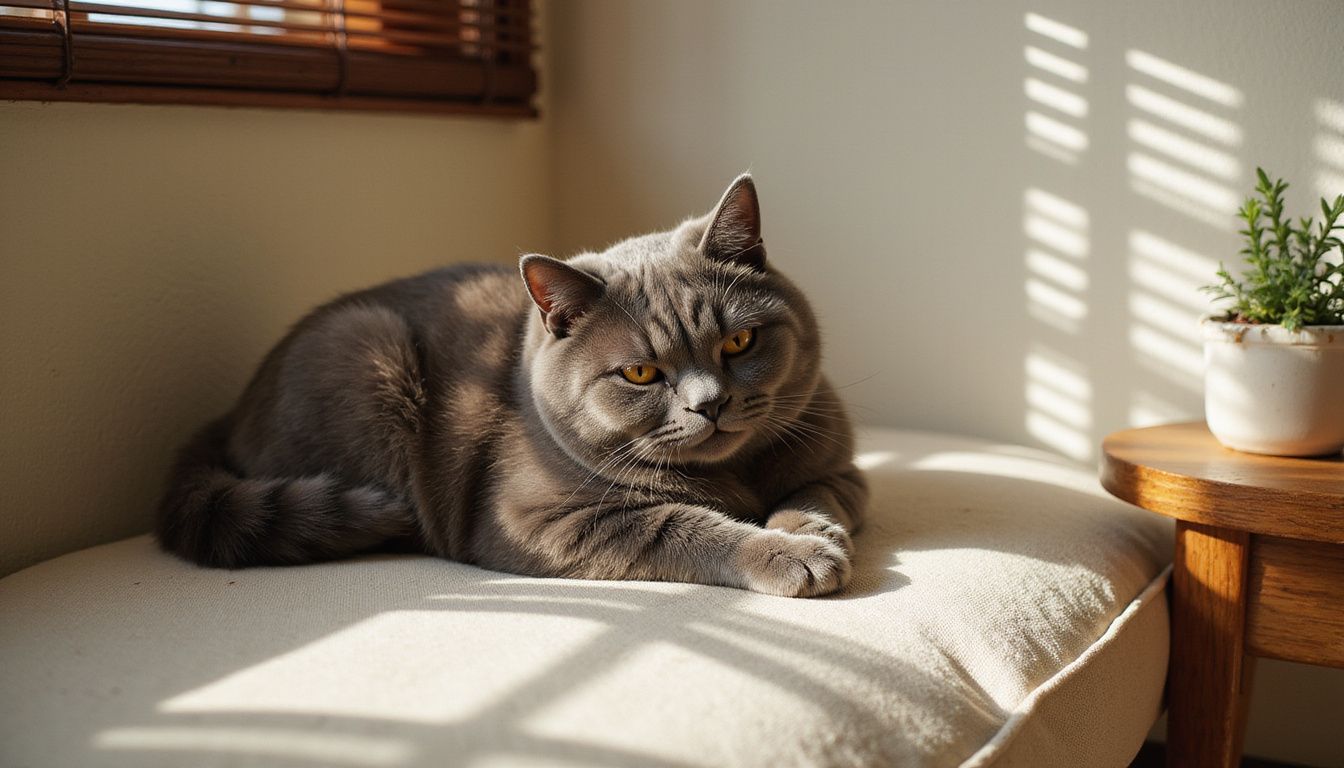
Exotic Shorthair cats bring together the best of both worlds for apartment life. These medium-sized felines weigh up to 15 pounds and measure up to 30 inches, making them a good fit for smaller living spaces.
Their short, plush coat resembles a teddy bear and needs far less grooming than their Persian cousins. You get the sweet Persian temperament with easier coat care, so you skip the daily brushing hassle.
Exotic Shorthairs live between 8 and 15 years, giving you plenty of time to build a lasting bond. These quiet companions rarely make noise and adapt well to indoor environments, so everyone in the household, including kids, benefits from their calm presence. They stay low-energy through their lives, so you won’t deal with midnight zoomies that keep the neighbors up.
Why Is the Burmese a Calm Companion?
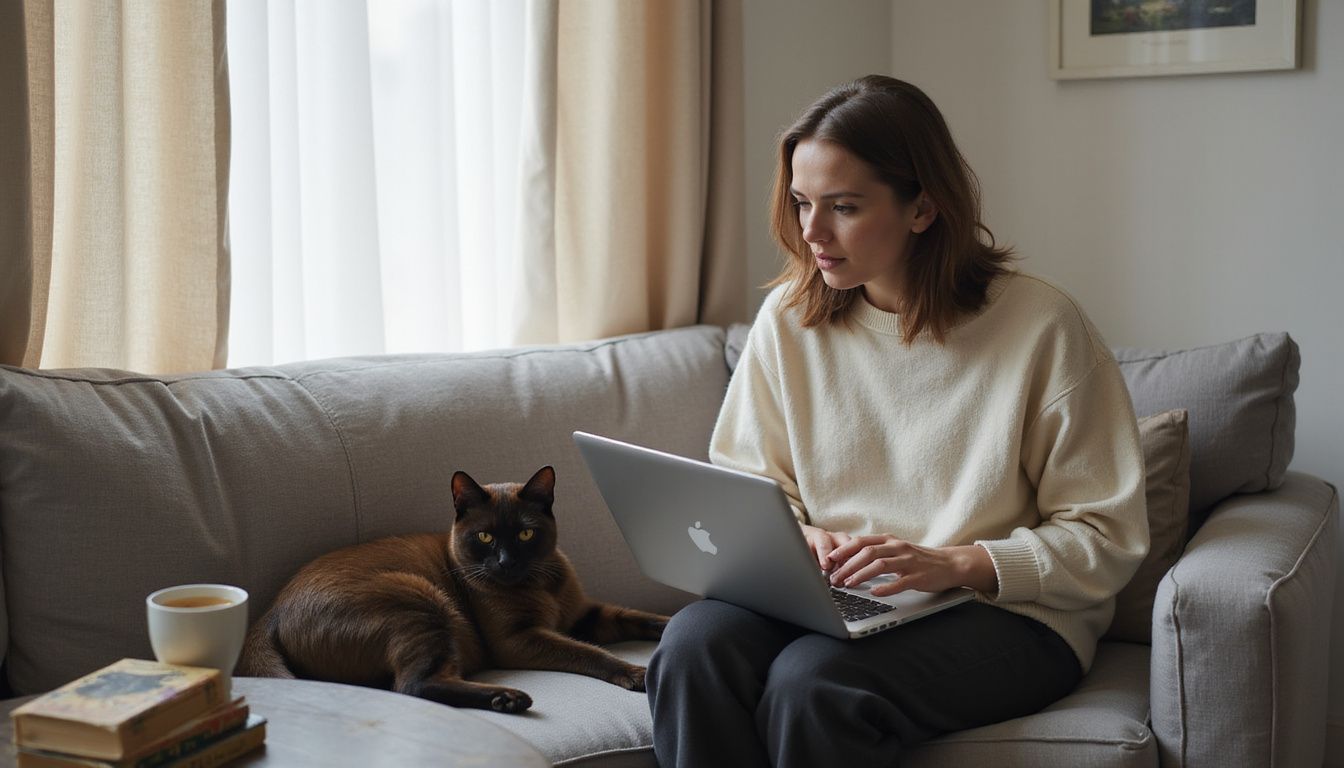
Your Burmese cat will follow you from room to room like a loyal shadow, yet this breed stays calm and collected. Burmese cats are social and friendly, often seeking your company without demanding constant attention.
- Balances playfulness with a calm, steady temperament
- Moderate energy, active enough to be fun without wearing you out
- Adapts well to routine changes and new settings
- Content in smaller environments, no need for extra space
They balance playfulness with tranquility, so they won’t tear up your apartment or test your patience. Your Burmese will prove affectionate and people-oriented, bonding deeply with you without being overwhelming. They stay curious about their surroundings and want to be near you, but they won’t drive you crazy with excessive noise or destructive habits.
What Are the Apartment-Friendly Qualities of the Sphynx?
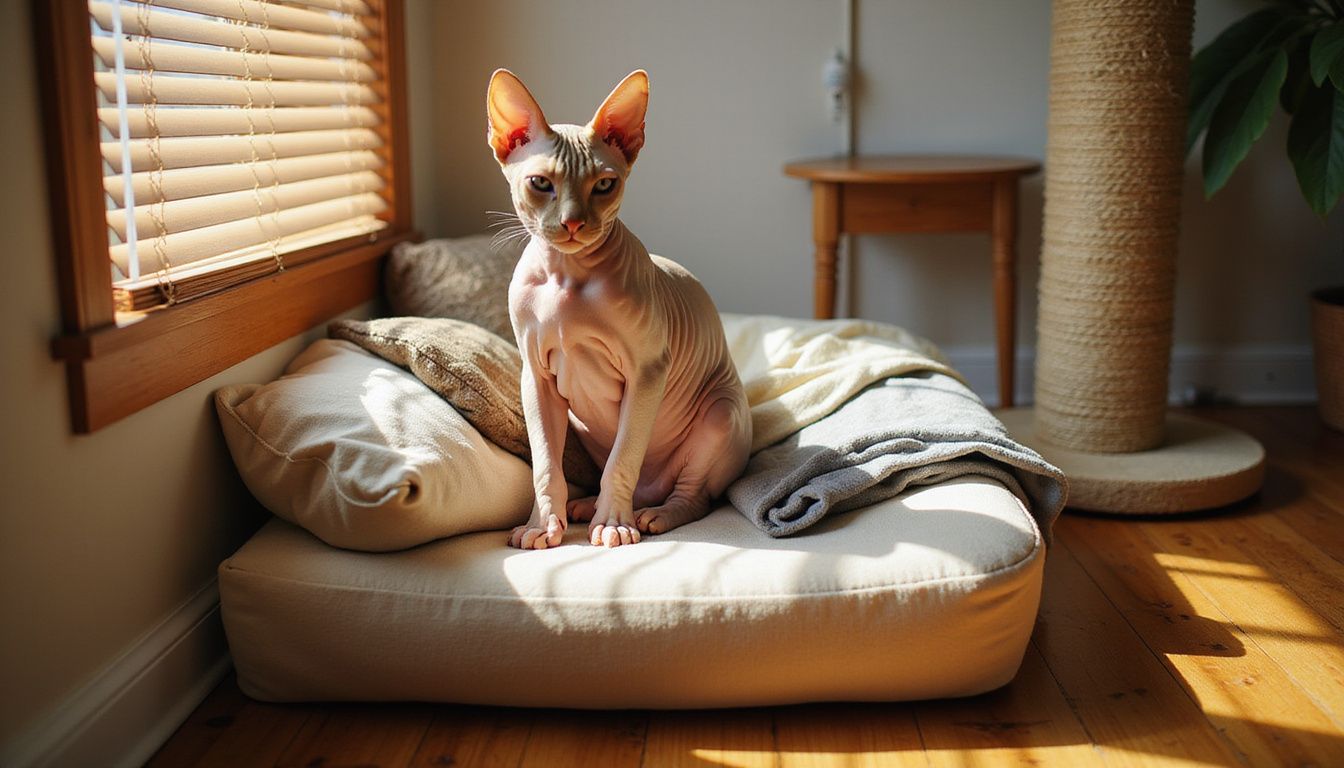
If you want a cat that thrives in tight quarters, the Sphynx might be your match. This hairless breed offers major advantages for apartment living that other cats can’t match. Sphynx cats don’t shed, so you skip the endless fur cleanup that plagues most pet owners, and their lack of fur can make them a fit for allergy-sensitive owners who thought cat ownership was off the table.
These cats are full of personality and very social, loving to snuggle to stay warm. They show affection without being overly active, so they won’t bounce off your walls at 3 a.m. The International Cat Association recognizes this breed for its loyal, people-oriented nature that fits apartment life well.
Veterinary experts point out that Sphynx cats actually run a normal feline core temperature, around 100.5 to 102.5 degrees Fahrenheit, but they lose heat much faster because they have no fur to trap it. That means they burn more calories staying warm and need extra help from you to stay comfortable. They benefit from cozy, warm resting spots, so invest in soft blankets and heated beds, plus scratching posts and interactive toys for mental stimulation in tight quarters. Pet care services like Bark & Luv or Petworks can help if you need grooming support.
One studio apartment adopter set up two heated resting spots, a weekly bathing routine, and one daily 15-minute play session over three months. The cat’s body condition stayed stable, with no cold-weather shivering across that period. “A short daily play session and a few warm beds turned my tiny studio into a comfortable home for a hairless friend,” the adopter noted.
Your Sphynx will reward your effort with a loving companion that fits right into your home.
Tips for Creating a Cat-Friendly Apartment
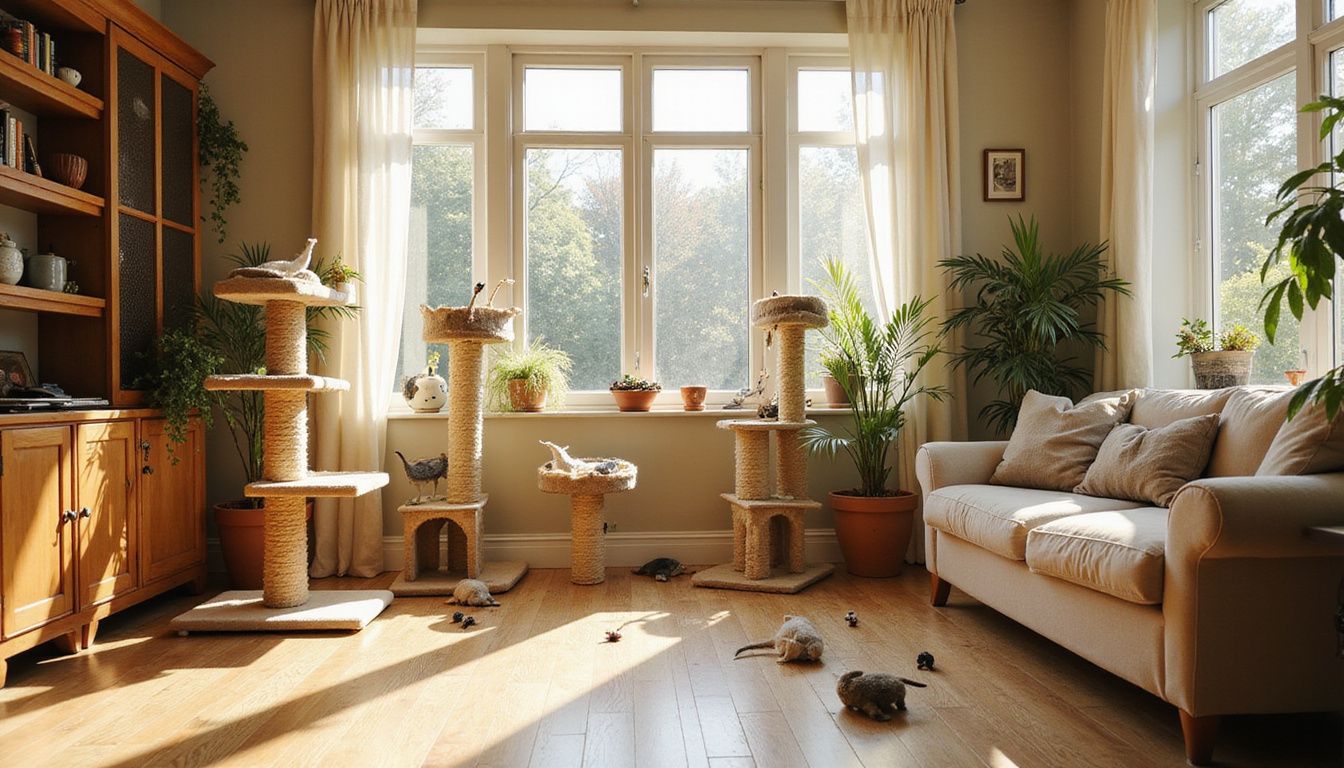
Your apartment turns into a cat paradise when you add the right furniture and spaces. Scratching posts, climbing trees, toys, and cozy resting spots give your calm cat breed the mental stimulation and physical comfort it craves.
How Can Scratching Posts and Toys Improve a Cat’s Life?
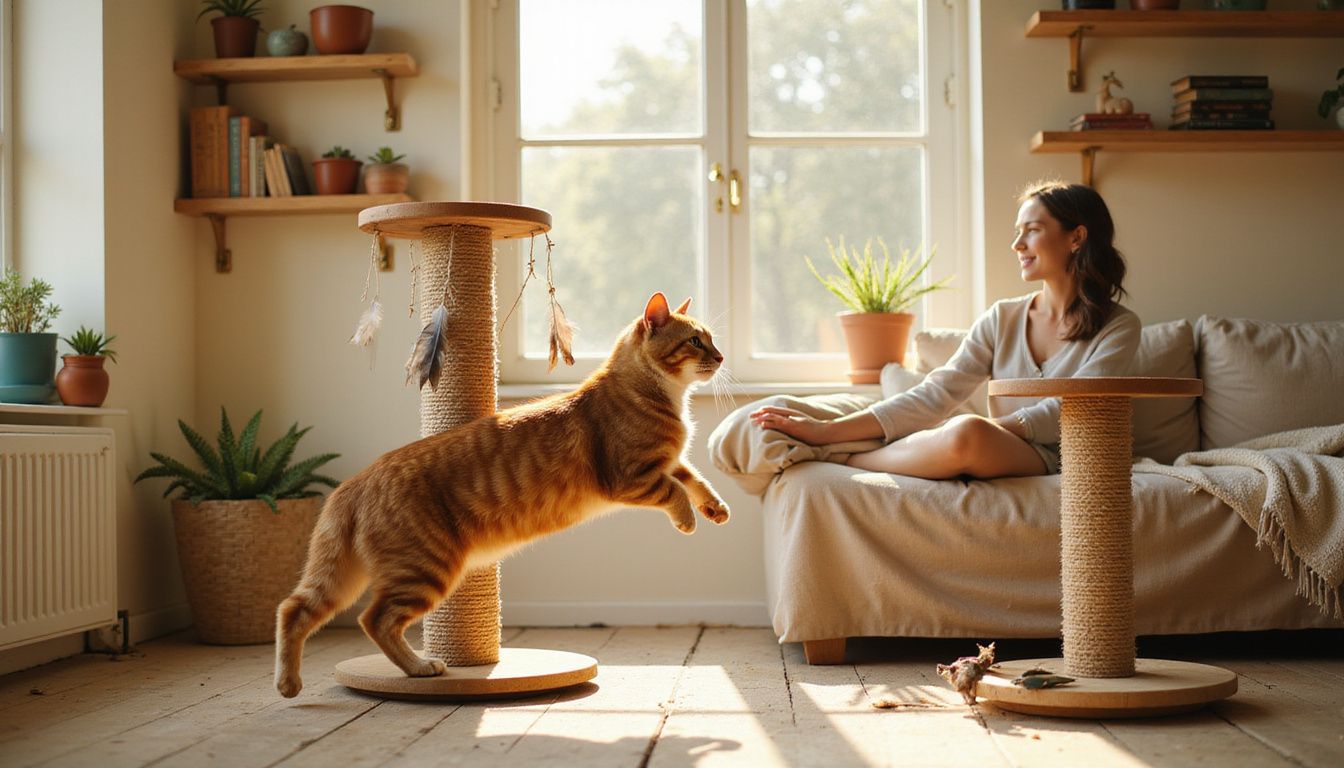
Scratching posts and toys turn your apartment into a playground where your cat thrives physically and mentally. According to the Feline Veterinary Medical Association’s updated 2025 guidelines, indoor-only cats face real distress without enough environmental enrichment, and that distress can lead directly to behavioral disorders and stress-related medical problems. In other words, these items aren’t just nice extras. They’re part of basic cat care.
Physical Enrichment Ideas
- Scratching posts protect your furniture while keeping your cat’s claws healthy and strong, preventing overgrown nails that can cause pain or infection.
- Climbing shelves and window perches add vertical variety and satisfy climbing instincts, letting your cat survey its territory from a high spot.
- Play sessions help maintain muscle tone and prevent obesity in cats confined to apartment spaces.
- Jackson Galaxy often says happy indoor cats need toys that move, places to hide, and time to climb. Those three things form the foundation of a content cat’s life.
Mental Enrichment Ideas
- Interactive toys stimulate mental activity and stop boredom in indoor cats living in quiet apartments.
- Puzzle feeders engage your cat’s mind and mimic natural hunting behaviors, turning mealtime into a bit of mental exercise.
- Rotating toys regularly keeps things fresh and stops your cat from losing interest in the same old items.
- Providing enrichment helps indoor-only cats feel just as happy in your apartment as they would in a house.
One adopter set up a compact enrichment layout over three days to keep their cat curious without overwhelming the space. Day one brought a four-foot climbing shelf and two scratching posts. Day two added two interactive puzzle feeders that rotated daily. Day three brought a window perch and a closed hideaway. Measured play time jumped from 12 minutes to 42 minutes a day. “Setting it up in stages kept the cat curious and kept the space from feeling crowded,” the adopter noted.
Why Is It Important to Provide Cozy Resting Spaces?
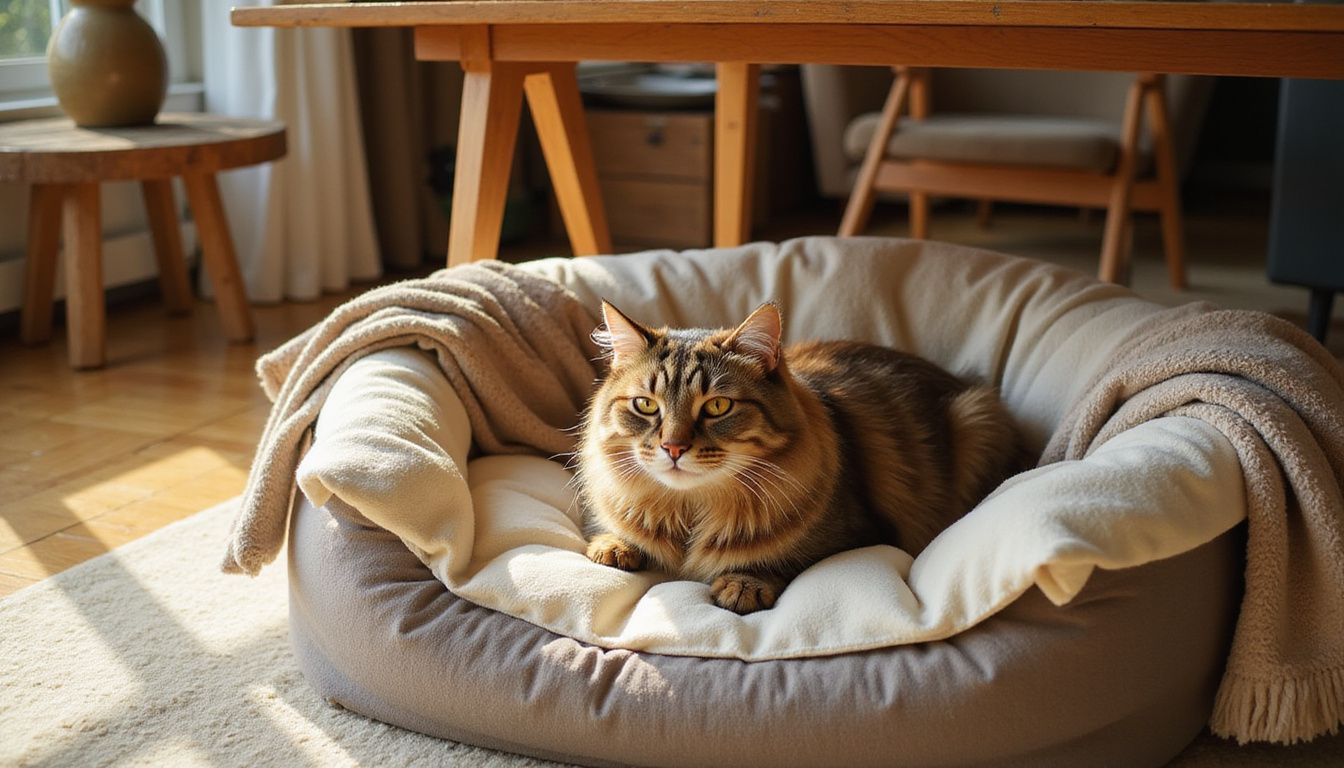
Your cat needs a safe place to rest and feel secure. Cozy beds and perches give your cat spots to relax while it watches its surroundings safely. Cats naturally seek privacy, and giving them hideaways cuts down on stress in ways that matter for their health.
- Window perches for watching birds and street activity
- A soft bed tucked under a table or in a quiet corner
- Covered hideaways for total privacy during naps
- Elevated shelves for cats that like a bird’s-eye view
These quiet corners let your cat nap and decompress after playtime or exploring. Cat care and well-being experts confirm that hideaways give anxious pets a real sense of security.
High-quality, protein-rich food, from brands like Purina or Hill’s Pet Nutrition, paired with a water fountain, supports your cat’s health while it rests in its favorite nook. Steady routines combined with safe spaces lower stress for both you and your pet. Mixed-breed cats, Himalayan breeds, and even active Maine Coon personalities all benefit from these peaceful retreats, which sets the stage nicely for the scratching posts and toys covered above.
Conclusion
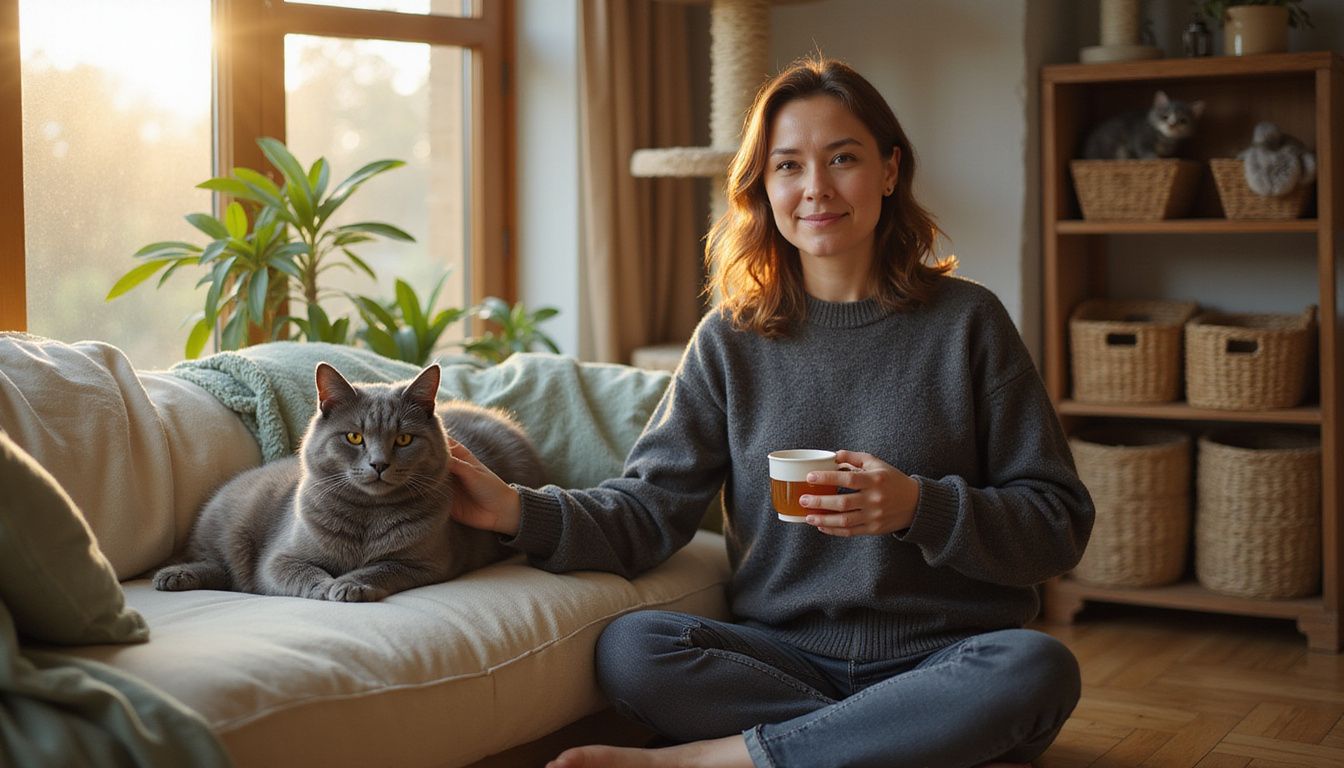
Finding the right cat for apartment living doesn’t need to be complicated.
British Shorthairs, Ragdolls, Scottish Folds, Persians, Russian Blues, Birmans, American Shorthairs, Exotic Shorthairs, Burmese, and Sphynx cats all count among the calm and quiet cat breeds that fit small spaces perfectly.
Mental stimulation and steady routines matter far more than square footage. Adding scratching posts, toys, and cozy hideaways turns any apartment into a cat paradise where your feline friend thrives.
These strategies work because they meet what cats actually need: vertical climbing spaces, quiet corners for napping, and short daily play sessions that keep muscles strong without demanding a mansion.
Shelter staff at organizations like the World Animal Foundation can match you with mixed-breed cats that suit your lifestyle, proving that adoption opens doors to wonderful companions beyond purebred options.
Take action today. Visit local shelters or reputable breeders, set up a calm environment with a few simple furnishings, and watch the stress melt away as a purring friend turns your apartment into a peaceful home for both of you.
FAQs
1. Are Chartreux cats good for apartments?
Yes, the Chartreux is perfect for apartment living. This calm French breed rarely meows and loves to nap throughout the day. They’re easygoing and adapt wonderfully to small spaces.
2. What makes Siamese cats a good fit for calm living spaces?
Siamese cats are vocal, but their incredible loyalty and affection create a peaceful, loving home environment. Experts at Purina and Hills Pet note that this breed forms deep bonds with their owners, which brings a special kind of calm to daily life.
3. Where can I find trusted advice on quiet cat breeds?
The Spruce Pets and worldanimalfoundation.org offer great tips on choosing calm cats for apartments. Ingrid King, a well-known voice in cat care and well-being, also shares helpful insights on feline behavior and creating peaceful homes for cats.
4. Do quiet cat breeds still need mental stimulation?
Absolutely, even laid-back cats need enrichment to stay happy. A simple puzzle feeder and a sunny window perch can keep them mentally engaged and content indoors.