
Thinking about bringing a cat home?
That’s exciting. But if you’re like most new cat parents, the money side of things probably has you a little nervous too.
Here’s a number that might catch you off guard: upfront costs for adopting a cat typically run between $705 and $2,960. And that’s just the starting line.
I’ve broken down every expense you’ll face in your first year, from adoption fees to that emergency vet visit you hope never happens. Responsible pet ownership starts with knowing these numbers ahead of time, so grab a coffee and let’s go through it together.
Key Takeaways
- Upfront cat adoption costs range from $705 to $2,960, with shelter adoptions costing $25 to $150 and breeders charging $1,500 to $4,000.
- Monthly cat expenses average $70 to $305 for food, litter, and routine care, adding up to $840 to $3,665 a year for adult cats.
- One in three pets needs emergency treatment yearly, with bills reaching $1,000 to $5,000, which makes pet insurance costing $10 to $95 a month worth a look.
- About 70% of cats develop dental disease by age three, so a $500 to $1,000 professional cleaning now can prevent a $13,000 emergency procedure later.
- Pet owners should build an emergency fund of $2,500 to $8,000 since 58% end up using credit cards for surprise medical bills, which piles on debt.
Upfront Costs of Bringing a Cat Home
You’ll face real money before your cat even walks through the door. From adoption fees to that first vet visit, your wallet takes a hit right away.
What is the difference between adoption fees and breeder costs?
Your first big decision comes down to one thing: where you get your new cat. That choice shapes your entire first-year budget in ways that go beyond just the initial adoption fee.
| Adoption Route | Typical Cost Range | Key Details |
|---|---|---|
| Animal Shelter Adoption | $25 to $150 | Most affordable option. Cats often come spayed or neutered already. Includes basic health screening. |
| General Adoption Fees | $50 to $155 (up 11% from 2025) | Standard adoption costs across most rescue organizations. Reflects increased operational expenses. |
| Kitten Adoption | $150 to $600 | Young cats command higher fees. Extra veterinary care required during first year. More behavioral needs to address. |
| Private Rehoming | $50 to $150 | Individual owners rehoming their cats. Fees cover basic care costs. Less formal screening process. |
| Breeder Purchase | $1,500 to $4,000 | Premium breeds and specific lineage. Pedigree documentation included. Health guarantees sometimes offered. Significantly higher upfront investment. |
Adoption fees cover real expenses. Shelters and rescue organizations use that money for veterinary care, food, housing, and staff salaries. Your fee often includes spaying or neutering, vaccinations, and microchipping, which is money you don’t have to spend again later.
A review of shelter and rehoming listings shows a clear pattern. Twenty sample adoption listings grouped predictably by source: most shelter entries fell between $25 and $150, matching the budget-friendly range many first-time cat parents target. Private rehoming listings usually ran $50 to $150, while breeder-style listings sat dramatically higher at $1,500 and up.
Breeder costs tell a different story. Breeders charge premium prices because they invest in breeding programs, genetic testing, and pedigree paperwork. A $3,000 cat from a breeder doesn’t come with better health than a $75 shelter cat, it comes with specific breed traits and a documented family tree.
Adoption gets you a ready-to-go companion for under $200. Breeders charge 10 to 30 times more. Neither option makes one cat “better” than the other, they simply serve different needs and budgets.
What matters most is understanding what your money actually covers. Adoption fees support animal welfare work. Breeder fees support breeding operations and overhead. Both routes lead to the same ongoing expenses once your cat is home.
What initial veterinary expenses should I expect?

Your first vet visit sets the stage for your cat’s long-term health, so budget for it. An initial exam plus vaccinations will run you somewhere between $180 and $410.
Kittens need extra attention during their first four months. Your veterinarian will check your new pet, listen to your concerns, and build a vaccination schedule that fits your cat’s age and lifestyle.
- Kitten vaccination series (first four months): $100 to $210
- Annual booster shots after that: $30 to $100
- Spay or neuter surgery: $165 to $195
- Microchipping: $15 to $35
- Pet license (varies by location): $25 to $65
Add it all up and your total health-related costs in that first year will likely land between $320 and $360. Think of this as insurance against bigger problems down the road. Your veterinarian becomes your partner in keeping your cat healthy, so building that relationship early really does pay off.
The best time to start your cat’s preventive care was the day you brought them home. The second best time is right now.
What essential supplies do I need to buy first?

After the vet visit, you’ll need to stock up on supplies before your new cat comes home. Getting the right gear from day one makes the transition smoother for both of you.
- Litter box and litter: Grab a box ranging from $10 to $1,600 depending on style, plus litter for daily use. Basic models work fine for most first-time owners.
- Food and water bowls: Pick bowls costing $10 to $85. Stainless steel or ceramic options prevent bacteria buildup better than plastic.
- Cat food: Stock quality food that matches your cat’s age and health needs. Ask your vet which brands they recommend.
- Scratching post: Buy one priced between $15 and $170 to save your furniture. Cats need an outlet for their natural scratching instinct.
- Cat bed: A cozy bed runs $10 to $320. Cats love having their own designated spot to sleep.
- Cat tree: A cat tree costs $20 to $555 and gives your cat climbing and perching space, which helps them feel secure.
- Cat toys: Toys run $15 to $140 for mental stimulation. Rotating a few toys keeps costs manageable while fighting boredom.
- Collar and ID tag: Get a collar for $5 to $30 plus a tag with your contact info, in case your cat ever slips outside.
- Enrichment supplies: Tunnels, wands, or puzzle feeders run $35 to $695 and help combat stress while keeping your cat active.
- Grooming supplies: A brush, nail clippers, and cat shampoo prevent matting and keep your cat healthy between grooming appointments.
Monthly Expenses of Owning a Cat

Your monthly costs add up fast once your cat settles in. Food, litter, routine vet visits, and pet insurance premiums all demand a slice of your budget every single month.
How much do cat food and litter typically cost each month?

Food and litter form the backbone of your monthly cat budget, and they can swing wildly depending on the brands you pick.
| Expense Category | Monthly Cost Range | Annual Cost Range | Key Details |
|---|---|---|---|
| Cat Food & Treats | $27 to $156 | $320 to $1,870 | Basic to premium brands vary a lot; senior cats with special diets cost $55 to $125 monthly |
| Cat Litter | $10 to $48 | $125 to $580 | Standard clay litter runs cheaper; premium, clumping, or specialty litters cost more |
| Litter Disposal Systems | One-time: $25 to $55 | One-time investment | Products like Litter Genie cut down odor and disposal hassle; optional but convenient |
| Combined Monthly Total | $37 to $204 | $445 to $2,450 | Most cat owners spend $60 to $120 monthly on food and litter combined |
Food bills hit different depending on what you feed your cat. Budget-friendly kibble starts around $27 a month. Mid-range brands land between $60 and $90. Premium, grain-free, or prescription diets push costs up to $156 or more, and senior cats needing therapeutic formulas for kidney or joint issues run $55 to $125 monthly. Most owners also spend an extra $10 to $20 a month on treats.
One budget simulation tracked a cat parent switching from economy kibble to a mid-tier wet-and-dry feeding plan. Monthly food costs jumped from roughly $28 to about $92 after the switch, plus a one-time $18 spent on leftover samples and rejected flavors. That shows how upgrading your cat’s diet, even to a moderate quality level, can more than triple your monthly food costs compared to the cheapest options out there.
Litter costs depend heavily on the type you pick. Standard clay litter runs $10 to $20 a month. Clumping varieties, which most owners prefer for convenience, cost $15 to $30. Premium options like crystal, pine, or eco-friendly litters climb to $30 to $48 a month. Buying in bulk saves money over time, so stock up when sales roll around.
Brand choice matters more than you’d think. Cat owners report huge gaps between discount store brands and premium options, and switching from economy to mid-tier alone can add $20 to $40 a month.
- One cat: $37 to $204 monthly on food and litter
- Two cats: $80 to $250 monthly combined
- Three cats: $120 to $350 monthly combined
Winter months sometimes bring price bumps on premium litters and specialty foods, so shopping around keeps costs manageable year-round.
How often should cats have routine vet check-ups?
Your cat needs routine vet visits to stay healthy and catch problems early. These check-ups let your vet spot signs of illness and talk through any behavior or eating concerns you have.
| Age Group | Visit Frequency | Estimated Annual Cost |
|---|---|---|
| Kittens & Adult Cats | Once a year | $80 to $200 |
| Senior Cats (7+ years) | Twice a year | $155 to $395 |
Vaccines for kittens and adult cats run $65 to $155 a year, while senior cats need vaccines costing $30 to $100 annually. Your vet will also recommend flea prevention during these visits, which adds $200 to $310 a year.
Dental health deserves special attention at every check-up because about 70% of cats develop dental disease by age three. Your vet can spot early signs of tooth decay or gum disease before they turn into pain or infection.
These annual exams matter for good pet parenthood, and they help you build a real relationship with your veterinarian. That relationship pays off when you need someone to call during medical emergencies or when questions pop up about your cat’s care.
Is pet insurance worth the monthly premium?

Pet insurance costs between $10 and $95 a month, which adds up to $120 to $1,140 a year. For context, the North American Pet Health Insurance Association’s 2026 State of the Industry report puts the average accident and illness premium for cats at $32.21 a month, right in the middle of that range. That price tag might seem steep at first, but here’s the thing: one in three pets will need emergency treatment in any given year.
- 1 in 3 pets needs emergency treatment every year
- 75% of pet owners face surprise costs over $250
- 58% put emergency vet bills on a credit card
- Only 31% can comfortably cover major expenses without help
If you skip insurance, financial experts recommend keeping an emergency fund of $2,500 to $8,000 set aside for your cat. Pet insurance through partnerships like Rover and Lemonade can help you cover those medical bills without draining your savings.
The real question isn’t whether pet insurance costs money, it’s whether you can afford to go without it. A single emergency vet visit can run $1,000 to $5,000 in a heartbeat, and that’s where insurance becomes a financial lifeline for most cat parents.
If you’re financially prepared to cover major bills out of pocket, you might skip the monthly premium. Most people, though, find that paying a steady monthly amount beats scrambling for cash when their cat gets sick. Insurance gives you peace of mind and protects your budget from surprise expenses, so let’s look at the hidden costs that catch most owners off guard next.
Hidden Costs of Cat Ownership
Your cat’s first year throws curveballs you never saw coming, and those surprise bills can drain your wallet faster than you’d expect. Here’s what really hides in the shadows of cat parenthood.
What emergency medical expenses might arise unexpectedly?
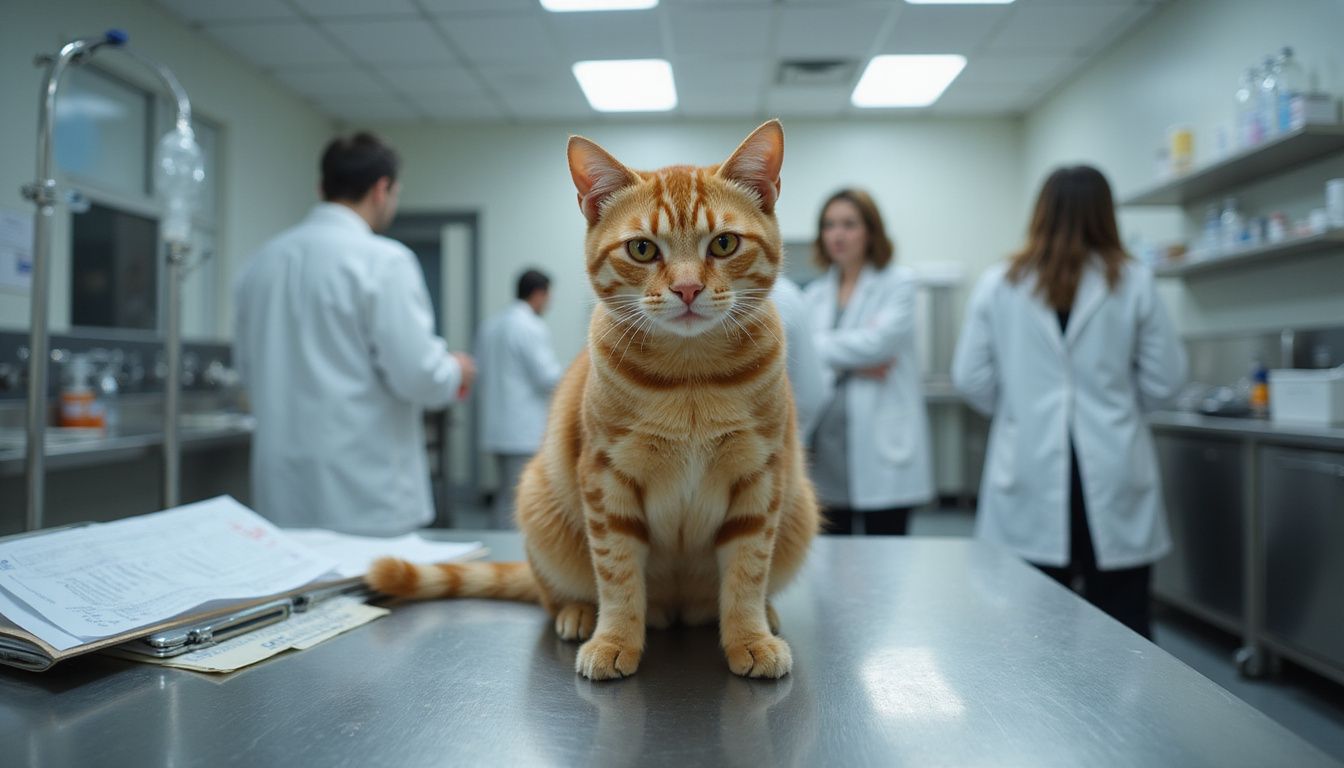
Emergency vet bills hit hard and fast. Dental emergencies, urinary blockages, or injuries from falls demand immediate attention and drain your wallet quickly.
- Basic emergency care: $145 to $900
- Major emergency procedures: $3,000 to $4,000
- Additional unexpected expenses for cats: $515 to $1,665 annually
One in three pets will need emergency treatment in a given year, so this isn’t rare. Building an emergency fund protects you from these financial shocks. Setting aside $2,500 to $8,000 for medical expenses gives you breathing room if you skip pet insurance.
Only 31% of pet owners can manage major pet expenses comfortably without stress or debt. End-of-life care also carries costs that many pet parents don’t think about until they’re facing it.
Start saving now, even small amounts each month, because emergencies won’t wait for your finances to catch up. Organizations like the American Society for the Prevention of Cruelty to Animals offer resources to help you understand what financial obligations come with cat ownership.
How important is dental care and grooming for cats?
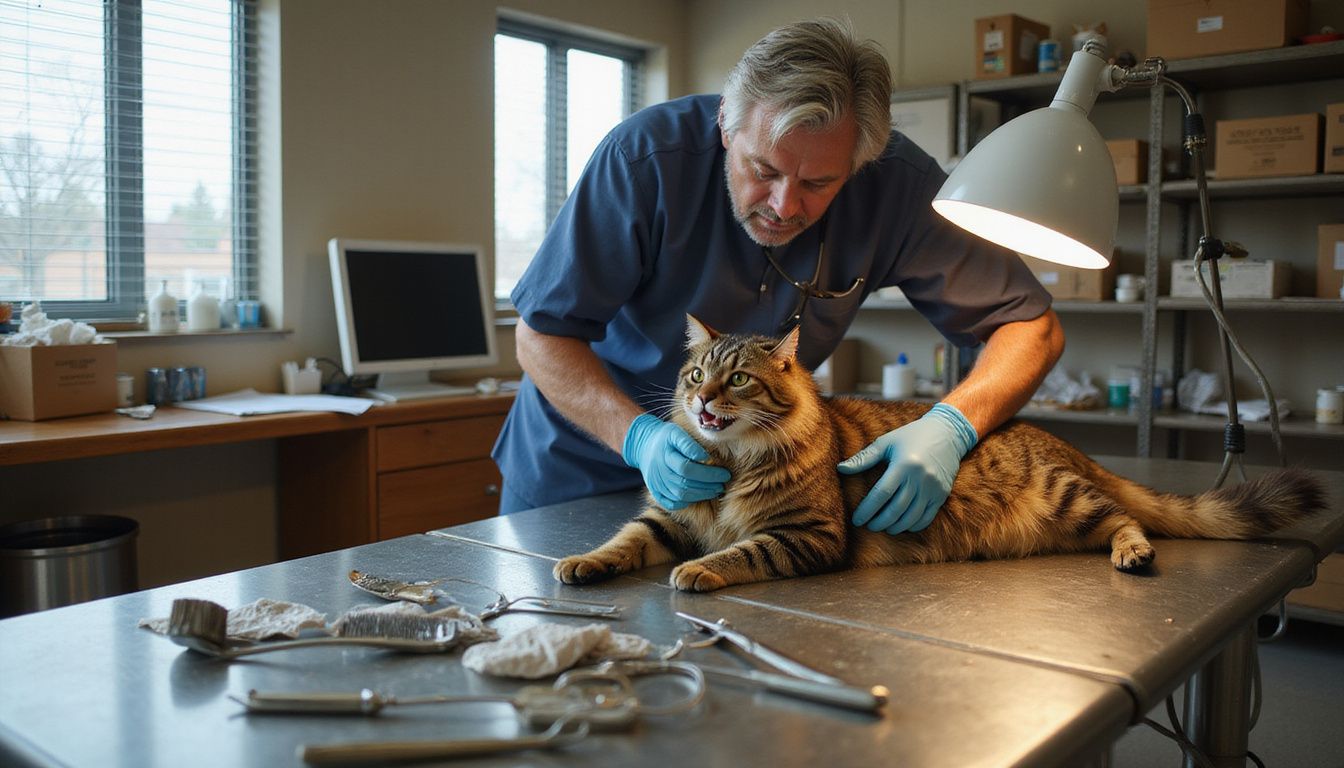
Dental disease sneaks up on cats faster than you’d think. About 70% of cats develop dental disease by age three, meaning your new feline friend could face mouth problems well before adulthood.
| Category | Cost Range | Why It Matters |
|---|---|---|
| Professional Dental Cleaning | $500 to $1,000 | Catches problems early, before they spiral into a costly emergency |
| Emergency Dental Procedures | Up to $13,000 | A small problem left untreated can become a massive bill |
| Professional Grooming | Up to $155 per visit ($620 annually) | Prevents matting, cuts shedding, and keeps your cat comfortable |
| Home Grooming Supplies | $5 to $20 | A basic brush and nail clippers go a long way for very little money |
Don’t wait until your cat shows signs of trouble. Preventive dental care keeps your pet healthy and your wallet intact, since medical and dental costs for adult cats run $145 to $900 a year, but that number climbs fast once dental disease sets in.
Regular brushing at home removes loose fur, improves circulation, and gives you a chance to spot skin problems early. Senior cats need extra grooming attention too, with medical and dental costs for senior cats ranging from $580 to $1,335 annually. Your cat’s coat and teeth are windows into their wellbeing, so caring for both keeps them thriving.
What housing-related fees should cat owners be prepared for?

Your living situation itself can carry real costs once a cat moves in. Here’s what landlords and housing situations typically ask cat owners to pay.
| Housing Fee Type | Cost Range | What You Should Know |
|---|---|---|
| Pet Deposit | $300 to $750 | Covers potential damage; often refundable if your cat causes no harm. Get terms in writing before signing. |
| Monthly Pet Rent | $35 per month ($420 annually) | Recurring fee to cover wear and tear. Negotiate this before moving in if you can. |
| State Licensing Fee | $10 to $50 annually | Funds local animal services and shelters. Requirements vary by state. |
| Pet License Cost | $25 to $65 (one-time or annual) | Separate from state licensing; usually requires proof of vaccinations. |
| Air Travel Fees | Up to $1,500 within the U.S. | Airlines charge pet fees, crate requirements, and handling charges on top of your ticket. |
| International Relocation | Around $5,000 globally | Pet relocation across borders involves import fees, quarantine, and extensive paperwork. |
Pet deposits hit your wallet hard when you first move in with your new companion. That $300 to $750 leaves your account before you even unpack. Monthly pet rent, averaging $35, quietly adds up to $420 every year, and over five years that’s $2,100 just for the privilege of having a cat in your apartment. According to recent 2025/2026 data from RentCafe, the U.S. national average for apartment pet rent sits at $36 a month, with one-time pet deposits averaging around $300, so the numbers here match what renters see nationwide.
A modeled scenario for a renter in a mid-size city shows how fast these fees pile up in year one. The model included a refundable pet deposit of $500 plus $35 monthly pet rent, adding up to $420 in annual rent charges. Together, the deposit and a year of rent totaled about $920 in first-year housing costs alone, which many new cat owners underestimate when they budget.
- State license: $10 to $50 annually
- City or county license: $25 to $65
- Combined licensing costs: $50 to $115 per year
Travel plans involving your cat demand serious financial prep too. Domestic flights within the U.S. can cost up to $1,500 per trip, while international moves skyrocket to around $5,000 once you factor in import fees, quarantine stays, and paperwork.
Clarify what counts as normal wear and tear versus damage before you sign a lease. Request an itemized list of potential damage charges from your landlord upfront. Contact your local animal control office to confirm exact licensing requirements in your area, since your cat’s living situation can cost nearly as much as some medical expenses.
Tips for Budgeting for a Cat

Map out your first-year expenses before your new friend comes home, so money surprises don’t derail your plans. Start setting cash aside now for annual expenses, emergency vet visits, and sneaky costs like pet licenses and cat boarding that pop up when you least expect them.
How do I create a first-year budget for owning a cat?

Creating a first-year budget means tracking both obvious and sneaky expenses that show up throughout the year. Smart planning now prevents financial stress later.
- Start by adding adoption fees or breeder costs to your baseline number, since upfront costs for adopting a cat range between $705 and $2,960. This marks your starting point before any supplies arrive.
- Factor in initial supplies like litter boxes, scratching posts, food bowls, and beds, which typically cost $100 to $3,220 depending on quality and quantity.
- Set aside around $1,920 a year for food, though premium brands and special diets can push this higher or lower depending on your choices.
- Budget $70 to $305 monthly for overall cat care, reflecting a 14% increase from previous years. That jump isn’t random: according to a 2026 survey conducted by Talker Research for MetLife Pet Insurance, U.S. pet owners spent an average of $2,360 total on their pets in 2025, and 37% expect to spend even more in 2026 as inflation pushes prices higher.
- Include veterinary check-ups and vaccinations in your first-year plan, since routine care heads off costlier problems down the road. Kittens need more visits than adult cats during their first year.
- Add roughly $400 for hidden capital costs that catch most new owners off guard in year one, like emergency vet visits, unexpected supplies, and pet licenses.
- Compare pet insurance plans from different providers to protect against sudden medical bills that could reach thousands of dollars.
- Track annual expenses separately for kittens, which range from $840 to $3,665, versus adult cats at $850 to $4,400. Your cat’s age determines which range applies to you.
- Build a separate savings fund for emergency medical expenses, since unexpected health issues happen without warning.
- Use a simple spreadsheet or budgeting app to track actual spending against your projections, then adjust your budget for year two.
What are the best ways to save for unexpected cat expenses?

Unexpected cat bills hit hard, but you can prepare yourself financially. A few smart saving habits keep you calm when your feline friend needs emergency care.
- Open a dedicated savings account just for pet medical emergencies. Set up automatic transfers each month, even if you only add $25 to $50. This keeps you from dipping into money meant for other bills.
- Aim to build an emergency fund between $2,500 and $8,000 for potential vet costs. This range covers most emergencies without forcing you onto a credit card, which is how 58% of pet owners currently end up in debt.
- Look into pet insurance through partnerships like Rover and Lemonade. Monthly premiums spread costs across the year instead of hitting you with one large bill, which matters since only 31% of pet owners manage major expenses comfortably without help.
- Research low-cost vaccination clinics in your area for routine preventive care. The American Society for the Prevention of Cruelty to Animals offers resources for affordable pet services, and keeping up with preventive medicine cuts down on expensive emergency visits later.
- Track your actual cat expenses for three months to understand your real spending patterns. Write down food, litter, vet visits, and grooming costs so you can set realistic monthly savings goals.
- Park your emergency fund somewhere it can actually grow. Based on July 2026 market data from Bankrate and Curinos, top high-yield savings accounts now offer annual percentage yields over 4%, compared to the national average of just 0.45% at traditional banks. That’s a much safer, more accessible home for your emergency fund than tying it up in an index fund through Vanguard, Fidelity, or Schwab, though those can work for longer-term pet care savings you won’t need in a hurry.
- Remember that emergency vet bills range from $145 to $900 for common issues. Knowing this range helps explain why 44% of pet parents feel unprepared, and your savings plan should account for these realistic costs from the start.
Conclusion

Owning a cat costs money, lots of it, and now you know exactly where that money goes.
Your first year will run between $705 and $2,960 upfront, then add $70 to $305 monthly for food, litter, and routine care.
Veterinary bills hit hardest for most cat owners, so building an emergency fund of $3,000 to $4,000 protects you from serious surprises. Creating a realistic budget means tracking adoption fees, vet visits, grooming, and those sneaky hidden expenses that pop up when you least expect them.
Pet insurance ranging from $10 to $95 a month might save you thousands during your cat’s senior years, which makes it worth serious consideration. Start this financial planning now, and pet ownership turns from a stressful money drain into a manageable, joyful long-term commitment that pays you back in years of purrs and companionship.
FAQs
1. Is owning a cat really a long-term commitment?
Yes, indoor cats typically live 15 to 20 years according to veterinary data. You’re committing to nearly two decades of daily care and expenses.
2. What hidden costs should I expect in the first year?
Beyond food and litter, expect around $1,200 in first-year costs according to the ASPCA. Many owners get surprised by expenses like rental pet deposits, emergency vet bills, and initial pet grooming sessions.
3. Do I need to budget for professional help like groomers or trainers?
Yes, pet grooming typically runs $50 to $70 per session in the US. Even calm cats may need occasional grooming help or basic training to prevent scratching problems.
4. What if I need to move or rehome my cat?
Pet relocation costs can reach $1,000 or more for long-distance moves, especially if you’re flying. If rehoming becomes necessary, many shelters charge fees to help cover their care expenses.
5. Are there any unexpected costs tied to online pet services?
Many pet supply sites use cookies and targeted advertising to push auto-ship subscriptions that renew monthly. As Matt the Money Guy points out, these personalized offers can quietly inflate your budget if you forget to cancel. Always check the privacy policy and track recurring charges carefully.