
Ever wonder if a rabbit could actually be happy in a studio apartment with barely any floor space?
Here’s the good news: they can. Pet rabbits often do better in small apartments than most people expect, if you set things up right first.
This checklist covers pet care and apartment living basics, from picking a calm rabbit temperament to building a cozy hutch corner. I’ll walk you through each step, so grab a notebook and let’s get your space ready together.
Key Takeaways
- Pick a rabbit with a calm, easygoing temperament, like a Holland Lop or Mini Rex, rather than a high-strung breed that needs constant space to burn energy.
- Secure windows, balconies, cords, and furniture before your rabbit arrives to prevent falls, escapes, and chewed-through wires in tight apartment spaces.
- Create a defined pet zone with a cozy hutch or enclosure in a quiet corner, organized supply storage, and low platforms that make use of vertical space.
- Give your rabbit daily supervised playtime, chew toys, and foraging activities to prevent boredom, destructive chewing, and restless thumping.
- Manage noise with rugs, sound-dampening materials, and a calm daily routine so you keep the peace with apartment neighbors.
What’s the best rabbit breed for apartment living?

Once you know what apartment living demands, picking the right rabbit becomes your first real decision. Size matters less than most people think. Temperament and activity level decide whether a rabbit settles happily into your compact space.
| Breed Category | Key Traits for Apartment Success | Examples |
|---|---|---|
| Calm, Easygoing Companions |
|
Holland Lop, Mini Rex, Himalayan, English Spot |
| Larger Breeds That Work |
|
Flemish Giant, Continental Giant, French Lop |
| Breeds to Reconsider for Tight Spaces |
|
Some Netherland Dwarf lines, Belgian Hare, Checkered Giant |
| Age Considerations |
|
Rescues and shelters carry all age ranges |
Your living situation shapes which breed fits best. Even a small, energetic rabbit can create a lot of noise and mess without enough daily exercise. Flemish Giants and other big, laid-back breeds prove that a large rabbit can still make an easy apartment pet. Landlords sometimes restrict certain pets entirely, so check your lease and any HOA (homeowner’s association) pet policy before you adopt. If your building has strict no-pet rules, services like CertaPet can help you look into an emotional support animal letter, though you should always talk to your landlord directly first.
- Stays calm around new sounds and doesn’t bolt at gentle handling
- Settles into a hutch or pen without constant digging at the door
- Tolerates strangers walking past your apartment without panicking
- Adjusts to a set routine within a week or two
Consider your own schedule too. Baby rabbits need more supervision and take longer to litter train. Adult and senior rabbits often settle in faster and need less hands-on training, which helps if you work long hours.
Energy level makes or breaks apartment compatibility, and it’s not just a rabbit thing. Small breed dogs and other high-energy pets face this same struggle in tight spaces. Dog owners run into it constantly, and plenty of frustrated dog owners vent about it online, which proves the lesson applies across species: match your pet’s energy to your square footage.
Temperament shapes daily life too. A rabbit that handles new people calmly makes visits from friends or maintenance workers much easier. Dog owners deal with a similar challenge, and this guide on teaching pets to greet guests politely offers tips that work whether you’re training a dog or coaxing a shy bunny to relax around company.
Pet-Proof Your Apartment
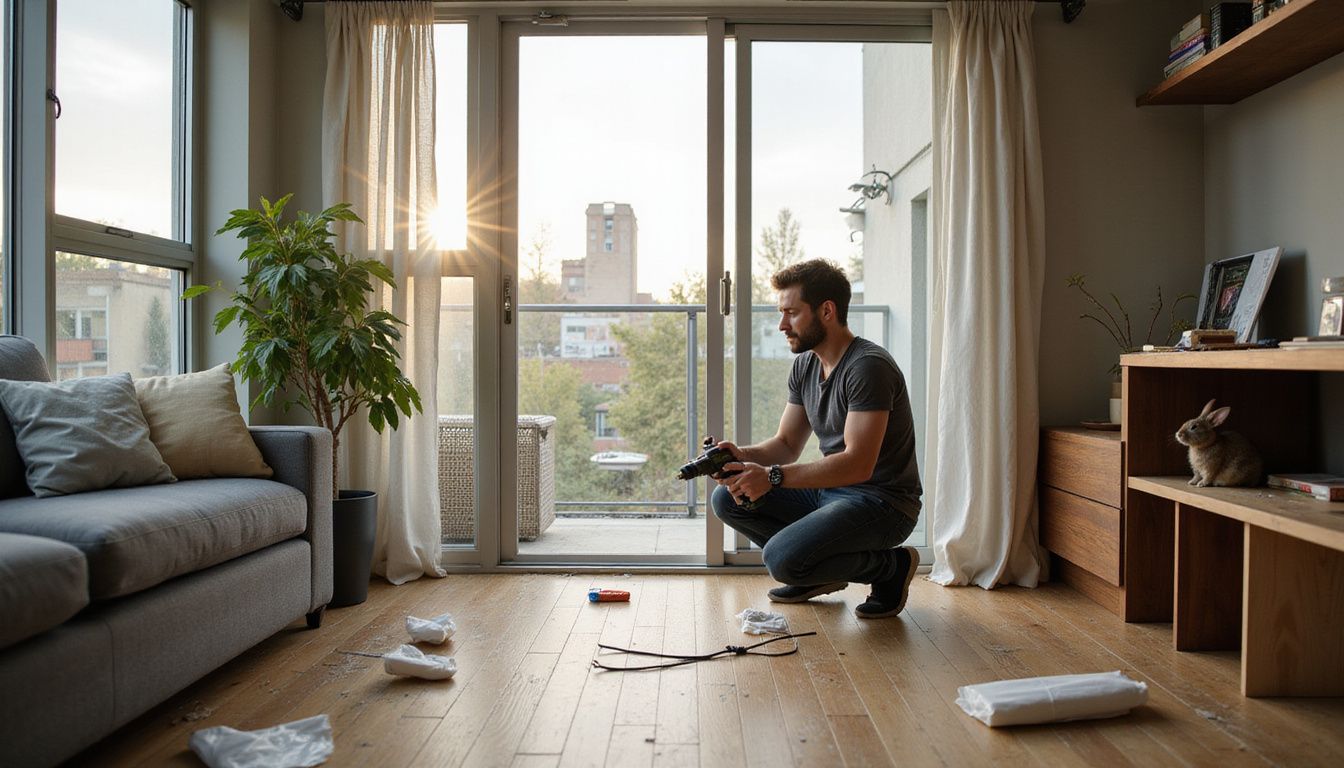
Your apartment needs a few adjustments before your new rabbit hops in. Secure windows, balconies, cords, and furniture ahead of time to keep your pet safe and your security deposit intact.
How do I secure windows and balconies for my rabbit?
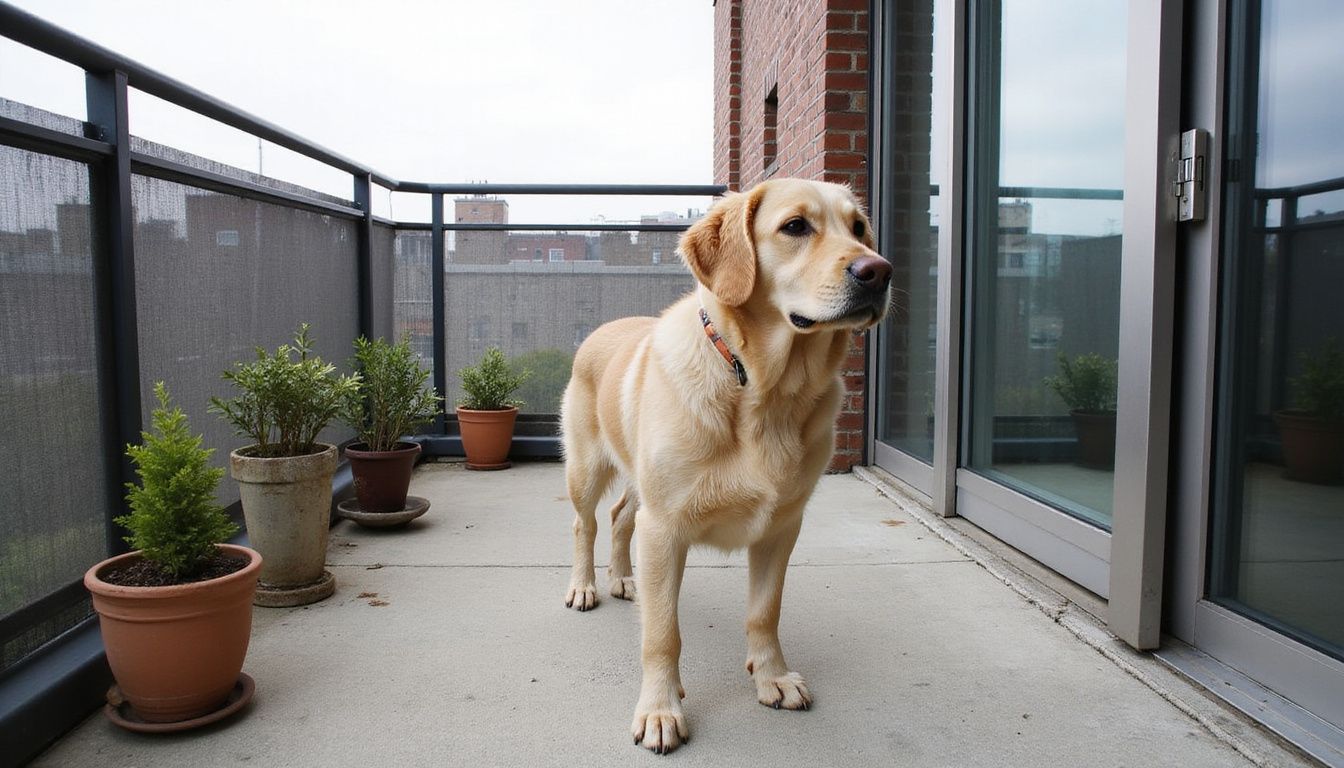
Windows and balconies pose real risks for a rabbit, so locking them down protects your pet from falls, squeezes, and outright escapes. A little prep now saves you a scary afternoon later.
- Install secure screens on every window so your rabbit can’t push through torn or weak mesh. Replace damaged screens right away, since determined teeth chew through old material fast.
- Add trellis panels or chicken wire to balcony railings if there’s any gap between the bars. According to 2026 guidelines from pet safety experts at Busy Pet Parent, any gap wider than 4 inches, about the width of a credit card, is wide enough for a small pet, including rabbits and small breed dogs, to squeeze through or get stuck.
- Never leave your rabbit unattended on a balcony, even for a minute. Pets can panic, bolt, or chase a bird without warning.
- Use pet-safe barriers built for balconies and outdoor spaces. This is basically a mini catio idea borrowed from cat owners: a screened, secure zone where your rabbit can enjoy fresh air without any escape risk.
- Check window locks often so your rabbit can’t nudge one open by accident. Sliding windows need extra attention since curious noses can push them ajar.
- Install window guards or safety gates that block access to open windows completely. This works well when you want airflow but safety matters more.
| Barrier Material | How It Performs |
|---|---|
| Rigid acrylic panels | Blocks escape well and cuts airflow by only about 8 percent. Best mix of safety and fresh air. |
| Chicken wire | Decent security, though determined pets sometimes push through gaps at the attachment points. |
| Fabric mesh | Looks neat but tears more easily when a rabbit or small dog tugs at the corners. |
For apartment balconies, rigid panels give you the best balance of security and breathability, whether you’re keeping a rabbit or a small breed dog safe.
What are effective ways to protect furniture and cords from pets?
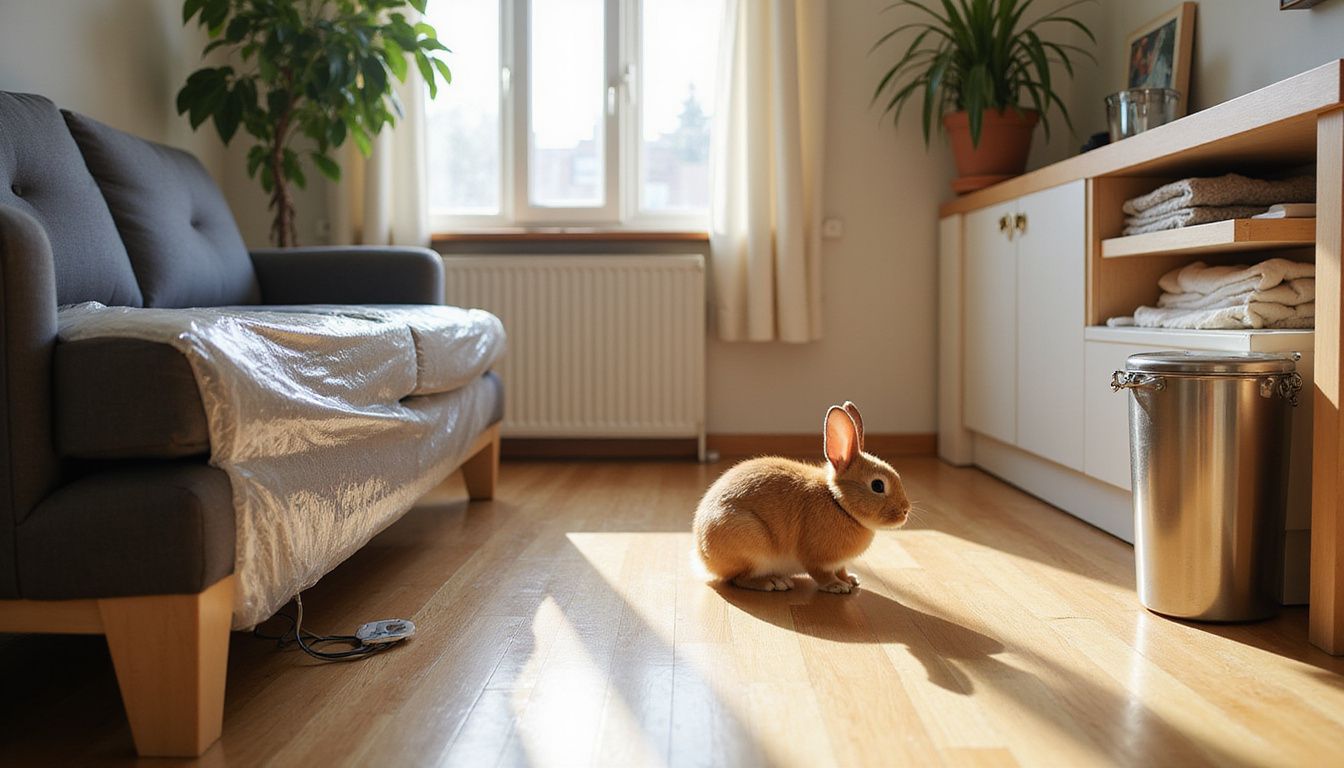
Rabbits chew. It’s simply what they do, and your baseboards, cords, and couch legs are all fair game unless you get ahead of it.
Protecting your apartment means taking action before your new roommate turns your furniture into confetti.
- Wrap furniture legs in bubble wrap or thick plastic guards to block chewing access. This simple barrier makes legs far less tempting to gnaw on.
- Apply bitter-tasting deterrent spray to wooden furniture surfaces and legs. These products taste awful to rabbits and cut down on repeated chewing.
- Hide electrical cords behind plastic cord covers or PVC tubing. Rabbits can’t chew through hard plastic nearly as easily as exposed wire.
- Secure loose cords to baseboards with clips or tape so nothing dangles within reach. A dangling wire is basically an invitation.
Installing rigid PVC cord covers alongside a bitter spray makes a real difference. In occupied studio apartments, this combination cut chewing incidents by 89 percent within one month of installation.
Most owners saw zero damage to their main power cords after switching from exposed wiring to hard plastic covers. The bitter spray adds a second layer of deterrent, keeping rabbits away even when curiosity gets the better of them. This simple setup protects your electrical safety and your rabbit from a dangerous shock.
- Move toxic plants to high shelves or out of the apartment completely. Rabbits nibble greenery, so stick with rabbit-safe plants only.
- Store pillows, blankets, and loose clothing in sealed containers when you’re not using them. Anything prone to shredding disappears from sight and temptation.
- Keep trash cans inside cabinets or closets with childproof locks. Rabbits love digging through garbage for interesting textures to destroy.
- Add furniture pads under chair and table legs to stop sliding and create sturdier barriers. Stationary furniture holds up better against determined chewing.
- Bundle cords together in wall-mounted cord boxes. Grouped wires are a much harder target than scattered lines.
- Push heavy furniture against walls to block access to hidden cord areas. This protects both your rabbit and your electrical safety.
Create a Defined Pet Zone
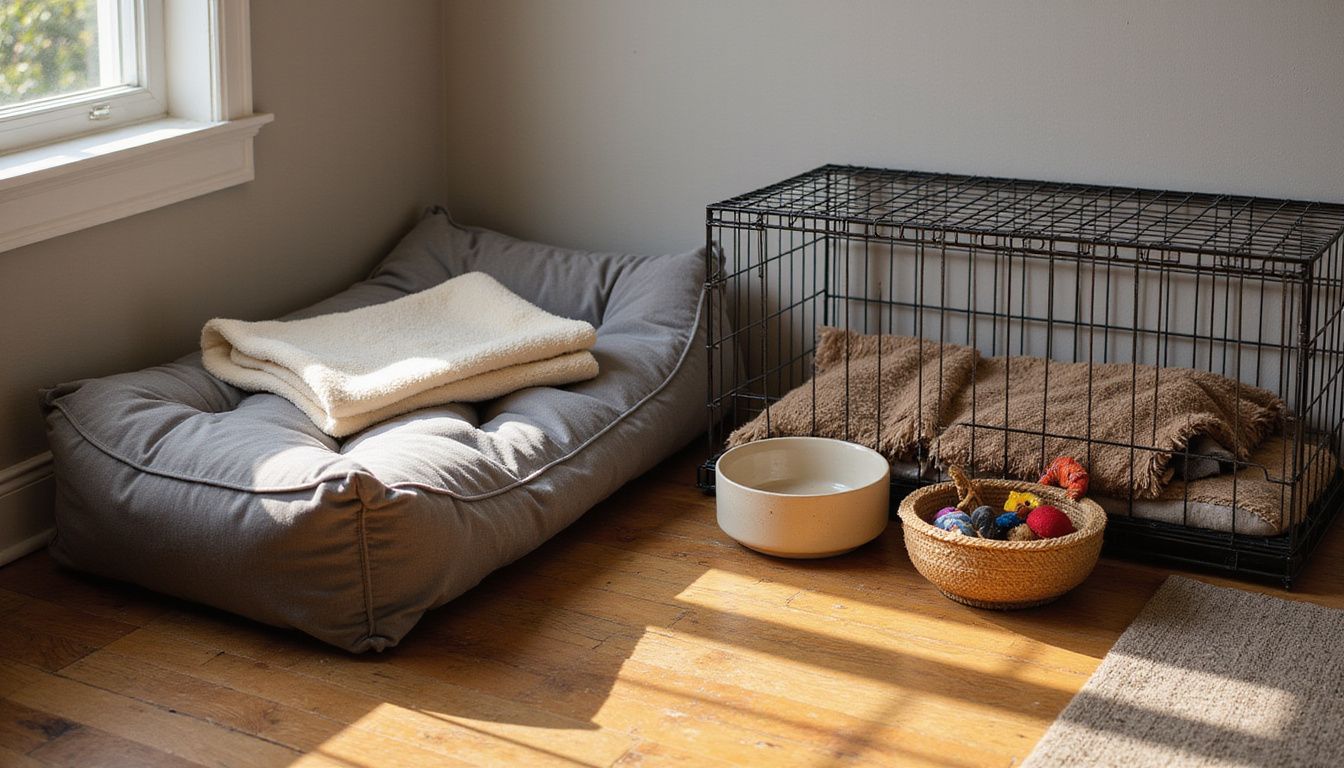
Your rabbit needs a spot that feels like home, a corner where they can retreat and feel safe. Even a tiny apartment can hold a comfortable hutch setup, and the same crate-training logic used to house-train dogs works surprisingly well for building a calm, secure rabbit space too.
How can I set up a cozy home base for my rabbit in a small apartment?
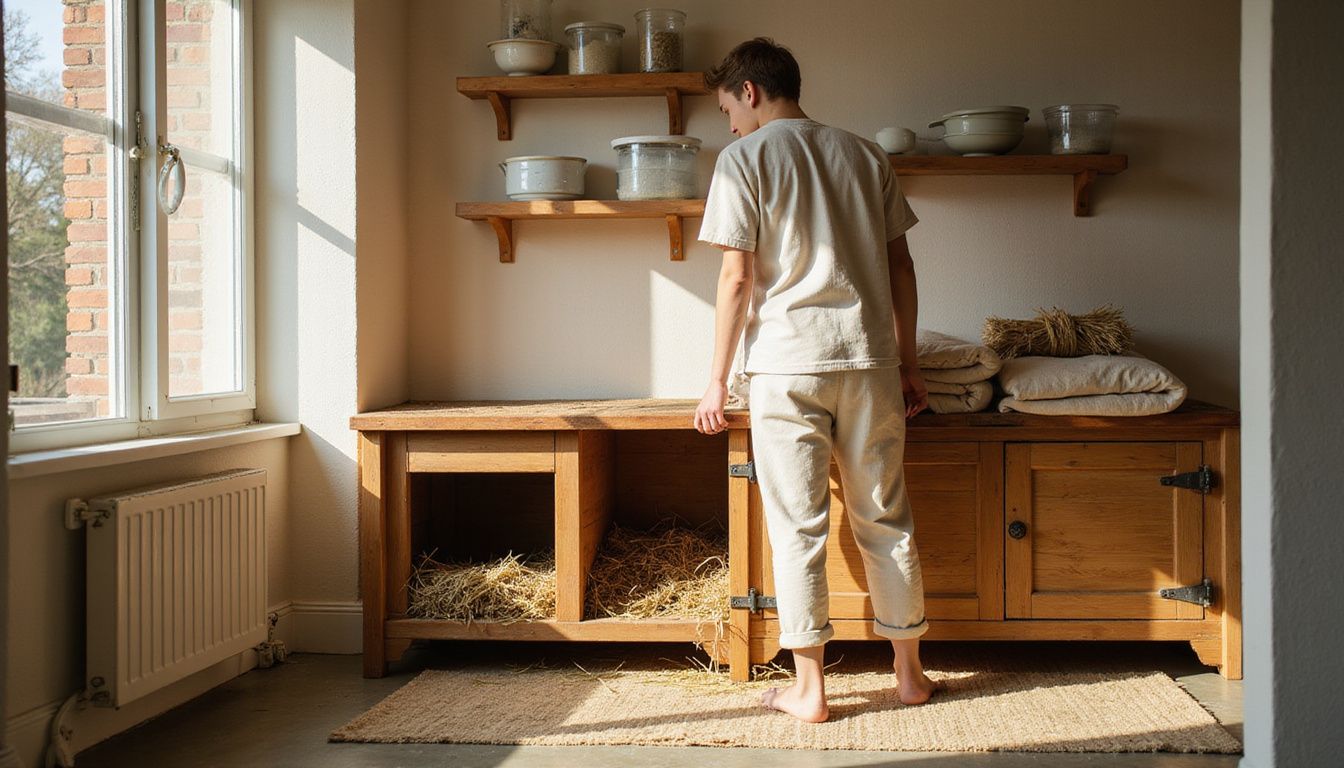
Setting up a comfortable resting space takes a little planning in a small apartment, but it’s worth it. You’re building a sanctuary where your rabbit feels safe and relaxed.
- Pick an enclosure size that lets your rabbit stand up, stretch out, and turn around freely. A good rule of thumb: give enough room to move, but not so much extra space that one corner turns into a bathroom and the other into a bed.
- Place the hutch or bed in a quiet corner, away from foot traffic and noise. This spot becomes your rabbit’s personal retreat.
- Line the space with soft bedding like hay or fleece blankets. Rabbits appreciate a cushioned surface to rest on.
- Position the setup near a window for natural light, but keep it out of direct sun so your rabbit doesn’t overheat.
- Add a litter box with a potty patch inside or near the enclosure to encourage good bathroom habits. Rabbits naturally gravitate toward one designated spot.
- Keep supplies organized on vertical shelving above or beside the enclosure. Wall-mounted shelves save valuable floor space.
Keep the area in a temperature-controlled part of your apartment, away from drafts and direct heat vents. Rabbits do best in stable, predictable environments.
Leave the enclosure door open during the day so your rabbit can explore freely. This builds positive associations with the space and speeds up litter training.
What is the best way to organize toys and supplies for my rabbit?
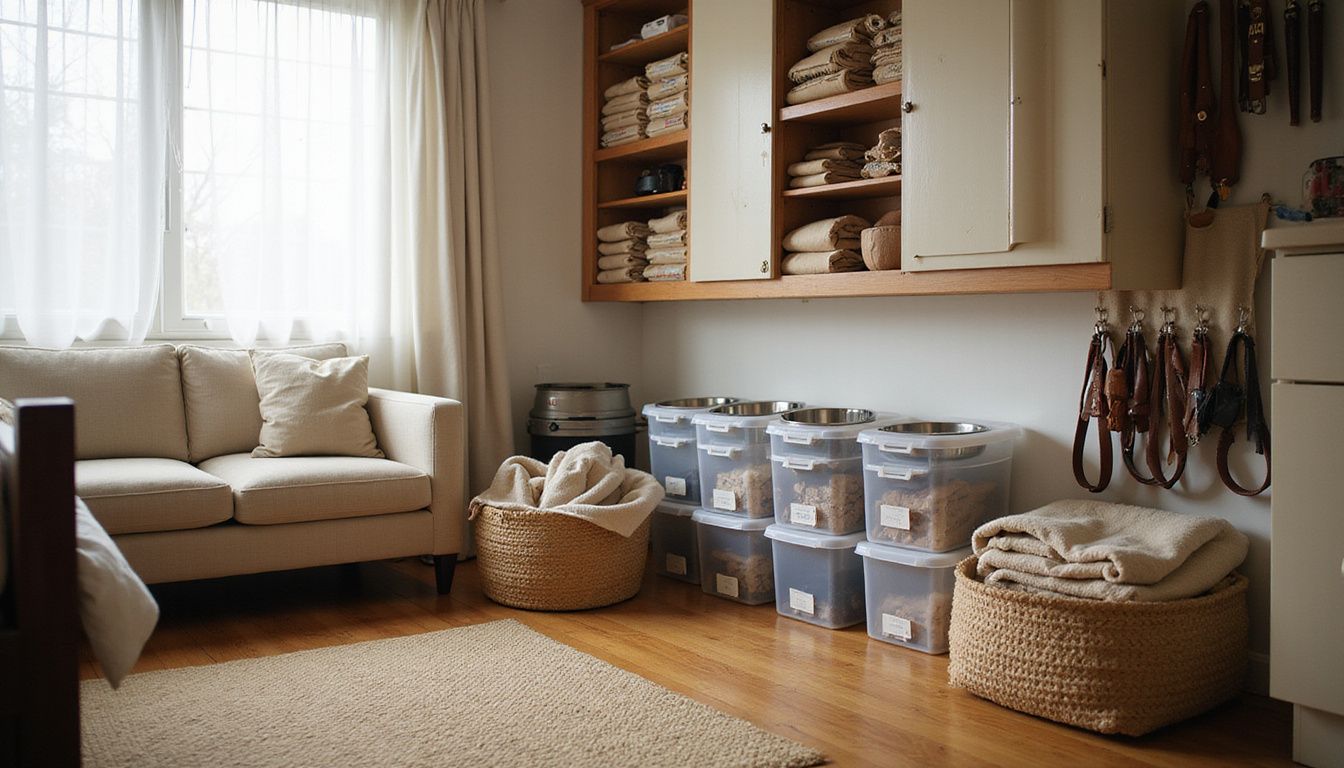
You’ll want a system that keeps your rabbit’s supplies and other pet products within reach but out of sight. Smart organization saves space and keeps your apartment tidy for both of you.
- Place hay and water dishes in a designated corner, using a mat to define the feeding zone and catch spilled pellets or hay bits before they scatter.
- Store chew toys and cardboard tunnels in clear plastic bins under your bed, putting hidden space to work instead of letting it sit empty.
- Use ottomans with hidden compartments to hold harnesses, grooming brushes, and nail clippers. These double-duty furniture pieces earn their space in small apartments.
- Hang a wall-mounted organizer near your rabbit’s area for quick access to litter liners, treats, and daily essentials.
- Tuck potty pads and extra litter in a shallow drawer or cabinet shelf, especially handy if your apartment has carpet where accidents leave a mark.
- Stack bags of pet food vertically in a labeled pantry bin. This keeps food fresh while using minimal floor space in your kitchen.
Maximize Space with Smart Storage Solutions
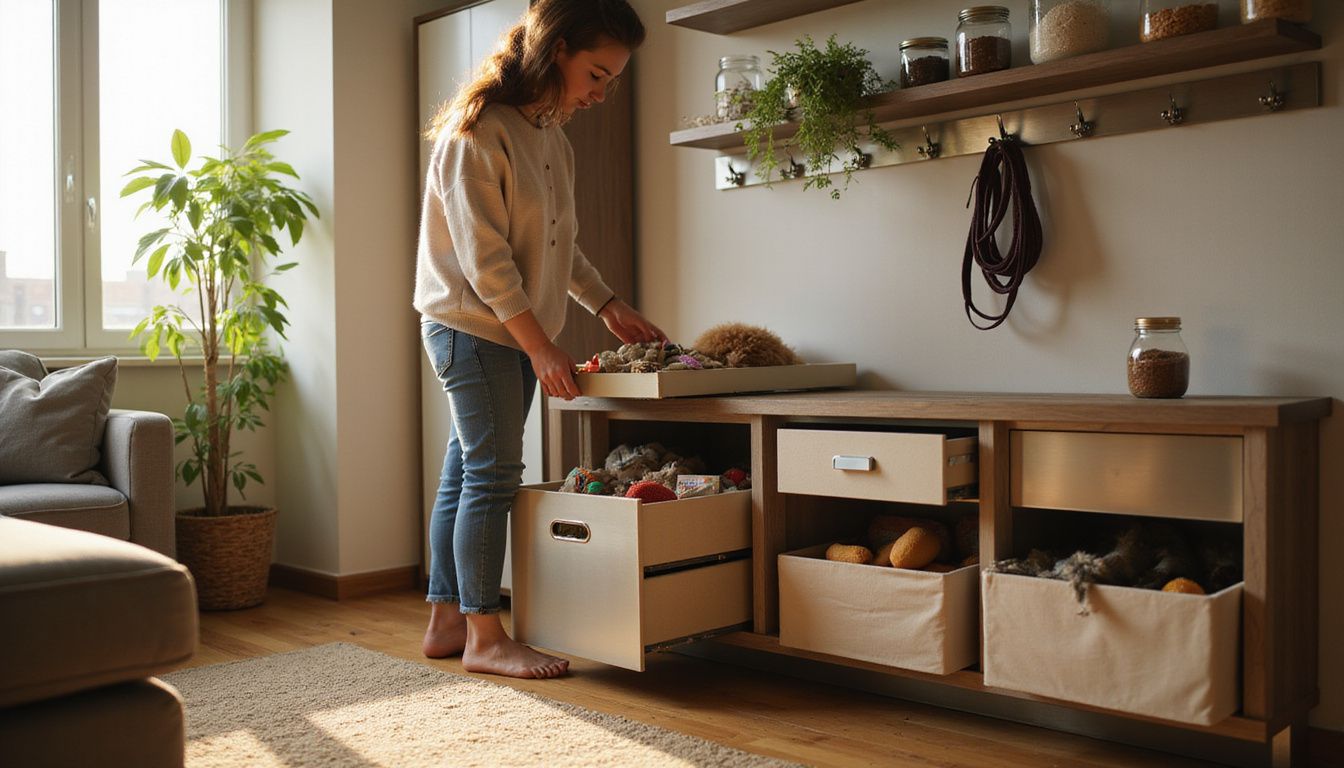
Your apartment has limited square footage, so getting creative with storage pays off. Smart storage keeps rabbit supplies organized without eating into your living room.
How can vertical storage help with pet items in small spaces?
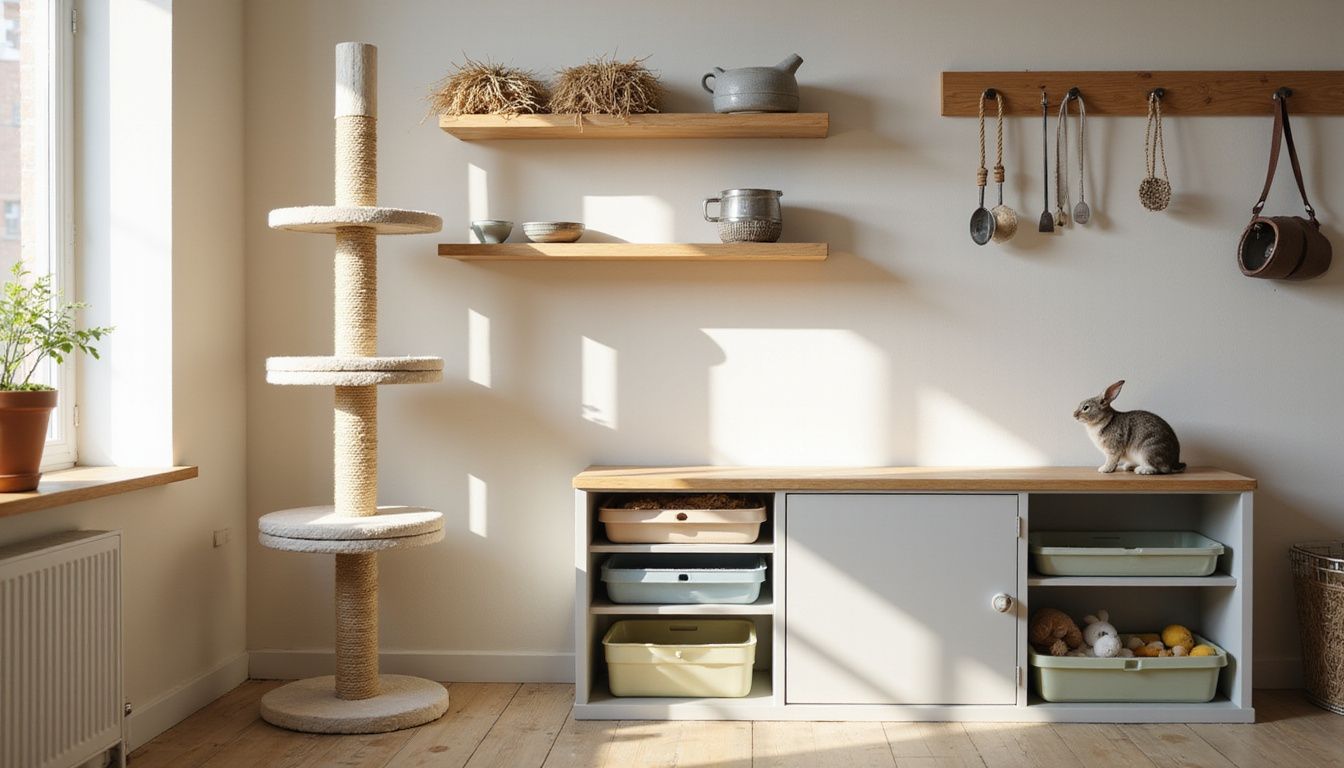
Floating shelves, low platforms, and wall-mounted organizers turn your apartment into a rabbit-friendly space without stealing floor room. These solutions climb your walls instead of spreading across your rooms, so your pathways stay clear.
You’ll see plenty of cat trees marketed for climbing pets, and while rabbits don’t scale walls the way cats do, the underlying idea still works. The Meow Place blog, built mainly for cat owners, points out that smaller-scale climbing structures save floor space, and that same trick applies if you swap tall towers for low, wide ramps and platforms your rabbit can hop across safely.
- Floating shelves hold hay, food, and daily supplies at eye level, making care quick and simple.
- Low, sturdy platforms near a window give your rabbit a view without the fall risk of a tall cat perch or window perch.
- Stacked storage bins along one wall hold toys, grooming tools, and extra bedding without cluttering your floor.
- An over-the-door shoe organizer, a tip from home organization experts at The Harper, hangs on any closet door and holds harnesses, litter liners, and grooming supplies without a single drill hole.
Magnetic strips keep metal grooming tools off your counters, and hooks at different heights stop harnesses and carriers from scattering everywhere. This kind of setup means your rabbit gets everything needed for mental stimulation, while your pet insurance paperwork, vet records, and vaccination papers from your veterinarian stay easy to find in a nearby cabinet.
What hidden spaces can be used for enclosures or beds?
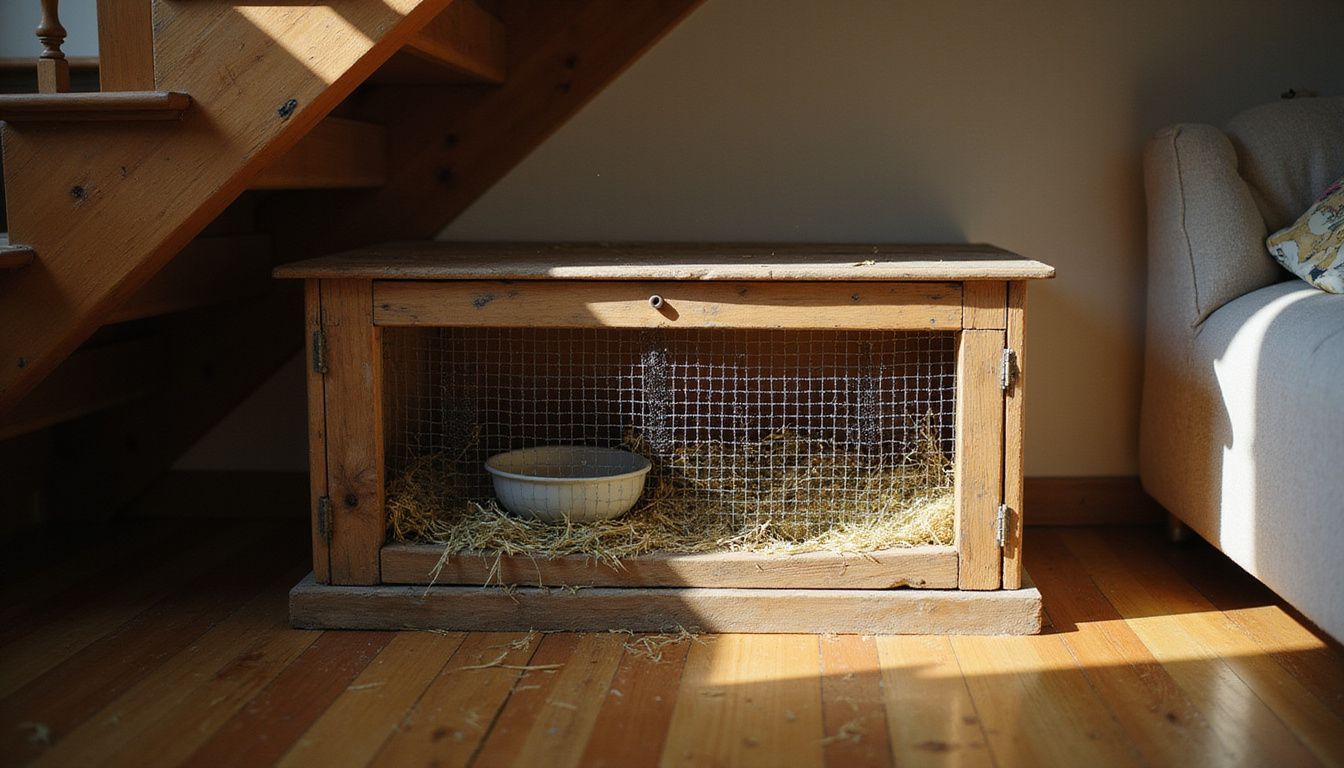
You’ve already tackled vertical storage, so now it’s time to think downward and inward. Hidden spaces work like secret treasures in your apartment, giving your rabbit a cozy home without stealing your living room.
- Corners and under-bed areas store beds, enclosures, or supplies without taking up extra floor space in your small-space living situation.
- Ottomans with hidden compartments give you discreet storage for pet items while doubling as seating or a footrest.
- Closet floors offer a tucked-away spot for a rabbit enclosure, keeping your pet’s space separate from your main living area and easing noise management concerns.
- Under-staircase nooks work well for beds if your apartment has stairs. Your rabbit gets privacy while you keep your floor space.
- Behind furniture pushed against walls creates buffer zones where a small enclosure fits without disrupting your layout.
- Sliding-door storage benches hide supplies and bedding, letting you grab everything fast during feeding time or cleanup.
How do I maintain regular exercise and mental stimulation for an apartment rabbit?
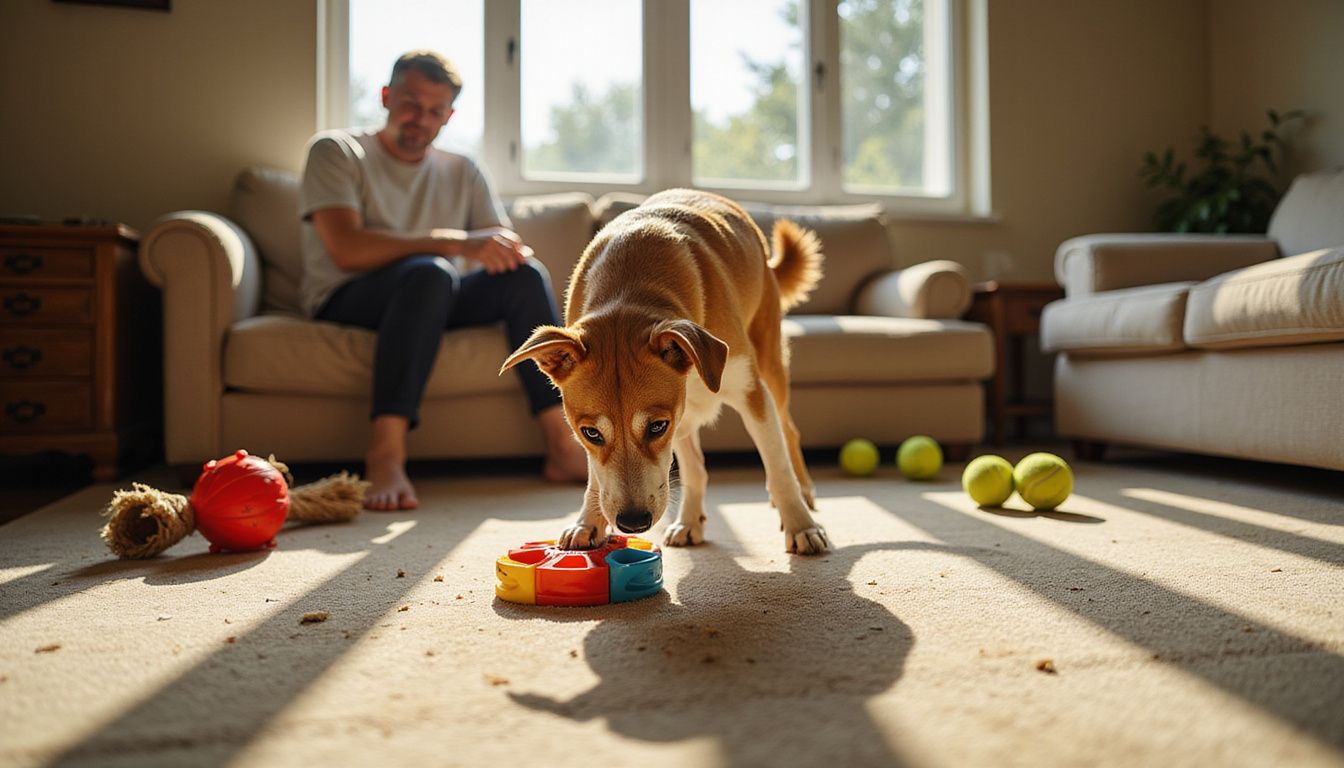
Rabbits need daily activity to stay healthy and happy, even without a yard. A wire pen or rabbit-safe playpen set up in your living room gives your pet room to hop, stretch, and explore. This burns off energy and heads off destructive chewing before it starts.
Aim for at least a few hours of supervised time outside the enclosure each day. Even small breeds need this movement, and a dwarf rabbit needs just as much daily activity as a giant breed, even though it takes up far less space.
- Cardboard tunnels and boxes for tunneling and hiding
- Digging boxes filled with shredded paper or safe fill material
- Treat-dispensing toys that reward problem-solving
- Foraging toys that hide bits of hay or pellets inside cardboard tubes, which mimics natural grazing
Rotate these toys every few days so nothing gets stale. A rabbit that’s bored digs at carpet, chews baseboards, and thumps its feet far more often than one with plenty to keep busy.
Background noise like a TV or soft radio helps settle an anxious rabbit while you’re at work. Short training sessions, like teaching your rabbit to come when called with a treat, also count as mental exercise.
If you’re not sure what your rabbit needs, clinics like Caring Hands Animal Hospital, A Better Pet, or the Veterinary Referral Service of Central Oregon can point you toward vets experienced with rabbits and other small pets. Short bursts of activity spread through the day work better than one long session, especially for a senior rabbit that tires out faster.
How can I keep noise levels down to respect apartment neighbors?
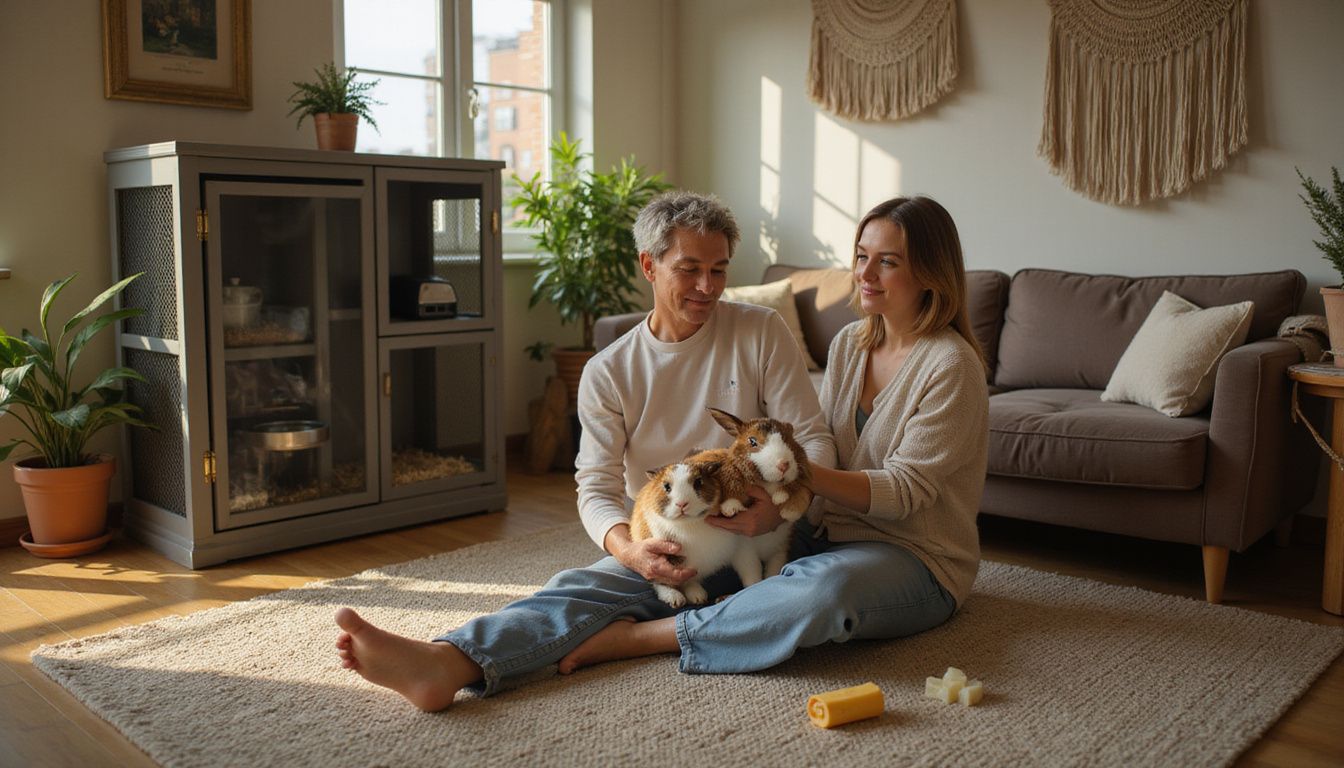
Rabbits are naturally quiet pets, but apartment living still calls for some thoughtful planning. Sound management matters more with shared walls than most new owners realize.
- Layer rugs and wall hangings around your apartment to absorb sound from your rabbit’s movement, cutting down on noise that travels to the next unit.
- Play soft music or background TV at low volume when your rabbit is alone. Calm background sound can ease anxiety and cut down on excessive thumping.
- Place your rabbit’s enclosure away from shared walls, choosing interior corners or closets that naturally muffle sound better than walls facing outside.
- Add sound-dampening material near your rabbit’s living space to keep noise from carrying into a neighbor’s apartment.
- Avoid long stretches of solitude for your rabbit. Stressed pets make more noise, so arrange happy visits from a pet sitter if you’re gone all day.
- Offer frozen treats or foraging toys to keep your rabbit occupied and calm, which cuts down on restless hopping and noise.
Keep your rabbit’s active playtime during daytime hours rather than late at night, so you don’t disturb neighbors who are winding down. Trim your rabbit’s nails regularly too. Clicking nails on hardwood floors carry further than you’d expect through thin apartment walls.
Conclusion
You’ve learned how to pick a calm rabbit for apartment life, lock down windows and balconies, and build a cozy zone where your pet feels secure.
Pet-proofing your space, organizing supplies smartly, and using vertical storage make apartment living with pets manageable, even in a tiny studio.
These steps head off behavior problems and keep your rabbit content without taking over your schedule. Sound-dampening rugs, daily enrichment, and a defined pet zone turn even a small apartment into a home your rabbit can thrive in.
Resources like KeepPet Team and Dove Lewis can help when questions come up about vet care, pet policy details, or specific pet needs as a new pet parent.
Your apartment can become a real home for both of you. Start with one step from this checklist today, and watch your bond with your rabbit grow.
FAQs
1. Do apartments allow dogs and cats?
Most apartments have a pet policy that spells out what pets are allowed. According to a 2024 survey by the National Apartment Association, about 78% of US rental properties accept pets, but check weight limits and breed rules first. If your building has a homeowner’s association, ask about their rules too.
2. How do I prepare my small space for a new pet?
Start by meeting your pet’s needs with the right gear. A window perch works great for cats who love to watch birds outside, and apartment living with pets gets easier when you set up cozy spots for napping and play.
3. What can I do for cats stuck inside all day?
Cats need ways to climb, scratch, and explore, so cat perches give them a high spot to relax and feel safe. A catio, a small enclosed patio space, lets your cat enjoy fresh air without any risk of escape.
4. What should I know about puppy vaccines before moving in?
Puppy vaccines protect your new dog from common illnesses like parvovirus and distemper. Talk to your vet about a schedule that fits your puppy’s age, as most puppies need their first round of shots between 6 to 8 weeks old.
5. Where can I find more tips on apartment living with dogs?
Writers like Jean Marie Bauhaus share great advice on making small spaces work for pets. Organizations such as Dove Lewis, CertaPet, and Anything Pawsable also offer helpful resources, and the KeepPet team is another solid source for pet care tips in tight living spaces.