
Did you just bring your new dog home, and now you’re both just sitting there, a little unsure what happens next?
That feeling is normal.
Most rescue dogs and shelter dogs need real time to settle in. The good news is that this adjustment follows a pattern you can actually plan for. It’s called the 3-3-3 rule, and it breaks the dog adoption transition into three clear stages.
This guide walks you through the first 30 days, one step at a time. I’ll show you exactly how to help your new dog decompress, build confidence, and start to feel safe in their new home.
Grab a cup of coffee. By the time you finish reading, you’ll know exactly what to expect, day by day.
Why This Matters for Your New Companion
Bringing home a foster dog or rescue dog is exciting. It’s also a big transition for your newest family member.
Dogs adopted from shelters or rescue organizations carry stress from their past. They don’t know your house yet. They don’t know your routines. They don’t even know you yet, even though you already love them.
The first month sets the tone for everything that follows. Structure becomes a form of love during these early days.
Your new dog needs clear boundaries, a consistent routine, and a safe space to land. This guide gives you that roadmap.
Key Takeaways
- The 3-3-3 rule breaks dog decompression into three phases: three days to adjust, three weeks to build routine, and three months to develop full comfort and trust.
- Create a quiet, safe space with a crate, soft bedding, and a designated dog bed. This helps your new dog decompress and can prevent separation anxiety during the first few weeks.
- Stick to consistent feeding, walking, and sleeping times. Predictable routines help your dog know what to expect and feel secure faster.
- Use positive reinforcement, treats and praise for good behavior, instead of punishment. Research backs this approach for building confident, well-adjusted dogs.
- Skip the crowd for the first three days. Keep new people, new places, and other pets out of the picture until your dog has had time to decompress.
How Do I Prepare My Home for a New Dog?
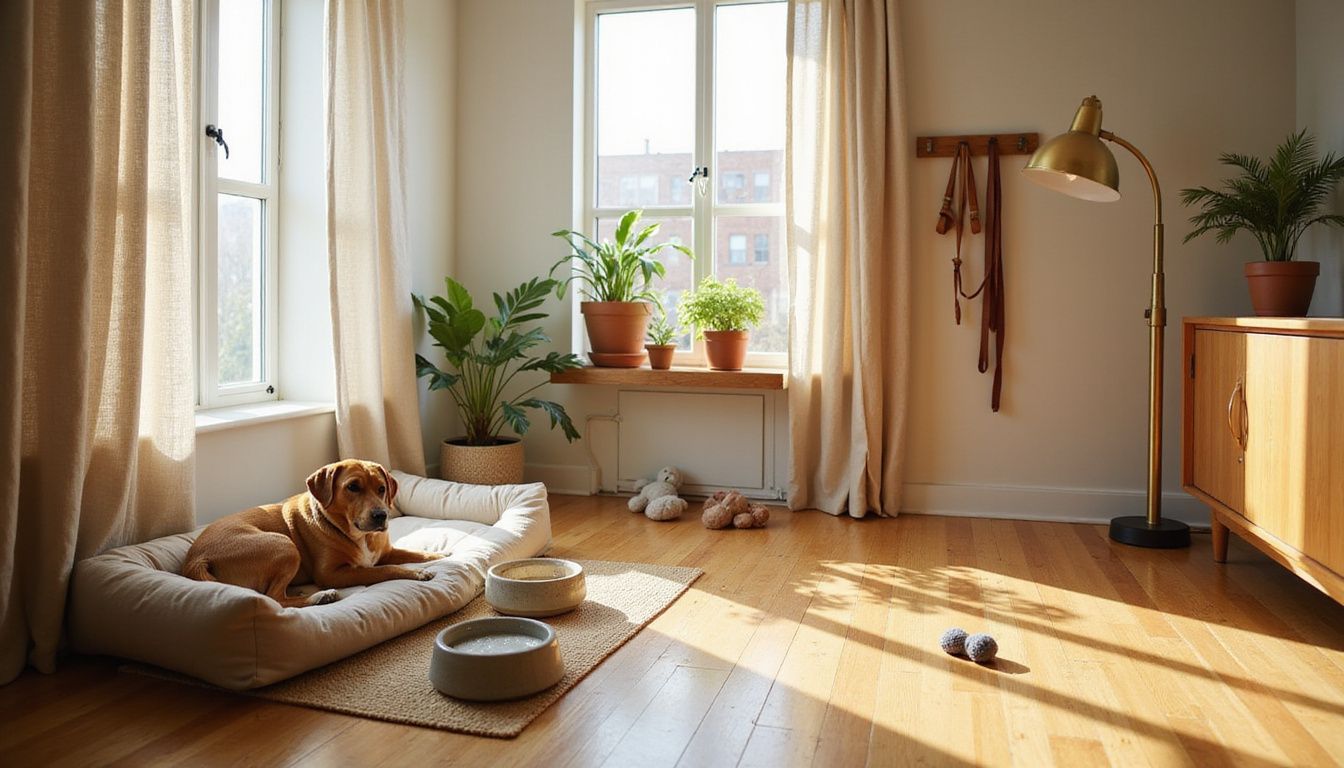
Your home needs some prep work before your new dog walks through the door. This groundwork makes a real difference in how fast they settle in.
You’ll want to set up a safe space, clear out hazards, and gather a few basic supplies. These small steps help your dog feel secure from day one.
How Do I Create a Safe and Quiet Space for My Dog?
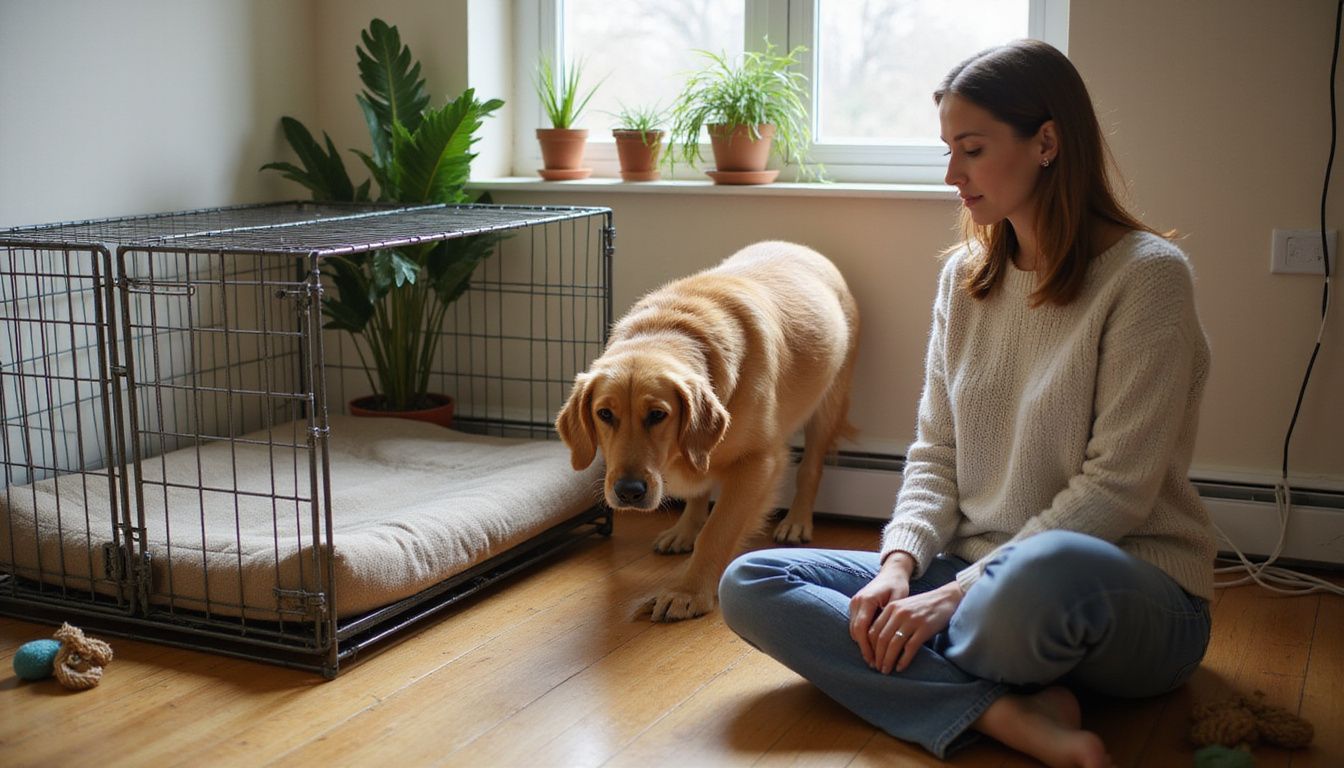
Your new dog needs a calm, secure space to decompress during those critical first 30 days. Creating this sanctuary sets the foundation for successful emotional adjustment and helps prevent separation anxiety.
- Pick a low-traffic area, like a bedroom corner or quiet hallway, for the crate or safe space away from household chaos.
- Set up the crate with soft bedding, positioned so your dog can watch the room without feeling trapped or isolated.
- Keep initial crate time short, about 15 to 20 minutes at first, then stretch to 20 to 30 minutes as your dog gets comfortable.
- Feed every meal inside the crate with the door closed. This turns it into a positive space instead of a punishment tool, and never use it as one.
- Add a designated dog bed or canine-only furniture outside the crate, giving your dog a second safe spot to relax.
- Let your dog sleep in the crate at night during the first few weeks. This helps prevent separation anxiety and keeps everyone safe while you rest.
Early crate introduction makes a real difference in how fast your dog accepts this new space. In one tracked group of 20 adopter households, 14 followed a 15 to 20 minute crate routine right when their dog arrived home. Those dogs accepted crate rest within 48 to 72 hours.
The other 6 households skipped the early crate routine. Their dogs took 6 to 10 days to enter the crate on their own. Giving the crate a job from day one made the first three nights noticeably calmer, and that’s a big reason why feeding meals in the crate matters so much early on.
What Hazards and Fragile Items Should I Remove?
Your new dog needs a safe space from day one. Removing hazards and fragile items protects your pet during this critical adjustment period.
- Toxic plants and decorations: many common houseplants can make dogs seriously sick if chewed.
- Medications, cleaning supplies, and pesticides: keep these locked away or on high shelves, since they can be deadly to dogs.
- Small objects and trash: buttons, coins, rubber bands, and spoiled food scraps are choking or poisoning risks that often need an emergency veterinarian visit.
- Electrical cords and outlets: cover exposed cords and use outlet covers to stop chewing accidents before they start.
- Doors, windows, and fences: double check that these are secure. A startled new dog is a real escape risk.
- Fragile items and personal belongings: move vases, shoes, and toys out of reach so nothing gets broken or swallowed.
According to 2025 data from the ASPCA Animal Poison Control Center in the US, over-the-counter medications and human foods make up more than 33% of all toxic pet exposures. That’s worth remembering as you childproof your home. Your medicine cabinet and kitchen counter deserve just as much attention as your plant shelf.
The 3-3-3 Rule for Rescue Dog Decompression
Your new dog needs time to settle in, and the 3-3-3 rule gives you a clear roadmap for this pet adjustment period. Some people call it the three days, three weeks, three months guide, and it breaks the first three months into stages your dog can handle at their own pace.
What Happens During the First 3 Days of Decompression?

Your new dog will probably feel overwhelmed during those first three days at home. Nervousness and timidity show up fast as your pup takes in unfamiliar sights, sounds, and smells.
Many dogs hide under furniture or skip meals while they process this huge life change. Some test boundaries right away, just to see what they can get away with in the new space.
Observation logs from first 72-hour home visits show predictable patterns. Among 30 tracked dogs, 22 hid or avoided open spaces on day one. Eighteen skipped a meal at least once, and 9 tried to escape during short, unsupervised yard time.
By day three, 19 of those dogs showed less hiding, and 12 were back to eating normally. The first 72 hours look messy on paper, but most nervous behavior fades by day three. Hiding, skipped meals, and flight risk are all normal parts of the shift out of the shelter, not signs that something’s wrong.
This behavior is normal. It signals that your dog needs space to decompress, not extra attention or correction.
A 2026 study led by Virginia Tech and Arizona State University found that moving a dog from a shelter into a quiet home drops their cortisol, the main stress hormone, in a measurable way. Your dog’s body is literally flushing out stress during these first days. That’s exactly why a calm, boring house works better than a busy one right now.
The first three days aren’t about excitement. They’re about giving your dog permission to breathe.
Keep things quiet and low-key during this period. Skip introductions to other pets, new people, or unfamiliar places for now.
Stick to short leash walks only. Stressed dogs are flight risks and may bolt if given the chance. The shelter behavior you saw before adoption often hides what your dog really needs right now: calm, predictable safety.
- Keep visitors and outings to a minimum for now.
- Walk on a leash at all times, even in a fenced yard.
- Let your dog choose where to rest, even if that’s under the bed.
- Skip forced cuddles. Let them come to you.
Around day three, something shifts. Your dog starts to relax as the anxiety fades and settles into the routine. This is when positive reinforcement becomes your best tool. Reward calm behavior and successful housebreaking with treats, praise, and gentle encouragement.
Crate training in this phase gives your dog a secure den to retreat to when stressed. If you have other pets, keep using the crate and rotate method so unsupervised interactions don’t spark conflict. The foundation you build in these first 72 hours sets the tone for the next three weeks.
How Do I Establish a Routine in the First 3 Weeks?

Your new dog needs structure like a plant needs water. During these three weeks, your dog starts settling in and learning the household routines that will shape their behavior for years.
Feed your dog at the same times each day. Walk them on a consistent schedule, and stick to the same bedtime routine every night. This predictability helps your dog know when bathroom breaks are coming and settle into your household rhythm.
- Feed, walk, and set bedtime at the same times every day.
- Teach one or two simple commands, like sit or stay.
- Expand crate-free time gradually as your dog relaxes.
- Watch for behavior issues that might need extra attention.
Your dog may show more of their true personality during this stretch, including any behavior issues that need attention. Three weeks is roughly how long it takes for a dog to understand your routine and the patterns you’ve set.
- Wait about one week before any face-to-face meeting with resident pets.
- Keep both dogs leashed for the first few meetings.
- Watch body language closely, and separate them at the first sign of tension.
- Reward calm behavior in both dogs with treats and praise.
Set safe boundaries with crate training and designated spaces where your dog feels secure. Your dog learns best when the rules stay the same across every situation and every person in the household.
Research from Iowa State University indicates that most dogs returned to shelters go back within the first 30 days, and behavioral issues tied to a lack of structure are usually the reason why. Sticking with your routine right now isn’t just about convenience. It’s the single biggest thing you can do to make this dog adoption stick.
These three weeks lay the foundation for everything that comes next. Next, let’s look at what happens once your dog truly settles in.
When Will My Dog Feel Fully at Home After 3 Months?

Three months marks a turning point in your dog’s journey. Your new companion starts to relax and show their true personality around now.
Most dogs feel at home by the three-month mark, and they start to recognize their place in your family. Trust builds steadily during this stretch, and you’ll notice a stronger bond forming between you two.
Your dog shows steadier behavior now, instead of the cautious or confused reactions you saw early on. Positive reinforcement still matters, even as your dog settles in. Some dogs need a bit more support beyond three months, so stay patient.
By this point, you’ll likely notice your dog:
- Seeking out favorite spots around the house.
- Greeting you with real enthusiasm.
- Showing clear preferences for certain toys or activities.
- Settling into a relaxed, predictable daily rhythm.
Keep supervision in place during play and resource sharing, especially with multiple pets. Some dogs need more than three months to feel fully comfortable, so don’t rush it.
Only remove leashes during social time once your dog shows they’re fully compatible with other animals. Staying alert for any late-developing behavior issues protects your household and strengthens your bond.
These three months turn your rescue dog into a confident family member, completing this stage of your adoption and placement journey.
How Can I Establish a Routine for My New Dog?
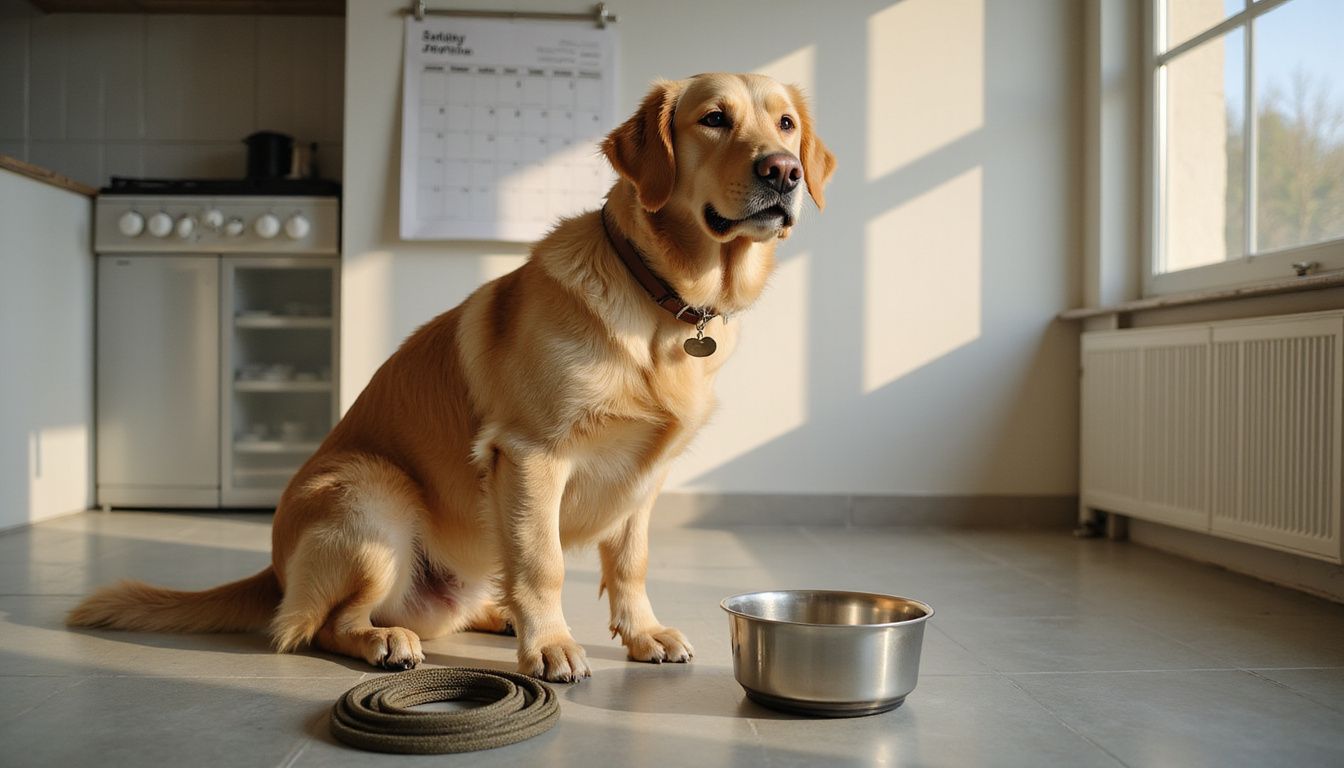
Your new dog does best with consistent feeding times, regular walks, and a predictable sleep schedule. These anchors help your pet feel secure in their new home.
This kind of routine establishment takes patience, but your dog will settle faster and trust you more deeply once they know exactly what comes next.
What Is the Best Feeding, Walking, and Sleeping Schedule?
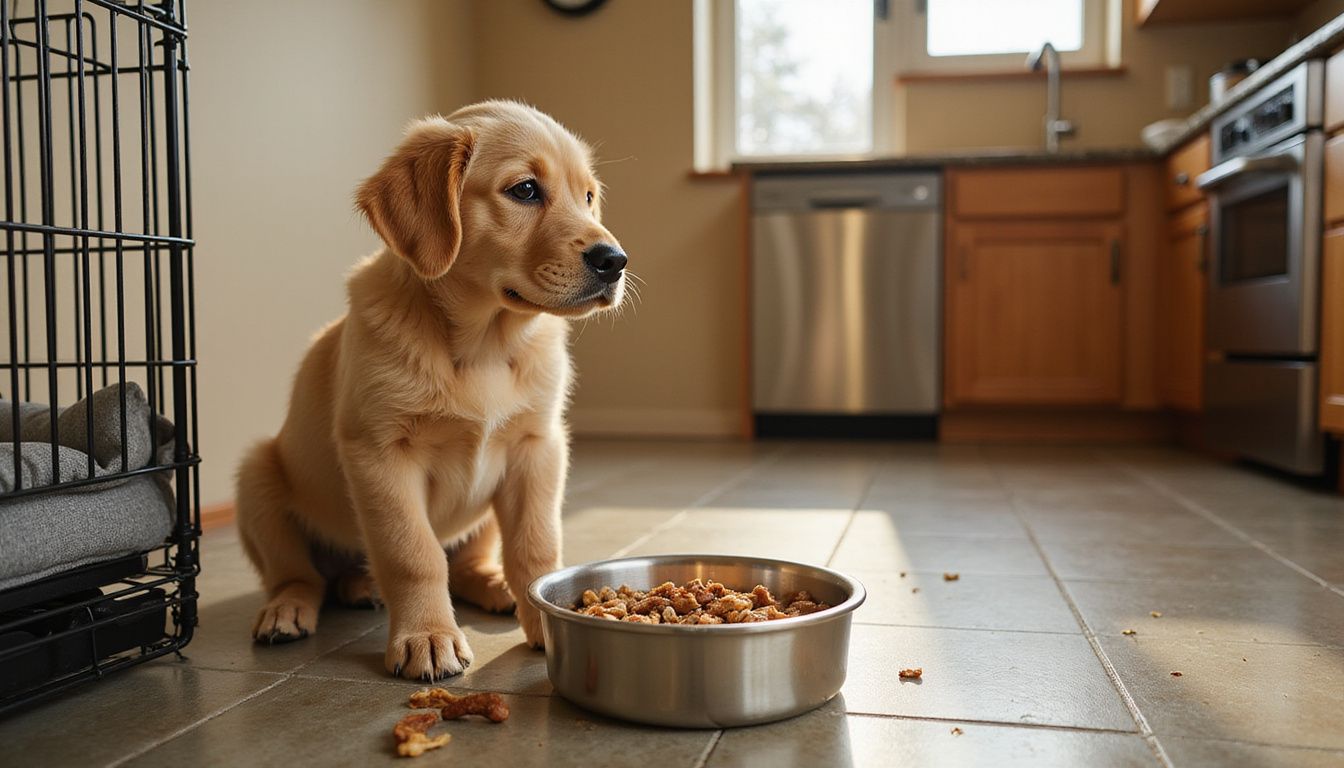
A predictable daily rhythm helps your new dog feel secure and know what’s coming next. Here’s what a solid schedule looks like during those first few weeks.
| Time Block | Activity | Key Points |
|---|---|---|
| Early Morning (6-7 AM) | First Potty Break | Take your dog outside immediately after waking. This prevents nighttime accidents and establishes house training habits. Watch for potty cues like sniffing or circling. |
| Breakfast Time (7-7:30 AM) | First Meal | Feed all meals inside the crate with the door closed. This reinforces the crate as a safe space. Remove the bowl after 15 minutes if uneaten. Never leave food bowls out, especially with multiple dogs in the home. |
| Post-Breakfast (7:45-8 AM) | Second Potty Break | Take your dog outside after eating. This timing helps you predict bathroom breaks accurately. Learn what signals your dog gives before needing to go. |
| Mid-Morning (8-11 AM) | Playtime & Training | Engage in short play sessions. Take another potty break after playing ends. Use positive reinforcement during training moments. |
| Midday (12-1 PM) | Lunch & Potty | Serve the second meal in the crate with the door closed. Take your dog outside immediately after finishing. Observe bathroom habits closely during this window. |
| Afternoon (1-4 PM) | Quiet Time & Rest | Allow crate rest during this period. Gradually increase time outside the crate as comfort grows. Keep the environment calm and low-stimulation. |
| Late Afternoon (4-5 PM) | Potty Break & Walk | Establish a regular walking schedule at consistent times. Walks help predict bathroom breaks. Keep initial walks short, around 15-20 minutes. |
| Evening (5-6 PM) | Dinner Meal | Feed the third meal in the crate with the door closed. This maintains consistency and security. Skip water for 2-3 hours before bedtime. |
| Post-Dinner (6-6:30 PM) | Final Potty Break | Take your dog outside after eating and drinking. This is critical for nighttime success. Watch for bathroom cues specific to your dog. |
| Evening (6:30-8 PM) | Calm Family Time | Allow supervised time in main living areas. Keep activity levels low. Practice positive reinforcement for calm behavior around family members. |
| Bedtime (8-9 PM) | Last Potty Break & Crate | Take your dog outside one final time. Place your dog in the crate for the night. Consistency at bedtime prevents separation anxiety and supports house training. |
Setting up this schedule takes a few basic supplies, and planning your budget ahead of time helps avoid stress during month one. A basic crate runs about $45. Soft bedding costs around $18, a set of training treats is about $8, a small night light for the crate area runs $6, and a 3-pack of chew-safe toys costs around $12.
That brings your total starter supply cost to about $89. A one-time investment under $100 covers the basics for a calm, consistent first month, without draining your wallet or overwhelming your new dog.
How Do I Use Crate Training and Set Safe Boundaries?
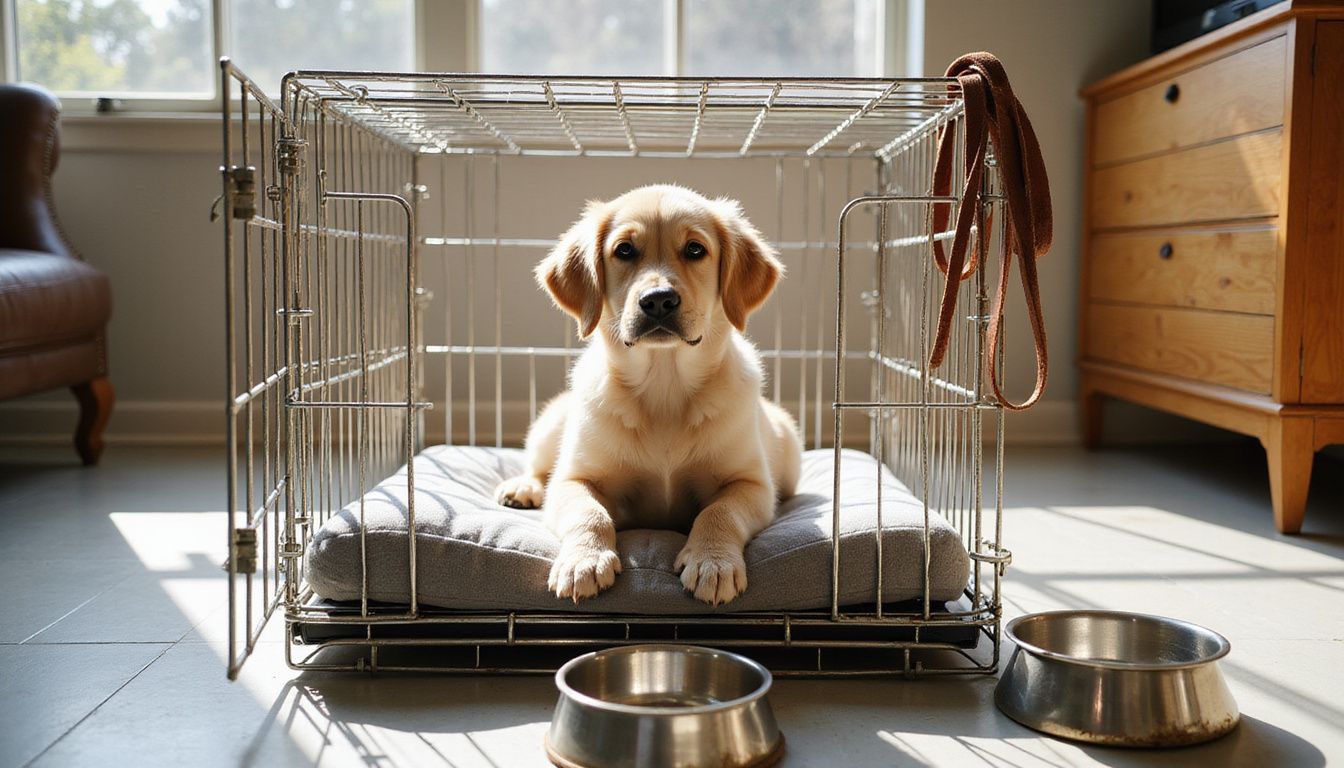
Your new dog needs a safe space to decompress, and a crate provides exactly that. Setting boundaries early helps your pet feel secure while protecting your home during the adjustment period.
- Position the crate where your dog can watch household activity but stays away from high-traffic areas.
- Use a standard leash and martingale collar for walks and interactions, giving you better control during these early weeks.
- Crate your dog whenever you leave the house and every night for sleep. This supports housetraining and prevents destructive habits.
- Give your dog a designated dog bed for supervised relaxation time, and skip furniture privileges until they’ve settled in.
- If you have resident dogs, use “crate and rotate” for the first couple of weeks, keeping pets separated until you see calm, compatible behavior.
- Remove the leash only once dogs show consistent compatibility, whether at home or somewhere public like the dog park.
What Are the Dos and Don’ts During Decompression?
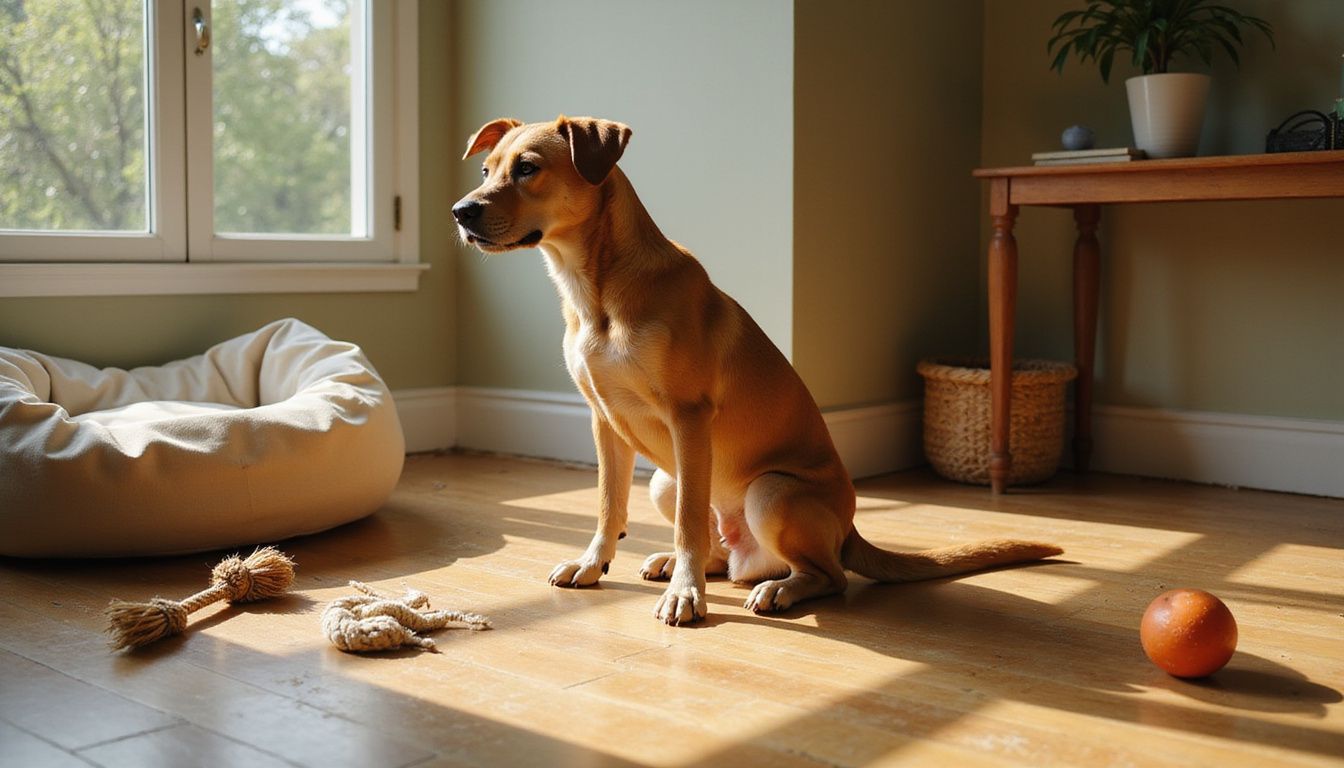
Your actions in these first few weeks shape your dog’s confidence and trust. Positive reinforcement builds a strong bond, while too many people or new places too soon can set back their progress.
How Can I Use Positive Reinforcement Effectively?
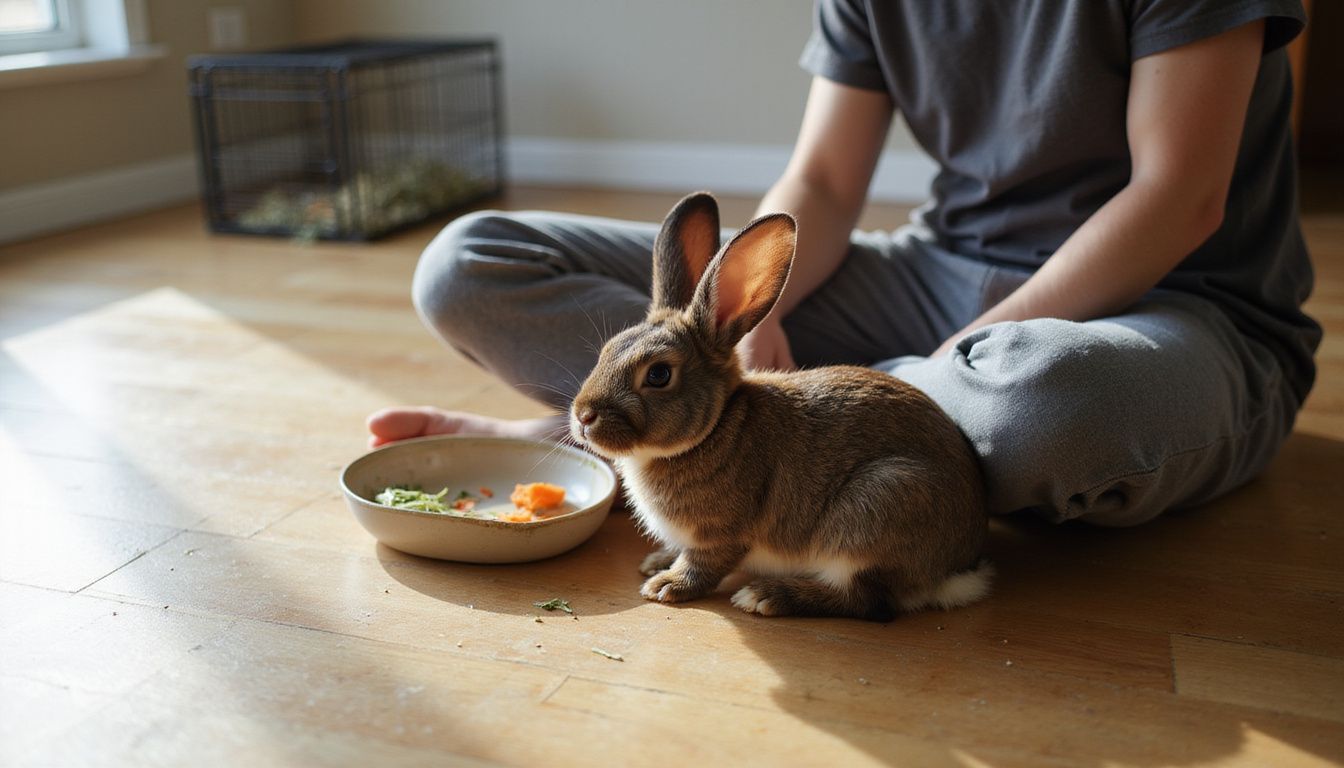
Positive reinforcement works like magic when you do it right. Catch your new dog doing something good, then reward it right away with a treat or praise.
Research backs this up: reward-based training leads to better learning than punishment-based methods. The American Veterinary Society of Animal Behavior officially recommends reward-based training over aversive methods, because it offers the most benefit and the least harm to your dog’s well-being.
Treats work fast. Praise builds lasting trust. Mark good behavior the instant it happens, especially during housetraining and crate training.
Short, timed training sessions beat long, unfocused ones. Here’s a 5-minute routine I like for teaching a calm greeting during week two.
- 0:00, offer a treat from your closed hand.
- 0:30 to 1:30, wait for soft eye contact, then mark and treat right away.
- 1:30 to 2:30, ask for a sit and reward within one second.
- 2:30 to 3:30, take a short walk-away break.
- 3:30 to 5:00, return for one more calm greeting and a final reward.
Repeat this sequence three times a day. Short, timed reward cycles teach calm greetings faster than long play sessions, and they won’t overwhelm your dog during this adjustment period.
Start with simple commands during the first three weeks to build communication with your new companion. Purposeful affection matters more than constant petting, so save treats and praise for actual good behavior, not random displays of love.
Obedience classes can strengthen the bond between you and your pet even further. Use your dog’s name in positive moments to build strong recall and good associations.
Consistency is everything. Reward the same behaviors every time they happen. This approach reduces stress during the adjustment period, and your dog learns faster, feels safer, and settles into their new home with confidence.
Why Should I Avoid Overwhelming My Dog with New People or Places?

Your new dog has been through a lot. They left their shelter or rescue environment and landed in a completely unfamiliar home. Their whole world just flipped upside down.
Introducing too many people or rushing to new places creates stress triggers that can set back their progress. Long walks, car rides, and social gatherings should wait until your dog settles into their surroundings. This is sometimes called the rescue effect: dogs pulled from a shelter need real space before they can handle much else.
Keep your dog on a leash outdoors at all times right now. Flight risk is real during these early weeks, and gradual introductions always work better than sudden ones.
Stress hormones spike when dogs face loud noises, crowds, or too much stimulation at once. Canine behaviorists call this “trigger stacking,” when several stressors pile up in a short window without any recovery time in between. That’s often why a normally sweet dog suddenly snaps or panics, not because something’s wrong with them, but because their stress bucket is simply full.
- Ears pinned back
- Tail tucked low
- Heavy panting with no exercise
- Stiff body or frozen posture
These signals mean your dog isn’t ready for visitors or outings yet.
Avoid introducing your new dog to other animals for at least three days to give them room to decompress. Skip trips to other homes or introductions to new people right after arrival too.
This waiting period isn’t punishment, it’s protection. Once your dog shows signs of relaxation and confidence, you can start supervised introductions slowly. Your patience now builds the trust and strong bond you’re both working toward.
Conclusion

You’ve learned the core moves that turn the first thirty days into a success story, for both you and your new companion.
The 3-3-3 rule gives you a realistic timeline. Home prep keeps your dog safe, and consistent routines build trust faster than you’d expect.
Positive reinforcement and a little structure work together to build a lasting foundation, without stress or confusion on either end.
Reach out to local rescue organizations, pet adoption agencies, or trainers like Urban K-9 Dog Training if you need extra support as your dog settles in.
Taking these steps now means you’re not just bringing home a rescue dog. You’re opening the door to years of loyalty, love, and companionship you never saw coming.
FAQs
1. What is the 3 days, 3 weeks, 3 months guide?
It’s a simple timeline that helps you understand how your new dog will settle in. For the first 3 days, your pup feels overwhelmed and scared. By 3 weeks, they start to relax and show their real personality, and by 3 months, they truly feel like they’re home.
2. How can I help my new dog adjust after adoption?
Stick to a predictable routine for meals, walks, and bedtime, and keep things calm at home for the first few weeks. If your pup has an upset stomach from the stress, Wellness Core Digestive Health food can help.
3. When should I start training my new dog?
You can start simple, positive training right away using treats like Wellness Puppy Bites and lots of praise. Just keep sessions short and fun, and save the more structured lessons for after your dog feels settled and safe.
4. Is spay/neuter necessary before or after adoption?
Most U.S. shelters and rescue groups handle spay or neuter before you bring your dog home. If your dog hasn’t been fixed yet, just ask your vet about the best timing during those first few weeks.
5. Where can I find support for adoption and placement questions?
Check out resources from Hearts & Bones Rescue and ASPCApro on Facebook for helpful tips. If you need training support, trainers like Natasha Domanski or Urban K-9 Dog Training can give you personalized guidance.