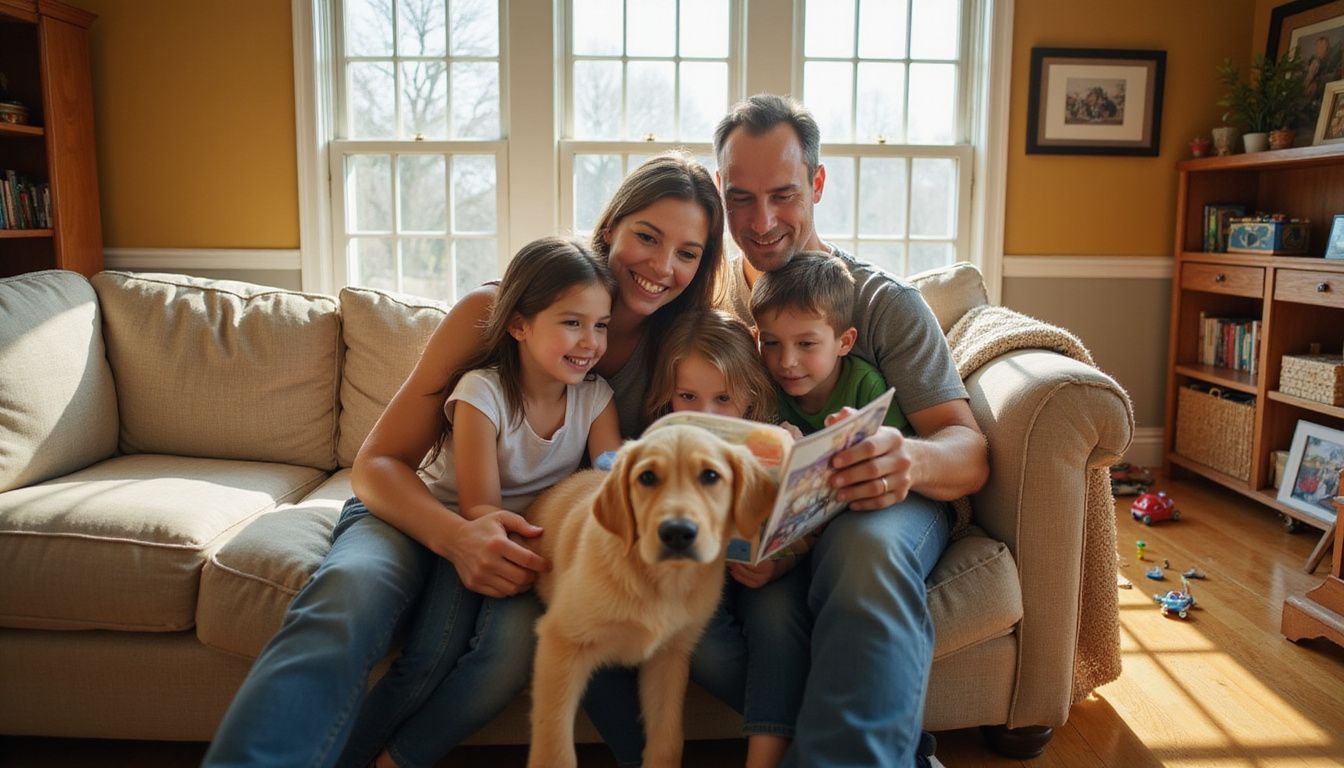
Have you imagined your kids curled up on the couch with a wagging tail beside them, then worried about how that scene would actually play out?
That mix of excitement and nerves is completely normal.
A new pet can do wonders for your family. It teaches your kids responsibility and gives everyone a loyal friend to grow up with.
I’ve talked to plenty of parents who felt exactly like you do right now, torn between wanting a dog and worrying about safety. The good news is that a few smart questions before adoption day can make all the difference.
I’m going to walk you through exactly what to think through, from your kids’ ages to the right breed for your house. Grab a cup of coffee, and let’s go through it together.
Key Takeaways
- Your child’s age and maturity matter most. Kids ages three to five start to grasp how to interact with dogs, while older, calmer dogs often suit homes with young children better.
- Puppies need months of hands-on training, but adult dogs settle in fast. Pick based on your family’s schedule and how much flexibility you have.
- About 40% of a dog’s behavior comes from genetics and 60% from training. Look for breeders who health-test litters and socialize puppies between weeks three and sixteen.
- Low-energy breeds like Great Danes and Great Pyrenees fit nicely with kids, and hypoallergenic breeds can help households where allergies are a concern.
- Supervise every early interaction, set clear house rules, teach your kids dog body language, and start training classes within two to four weeks of bringing your dog home.
Assessing Your Family’s Readiness for a New Pet
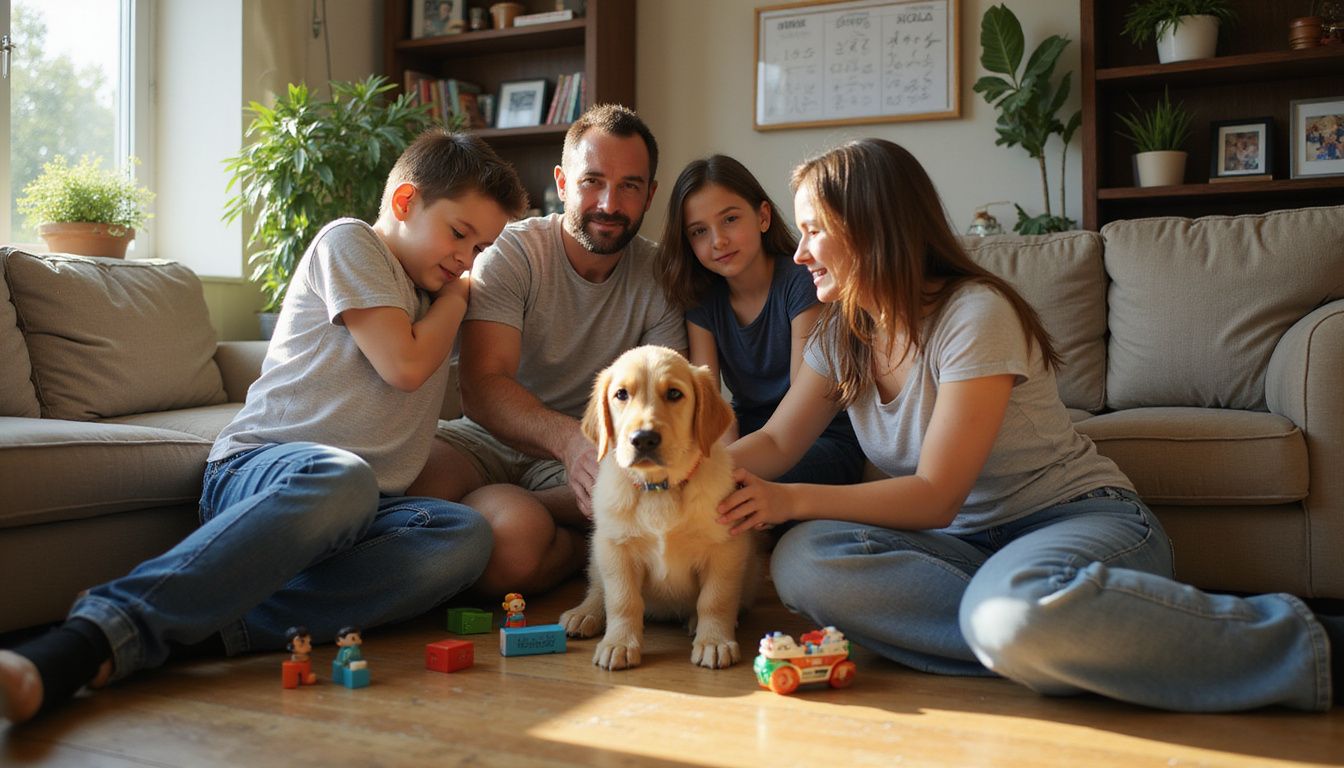
Your kids’ ages and maturity levels matter most when you think about bringing a new pet home. Your family’s schedule and daily routine will also shape what kind of pet ownership actually works for you.
How old and mature are my children to handle a dog?
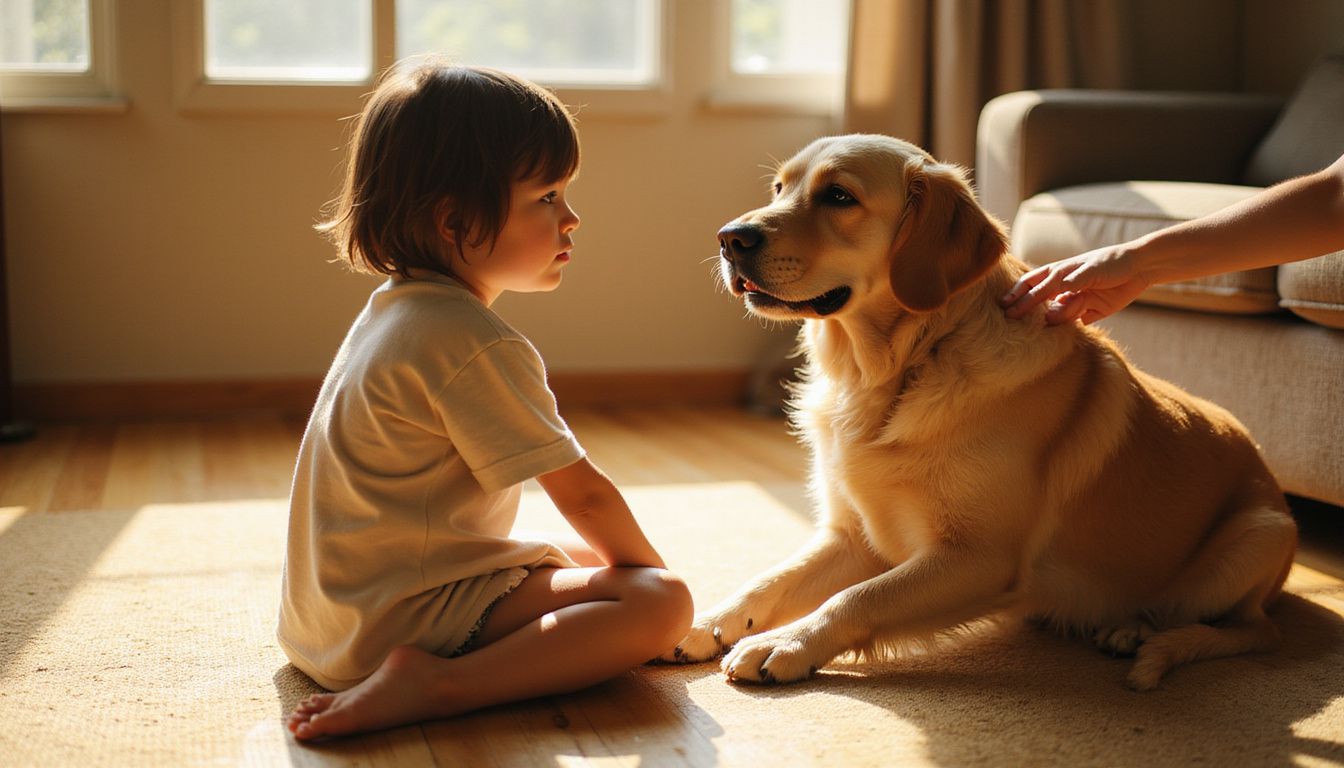
Your child’s age matters more than you might think when you bring a dog into your home. Kids between three and five years old start to understand how to act around a puppy, though that doesn’t mean they’re ready for a high-energy pup just yet.
Babies can hurt dogs without meaning to, tugging fur or poking eyes. That’s why younger kids need constant supervision around any dog. Puppies also nip during play, which can scare small children or cause an accidental scratch.
An older dog with a calm temperament usually works better for families with young kids. Breeds like Great Danes or Great Pyrenees tend to have gentler personalities, though every dog’s behavior varies a bit.
Some dogs naturally do well with kids. Others need more careful management and training.
The petting consent test helps you figure out whether a dog will tolerate your child’s touch without getting stressed or defensive.
A simple version trainers use is called “Pet, Pet, Pause.” According to handling guidelines from the Shelter Playgroup Alliance and animal behaviorists, you pet the dog for three to five seconds, then stop. If the dog leans in or nudges your hand, it wants more attention. If it walks away, licks its lips, or yawns, that’s your cue to give it space.
Pet, pause, and watch. That short pattern tells you more about a dog’s comfort level than any label ever could.
Maturity matters as much as age here, and this difference shapes everything about how dog ownership goes. A six-year-old who respects boundaries and follows directions handles a dog better than an eight-year-old who acts on impulse.
Kids need to learn dog body language so they notice when a pup needs space. Supervised interactions between kids and dogs prevent accidents and build good habits from day one.
The whole family should meet the dog before adoption. If young kids live in your house, a trainer or experienced professional should oversee that first meeting.
One family I know adopted a dog named Reuben at eleven months old because he’d been fostered with kids and already understood how a busy household works.
Kids can also overwhelm a dog without meaning to, so breaks from playtime protect the pup’s mental health. Ask yourself honestly if your kids can follow safety rules consistently. That answer shapes your dog’s wellbeing and your family’s peace of mind.
How does my family’s lifestyle and schedule affect dog ownership?
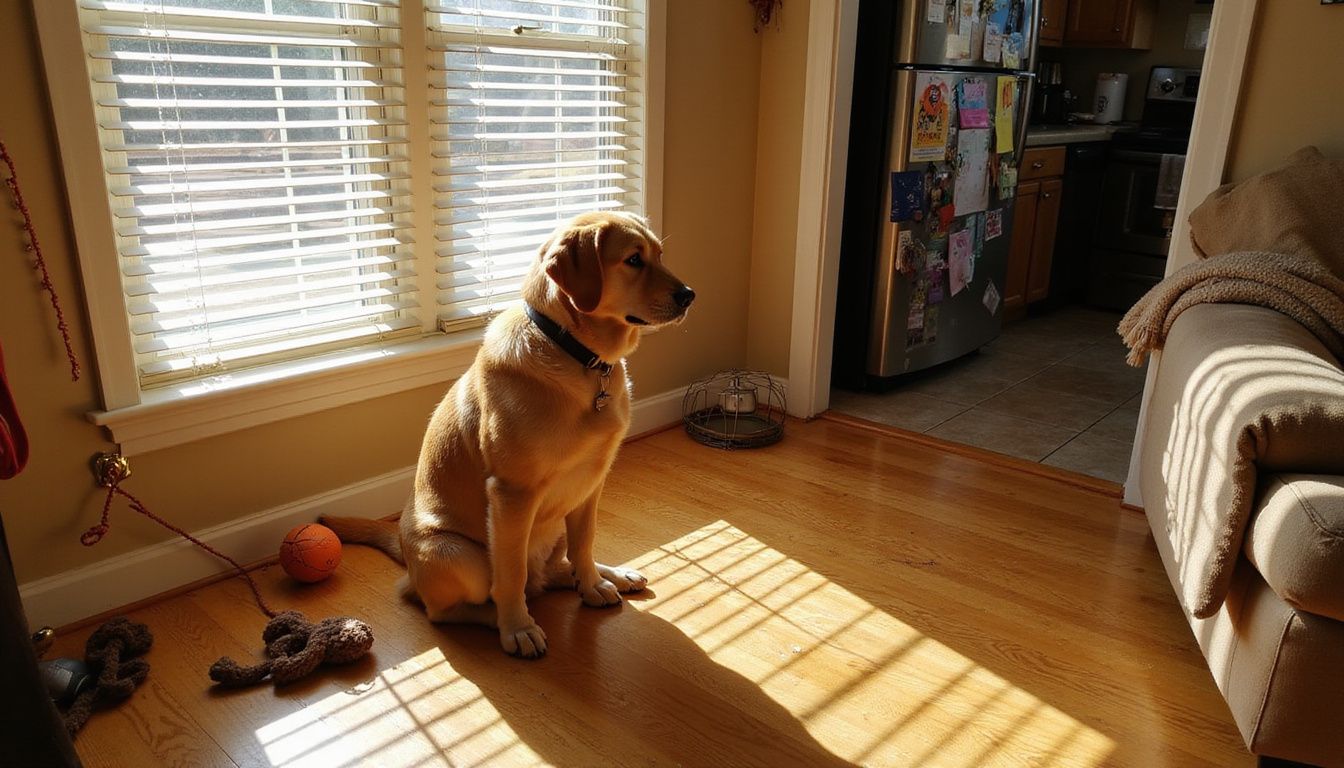
Once you know your kids can handle a dog, it helps to look at the bigger picture: how your family actually lives day to day. Your lifestyle and schedule matter more than you might expect, maybe even more than how much you love dogs.
A dog needs consistency, attention, and a bit of structure to feel settled in your home.
Activity level shapes everything here. Families with jam-packed schedules need a different kind of dog than those with flexible days. High-energy breeds like Labradors and Beagles need serious exercise, multiple walks a day, and active play.
Low-energy dogs like Great Pyrenees and Great Danes fit better in quieter homes where long runs aren’t part of the plan.
Think about your living space too. Do you have an apartment that allows pets, or a yard with a fence? A fenced yard makes potty training and daily exercise so much easier.
Consider future moves as well. Some apartments ban certain breeds or sizes outright, so it pays to check before you commit.
Training time matters just as much as exercise time. Signing your dog up for training classes takes commitment, and ongoing work on canine behavior at home takes patience too. If nobody in your house has time for crate training or steady reinforcement, your dog will struggle to learn the rules.
A dog’s environment shapes its whole sense of stability, and that environment comes straight from how your family lives day to day.
Work schedules affect dog care more than people realize. Dogs left alone for eight hours straight can develop anxiety and behavior problems. Families with flexible hours, or the option to hire a dog walker, have more breathing room.
Grooming and bathing take regular time too, helping manage allergens and keep your dog healthy. Think about whether your family can commit to spay/neuter procedures and regular checkups at a clinic like Lurie Clinic or wherever your local vet practices.
Here’s a number worth sitting with. According to 2026 financial breakdowns from Sniffspot and Rover, the first-year cost of owning a dog typically runs between $1,500 and $4,500 once you add up vet exams, adoption or breeder fees, and basic supplies. That’s a real number to plan around, not just a rough guess.
The question isn’t whether you love dogs. It’s whether your actual life has room for one right now.
Choosing the Right Dog
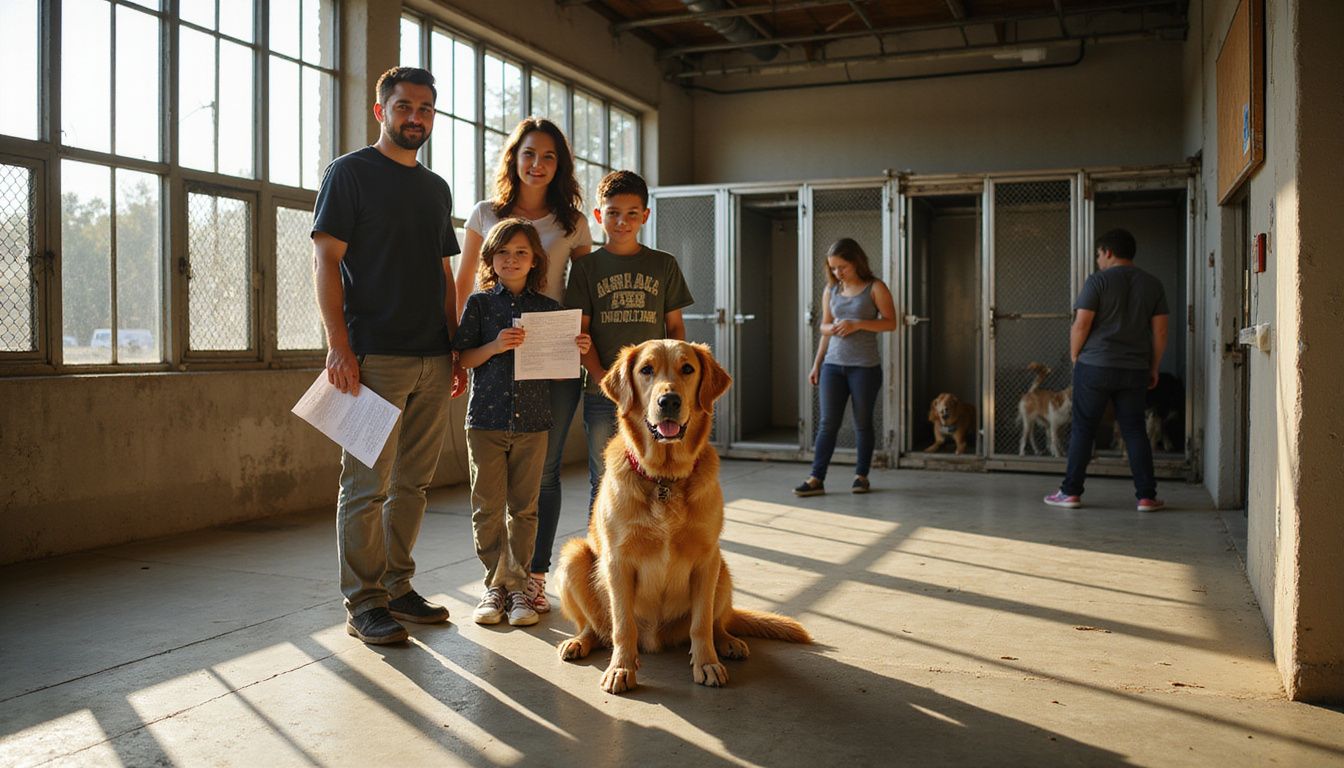
Picking the right dog for your family matters more than you might think. The American Kennel Club offers solid guidance on breeds that do well with kids, and you’ll want to weigh whether a playful puppy or a calm adult dog fits your household better. Pet adoption from a no kill shelter also gives you access to dogs with known temperaments.
Should I get a puppy or an adult dog for my family?
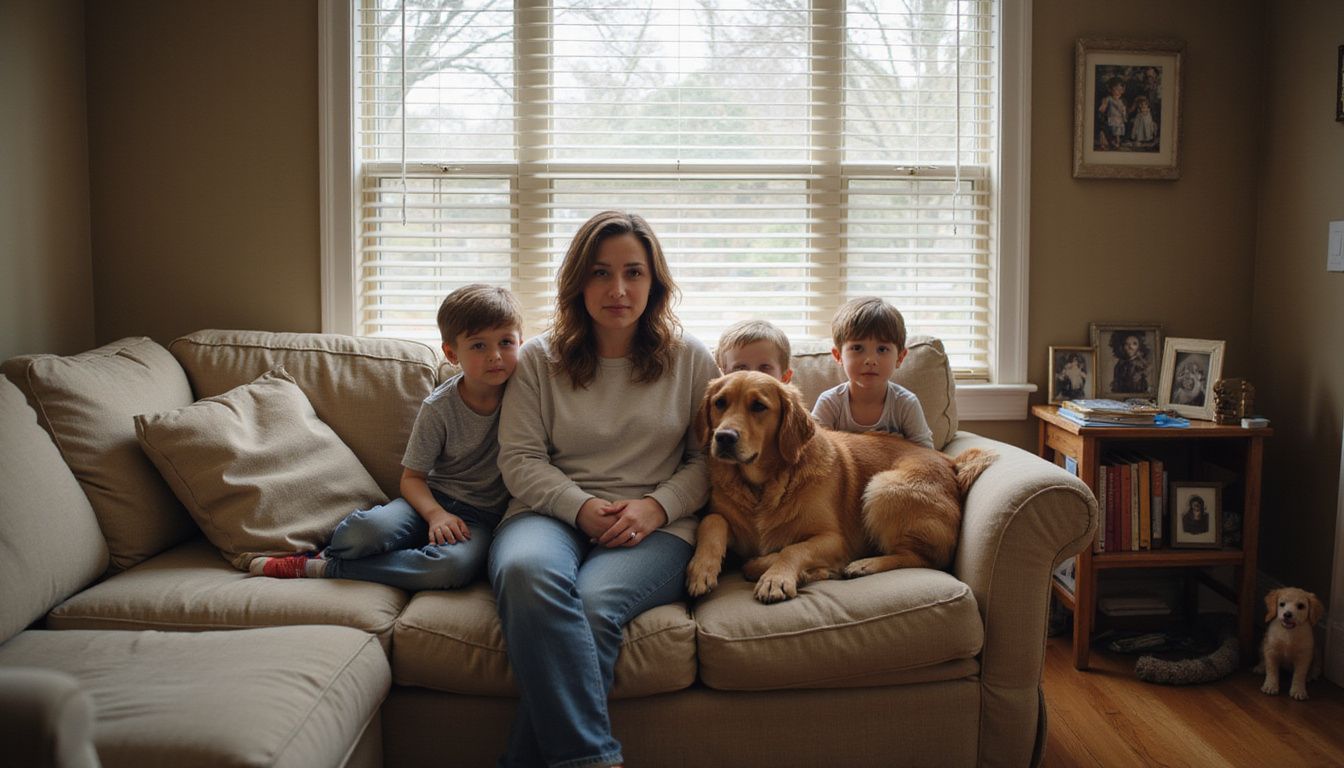
Deciding between a puppy and an adult dog shapes your whole family experience, so it helps to understand each path clearly.
| Consideration | Puppies | Adult Dogs |
|---|---|---|
| Initial Energy & Time Investment | Puppies demand significant work in the first few months. Sleep loss happens frequently during this phase. Care requirements rival caring for a newborn. | Adult dogs need less intensive daily attention. They settle into routines faster than young pups. Your family gets breathing room right away. |
| Training Focus Areas | You’ll tackle potty training from scratch. Chewing and mouthing require constant redirection. Crate training, socialization, and basic manners take months. Exercise needs run high every single day. | Many adult dogs already know potty training basics. A quick refresher gets them on track. Behavioral patterns are already established and visible. |
| Family Bonding & Attachment | Growing with your children creates lifelong bonds. Kids watch the dog mature alongside them. Shared memories stack up from puppyhood onward. Attachment deepens through all life stages together. | Connection forms quickly without the chaos of puppyhood. Adult dogs bring calm to your household immediately. Bonding still happens, just on a different timeline. |
| Customization & Selection | Breed traits are somewhat predictable but not guaranteed. Personality quirks emerge over time. Final size and temperament take months to reveal. | You select the exact size, age, and temperament you want. What you see is largely what you get. Compatibility becomes clearer before commitment. |
| History & Behavioral Challenges | Clean slate means no hidden trauma or triggers. Past behavior remains unknown, which offers reassurance. Your training shapes everything from day one. | Adult rescue or rehomed dogs may carry unknown history. Behavioral triggers might surface unexpectedly. Fostering first (ages 1 to 5 years work best) lets you assess real compatibility before adoption. |
| Best For Your Family Situation | Choose puppies when your schedule allows intensive training. Kids who’ll grow with the dog benefit most. Your family must commit to months of structured work. | Adult dogs suit busy families needing immediate stability. Households wanting to skip puppyhood chaos choose this route. Families with less flexibility thrive with mature dogs. |
A small follow-up study tracked families who adopted either puppies or adult dogs, watching how they adjusted over the first eight weeks. Among 24 adoptions involving kids under age 8, puppies averaged 28 supervision hours a week in week one, dropping to 16 hours by week eight. Adult dogs averaged a steady 12 supervision hours a week the whole time.
Families with adult dogs also reported fewer surprise resource-guarding moments in week one, just 1 incident across 10 adult adoptions compared to 9 incidents across 14 puppy adoptions. “Households with adult dogs hit a calmer groove faster, which made supervising younger kids more manageable,” summarized a program coordinator. This data backs up something worth remembering: the time commitment really does differ between the two paths.
Your lifestyle points to which option fits best. Puppies are cute and fun, sure, but they ask for everything you’ve got for months. Adult dogs offer a shortcut to peace and predictability.
Both paths lead to joy. They just take different roads to get there.
What dog breeds are best for families with children?
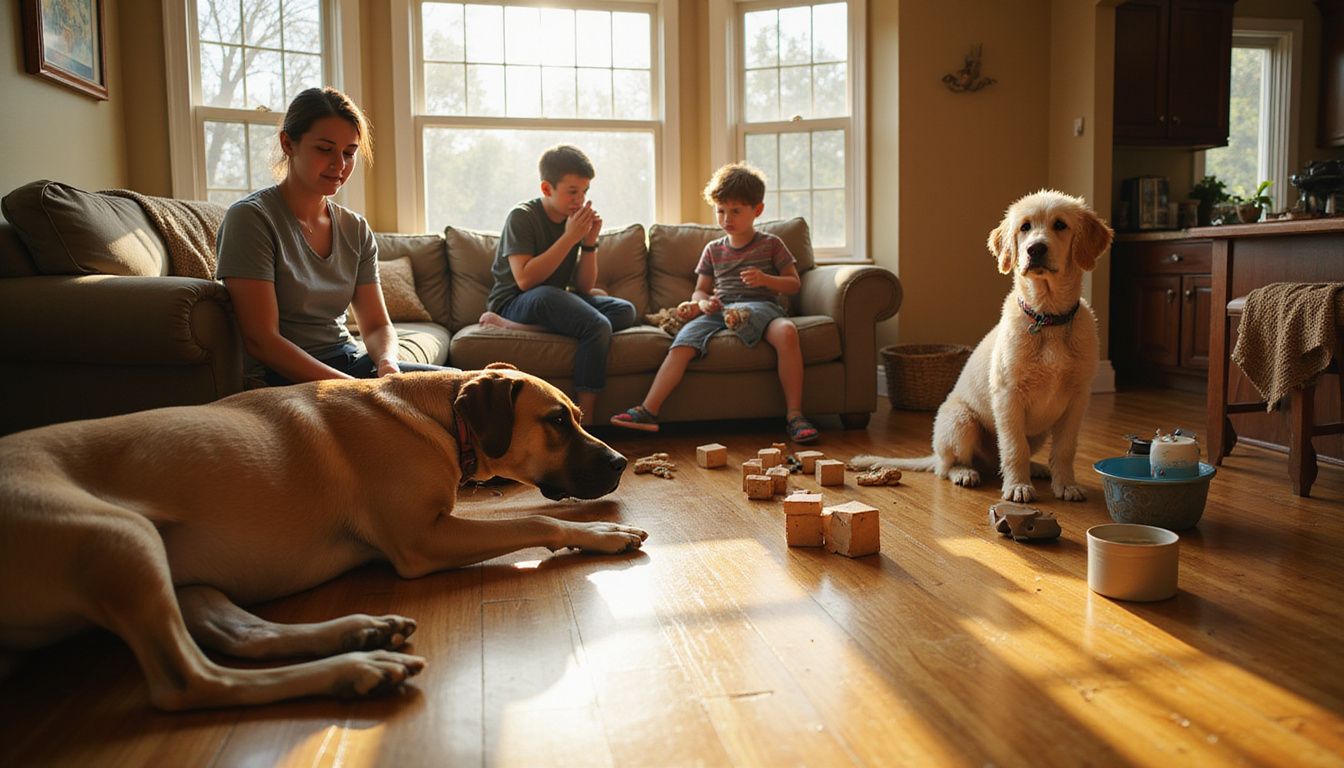
Now that you’ve settled on a puppy or an adult dog, the real work begins: picking the right breed for your household.
| Dog Breed Category | Best Breeds for Families | Key Traits for Kids | Important Considerations |
|---|---|---|---|
| Low-Energy Breeds | Great Danes, Great Pyrenees | Calm temperament, gentle with children, require moderate exercise | Ideal for families with young children; need regular vet checkups; lower activity needs fit busy schedules |
| Hypoallergenic Options | Poodles, Goldendoodles, Schnoodles, Labradoodles, Schnauzers, Shih Tzus, Bichon Frises | Intelligent, trainable, friendly, minimal shedding | Great for families with allergies; require regular grooming; temperament depends on breeding quality |
| Breed Temperament Impact | Any breed with responsible breeding practices | Genetics account for roughly 40% of behavior; environment shapes the remaining 60% | Research breeder carefully; ensure they test for health issues; verify they allow facility visits; confirm they socialize puppies during weeks 3 through 16 |
| Breeds to Research Carefully | Guard dogs, herding breeds | Guard dogs bark frequently; herding dogs need substantial exercise and mental stimulation | Match breed traits to your family’s energy level; consider your lifestyle before committing |
| Mixed-Breed Dogs | Shelter and rescue dogs of mixed heritage | Often fewer genetic health problems than purebreds | Size can be unpredictable; personality assessment through shelter staff helps; adult dogs show established temperament |
| Breeder Selection Matters | Responsible breeders specializing in one or two breeds | Health-tested puppies, return policies if mismatch occurs, visitor access to parents and facility | Avoid breeders who breed multiple types; ask for health certifications; meet the puppy’s parents when possible |
Your breed choice shapes everything moving forward. A Great Dane puppy, for example, does well in homes with existing dogs and low activity demands. Guard dogs tend to bark more, so they need experienced handlers, and herding breeds need plenty of exercise or they get restless and destructive.
Genetics play a big role too. About 40% of your dog’s behavior comes from genetics, while roughly 60% comes from how you raise, train, and socialize your dog. Picking a responsible breeder matters for temperament, and it matters for animal welfare too. Look for breeders who:
- Specialize in one or two breeds rather than many.
- Let you visit their facility and meet the puppy’s parents.
- Health-test their litters before selling puppies.
- Accept returns if the match doesn’t work out.
- Socialize puppies during weeks three through sixteen, the critical window for learning social skills.
Low-allergen breeds like Poodles, Goldendoodles, Schnoodles, Labradoodles, Schnauzers, Shih Tzus, and Bichon Frises can help families dealing with allergies. Here’s something worth knowing: according to 2026 health updates from the Asthma and Allergy Foundation of America, dog allergies come from proteins in a dog’s dander, saliva, and urine, not from the fur itself. These breeds still shed minimally, which helps, but grooming and managing saliva contact still matter for keeping your household comfortable. Training these smart dogs also comes easier, which helps with harmony in households with children.
Mixed-breed dogs from shelters bring their own advantages. They often carry fewer genetic health problems than purebreds, though their adult size can be harder to predict. An adult rescue dog shows you their real personality before you commit, which takes a lot of guesswork out of the equation. Shelter staff can usually describe temperament honestly since they’ve spent real time with the animal.
Low-energy breeds like Great Danes and Great Pyrenees fit families with young kids especially well. These gentle giants don’t need miles of running every day. They’re happy lounging while your kids play nearby, so your schedule doesn’t have to revolve around exhausting exercise routines.
Preparing Your Home
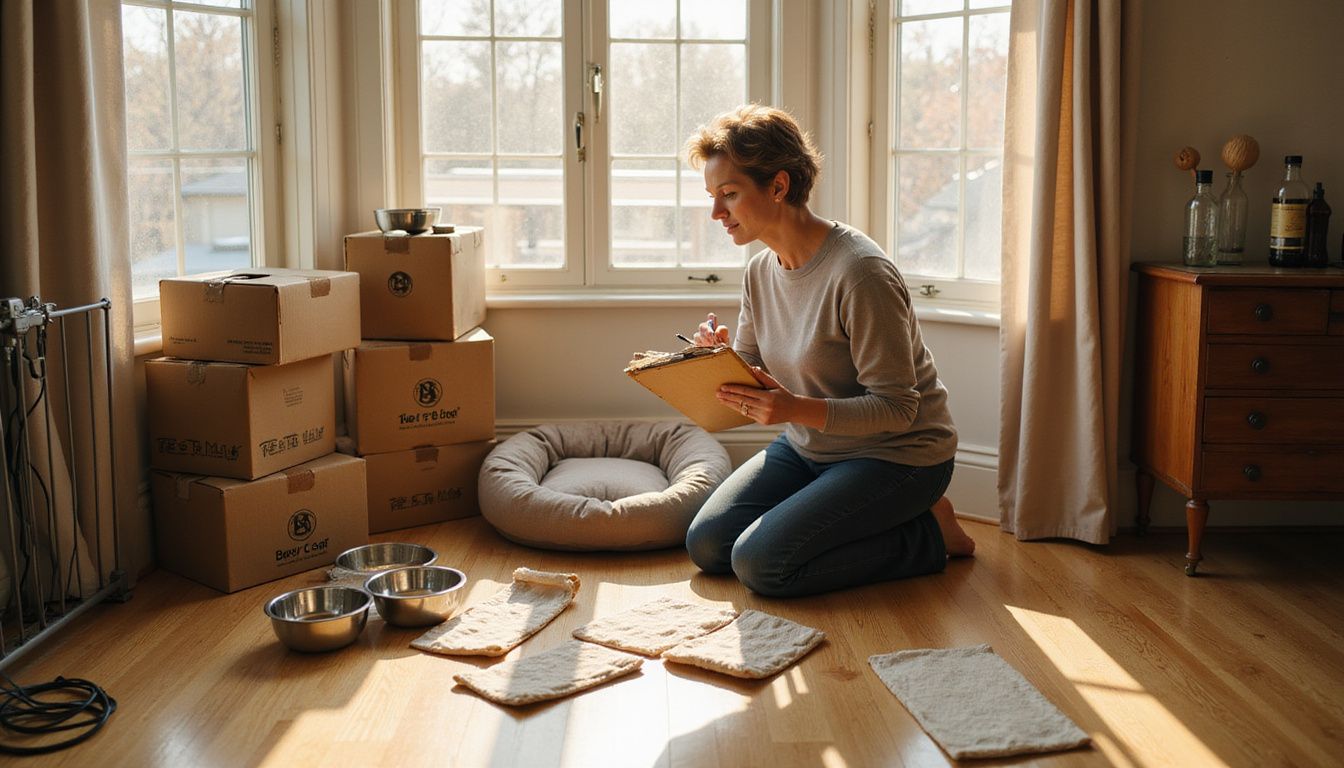
Your home needs to feel like a safe haven for your new pet before adoption day arrives. That means stocking supplies, setting up specific areas, and clearing out hazards that could hurt your dog or your kids.
How can I create safe spaces for my new dog?
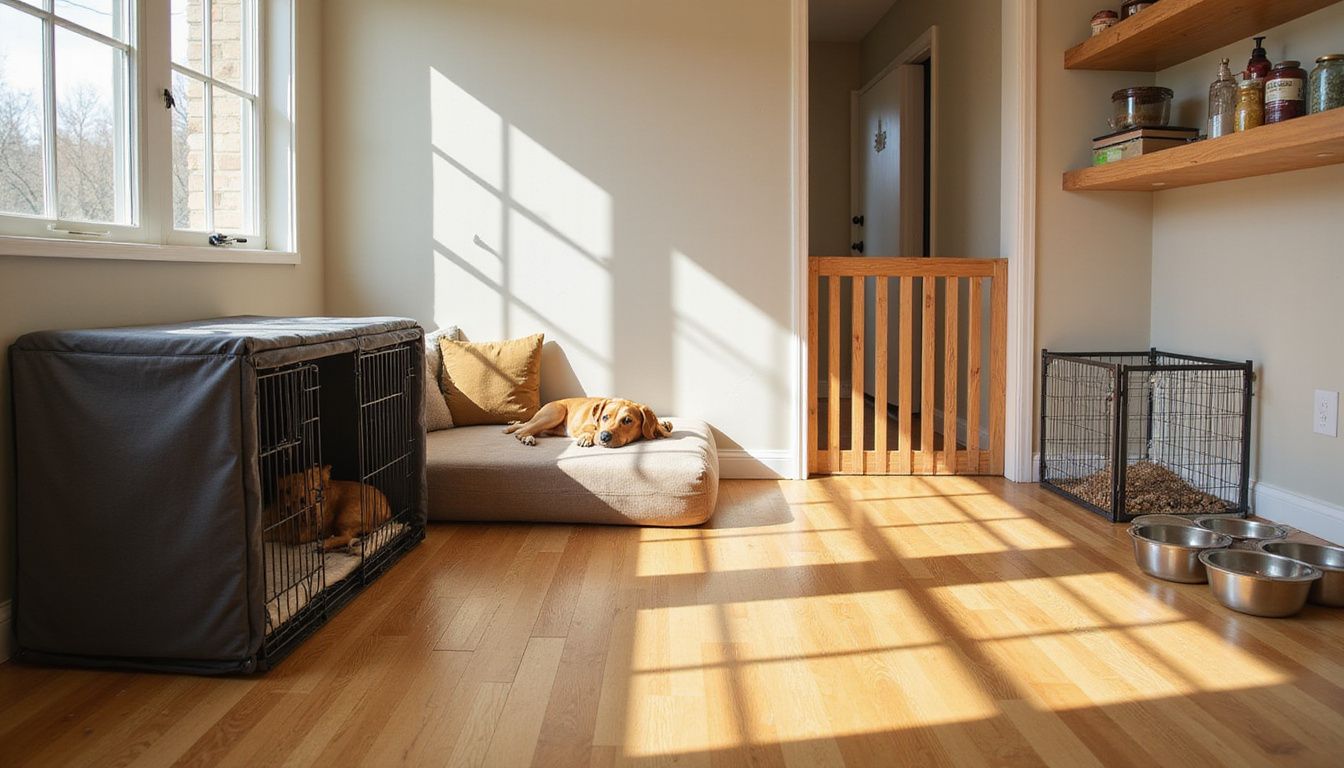
Creating safe spaces protects your dog during the adjustment period and cuts down on stress. These zones give your new pet somewhere to retreat when things feel like too much.
- Set up a crate in a quiet corner, away from household chaos, so your dog has a personal den, plus a room with soft bedding to retreat to when tired or anxious.
- Install baby gates and use an exercise pen to limit access and create contained areas when you can’t supervise directly.
- Place food and water bowls in a separate, low-traffic spot to help prevent resource-guarding behavior during meals.
- Remove hazards like cleaning supplies, medications, and small objects, and store high-value toys or treats out of reach, since pet safety depends on thoughtful preparation.
- Set up a timeout space where your dog can calm down after getting overexcited or displaying unwanted behavior.
- Keep a leash nearby so you can step in quickly if your dog starts chasing kids or gets too worked up during play.
What supplies do I need before bringing a dog home?
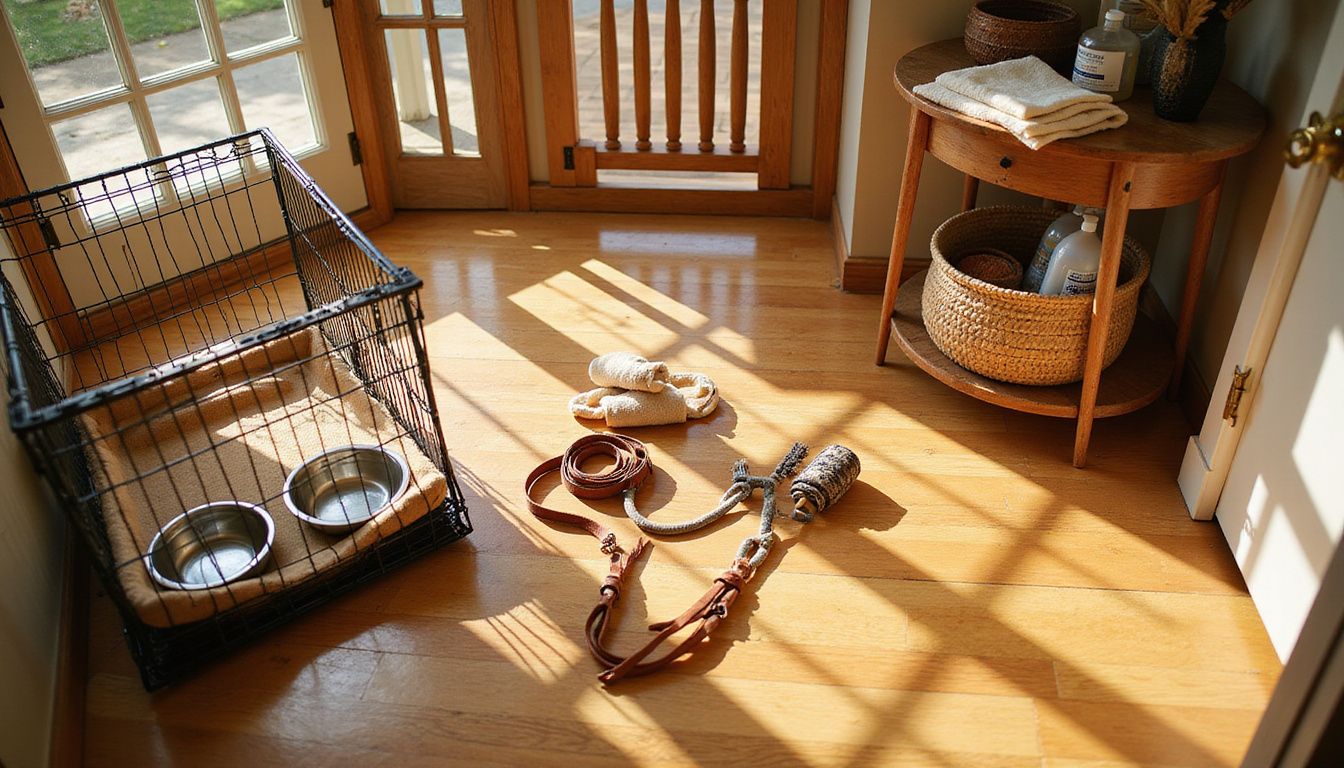
You’ll want to gather supplies before your new dog arrives. Getting the right gear ahead of time makes the transition smoother for your pup and your whole family.
- A crate sized right for your dog, giving them a safe den to rest in during the adjustment period.
- Baby gates and an exercise pen to keep your dog contained in safe zones while your kids play elsewhere.
- Stainless steel or ceramic food and water bowls, since these resist bacteria better than plastic.
- A leash, collar, or harness for walks and safe handling during those first outings.
- Age-appropriate toys, grooming tools, waste bags, towels, and cleaning supplies for the messy reality of training a new dog.
- Food and treats suited to your dog’s age and health, plus a plan for the unexpected. According to a 2026 ASPCA financial reporting study, 6 in 10 pet owners don’t feel confident they could cover a sudden vet emergency, so setting aside an emergency fund or looking into pet insurance before your dog arrives is worth doing. A quick chat with animal care professionals, like those at Zoetis Petcare, can also help you plan.
Your home setup matters, so tackle these steps before your dog arrives. Next, let’s talk about how to introduce your new companion to your kids the right way.
Introducing Your Dog to Children
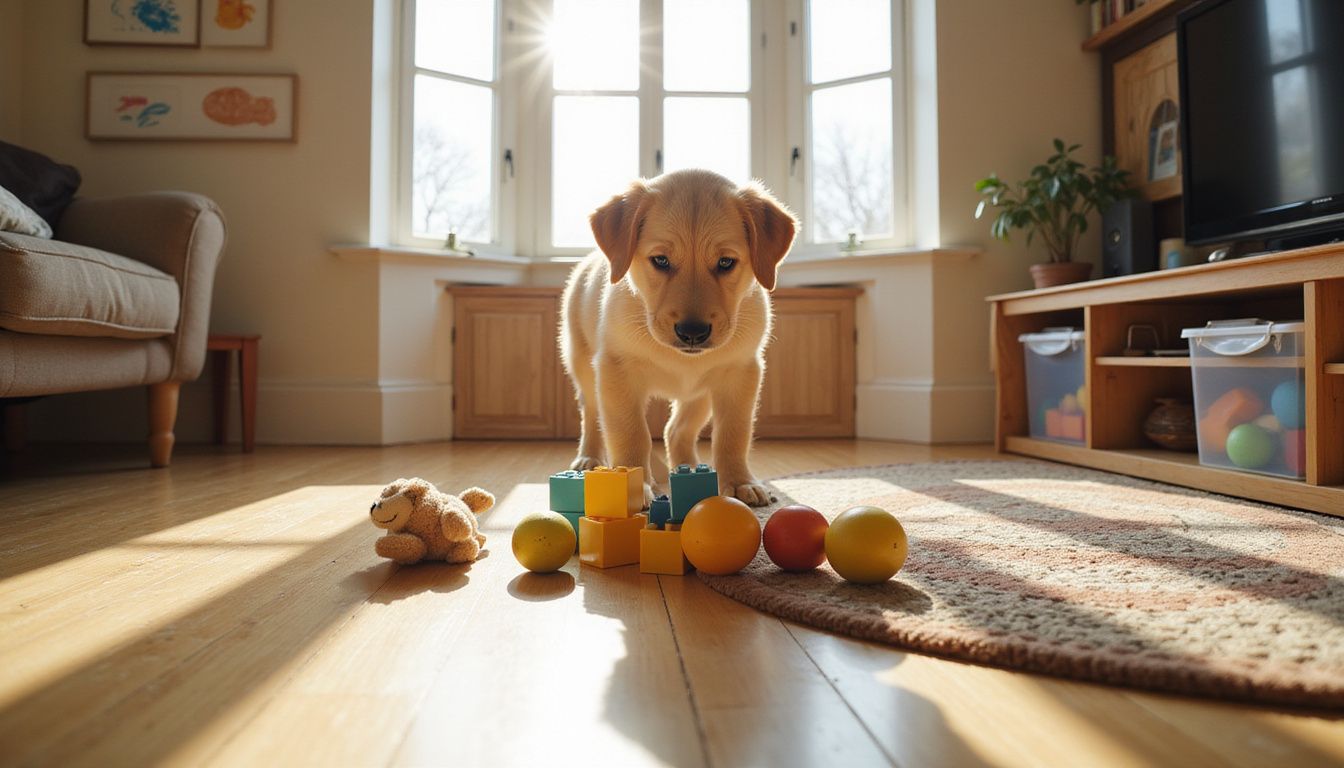
Your kids and your new dog need a solid introduction plan. This moment shapes your whole family’s relationship with your pup, so it’s worth taking the time to get it right from the start.
How do I teach my children to behave properly around dogs?
Teaching your kids to interact with dogs safely takes practice and patience, but the payoff is a lifelong bond between them. PAWS Chicago recommends visiting their adoption center as a family, where trained volunteers help you find the right pet and can walk you through proper interaction techniques.
A volunteer-led family meet-and-greet at a local adoption center showed just how well short practice sessions work before meeting a real dog. In one recent session, three kids ages 4 to 7 practiced safe approaches using a staged petting consent test. After 15 minutes of coaching, 10 out of 12 staged meetings showed the kids correctly using side approaches and gentle neck scratches. Two sessions needed an extra 10-minute demo with a stuffed dog first.
“After the quick role play with the stuffed dog, the kids were noticeably calmer and approached more respectfully during the live meeting,” noted a volunteer observer. This kind of brief, repeatable practice works well whether you try it at a shelter visit or right at home before your dog arrives.
- Show kids how to approach a dog from the side instead of head-on, offering gentle neck or side scratches instead of head pats many dogs dislike.
- Practice with a stuffed dog first, so kids can rehearse respectful touching before meeting the real animal.
- Teach kids to read dog body language, like pinned ears, stiff posture, or a tucked tail, and to recognize when a dog needs space.
- Set clear house rules about dog interactions right away, so bad habits never get the chance to form.
- Require hand washing after every interaction, and keep your child’s room fully off-limits to the dog for hygiene and safety.
Learning these skills sets your family up for successful dog ownership, but ongoing training and care keep your new companion healthy and happy for years to come.
Why is it important to supervise initial interactions between kids and dogs?
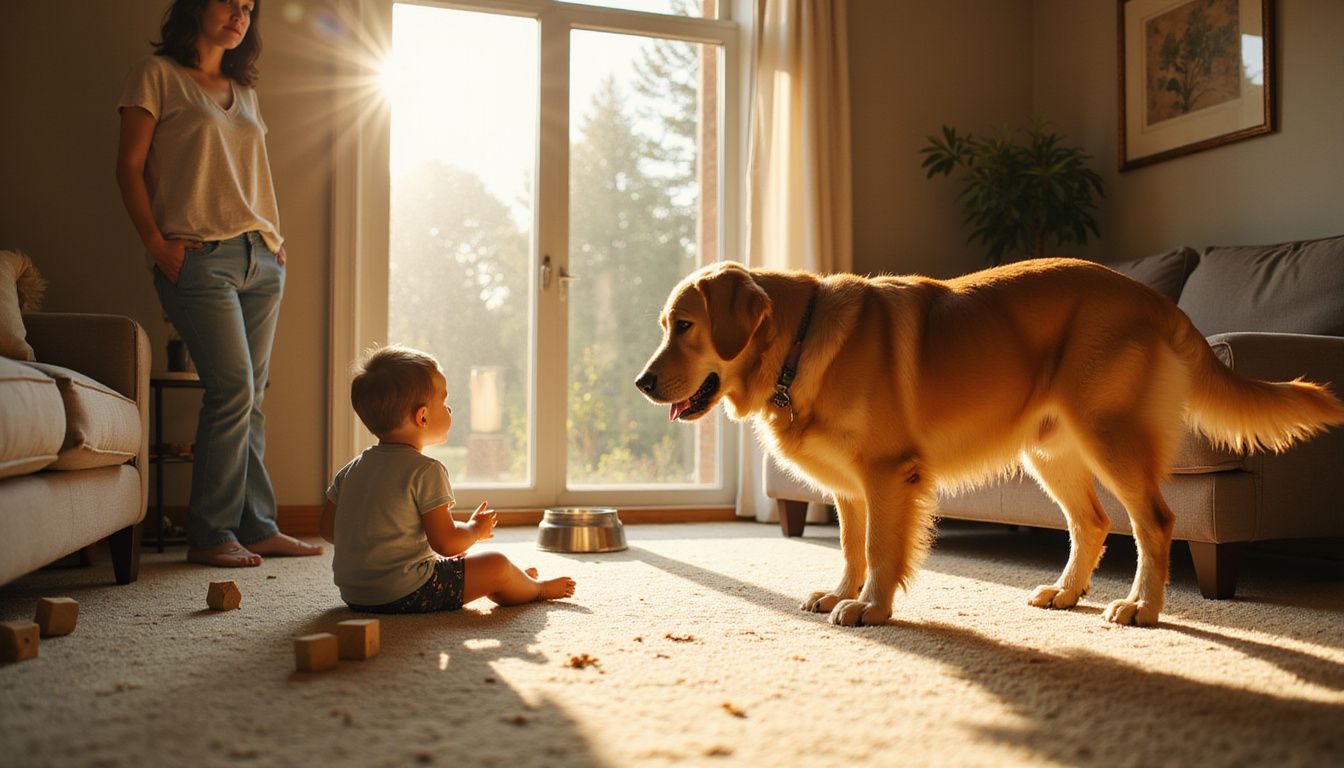
Keep your eyes on your kids and your new dog at all times, especially during those first meetings. Accidents happen fast: a child might reach for the food bowl, or the pup might snap without meaning harm. According to 2026 dog bite statistics compiled from the Centers for Disease Control and Prevention, an estimated 4.5 million dog bites happen in the United States every year, and kids under age 10 make up roughly half of those victims.
You can’t assume a dog is safe with kids just because someone labeled it “great with kids,” or because of its breed. Any dog can bite.
Supervision isn’t optional here. It’s the one thing fully in your control.
Management means controlling the environment for safety and comfort. Supervision means staying present and watchful during every interaction. Think of yourself as a referee, keeping the game fair and safe for everyone on the field.
Your job is to watch for warning signs others might miss. If a dog needs time to warm up to certain family members, schedule extra short meetings and watch how behavior shifts.
Let the dog approach kids on its own terms, without pressure or forced contact. Adults should stay close enough to stop kids from getting too near the dog’s toys or treats during play.
This hands-on approach protects both your kids and your new dog from the kind of crisis situations that animal care and control services handle far too often. Your attention during these early days builds the foundation for a safe, happy home where everyone can thrive.
Ongoing Training and Care
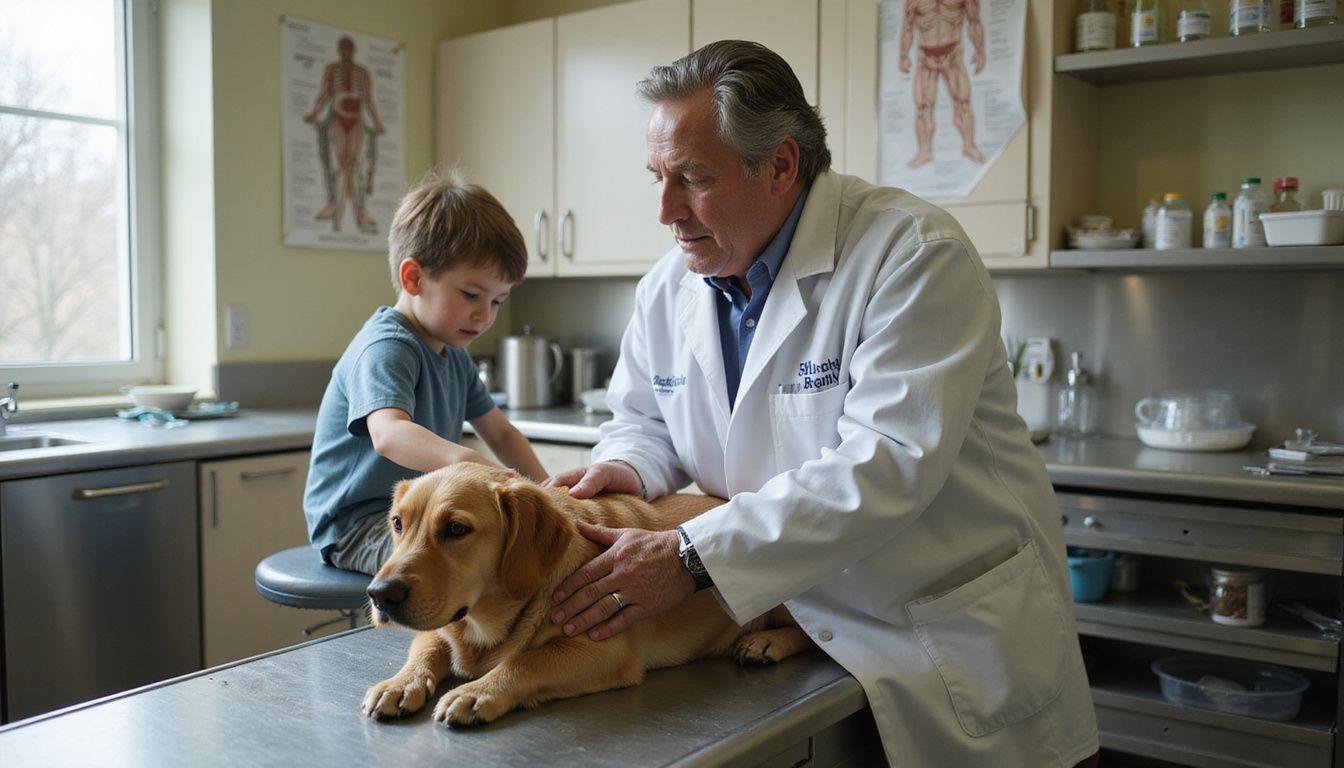
Your dog needs training classes and regular vet visits to stay healthy and happy. These steps keep your pup on track and your kids safe around their new furry friend.
When should I enroll my dog in training classes?

Start training classes as soon as your dog settles into your home, ideally within the first few weeks. Puppies benefit from early socialization and obedience work, while adult dogs need a little time to decompress before jumping into structured lessons.
Most trainers suggest starting formal classes once your dog seems comfortable in the new environment, usually around two to four weeks after arrival. Early enrollment helps your dog learn commands like sit, wait, stay, leave it, and lie quietly on a mat.
These skills matter most in homes with kids because they build impulse control and good manners. PAWS Chicago offers training classes built specifically to improve dog behavior in family settings, and positive reinforcement methods, like clicker training, work especially well while keeping kids engaged throughout.
Before you adopt, setting a modest training and vet budget helps you plan realistically for the first year. Here’s what that can look like:
| Expense | Estimated Cost |
|---|---|
| Initial vet visit and vaccines | $180 |
| Spay/neuter reserve | $300 |
| Basic obedience classes (6 weeks) | $150 |
| One private training consult | $85 |
| Crate and management gear | $120 |
| Incidental supplies and grooming | $165 |
| Estimated first-year total | Roughly $1,000 (excluding food and emergencies) |
“Putting a modest training and vet budget in place before adoption removed a lot of decision stress for our family,” noted one adopter. Planning ahead like this keeps surprises to a minimum and keeps training on track from day one.
Involving your kids in the training process strengthens the bond between them and your dog. Classes that include kids, where age-appropriate, teach dogs to focus even with the usual distractions of a busy household.
This hands-on involvement shows your children how to communicate with the dog through reward-based methods. Dogs tend to learn faster when they practice commands in real situations with the people they live with every day.
If your dog shows serious behavior issues and struggles to adjust to life with young kids, talk to the breeder, shelter, or rescue group about whether the match still makes sense. Crisis foster care programs and animal care and control resources can also offer guidance if real challenges come up.
Moving forward, these training foundations set the stage for the ongoing care and exercise routines that keep your dog healthy and happy.
How do I ensure my dog gets enough exercise and medical care?
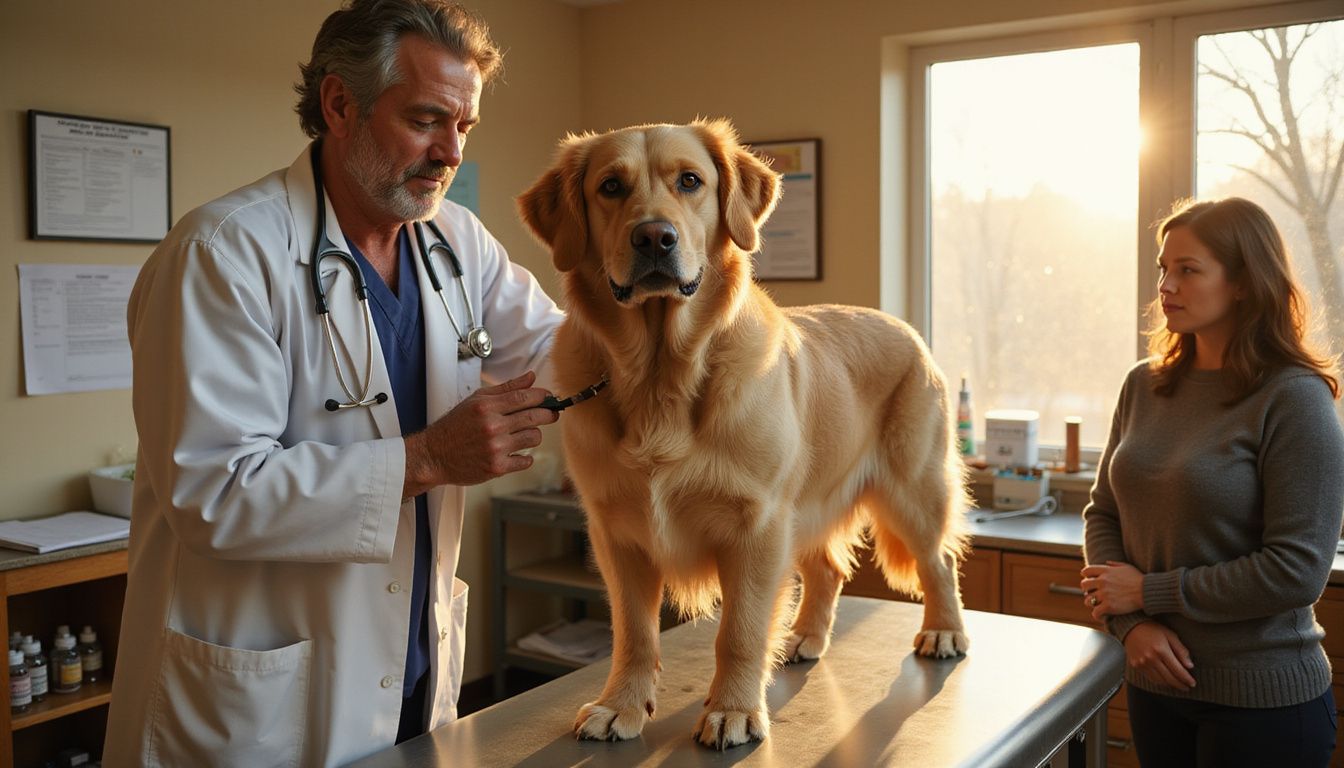
Your new dog needs both daily movement and regular vet visits to stay healthy and happy. These two things form the foundation of responsible pet ownership.
- Schedule annual vet checkups to catch health issues early, and ask about a vaccination schedule suited to your dog’s age and lifestyle.
- Give your dog at least 30 minutes of exercise daily, adjusting for breed since herding dogs need more activity while others run lower energy.
- Build consistent routines for feeding, walking, and playtime so your dog and kids get used to each other’s rhythms.
- Watch for allergy symptoms at home. Up to 20% of people experience dog allergies, with signs like sneezing, a runny nose, itchy eyes, coughing, or wheezing.
- Talk to your pediatrician before adopting if allergies worry you. Over-the-counter allergy medication can help with mild symptoms, and some breeds do produce fewer allergens.
- Groom and bathe your dog regularly to cut down on allergens, and give your dog safe outdoor time in a fenced yard when weather and supervision allow.
Conclusion
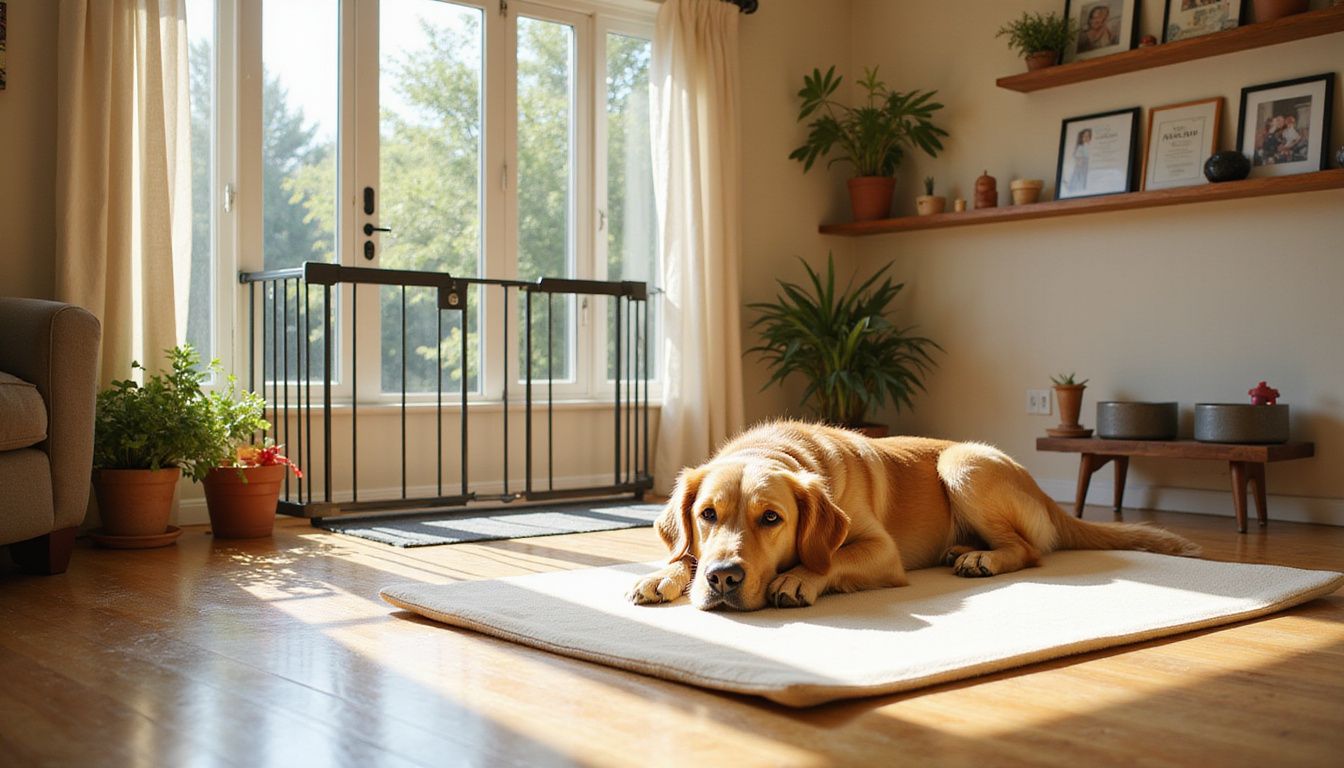
Bringing a new pet into a home with kids takes real planning, but the payoff is worth every bit of effort.
You’ve learned that checking your family’s readiness, picking the right breed, and prepping your space form the real foundation for success.
Teaching your kids proper dog behavior and supervising every interaction keeps everyone safe and happy. Adult dogs often suit busy families better than puppies, while breeds like Poodles and Schnauzers offer low-allergen options if that’s a concern for your household.
Training classes and regular vet care keep your dog healthy and well-mannered, turning potential chaos into real companionship. Taking these steps turns pet ownership from stressful into rewarding, giving your kids memories and lessons that last a lifetime.
FAQs
1. How should a dog meet a baby for the first time?
Go slow and let the dog sniff a blanket with the baby’s scent before the actual face-to-face introduction. The American Veterinary Medical Association recommends keeping that first meeting calm, short, and on-leash to prevent stress.
2. What did Junie and Hershey teach us about dogs and kids?
Junie and Hershey show that dogs can learn to live peacefully with children through consistent positive reinforcement training.
3. Why does animal welfare matter when choosing a dog for a family with kids?
A well-cared-for dog is calmer and less likely to act out around children. The American Humane Society notes that dogs receiving proper care and socialization show significantly fewer behavioral problems in family settings.
4. Should I contact animal care and control before adopting a dog?
Yes, animal care and control can give you important background on a dog’s temperament and history. According to the ASPCA, this pre-adoption screening helps identify potential behavioral issues before they become problems in your home. This step is especially important when you have young children.