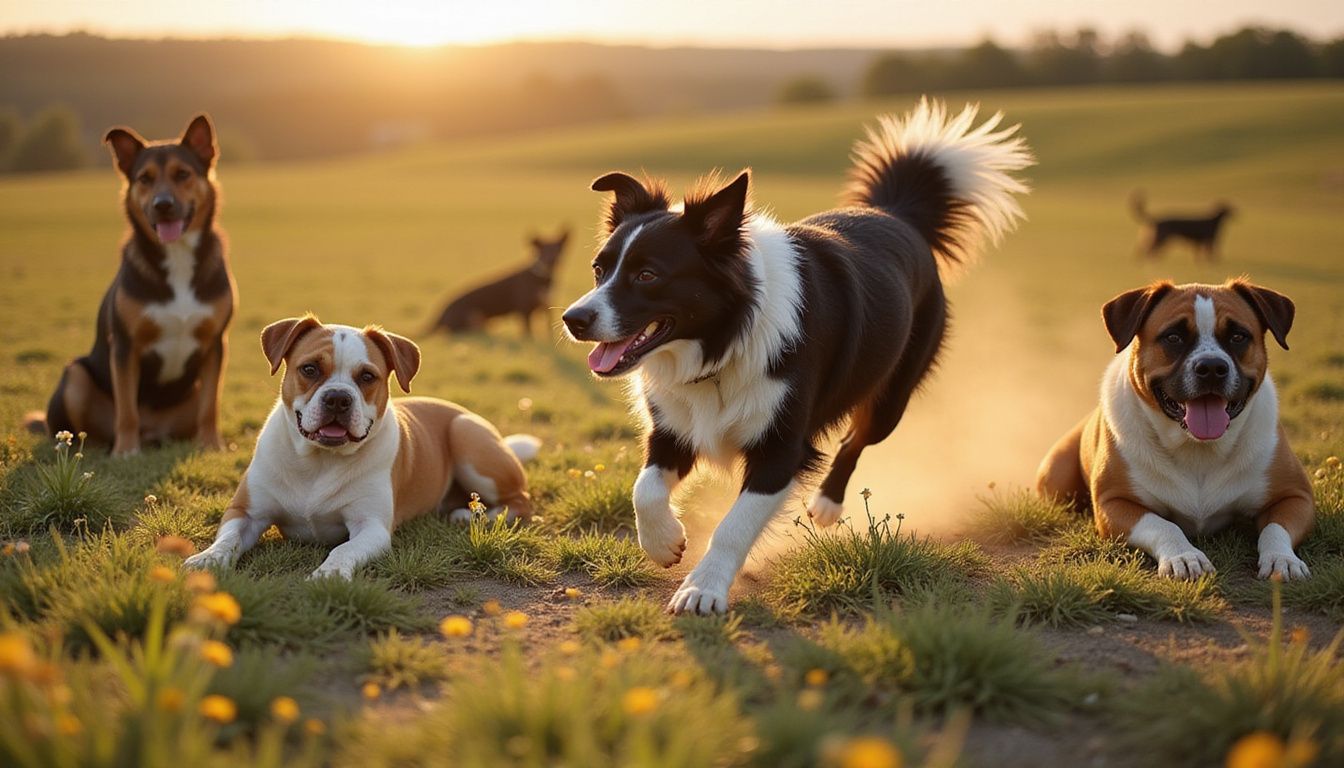
Ever stood at the shelter, torn between a sleepy Bulldog and a bouncy Border Collie mix?
You want a dog, but you’re stuck.
Maybe you work long hours at a desk job. Maybe your weekends are packed with hiking trips.
Here’s the truth: picking the wrong breed for your lifestyle leads to a frustrated pup and an exhausted owner.
The good news is that a dog breed that actually fits your daily routine builds a stronger, happier bond between you two.
This guide walks you through matching your activity level to the right dog breeds, from high-energy Border Collies to laid-back Bulldogs.
Grab a cup of coffee. I’ll walk you through exactly which dog fits your life, step by step.
Key Takeaways
- Match your dog’s energy level to your lifestyle. Low-energy breeds suit calm homes, moderate breeds need daily walks, and high-energy breeds require two hours of exercise plus mental stimulation every day.
- Low-activity lifestyles work best with Cavalier King Charles Spaniels, French Bulldogs, and Pugs, while high-activity owners thrive with Border Collies, Australian Shepherds, and Siberian Huskies.
- Apartment dwellers should choose small, calm breeds like Shih Tzus and Miniature Schnauzers, while homes with yards can handle bigger, active breeds like Golden Retrievers and Labrador Retrievers.
- Mental stimulation matters as much as physical exercise for every dog. It helps prevent destructive behaviors like excessive barking, separation anxiety, and furniture chewing through puzzle toys and training sessions.
- Most people overestimate their own activity level when choosing a dog. Picking a lower energy category keeps both of you happier in the long run.
Understanding Your Activity Level
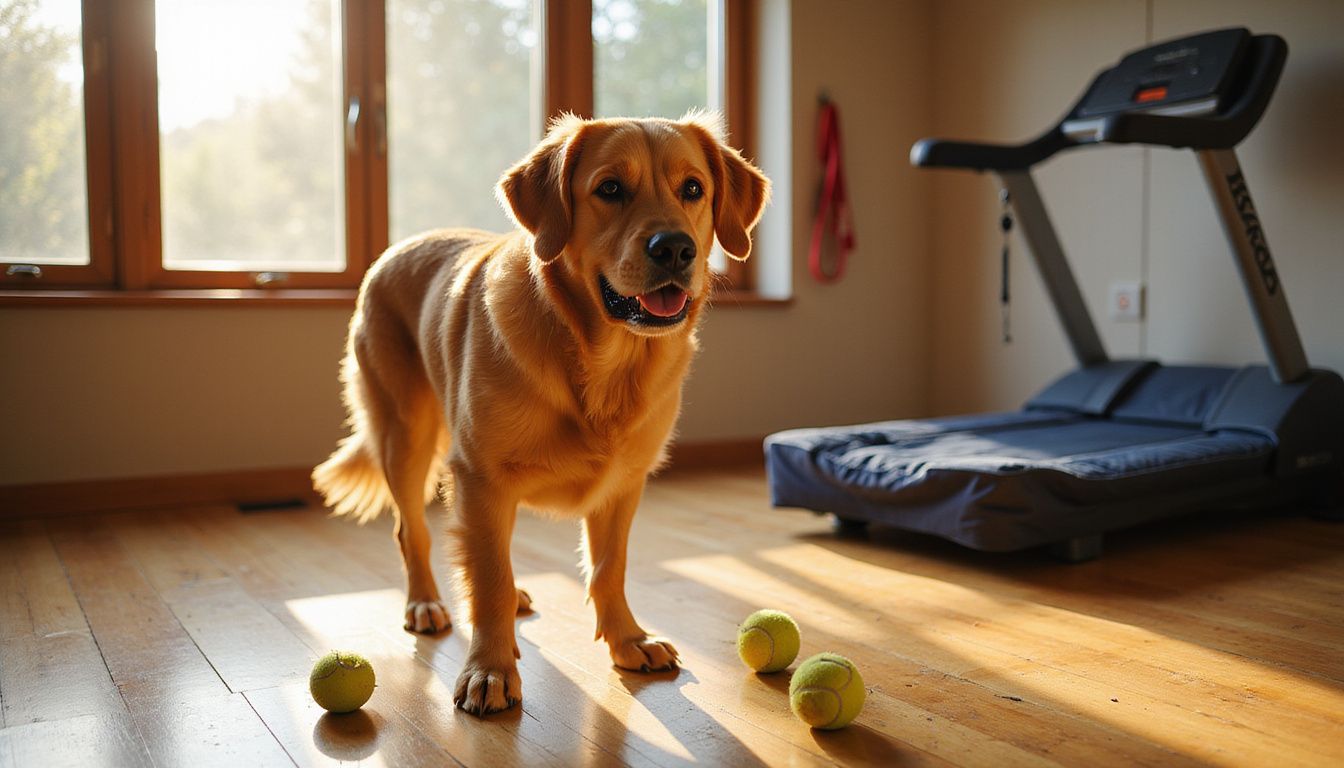
Your activity level shapes everything about dog ownership.
You need to match your daily routine to a dog’s energy needs, or you’ll both end up struggling.
What does a low activity lifestyle look like?
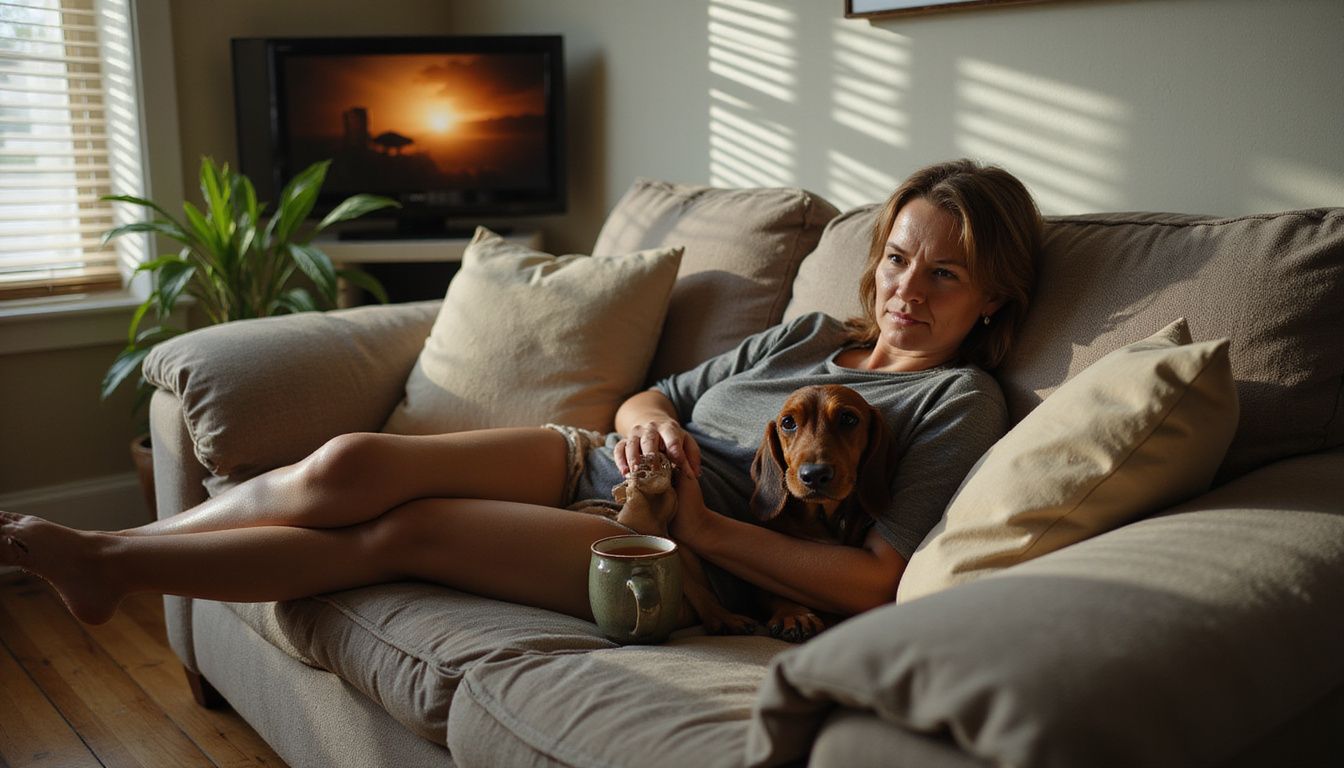
A low activity lifestyle means you spend most of your time indoors, working at a desk, or managing your home from a seated position.
Stay-at-home folks, seniors with mobility limits, and busy professionals often fall into this group. Apartment dwellers with limited space fit here too, and these routines usually involve occasional walks around the block instead of a structured fitness plan.
Here’s something worth knowing before you pick a dog. According to 2026 data and surveys from the Association for Pet Obesity Prevention, 59% of US dogs are classified as overweight or obese, and only 1 in 4 owners actually manage to keep their dog at a healthy weight. Choosing a breed that matches your true energy level protects your future dog from becoming one of those statistics.
Couch potato living doesn’t mean you’re lazy. It simply reflects how modern life works for a lot of people, and mental stimulation matters more than nonstop physical exertion in these situations.
Dogs suited for a low activity lifestyle need breeds that match your slower pace. Basset Hounds, Cavalier King Charles Spaniels, Shih Tzus, Pugs, and French Bulldogs all thrive in calm environments. You’ll also see Dachshunds on plenty of low-key lists, thanks to their short legs and love of naps.
These low-energy breeds need joint-friendly walks and mental stimulation rather than heavy exercise. Small to medium-sized dogs adapt well to tight spaces, which makes them great for apartment living.
Senior dogs or adult rescue dogs often come with steadier temperaments than energetic puppies.
“A dog doesn’t care if you’re running marathons or binge-watching your favorite shows; it just wants to be with you.”
Once you know what these calm breeds need, it’s easier to figure out which dog breeds fit a moderate activity lifestyle instead.
How active is a moderate activity lifestyle?
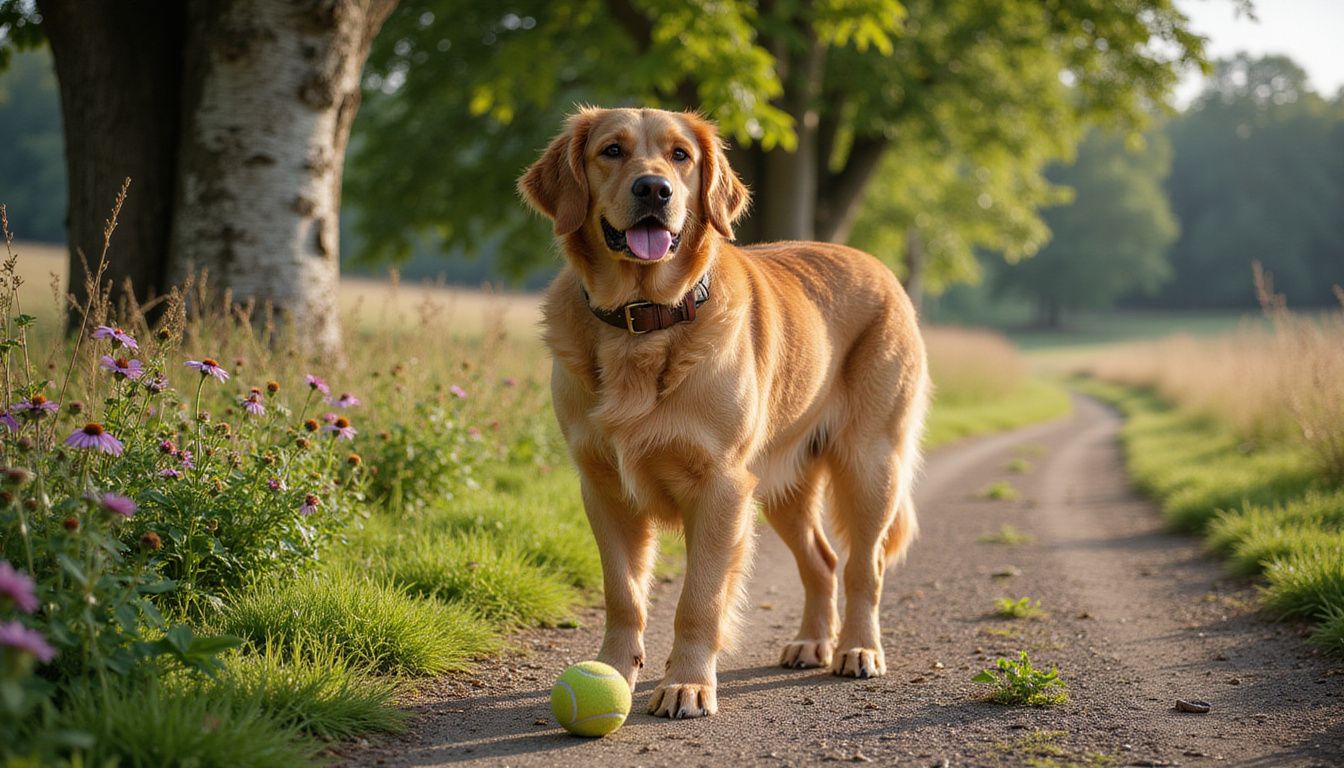
You live a moderate activity lifestyle when daily walks or light exercise fit naturally into your routine.
Maybe you hit the gym a few times a week. Maybe you enjoy casual outdoor hobbies on the weekends.
Your schedule allows for steady movement, but you’re not training for marathons or competing in sports.
This lifestyle means you can commit to about 45 minutes of exercise daily, though missing a day here and there won’t wreck your plans. You balance work, family, and personal time while staying healthy and energized.
Dogs thrive alongside you because they match your pace perfectly. A few solid picks for this energy level include:
- Beagles: friendly, curious, and happy with daily walks plus some sniffing time.
- Cocker Spaniels: 20 to 30 pounds, flexible exercise needs, and quick to match your energy.
- Boxers: playful outside, calm indoors once they’ve had their walk.
- Miniature Schnauzers: love daily walks paired with a few mental games.
- Cockapoos and Labradoodles: popular mixed breeds that also settle nicely into a moderate routine.
Labrador Retrievers also adapt beautifully to moderate schedules. They need about 45 minutes of exercise daily but stay patient when life gets busy.
Your activity level lets you provide steady dog walking and playtime without wearing yourself out. That’s a sustainable routine that keeps both you and your dog satisfied.
What defines a high activity lifestyle?
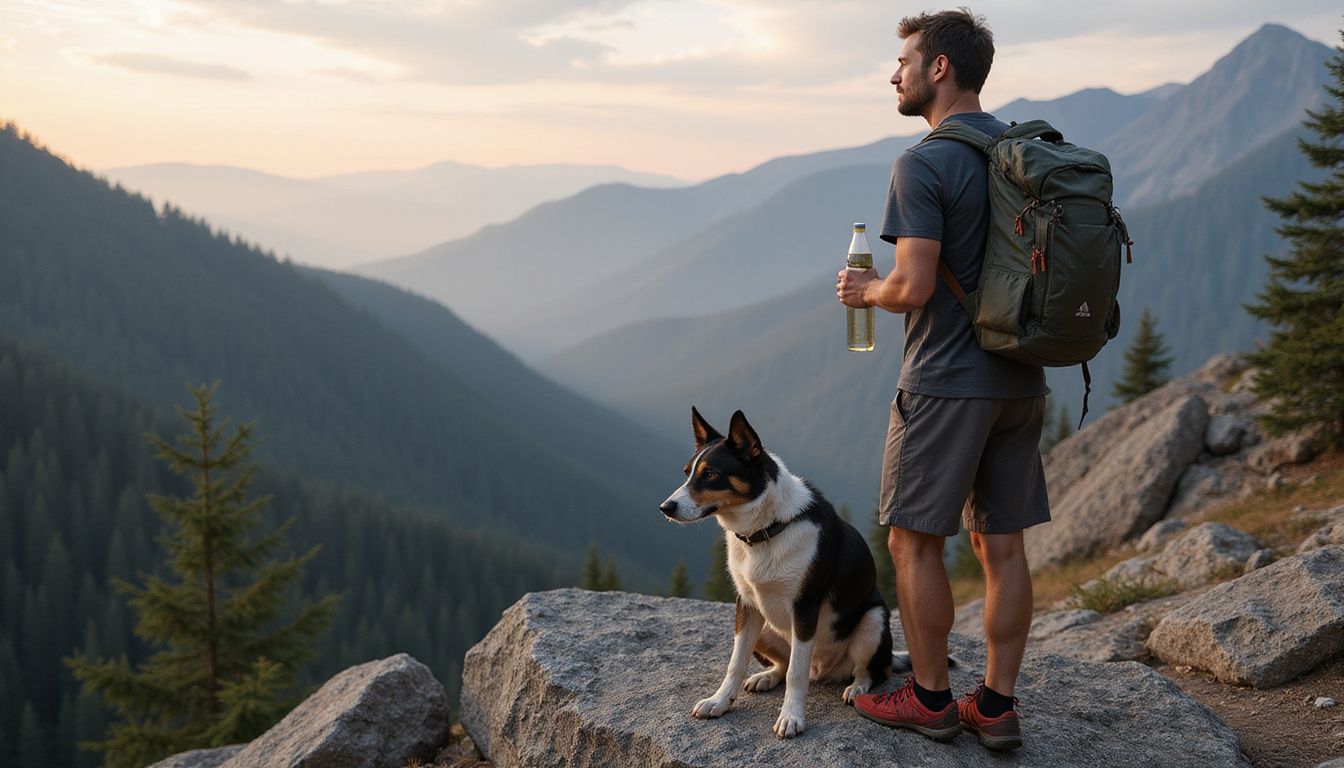
A high activity lifestyle means you exercise hard at least four times a week, and your weekends revolve around outdoor adventures instead of couch time.
Your idea of fun includes running marathons, hiking tough trails, cycling rugged terrain, or camping under the stars.
You wake up energized. You plan your days around physical activity, and exercise feels like part of who you are.
This lifestyle demands a dog that matches your pace, not one that naps all day while you’re out conquering mountains.
Your energy level shapes everything about dog ownership, so honest self-reflection matters here.
As revealed in a 2026 Harris Poll of US dog guardians, only 19% of dog owners walk their dogs for 30 minutes or longer per outing, and just 21% give their dogs enough time to stop and sniff around. If that sounds like you, a high-energy breed built for constant motion might not actually fit your real routine, even if it fits your dream routine.
If you truly thrive on constant movement and outdoor exploration, breeds like these fit your grind:
- Labrador Retrievers
- Border Collies
- Australian Shepherds
- Siberian Huskies
- German Shepherds
These working dogs need serious exercise and mental stimulation to stay balanced and happy.
Without the right outlets, even well-behaved high-energy breeds develop destructive habits, separation anxiety, and other behavior problems that frustrate everyone in the house. Border Collies demand two hours of daily exercise plus mental engagement, while Australian Shepherds need both physical work and mental challenges to feel secure.
Your active lifestyle isn’t just a preference. It’s the foundation that decides which dog breed will actually flourish in your home.
Best Dog Breeds for Each Activity Level
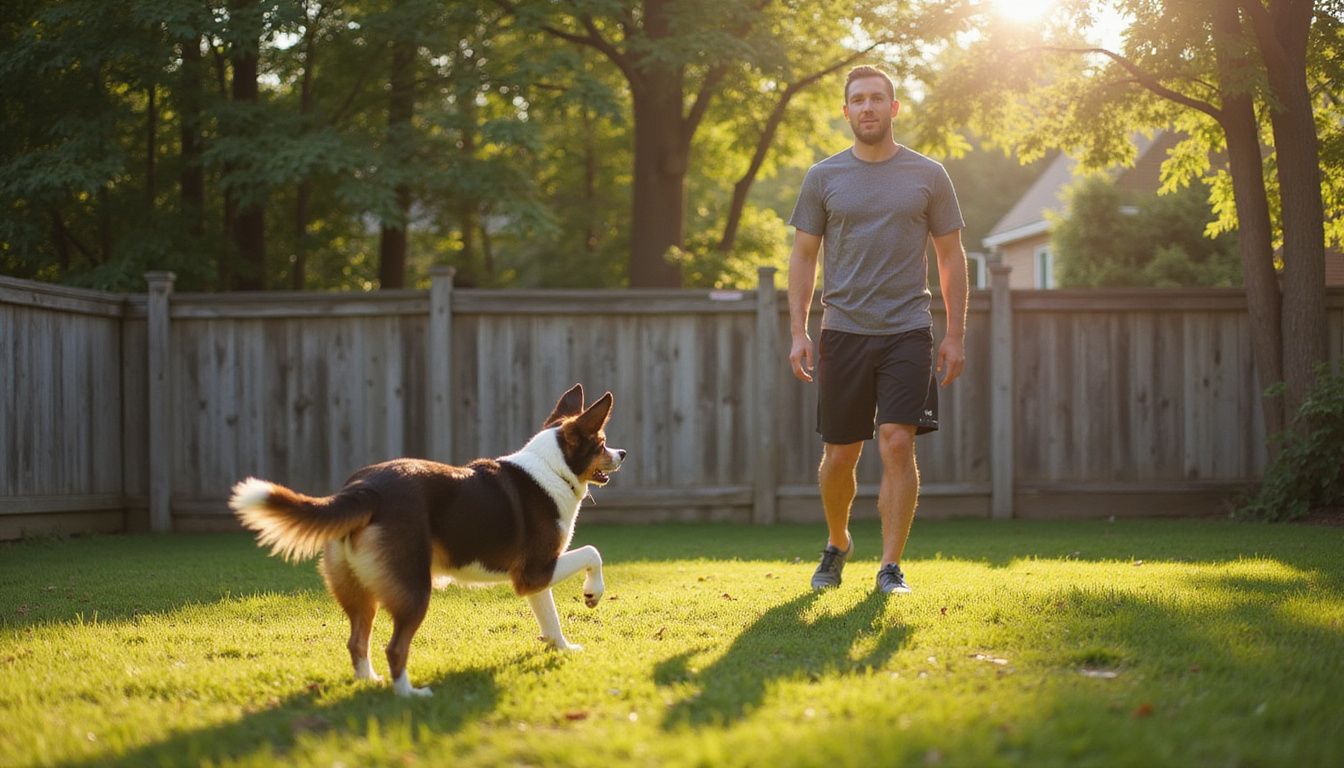
Your activity level shapes which dog breed works best for your home.
Matching your lifestyle to the right breed prevents frustration and keeps your dog happy and healthy.
Which dog breeds suit a low activity lifestyle?

If you spend most evenings on the couch and weekends reading books, a low-activity dog breed fits perfectly into your world.
| Breed Name | Weight Range | Key Characteristics | Exercise Needs | Best For |
|---|---|---|---|---|
| Cavalier King Charles Spaniel | 13-18 pounds | Offers companionship without overwhelming presence; gentle temperament; adaptable to apartment living | Short daily walks; moderate indoor play | People seeking affectionate lap dogs; those wanting a calm household companion |
| French Bulldog | Under 28 pounds | Ideal for apartments; requires minimal exercise; does not bark much; muscular build; charming personality | Brief walks; mostly indoor activity | Apartment dwellers; owners who prefer quiet, low-maintenance pets |
| Pug | 14-18 pounds | Strong personality in compact form; requires short walks and indoor play; may face breathing issues in extreme heat | Short walks; light play sessions | Owners in temperate climates; those wanting playful but manageable companions |
| Basset Hound | 40-60 pounds | Provides comforting weight; patient demeanor; loves lounging; excellent for sedentary households | Leisurely walks; mostly rest and relaxation | People wanting a substantial yet calm presence; families preferring slow-paced routines |
| Shih Tzu | 9-16 pounds | Suitable for apartments; forms deep bonds with owners; needs regular grooming; alert and affectionate | Short walks; indoor companionship focus | Owners committed to grooming; those wanting devoted lap dogs |
| English Bulldog | 40-50 pounds | Among the low-activity breeds; stocky build; loves napping; excellent apartment dog; sensitive to heat | Moderate exercise; needs relaxation time | Sedentary households; owners in cooler climates; apartment residents |
| Beagle | 20-30 pounds | Low maintenance due to short coat; friendly nature; requires little grooming; curious but manageable | Regular but moderate walks; sniffing activities | Busy owners; those wanting minimal grooming demands |
| Boxer | 60-70 pounds | Low maintenance coat; requires little grooming; loyal; protective; calm indoors despite size | Moderate daily exercise; content with lounging | Owners wanting a protective presence without high grooming needs |
| Dalmatian | 45-70 pounds | Short coat requires little grooming; distinctive spotted appearance; independent streak; calm when exercised | Moderate regular activity; settles indoors well | Owners managing low-grooming requirements; those wanting visual appeal |
| Basenji | 22-26 pounds | Independent breed; prefers own space; minimal barking; aloof nature; self-sufficient temperament | Moderate walks; independent play preferred | Owners seeking less dependent companions; those valuing solitude |
| Shiba Inu | 17-23 pounds | Independent breed; better suited for owners seeking less dependency; dignified; content alone; low maintenance | Short walks; self-entertaining indoors | People wanting aloof companions; owners comfortable with independent personalities |
Low-activity dogs thrive in calm environments where they spend a lot of time resting. These breeds match a lifestyle built around home life rather than outdoor adventures.
Cavalier King Charles Spaniels deliver affection without demanding constant engagement. Their 13 to 18 pound frame fits snugly on your lap or in a small apartment.
What dog breeds match a moderate activity lifestyle?
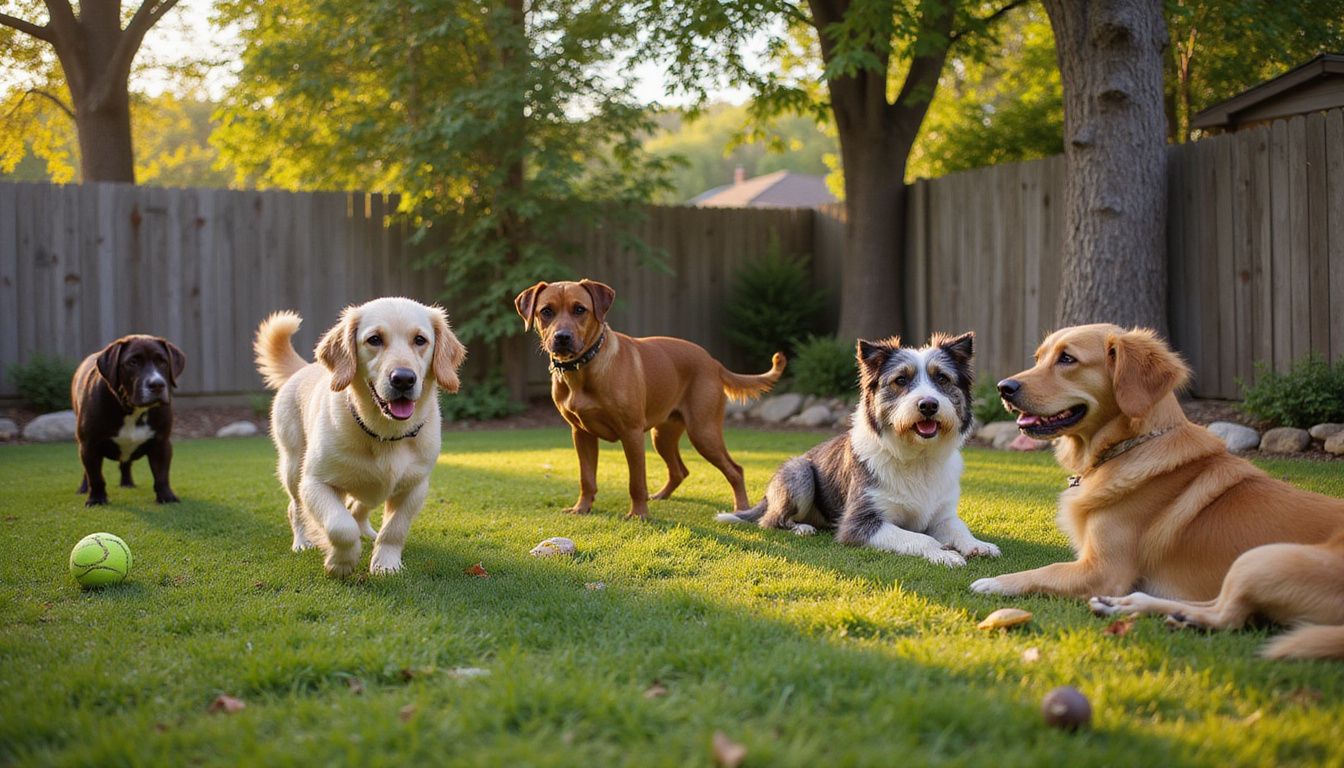
You’ve found your sweet spot with moderate activity breeds, the Goldilocks zone of dog ownership that balances companionship with reasonable exercise demands.
| Breed Name | Exercise Needs | Weight Range | Living Situation | Key Traits | Grooming Requirements |
|---|---|---|---|---|---|
| Cocker Spaniel | Flexible; daily walks and playtime | 20-30 pounds | Houses or larger apartments | Playful, sensitive, loyal companion | Regular brushing to maintain coat |
| Labrador Retriever | Daily walks and moderate play | 55-80 pounds | Homes with yard space | Friendly, eager to please, adaptable | Regular brushing needed for coat health |
| Boxer | Daily walks and playtime | 60-70 pounds | Houses with accessible yards | Moderate-energy, playful, protective | Minimal grooming, short coat |
| Miniature Schnauzer | Daily walks and mental games | 11-20 pounds | Apartments or small homes | Intelligent, alert, apartment-friendly | Regular grooming for wiry coat |
| Collie | Daily walks and playtime | 50-75 pounds | Houses with yard access | Intelligent, gentle, family-oriented | Regular brushing for long coat |
| Soft-Coated Wheaten Terrier | Daily walks and moderate activity | 30-40 pounds | Houses or spacious apartments | Energetic, affectionate, social | Regular grooming for soft coat |
Moderate activity breeds don’t demand marathon training sessions or intense athletic pursuits. Your daily routine stays manageable, with regular walks and occasional playtime keeping these dogs satisfied and healthy.
Cocker Spaniels bring playful energy paired with flexible exercise needs. Their sensitive nature means they respond well to positive reinforcement during training.
Labrador Retrievers thrive on consistent daily walks and moderate playtime without needing extreme conditioning. These friendly dogs adapt well to family life and genuinely want to please you.
Boxers offer moderate energy that matches a relaxed but active lifestyle nicely. Their enthusiasm for playtime pairs well with calm indoor behavior during rest periods.
Miniature Schnauzers excel at apartment living, a big plus if your space is limited. These smart dogs respond great to mental stimulation games and puzzle toys beyond standard walks.
Here’s what keeps moderate-energy breeds like these content long term:
- Daily walks paired with some off-leash playtime in a fenced area.
- Puzzle toys or short training sessions to keep their brain busy.
- A living space that matches their size (apartments work for Schnauzers and Cocker Spaniels, yards help bigger Labradors).
- Regular grooming, since several of these breeds need brushing to stay comfortable.
Collies and Soft-Coated Wheaten Terriers round out this moderate category with gentle temperaments. Both breeds enjoy daily walks and playtime without needing intense athletic training.
Your living situation plays a real role in picking the right moderate-energy breed. Apartment dwellers find success with Miniature Schnauzers and Cocker Spaniels, while bigger breeds like Labradors do best with yard access.
Which dog breeds are ideal for a high activity lifestyle?

If moderate activity feels like a warm-up lap, high activity living is the main event.
Your energy runs high, your calendar stays packed with outdoor adventures, and sitting still feels almost impossible.
That’s when certain dog breeds truly shine. These athletic companions match your pace and thrive when life moves fast.
| Dog Breed | Weight Range | Daily Exercise Needs | Key Characteristics | Best For |
|---|---|---|---|---|
| Border Collie | 30-55 lbs | 2+ hours daily, plus mental challenges | Highly intelligent, energetic, develops destructive behaviors without adequate exercise | Hiking and running enthusiasts who can commit serious time to training |
| Siberian Husky | 45-60 lbs | Intense physical exercise and mental engagement required | Bred for endurance, strong prey drive, needs experienced handlers | Cold-weather lovers planning marathons and long-distance activities |
| German Shepherd | 50-90 lbs | Daily vigorous activity plus training sessions | Trainable, energetic, forms intense bonds, requires proper socialization | Active families or individuals spending considerable time outdoors |
| Labrador Retriever | 55-80 lbs | At least 1+ hours daily exercise | Friendly, high-energy, loves water and outdoor adventures | Families with active lifestyles and access to swimming or retrieving activities |
| Australian Shepherd | 40-65 lbs | Physical activity plus mental engagement | Strong protective instincts, intelligent, needs consistent challenges | Active owners prepared for both physical and cognitive stimulation |
| Golden Retriever | 55-75 lbs | Minimum 1 hour daily, adapts to owner’s energy | Adaptable, friendly, enjoys outdoor adventures, responds well to training | Families balancing high activity with some flexibility |
Border Collies lead the pack when intelligence matters most. These dogs thrive on challenges and hate boredom.
Hiking, running, and agility training all appeal to their busy brains. Expect to spend two hours daily on exercise alone, plus real mental stimulation.
Skip that commitment, and destructive behaviors follow fast.
Trainers like Cesar Millan often point out that a tired dog is a well-behaved dog, and few breeds prove that rule faster than a bored Husky.
Siberian Huskies pack intense energy into a compact frame. Bred for endurance, they run circles around most other breeds.
Winter activities, long-distance treks, and rough terrain bring them alive. These dogs need experienced handlers who understand their strong prey drive and independent streak.
German Shepherds combine trainability with explosive energy. Their 50 to 90 pound frames carry muscle and drive.
They form intense bonds with their owners but need proper socialization early on to avoid becoming overly protective.
Before you commit to one of these high-octane breeds, watch for these red flags in your own routine:
- You skip workouts more often than you complete them.
- Weekend plans usually involve the couch instead of the trail.
- You travel a lot for work and can’t guarantee daily exercise time.
- You want a dog that adapts to your schedule, not one that dictates it.
If any of that sounds familiar, a moderate or low-energy breed will make life easier for both of you. Smaller high-energy breeds like Jack Russell Terriers and Staffordshire Bull Terriers need just as much daily activity as the big dogs, so don’t assume small means low-key.
Labrador Retrievers bring friendliness to the high-energy category. At 55 to 80 pounds, they love water, outdoor adventures, and retrieving games. One hour minimum of daily exercise keeps them satisfied, though they’ll happily take more.
Australian Shepherds demand both physical work and mental puzzles. Their strong protective instincts mean consistent engagement prevents behavior issues.
Golden Retrievers weigh 55 to 75 pounds and adapt well to your energy level. At least one hour of daily exercise satisfies most, though highly active owners can push further.
How Does Your Living Space Affect Dog Choice?
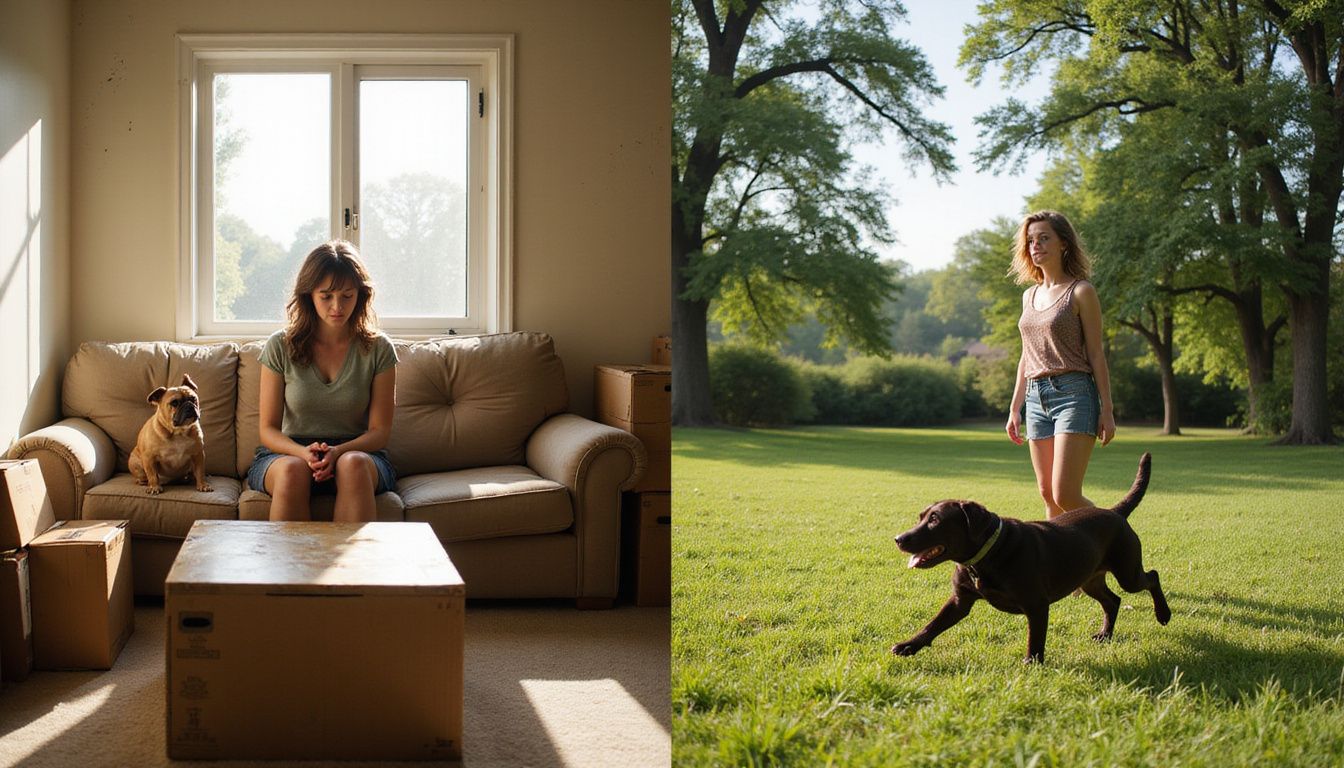
Your living space shapes which dog breed thrives in your home.
Let’s look at how apartments and yards change your dog selection.
Should you get a dog if you live in an apartment or a house with a yard?
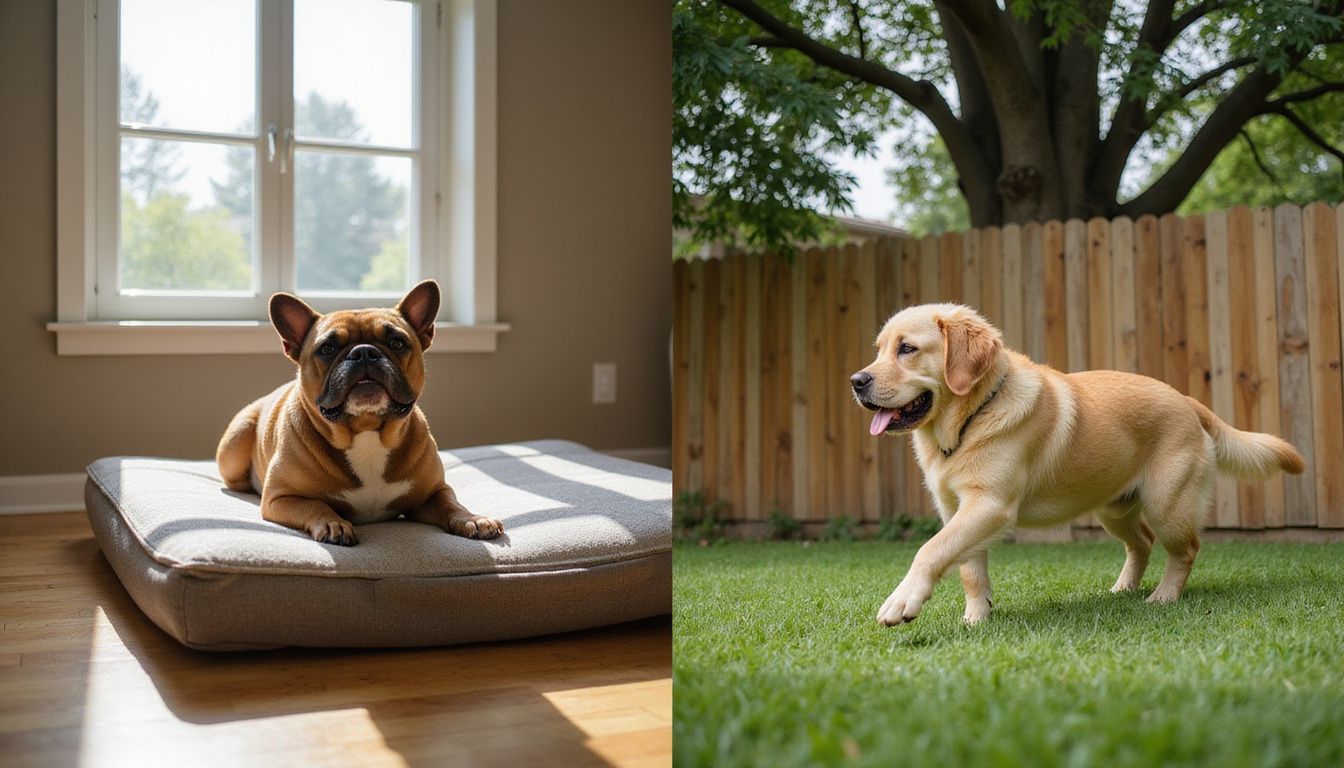
Living in an apartment doesn’t mean you can’t bring home a dog.
Small breeds like French Bulldogs, Cavalier King Charles Spaniels, and Pugs thrive in compact spaces because they need less room to move around. According to a 2025 rental landscape analysis by RentCafe, the average newly built US apartment measures just 908 square feet. Picking a calm, small breed actually matches the real square footage most renters have to work with.
Shih Tzus and Maltese dogs also fit perfectly in smaller homes since they stay calm indoors.
A dog id tag helps keep your pet safe in crowded apartment buildings, and crate training gives your dog a cozy den-like space of its own. The key is matching the dog’s size and energy to your actual living situation.
| Living Space | Great Breed Matches | Why It Works |
|---|---|---|
| Apartment (under 1,000 sq ft) | French Bulldog, Cavalier King Charles Spaniel, Pug, Shih Tzu, Maltese | Low energy, calm indoors, comfortable in tight spaces |
| House with a yard | Golden Retriever, Beagle, Springer Spaniel, Basset Hound, Bernese Mountain Dog | Need room to run, sniff, and burn off daily energy |
Houses with yards open up more options for active breeds.
Golden Retrievers and Beagles love having outdoor space to run and play. These dogs burn energy through canine fitness activities that a yard makes easy.
Springer Spaniels and English Cocker Spaniels also do well with outdoor access. Basset Hounds and Bernese Mountain Dogs appreciate room to stretch their legs.
Agility training becomes much easier when you have a yard for practice. Dalmatians and Greyhounds especially need space to move freely, even though Greyhounds are surprisingly happy to nap most of the day once they’ve had their sprint.
The truth is, apartment life works fine for calm dogs, but active breeds do better with a yard where they can burn energy daily.
How Much Time Should You Spend on Exercise and Training?

Your dog’s exercise and training schedule can make or break your experience as a pet owner.
Dogs need daily physical activity, mental stimulation, and consistent obedience training to stay happy and well-behaved in your home.
What are the daily exercise needs for dogs?
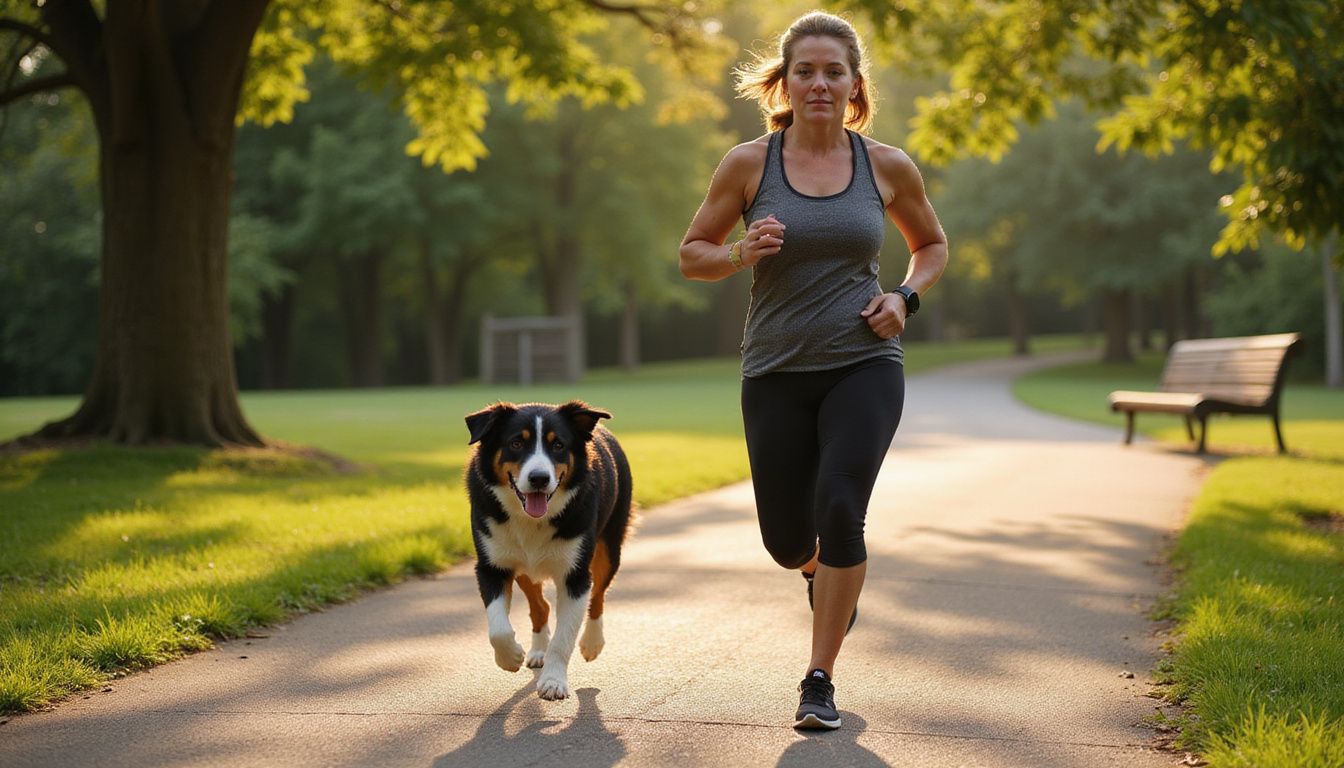
Dogs need different amounts of exercise based on their energy level and breed.
Understanding these numbers helps you pick a dog that fits your actual lifestyle, not the one you wish you had.
| Energy Level | Example Breeds | Daily Exercise Needed |
|---|---|---|
| Low | Basset Hound, Shih Tzu, English Bulldog | Short walks plus plenty of lounging time |
| Moderate | Beagle, Boxer, Cocker Spaniel | Daily walks and regular playtime |
| High | Border Collie, Australian Shepherd, Siberian Husky | Over 2 hours, plus mental stimulation |
| Labrador Retriever | All coat colors | About 45 minutes; forgiving if you miss a day |
| Golden Retriever | All coat colors | At least 1 hour daily to stay sharp |
A few extra notes worth keeping in mind:
- Border Collies demand two hours of daily exercise plus mental stimulation through obedience training and puzzle games. They were bred to herd, so they need constant engagement to thrive.
- Brittany Spaniels were bred for hunting, so they need regular outdoor activities to stay balanced and avoid behavior problems.
- Puppies are energetic but need controlled exercise to protect their growing joints and bones. Senior dogs need less activity than younger dogs.
- Mental stimulation matters as much as physical exercise. Reward schedules during training sessions keep a dog’s mind just as satisfied as its legs.
- Gear tip: a tri-harness with front and back clips can help control pulling on walks, especially with strong breeds like Huskies or German Shepherds.
Tracking real owner routines reveals a common pattern. People who choose moderate-energy breeds like Labradors typically get close to the recommended 45 minutes of daily exercise, averaging around 40 minutes of active time.
High-energy breed owners face a bigger challenge, though. Border Collie owners often fall short of the recommended two hours, averaging closer to 95 minutes daily.
Apartment dwellers with small, low-energy breeds tend to provide about 22 minutes of walks per day, which actually suits their dogs’ minimal needs just fine.
The gap between expectation and reality grows wider as a breed’s energy level increases. That’s exactly why you should honestly assess whether you can deliver consistent exercise before committing to a high-energy companion.
How much mental stimulation does a dog require?

Physical exercise alone won’t cut it for your future dog.
Mental stimulation matters just as much, sometimes even more, for keeping your companion happy and well-behaved.
- High-energy breeds like Border Collies and Australian Shepherds need both physical activity and mental challenges every day to stay balanced.
- Your dog’s brain needs regular engagement through puzzle toys, training sessions, and interactive games to prevent boredom and destructive behavior.
- Dogs without proper mental enrichment often develop habits like excessive barking, separation anxiety, or chewing furniture out of frustration. A 2025 study by the Texas A&M University College of Veterinary Medicine, using data from the Dog Aging Project, found that over 85% of dogs show moderate to severe separation and attachment issues, things like destructive chewing, pacing, and barking. That number alone makes mental enrichment a requirement, not a nice-to-have.
- Soft-Coated Wheaten Terriers and Collies thrive when you give them daily mental challenges that tap into their natural working instincts.
- Puzzle feeders and treat-dispensing toys work great for keeping your dog’s mind sharp while you’re busy with other things.
Training sessions, even just fifteen minutes a day, give your dog’s brain the workout it craves and strengthen your bond at the same time. Rotating toys keeps things fresh, and reward schedules during practice help your dog stay motivated instead of bored.
Scent work games and hide-and-seek activities tap into your dog’s natural instincts too. The folks behind the Pack Talk podcast often point to these simple games as some of the easiest ways to tire out a smart dog’s brain without leaving your living room.
Conclusion
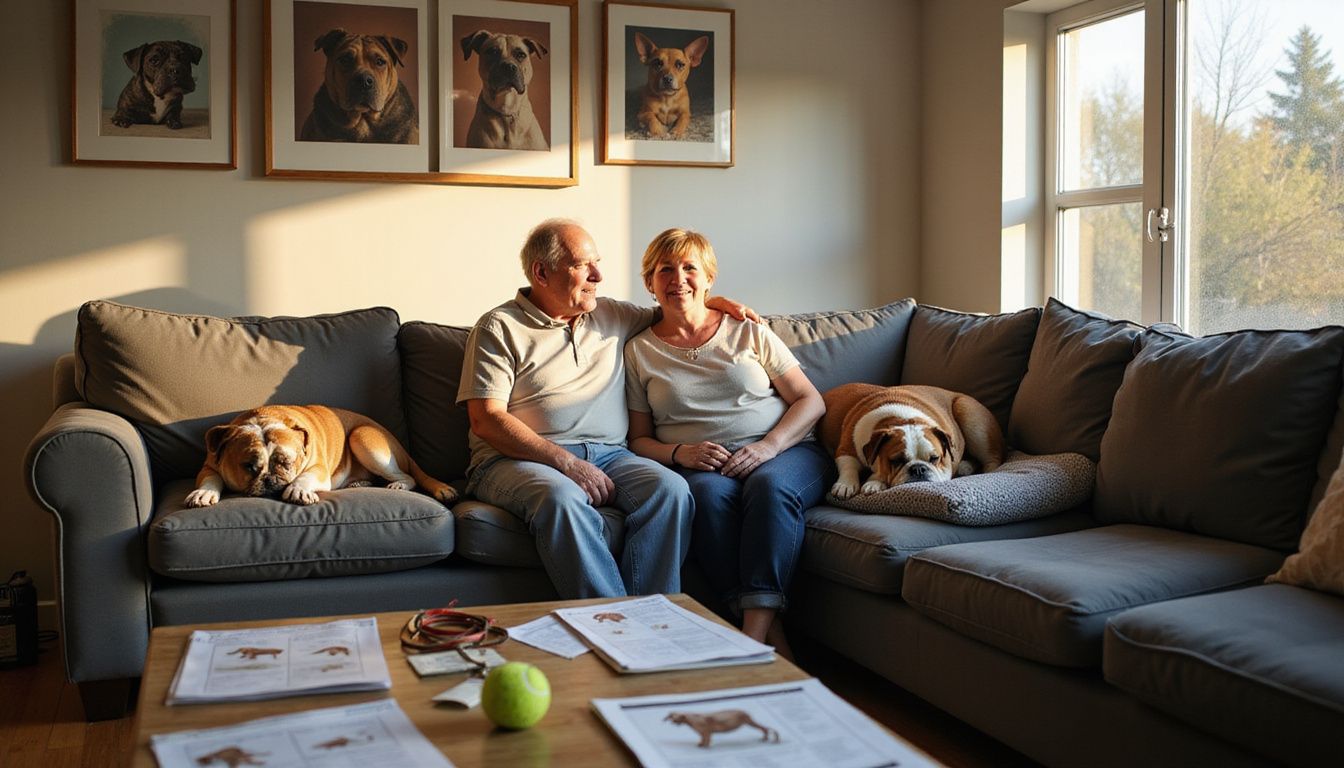
Picking the right dog breed changes your daily life in ways you don’t expect.
Take time to match your energy level with a dog that shares your pace.
Low-energy breeds like Chihuahuas and Bulldogs thrive with couch time. Moderate breeds like Beagles enjoy daily walks. High-octane pups like Border Collies demand serious outdoor commitment and mental stimulation.
Your living space matters just as much as your schedule. Apartments suit smaller breeds, while homes with yards handle Great Danes and Golden Retrievers beautifully.
One high-activity household planned to adopt a high-energy puppy but switched to an adult Cavalier King Charles Spaniel after honestly looking at their daily routine. In the week before that decision, they logged three incidents of destructive behavior while preparing for the demanding puppy. After adopting the Cavalier and sticking to short walks plus 15-minute daily training sessions for 30 days, those incidents dropped to zero and the schedule conflicts disappeared too.
The owner said switching to a calmer companion cut daily friction right away and fit the real schedule, not the dream one.
Most people overestimate their own activity level when picking a dog breed. Choosing a lower energy category keeps both of you happier and helps prevent destructive dog behavior down the road.
Start your search today. Check out training resources from Canine Revolution Dog Training, connect with local vets like Hudson Highlands Veterinary Medical Group in Hopewell Junction, or join a community of fellow dog owners on Facebook to swap tips and stories.
Take that first step. The bond you build with the right dog lasts a lifetime.
FAQs
1. What is the best dog for a highly active person?
If you love to run or hike, a Jack Russell Terrier or Labradoodle might be your perfect match. These high energy breeds typically need at least 60 to 90 minutes of vigorous exercise daily according to the American Kennel Club, and a Staffordshire Bull Terrier also fits this bill with its energetic, sturdy build.
2. What breeds work well for people who prefer a calmer lifestyle?
Chihuahuas are great for folks who like a quieter pace, usually needing just 20 to 30 minutes of daily activity. Dachshunds also do well with moderate walks instead of intense workouts, and these breeds still need attention but won’t demand constant action.
3. How does dog training change based on activity level?
Dogs with high energy, like those inspired by Cesar Millan’s training methods, often need more structured dog training to channel their energy properly. A 2024 study published in Applied Animal Behaviour Science found that high energy breeds benefit most from training sessions combined with physical exercise. Calmer breeds may need less intensive training but still benefit from basic obedience work, and places like Canine Revolution Dog Training can help you figure out the right approach for your dog’s personality.
4. Are Cockapoos a good choice for busy families?
Yes, Cockapoos adapt well to different lifestyles and typically need about 30 to 45 minutes of exercise per day. They enjoy playtime but don’t demand constant exercise like some working breeds do, making them a solid pick for families juggling school runs and after school activities.
5. Where can I find professional advice on matching a dog to my lifestyle?
Local vets, like the Hudson Highlands Veterinary Medical Group in Hopewell Junction, can offer guidance based on your specific needs. You can also check trusted sources like pmc.ncbi.nlm.nih.gov for research backed insights on dog behavior, and many trainers share helpful tips on Facebook too, so don’t be afraid to ask around.