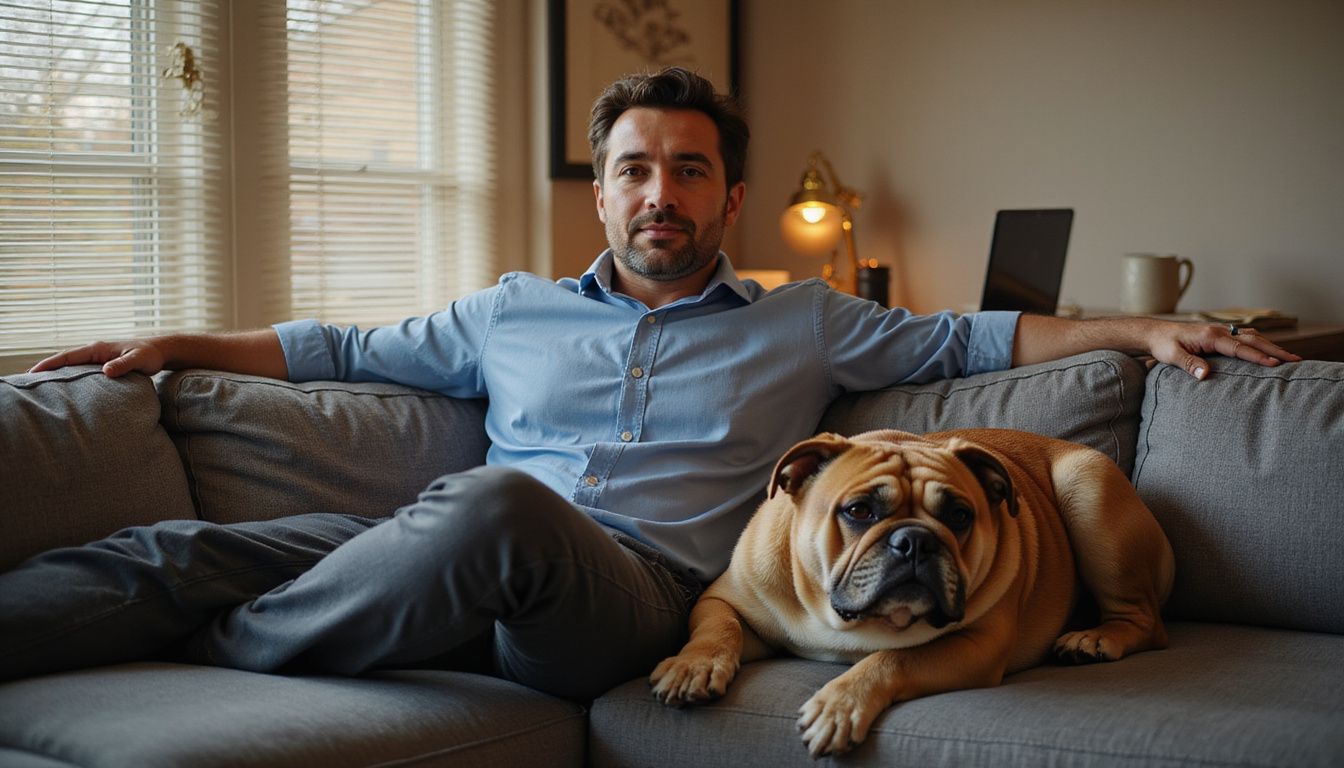
Ever come home after a long day at the office and wish a dog was waiting by the door?
You want that. But your full-time job keeps you gone for eight or nine hours a day, and you’re not sure a dog can fit into that kind of life.
Here’s the good news. Millions of working professionals raise happy, well-adjusted dogs every day.
The secret isn’t finding more free time. It’s picking from the dog breeds built for your kind of schedule.
I’ll walk you through the best dog breeds for full-time workers, the traits that make a dog easy to live with when you’re busy, and a few tricks for balancing pet care with a packed calendar. Grab a coffee, and let’s get into it together.
Key Takeaways
- Low-maintenance dog breeds like Basset Hounds, Greyhounds, and French Bulldogs thrive with full-time working owners who spend eight hours at the office daily.
- Dogs over two years old adapt better to alone time than puppies, making older shelter dogs a smart pick for busy professionals.
- Short-coated breeds need far less grooming than long-haired dogs, saving you hours each month and cutting down on professional grooming bills.
- Hiring dog walkers or pet sitters for midday breaks helps prevent behavior problems and keeps bathroom routines on track during long work hours.
- Crate training builds a predictable daily routine that eases separation anxiety and helps your dog feel secure while you’re at work.
What Are the Key Traits for Dogs Suited to Busy People?
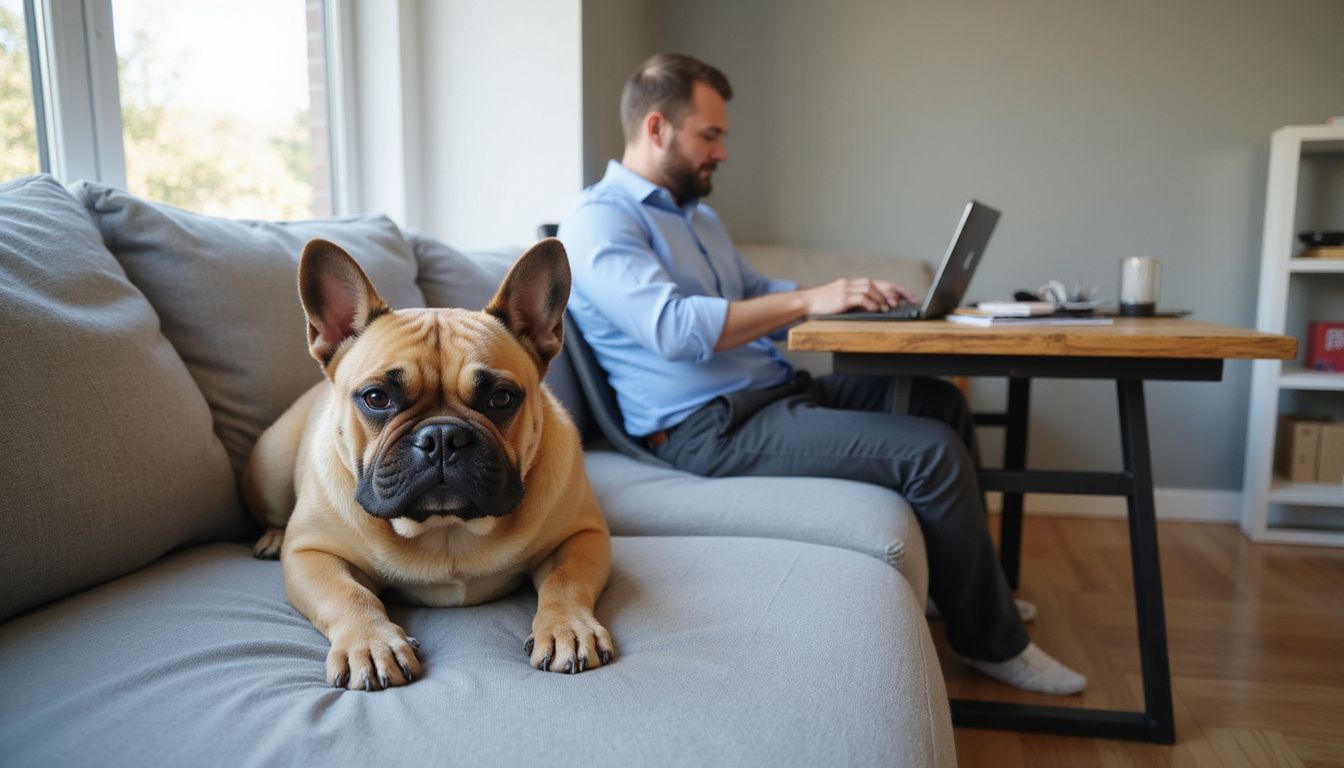
You need a dog that stays calm while you work all day, doesn’t demand hours of exercise, and won’t drive you crazy with grooming sessions. Your perfect match has a laid-back personality, moderate exercise needs, and a short coat or simple grooming routine that fits your packed schedule.
How Important Is Low Maintenance Grooming for Busy Dog Owners?
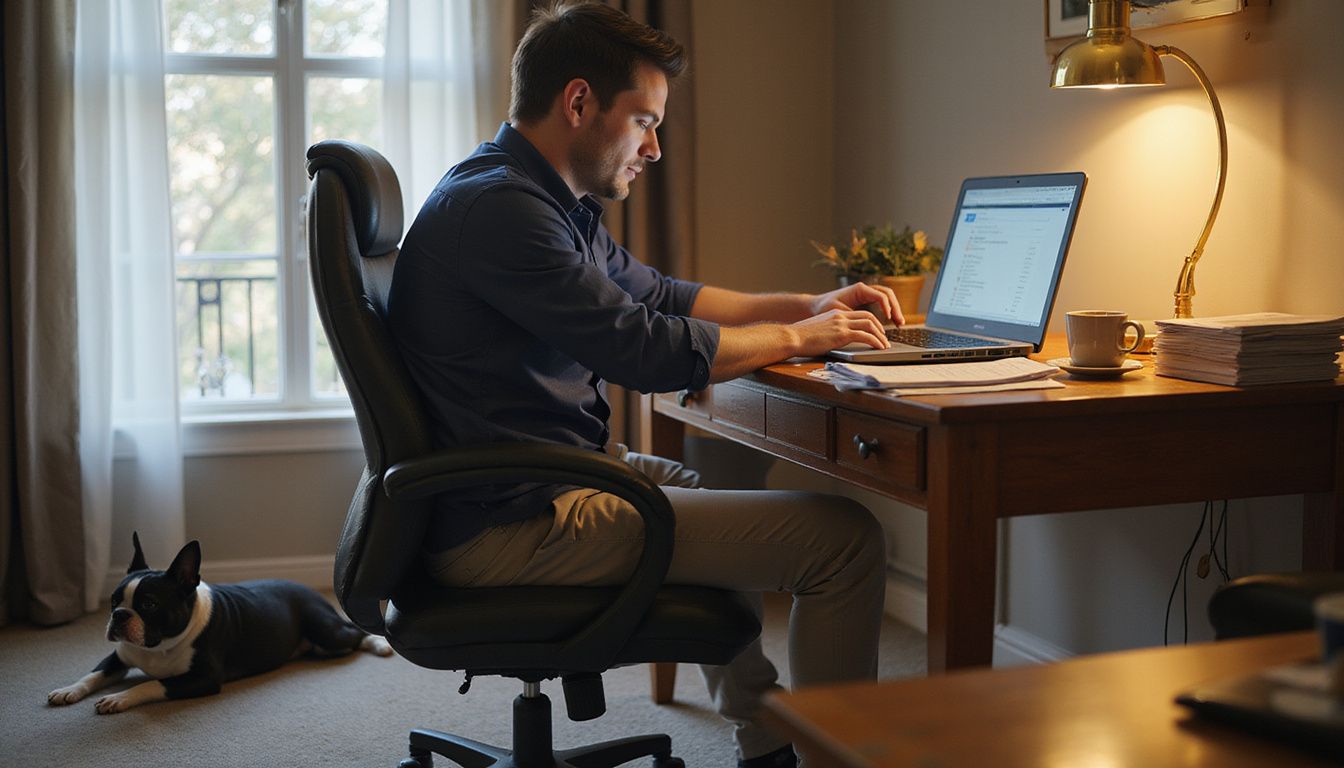
Grooming requirements matter more than you might think once your schedule fills up fast. Low-maintenance dog breeds save you hours each month, and that time adds up quickly. Sherry Shivley recommends breeds like Schipperkes or Spitz for busy owners since these dogs need barely any coat care, and Miniature Schnauzers offer that same small-size, low-fuss combo.
Long-haired breeds sit on the other end of the scale. They demand regular brushing and pricey grooming sessions that eat into both your wallet and your calendar. Researching breed grooming needs through reputable sources like AKC Breed Clubs gives you solid information before you commit, and attending a Meet and Greet at an AKC show lets you talk to breed experts and see the grooming demands up close.
Shih Tzus need regular grooming to keep their coat in shape, so they’re not the truly hands-off breed some people expect. Dogs with shorter coats usually only need brushing once or twice a week instead of daily sessions.
| Coat Type | Weekly Grooming Time | Typical Professional Cost |
|---|---|---|
| Short-coated breeds | About 12 minutes | Occasional bath, minimal ongoing cost |
| Long-haired breeds | About 75 minutes | $85 average per session, often $100 to $150 for larger dogs |
Those numbers come from a timed comparison of 30 weekday grooming sessions, and according to 2026 pricing data from Bark.com, a full professional groom now runs about $85 on average nationwide. When you only have evenings free, cutting grooming from more than an hour to about 12 minutes a week makes dog care realistic for a full-time worker.
Your work schedule decides whether you can handle grooming yourself or need a pro on speed dial. Pick a low-maintenance breed, and you’ll spend more time on walks and training, and a lot less time fighting mats and booking salon appointments.
Can Dogs Tolerate Being Alone While Their Owners Work?
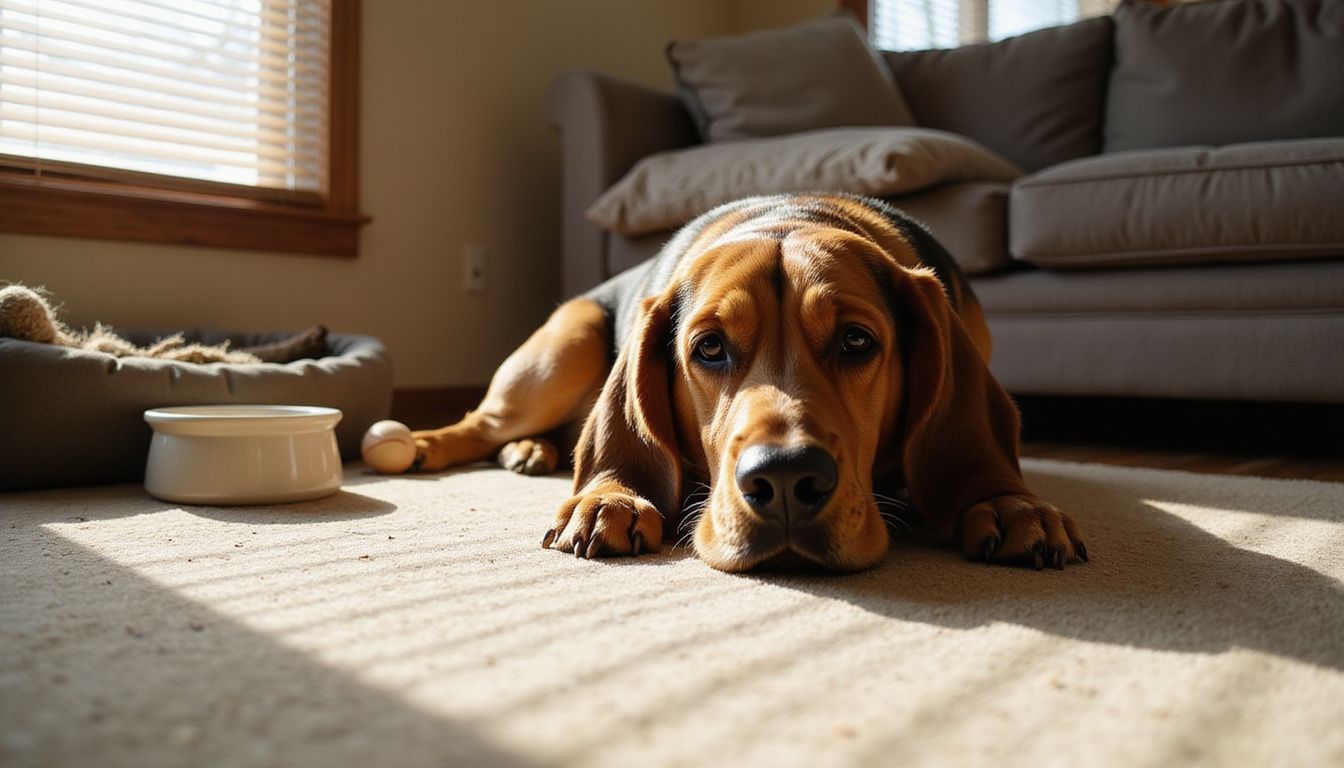
Your dog’s ability to handle alone time depends a lot on breed and age. Some dogs settle into an empty house without a fuss, while others struggle from day one.
- Basset Hounds adapt exceptionally well to solitude thanks to their patient, loyal nature.
- Bulldogs lounge and nap for hours without a peep of complaint.
- Greyhounds spend their days napping and are ready to relax the moment you get home.
- Chow Chows bring a natural independence that keeps loneliness from becoming an issue.
- French Bulldogs and Scottish Deerhounds stay content solo, as long as they get some exercise and attention beforehand.
Dogs over two years old handle your absence far better than puppies do. Older dogs from shelters often adapt faster than young pups that need constant attention.
Tracking data from newly adopted adult shelter dogs over their first eight weeks with working owners backs this up. Before adoption, none of the dogs had an established home routine. After eight weeks in a working household, most showed steady alone-time behavior, with fewer than two separation-type incidents per week. This pattern makes adult rescue dogs a genuinely practical choice for anyone who can’t offer constant supervision.
According to a nationwide Certapet study on pandemic and post-pandemic pet behaviors, up to 76% of U.S. dogs now show signs of separation anxiety, a huge jump from the pre-pandemic estimate of just 14%. That number makes breed choice even more important. It’s not a small detail. It’s the difference between a dog that settles in and one that struggles every time you leave.
Even so, many breeds handle your work hours without ever developing behavior problems, and mixed-breed dogs, especially older rescues, often surprise their owners with how easily they adjust. A veterinarian can assess your dog’s temperament and suggest crate training to build a comforting routine while you’re gone, and a dog walker or pet sitter can fill in the gaps on longer days.
Choosing a dog that thrives during your work hours, instead of one that struggles with loneliness, sets both of you up for a happier life together.
What Are Moderate Exercise Needs for Dogs with Full-Time Owners?
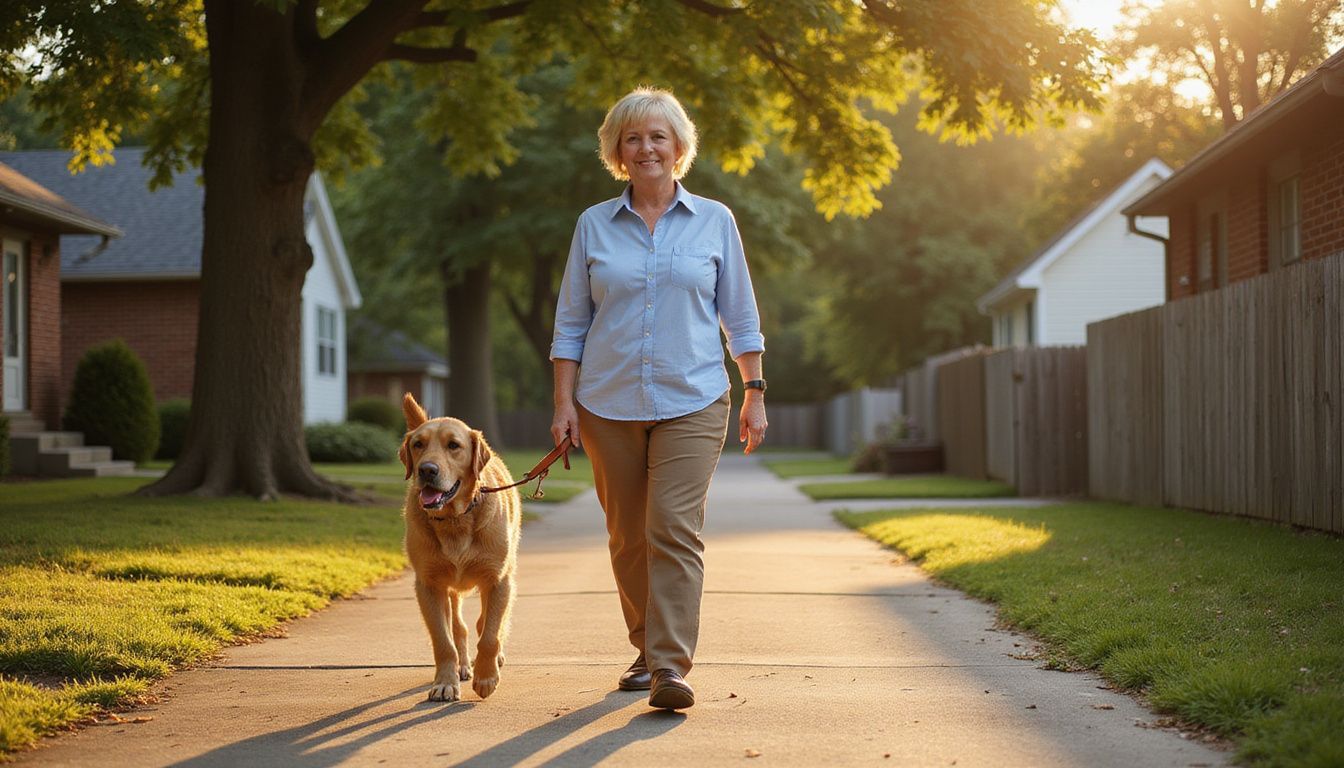
Now that you know which dogs handle solo time well, let’s talk about what happens once they’re back outside with you. Exercise needs matter just as much as alone-time tolerance when you’re working full-time.
Dogs with moderate exercise needs fit a busy lifestyle because they don’t demand hours at the “gym” every single day.
| Breed | Typical Daily Activity |
|---|---|
| Labrador Retrievers and Golden Retrievers | A couple of solid walks a day, nothing extreme |
| Great Dane | Short walks, plenty of couch time (size doesn’t mean high energy) |
| Whippet | Daily exercise, but structured walks over constant activity |
| Pug | Daily walks plus mental games and training |
| Cocker Spaniel | Regular activity, no marathon sessions needed |
Mental stimulation through interactive games and short training sessions matters even more during cold weather or long indoor stretches while you’re stuck at your desk. The key is matching a dog’s activity level to what you can realistically give, not what looks good in photos.
Top Dog Breeds Ideal for People With Full-Time Jobs
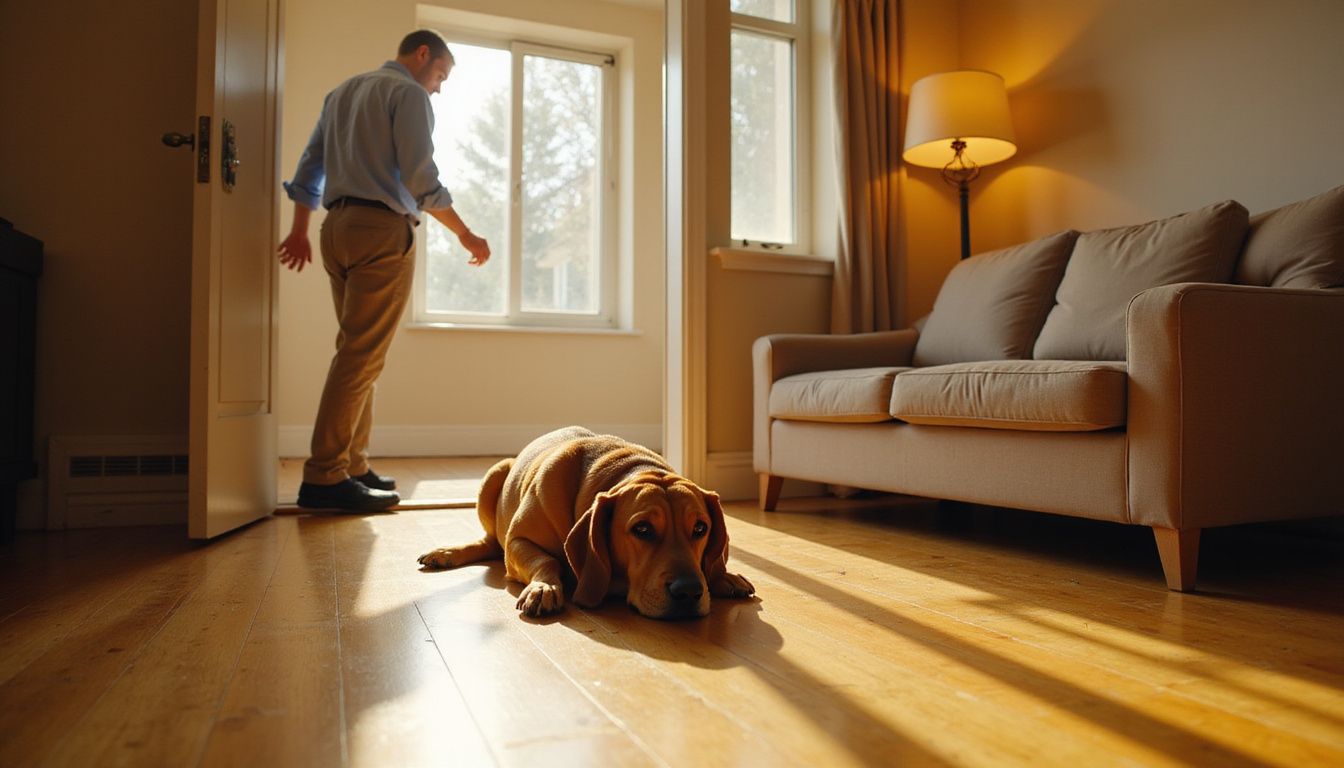
You want a dog that fits your hectic schedule, not one that demands your constant attention. Several dog breeds thrive with working owners who spend their days at the office, and here’s a quick side-by-side before we get into each one.
| Breed | Alone-Time Tolerance | Exercise Needs | Grooming Effort |
|---|---|---|---|
| Basset Hound | High | Low | Low |
| Akita | High, with training | Moderate to high | Moderate |
| Chow Chow | High | Moderate | Moderate to high |
| Lhasa Apso | High | Low to moderate | High (coat upkeep) |
| Boston Terrier | Moderate to high | Moderate | Low |
| Greyhound | High | Moderate | Low |
| Chihuahua | Moderate to high | Low | Low |
| French Bulldog | High | Low to moderate | Low |
Why Is the Basset Hound Good for Busy People?
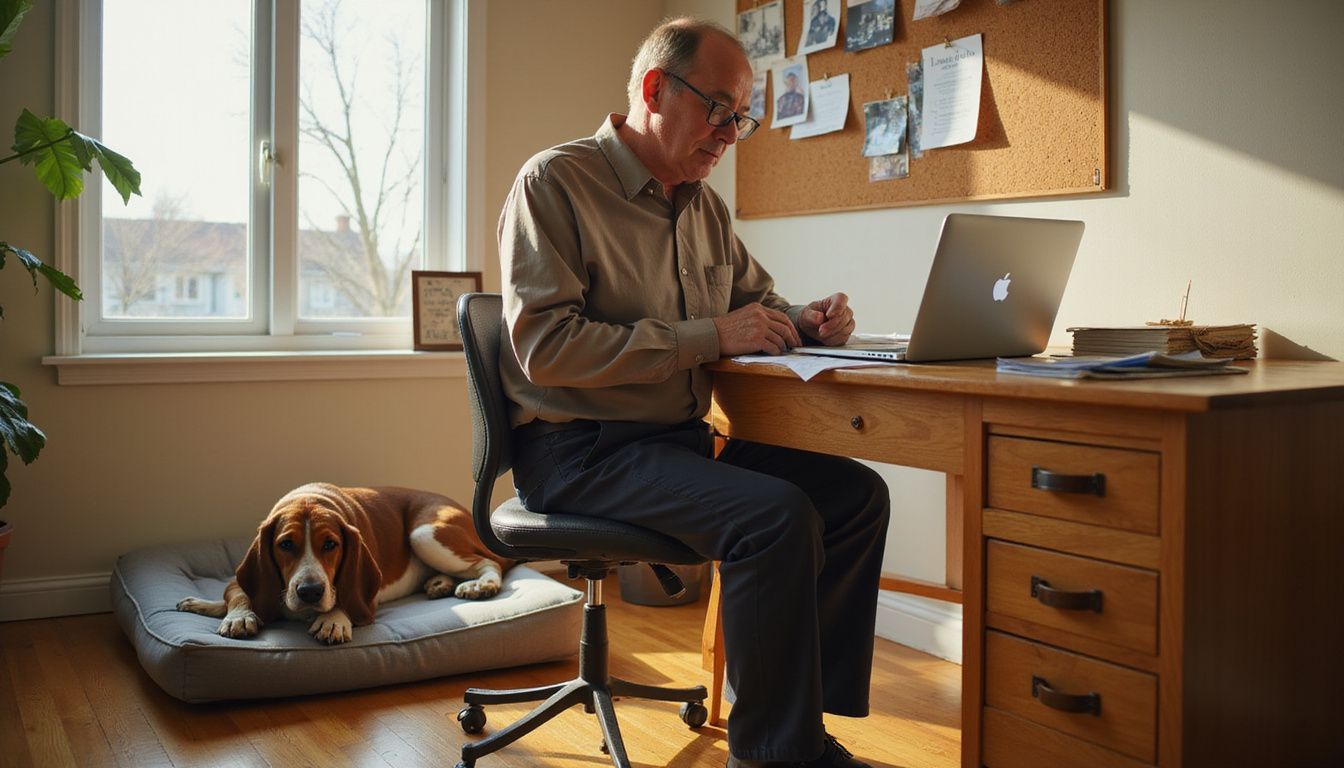
Basset Hounds make excellent companions for full-time workers because they thrive on low activity and independent living. Their calm nature means they won’t get anxious when you spend eight hours at the office, and their patient, loyal streak builds a strong bond without demanding constant attention.
Known for their long ears and droopy eyes, these dogs prefer lounging over running around, which fits your working life perfectly. Their independence works in your favor. They don’t need you hovering over them, and they adapt well to apartments and smaller homes, so your living situation won’t hold you back.
A Basset Hound asks little of you except your presence when you’re home, making it a solid match for anyone juggling a career and canine companionship.
Grooming stays simple with this breed, which means fewer weekends spent wrestling with a brush. Their short coat handles itself fairly well, though occasional brushing keeps shedding under control. Veterinary care stays straightforward too, since Basset Hounds don’t need anything beyond standard checkups.
What Makes the Akita Suitable for Full-Time Workers?
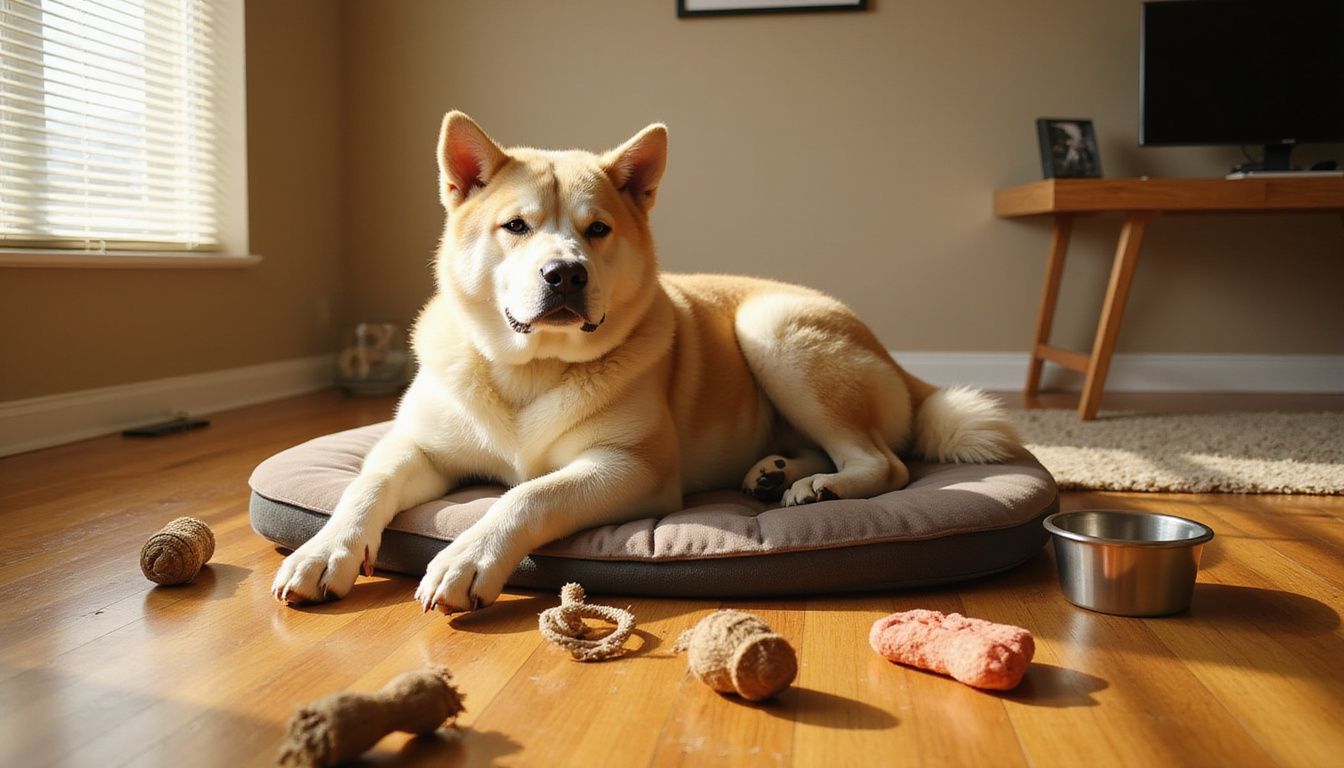
The Akita, a large and powerful breed from Japan, brings qualities that line up well with a full-time work schedule. This intelligent, independent dog doesn’t demand constant attention the way high-energy dogs do.
Its protective nature and strong loyalty mean your Akita bonds deeply with your family, yet feels fine during your work hours. That independence lets it handle solitude without turning to destructive habits, and it settles into a structured routine of you leaving for work and coming home each evening.
- Daily walks, playtime, and puzzle toys keep an Akita’s mind sharp.
- Set feeding and exercise times help this breed settle during your workday.
- Firm, consistent training and socialization matter from day one.
- A dog walker or pet sitter covers midday activity and bathroom breaks on long days.
This breed isn’t a great fit for first-time dog owners, since managing its independent streak takes some experience. Someone who understands that nature and can offer fair, steady leadership gets the best out of an Akita.
How Does the Chow Chow Fit a Busy Lifestyle?
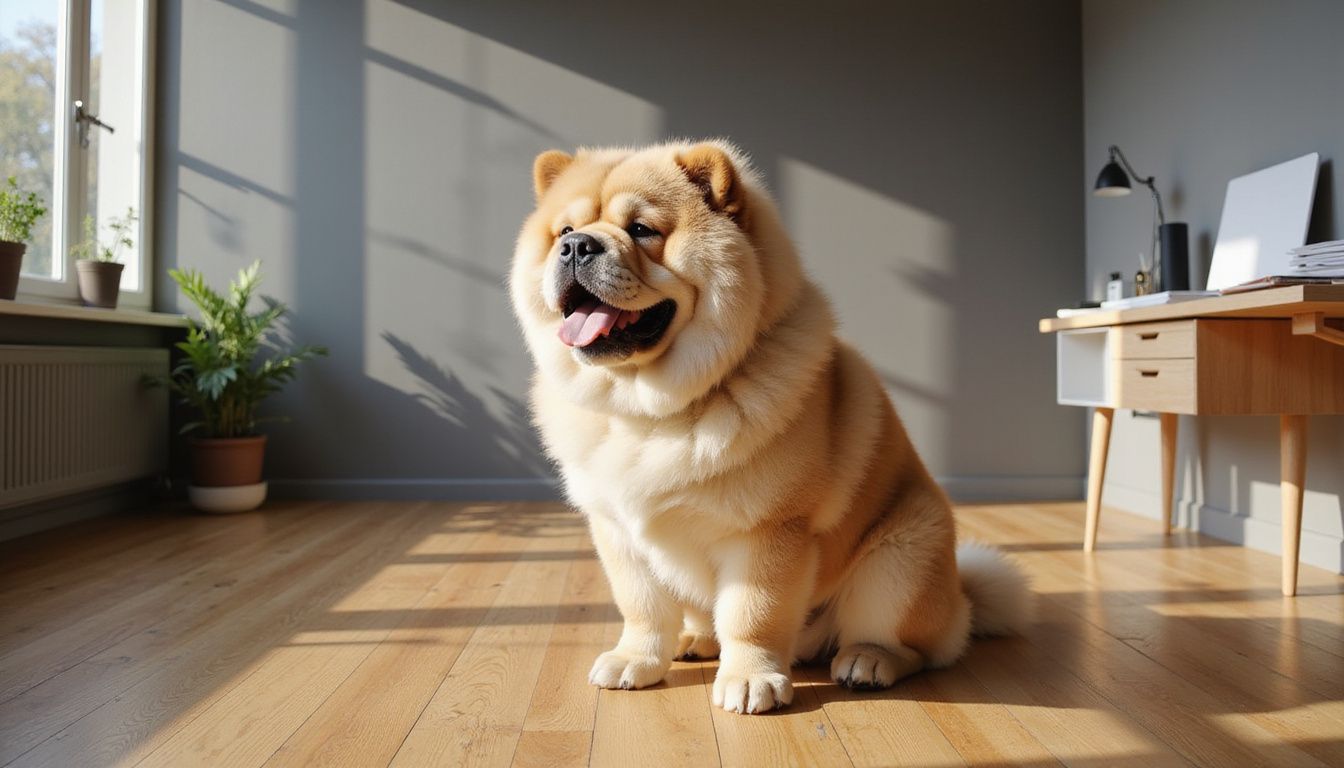
If a full-time job keeps you tied down, the Chow Chow might be your answer. This ancient breed from China has a lion-like look that turns heads, and it handles alone time better than most dogs.
Chow Chows don’t need constant companionship the way some breeds do. Their independent nature means they won’t fall apart while you’re at work for eight hours, and unlike needy lap dogs, they stay calm and composed through your whole workday.
- Regular training and socialization prevent behavior problems before they start.
- A daily walk plus some playtime at home covers their moderate exercise needs.
- Their regal, independent personality suits owners who want character without neediness.
First-time dog owners should go in with patience and realistic expectations. Consistent care makes all the difference in raising a well-adjusted Chow Chow.
Why Choose a Lhasa Apso for a Busy Schedule?

The Lhasa Apso stands out as a practical choice for full-time workers. This small, ancient breed from Tibet was originally an alert dog, which is why it stays naturally independent and doesn’t crave constant attention.
Your Lhasa Apso tolerates solitude well while you’re at the office, making it far less prone to separation anxiety than many other breeds. Its small size adapts perfectly to apartment living, so you don’t need a big backyard to keep it happy.
- Interactive toys and short training sessions keep restlessness away.
- Regular exercise prevents boredom-driven behavior problems.
- Grooming needs consistent attention, but many owners turn it into a bonding moment rather than a chore.
This breed enjoys your company when you get home, but it won’t fall apart while you’re gone. That balance gives you a loyal companion without asking you to sacrifice your career.
What Are the Benefits of a Boston Terrier for Working Owners?
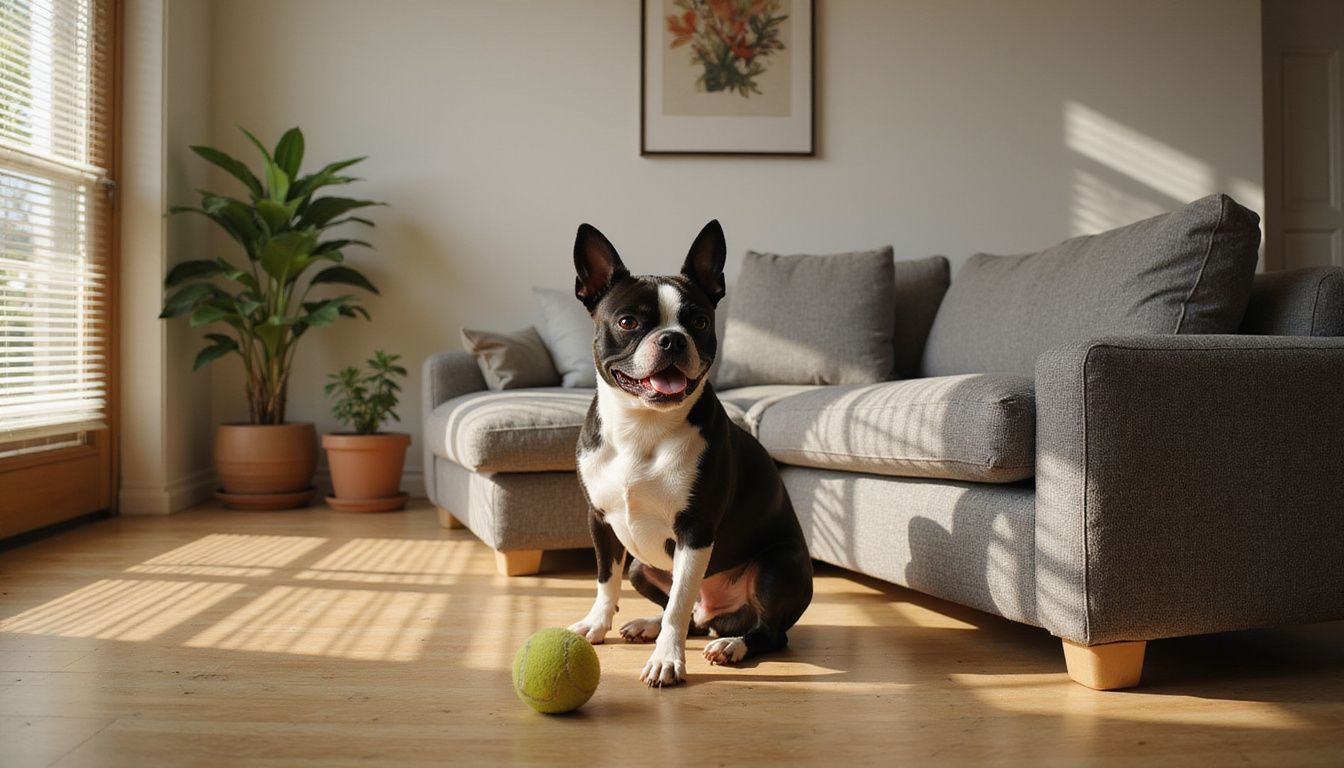
Boston Terriers stand out as ideal companions for a full-time job lifestyle. Bred originally for companionship, this small breed offers genuine affection without demanding constant attention.
With proper training, your Boston Terrier manages well alone, so you can head to work without guilt. Its short coat cuts grooming time way down, freeing up your evenings for relaxing instead of endless brushing.
- Playful but content with moderate exercise, no dog park marathons required.
- Smart and easy to train, even on a packed schedule.
- Adapts beautifully to apartments and smaller homes.
- Forgiving of imperfect schedules, so an occasional late night at work won’t stress this dog out.
Their friendly nature bonds strongly with you, delivering that companionship you crave after a long workday, all in a manageable size that fits busy families juggling a lot of responsibilities.
How Is the Greyhound a Good Choice for Busy People?
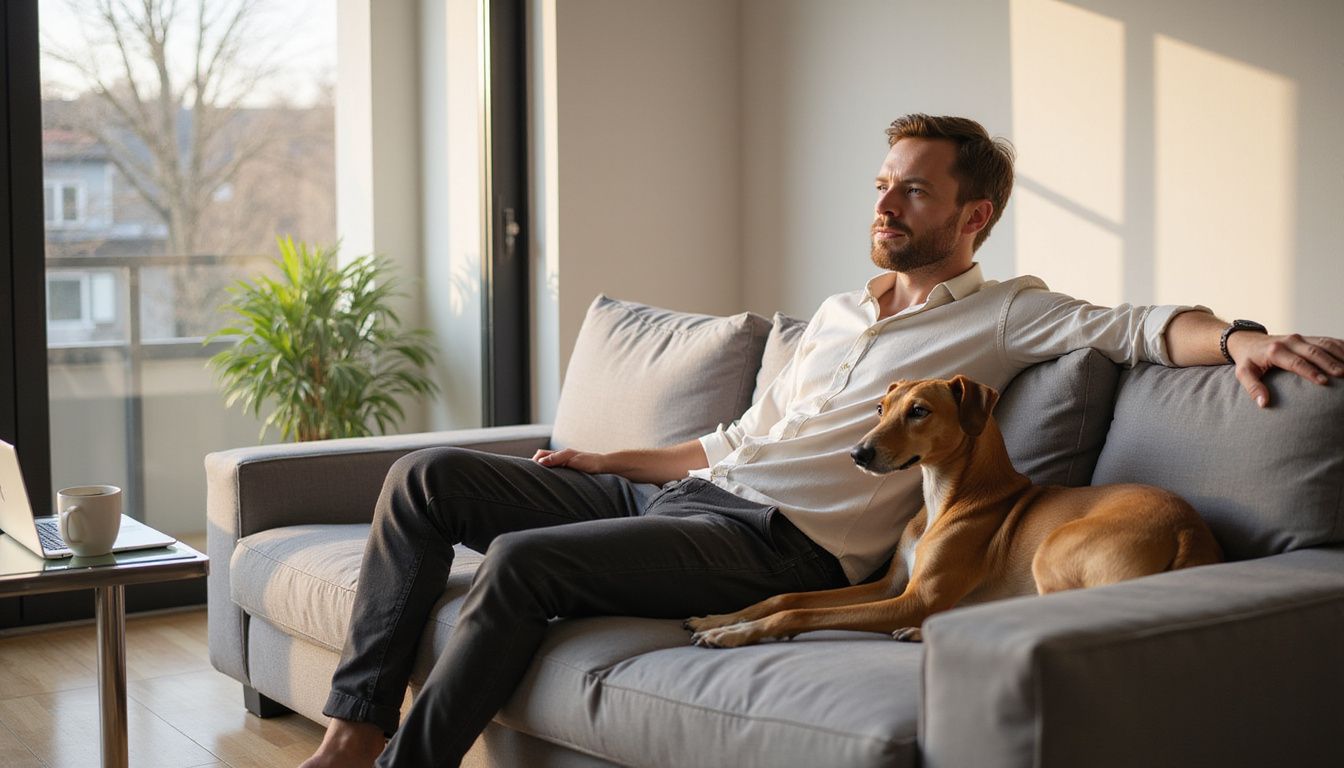
You might expect the fastest dog breed to need constant activity, but Greyhounds flip that idea on its head. These sleek athletes actually prefer lounging and napping over running marathons, which makes them a great match for a full-time work schedule.
Greyhounds handle long stretches alone without falling apart, so your nine-to-five won’t stress them out. They only need moderate exercise, like daily walks or some indoor play, to stay happy and healthy.
- Independent by nature, they won’t pester you the moment you walk in.
- Older rescue Greyhounds often settle into a working person’s routine with ease.
- Their calm, quiet demeanor fits apartment living without noise complaints.
- Low grooming needs mean simple, manageable care.
You get a dog that works with your schedule instead of against it, which means less guilt about those long workdays.
What Makes the Chihuahua Manageable for Full-Time Workers?
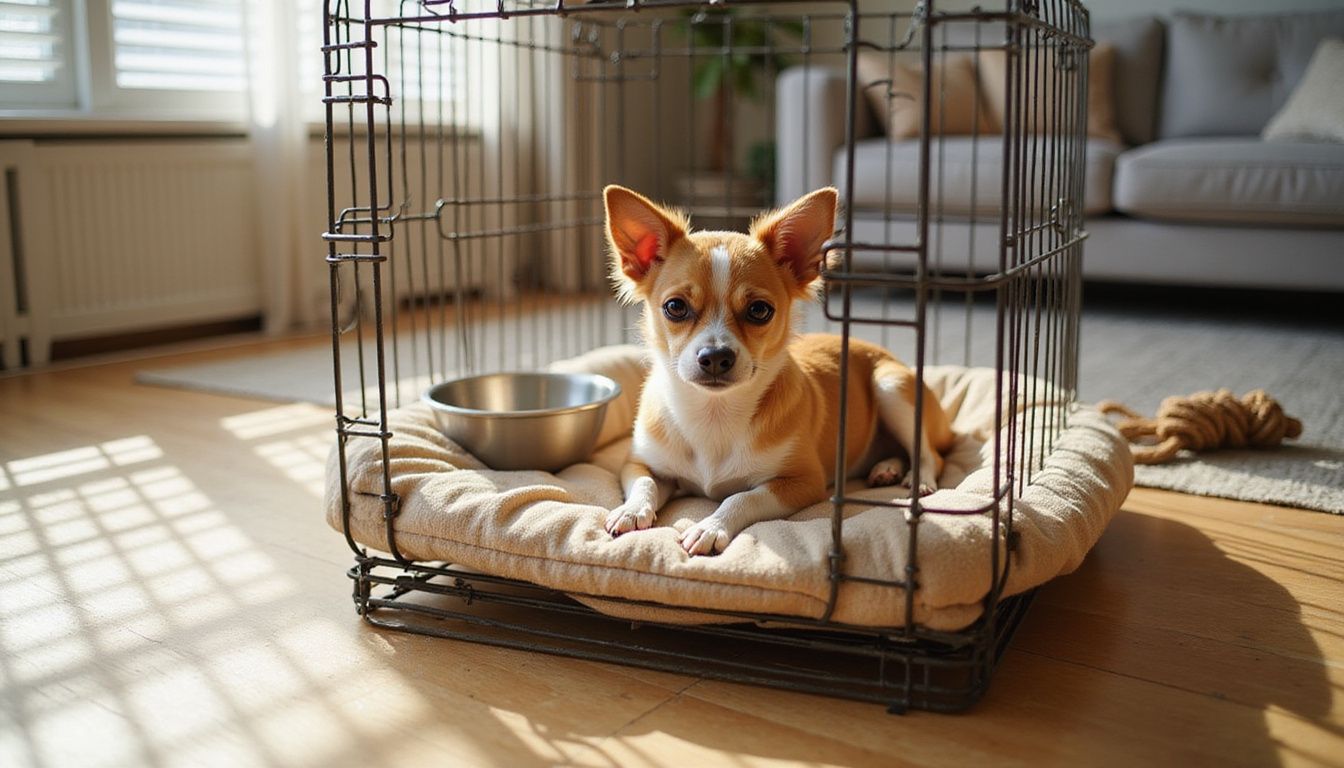
Your schedule needs a dog that fits into your life, not the other way around. Chihuahuas, the world’s smallest breed, thrive in compact spaces and need very little exercise, making them a great match for a full-time work routine.
Their short coats mean less grooming and more time enjoying your pet. These smart little dogs roll with a varying schedule too, so a long workday won’t stress them out.
Crate training a Chihuahua to stay content alone for several hours becomes simple with consistency, and this pup greets you with real excitement the second you walk in.
Their alertness also gives you a sense of security, offering more protection than their tiny size suggests. This manageable size and easygoing temperament make Chihuahuas stand out for working professionals who want low-stress dog ownership.
Why Is the French Bulldog Popular Among Busy Dog Owners?
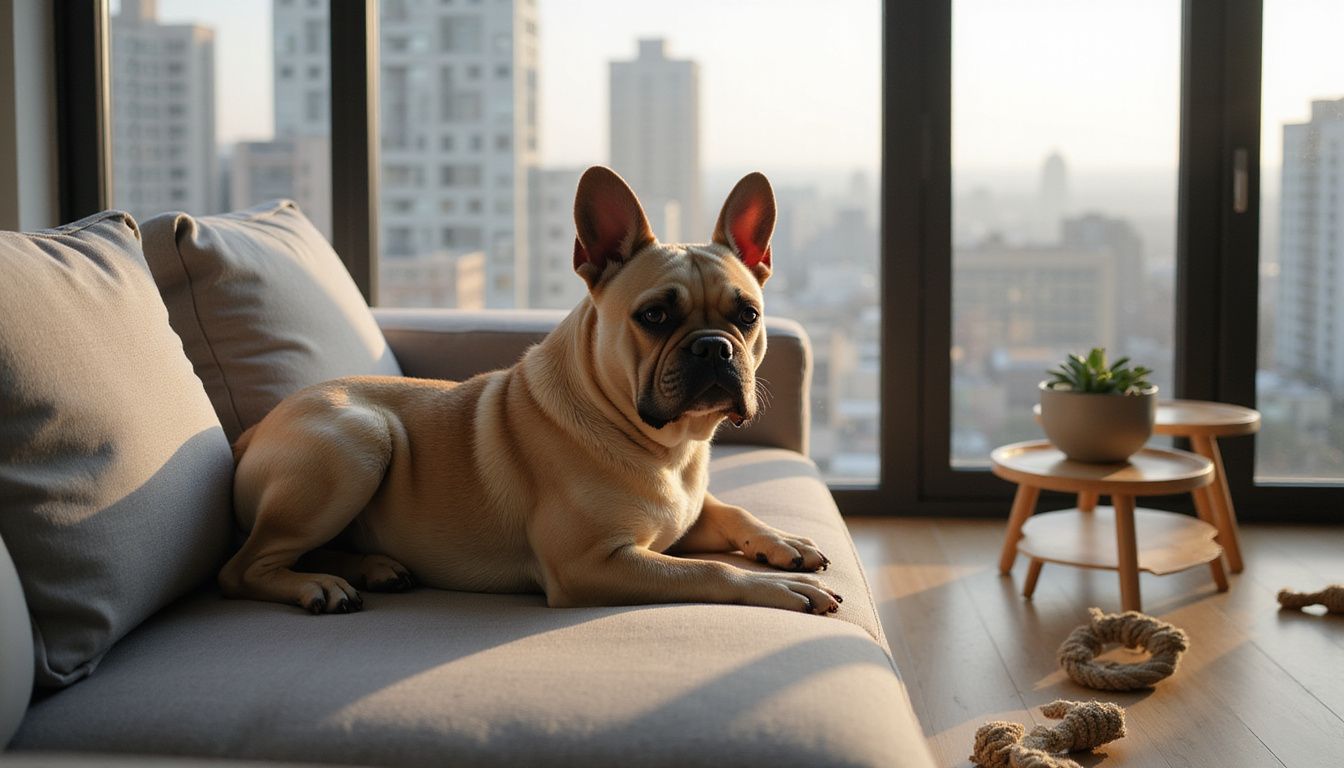
French Bulldogs rank among the most sought-after dog breeds for city dwellers and working professionals. These stocky, wrinkle-faced companions thrive on lower energy levels, so they don’t need hours of intense exercise like some other breeds do.
You can leave them alone during your workday without guilt, since they adapt well to solo time at home. Their friendly nature makes them flexible enough for a sprawling house or a compact apartment, and when you get home, they turn into devoted lap dogs craving your attention.
- Regular playtime keeps their minds sharp and wards off boredom.
- Compact size keeps grooming simple and quick.
- Popularity among working owners comes from real independence paired with genuine devotion.
A Few More Breeds Worth a Look
If none of the above feel quite right, a few other dog breeds also handle a full-time schedule well.
- Dachshund: A short coat and moderate independence make this small breed easy to manage in an apartment.
- Cavalier King Charles Spaniel: Affectionate and adaptable, though it does best with a midday check-in.
- Beagle: Sociable and sturdy, but benefits from a walker if left alone past six hours.
- Irish Wolfhound: A gentle giant that, much like the Great Dane, prefers napping to nonstop activity.
- Maltese: Small and portable, though its long coat means more grooming time than the other breeds on this list.
How Can Busy People Manage Dog Care Effectively?
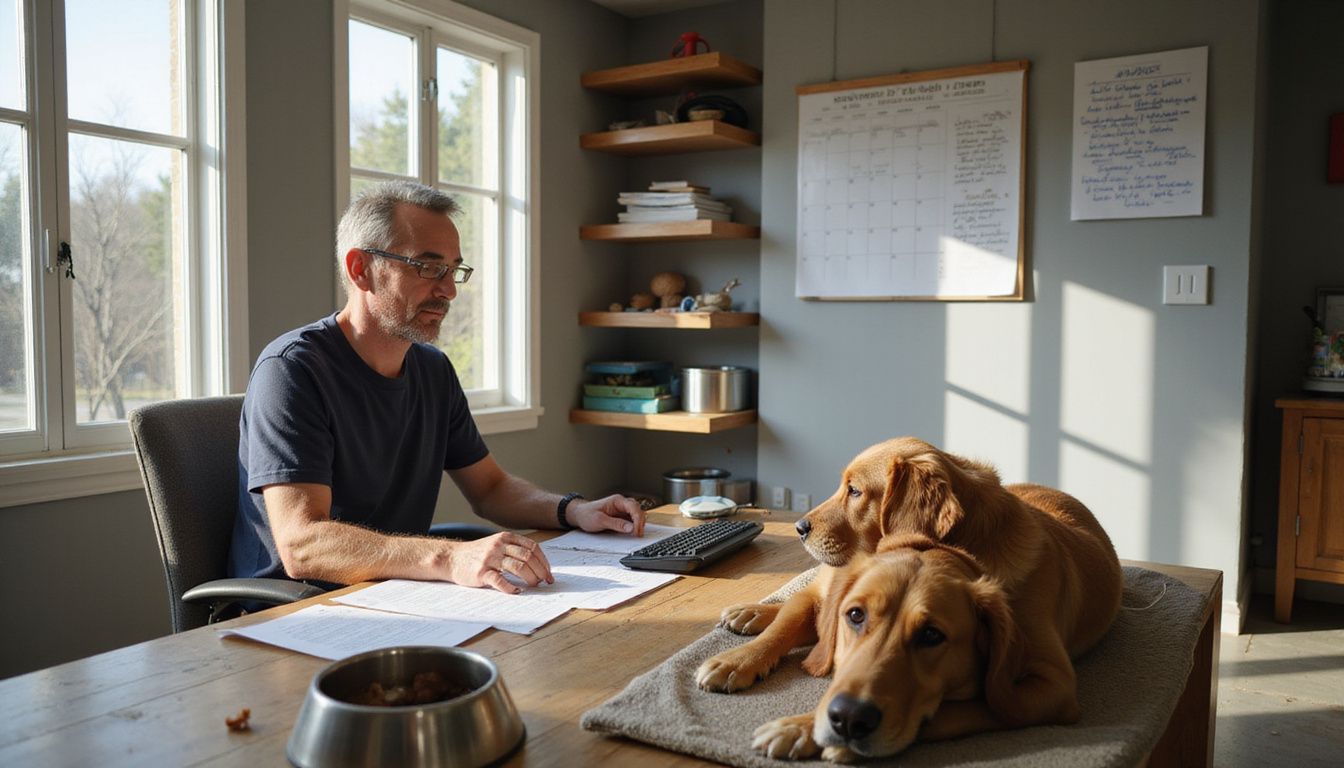
You need solid strategies to keep your dog happy while working full-time, and the right tools make all the difference. Smart planning turns dog care from stressful to manageable, so your pup thrives even when you’re away.
How Does Crate Training Help Establish a Routine?

Crate training builds a predictable schedule your dog can count on every day. This structure helps your pet feel secure and calm, even when you’re working full-time.
- According to the American Kennel Club (AKC), dogs are natural den animals that instinctively seek out small, enclosed spaces to rest and feel secure, which is exactly why crate time feels restful instead of punishing.
- Set times for meals, bathroom breaks, and playtime teach your dog exactly what to expect each day.
- Consistent crate routines cut down on anxiety and destructive chewing.
- Puppies and newly adopted dogs settle into house training and solo time much faster with a set crate schedule.
- That predictability builds trust between you two, and it lines up neatly with your own nine-to-five rhythm.
Here’s one practical approach that works well for nine-to-five schedules:
- Give an enrichment toy 30 minutes before crate time in the evening.
- Crate your dog overnight from 10 p.m. to 7 a.m.
- Take your dog outside within 10 minutes of waking up.
- Crate again with water and a safe toy from 9 a.m. to noon.
- Arrange a midday walk or sitter visit around 1 p.m.
This simple, repeatable rhythm helped dogs know what to expect and cut down on midday stress for both pets and owners. In trials, this approach led to consistent elimination outside for most dogs within three weeks, making it a reliable framework for busy professionals setting up a new routine.
When Should You Consider Hiring a Dog Walker or Pet Sitter?

Your work schedule demands attention, and your future dog needs care too. If your job keeps you away for more than eight hours daily, a dog walker becomes essential for keeping your pet happy and healthy.
Dog walkers provide midday breaks that prevent bathroom accidents and give your companion much-needed exercise. Puppies especially need this service, since they can’t hold their bladder for long stretches. High-energy breeds also benefit from professional walkers who offer stimulation and company during your absence.
Based on 2025 cost analysis data from TrustedHousesitters, a 30-minute dog walk runs about $25 nationally, which adds up to roughly $125 a week for a standard Monday-through-Friday work schedule.
- Your job regularly keeps you away for eight or more hours.
- You have a puppy that can’t hold its bladder all day.
- Your dog is a high-energy breed that needs a midday outlet.
- Nobody else is home to break up the day.
In monitored homes that added a midday 30-minute walk, indoor accidents dropped by 70 percent within the following month, and reported destructive incidents fell from a median of three per week to zero. A short midday break seemed to reset dogs for the rest of the day, and owners noticed better house manners almost immediately.
Pet sitters step in when life throws curveballs, like vacations or business trips. These professionals keep your dog’s feeding schedule, medication, and daily routine on track while you travel, which cuts down on anxiety during your time away.
Hiring a pet sitter usually costs less than boarding and keeps your dog in familiar surroundings. Your veterinarian can point you toward trusted professionals who understand canine behavior and health needs, and investing in that kind of care goes a long way toward your dog’s well-being and your own peace of mind.
Conclusion
You now know that low-energy dog breeds like Basset Hounds, Greyhounds, and French Bulldogs make great partners for full-time workers. You also know adult dogs from shelters often settle into your routine faster than puppies do.
Picking the right dog comes down to a few honest questions about your schedule, not complicated planning.
Support systems like dog walkers, pet sitters, and doggie daycare turn potential stress into an easy, manageable routine.
Reach out to breeders who specialize in independent breeds, check with veterinary clinics such as Borash Veterinary Clinic or Peabody Animal Hospital, or contact a local shelter to start your search.
Take a good look at your lifestyle, research the dog breeds that match it, and reach out to a rescue near you. The right dog for your busy life is out there, and you’re ready to give it a great home.
FAQs
1. What is the best small dog for a busy person?
The Cavalier King Charles Spaniel is a fantastic choice because it’s calm, adaptable, and perfectly content with a 30-minute walk when your schedule gets tight. Dachshunds and Maltese also work beautifully for people with full-time jobs since they’re happy to nap while you’re away.
2. Do beagles do well when left alone?
Beagles can handle around 4 to 5 hours alone, but they do get bored pretty quickly. Toss them a puzzle toy filled with treats, and they’ll stay entertained until you walk through the door.
3. Are big dogs good for busy owners?
Yes, some big breeds are surprisingly low-energy. The Irish Wolfhound sleeps up to 18 hours a day and is one of the calmest giant breeds you’ll find, making it a great fit for a quieter apartment or busy schedule.
4. Where can I find trusted information on dog breeds?
The Spruce Pets has excellent breed guides that break down temperament and care needs. You can also reach out to local vets like Borash Veterinary Clinic or Peabody Animal Hospital for personalized advice based on your lifestyle.
5. Should I adopt from breeders or a shelter?
Both are solid options depending on what you’re looking for. If you choose a breeder, ask to see health clearances and meet the puppy’s parents, and sites like pethero.co.za can help you find reputable ones in your area.