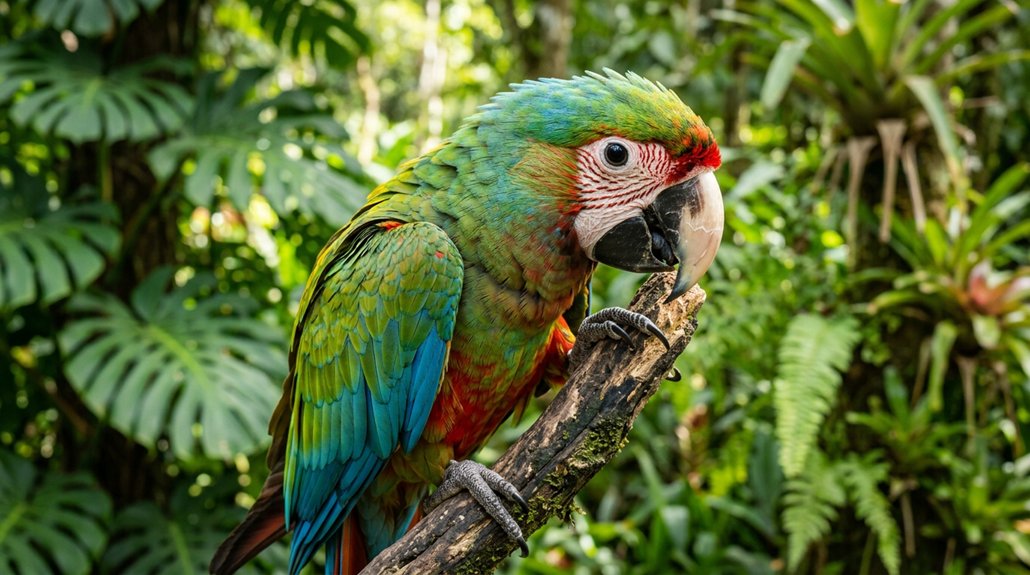
Popular pet birds each suit a different home. You might choose budgies for their compact size, social nature, and easy training, cockatiels for close bonding and friendly mood displays, finches or canaries for quieter viewing and song, conures or caiques for playful high-energy interaction, quakers for talkative activity, or African greys for exceptional intelligence and vocabulary. Each species has distinct cage, diet, and enrichment needs that shape long-term care, and the details can change your choice.
Key Takeaways
- Budgerigars are popular starter birds because they’re small, social, trainable, and relatively easy to care for.
- Cockatiels are affectionate companions known for strong owner bonds and expressive crest-based body language.
- Finches and canaries suit quiet owners; finches prefer groups, while male canaries are often kept alone for singing.
- Conures, caiques, and quakers are energetic, playful parrots that need daily interaction and plenty of enrichment.
- African greys are highly intelligent and vocal mimics, but they require extensive enrichment and experienced, committed care.
Which Pet Bird Fits Your Lifestyle?
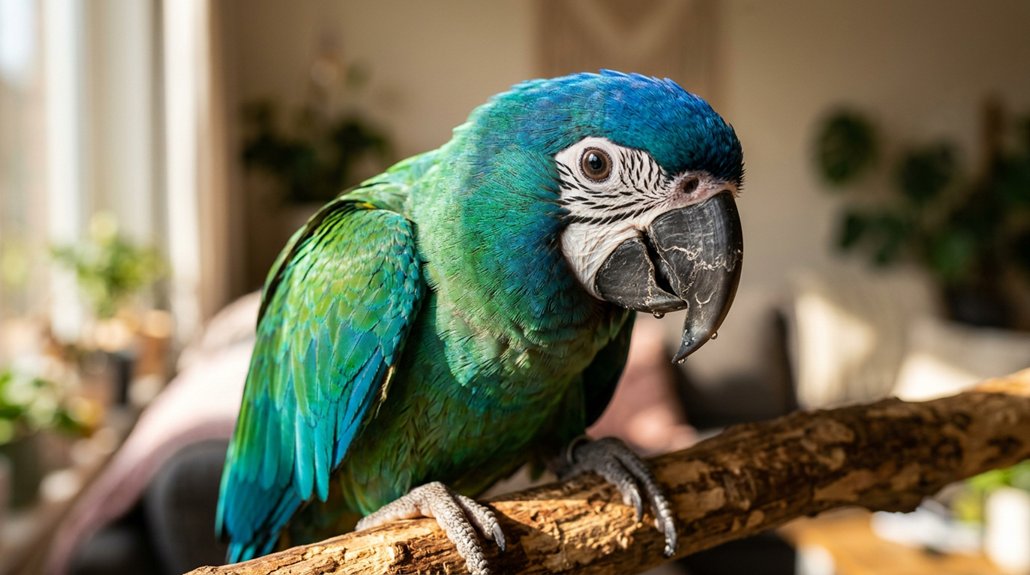
Choosing the right pet bird starts with matching its needs to your routine, space, and experience level. If you’re busy and want low-maintenance companionship, canaries and doves fit well: canaries need roomy flight cages and minimal handling, while doves are quiet and tolerant of limited interaction. For apartment living, budgies are small, social, and trainable, but they still need daily out-of-cage time. Cockatiels suit you if you want a family-friendly bird that bonds closely, though they need daily interaction and UV exposure. Green-cheeked conures and Quakers work when you can provide moderate space and regular engagement; Quakers can get loud without stimulation. African greys are best only if you can meet high cognitive demands and long-term care requirements.
Parakeets And Cockatiels For Easy, Social Companionship
If you want a starter bird, parakeets are compact, social budgerigars that can learn simple words and tricks with daily attention. Cockatiels are equally approachable but more interactive, using whistles, mimicry, and crest position to communicate their mood and build strong bonds with you. Both species need daily out-of-cage time, a balanced pellet-based diet with fresh produce, and varied perches and toys to stay healthy and mentally engaged.
Budgies as Starter Birds
Budgies are often the easiest place to start when you’re getting into pet birds: at just about 1 ounce and 6–8 inches long, they’re small, social, affectionate, and generally forgiving for first-time owners, with a typical lifespan of 7–15 years. You should house one in a minimum cage of about 24″ x 18″ x 18″, with multiple perches, feeding dishes, and toys for enrichment. Provide fresh water daily and a pellet-based diet, then add small amounts of fresh produce; save millet for occasional rewards. For taming, use gradual, patient training, and study breeding basics before pairing birds. If you’re planning travel considerations, arrange secure transport, stable temperatures, and routine feeding access. Daily interaction helps maintain trust and supports vocal learning.
Cockatiel Personality and Bonding
Cockatiels are another excellent choice for owners who want an affectionate, easy-to-read companion bird with a strong social streak. You’ll notice their crest communication quickly: a flattened crest usually indicates fear or irritation, while an upright crest often signals alertness or excitement. That clear body language supports accurate handling and stronger human bonding. Cockatiels often enjoy cuddling, whistling, singing, and mimicking household sounds; males are especially likely to repeat sounds. Their gentle temperament makes them suitable for families and first-time owners, but you’ll still need to provide at least one hour of daily out-of-cage interaction. Because they can live 15–20 years or longer, you should plan for a long-term commitment to their social and care needs.
Social Care and Enrichment
Although parakeets and cockatiels are easygoing social companions, they still need structured daily care to stay healthy and engaged: budgies should get daily out-of-cage time with short play sessions spread through the day to prevent boredom and destructive chewing, while cockatiels need at least one hour outside the cage plus interactive handling and whistling games to reinforce bonding. You should rotate toys regularly so they don’t habituate; use bells and small foraging items for budgies, and mirrors, whistles, and chewable sensory toys for cockatiels. Add puzzle feeders or hidden treats to support natural foraging. If you keep multiple birds, use group enrichment carefully to reduce stress. A consistent routine, mixed pellets with fresh produce, and UV exposure from sunlight or a lamp help maintain vitamin D synthesis and stable social behavior.
Finches And Canaries For Quiet Watching And Singing
If you want finches, you’ll need a large, horizontally oriented flight cage and should keep them in pairs or small groups so they can move and socialize naturally. If you choose canaries, you’ll usually house males alone in a calm, spacious cage to support song development and avoid territorial conflict. For both species, you’ll get the best results with a simple finch- or canary-specific diet, good ventilation, and routine health checks to reduce respiratory and mite problems.
Finch Flocks And Flight
Watching finches and canaries is best suited to owners who value movement and song over handling, since finches are small passerines that do best in pairs or small groups and typically live about 5–10 years. You should house them in a large, horizontal cage so their flight patterns stay natural and sustained.
- Offer multiple perches at varied heights.
- Supply nesting materials, not bulky parrot toys.
- Keep diets pellet-based with minimal seed and minced produce.
- Maintain clean air, spacing, and routine checks for mites or respiratory stress.
Finches’ flock behavior lets you observe social coordination, while canaries add controlled vocal display. If you avoid overcrowding and support hygiene, you’ll reduce disease risk and preserve active, healthy birds.
Canary Songs And Solo Housing
Canary song is best appreciated when a mature male is housed alone, since territorial competition can suppress the operatic vocal display that develops most strongly after about six months of age. If you want sustained song development, provide solo enrichment with a secure, well-ventilated cage and minimal disturbance. This setup suits you if you prefer quiet watching over handling, because canaries are generally low-maintenance and live about 9–10 years. A single male’s repertoire can be monitored for changes in pitch, cadence, and stamina, which often reflect health and maturity. Unlike finches, which do better in pairs or small groups, solitary canaries reduce fighting risk and stress. Keep spacing appropriate and maintain clean air, since crowding raises respiratory and scaly mite problems in both species.
Simple Care And Feeding
For quiet watching and song, finches and canaries each do best on a simple, species-appropriate routine: keep finches in pairs or small groups in a large, horizontally oriented cage that supports flight, while housing canaries individually, especially males, to reduce territorial aggression and preserve song quality. Feed commercial finch or canary pellets as the staple, then use diet rotation with finely minced produce and limited seed.
- Maintain fresh water daily for strict water hygiene.
- Offer chopped hard-boiled egg with crushed shell during breeding for calcium.
- Provide multiple perches and nest-building materials; finches prefer nests.
- Place cages away from drafts, and watch for respiratory problems, mites, dull eyes, feather loss, or breathing changes.
Conures And Caiques For Playful, High-Energy Interaction
Conures and caiques are excellent choices if you want a highly interactive pet bird with strong social and physical needs. You’ll need daily out-of-cage time, sturdy cages, and interactive enrichment to prevent boredom and feather picking. Use play training games to channel energy safely.
| Need | Why it matters |
|---|---|
| Space | Stops frustration |
| Toys | Reduces damage |
| Foraging | Engages mind |
| Supervision | Protects your home |
| Commitment | Matches 20–30 years |
Conures are affectionate, active parrots; caiques are clownish, acrobatic birds that love rolling and hanging upside down. Both can be loud and destructive if under-stimulated, so bird-proof your space. Feed pellets plus daily fruits and vegetables, and provide UV exposure or vitamin D support. With proper management, you’ll get intense, playful interaction and a long-term companion.
African Grey Parrots For Intelligence And Talking Ability
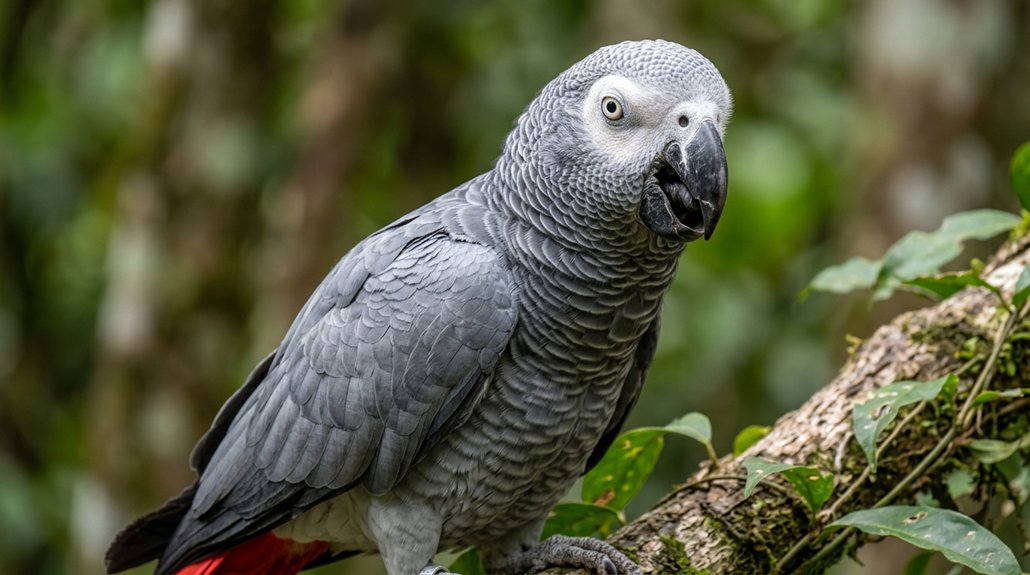
African grey parrots are the intellectual standouts of the pet bird world, with cognitive abilities often compared to those of a 4–5-year-old child and a remarkable capacity for contextual vocabulary, mimicry, and complex problem-solving. If you want one, you’ll need rigorous daily enrichment and patience.
- Their vocal mimicry mechanisms support accurate speech-like sound reproduction.
- You should plan about five hours daily of interaction, foraging, and puzzle work.
- Strong enrichment puzzle design helps prevent boredom, depression, and self-directed behaviors.
- A large, sturdy cage with chewable toys and out-of-cage time is essential.
Because they often bond closely, you may find one bird prefers you intensely. Their 30–40+ year lifespan makes ownership a long-term commitment, and their emotional demands suit experienced keepers best.
Quaker Parrots For Chatty, Active Ownership
If you want a bird that’s lively, vocal, and highly interactive without the intensity of a large psittacine like an African grey, a Quaker parrot may fit the bill. You’ll get an energetic, affectionate medium-sized parrot that often learns many words and responds well to vocal training. Quakers bond strongly with you, so companion compatibility is best when you can provide consistent attention and daily enrichment. Plan on 1–2 hours outside the cage each day, plus chewing outlets, since they’re prone to boredom-related feather picking or weight gain if under-stimulated. Feed a pelleted diet with fresh water and modest fruit and vegetables, and offer UV light exposure for vitamin D. Their shaking and bobbing are typical.
Compare Bird Size, Lifespan, And Cage Needs
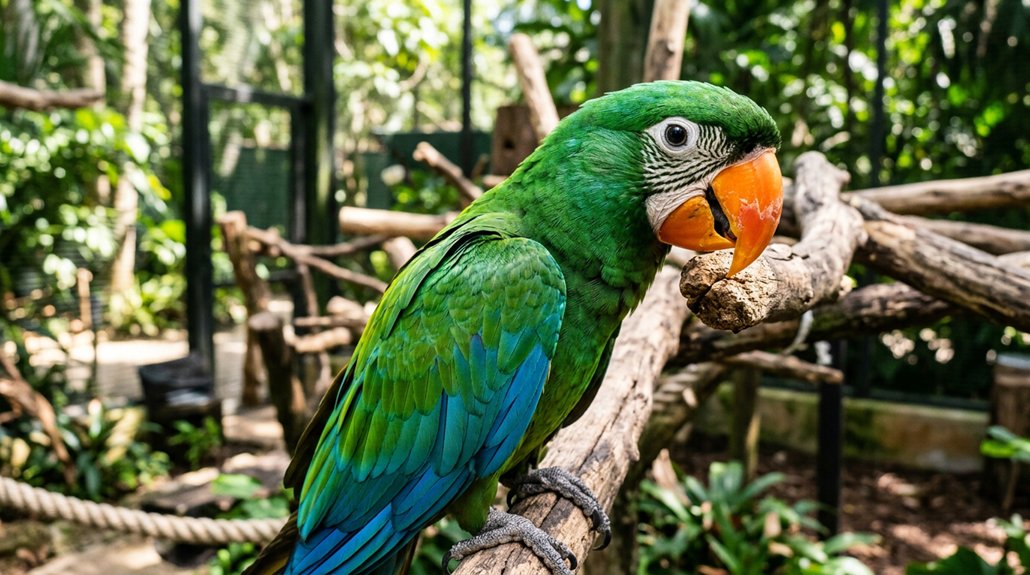
When you compare popular pet birds, size and lifespan often track closely with cage demands: budgerigars are tiny at about 6–8 inches and can do well in a minimum cage around 24” x 18” x 18”, while cockatiels are larger at 12–13 inches and need roughly a 24” x 24” x 24” setup with varied perches and feeding dishes. Green-cheeked conures need more space, and African greys demand the most.
- Finches and canaries fit long, horizontal flight cages.
- Bigger birds usually need stronger cage materials.
- Longer-lived species justify larger, more durable enclosures.
- Temperature regulation matters in draft-free, stable placements.
Match cage volume to wingspan, tail clearance, and activity level, not just body length. A well-sized enclosure reduces stress, supports movement, and helps you plan for years of housing.
Meet Food, UV Light, And Daily Care Needs
Most pet birds need a consistent daily routine: fresh water, a staple diet of commercial pellets matched to the species, and small portions of fresh fruits and vegetables, with finch and canary pellets for finches and canaries and parrot pellets for conures and caiques. You should tailor avian nutrition to the species, because treats and hard items also matter: give African greys nuts and chew toys, and offer budgies millet only occasionally. Many birds need direct sunlight or avian-safe UV lamps to support vitamin D synthesis and calcium metabolism, especially cockatiels, Quakers, conures, and caiques. Clean dishes and cage liners daily, provide multiple feeding stations for social birds, and rotate foraging or puzzle enrichment. You’ll also need enough out-of-cage time—at least an hour for cockatiels, more for Quakers, and several hours for greys and large conures.
Frequently Asked Questions
What Is the Most Popular Pet Bird Species?
You’ll find the most popular pet bird species is the budgerigar, or budgie. Its gentle budgerigar behavior suits beginners, while cockatiel training is easier for many owners seeking a sociable, responsive companion bird.
What Is the 3 3 3 Rule for Birds?
The 3-3-3 rule says you’ll expect 3 days of stress recovery, 3 weeks of behavioral milestones and feeding shifts, and 3 months for trust and routine—though it’s not rigid, because species and history change timing.
What Is the Most Unique Bird?
You’d likely call the African grey parrot the most unique bird: its talking points, mimicry behaviors, conservation status facts, and gray feather coloration set it apart, while its cognition and long lifespan make it extraordinary.
What Are the Top 3 Most Popular Pets?
Your top 3 are budgies, cockatiels, and lovebirds. You’ll want talk training, diet planning, cage enrichment, and socialization tips to keep them healthy, interactive, and mentally stimulated throughout their lives.
Conclusion
Choosing the right pet bird means matching your home to your bird’s needs, your time to its energy, and your experience to its intelligence. If you want quiet beauty, finches and canaries fit well; if you want easy companionship, parakeets and cockatiels shine; if you want bold interaction, conures, caiques, or Quaker parrots deliver. When you compare size, lifespan, cage space, diet, and light, you don’t just choose a bird—you choose a long-term relationship.