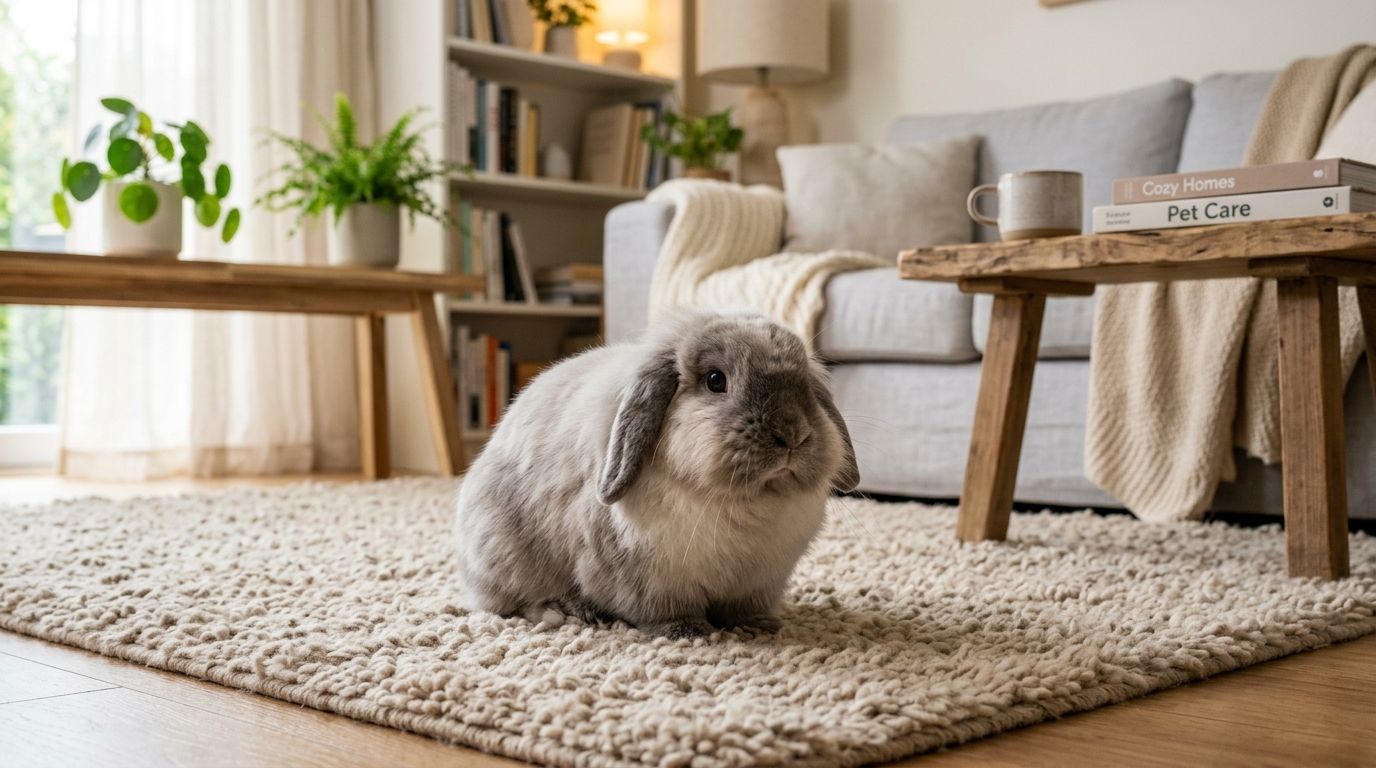
Thinking about keeping a wild rabbit as a pet? Wild rabbits and domestic rabbits may look alike, but they are completely different in behavior and care needs. In this blog, you’ll learn why wild rabbits aren’t suitable pets and how domestic breeds make much better companions.
Keep reading to find out what sets them apart!
Key Takeaways
- Wild rabbits are not suitable as pets. They are skittish, hard to tame, and may suffer stress or even die in captivity.
- Keeping wild rabbits is illegal in many areas. Laws protect them from being removed from their habitats for ethical and legal reasons.
- Domestic rabbits have been bred for 1,400+ years to live with humans. They are friendlier, trainable, and thrive on hay-based diets provided by owners.
- Wild rabbits need vast outdoor spaces and forage on grass while domestic rabbits rely on safe enclosures, toys, and human care indoors.
- Domestic rabbits can live 8–12 years with proper care compared to wild ones that often survive only two years due to predators and harsh conditions.
Can You Keep a Wild Rabbit as a Pet?
Keeping a wild rabbit as a pet can lead to serious challenges. They are not like domestic rabbits and may never fully trust humans.
What are the legal and ethical issues of keeping wild rabbits?
Keeping wild rabbits as pets is illegal in many areas. Laws protect wildlife, including rabbits, from being taken out of their natural environment. Chrissy Schermerhorn explains that people can face legal penalties for trying to domesticate them.
Wildlife rehabilitators stress that wild rabbits belong in sanctuaries, not homes. Sanctuaries give proper outdoor spaces for their needs and safety.
Wild rabbits suffer when kept as pets due to the stress of confinement and handling. This stress can even cause death in fragile cottontails or snowshoe hares. If released after captivity, these animals rarely survive without learned survival skills they miss while indoors.
Capturing or restricting them also raises moral concerns tied to animal welfare and rabbit health risks like capture myopathy or diseases common with human interaction.
How difficult is it to tame a wild rabbit?
Wild rabbits resist taming because of their natural instincts. They fear humans and often react with panic or aggression if cornered. Trying to hold one can cause extreme stress, which may lead to injury or even death.
Their twitchy behavior isn’t like a domestic rabbit’s calm disposition; you’ll find it nearly impossible to get a wild bunny to trust human hands.
They are fast and hard to catch, making them very tricky pets. Even if you succeed in catching one, wild rabbits don’t bond with people the way domestic breeds do. Training them is out of the question since they remain skittish no matter what you try.
Wildlife experts recommend leaving this task to professionals trained in animal rescue and rehabilitation instead of attempting it yourself at home.
Key Differences Between Domestic and Wild Rabbits
Domestic rabbits and wild rabbits lead very different lives. Their behaviors, diets, and living needs are worlds apart.
How do species and behavior differ between wild and domestic rabbits?
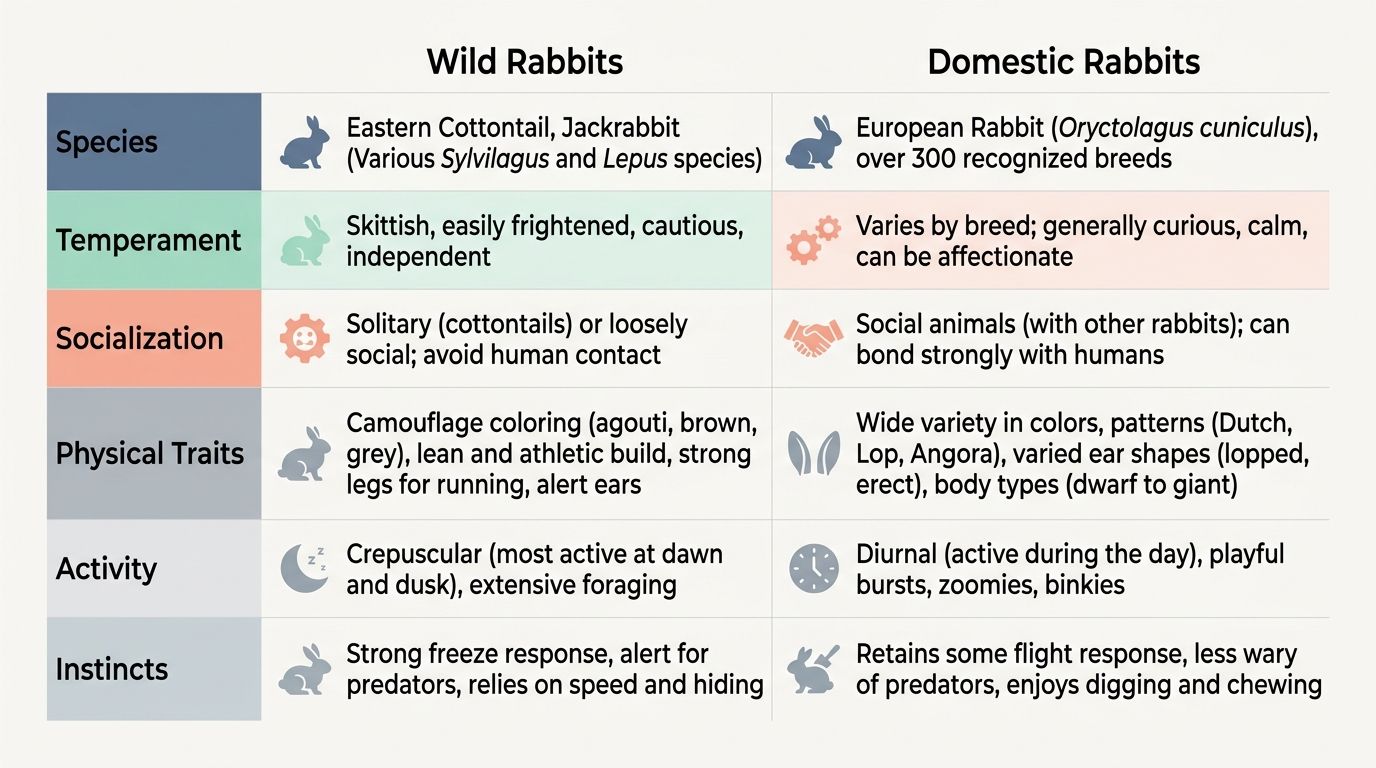
Wild rabbits and domestic rabbits may look similar at a glance, but they are as different as night and day. Let’s break it down in a simple table.
| Aspect | Wild Rabbits | Domestic Rabbits |
|---|---|---|
| Species | Wild rabbits belong to species like cottontails. They have evolved to survive outdoors. | Domestic rabbits, such as the European rabbit, have been selectively bred for over 1,400 years. |
| Temperament | They are naturally wary and skittish. They’ll run at the first sign of danger. | These rabbits range from friendly to shy, but many enjoy human interaction. |
| Socialization | Impossible to socialize. They view humans as predators. | Can be trained to trust people and may even follow basic commands. |
| Physical Traits | Wild rabbits have lean bodies, long faces, and almond-shaped eyes. | Domestic rabbits come in a variety of shapes, often with rounder faces and bigger eyes. |
| Activity | Built for speed, they need space to escape predators. | Adapted to home life. They’re less intense and more adaptable to smaller areas. |
| Instincts | Highly instinct-driven. They prioritize survival over anything else. | Domesticated rabbits are calmer, with instincts muted by breeding. |
Wild rabbits rely on their instincts and environment, while domestic ones rely on you. They’re suited to completely different lives.
What is the difference between hay and grass in their diets?
Domestic rabbits and wild rabbits may look similar, but their dietary needs couldn’t be more different. Here’s how hay and grass play distinct roles in their lives:
| Aspect | Hay (Domestic Rabbits) | Grass (Wild Rabbits) |
|---|---|---|
| Dietary Role | Hay is the foundation of a domestic rabbit’s diet. It aids in keeping their teeth worn and supports healthy digestion. | Grass is the primary food source for wild rabbits. They eat a variety of native plants and grasses suited to their environment. |
| Adaptation | Domestic rabbits lack the foraging skills to survive on grass alone. They depend on humans to provide hay. | Wild rabbits are naturally adapted to find and digest grass, herbs, and other vegetation in the wild. |
| Nutritional Needs | Hay meets specific nutritional needs for rabbits raised as pets. It must be provided daily to avoid digestive issues. | Grass in the wild offers varied nutrients. Wild rabbits instinctively choose plants meeting their needs. |
| Availability | You can buy hay at pet stores. It comes in types like timothy, orchard, or alfalfa (the latter is best for young rabbits). | Grass and plants grow naturally. Wild rabbits graze in areas like meadows, fields, or even your backyard. |
| Health Risks | Without enough hay, domestic rabbits may develop overgrown teeth or digestive blockages. | Wild rabbits rarely face these issues, since their diet is balanced by instinct and diverse plants in their habitat. |
Understanding this difference is crucial for keeping a pet rabbit happy and healthy. Domestic rabbits rely on hay to thrive, while wild rabbits are built to graze on grass and thrive off their natural settings.
What are the housing needs for wild vs. domestic rabbits?
Wild and domestic rabbits have drastically different housing needs. Their lifestyles and survival instincts require unique approaches to their care. Here’s a simple breakdown:
| Aspect | Wild Rabbits | Domestic Rabbits |
|---|---|---|
| Habitat |
Wild rabbits live outdoors in open fields, meadows, or forests. They need large, natural spaces to roam, dig, and forage. |
Indoor setups or secure outdoor enclosures are best for domestic rabbits. These spaces should be predator-proof, safe, and cozy. |
| Burrowing |
Wild rabbits dig burrows and create complex underground warrens for shelter and safety. |
Domestic breeds do not need to burrow. Provide soft bedding, litter boxes, and toys for enrichment instead. |
| Size of Space |
Expansive areas are a must. They thrive with several acres to explore and hide from predators. |
A cage or pen with a minimum of 8 square feet and at least 24 square feet for exercise is essential. Bigger is always better. |
| Protection |
Wild rabbits rely on instincts and natural camouflage. Their open environment is their defense. |
They depend on you for protection. Keep them safe from predators, weather, and extreme temperatures. |
| Dietary Foraging |
They graze on grass, wild plants, and bark. Access to fresh forage is critical for their survival. |
Their diet is more controlled. High-quality hay, pellets, and fresh greens are staples of their nutrition. |
Wild rabbits need nature’s free rein, while their domestic counterparts thrive in lovingly crafted spaces. You’re the key to their happiness and safety!
How does life expectancy vary between wild and domestic rabbits?
Wild rabbits rarely live more than two years. Predators, disease, and weather take a toll. They have no protection from foxes, hawks, or harsh winters. Stress from constant danger also impacts their health.
Domestic rabbits often live 8 to 12 years with proper rabbit care. Access to veterinary services and safe housing helps them thrive. A balanced rabbit diet, including hay and fresh greens, keeps them healthy longer. Living indoors shields them from parasites and environmental stress.
How do physical appearances differ between wild and domestic rabbits?
Wild rabbits, like the Eastern cottontail and European hare, have short, sleek fur in shades of brown or red. Their coats often appear speckled to help them blend into natural areas. Some, like the Snowshoe hare in Canada, change from brown to white during colder months for extra camouflage.
Domestic rabbits come in many colors and textures that wild ones lack. Breeds like Angoras or Lionheads have long, fluffy fur. Others can display black, orange, gray patterns or even spots. Floppy ears are common in domestic breeds such as Lops but never seen on wild rabbits. Domestic rabbits also have rounder cheeks and softer bodies than their wild cousins.
Now let’s see how diets affect these furry friends differently!

Why Domestic Rabbits Are Better Suited as Pets
Domestic rabbits are friendlier and easier to care for. They fit well into homes, making them great companions.
Why are domestic rabbits more social and trainable?
Domestic rabbits crave human interaction. Years of selective breeding have made them friendly and curious around people. They often enjoy being petted, held, or even just sitting near you.
Many breeds, like the Netherland Dwarf domestic rabbit or Lionhead rabbit, are especially affectionate. Unlike cottontail rabbits in the wild, they see humans as companions instead of threats.
You can also teach a domestic rabbit tricks and good habits. Litter box training is common with these pets and helps keep their space clean. Some even respond to their name or come when called! Toys and enrichment activities make training easier since domestic rabbits love mental challenges.
Their natural desire for attention means they bond well with families—sometimes even other pets!
How is veterinary care different for domestic rabbits?
Veterinary care for domestic rabbits is specialized and easy to access compared to wild rabbits. Rabbit-savvy vets provide routine check-ups, spay and neuter services, and emergency treatments.
Regular visits help prevent issues like mucoid enteritis or rabbit hemorrhagic disease. These resources keep your pet healthy and extend its life.
Wild rabbits can’t get this level of care. They avoid humans due to their instincts, making treatment nearly impossible. If injured, they should go to wildlife rehab centers instead of rabbit rescues like Rocky Mountain House Rabbit Rescue or the Pittsburgh Animal Rescue League.
Domestic rabbits thrive with proper medical attention that wild ones lack access to entirely.
Conclusion
Wild rabbits aren’t meant to be pets. They need freedom, their instincts, and natural habitats to survive. Domestic rabbits, on the other hand, are friendly, trainable, and made for indoor care.
They thrive with proper food like hay, safe housing, and regular vet care. Choosing a domestic rabbit is kinder and simpler for you both. If you find a wild rabbit needing help, contact animal rescue groups or wildlife rehabbers.
Giving the right care shows love for these amazing creatures!
FAQs
1. Can you keep a wild rabbit as a pet?
No, wild rabbits like eastern cottontails are not suitable pets. They have different behavior and needs compared to domestic breeds like the Netherlands Dwarf or rexes.
2. Why are domestic rabbits different from wild ones?
Domestic rabbits, bred for generations, rely on humans for care and safety. Wild rabbits stay independent and require their natural habitat to thrive.
3. What should I do if I find a feral rabbit?
Contact local resources like Rabbit Rescue Inc., BC SPCA, or your area’s animal helpline. They can guide you in helping the rabbit safely.
4. Are there organizations that support rabbit adoption?
Yes! Groups such as the Colorado House Rabbit Society and Vancouver Island’s Animalkind specialize in adoption and education about proper pet care.
5. How can I help protect abandoned or injured rabbits?
You can volunteer with rescue groups, report cases to animal protection agencies, or donate supplies through programs like Small Pet Select.
6. Do domestic rabbits need special care?
Absolutely! Domestic breeds need regular grooming, proper food, safe housing indoors (like suggested by the House Rabbit Resource Network), and even pet ID registration for emergencies.