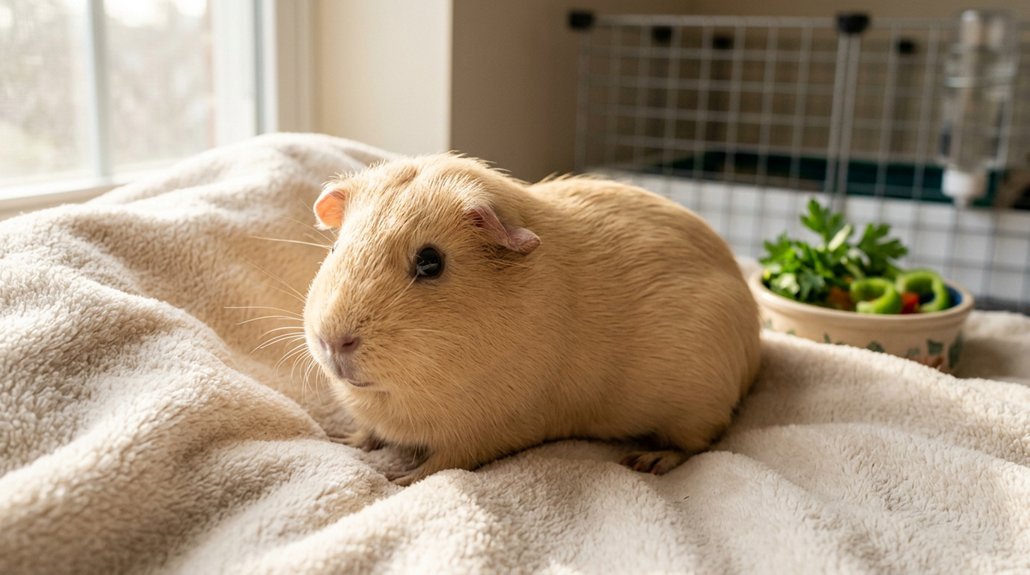
Guinea pigs are delightful pets due to their sociable nature and gentle demeanor, thriving in pairs and offering unique personalities. They’re low maintenance with simple dietary needs but require daily cleaning and consistent health monitoring to prevent issues. While they’re family-friendly, handling requires supervision to guarantee safe interactions, particularly with children. Frequent social interaction is key to their happiness, and adopting from shelters is a heartfelt choice. Explore further to assess if they fit your lifestyle.
Key Takeaways
- Guinea pigs are family-friendly pets, thriving in companionship and promoting social interaction and responsibility among family members.
- They require daily care, including fresh vegetables, vitamin C, and regular cleanliness due to substantial waste generation.
- Guinea pigs have a gentle demeanor suitable for apartment living, but they need gentle handling and supervision with children.
- They are low-maintenance in terms of diet, needing mainly hay and fresh vegetables, but vet visits are essential for health.
- Adoption offers a cost-effective option and provides a second chance to shelter animals in need of loving homes.
Why Guinea Pigs Make Great Pets
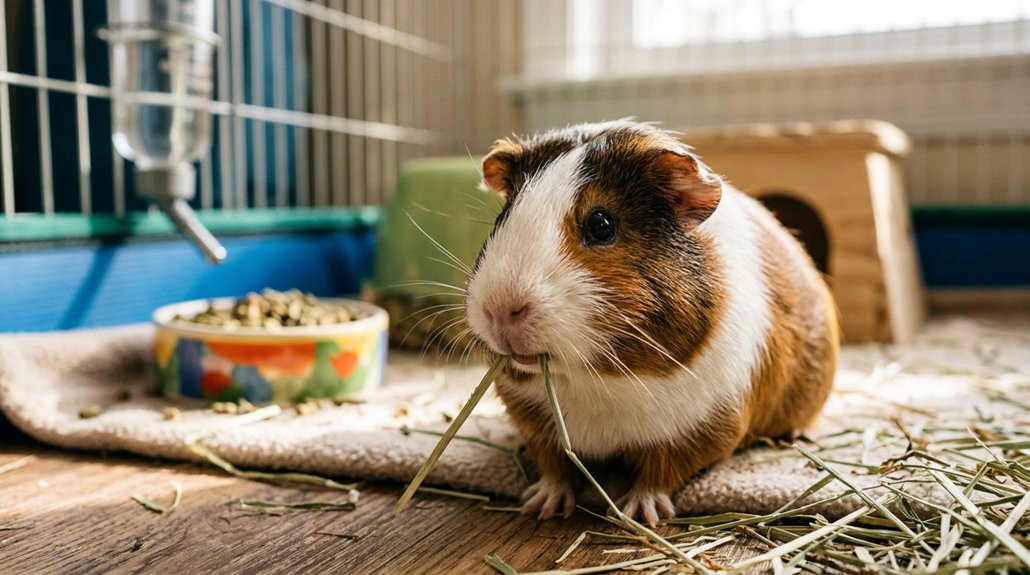
Guinea pigs are fantastic pets for a variety of reasons, and one of the most compelling is their highly social nature. You’ll find they thrive when they can build companionship, particularly in pairs. Their unique personalities add a delightful dynamic to your home. Some guinea pigs are known for being curious and adventurous, while others display a more relaxed demeanor. This diversity guarantees they’re engaging and fun to interact with. As generally low-maintenance pets, they require straightforward care like a diet of hay, fresh vegetables, and readily available clean water. Their gentle nature means they’re well-suited for families or apartment dwellers, offering calm companionship. With attention to their health, they can enrich your life for 5-7 years.
Challenges in Guinea Pig Care
While guinea pigs are certainly charming additions to any household, their care comes with its own set of challenges that prospective owners should be aware of. Their dietary needs demand keen attention; guinea pigs require fresh vegetables and vitamin C-rich foods daily since they can’t produce the vitamin on their own. Maintaining cleanliness is essential—these pets generate substantial waste, necessitating daily habitat cleaning and night-time thorough sanitization. Health monitoring is critical as they’re prone to ailments and need regular vet visits, including monthly nail trims and frequent health checks. This can become costly over time. Furthermore, guinea pigs’ natural timidity requires gentle handling, which children might find difficult. With patience and vigilance required, the commitment is significant and shouldn’t be underestimated.
Guinea Pig Social Dynamics
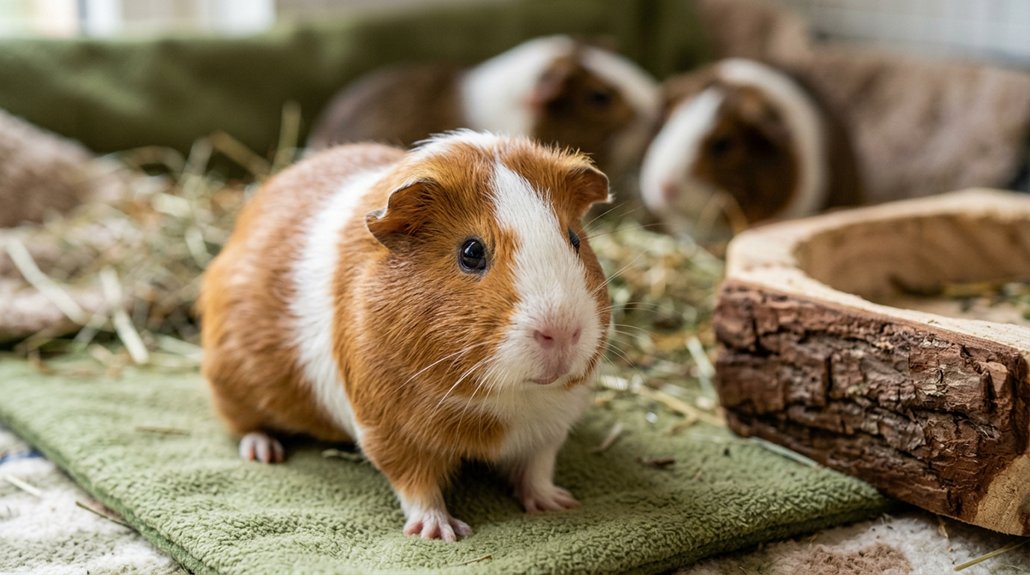
Despite their charming independence, guinea pigs are inherently social creatures that flourish in companionship. Guinea pig relationships are vital for their mental well-being, as isolation can lead to stress and depression. In fact, Swiss law mandates that you keep at least two guinea pigs together, emphasizing the importance of their social needs. Pairing strategies are significant; it’s advisable to pair same-gender guinea pigs to prevent breeding and guarantee a peaceful environment. These social beings communicate through various ways, engage in playful activities, and establish bonds that boost their happiness. When introducing new guinea pigs, consider gradual introductions, especially using littermates, to encourage positive social dynamics and avoid territorial behavior. Proper social pairing truly enhances their quality of life.
How to Introduce Guinea Pigs to Other Pets
When introducing your guinea pigs to other pets, close supervision is essential to guarantee their safety and well-being. Start by gradually acclimating them to each other using barriers or separate rooms to minimize stress and potential injury. Always assess the temperament of both your guinea pigs and other pets, remembering that some animals, especially those with strong prey drives, might not be suitable companions.
Supervised Interaction Essentials
Introducing guinea pigs to other pets is a process that requires careful planning and supervision to guarantee the safety and well-being of all animals involved. Start by familiarizing your guinea pig with the other pets’ scents. This gradual exposure helps ease stress, crucial for pet compatibility and successful interactions. Following interaction guidelines, monitor body language for any signs of fear from the guinea pig. Immediate separation might be necessary if stress indicators appear. Choose calm and friendly pets to guarantee a positive experience, as aggressive behaviors could lead to injury. Initially, manage and limit the interaction time, progressively increasing it as both animals adjust. Remember, your guinea pig’s comfort and security should always be your top priority during supervised interactions.
Ensuring Safety and Harmony
Guaranteeing the safety and harmony between guinea pigs and other pets starts with a strategic approach to introductions. Begin by gradually familiarizing them with each other’s scents and sounds. This approach helps mitigate stress, aligning with guinea pig behavior that favors calmness and predictability. Interaction tips include supervising every encounter to prevent stress or injury to your smaller pets. Remember, each guinea pig’s personality is unique; while some are calm, others might react fearfully or aggressively. Hence, a patient, step-by-step introduction is essential. Create a quiet, stress-free environment to foster positive interactions. Additionally, always consider the natural instincts of other pets, especially predatory species, which may view guinea pigs as prey. Managing these dynamics guarantees a safer, more harmonious environment.
How to Earn Your Guinea Pig’s Trust
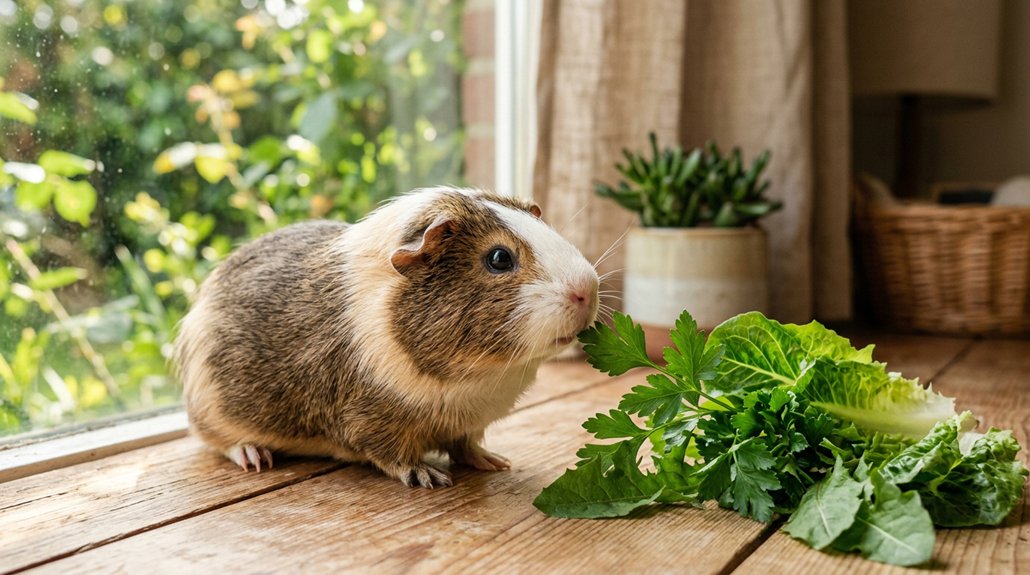
Gaining a guinea pig’s trust is a gradual process that necessitates patience and gentle handling. Developing effective patience techniques is essential, as these small creatures are naturally cautious due to their prey instincts. Start by having frequent, calm interactions, allowing your guinea pig to get familiar with your voice and scent. During these sessions, observe their body language closely. Signs of comfort include relaxed postures, while stress might be indicated by freezing or teeth chattering.
Introduce treats to create positive associations with handling, but remember that some guinea pigs prefer minimal contact. Respect individual comfort levels, recognizing each guinea pig’s unique personality. Building trust isn’t instantaneous, but consistent, gentle engagement will nurture a bond over time, increasing your pet’s comfort with being handled.
Daily Cleaning and Waste Management
As you work to earn your guinea pig’s trust, maintaining their living environment becomes equally important. Effective waste management and a consistent cleaning routine are essential. Guinea pigs produce a substantial amount of waste, potentially up to 100 droppings daily. Consequently, daily spot cleaning is key to keep their habitat sanitary and free from harmful bacteria. Using fleece cage liners can simplify cleaning, as they’re washable and reusable, reducing waste and maintenance time. Make sure the bedding is changed every few days to prevent odors and health issues like respiratory infections. Consider a deep cleaning of their enclosure at least once nightly, especially if left during the day. Maintaining hygiene is critical for your guinea pig’s overall health and well-being.
Setting Up the Perfect Space for Your Guinea Pig
Creating the perfect living space for your guinea pigs is fundamental for their health and happiness. A minimum habitat size of 5 feet by 2 feet is recommended for two guinea pigs, ensuring ample room for movement and interaction. Selecting safe, non-toxic bedding options is critical, with fleece liners being a popular choice due to their easy maintenance. Daily spot cleaning and regular washing keep the area hygienic. For habitat enrichment, include hiding places and tunnels, which help reduce stress and encourage natural behaviors. Access to fresh hay, clean water, and a selection of engaging toys are essential for mental stimulation and overall well-being.
| Bedding Options | Habitat Enrichment |
|---|---|
| Fleece cage liners | Hiding places |
| Non-toxic materials | Tunnels |
| Regular cleaning | Engaging toys |
| Maintenance simplicity | Fresh hay & water |
Should You Adopt Guinea Pigs From Shelters?
When considering a new pet, adopting guinea pigs from shelters might be the most compassionate and responsible choice you can make. Adoption benefits include greatly lowering the number of animals in need and offering a loving home to those like guinea pigs at shelters such as St. Hubert’s. You not only open your heart to a small animal in need but also save on initial expenses compared to buying from pet stores. Shelters provide essential resources and guidance, ensuring you’re well-prepared for the responsibility, by offering thorough shelter support. Adopting a shelter guinea pig gives them a second chance to thrive, particularly if they’ve faced neglect or abandonment. You’re promoting responsible pet ownership and making a real difference in their lives.
Are Guinea Pigs Right for Your Family?
Choosing the right pet for your family can be a challenging decision. Guinea pigs might be suitable due to their family-friendly nature. They thrive in pairs, enhancing guinea pig family compatibility, and teaching children the value of companionship. However, be ready for the commitment; they need daily care and specialized diets.
Here’s a quick guide:
| Aspect | Consideration | Importance |
|---|---|---|
| Social Needs | Adopt pairs or more | Essential for happiness |
| Child Suitability | Adult supervision needed | For safe interaction |
| Time & Financial Commitment | Daily care and costs | Significant responsibility |
| Lifespan | 5 to 7 years | Long-term care required |
| Trust Building | Patient handling | Essential for bonding |
Guinea pigs foster friendships and connections, yet require patience and dedication. Decide wisely if you’re prepared for this journey.
Frequently Asked Questions
Do Guinea Pigs Smell in the House?
Guinea pigs can produce noticeable odors due to their frequent waste, but with consistent cleaning tips, like daily spot cleaning and changing bedding every few days, you can manage guinea pig odors effectively, keeping your home smelling fresh.
Will Guinea Pigs Cuddle With You?
Will guinea pigs cuddle with you? They can, but it depends on the cuddling behavior. Using bonding techniques like gentle handling and patience, you can build trust and encourage more physical contact, leading to a comforting companionship.
Can I Leave My Guinea Pig Alone for 7 Days?
No, you shouldn’t leave your guinea pig alone for seven days. Their feeding schedule and social needs demand daily attention. Make certain someone can visit daily for care, companionship, and cleaning to maintain their health and happiness.
Does a Guinea Pig’s Bite Hurt?
Yes, a guinea pig’s bite can hurt, with sharp teeth capable of breaking the skin. Proper understanding of guinea pig behavior and thoughtful guinea pig care, focusing on gentle handling, can minimize bites by building trust over time.
Conclusion
Ultimately, deciding if guinea pigs are the right pet for your family hinges on understanding their needs and behaviors. While they’re social creatures that can bring joy and companionship, it’s essential to acknowledge the efforts required for their care and habitat maintenance. Experts theorize that guinea pigs can help reduce stress and anxiety in their owners, a potential benefit worth considering. So, carefully weigh the pros and cons to determine if these charming rodents fit your household dynamics.