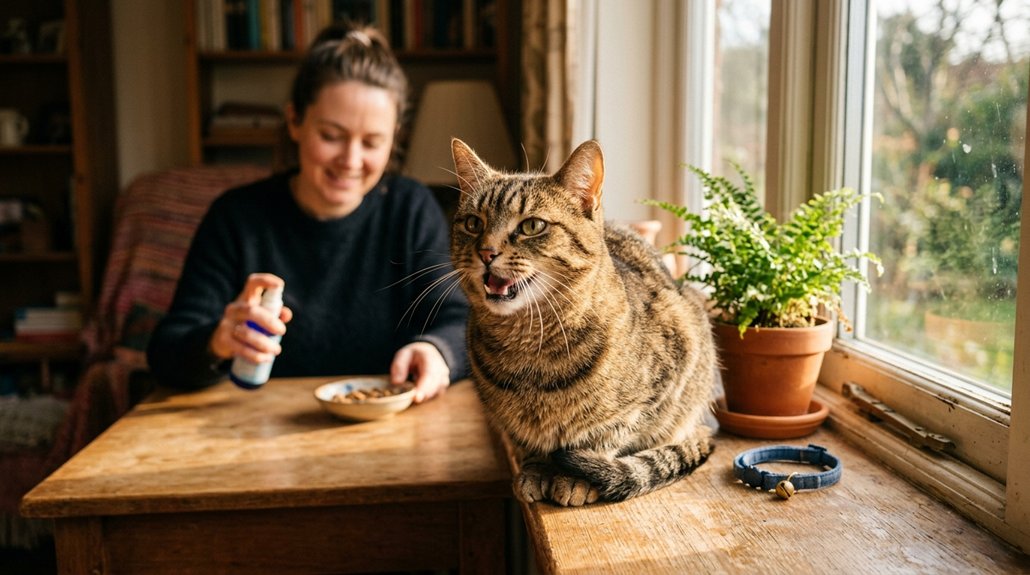
To reduce excessive meowing in cats, first rule out potential health issues like hyperthyroidism or kidney disease through veterinary evaluation. Address environmental stressors by establishing routine feeding and play schedules, creating secure spaces with vertical structures, and engaging them in interactive play sessions to prevent boredom. Monitor vocal patterns for emotional triggers, ignoring attention-seeking behavior safely. If meowing persists or changes unpredictably, professional consultation is advised. Understanding specific triggers will further refine your strategy.
Key Takeaways
- Monitor for health issues like pain or illness, as they can cause excessive meowing, and consult a vet if patterns change suddenly.
- Establish consistent feeding and play routines to reduce anxiety and mitigate meowing caused by stress or boredom.
- Engage cats in regular interactive play and provide enrichment toys to offer mental and physical stimulation.
- Gradually introduce cats to new environments and maintain consistency in their surroundings to minimize stress-induced vocalization.
- Ignore attention-seeking meows to discourage the behavior, expecting possible initial increases before it reduces.
Identifying Health Triggers of Excessive Meowing
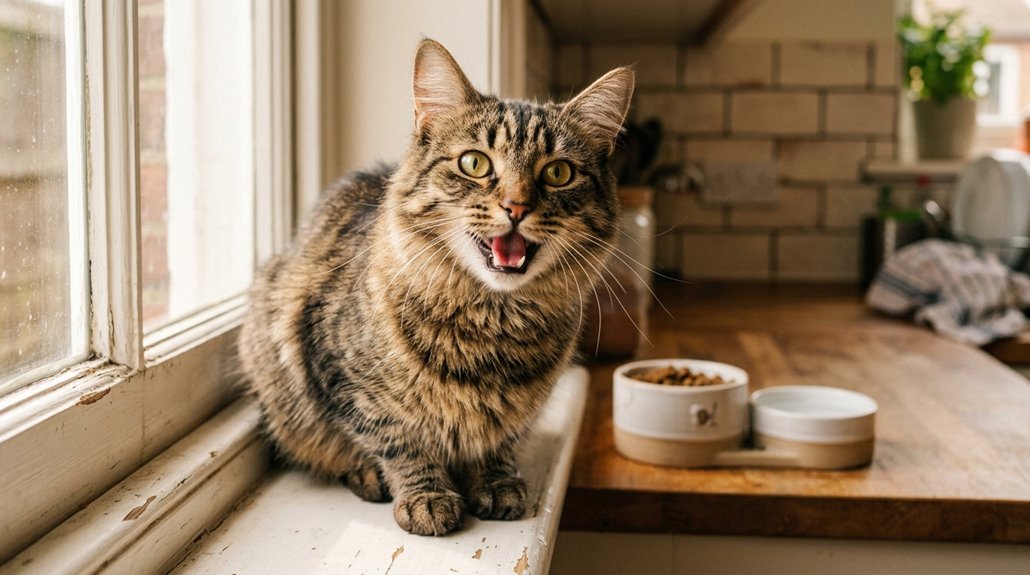
Excessive meowing in cats can often signal underlying health issues that need careful evaluation. Understanding vocalization patterns is vital in appraising these concerns. If your cat’s vocal habits suddenly change, especially if a quiet feline starts meowing excessively, it’s important to contemplate possible medical triggers. Conditions like hypertension, cognitive dysfunction, or pain can alter feline communication, particularly in older cats. Health issues such as kidney disease or hyperthyroidism may also lead to increased meowing, often coupled with other symptoms like thirst or appetite changes. Be attentive to the quality of your cat’s meow; hoarseness could indicate respiratory issues. Regular veterinary check-ups are essential for identifying and addressing any health triggers behind excessive vocalization, ensuring your cat’s overall well-being.
Common Causes of Excessive Meowing
When addressing excessive meowing in cats, it’s essential to understand the primary reasons behind their vocalizations. Cats frequently meow to communicate specific needs or discomfort, so observing their behavior can provide valuable insights into potential health concerns like hyperthyroidism or cognitive dysfunction. Acknowledging these factors will help you differentiate normal communication from signals that warrant a veterinary consultation.
Communication With Humans
While it’s natural for cats to communicate through meowing, distinguishing excessive vocalization is pivotal in understanding your pet’s needs. Cats establish vocal patterns primarily as a mode of human interaction, conveying essentials like hunger, attention, or discomfort. Certain breeds, such as Siamese and Abyssinians, are inherently more vocal, potentially exhibiting increased meowing frequencies. Conversely, breeds like Ragdolls and Persians are typically quieter. Environmental changes, such as relocating to a new home or altering routines, can prompt stress-induced vocalization, reflecting adaptation difficulties. Adult cats may adopt these vocal behaviors from previous owners, reinforcing meowing as a primary interaction method for conveying needs. Monitoring these patterns aids in discerning whether vocalization stems from typical communication or signals underlying concerns.
Health Concerns Awareness
Identifying the underlying causes of excessive meowing in cats can be essential for ensuring their well-being, as it often indicates significant health concerns. Older cats require special geriatric considerations, as conditions like hypertension, cognitive disorders, kidney disease, and hyperthyroidism could be at play. Sudden increases in vocalization may signal discomfort or pain; hence, thorough health assessments are necessary if additional symptoms are evident. Importantly, changes in meow quality, such as becoming hoarse, might suggest upper respiratory infections or throat issues. Additionally, urinary tract problems or gastrointestinal discomfort cause vocalization near the litter box, necessitating prompt vet evaluation. Monitor for weight loss, appetite changes, or behavioral shifts, since these accompanying signs guide effective identification of health concerns requiring intervention.
Addressing Environmental Changes and Triggers
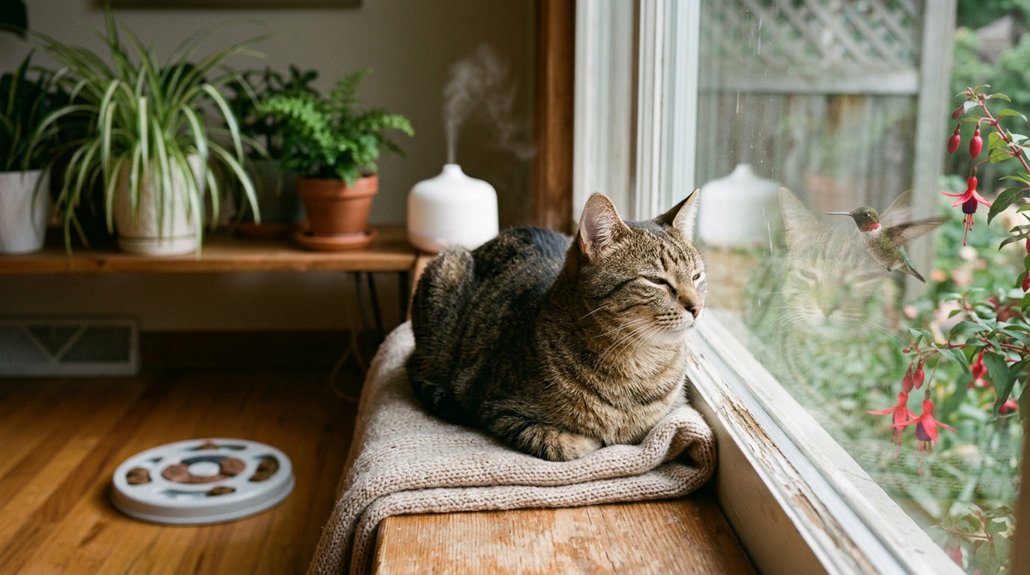
Although environmental changes are often inevitable, understanding their impact on feline behavior is essential in addressing excessive meowing. Shift strategies are critical in managing your cat’s adjustment. Gradually introduce your feline to new spaces to reduce anxiety-related vocalization. Establishing safe spaces with vertical structures offers refuge and comfort, thereby mitigating stress-induced meowing. Maintaining consistency in feeding and play routines is imperative, as predictability can alleviate anxiety-related excess vocalization. Additionally, monitor for external stressors like unfamiliar animals outside, as these can escalate meowing. It may take weeks for stress to subside, but providing an enriching, stable environment helps manage the shift. Adopting these strategic measures creates an atmosphere of calm, reducing excess meowing tied to environmental changes.
Behavior Techniques for Reducing Meowing
To mitigate attention-seeking meowing, it’s imperative to consistently ignore vocalizations until your cat is quiet, reinforcing silence with attention or rewards. Evidence suggests that establishing a routine for feeding and interaction can reduce anxiety-induced meowing by enhancing predictability and security. Additionally, by documenting meowing patterns, you can uncover specific triggers, allowing for tailored strategies to address the root causes of excessive vocal behavior.
Ignore Attention-Seeking Meowing
When you begin addressing your cat’s attention-seeking meowing, it requires a methodical approach that hinges on patience. Initially, you may observe an “extinction burst,” where the cat’s vocalization patterns intensify before diminishing. This reaction is typical and indicates the cat’s adjustment to the new reinforcement strategy. Consistency in ignoring meows that seek attention is vital. Resisting the urge to respond during these periods prevents reinforcing the behavior, effectively reducing future vocalizations over time. Avoid punitive measures, as these can instill fear and erode trust. Complement this approach with scheduled routines and enriching activities, which provide structure and mental stimulation. These interventions collectively contribute to minimizing your cat’s inclination to meow for attention and promote overall behavioral harmony.
Reinforce Quiet Behavior
Reinforcing quiet behavior in cats is an effective strategy for minimizing excessive meowing. Utilize quiet reinforcement by providing attention and rewards only when your cat is silent. This forms a positive association with being quiet, discouraging unwanted vocalization. Establish a scheduled routine for feeding and playtime, as predictability reduces your cat’s need for vocal demands. Implement positive reinforcement, using treats or affection, during periods of silence. Avoid punitive measures, as scolding can induce anxiety and exacerbate the issue. Instead, redirect focus to engaging activities. Behavioral tracking is essential—document instances of excessive meowing to identify patterns and implement targeted interventions. By maintaining consistency, you can effectively guide your cat toward more desirable, quieter behavior, achieving harmonious coexistence.
Engagement and Enrichment Strategies for Cats
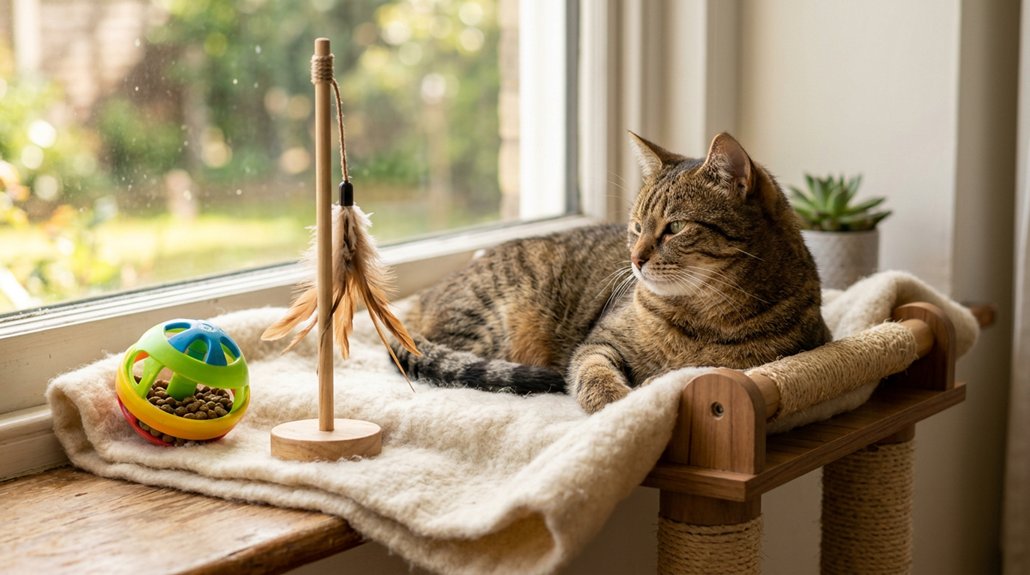
Engagement and enrichment are critical strategies for reducing excessive meowing in cats, targeting the behavioral causes linked to boredom and seeking attention. Daily interactive play sessions using toys that mimic hunting behaviors, such as feather wands or laser pointers, provide necessary mental and physical stimulation. Additionally, introducing food puzzles or treat-dispensing toys can keep your cat engaged, effectively challenging their cognitive abilities and reducing boredom-driven vocalizations. Implementing a structured routine for feeding and playtime is essential, as consistency minimizes attention-seeking meowing. Automatic feeders can aid in maintaining this routine. Create an enriching environment with vertical spaces such as cat trees, tunnels, and scratching posts to encourage exploration and independence. Regularly rotating toys maintains novelty and prevents boredom-related meowing.
Customizing Approaches for Kittens vs. Adults
Addressing excessive meowing in cats necessitates different strategies for kittens compared to adult cats, given their disparate developmental needs and communication behaviors. Kittens meow frequently to express basic requirements such as hunger or desire for play. Promptly fulfilling these kitten needs can lessen their vocalization. Conversely, adult cats may meow due to attention-seeking behavior, boredom, or discomfort. Establishing adult routines—consistent feeding schedules, structured playtime, and interactive toys—can mitigate excessive meowing. Ascertain you provide a stable environment as sudden environmental changes may cause anxiety-induced meowing. Monitoring changes in your cat’s vocalization patterns is critical. For adults, sudden increases may indicate health concerns requiring veterinary assessment. Address emotional and environmental factors to align with specific age-related needs.
When Excessive Meowing Needs Professional Help
When should you seek professional help for your cat’s excessive meowing? If your cat’s meowing frequency or vocalization patterns change unpredictably, consider consulting a veterinarian. This could be indicative of underlying medical concerns. Here are four scenarios warranting professional evaluation:
- Distress Signals: Meowing with panting, hiding, or a loss of appetite suggests potential serious issues.
- Sudden Onset in Older Cats: Unusual vocalizations may signal cognitive dysfunction or pain.
- Quiet Cat Becomes Vocal: Sudden vocalization in typically quiet cats necessitates ruling out illnesses like hyperthyroidism.
- Urinary Distress Symptoms: Meowing with straining to urinate or frequent litter box visits requires immediate medical attention.
Your instincts about behavior changes should guide seeking professional help to guarantee your cat’s well-being.
Frequently Asked Questions
What Is “I Love You” in Cat Language?
“I love you” in cat language involves understanding their communication through physical and vocal cues. Recognize feline behavior like the slow blink, head bunting, grooming gestures, and specific vocalizations that signify affection, fostering better owner-feline relationships.
What to Do When Your Cat Won’t Stop Crying?
Think of your cat’s cries like telegrams of distress. Evaluate their behavior for possible triggers of excessive vocalization: hunger, boredom, or discomfort. Guarantee environmental enrichment and consult a veterinarian if their cries persist to rule out health issues.
How to Get a Talkative Cat to Be Quiet?
To quiet a talkative cat, utilize cat quieting techniques like consistent routines and interactive play to address boredom. Implement excessive meowing solutions by meeting basic needs and ignoring vocalization at night, rewarding silence, and consulting a veterinarian.
Conclusion
To address your cat’s excessive meowing effectively, remember prevention is better than cure. Identifying potential health issues early, understanding environmental triggers, and utilizing behavior modification strategies are key. Providing enrichment activities will keep your cat mentally stimulated and less likely to vocalize excessively. Tailor your approach, considering whether you’re dealing with a kitten or an adult cat. If all else fails, consult a professional to guarantee your feline friend’s well-being. A stitch in time saves nine.