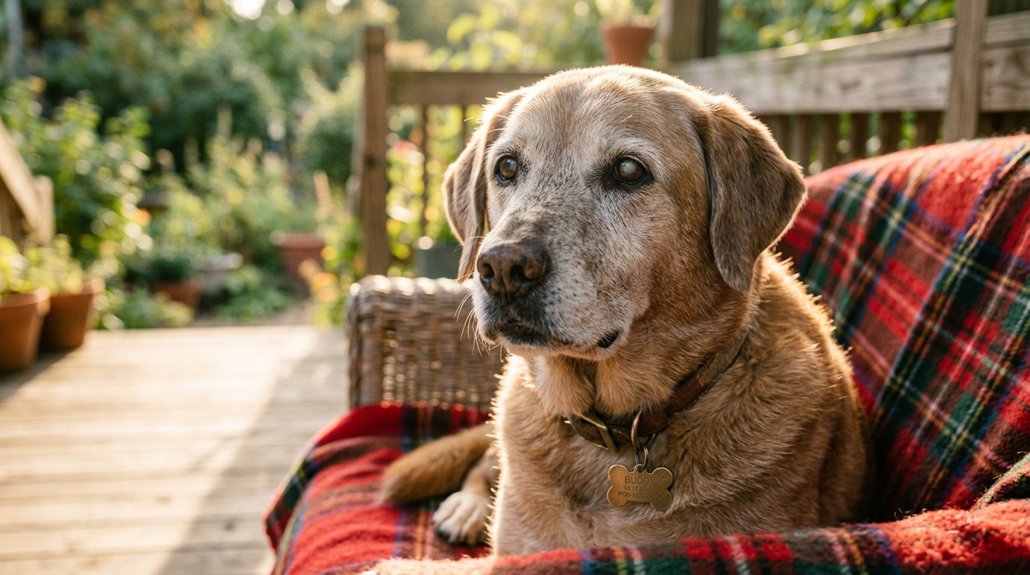
As your dog ages, expect changes in energy levels, eating habits, and sensory abilities. You may notice grey fur, cloudy eyes, or mobility issues that require gentle exercise and weight management. Regular vet visits are essential for monitoring conditions like arthritis and cognitive decline. Guarantee a comfortable environment with orthopedic bedding and non-slip surfaces to support joint health. By paying attention to these aspects, you’ll help maintain their well-being and discover more ways to enhance their golden years.
Key Takeaways
- Senior dogs may show decreased energy, increased sleep, and altered eating habits as common signs of aging.
- Sensory changes like cloudy eyes or hearing loss can impact behavior and require careful monitoring.
- Mobility challenges in senior dogs often relate to arthritis; assistive aids and gentle exercise can help.
- Adjusting nutritional needs with senior dog food formulas supports weight management and joint health.
- Regular veterinary check-ups are vital for early detection of chronic conditions like kidney disease or diabetes.
Recognizing When Your Dog Becomes a Senior
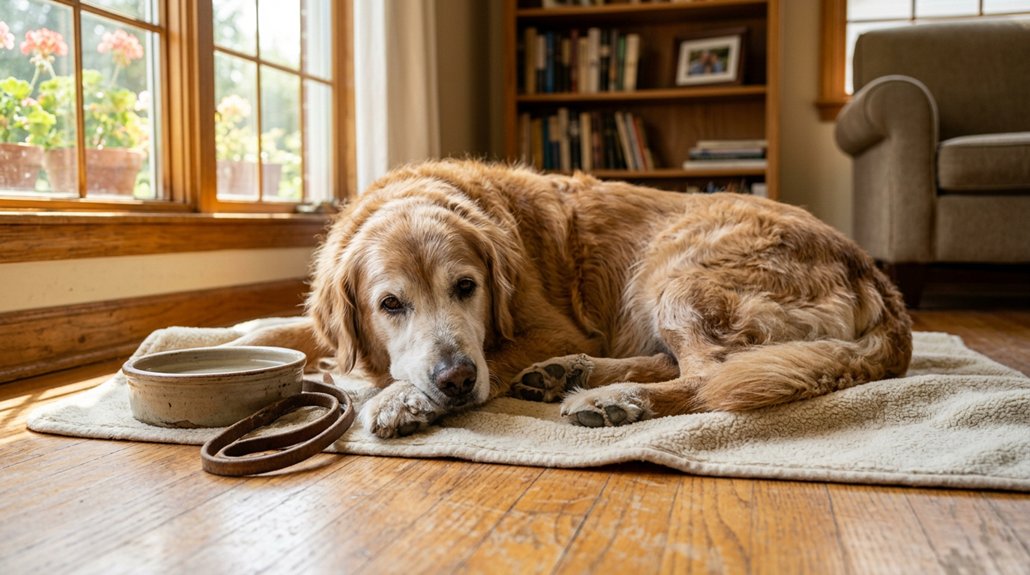
Understanding when your dog becomes a senior is essential for ensuring they receive the best possible care. Generally, a dog’s senior milestones are determined by size. Small dogs usually reach this stage between 10-12 years, while medium-sized dogs do so around 8-10 years. Larger breeds typically become seniors at 8-9 years, and giant breeds take this leap earlier at 6-7 years. Recognizing aging signs such as decreased energy levels or behavioral changes like increased sleep or altered eating habits can guide you in providing tailored care. Increased thirst or reduced appetite might signal entering seniorhood. Regular veterinary check-ups every six months are paramount for you to catch age-related conditions early, ensuring your beloved pet leads a comfortable, dignified life in their twilight years.
Physical Signs of Aging in Dogs
As your dog enters their senior years, you’ll start noticing common signs of aging like greying fur and decreased energy, which can hint at underlying health issues. It’s important to pay close attention to any weight changes, as fluctuations can indicate the need for dietary adjustments or care for potential conditions like thyroid disorders. Remember, your vigilance can greatly enhance their quality of life, so consulting with a veterinarian about any changes is essential.
Common Physical Changes
Often, as dogs enter their senior years, you’ll notice changes in their physical appearance and abilities that signal the natural process of aging. Aging indicators such as greying fur may start appearing around five years of age. As your dog’s eyes become cloudy or their sight diminishes, routine check-ups can guarantee any underlying conditions, like cataracts, are addressed promptly. Physical mobility challenges often arise due to arthritis or degenerative diseases, evidenced by a slower pace or difficulty standing up. Don’t ignore new lumps and bumps, even if they seem benign; veterinary evaluations are crucial to rule out malignancies.
- Gray fur: Typically starts around age 5, often on the muzzle.
- Cloudy eyes: Can indicate cataracts or other eye conditions.
- Mobility issues: Commonly due to arthritis or degenerative diseases.
Monitoring Weight Fluctuations
While caring for a senior dog, it’s important to pay close attention to weight fluctuations, as these can be significant indicators of underlying health issues. Weight monitoring is crucial because gaining weight often results from decreased physical activity, potentially leading to obesity and exacerbating joint problems. On the flip side, sudden weight loss may signal serious conditions such as cancer, diabetes, or kidney disease. You should regularly track your dog’s weight, ensuring any significant changes prompt a consult with your veterinarian. They’ll help develop an appropriate plan that includes dietary adjustments and exercise routines. Typically, senior dogs benefit from diets lower in fat and calories, which aid in maintaining a healthy weight and reducing health risks associated with aging.
Sensory Changes in Vision and Hearing
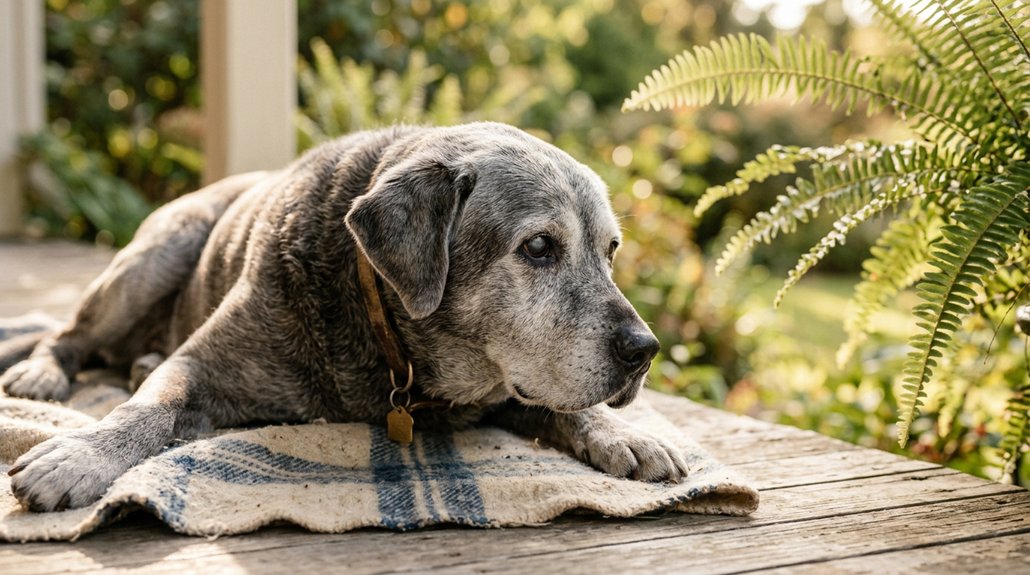
As your dog ages, it’s common to notice sensory changes, particularly in their hearing and vision, that can impact their interaction with the world. Hearing loss may cause them to startle easily or appear unresponsive, while vision changes like eye cloudiness could signal conditions such as cataracts. Regular veterinary check-ups and appropriate environmental adjustments can greatly aid in managing these changes, helping to maintain your dog’s quality of life.
Common Signs in Seniors
Changes in vision and hearing are common as dogs age, and identifying these sensory declines early can play a critical role in managing your senior dog’s health. Cloudy eyes or difficulty seeing might signal conditions like cataracts, affecting your dog’s ability to navigate their environment. Progressive hearing loss can lead to startled reactions; it’s essential to address these changes before they impact cognitive health. Sensory losses often intertwine with issues like urinary incontinence, as confusion from decreased senses can lead to accidents. Regular veterinary consultations help in identifying conditions that might be treatable or manageable.
- Cloudy Eyes: May indicate cataracts or other eye diseases.
- Startled Reactions: Suggest possible hearing loss.
- Monitor for Gradual Changes: Slow onset can be easily overlooked.
Managing Hearing Loss
Recognizing the intertwined nature of sensory changes, hearing loss in senior dogs often accompanies vision decline, requiring a proactive approach to maintain their overall well-being. Observing for signs, such as startled reactions, is vital, as hearing loss can lead to increased anxiety and confusion, especially in unfamiliar environments. Consulting a veterinarian is essential for identifying treatable hearing issues and ensuring early detection of underlying conditions through regular check-ups. Implement auditory adaptations and communication strategies to enhance interaction with your dog, using visual cues and vibrations to convey messages effectively. By understanding and adapting to their sensory limitations, you can help reduce their anxiety and improve their interaction with the world, fostering a peaceful and comfortable environment for your senior dog’s golden years.
Vision Changes Assistance
Vision changes in senior dogs can be a subtle yet significant shift, impacting their interaction with the environment. You might notice cloudy eyes, a sign of cataracts or other conditions. Progressive retinal atrophy could gradually diminish their sight, requiring vision aid options and a thoughtfully adapted environment. Regular vet check-ups guarantee you’re on top of these changes, allowing for timely intervention.
To support your aging dog, consider:
- Vision aid options: Specialized lenses or antioxidants can help in some cases.
- Adapting environment: Keep their surroundings consistent and clutter-free to ease navigation.
- Sensory-friendly spaces: Reduce loud noises and sudden movements to prevent anxiety.
Empathy and understanding can make a world of difference as your dog’s vision changes.
Improving Mobility for Older Dogs
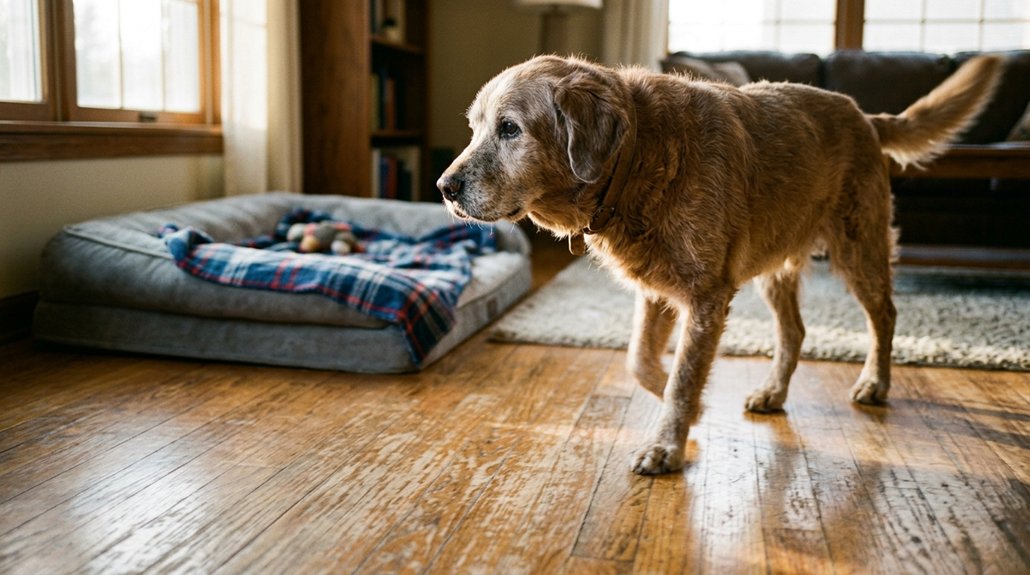
When your beloved canine companion enters their senior years, you might notice a decline in their mobility due to conditions like arthritis. To support them, consider using mobility aids such as ramps and non-slip surfaces to ease their movement at home. Incorporating gentle exercise routines is essential—opt for shorter, more frequent walks that match their energy levels. Swimming is an excellent low-impact workout that maintains muscle strength and joint flexibility without adding discomfort. Additionally, managing their weight is important; excess pounds can worsen mobility issues, so consult your vet for dietary guidance. Orthotic tools like support harnesses or slings can further assist, ensuring your dog stays active and comfortable, improving their overall quality of life as they age.
Behavioral Changes in Your Senior Dog
As you endeavor to enhance the mobility of your senior dog, it’s equally important to be aware of the behavioral changes they may experience during this stage of life. Behavioral observations reveal several changes arising from aging, such as increased irritability, often due to discomfort or pain. With declining energy levels, your dog may now prioritize relaxation needs and prefer quieter playtime preferences. Canine cognitive dysfunction syndrome (CCDS) mimics Alzheimer’s in humans, reflecting cognitive signs like confusion and disorientation.
- Anxiety triggers: Altered vocalizations and increased anxiety may suggest underlying mental health issues.
- Noise sensitivities: Your dog’s increased sensitivity can heighten stress, needing a calmer environment.
- Irritability causes: Recognize irritability as a possible pain signal, prompting veterinary evaluation.
Dental Care Essentials for Senior Dogs
As your dog ages, consistent dental care becomes essential in preventing gum disease, a common issue with potentially severe consequences. Annual dental cleanings under anesthesia are strongly recommended to keep periodontal disease at bay and safeguard your dog’s overall health. By regularly monitoring signs such as bad breath and swollen gums, and consulting with your veterinarian about effective dental care products, you can notably contribute to your senior dog’s well-being.
Preventing Gum Disease
Even though they can’t tell you with words, senior dogs rely on vigilant dental care to maintain their well-being, as gum disease is a common and preventable issue. Effective gum disease prevention hinges on consistent dental health practices. Regularly brushing your dog’s teeth using dog-specific toothpaste helps curb plaque buildup important for maintaining gum health.
- Watch for Signs: Be attentive to warning signs like bad breath, swollen gums, or loose teeth, and consult your vet for a professional evaluation.
- Use Specialized Chews: Offer dental chews designed for seniors to reduce tartar buildup and support oral hygiene.
- Schedule Professional Cleanings: Annual cleanings under anesthesia are essential to manage oral health thoroughly and reduce the risk of periodontal disease progression.
Importance of Regular Cleaning
While it might be easy to overlook, regular dental cleanings are essential for senior dogs to prevent serious health complications. Dental hygiene in older dogs plays a critical role in periodontal prevention, protecting them from diseases that can affect the heart and kidneys. With periodontal disease being prevalent in senior pets, an annual check-up by your veterinarian is necessary to manage and prevent dental issues effectively.
Watch for signs like bad breath, which often indicates gum disease or tooth decay. Professional cleaning under anesthesia guarantees thorough removal of plaque and tartar while keeping your dog comfortable. Home dental care, including brushing and using dental chews, is also important in maintaining oral health daily. By prioritizing dental care, you’ll make sure your senior dog enjoys a longer, healthier life.
Common Health Problems in Senior Dogs
The golden years bring with them a unique set of health challenges for our canine companions, manifesting often in chronic conditions like arthritis, diabetes, and heart disease. To navigate these complexities, it’s essential to manage joint pain effectively and adapt their exercise regimen to maintain mobility. Pay close attention to signs of cognitive decline, such as confusion or disorientation, and consult with a vet for the best care strategy.
Managing joint pain and mobility is key as chronic conditions arise in a dog’s golden years.
- Chronic illnesses demand regular veterinary check-ups to catch issues like kidney disease early.
- Dental care is important to prevent periodontal disease, which can cause significant discomfort and systemic health problems.
- Nutritional needs change over time, making it necessary to adjust their diet to match any weight fluctuations, ensuring they’re at their healthiest.
Health-Promoting Diets for Senior Dogs
As you manage the common health issues that often accompany your dog’s senior years, it’s important to address their nutritional needs with a targeted approach. Senior nutrition involves diet adjustments to accommodate slower metabolisms, requiring lower fat and calorie intake to prevent obesity. Shifting to a senior dog food formula around age seven guarantees a balanced intake of essential nutrients designed for aging bodies. Consider incorporating dietary supplements like glucosamine and chondroitin, which can support joint health and mitigate age-related discomfort. Keep an eye on eating and drinking habits, as anomalies may signal health concerns warranting veterinary advice. Feeding your senior dog separately can prevent competition, making certain they receive the nutrition tailored to their unique needs.
Comfort Strategies for Older Dogs
Caring for an older dog requires thoughtful adjustments to their living environment to provide comfort and support. Ensuring their well-being starts with orthopedic bedding, designed to ease aching joints and improve sleep quality. Such bedding can considerably enhance your dog’s overall health. Additionally, stability is essential; integrating slip-resistant surfaces like rugs or carpets into your home can prevent accidents due to slips or falls. Providing a quiet, restful area promotes relaxation, catering to your senior dog’s increased need for undisturbed sleep and frequent toilet breaks. Here are important strategies:
- Exercise Regimen: Opt for gentle activities like short walks or swimming.
- Health Monitoring: Regularly keep track of any changes in your dog’s behavior or health.
- Routine Adjustments: Adapt daily routines considering their stamina and needs.
Quality of Life Tips for Senior Dogs
When it comes to elevating the quality of life for your senior dog, creating a supportive and enriching environment is essential. Design cozy spaces with soothing sounds to guarantee peaceful rests. Implement engaging routines that include memory games, gentle grooming, and light exercise to maintain their physical and mental health. Address their hydration needs with easy access to fresh water and consider nutrition adjustments, such as a diet with lower fat and glucosamine supplements, to promote joint health. Foster social interactions through supervised group activities, enhancing emotional well-being. Ensure your home offers safe environments, reducing risks of injury. These strategies, combined with regular vet check-ups, help your beloved pet enjoy their golden years with energy and joy.
Frequently Asked Questions
What Are the Stages of Senior Dog Aging?
You’re likely to see senior milestones like greying fur and behavioral changes indicating aging signs. Expect reduced stamina and mobility issues. Regular vet check-ups can help manage health concerns and tailor care for enhanced well-being.
What’s the 90/10 Rule for Dogs?
The 90/10 Rule for dogs suggests 90% of their diet should be high-quality dog food, with 10% as healthy treats. Check nutrition guidelines, consult your vet, and follow exercise tips to maintain balanced senior dog health.
What Are the Red Flags for Senior Dogs?
When observing senior dogs, common complaints like sudden weight changes and mobility issues should catch your attention. Watch for behavior changes, including irritability or disorientation, as these may signal underlying health concerns needing veterinary attention.
How Far Should You Walk a 14-Year-Old Dog?
On average, a senior dog’s stamina decreases by 30%. Making walks shorter, 15-30 minutes, is essential. Use exercise guidelines like gentle strolls on soft surfaces. Monitoring your dog’s comfort is important; adapt as needed.
Conclusion
As your loyal companion journeys through their golden years, think of them as an Odyssian traveler sailing into uncharted waters. Just as Homer’s hero encountered challenges, your senior dog will face changes in health and behavior. Providing a nutritious diet, enhancing mobility, and ensuring their comfort are your tools, while regular vet check-ups act as your rhapsode, narrating their health story. Embrace these years with empathy and wisdom, ensuring they remain joyful chapters in your shared epic.