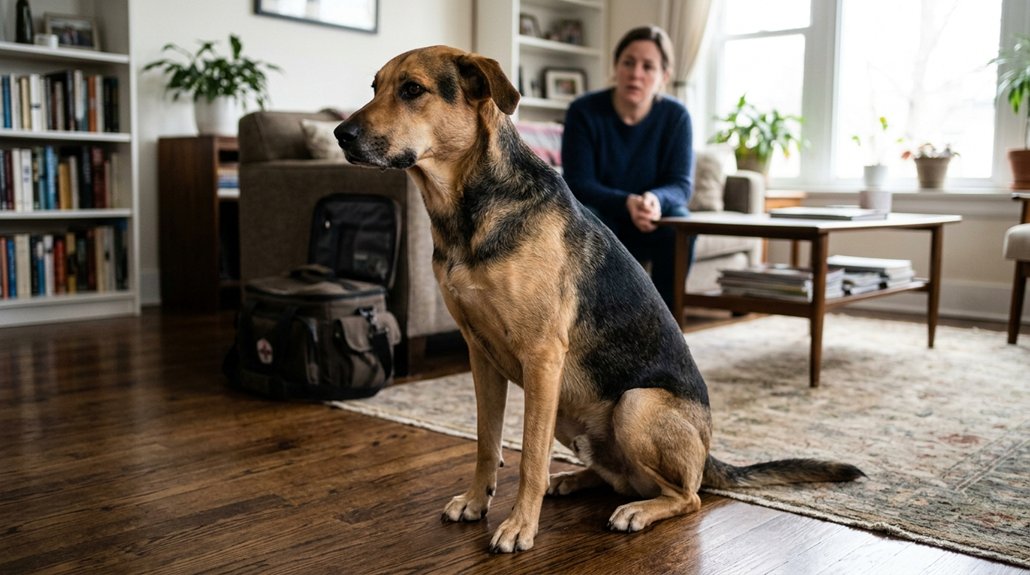
If your dog is losing weight suddenly, it’s often a sign of underlying health issues. Conditions like diabetes, kidney disease, or digestive disorders can lead to rapid weight changes. Stress, hormonal imbalances, or dental problems may also contribute. Monitoring eating habits and behavior is essential. Consulting a vet guarantees early detection and treatment, preventing further health decline. For a thorough understanding and specific management strategies, further exploration will provide useful insights.
Key Takeaways
- Sudden weight loss over 10% warrants immediate veterinary evaluation for potential underlying health concerns.
- Diseases like diabetes or kidney disease can cause significant and rapid weight loss in dogs.
- Digestive disorders, including IBD and EPI, impair nutrient absorption, leading to weight loss.
- Stress and systemic infections, often due to dental issues, can reduce appetite and cause weight loss.
- Hormonal disorders, such as thyroid issues and Addison’s disease, increase metabolism and contribute to weight loss.
Understanding Weight Loss in Dogs: Why It’s Concerning

Sudden weight loss in dogs, characterized by a loss exceeding 10% of their normal body weight, isn’t merely an aesthetic concern—it’s clinically significant and demands veterinary evaluation. Weight loss implications extend beyond physical appearance, often indicating underlying health issues. You might observe behavioral changes like increased lethargy or altered eating habits, which reinforce the urgency for professional assessment.
These shifts may reflect systemic conditions such as metabolic disorders or organ diseases. When your dog’s weight decreases unexpectedly, it’s essential to monitor accompanying symptoms like changes in appetite or increased thirst. These may suggest serious conditions needing immediate attention. Early intervention is key, so maintaining regular vet visits is important for tracking your dog’s health and preventing potentially critical health declines.
Identifying Root Causes of Rapid Weight Loss in Dogs
When a dog experiences rapid weight loss, it’s critical to identify the underlying causes to address potential health risks promptly. Conditions like diabetes, kidney disease, or cancer are serious concerns needing immediate veterinary attention. Metabolic disorders such as hyperthyroidism increase calorie use, while painful dental conditions or digestive discomfort can reduce food intake. Additionally, stress factors and environmental changes might trigger significant appetite changes, further contributing to rapid weight loss even if your dog seems otherwise healthy.
Here’s a quick overview:
| Cause | Impact on Weight Loss |
|---|---|
| Diabetes | Significant weight loss |
| Kidney Disease | Rapid weight decline |
| Inflammatory Bowel Disease | Malabsorption leading to weight loss |
| Metabolic Disorders | Increased calorie expenditure |
| Stress Factors | Appetite changes and weight loss |
Digestive Disorders: Impact on Your Dog’s Weight
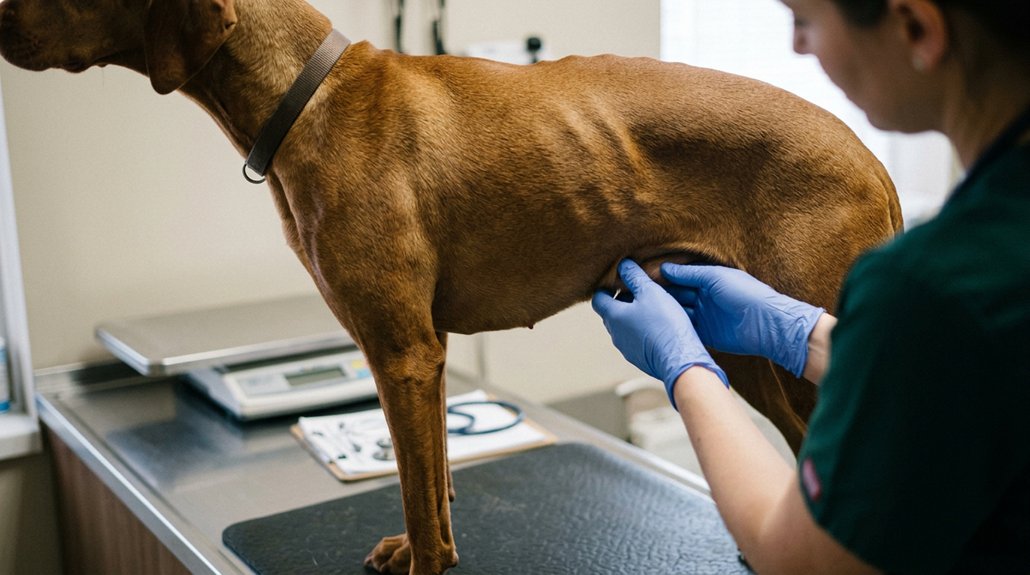
Although they might eat regularly, dogs with digestive disorders can still experience significant weight loss due to impaired nutrient absorption. Conditions like inflammatory bowel disease (IBD) and exocrine pancreatic insufficiency (EPI) are prime culprits, often presenting with symptoms such as vomiting and diarrhea, which exacerbate nutrient loss. Managing such conditions often involves dietary adjustments aimed at improving absorption efficiency. For instance, specialized diets can be vital in addressing food allergies or intolerances that hinder nutrient uptake. As digestive disorders increase a dog’s energy expenditure, addressing both dietary deficiencies and symptom management becomes critical. It’s important to consult a veterinarian for a thorough evaluation, which may include fecal testing and imaging, ensuring a tailored approach to mitigate weight loss and improve your dog’s overall health.
Effects of Hormonal Changes on Canine Health
While hormonal imbalances greatly impact canine health, they’re often overlooked causes of weight loss in dogs. Thyroid disorders, for instance, can heighten metabolism, leading to unjustified weight loss. A dog with diabetes mellitus might experience weight loss despite normal or increased appetite, as glucose utilization falters. Addison’s disease, an adrenal dysfunction, results in insufficient hormone production, causing both weight loss and symptoms like increased thirst and lethargy. Additionally, hyperadrenocorticism, or Cushing’s disease, promotes muscle breakdown and fat redistribution, negatively affecting weight. Monitoring these metabolic changes through regular veterinary check-ups is essential, as even subtle hormonal shifts can disrupt a dog’s weight and overall well-being. Understanding and addressing these disorders helps maintain your dog’s health and robustness.
Dental Issues and Appetite Loss in Dogs
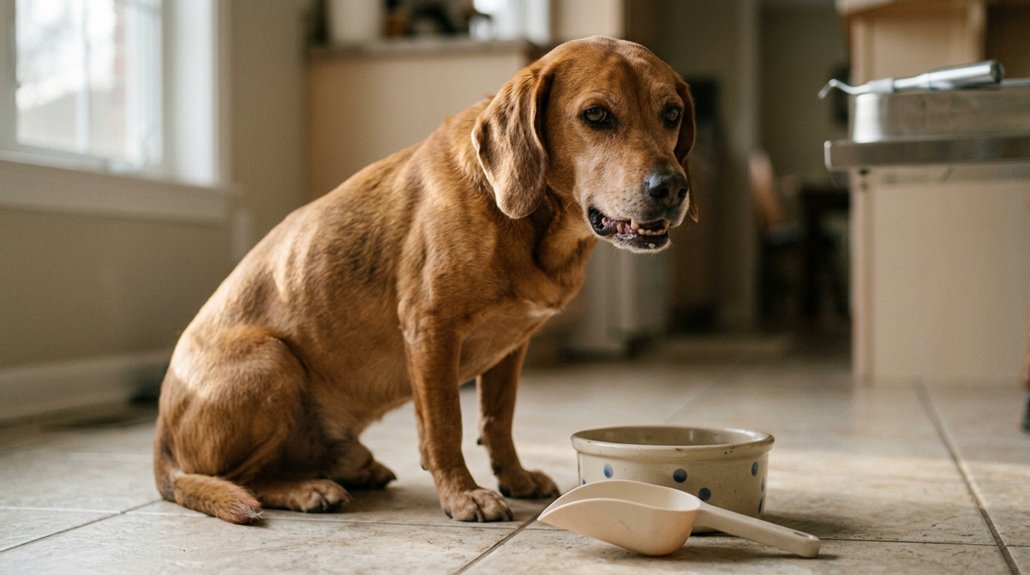
You’re likely aware that dental issues in dogs, including periodontal disease and oral infections, can lead to significant pain and decreased appetite. This discomfort may cause your dog to avoid eating, contributing to unwanted weight loss. Recognizing signs such as bad breath or difficulty chewing is essential, as these symptoms suggest it’s time for a veterinary evaluation to prevent further health complications.
Impact of Dental Pain
Dental pain in dogs, resulting from issues like periodontal disease or broken teeth, can cause considerable discomfort and lead to decreased appetite, culminating in weight loss. Maintaining proper dental hygiene is vital in preserving your dog’s nutrition balance. Painful dental conditions can make chewing challenging, often causing dogs to avoid eating or opt for softer food that may not meet all their dietary needs. Regular dental check-ups are essential, as neglect can lead to infections and further nutrition deficits, affecting your dog’s overall health. Approximately 80% of dogs exhibit dental disease by age three, emphasizing the need for consistent dental care to prevent severe issues. Addressing dental health proactively can greatly reduce the risk of weight loss due to dental pain.
Signs of Oral Discomfort
Many signs of oral discomfort in dogs are subtle yet vital for timely intervention. Dental issues such as gum disease and broken teeth can cause significant pain, leading to appetite loss. Watch for reluctance to eat, dropping food, excessive drooling, and bad breath—these warrant veterinary evaluation. Behavioral changes might include aggression when touching their mouth or lethargy. Establishing good oral hygiene and engaging in preventative care are important, especially since 80% of dogs show dental disease signs by age three.
| Signs of Oral Discomfort | Behavioral Changes |
|---|---|
| Reluctance to eat | Aggression when touched |
| Dropping food | Avoiding play |
| Excessive drooling | Lethargy |
| Pawing at the mouth | |
| Bad breath |
Early intervention prevents severe issues like systemic infections and promotes weight stability.
Distinguishing Dental Issues From Serious Diseases
When evaluating weight loss in your dog, it’s essential to differentiate between dental issues and more serious diseases. Dental problems, indicated by signs such as difficulty chewing and tartar buildup, can cause pain and reduced food intake. In contrast, disease-related symptoms like lethargy and changes in thirst may suggest more complex health conditions, necessitating a thorough veterinary evaluation.
Identifying Painful Dental Problems
Pinpointing painful dental problems in dogs can sometimes seem like a tricky endeavor, but distinguishing these issues is crucial for maintaining their overall health. Poor dental hygiene and compromised gum health can lead to serious conditions such as broken teeth, gum disease, or oral tumors. These problems can deter your dog’s ability to eat properly, resulting in weight loss and nutritional deficiencies.
To identify potential issues, look for:
- Difficulty chewing or changes in eating habits
- Excessive drooling and bad breath
- Visible tartar buildup on teeth
- Signs of oral pain or discomfort
Older dogs are more susceptible to dental diseases, affecting up to 80% of them by age three. Regular veterinary check-ups and dental cleanings are essential for early detection and your dog’s well-being.
Recognizing Disease-Related Symptoms
Although sudden weight loss in dogs can be alarming, recognizing the symptoms often requires distinguishing between dental issues and more serious systemic diseases. Dental problems like periodontal disease can cause significant pain, inhibiting your dog’s ability to eat normally, and may lead to systemic infections. Key indicators of dental issues include bad breath, difficulty eating, and tartar buildup. Regular dental checkups are essential for early detection and management. In contrast, weight loss accompanied by increased thirst, frequent urination, vomiting, or lethargy may signify systemic diseases such as diabetes or cancer. Appetite monitoring is important to observe any changes that could hint at these conditions. Conducting a thorough veterinary examination, possibly including imaging, helps differentiate dental concerns from underlying health problems.
How Your Vet Diagnoses Weight Loss
To effectively diagnose weight loss in your dog, a veterinarian employs a detailed approach. Initially, they gather a detailed diet history, evaluating your dog’s appetite, activity level, and bowel habits to understand the weight loss context. A comprehensive physical examination follows, focusing on hydration, muscle tone, and oral health to identify any underlying conditions. Diagnostic imaging, like X-rays and ultrasounds, is vital to assess internal organs for structural issues or diseases.
Additionally, several diagnostic tools are used:
- Blood chemistry panels and complete blood counts: Identify metabolic or organ function problems.
- Urinalysis: Assesses urinary tract health.
- Fecal analysis: Detects gastrointestinal parasites or malabsorption.
- Advanced imaging tests: Offers a deeper insight into internal health.
This methodical approach guarantees thorough evaluation and accurate diagnosis.
Effective Treatments for Rapid Canine Weight Loss
Treating rapid canine weight loss involves a multi-faceted approach that starts with a thorough veterinary evaluation to identify any underlying health conditions. Vital diagnostic tools include blood tests, imaging, and fecal analysis. The treatment often requires dietary adjustments to incorporate nutrient-rich diets that are easily digestible, particularly for dogs with food sensitivities or gastrointestinal disorders.
| Treatment Component | Purpose |
|---|---|
| Nutrient-Rich Diets | Provide essential nutrients for recovery |
| Appetite Stimulants | Encourage food intake in dogs with low appetite |
| Intravenous Fluids | Combat dehydration and support recovery |
In more severe cases, your veterinarian might recommend medications such as anti-nausea drugs or appetite stimulants. Supportive care is essential, including intravenous fluids for dehydration. Consistent monitoring and regular follow-up appointments are vital to track changes and adjust treatment effectively.
Ensuring Long-Term Health: Weight Management Tips for Dogs
After successfully managing rapid weight loss, it’s important to adopt strategies for maintaining your dog’s ideal health over the long term. Regular veterinary check-ups are essential for catching any health issues that might affect your dog’s weight or wellness. Focus on providing a balanced diet tailored to your dog’s specific nutritional requirements and life stage. This entails necessary nutritional adjustments to their diet, ensuring proper caloric intake.
Maintain consistency with your dog’s feeding routines:
- Structured Feeding Schedule: Implement smaller, more frequent meals to improve digestion.
- Weight Monitoring: Regularly check your dog’s weight to spot concerning trends early.
- Exercise Regimen: Engage your dog in regular exercise appropriate for their age.
- Early Detection: Schedule routine vet visits for preventative health checks.
Each step is critical for ideal long-term health.
Frequently Asked Questions
Why Is My Dog Suddenly Losing Weight but Acting Normal?
Your dog’s sudden weight loss, despite normal behavior, could indicate possible causes like metabolic disorders or hormonal imbalances. It’s essential to consult a veterinarian for a thorough evaluation to identify any hidden health issues behind the weight changes.
What Are Signs Your Dog Is Going to Pass Away?
You’re likely to notice several end of life signs, including lethargy, decreased appetite, withdrawal, labored breathing, and behavioral changes. These indications suggest significant changes in your dog’s canine health, signaling it’s nearing its life’s end.
When to Worry About a Dog Losing Weight?
You should be concerned if weight loss accompanies signs of underlying conditions like gastrointestinal problems, chronic illnesses, or parasite infestations. Consider dietary changes, stress factors, increased activity, or dental issues as potential causes that warrant veterinary evaluation.
Why Does My Dog Look so Skinny All of a Sudden?
Your dog looks skinny suddenly due to sudden weight loss, which could signify potential health issues like gastrointestinal disorders, endocrine problems, or dental diseases. It’s essential to consult a veterinarian to diagnose and address the underlying cause.
Conclusion
In addressing your dog’s sudden weight loss, it’s essential to identify the underlying cause promptly. Did you know that approximately 10% of all dogs experience weight loss as a primary health concern each year? This statistic underscores the significance of regular veterinary check-ups. By understanding potential triggers, such as digestive disorders or dental issues, and seeking timely professional advice, you can guarantee your pup’s health is managed effectively, leading to a better quality of life.