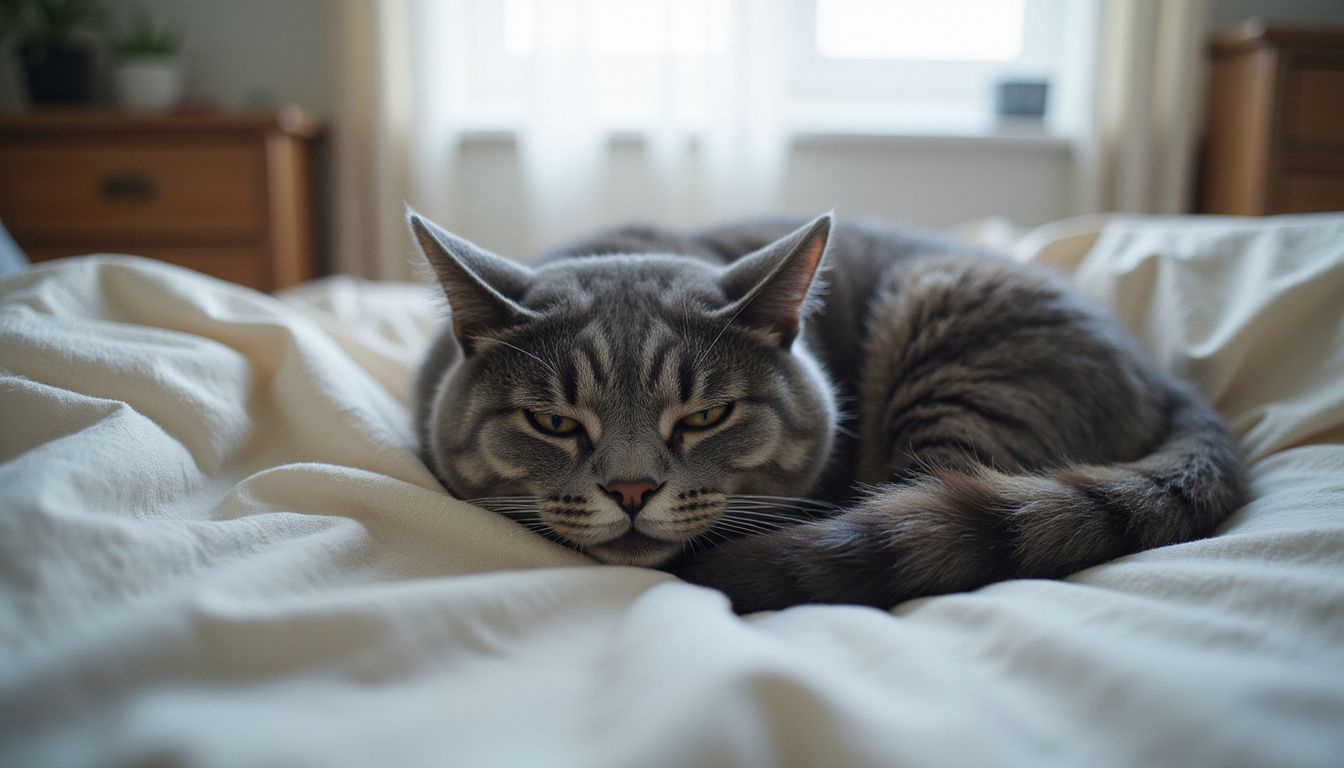
Ever catch your cat just staring off into space, and something about it feels off?
You can’t quite explain why, but your gut says something’s wrong.
Here’s the tricky part. Cats are wired to hide sickness. Unlike dogs, who tend to wear pain on their sleeve, cats mask it as an old survival instinct.
That’s exactly why new cat parents get caught off guard when a health problem shows up out of nowhere.
I’ll walk you through the signs of illness that matter most, from appetite changes to litter box shifts, hiding behavior, and coat changes. You’ll know exactly what to watch for with your cat’s feline health, and when it’s time to get veterinary attention.
Grab a cup of coffee. Let’s get into it.
Key Takeaways
- Cats hide illness instinctively, so you have to watch for appetite changes, litter box shifts, behavior changes, and physical symptoms to catch problems early.
- Appetite or drinking habit changes can signal serious conditions like hepatic lipidosis, dental disease, diabetes, kidney disease, and thyroid disease that need quick veterinary attention.
- Increased urination, diarrhea, constipation, and litter box changes point to metabolic conditions, infections, parasites, kidney disease, or other health problems that need prompt evaluation.
- Hiding, aggression, excessive meowing, vomiting, drooling, breathing problems, swelling, and discharge all signal illness and call for veterinary care without delay.
- Coat changes like matting, excessive shedding, lack of grooming, or over-grooming can point to pain, arthritis, stress, allergies, fleas, or a bigger illness that needs a professional look.
How Can Appetite or Drinking Habits Indicate Illness?
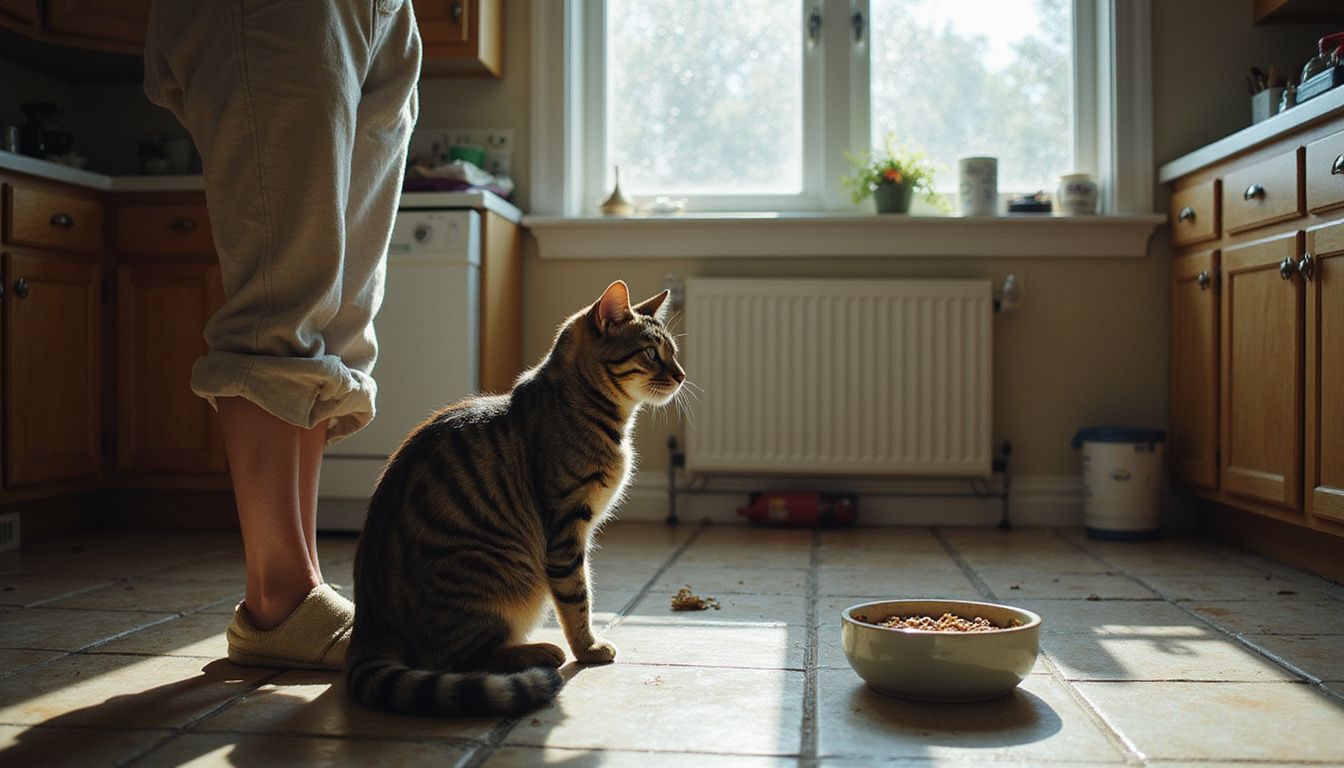
Your cat’s food bowl and water dish tell a story every single day. When your cat suddenly stops eating, eats way more than normal, or can’t stay away from the water bowl, pay attention. Something’s likely going on underneath.
Why Is My Cat Eating Less or More Than Usual?
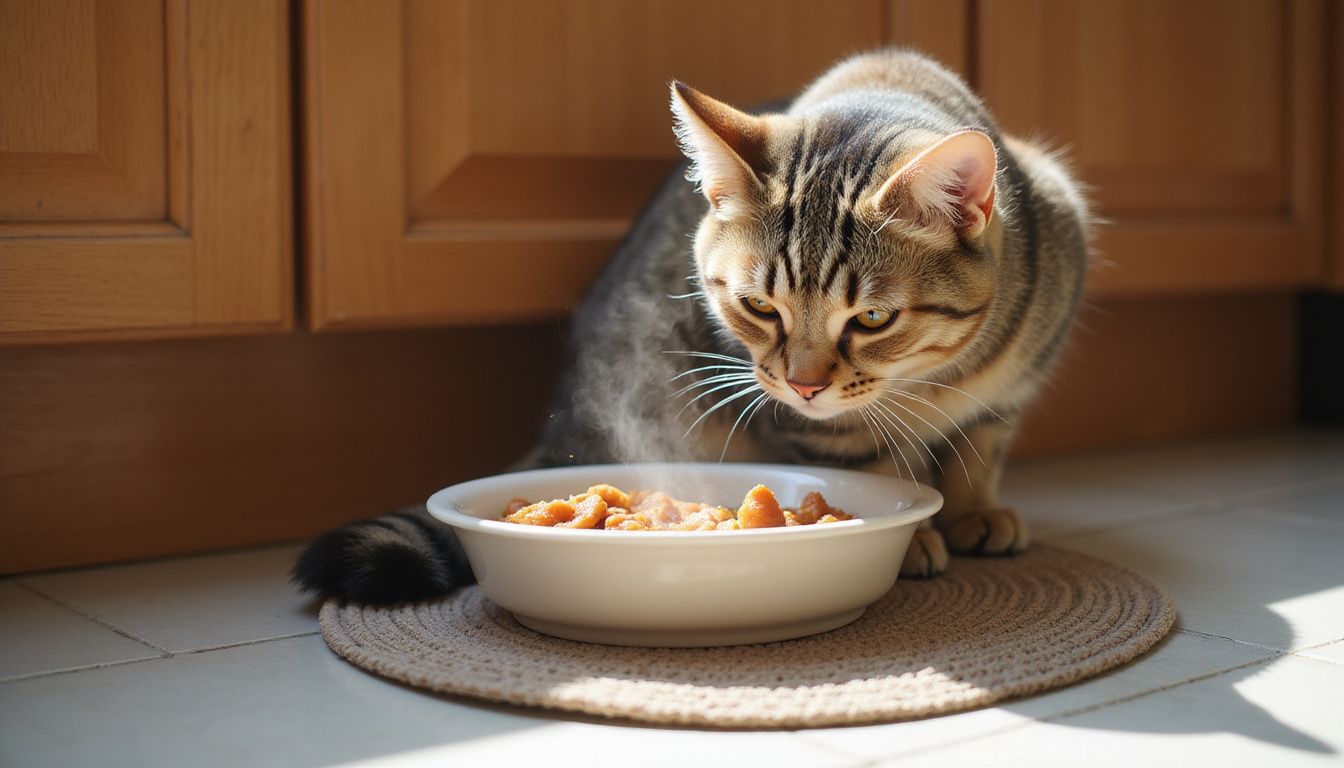
Appetite changes are one of the first signs of illness you’ll notice in your cat. If your cat skips food for just 24 hours, a serious problem called hepatic lipidosis can start to develop. This is a fatty liver disease, and it moves fast, damaging your cat’s liver in a matter of days.
Dental disease often causes cats to pick at food or skip meals entirely, since tooth pain makes chewing hurt. Based on veterinary data published by VCA Animal Hospitals, up to 70% of cats develop some form of dental disease by age 3 if they don’t get proper preventive care. That’s a huge number, and it means dental pain is a likely reason behind a sudden appetite change, even in a fairly young cat.
Metabolic conditions work the opposite way. Hyperthyroidism and diabetes mellitus can actually increase your cat’s appetite, making them seem hungrier than usual even as they lose weight.
A veterinary examination can catch tooth problems early, before they become bigger obstacles to eating. Some cats also lose their appetite simply from stress or a change in their environment, like a move or a new pet in the house.
Getting your cat to eat again takes patience and a few tricks that actually work:
- Feed in a quiet spot away from other pets to cut down on mealtime stress.
- Offer small meals every 3 hours instead of one big bowl for the first 24 to 48 hours.
- Warm wet food for about 30 seconds to bring out its smell. Fish-based options work especially well.
- Use a shallow ceramic dish in a quiet room to avoid whisker stress.
- Sit with your cat while they eat. Gentle petting or soft talking builds a good association with food.
If your cat still won’t eat after 48 hours, or appetite changes drag on for more than a day or two, call your veterinarian for a wellness exam. Catching it early keeps your future feline companion healthy and thriving.
What Does Excessive Thirst or Not Drinking Enough Mean?
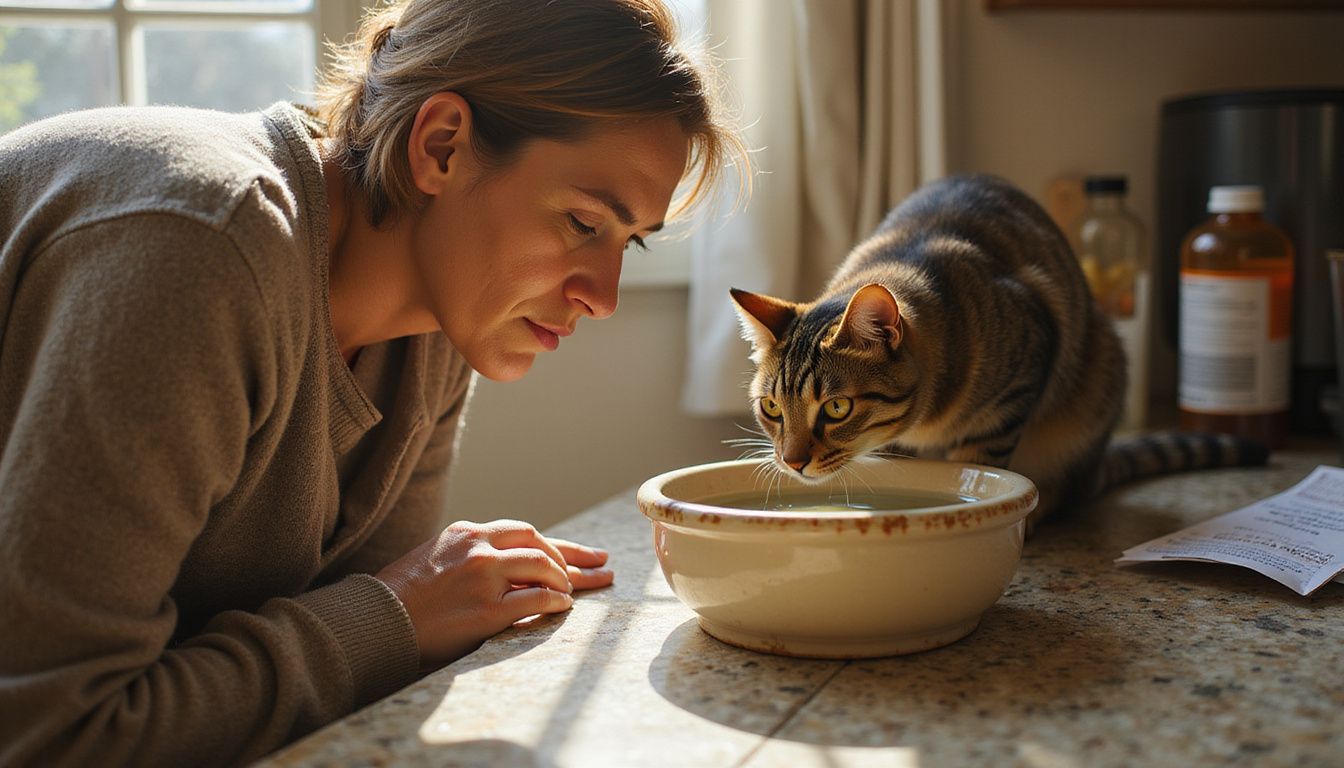
Your cat’s drinking habits tell a story about their health. A big shift, either drinking way more or barely touching the water bowl, is a sign of illness worth watching.
So what’s normal? According to 2025 hydration guidelines from Hill’s Pet Nutrition, cats typically need 25 to 50 milliliters of water per kilogram of body weight each day. For an average 10-pound cat, that works out to roughly 4 ounces of water a day, counting moisture from food. If the bowl drains way faster than that, or your cat barely touches it, take note.
Kidney disease, diabetes, and thyroid disease all cause cats to drink too much or avoid water completely. These conditions build up quietly, so catching a change early makes a real difference.
If you’re refilling the water bowl more often than usual, or your cat seems uninterested in drinking, book a veterinary care appointment soon. Your vet can run tests to find out what’s happening inside your cat’s body.
Getting your cat to drink more water just takes a little creativity. Try these swaps:
- Move the water bowl away from the litter box, since cats don’t like drinking near their bathroom spot.
- Refresh the water daily so it stays clean and appealing.
- Switch to canned food, which holds more moisture than dry kibble.
- Add a water fountain. Running water turns drinking into a game for some cats.
These small changes support your cat’s wellness exams and everyday care, helping you catch problems before they turn serious.
What Changes in the Litter Box Should I Watch For?
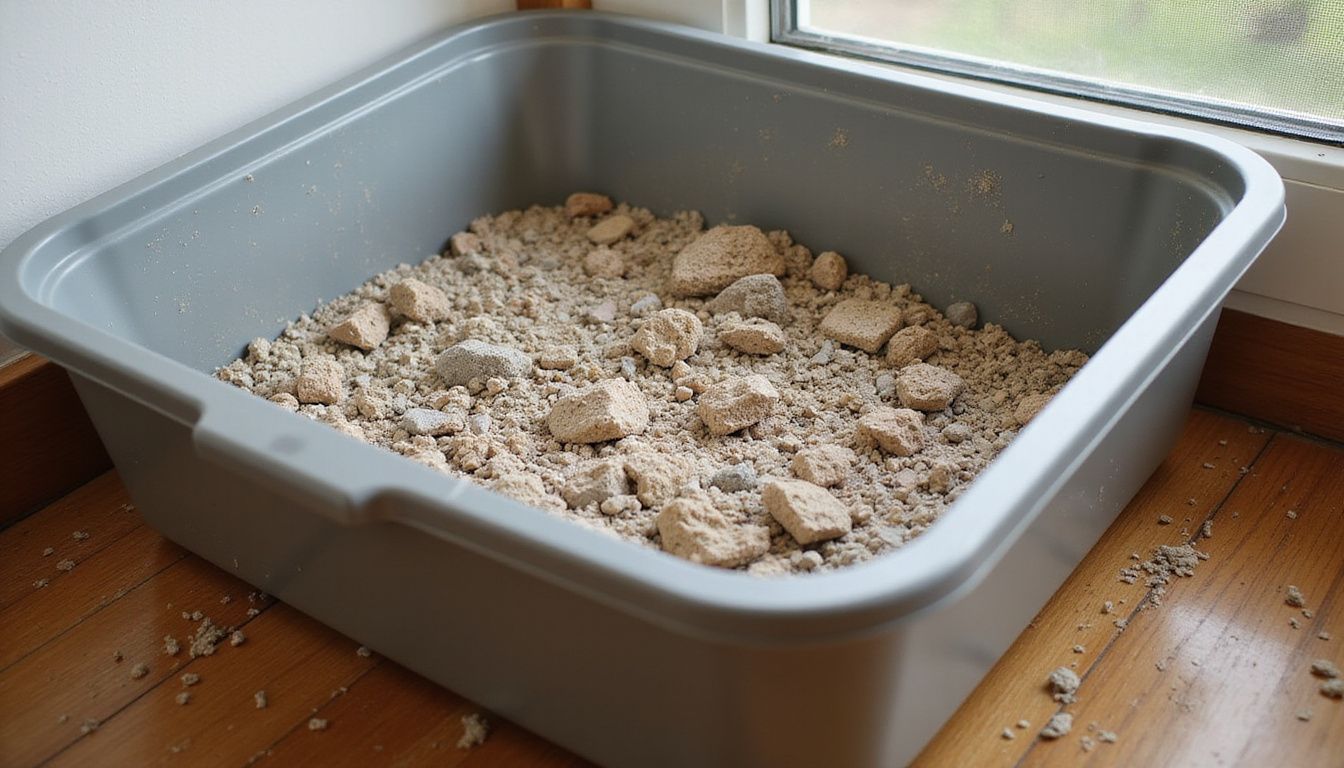
Your litter box holds more clues than you’d think. How often your cat goes, what comes out, and even the smell can point to a health problem.
Why Is My Cat Urinating More Often?
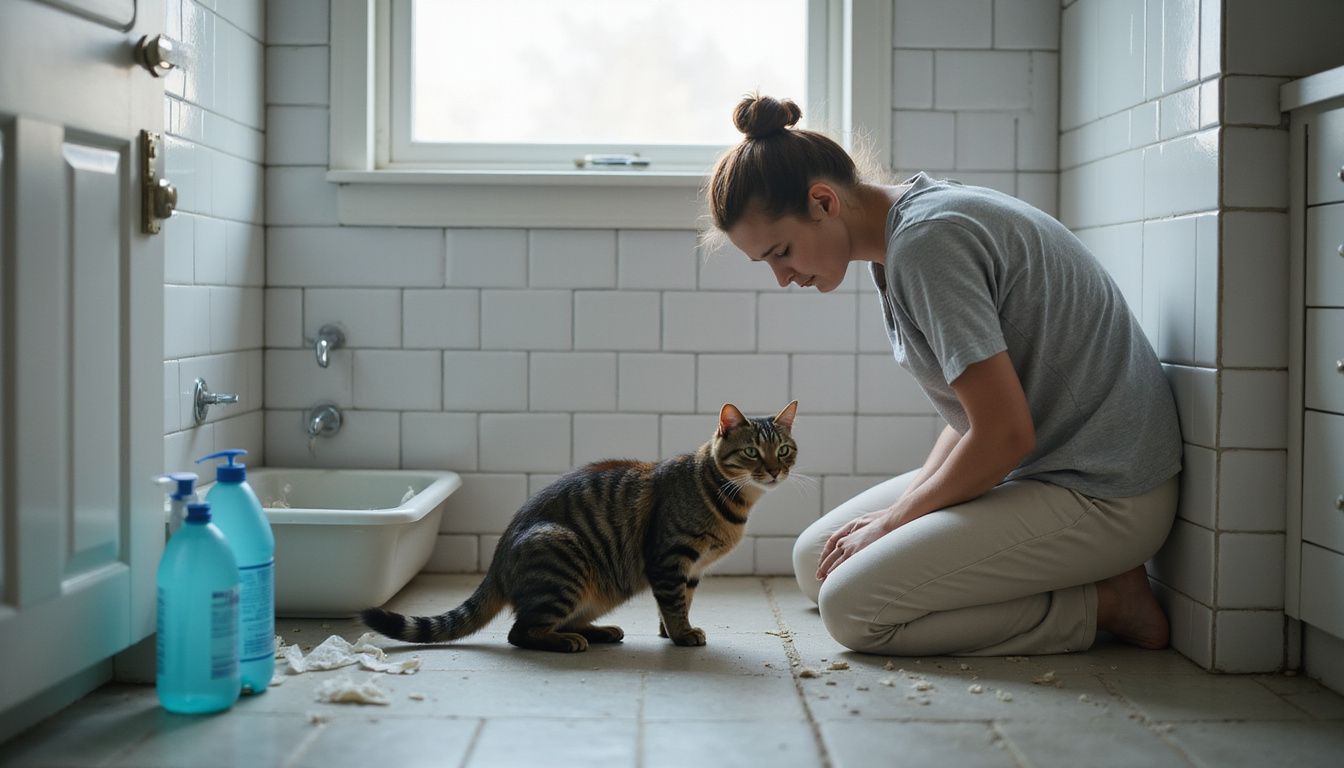
More trips to the litter box often means something’s off. Diabetes, kidney disease, and thyroid disease are common culprits behind frequent urination in cats.
Frequent urination paired with increased thirst is a red flag for a metabolic condition. Kidney or liver issues can push your cat to the litter box more often too, since these conditions change how the body handles water and waste.
Catching this sign early matters. Many feline health problems respond well to treatment when caught soon.
Tracking litter box patterns at home helps you spot problems before they turn serious. A healthy adult cat typically urinates 2 to 4 times in a 24-hour period, producing clumps roughly the size of a golf ball or tennis ball, according to updated 2026 veterinary guidelines shared by PetHub and Rover. If you’re seeing more clumps than that, especially alongside more water bowl refills, it’s worth a call to your vet. This kind of tracking is especially handy with a newly adopted cat, since you’re still learning what’s normal for them.
A few home changes make monitoring easier:
- Add another litter box. Most experts recommend one box per cat, plus one extra.
- Move the box somewhere easy for your cat to reach.
- Try a different litter type if your cat seems to be avoiding the box.
- Clean litter boxes daily so you can track patterns accurately.
If your cat shows these signs, contact your veterinary clinic or emergency veterinary care right away. The American Veterinary Medical Association and organizations like the ASPCA both stress that early action prevents serious complications from diabetes care, feline immunodeficiency virus, and other conditions affecting the kidneys and bladder.
What Causes Diarrhea or Constipation in Cats?
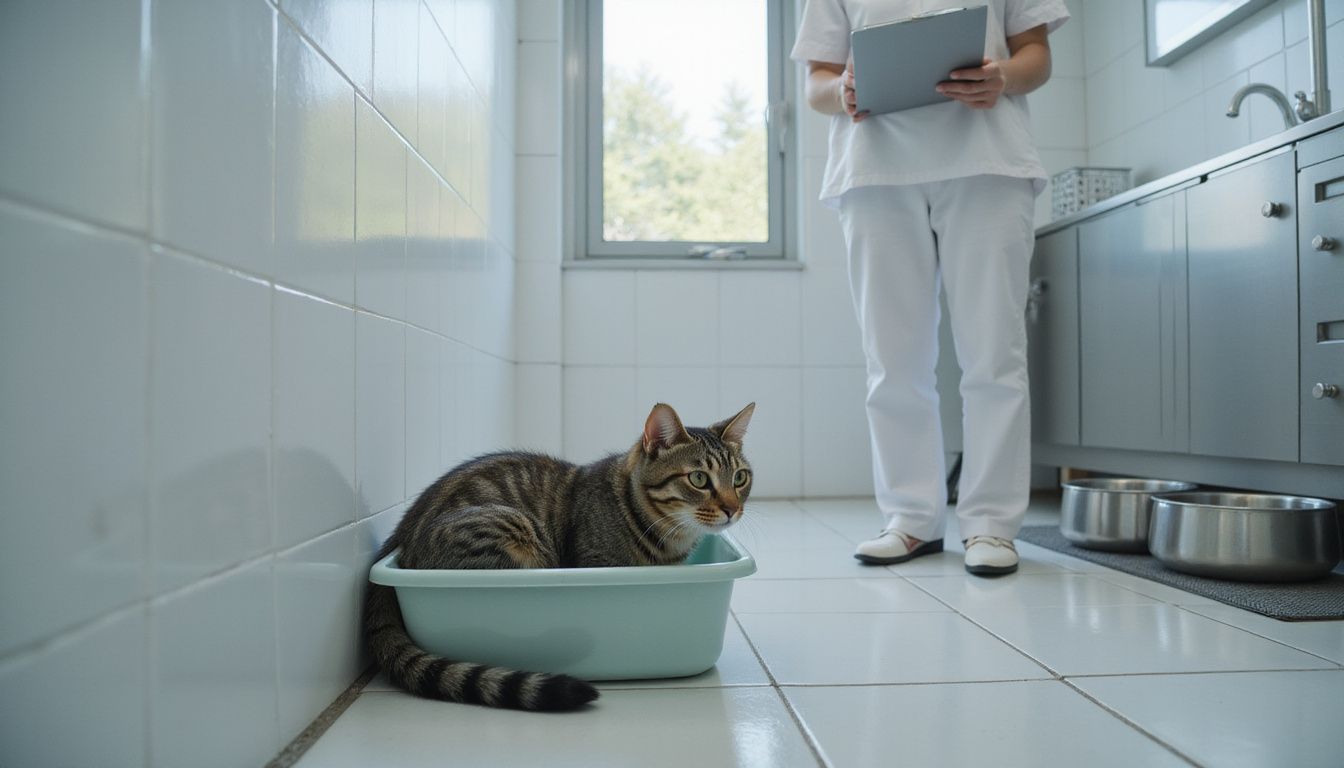
Diarrhea shows up for a lot of reasons, and some matter more than others. Gastrointestinal issues top the list, but toxic ingestion, infections like feline infectious enteritis, and parasites such as worms can all trigger loose stools.
Diet changes and food sensitivities can cause diarrhea too. Watch for lethargy alongside it, especially paired with vomiting. That combination means your cat needs veterinary attention fast.
Increased grooming around the genital area can also point to gastrointestinal distress. Infections like chlamydia felis sometimes cause digestive upset as well. Any diarrhea that sticks around calls for a visit to your veterinarian or a local animal hospital like Bruceville Pet Hospital or Town & Country Veterinary Services in Hastings, MN.
| Symptom | Common Causes | What to Watch For |
|---|---|---|
| Diarrhea | Gastrointestinal issues, toxins, parasites, feline infectious enteritis, diet changes | Loose stools, lethargy, vomiting |
| Constipation | Dehydration, kidney disease, feline leukemia virus | Straining, small dry stools, no output |
Constipation looks different, but it matters just as much. Small, dry stools often link back to kidney disease, which makes constipation trickier to spot than loose stools. Your cat might strain in the box or produce nothing at all.
Dehydration is a common cause, so getting your cat to drink more water helps a lot. Your vet might suggest a therapeutic diet, or bone and joint support supplements for older cats who move less because of joint pain.
Talk to your veterinarian if constipation lasts more than a day or two. Treatment might involve fluids or prescription medications to get things moving again.
How Does My Cat’s Behavior Show They Might Be Sick?
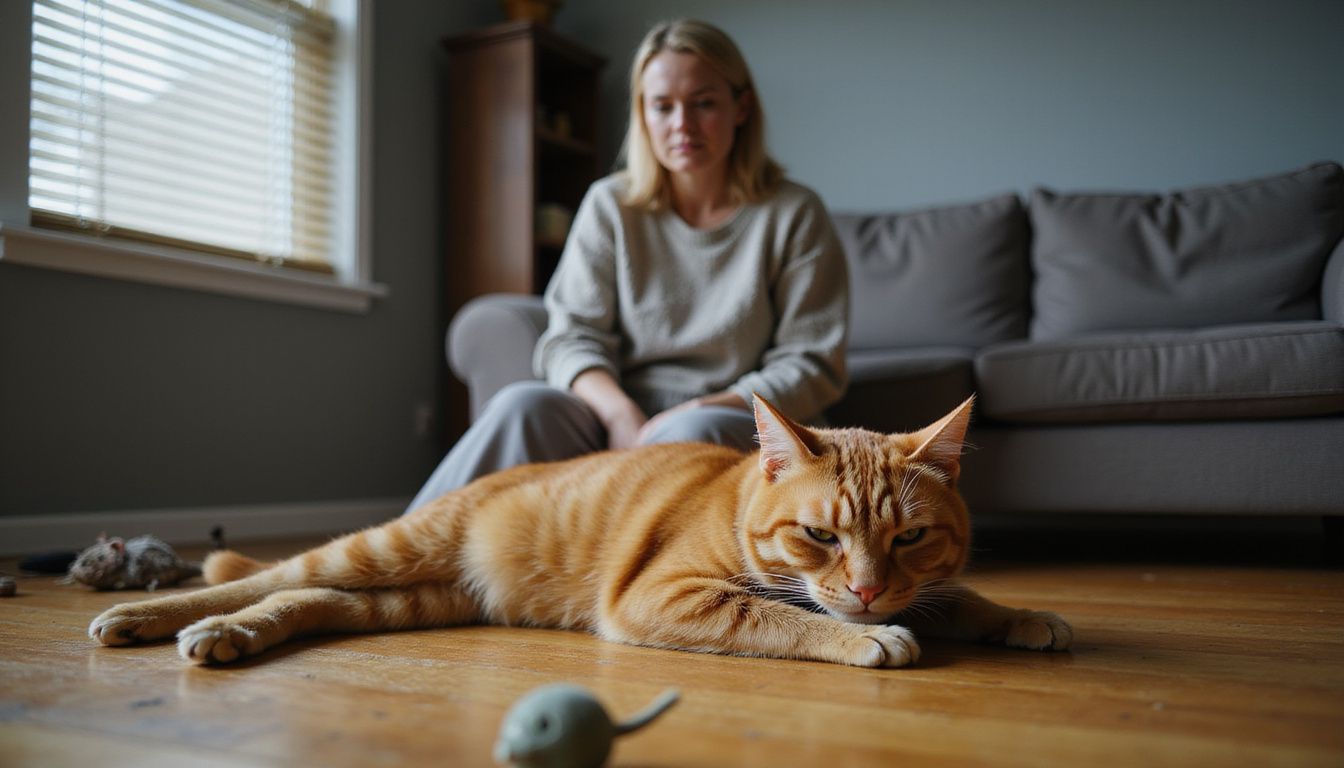
Behavior changes are some of the clearest signs of illness you’ll notice. Sick cats act differently than their normal selves, and spotting the shift fast makes all the difference.
Why Is My Cat Hiding or Avoiding Interaction?
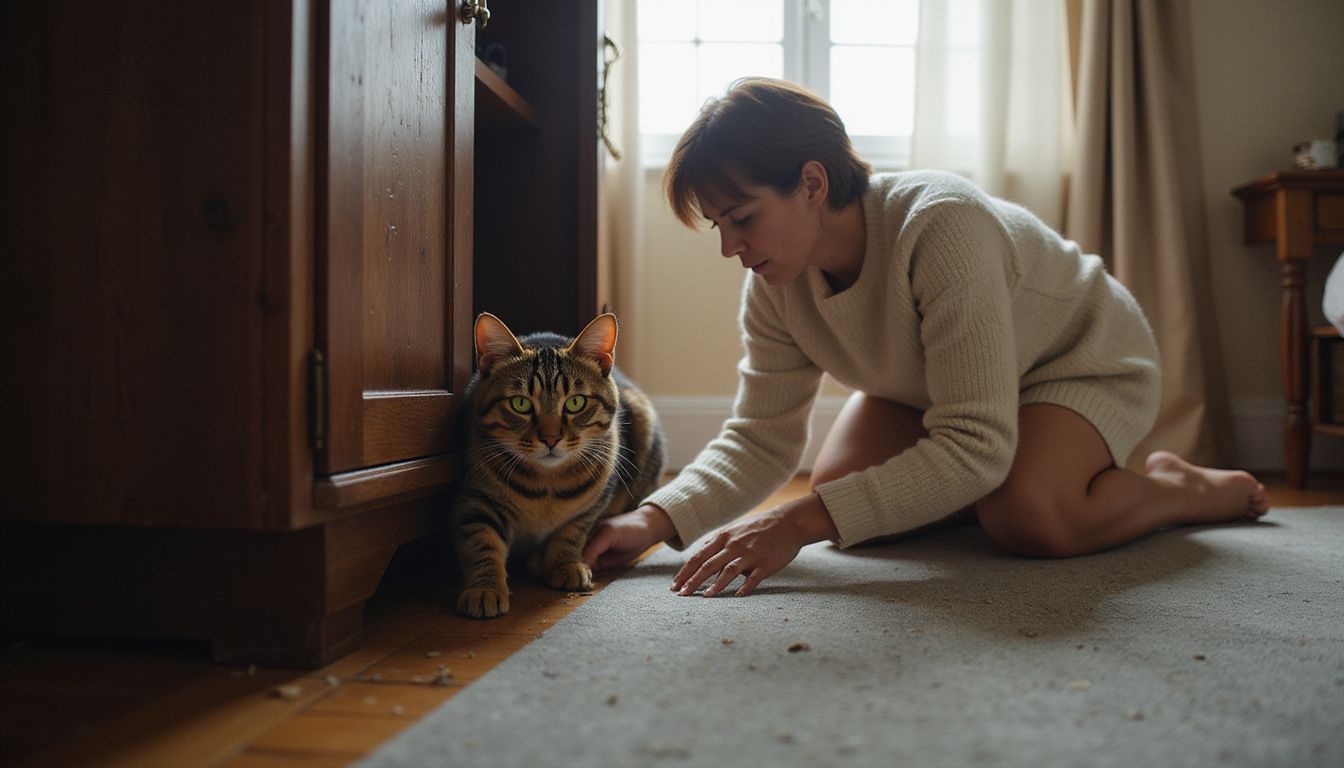
Cats retreat to secluded spots when something feels wrong. This hiding behavior comes from an old survival instinct, protecting themselves from predators who might target a weak or sick cat. When your cat feels unwell, a quiet, dark space just feels safer.
If your cat suddenly spends more time under the bed, in closets, or behind furniture, take that shift seriously. A sudden change in how social your cat is can be a red flag.
Watch for other symptoms too, like changes in appetite, litter box habits, or physical signs such as breathing issues or discharge. Behavioral withdrawal often means your cat is in discomfort they can’t put into words.
The Feline Grimace Scale, developed by veterinary researchers and now widely used in US clinics, scores five facial signs, including ear position, muzzle tension, and orbital tightening, to help you spot pain your cat can’t tell you about. It’s even available as a smartphone app, so you have something concrete to check instead of just guessing.
Some sick cats do the opposite and become unusually clingy, seeking constant comfort from you. Either extreme, hiding or clinginess, points to something being off.
If the hiding sticks around for more than a day or two, call your veterinarian. Groups like Cats Protection and resources like MyVCA can help you figure out what’s worth a vet visit.
Catching this early makes a real difference with serious conditions like feline parvovirus, cat flu, and feline leukaemia virus. Trust yourself here. You know your cat’s normal behavior better than anyone.
When you notice unusual withdrawal, scheduling a checkup protects your cat and gives you peace of mind.
What Does Increased Meowing or Aggression Indicate?
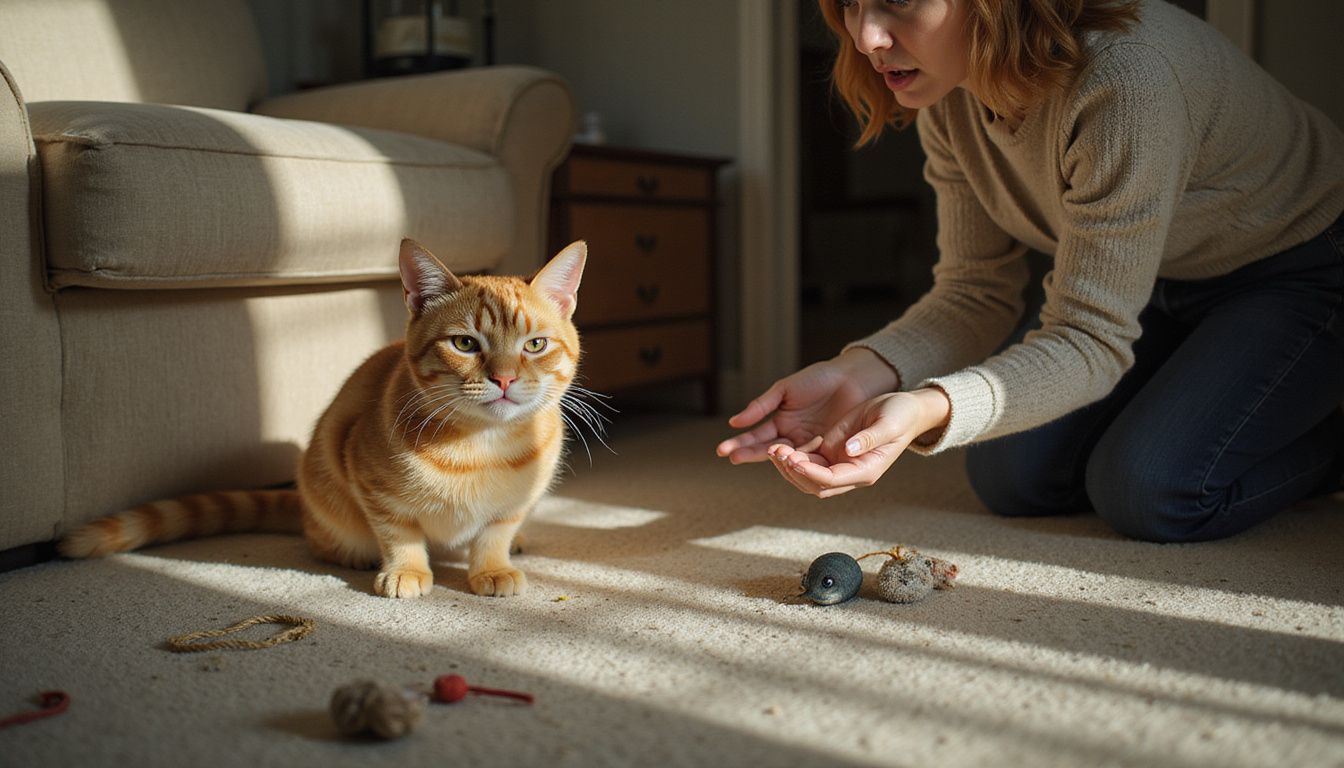
A sudden change in how much your cat talks, or how they act toward you, often means something’s wrong. Excessive meowing or yowling can point to pain, discomfort, or stress.
Arthritis and pain can make movement hard, leading to more vocal complaints. An underlying illness can cause distress too, and aggression toward people or other pets often means your cat feels threatened or hurt.
Don’t overlook the quiet moments either. A cat who goes silent might be hiding an injury or illness just as much as one who won’t stop meowing.
A personality shift is worth investigating. Watch for:
- Territorial or snappy behavior that’s new for your cat
- Complete avoidance of family members
- A sudden increase or decrease in vocalizing
- Aggression that shows up out of nowhere
Talk to your veterinarian if these changes show up suddenly or get worse over a few days. Your vet can check for infections, injuries, or other cat health concerns behind the mood swings. Keeping your cat vaccinated and current on flea and tick prevention also helps prevent many illnesses that trigger these behavior shifts.
What Physical Symptoms Suggest My Cat Is Ill?
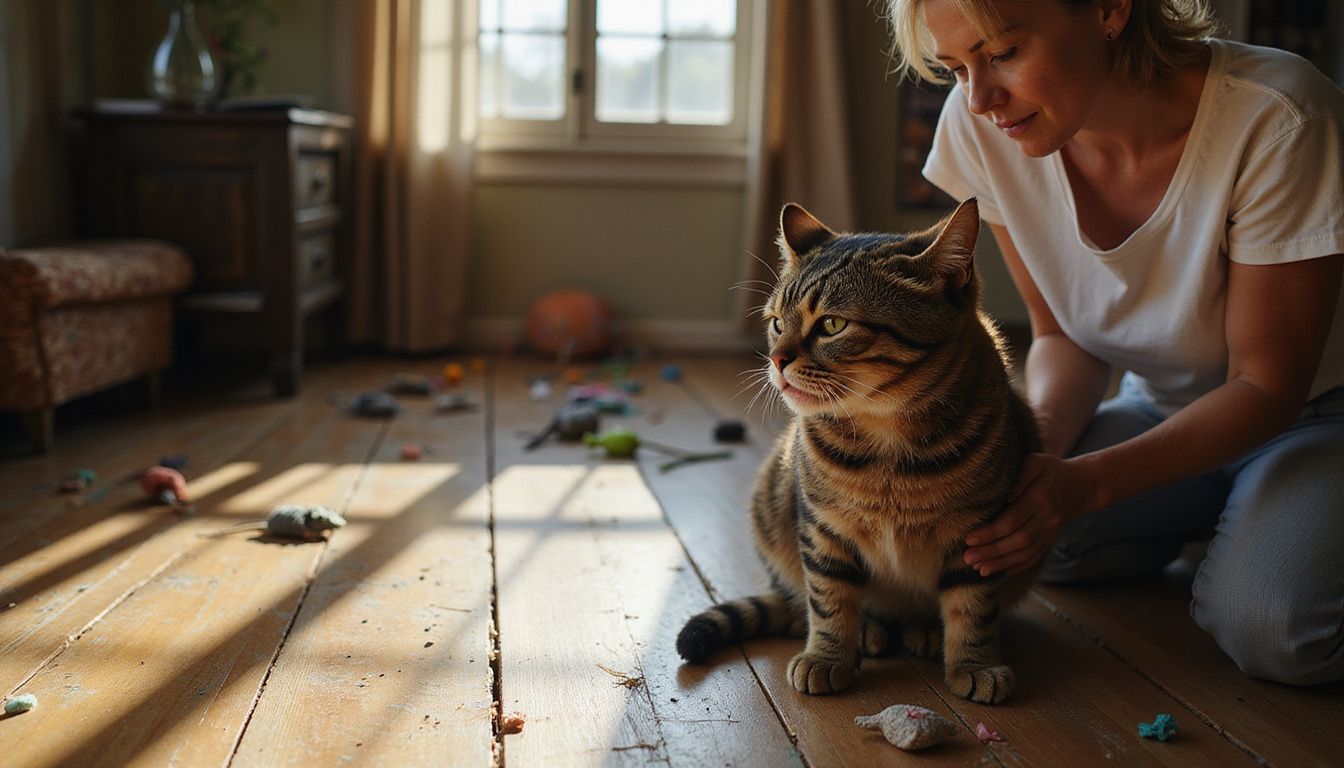
Your cat’s body sends clear signals when something’s wrong. Vomiting, drooling, breathing issues, swelling, or discharge are physical red flags that often mean a vet visit is next.
What Should I Do If My Cat Is Vomiting or Drooling?
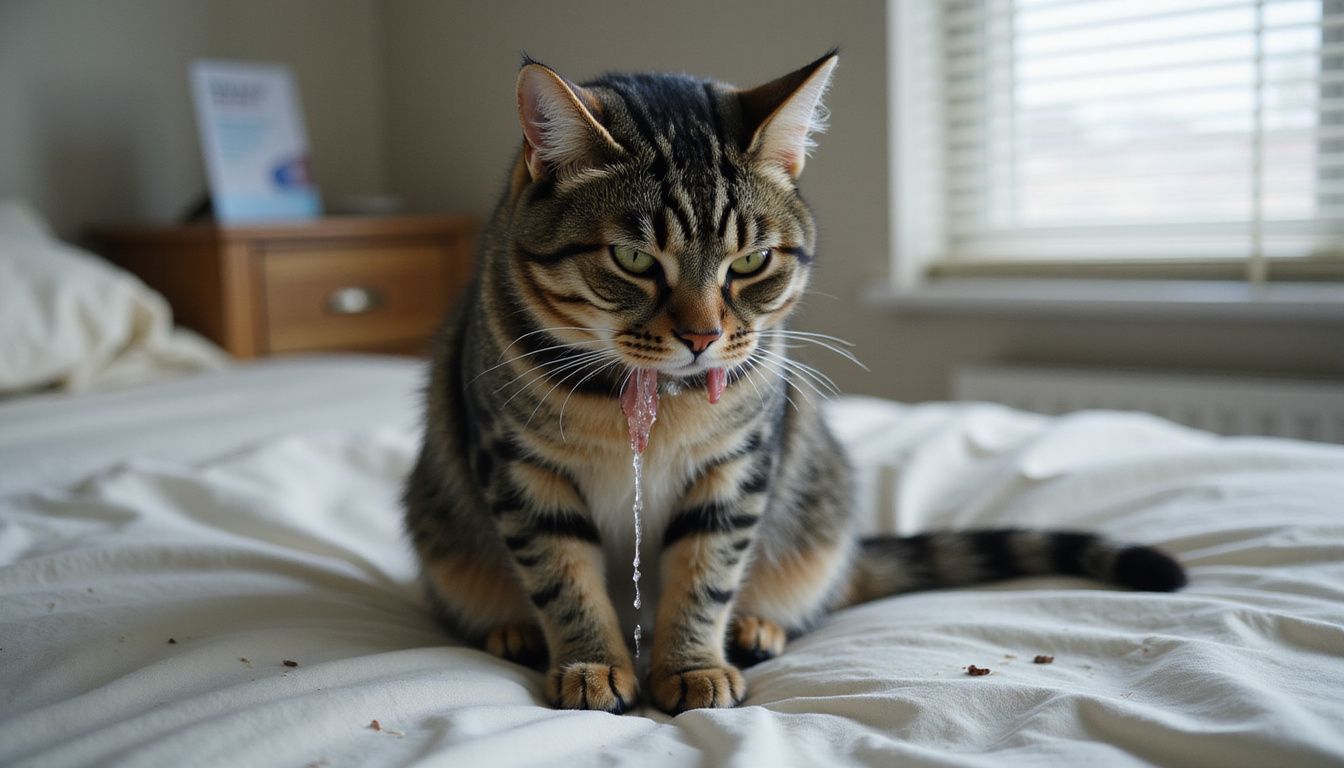
Vomiting is different from a normal hairball cough, and frequent episodes are a real problem. Before it happens, watch for lip-licking, drooling, and abdominal contractions. These signs give you a heads-up that something’s coming.
Occasional vomiting might seem minor, but it often points to something bigger, like toxic ingestion or an infection. If your cat can’t hold down food, contact a veterinarian immediately.
Acting fast matters for your wallet too. According to 2026 US emergency veterinary cost analyses, a basic emergency vet exam runs $100 to $250, but full treatment for something like toxin ingestion or a blockage can land anywhere between $800 and $3,000 or more. Calling your regular vet or a tele-triage line the moment you spot early signs often costs a lot less than waiting for an after-hours emergency.
Diarrhea paired with vomiting also calls for a vet visit without delay.
Excessive drooling has its own set of causes:
- Dental issues or mouth injuries
- Nausea or toxin exposure
- A foreign object stuck in the throat
- Stress or anxiety
Brushing your cat’s teeth regularly and scheduling routine dental cleanings prevents a lot of these problems. Keeping harmful substances out of reach also stops toxin-related drooling before it starts.
If drooling lasts more than a day, or shows up with loss of appetite or lethargy, call your vet. Wound care and skin care products your veterinarian recommends can help with any visible injuries.
Pet health resources in Elk Grove and nearby areas can guide you through managing these symptoms, whether you’re bringing home a kitten or an adult cat.
How Can I Tell If My Cat Has Breathing Problems?
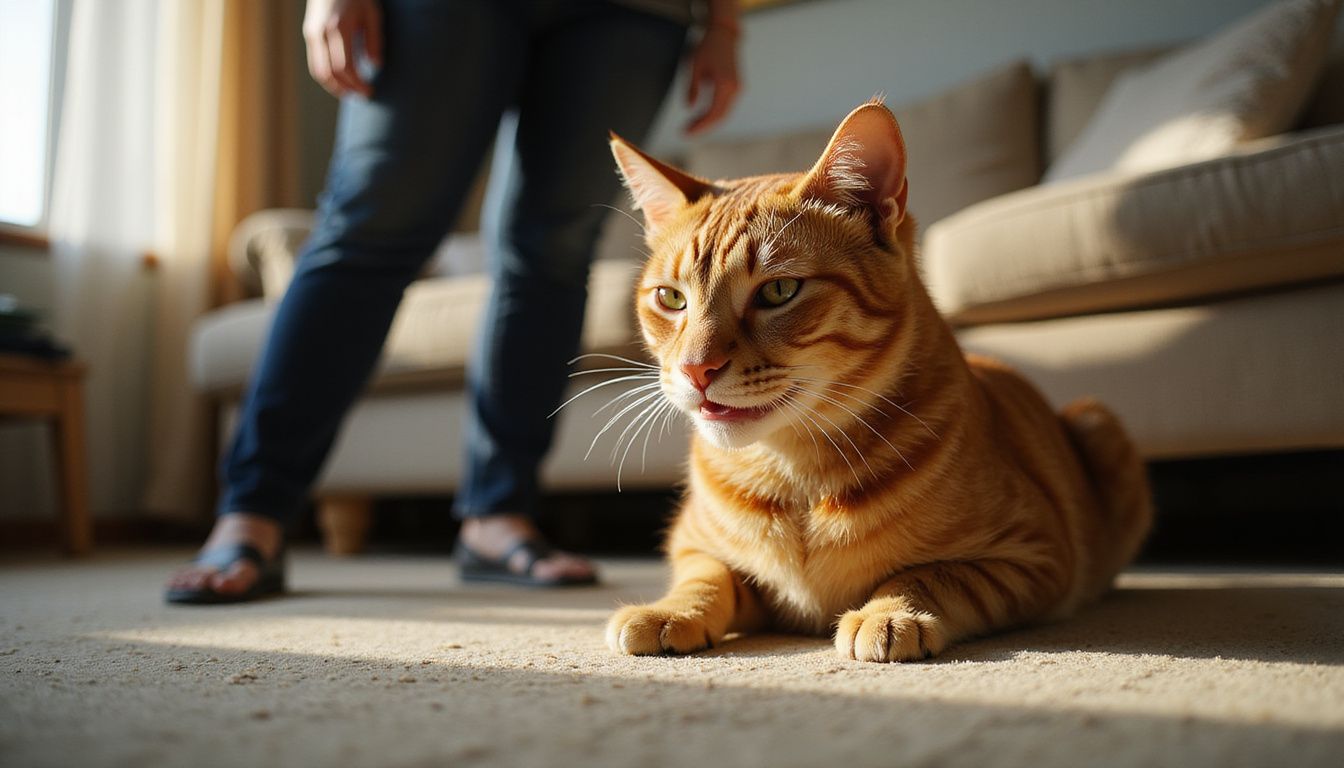
Your cat’s breathing should sound quiet and steady. Rapid, shallow, or labored breathing points to trouble in the airways or lungs.
Watch for these warning signs:
- Panting heavily or struggling to catch a breath
- Nasal discharge or sneezing along with breathing changes
- Watery eyes paired with these symptoms
- Sitting hunched over or stretching the neck out to breathe
Any of these signs count as an emergency. Respiratory distress needs immediate veterinary attention.
Stay alert during play and rest, since trouble breathing can sneak up on you. Your vet can catch problems you might miss, especially since cats hide illness so well.
If your cat gasps for air, refuses to move, or seems panicked while breathing, get them to a veterinarian right away. Respiratory emergencies don’t wait.
Flea and tick prevention, heartworm prevention, and bone and joint support all help keep your cat’s whole system healthier, which takes some of the strain off their breathing too.
What Do Unusual Swelling or Discharge Mean?
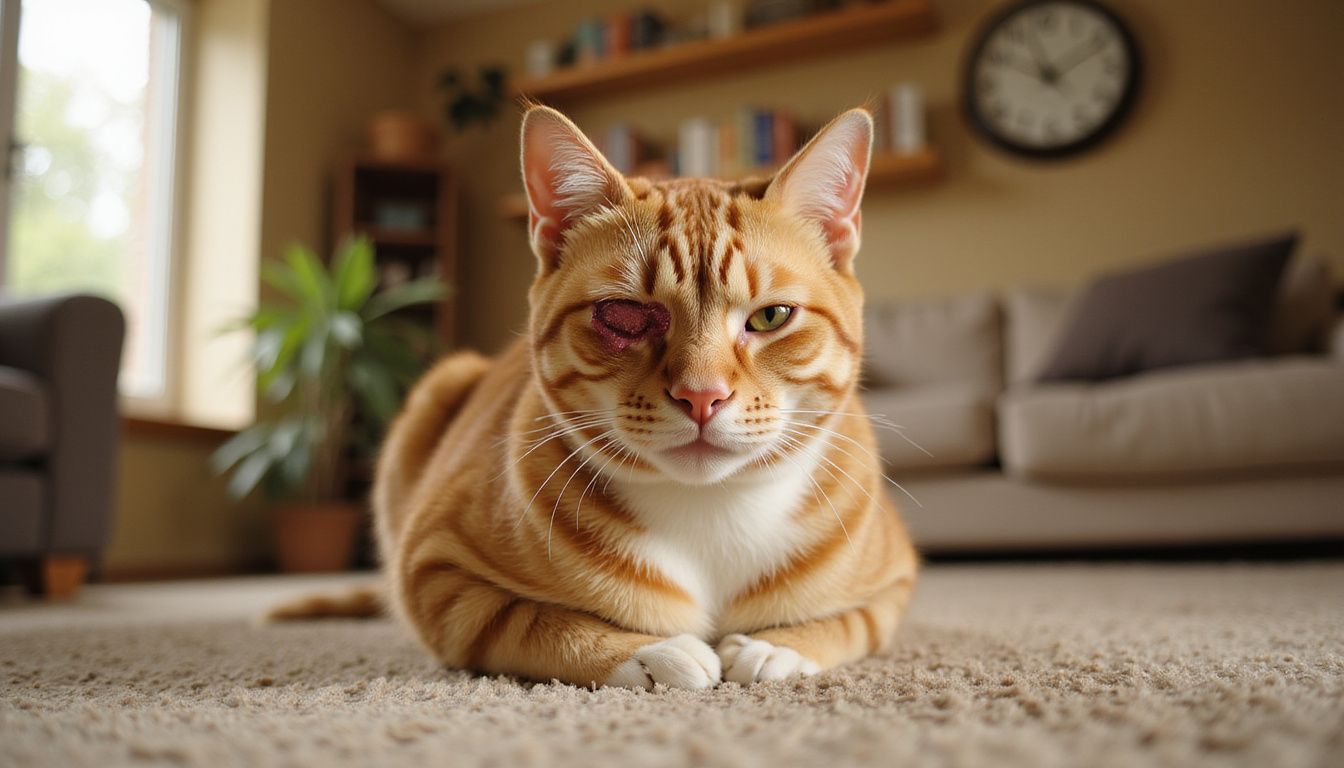
Unusual swelling on your cat’s body needs your attention right away. Lumps, bumps, or puffy areas mean something’s wrong underneath.
Pair swelling with any of these signs, and it’s time to call the vet:
- Favoring one leg or moving stiffly
- A sudden stop in grooming
- Discharge from the nose or eyes
- Blood in the urine
- Cloudy, watery, or yellowish eyes, which can point to glaucoma or other eye trouble
Any new or unexplained swelling or discharge should send you to the vet without delay.
Cats can’t tell you where it hurts, so physical changes become your best clues. Thick, colored, or foul-smelling discharge around the face and ears is worth a close look.
A lump you find while petting or grooming deserves a professional check. Discharge combined with excessive scratching often points to fleas or other parasites.
Your vet can pinpoint the trigger and recommend flea and tick prevention if needed, stopping small problems before they turn into bigger arthritis and pain issues down the road.
How Do Changes in Coat and Grooming Signal Health Issues?
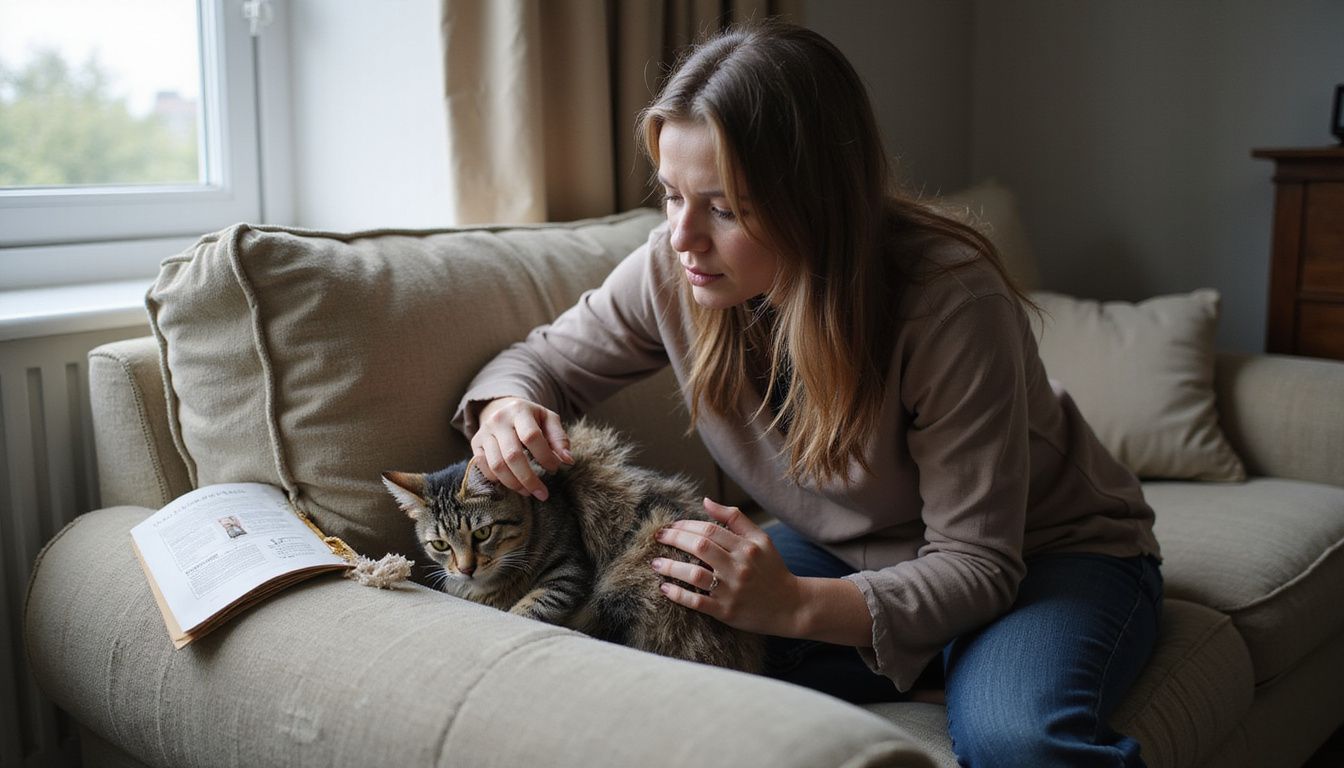
Your cat’s coat tells its own story. A dull, matted, or heavily shedding coat is often a sign that something’s wrong on the inside.
Why Does My Cat Have Matted Fur or Shed Excessively?
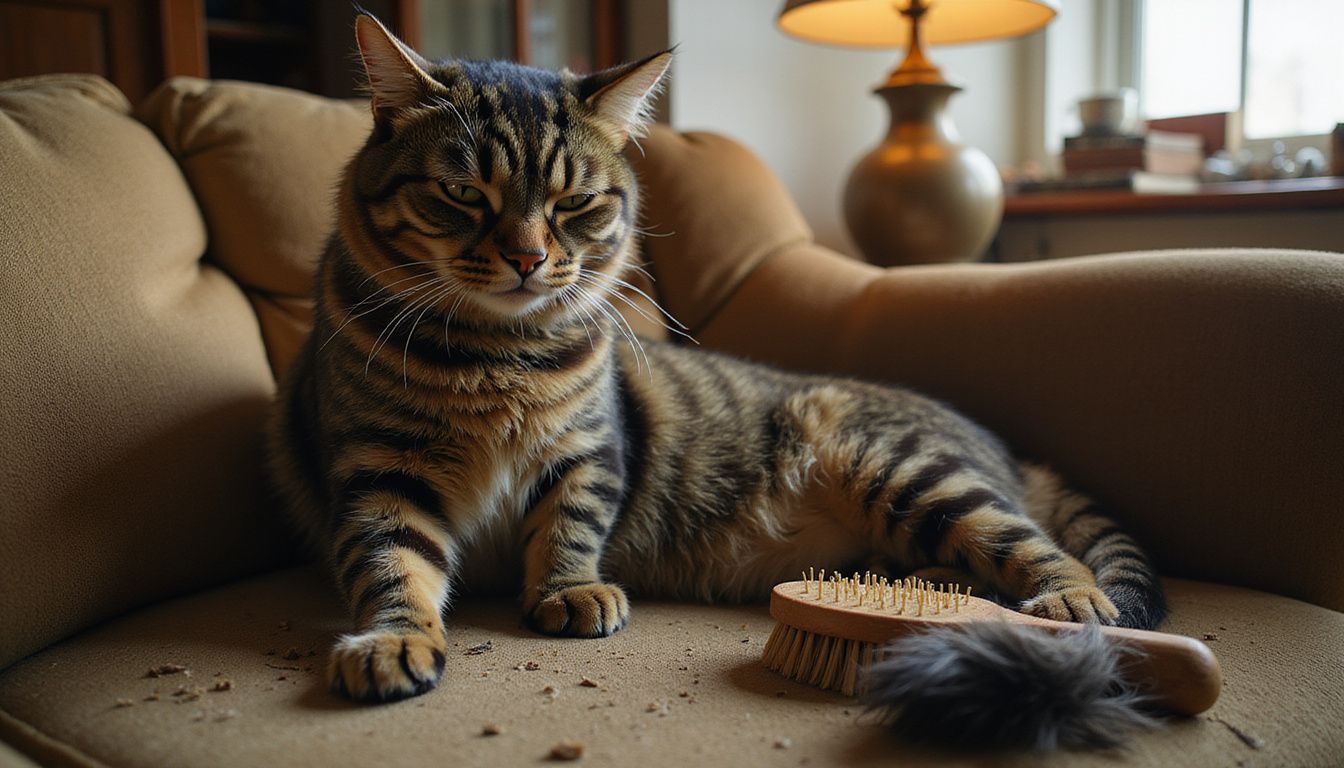
Matted fur and heavy shedding often mean your cat has stopped grooming as much as usual. Sick cats frequently skip grooming, which leaves their fur greasy, dull, and prone to mats.
Stress, arthritis, and pain can all make grooming harder for your cat. Joint issues especially affect older cats, since they can’t twist and reach certain spots anymore.
Watch for clumps of hair around your home, since increased shedding can be a sign of illness. Gently brushing your cat helps remove mats and keeps their coat healthy. Severe matting might need a professional groomer to avoid damaging the skin underneath.
A dull or greasy coat suggests stress or illness. Matted fur can link to pain or joint issues that make self-grooming tough.
These coat changes rarely show up alone, so watch for other symptoms alongside them. Excessive shedding paired with hiding or behavior changes is worth a vet visit, and gentle brushing sessions double as a chance to check for skin problems, lumps, or discharge while you bond with your cat.
What Does Lack of Grooming or Over-Grooming Indicate?
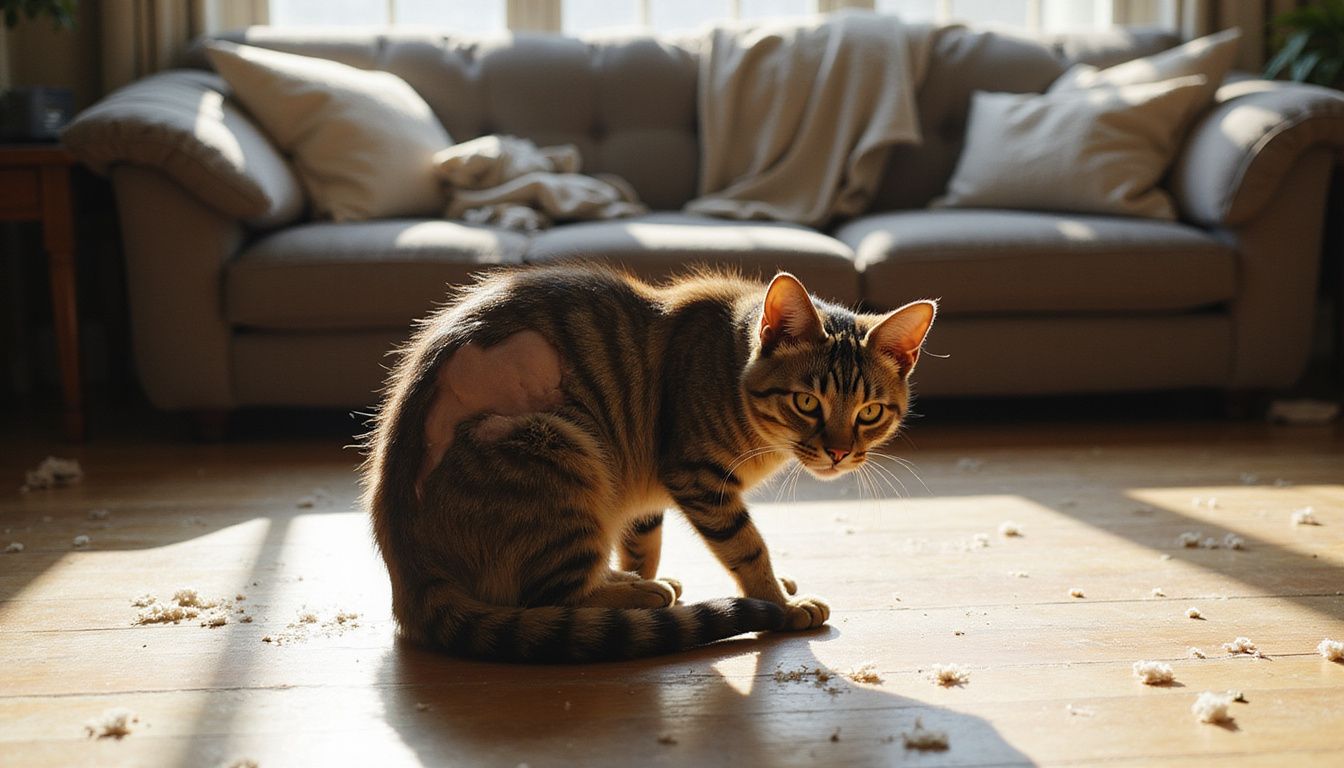
Grooming habits reveal a lot about your cat’s health. A lack of grooming leaves fur matted and the coat looking rough and dull. Cats that stop grooming altogether may be dealing with pain, arthritis, or another illness.
Over-grooming points the other way, often to stress, allergies, fleas, mites, or hidden pain. It can leave bald patches or irritated skin that gets worse over time.
Pay attention to shifts in grooming, since they’re a common sign of illness. Gently brushing your cat prevents mats and keeps the coat in good shape. Severe matting or bald spots call for professional grooming or a vet visit to find the root cause.
Behavior support strategies can help ease stress-related over-grooming in some cases. Catching the issue early stops it from turning into a bigger problem.
Your cat’s coat reflects their overall wellness, so track grooming shifts alongside other symptoms like appetite or litter box changes. Cats that over-groom may also benefit from flea and tick prevention products to rule out parasites as a cause.
Conclusion
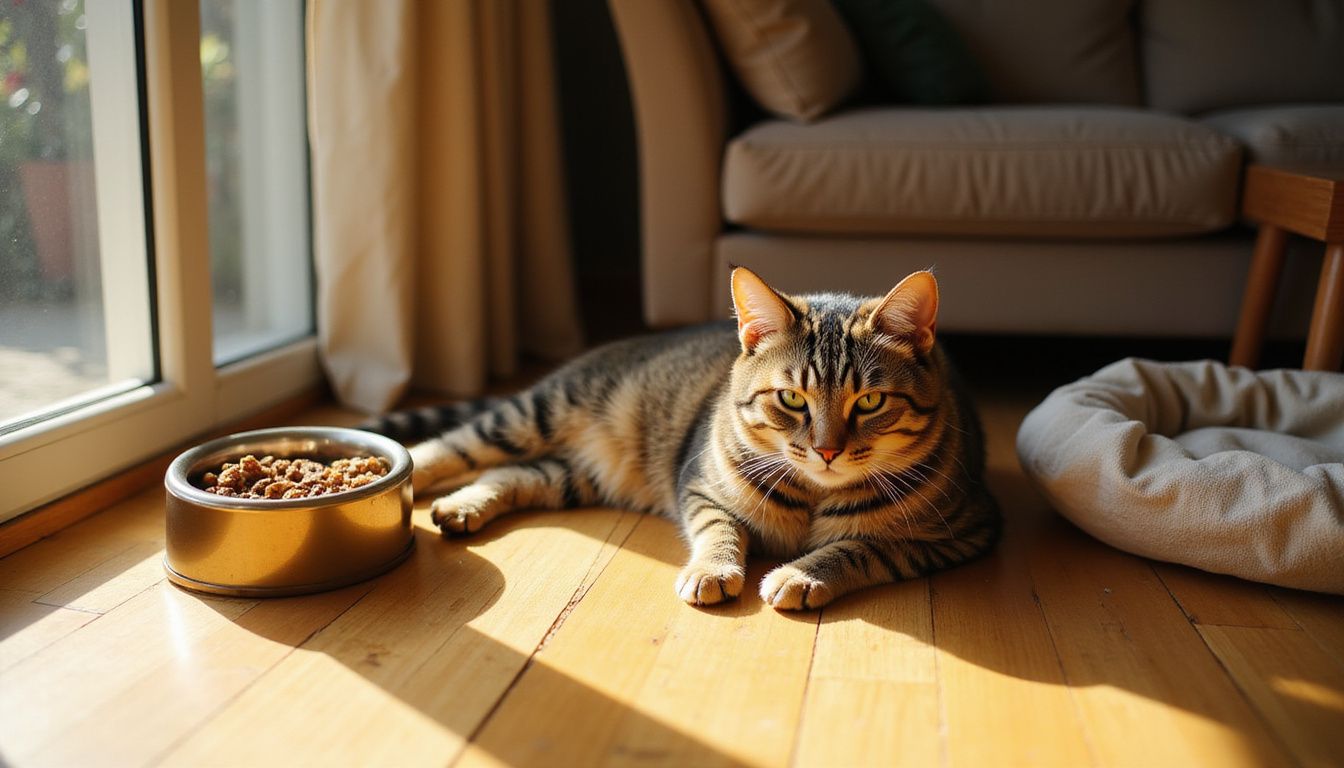
You now know the warning signs that tell you when your cat needs help. Changes in eating, litter box habits, activity level, physical appearance, and grooming all matter more than you’d think.
Cats hide illness like pros. Catching these signs of illness early can save their life and head off serious conditions like hepatic lipidosis, kidney disease, or urinary tract problems.
Trust your gut. Call your veterinarian within 24 hours if something feels off, and lean on preventive care, like microchipping, neutering, and flea and tick prevention, as part of being a responsible cat guardian.
Taking action today gives your future feline companion the healthiest, happiest life you can offer.
FAQs
1. What are common signs my cat might be sick?
Watch for changes in appetite, energy, or litter box habits. Cats hide pain really well, so limping or stiffness could point to arthritis, which affects over 90% of senior cats according to recent veterinary studies. Cloudy eyes might signal glaucoma and need quick vet care.
2. Do cat illnesses show up differently than in dogs?
Yes, cats are masters of disguise with illness. Dogs tend to whine or limp obviously, but cats often just hide or get quiet, and that subtle shift is often your only clue.
3. Can preventive care lower the risk of cat illnesses?
Absolutely. Regular preventive care like neutering, microchipping, and flea and tick prevention all help keep your cat healthier long term. Bone and joint support supplements can also ease strain as your cat ages, acting like a lifeline for their mobility.
4. When should I take my cat to the vet?
If your cat stops eating for more than 24 hours, seems lethargic, or shows sudden behavior changes, call your vet right away. Routine wellness checkups catch problems early, and a quick vet visit beats waiting it out.