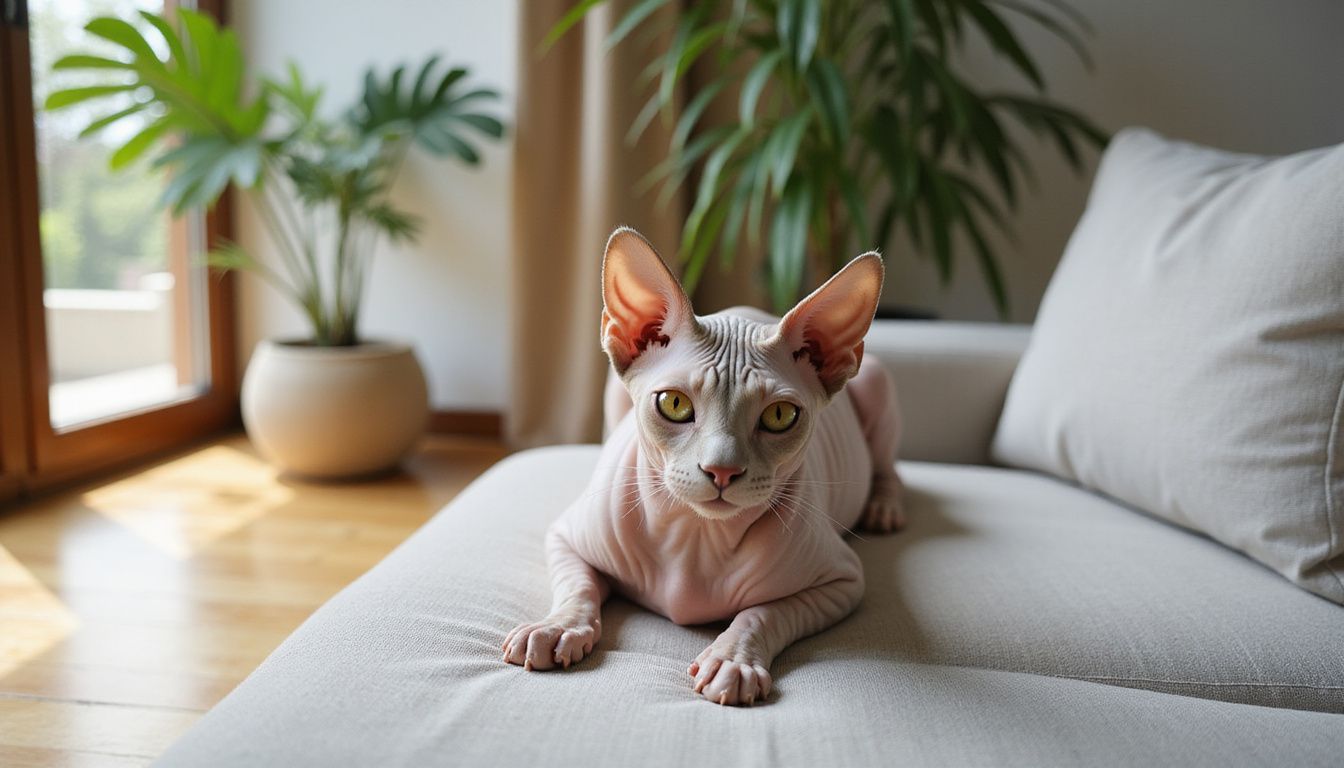
Do you scroll through cute cat photos, then sigh because you know what happens next? The sneezing starts. Your eyes get itchy. And you tell yourself, “maybe next year.”
Plenty of cat lovers face this same problem. More than 46 million households across the US own a cat, and a good chunk of those owners manage allergies every day.
Here’s a little secret I love sharing: some cat breeds make far less of Fel d 1, the protein behind most cat allergies. That means your dream cat might be closer than you think.
I’ll walk you through the best low-shedding cat breeds for people with mild allergies, plus the simple habits that keep symptoms in check. Grab a cup of coffee, and let’s find your future best friend.
Key Takeaways
- Low-shedding cat breeds like the Sphynx, Devon Rex, and Russian Blue shed far less hair than standard cats, so they carry fewer allergens for people with mild allergies.
- No cat breed is completely hypoallergenic. Every cat makes Fel d 1 protein in its saliva, skin, and dander, no matter its coat type.
- Regular grooming, HEPA vacuuming, weekly bedding washing, and air purifiers all help cut allergen levels in your home.
- Neutered and spayed cats tend to make fewer allergens than intact cats, giving you another tool for allergy management.
- Spend a few hours with your chosen cat before you adopt. Allergen levels vary from cat to cat, even within the same breed.
Key Traits of Low-Shedding Cat Breeds
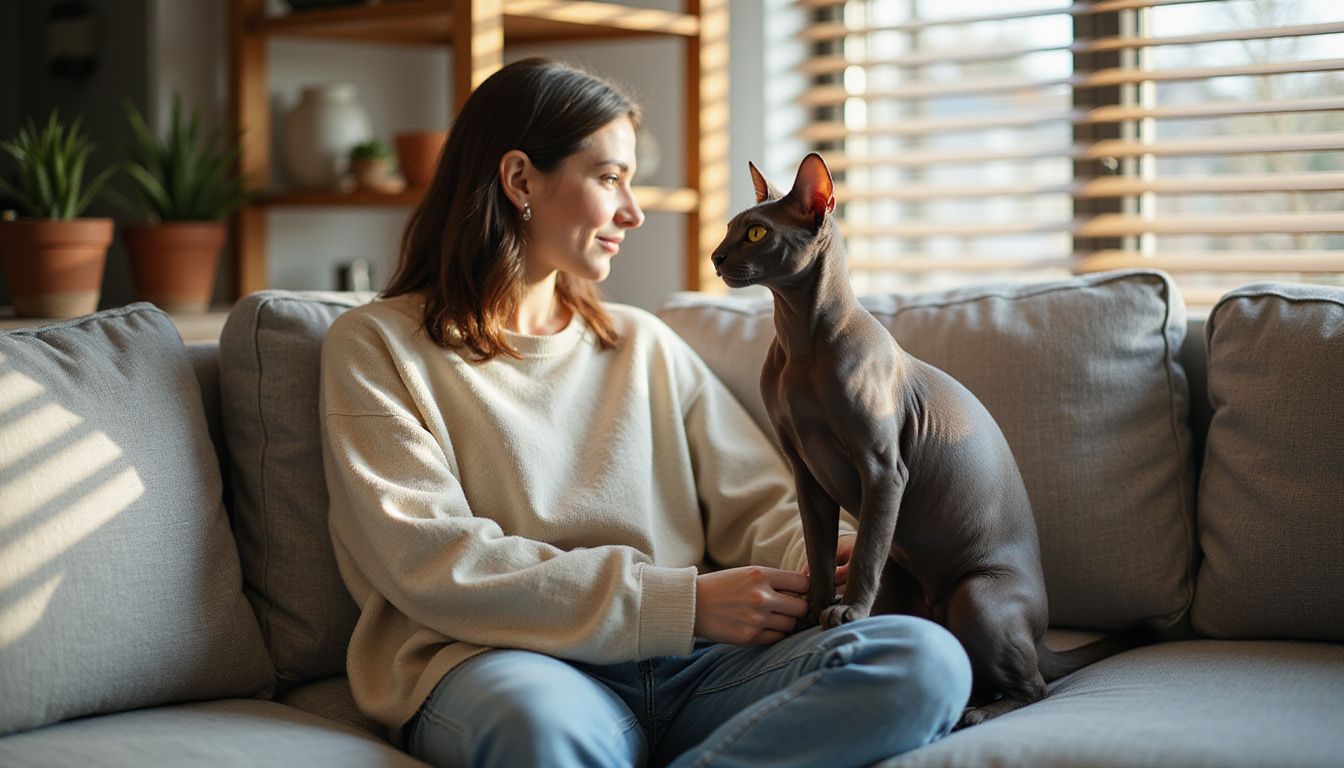
Low-shedding cat breeds leave less hair around your home. Less hair means fewer allergens floating through the air and landing on your couch.
These cats carry lower levels of Fel d 1 glycoproteins and Fel d 4 glycoproteins, the proteins in saliva and skin that spark your allergy symptoms. That makes them a smart pick if you’re an allergy sufferer who still wants a cat.
How do low-shedding cats reduce hair loss?
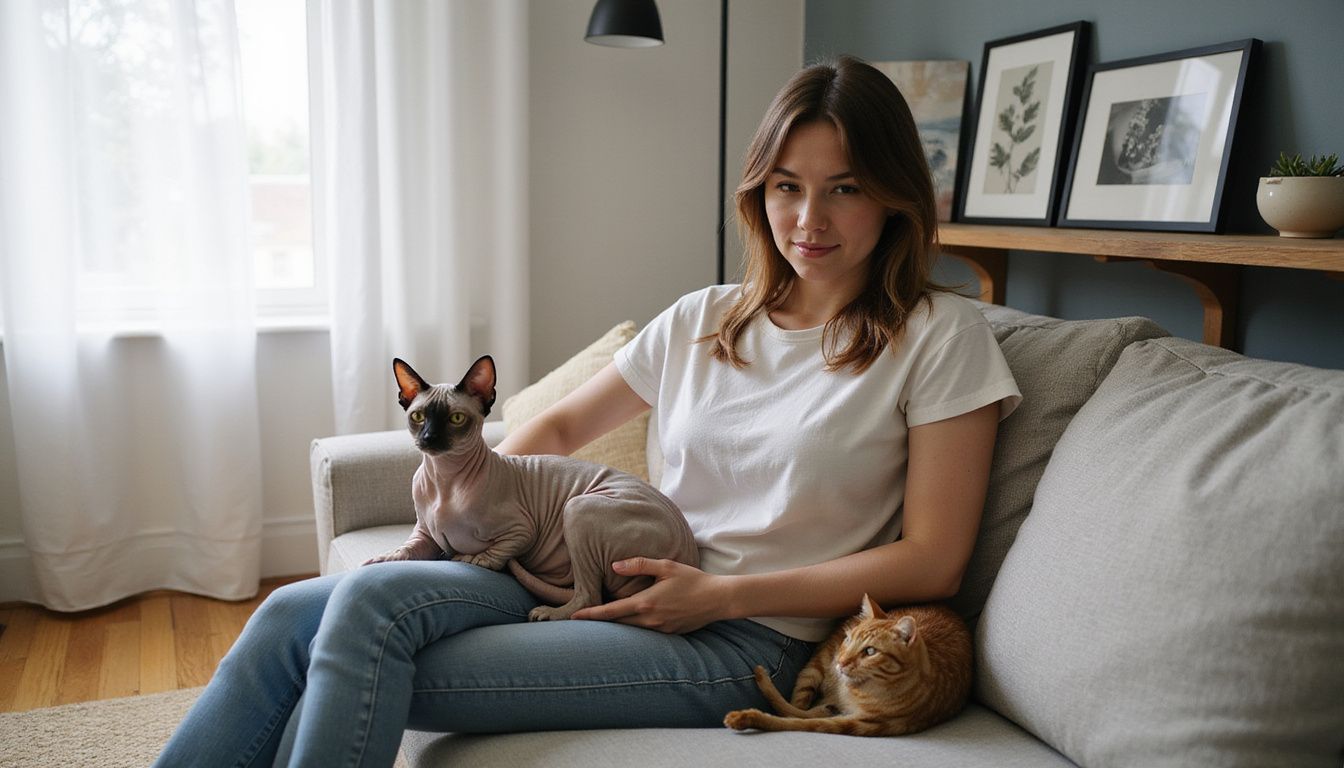
Low-shedding cat breeds cut down on hair loss through their coat structure and genetics. Breeds like the Sphynx, Cornish Rex, and Devon Rex shed far less than standard cats, so you’ll find fewer loose hairs around your home.
Several breeds stand out for their low-shedding coats:
- Sphynx: Hairless, so it sheds almost nothing.
- Russian Blue and Bengal: Short coats that release less hair during grooming and daily play.
- Tonkinese and Bombay: Minimal shedders, great picks for allergy symptoms.
- Peterbald, Minskin, and Birman: Shed so little that allergen levels drop noticeably.
Your veterinarian can explain the biology, but the basic truth is simple. Less hair on the cat means less hair on your furniture, clothes, and floors.
Allergen production also drops with these breeds, though not for the reason most people think. Cat allergies don’t come from fur alone. Cats make proteins called Fel d 1 glycoproteins and Fel d 4 glycoproteins in their saliva, skin, and urine, and these proteins trigger allergy symptoms in sensitive people.
Hairless and low-shedding breeds still produce these proteins. But less hair means fewer places for allergens to travel and spread through your space.
The right cat breed can change everything if you struggle with allergies, turning a dream into something real.
What causes lower allergen levels in these cats?
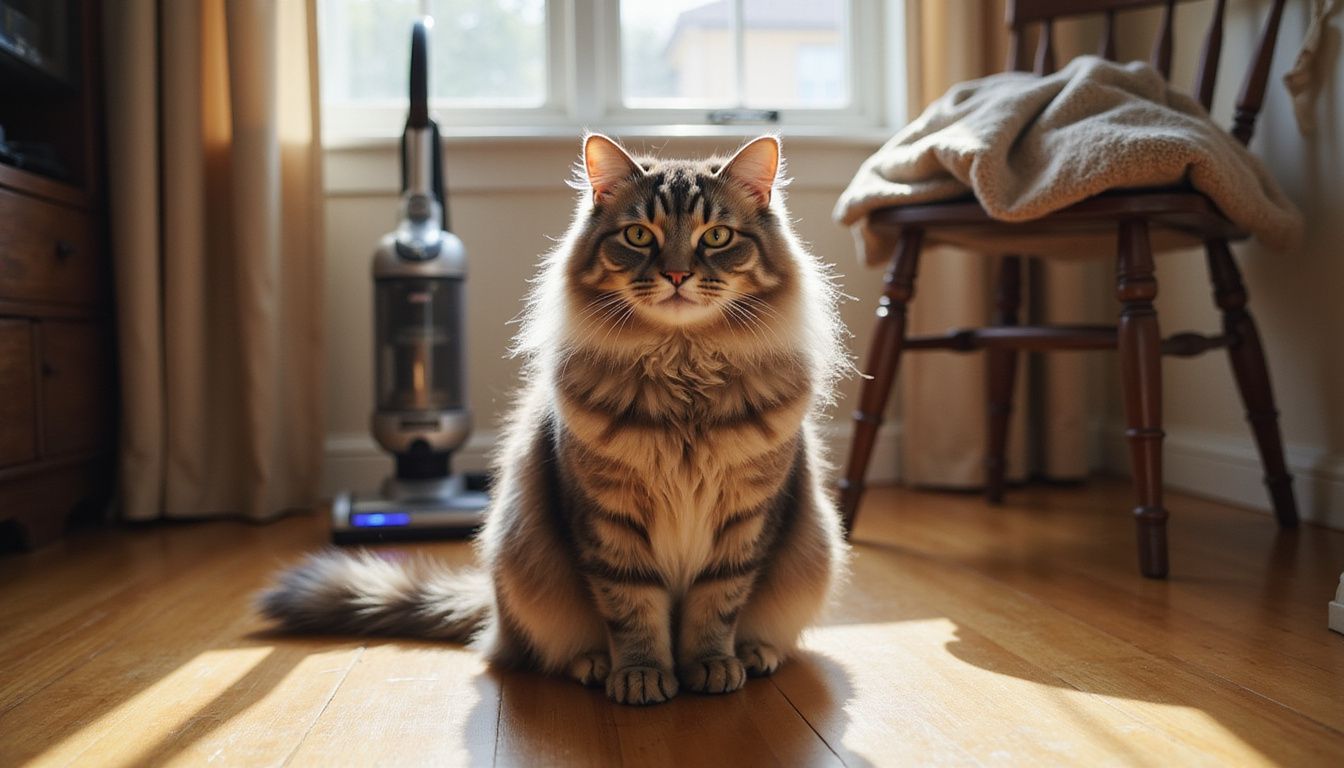
Certain cat breeds make fewer allergy-triggering proteins in their fur, saliva, and urine than typical cats. These proteins, called Fel d 1, spark allergic reactions in sensitive people. Hypoallergenic cats generate lower levels of this protein, so your immune system stays calmer around them.
Siberian cats, for example, carry thick, long hair but still produce fewer of these proteins despite their fluffy look. Russian Blue cats shed minimally, usually just once or twice a year over two to three weeks, cutting down on allergen spread through your home. Balinese cats also make less allergen than many other breeds, a solid choice if you want an affectionate companion.
Even within hypoallergenic breeds, allergen production varies cat to cat. One Siberian might trigger fewer reactions than another from the same litter.
A few simple habits help you manage allergen levels no matter which breed you pick:
- Neuter or spay your cat. Neutered males may produce fewer allergens than intact males.
- Brush regularly to remove loose hair before it spreads around your space.
- Run air purifiers with HEPA filters to capture floating allergens.
- Vacuum often and wash bedding weekly to keep your home allergy-friendly.
The International Cat Association and The Cat Fanciers’ Association both recognize these hypoallergenic cat breeds for their allergy management benefits. Understanding what makes these cats special sets you up to explore specific breeds that might work for your situation.
What Makes the Sphynx Cat Allergy-Friendly?
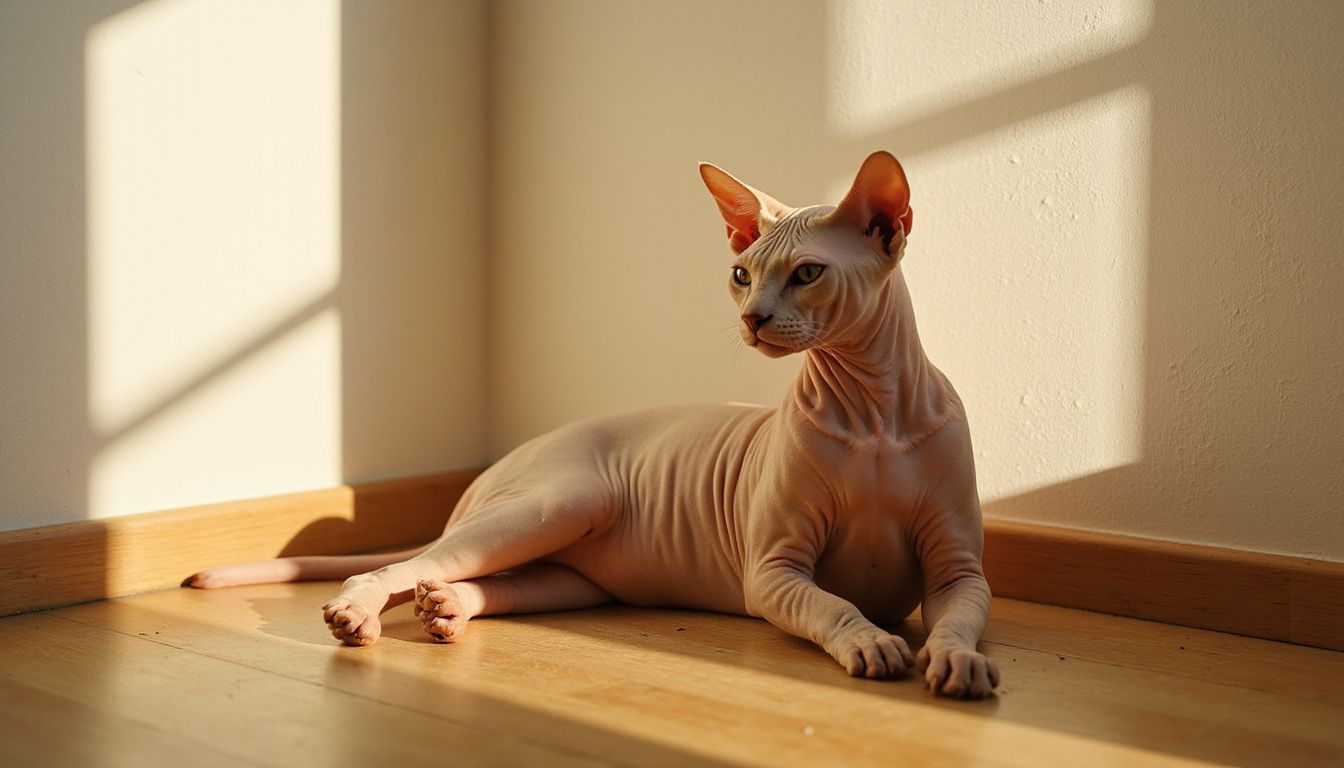
The Sphynx cat has no fur, so it sheds almost no hair and makes fewer allergens that trigger your symptoms. Your allergies may calm down because this breed’s skin releases less of the protein that makes you sneeze and itch.
Why is the Sphynx a good choice for allergy sufferers?
Hairless breeds like the Sphynx produce less shedding, which makes them stand out if you deal with mild allergies. Since hair carries allergens from saliva and skin oils, fewer strands floating around your home means fewer triggers hitting your body.
Sphynx cats still make Fel d 1, the main protein behind allergic reactions, so they are not truly hypoallergenic cats. Your allergies may improve anyway, since the reduced shedding cuts down on surface allergens in your living space.
Spend time with a Sphynx before you adopt one. This lets you see how your body reacts to this specific breed. Some allergy sufferers find they tolerate Sphynx cats far better than traditional furry cats, which makes cat ownership possible when it wasn’t before.
Low-shedding cats open doors for people who thought cat ownership was off the table.
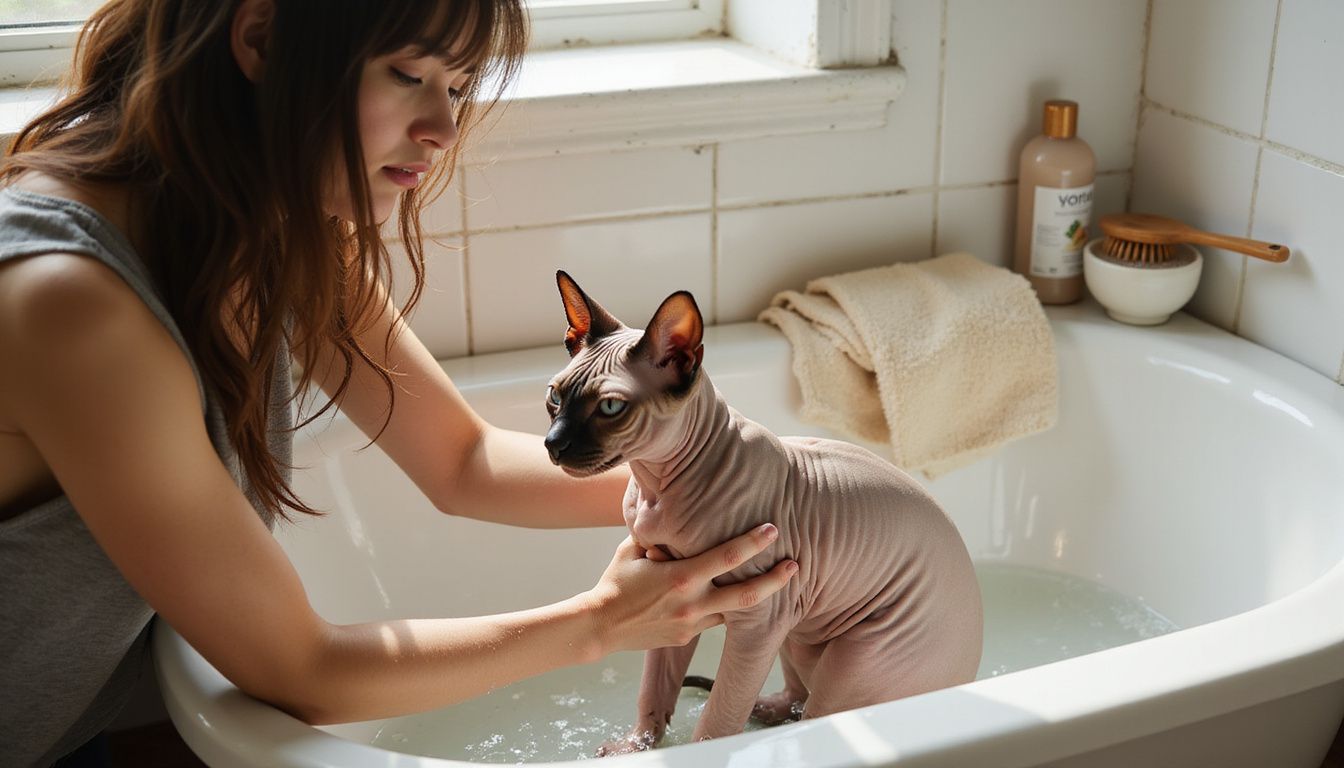
Caring for a Sphynx takes more work than typical cat care, and that effort actually helps your allergy management. Regular bathing removes extra skin oil, which cuts down on the allergens sitting on the cat’s skin.
You should bathe your Sphynx every week or two to keep allergen levels down and support skin health. Just know this fix doesn’t last forever. According to studies published in the Journal of Allergy and Clinical Immunology, bathing lowers Fel d 1 only for a short while, and allergen levels climb back to normal within 24 hours to a week. That’s why bathing works best as one piece of a bigger plan, not a stand-alone cure.
Basic grooming between baths helps remove extra oil residue too. Partnering with pet care professionals, like the team at an affordable pet hospital or your local veterinary clinic, gives you guidance on proper bathing techniques as part of your cat’s ongoing veterinary care.
This hands-on approach means you actively lower allergens in your home, making life more comfortable for everyone under your roof.
One Sphynx owner tried a weekly bathing routine for six weeks and noticed a real change. Before the routine, oil residue showed up often on cotton swabs used to check the cat’s skin. After six weeks of once-weekly baths, that residue nearly disappeared, showing up in just one out of six checks. Facial itch episodes dropped from four per week to only one. “Weekly baths made a clear difference in how my skin reacted after cuddling. The sticky feeling went away and flare-ups dropped to nearly nothing,” the owner said. This kind of real-world result is exactly why veterinarians recommend regular bathing as a practical tool for managing surface allergens on hairless cats.
What Are the Unique Features of the Devon Rex Coat?
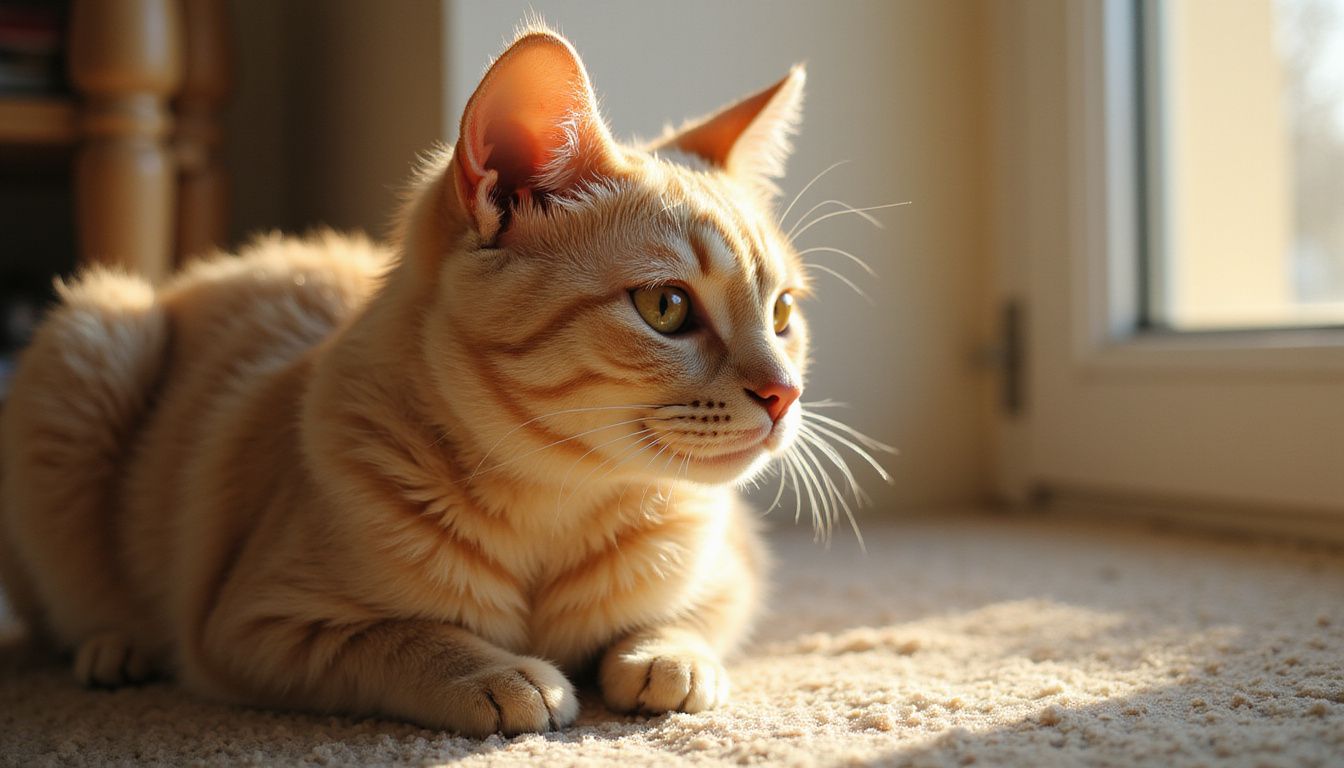
The Devon Rex coat feels like soft peach fuzz. This wavy fur pattern actually traps fewer allergens than straight hair does. Stick around, because this breed knows how to keep your sneezing fits at bay.
How does the Devon Rex minimize shedding?
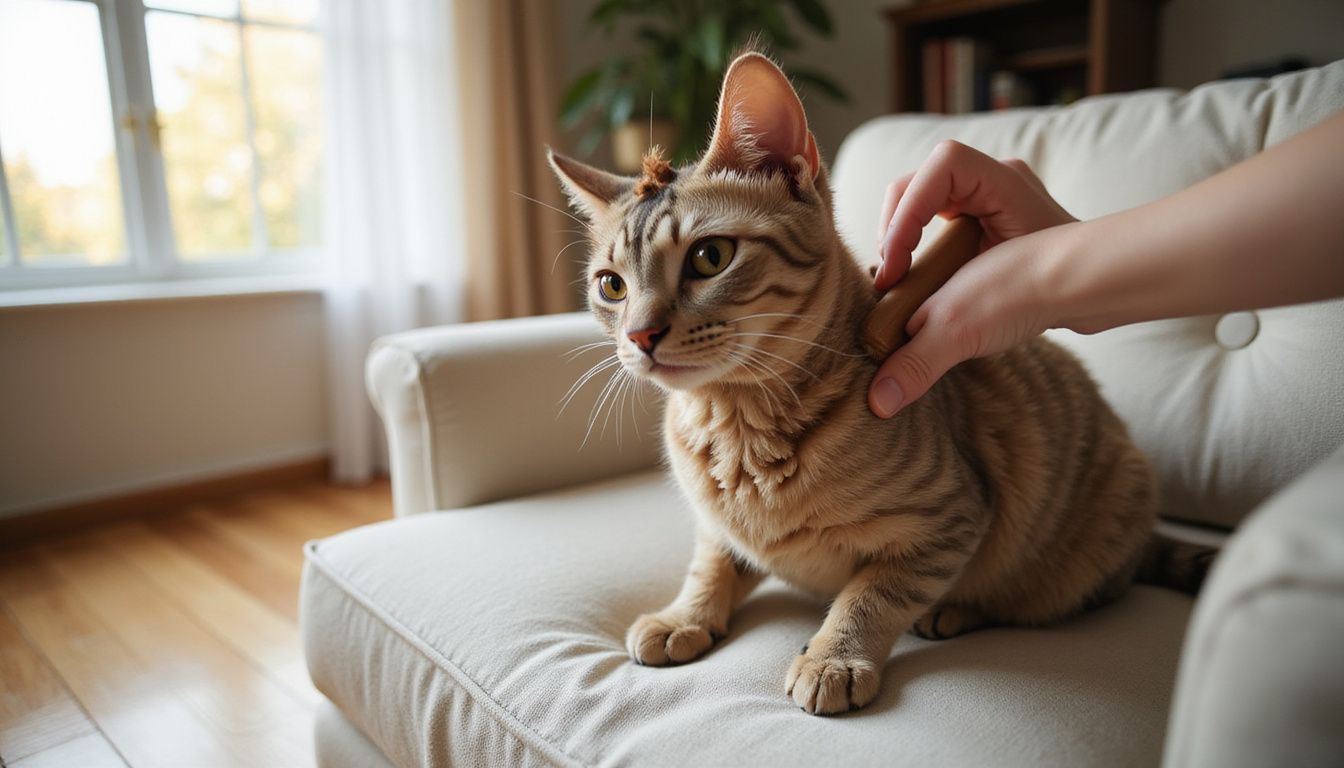
Your Devon Rex cat’s short, curly coat sheds very little compared to most other cat breeds. According to the Cat Fanciers’ Association breed standards, this breed lacks the intact guard hairs that most cats have. Standard cats grow three layers of fur (guard, awn, and down hairs), but the Devon Rex relies mostly on a fine, downy undercoat. That’s the real reason this coat sheds so little.
Rather than hair falling out everywhere, the curly structure keeps strands close to the skin longer. You’ll notice far fewer hairballs, less fur on your furniture, and less allergen spread through your home.
Basic grooming keeps this advantage working for you. Gentle brushing once or twice a week keeps the coat healthy and limits any shedding that does happen.
One allergy sufferer spent three hours in a living room with a Devon Rex, then repeated the test with a standard domestic shorthair. During the Devon Rex session, symptoms scored just two out of ten, with only light sneezing and slightly itchy eyes, and only four small hair clumps turned up on a white throw blanket. The shorthair session told a different story: symptom severity jumped to six out of ten, and eighteen hair clumps showed up on the same blanket under the same conditions. “After three hours I noticed noticeably less fur on my clothes, and my eyes were less irritated with the Devon Rex compared to the standard cat,” the participant said. This kind of side-by-side test shows why Devon Rex cats earn their reputation for causing fewer allergy symptoms in people with mild sensitivities.
Caring for your Devon Rex’s delicate coat calls for a light touch. Use soft brushes and skip any harsh pulling that could damage the fragile curls. Bathing your cat every few weeks also helps remove loose hair before it sheds naturally.
Your allergy specialist or veterinarian at a clinic like Doko Animal Hospital can suggest grooming techniques suited to your cat’s needs. Devon Rex cats still make allergens like every cat does, but their light shedding cuts way down on the allergen-carrying hair floating around your space.
This makes the Devon Rex a smart pick if you’re thinking about adopting a cat but worry about mild allergies.
How Does the Cornish Rex Fur Help with Allergies?
The Cornish Rex coat works like a soft blanket that traps allergens close to the skin, so fewer particles float into the air to trigger your sneezing fits. This breed makes lower levels of the Fel d 1 protein, the main culprit behind cat allergies, making it a solid pick if you want a feline friend without the constant fight against allergens.
What allergy-friendly traits does the Cornish Rex have?
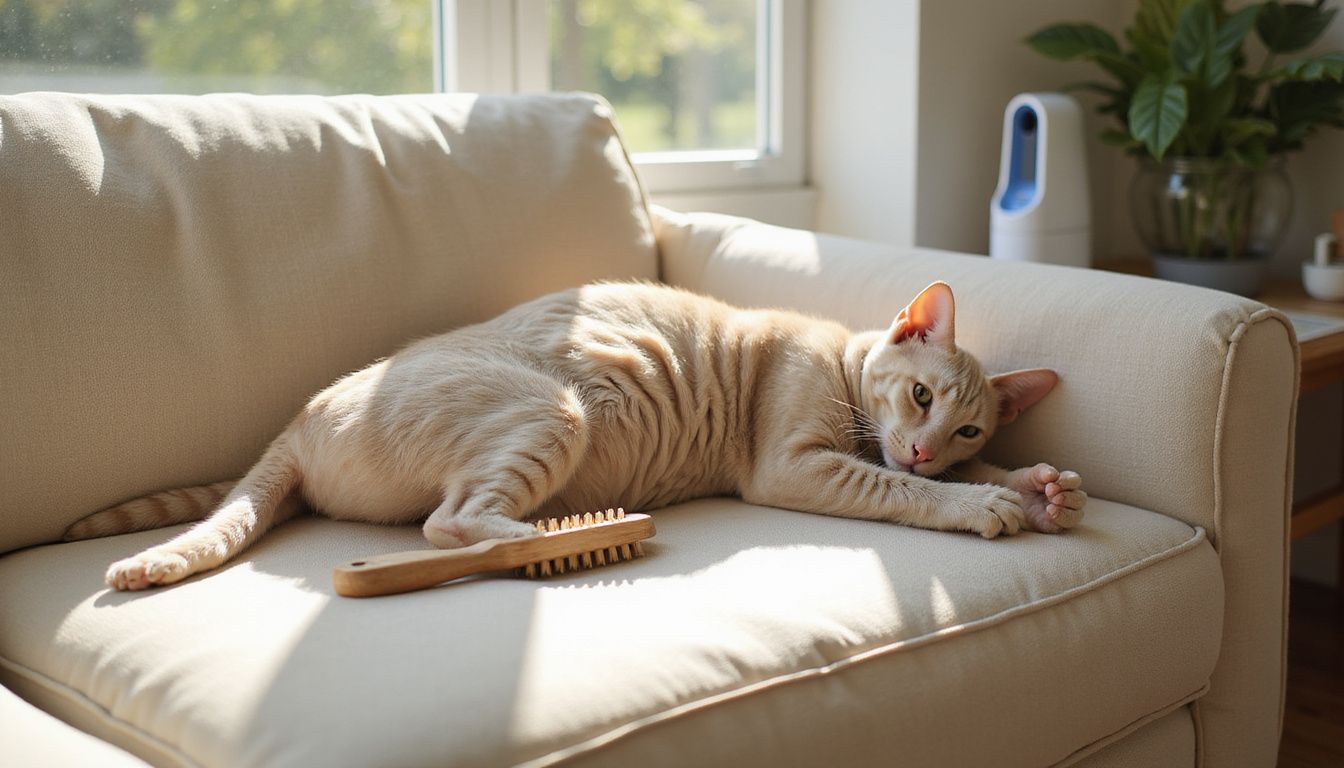
Cornish Rex cats have short, curly coats that shed very little, making them a smart choice if you deal with mild allergies. Your home won’t fill up with cat hair tumbling across the floor.
This breed makes fewer loose strands than most other cats, which means less dander floating through your air. Dander, not fur itself, triggers most allergy symptoms in people.
A few things make the Cornish Rex extra manageable for allergy sufferers:
- Minimal shedding means less dander spreading through your home.
- Purina® Pro Plan® LiveClear reduces Fel d 1 in hair and dander by an average of 47%, starting around week three of daily feeding, according to a landmark decade-long study by Purina.
- HEPA air filters catch what little hair does shed before it settles on furniture and clothes.
- Weekly brushing traps loose hair before it falls out naturally.
Playful and curious by nature, Cornish Rex cats bring joy without the constant shedding headache. Gentle grooming sessions become bonding time with your new friend, not a chore.
Minimal shedding doesn’t mean hypoallergenic, since every cat makes allergens. Still, this breed gets you closer to comfort than many others. Your allergies won’t vanish completely, but you’ll likely notice a real difference day to day.
Why Is the Siberian Cat Suitable for Allergy Sufferers?
Siberian cats make lower levels of the Fel d 1 protein, the main culprit behind cat allergies, making them a solid choice if you deal with mild reactions. Their thick, water-resistant coats shed seasonally rather than year-round, so you’ll spend less time battling fur tumbleweeds across your floors.
How does the Siberian’s coat affect allergen levels?
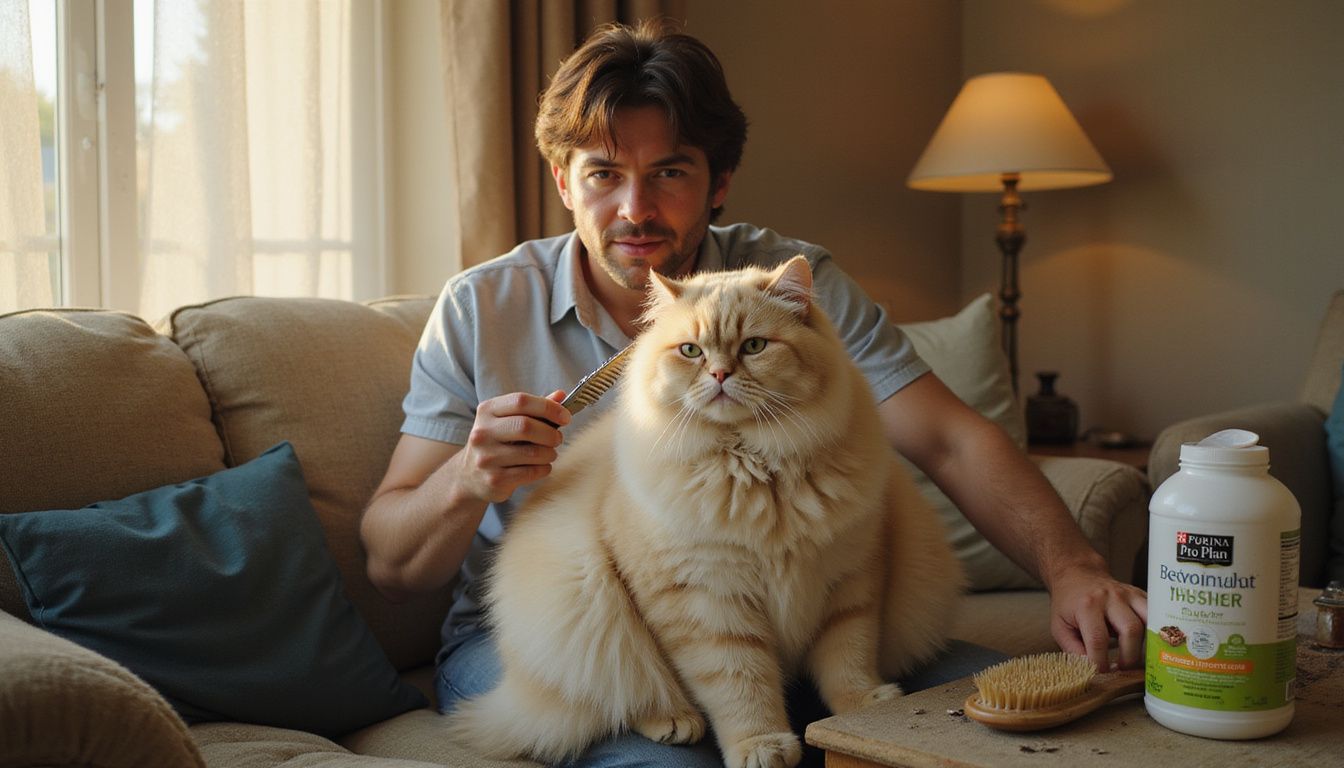
Your Siberian cat’s thick, long hair might look like an allergy nightmare, but here’s the good news: these cats make fewer allergy-causing proteins than most other breeds.
Research suggests that Siberian cats generate lower levels of Fel d 1, the primary protein responsible for cat allergies. This protein shows up in fur, saliva, and urine, so a cat that makes less of it means fewer sneezing fits and itchy eyes for you.
Based on laboratory testing from indoor biotechnology research facilities, here’s how the numbers compare:
| Cat Type | Fel d 1 Level (per mL of saliva) |
|---|---|
| Typical domestic cat | 4 to 16 micrograms |
| About half of Siberians tested | Under 2 micrograms |
The Cat Fanciers’ Association recognizes this breed as a solid option for people with mild allergies. Your individual cat may vary though, since allergen production differs from one Siberian to another, even within the same litter.
A few habits help keep your Siberian’s allergen levels low:
- Comb weekly to remove loose fur and dander before it settles on furniture.
- Feed a coat-support formula like Royal Canin Feline Breed Nutrition to help maintain skin health.
- Try Purina® Pro Plan® LiveClear, a nutrition-based option built to reduce allergen production.
Consistent grooming combined with the right nutrition creates a real difference in how your allergies respond to your new companion.
What Allergy Benefits Does the Russian Blue Offer?
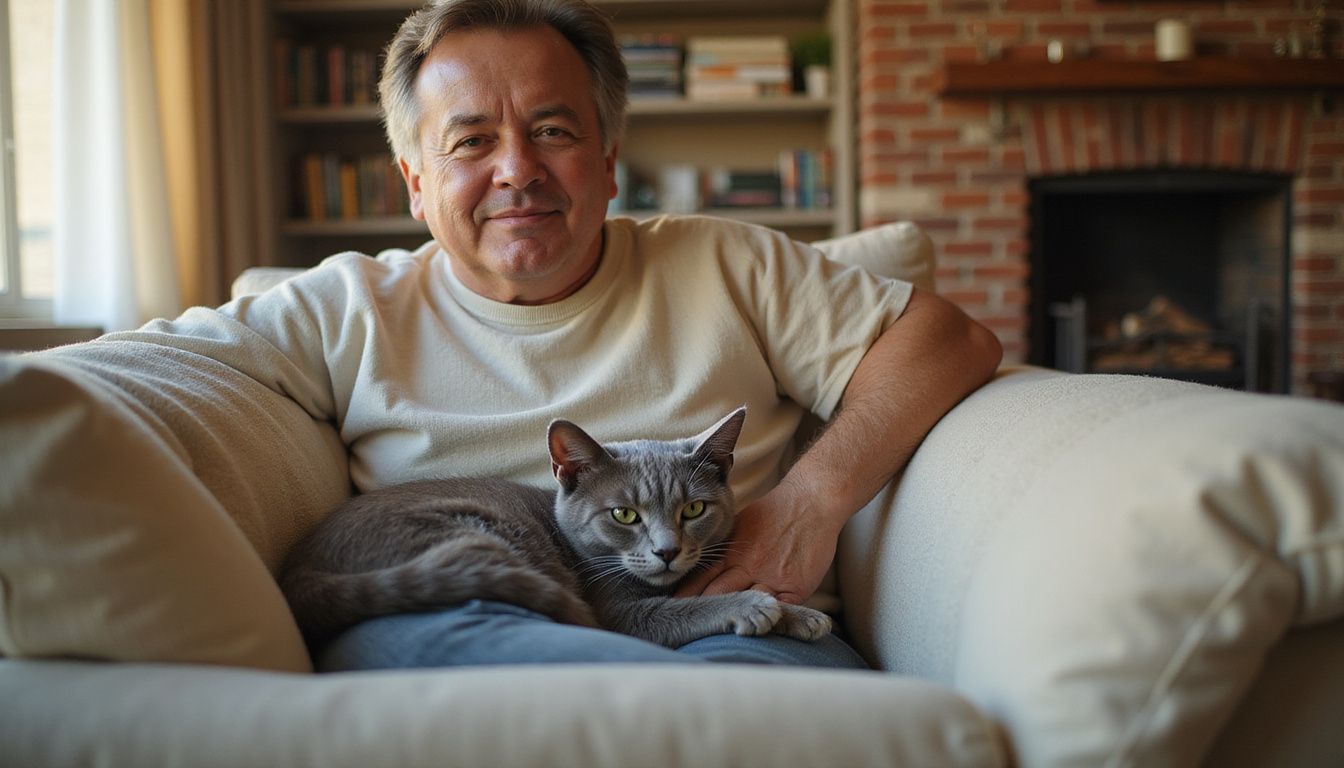
Russian Blues make less of the protein that triggers allergies in people, making them a smart choice if you want a cat that won’t leave you sneezing all night. Read on to see how their special coat works its magic.
How does reduced allergen production work in Russian Blues?
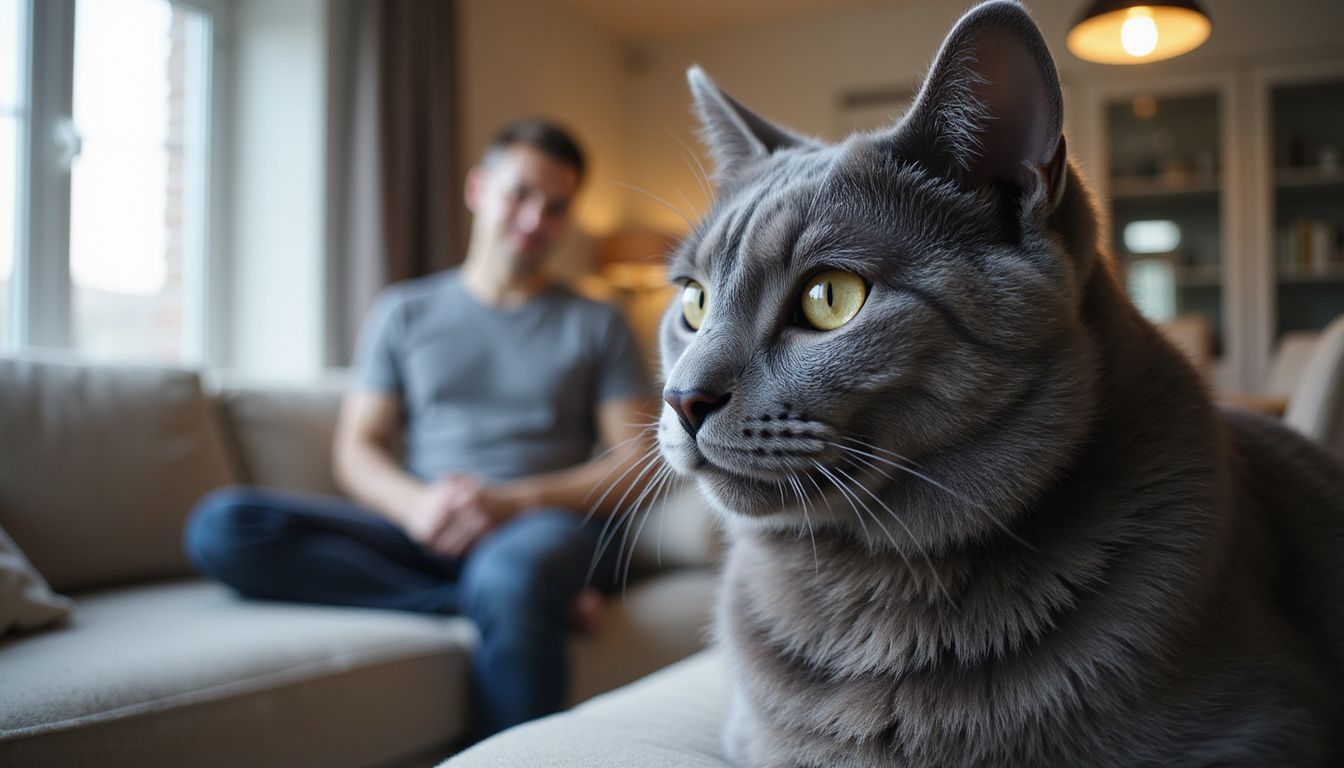
Your Russian Blue cat makes fewer allergens than many other breeds, a smart pick if you struggle with mild allergies. These cats have dense, soft double coats that trap allergens close to the skin instead of releasing them into the air.
The trapped proteins stay locked within the coat fibers, so fewer allergens float around your home. This dense coat acts like a natural filter, keeping allergy-triggering particles from spreading as easily.
A few reasons Russian Blues work well for allergy sufferers:
- They shed minimally, usually just once or twice a year over two to three weeks.
- The Feline Fanciers’ Association recognizes the breed for its low-shedding qualities and calm temperament.
- Their dense coat design gives you better odds, though individual cats still vary in allergen output.
- These quiet, affectionate cats form strong bonds and only need occasional grooming to stay healthy.
Pairing a Russian Blue with regular cleaning habits and tools like Purina® Pro Plan® LiveClear creates a more allergy-friendly space for everyone in your home.
Why Is the Balinese Considered a “Hypoallergenic” Long-Haired Breed?
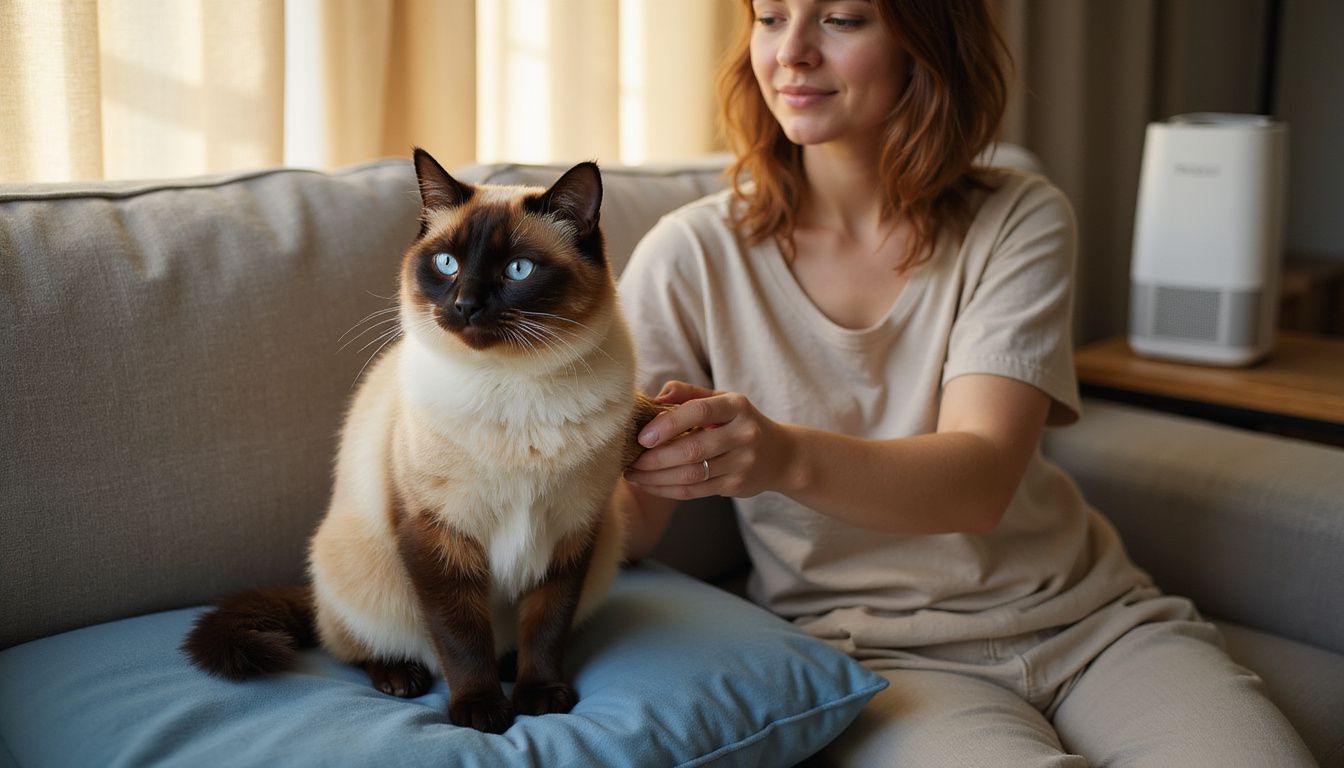
Balinese cats stand apart among long-haired felines. Most people assume long hair means constant shedding and allergic reactions. Balinese cats, though, make noticeably less of the Fel d 1 protein that triggers allergies in sensitive people.
This protein lives in cat saliva, skin, and urine, not just in fur. The breed’s genetics let them generate lower allergen levels than many other cats. Breeders and the Cat Fanciers’ Association recognize Balinese cats as a standout pick for allergy sufferers who want a long-haired companion.
A Silky Coat With a Big Personality
These silky-coated cats sport striking blue eyes and a sleek, elegant look. Their Siamese ancestry gives them affectionate personalities that make them wonderful family pets.
Kids and adults alike enjoy their playful, interactive nature. Balinese cats respond well to clicker training, so teaching them tricks turns into fun bonding time. This breed proves that long hair doesn’t automatically mean sneezing fits and watery eyes.
Keeping Allergens Low With Regular Care
Managing allergens in your home gets easier with a Balinese cat by your side. Regular grooming sessions cut down on the loose hair and dander floating around your living space.
- Brush their coat two to three times a week to keep shedding minimal and maintain that silky texture.
- Vacuum often and run air purifiers to trap particles before they settle on furniture and bedding.
- Try Purina® Pro Plan® LiveClear, which contains ingredients that lower allergen levels in cat saliva.
- Keep your bedroom a cat-free zone so your body gets a break from exposure during sleep.
- Wash bedding in hot water weekly to clear allergen buildup on sheets and pillows.
Social and interactive by nature, Balinese cats thrive on spending time with their families. This breed proves that having mild allergies doesn’t mean giving up the joy of cat ownership.
What Are Effective Tips for Managing Cat Allergies?
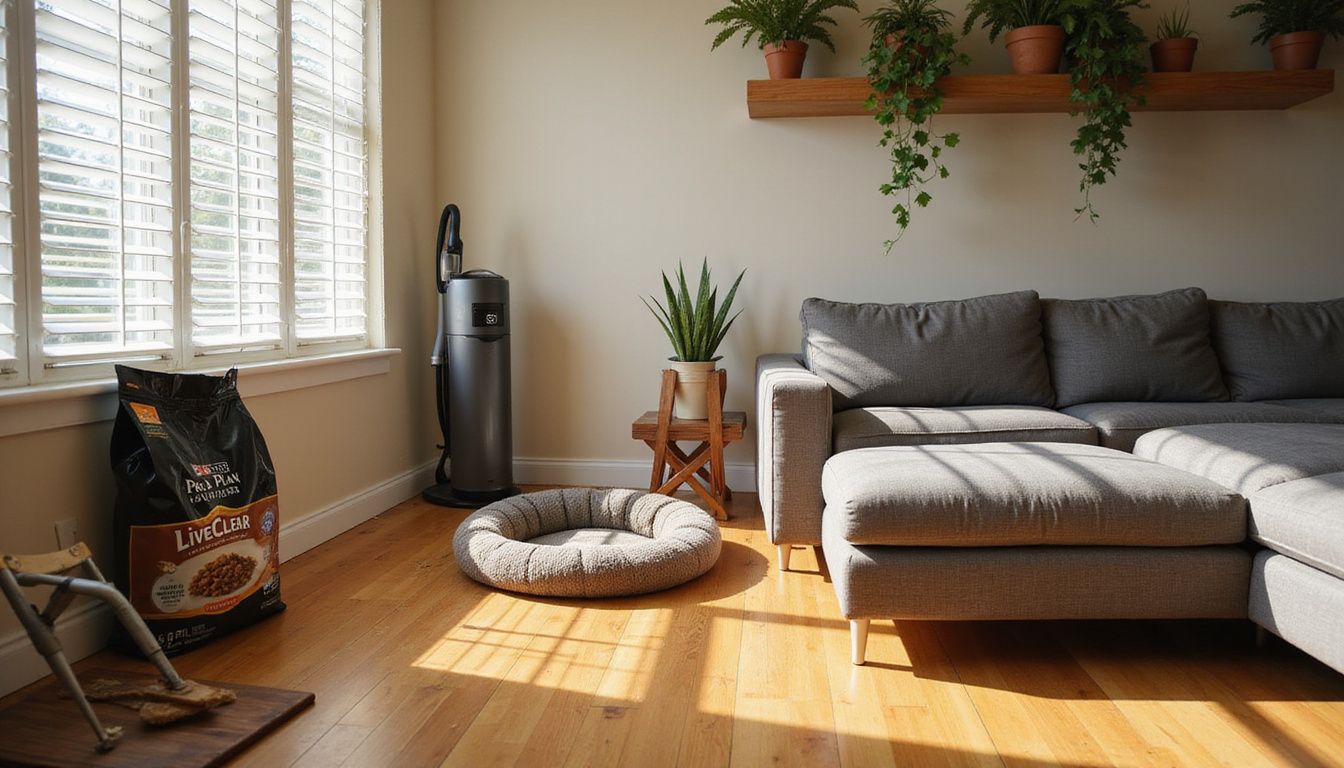
You can cut allergen levels in your home by grooming your cat often, cleaning your space regularly, and using products like Purina® Pro Plan® LiveClear to tackle the problem at the source. Here’s what actually works.
How often should you groom your cat to reduce allergens?
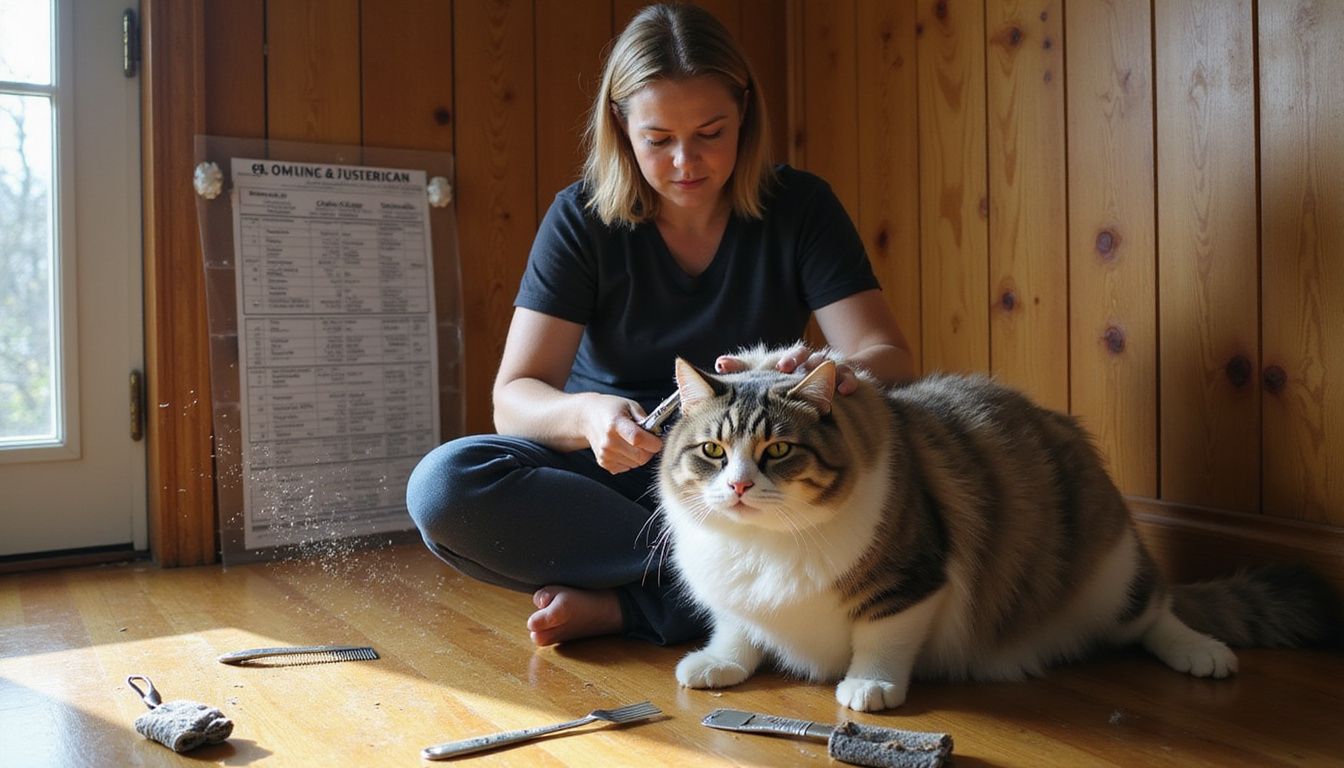
Grooming your cat regularly cuts down on fur and dander that trigger allergies. How often you groom depends on your cat’s breed and individual needs.
- Sphynx: Brush daily or every other day to manage skin oils that build up on hairless skin.
- Devon Rex and Cornish Rex: Groom once or twice weekly with gentle techniques, since delicate coats need soft handling.
- Siberian: Brush two to three times a week since thick coats shed more without steady care.
- Russian Blue: Brush once or twice a week to limit buildup in the dense double coat.
- Balinese, Javanese, and Oriental Shorthair: Brush weekly to control shedding, since long or fine hair holds onto dander easily.
Bathe your cat only about once a month unless your veterinarian suggests otherwise. Over-bathing dries out skin and causes more problems than it solves.
Every cat is different, so talk with your veterinarian about a grooming schedule that fits your specific pet. The Cat Fanciers’ Association also offers breed-specific grooming guides worth checking out.
What cleaning habits help maintain an allergy-friendly home?
Grooming keeps shedding under control, but your home environment plays an equally big role in allergy management. A few consistent habits work alongside your cat care routine.
- Vacuum carpets and furniture weekly with a machine that has HEPA filters, so allergens get trapped instead of stirred back into the air.
- Install HEPA air filters in bedrooms and living areas. According to 2026 indoor air quality research, Fel d 1 particles measure under 2.5 microns, small enough to stay airborne for hours or even days. A true HEPA filter catches particles down to 0.3 microns, which is exactly why it matters here.
- Wash bedding and blankets weekly in hot water to clear allergens that build up from your cat’s presence during sleep.
- Run air purifiers in main rooms to keep filtering out the microscopic dander that even hypoallergenic cat breeds release.
A few smaller habits add up too:
- Use a lint roller on clothes and furniture right after you spot shed fur.
- Dust with a damp cloth instead of a dry one. Moisture traps particles instead of scattering them.
- Wash your hands after petting your cat, before you touch your face or eyes.
- Keep your bedroom a no-cat zone, so you always have one allergen-free space to rest.
How Do You Choose the Right Cat for Your Lifestyle?
Picking the right cat means having an honest talk with yourself about what you actually want in a pet. Start by sizing up your allergy severity, since mild reactions differ a lot from serious ones that could make daily life miserable.
Think about your living space next. A small apartment might not suit an active breed that needs room to run, while a bigger home gives you more flexibility. Your grooming commitment matters too, since some breeds need regular brushing to keep allergens down.
Your personality matters as well. Do you want a calm companion that lounges around, or an energetic friend that plays nonstop? The Exotic Shorthair, for instance, tends to relax, while other breeds bounce off the walls.
A quick checklist can help you narrow things down:
- How severe are your allergy symptoms: mild, moderate, or severe?
- How much time can you commit to grooming and home cleaning?
- Does your living space fit an active breed or a calmer one?
- Are you ready to visit a shelter or breeder more than once before deciding?
Test the Waters Before You Adopt
Visit rescue organizations for trial visits before you make any adoption decision. This hands-on time lets you see how your body reacts to a specific cat, not just the breed in general. Spend an afternoon with a potential pet and watch for watery eyes or a stuffy nose.
Talk to a clinic like South Florida ENT Associates or your own allergist about your symptoms beforehand, so you know what signs to watch for during the visit.
A single afternoon visit can tell you more about your allergy reaction than any breed description ever will.
Your veterinarian can point you toward specialized diets like Purina® Pro Plan® LiveClear, which reduces allergens in cat hair, dander, and saliva. You might also consider genetic testing through a service like Basepaws to learn more about your cat’s background and health traits.
Realistic expectations and careful planning turn the adoption process into something exciting instead of stressful. Next, let’s look at the everyday habits that keep allergens under control once your new cat comes home.
What Are Common Questions About Low-Shedding Cats and Allergies?

People shopping for a low-shedding cat often wonder if these breeds really solve allergy problems. Here are the questions I hear most.
| Common Question | What You Should Know |
|---|---|
| Are low-shedding cats truly hypoallergenic? | No cat is 100% hypoallergenic, no matter its coat type. All cats make Fel d 1, the protein found in saliva, skin oil, and dander, and hairless breeds like the Sphynx still release it through skin and saliva. Less shedding means fewer allergens floating around, not zero allergens. |
| What causes cat allergies, exactly? | Cat allergies come from Fel d 1, a protein cats release in their skin, saliva, dander, and urine. Your immune system treats this protein as a threat, causing sneezing, itching, and watery eyes. Shedding amount doesn’t change how much of the protein a cat makes. |
| Will a low-shedding breed prevent my allergies? | Low-shedding cats lower your allergen exposure, but they won’t remove it completely. Some people with mild allergies manage well with these breeds and steady home cleaning, while others still notice flare-ups. Test your reaction with a specific cat before you adopt. |
| Should I see a doctor before getting a cat? | Yes, talk with an allergist before you adopt if allergies concern you. The American College of Allergy, Asthma, and Immunology recommends checking with a specialist to understand your specific triggers. Your allergist may also suggest medication or other strategies for living comfortably with a cat. |
| Do male or female cats produce fewer allergens? | Reproductive status matters more than gender here. Neutered and spayed cats produce noticeably less Fel d 1 than intact cats, so this single step can make a real difference. Combine a neutered, low-shedding cat with regular grooming, and you improve your odds of living comfortably together. |
| Can grooming reduce the allergens my cat produces? | Grooming removes loose hair and dander, but it doesn’t stop your cat from making allergens in the first place. Weekly bathing removes surface allergens temporarily, and regular brushing catches shed hair before it spreads. Think of grooming as management, not a cure. |
| Which low-shedding breed is safest for allergies? | No breed is completely allergen-free, but breeds like the Russian Blue, Siberian, and Balinese tend to produce lower allergen levels. The Sphynx sheds very little but still releases Fel d 1 through its skin. Spend time with the specific cat you’re considering, since allergen output varies cat to cat. |
| How can I reduce allergens in my home? | Use HEPA filters in your vacuum and air purifier to catch airborne allergens, since Fel d 1 particles are small enough to stay airborne for hours. Wash bedding weekly in hot water and keep your cat off furniture in the bedroom when you can. These habits noticeably lower allergen levels over time. |
| Can I live with a cat if I have allergies? | Many people with mild allergies live well with low-shedding cats when they combine the right breed with steady cleaning habits. Moderate to severe allergies make things harder to manage. Your allergist can help you figure out if cat ownership fits your situation. |
| Should I test my allergies before adopting? | Yes, spend several hours with the specific cat you’re considering before you commit. Ask the breeder or shelter if you can visit more than once, and watch how your body reacts during and after each visit. This simple test tells you more than any breed description can. |
Conclusion
Low-shedding cat breeds give you real hope for managing mild allergies, even though no breed is completely hypoallergenic. Every cat makes Fel d 1 through saliva, skin, and dander.
The Sphynx, Devon Rex, Cornish Rex, Siberian, Russian Blue, and Balinese all shed far less than standard breeds, making them practical picks for your home.
Weekly grooming, HEPA vacuuming, regular bedding washes, and diets like Purina® Pro Plan® LiveClear work together to keep allergens in check.
Spend time with your chosen breed before you adopt, and talk with your veterinarian about nutrition strategies built for allergy relief.
Your dream of cat companionship doesn’t have to stay out of reach. With the right breed, steady care habits, and resources from the Cat Fanciers’ Association, you can bring home a furry friend and finally enjoy a purring cat by your side.
FAQs
1. Is there really such a thing as a hypoallergenic cat?
No cat is 100% hypoallergenic because all cats produce Fel d 1, the protein that triggers most allergic reactions. Some breeds do produce less of this protein or shed less dander. The Cat Fanciers’ Association notes that low-shedding breeds can be a better fit for people with mild sensitivities, though individual reactions vary.
2. Which cat breeds shed the least?
The Sphynx, Russian Blue, and Balinese are among the lowest shedders. These breeds either have minimal fur or coat types that trap less dander.
3. Can grooming help reduce allergy symptoms?
Yes, regular brushing and occasional bathing cut down on loose fur and dander significantly. It’s one of the simplest ways to manage symptoms at home.
4. Does the Cat Fanciers’ Association recommend specific breeds for allergies?
The Cat Fanciers’ Association highlights several low-shedding breeds as better options for allergy sufferers, though they emphasize that reactions differ from person to person. Meeting a cat in person before adopting is always the smartest move.