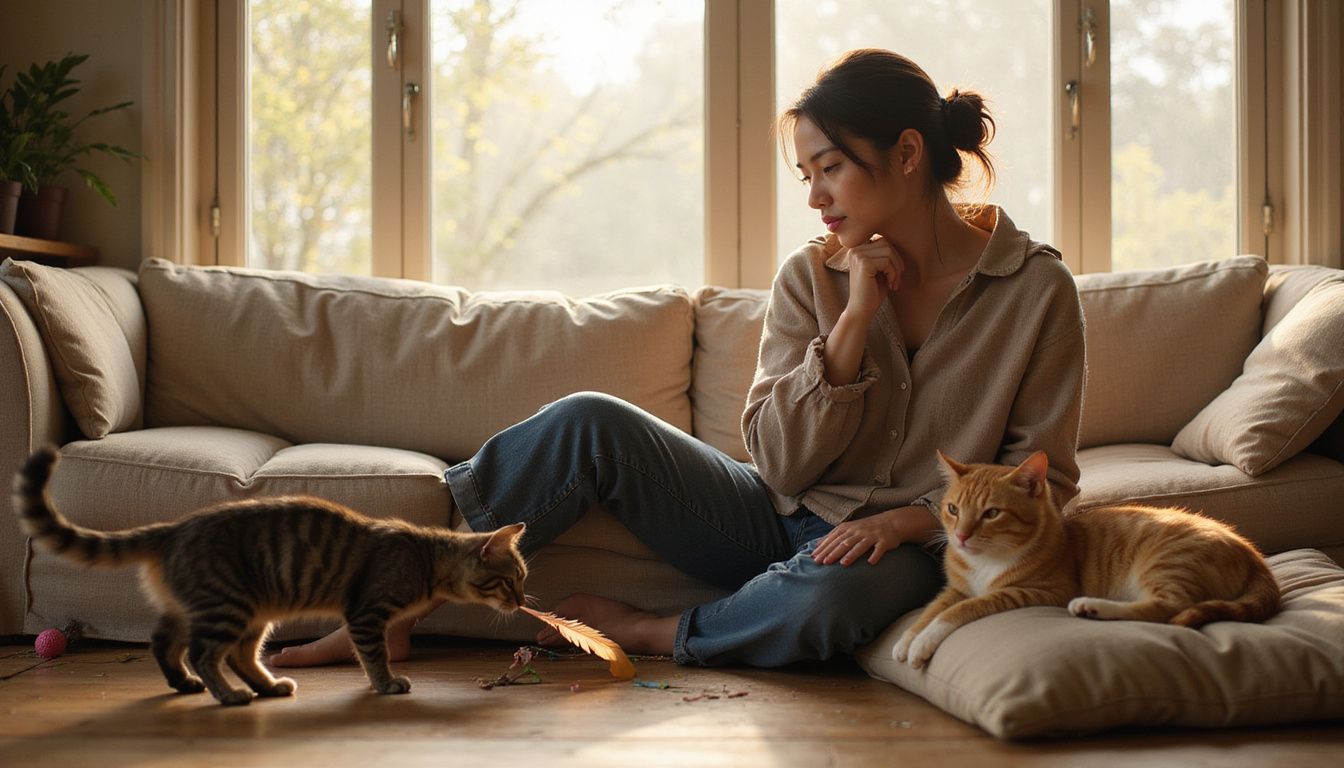
Kittens burst with endless energy and demand constant attention. Adult cats offer a calmer, more settled presence that fits many lifestyles.
Your choice between a young ball of fur and a mature companion shapes your daily routine, your wallet, and your home life in real ways.
How do energy levels and activity needs differ between kittens and adult cats?

Energy levels between kittens and adult cats differ like night and day. Understanding these differences shapes your entire adoption experience.
| Aspect | Kittens | Adult Cats |
|---|---|---|
| Energy Level | High-energy bundles full of life. Entertaining and adorable during peak play hours. Show constant movement and curiosity all day. | More settled and calm. Energy levels stay predictable and manageable. Suitable for quieter households wanting stability. |
| Activity Needs | Need frequent play sessions multiple times daily. Can’t be left alone for long stretches. Need supervision to stop destructive habits like scratching and chewing. | Thrive with moderate, steady activity. Adapt well to your schedule. Ask for less constant attention. |
| Play Behavior | Get the “zoomies,” those sudden bursts of frantic running and pouncing. Chase toys with real intensity. Wrestle and pounce as normal parts of growing up. | Play at their own pace. Prefer shorter, calmer play sessions. Show interest without the chaotic energy. |
| Best Suited For | Homes with time for frequent play, training, and socializing. Families or people with flexible schedules. Owners ready for boundary-setting challenges. | Busy professionals and quiet households. People wanting a calmer cuddle buddy. Anyone wanting predictable companionship. |
| Lifestyle Match | Need active participation in their growth. Want interactive toys, climbing structures, and constant engagement. Match well with energetic owners. | Adapt quickly to new homes and show appreciation for adoption. Fit easily into your existing routine. Match well with owners wanting a low-maintenance companion. |
Your schedule really determines which age group fits best. Busy professionals often find adult cats more compatible, since they don’t need constant supervision.
Young professionals with time to spare might love the kitten stage instead. Think about your work hours, travel, and personal energy before deciding.
Adult cats offer predictable energy, which makes matching them to your life pretty simple. They settle into routines fast, without the intense socializing kittens demand.
It really comes down to this: do you have the time for an entertaining but demanding youngster, or would you rather have a steady, grateful companion?
What socialization and training do kittens and adult cats require?

Kittens need daily engagement to build proper social and behavioral skills. You’ll need patience and time during those early months, since you’re basically raising a tiny furry student.
Your kitten needs help with teething, litter training, and boundary setting. Adopting two kittens together can actually help, since they learn from each other through play.
Early exposure to different sounds, people, and places gives your kitten the best shot at becoming a confident, well-adjusted cat. Litter training usually happens naturally, but you’ll guide them to the box and praise their wins.
A kitten’s first weeks shape the cat they’ll become.
Adult cats arrive with established personalities, which makes your job a lot easier. Most adult cats are already litter box trained when you adopt them, saving you real time and frustration.
You don’t need to teach them boundaries or basic manners since they’ve already learned those lessons. Senior cats and middle-aged felines often need less supervision than younger ones, since they’re past the most destructive phase.
Shelter staff can tell you exactly what temperament and energy level each cat has, so finding your match feels less like a guessing game.
Your next step is understanding what indoor cats need to actually thrive in your home.
How do veterinary care and time commitments vary for kittens versus adult cats?
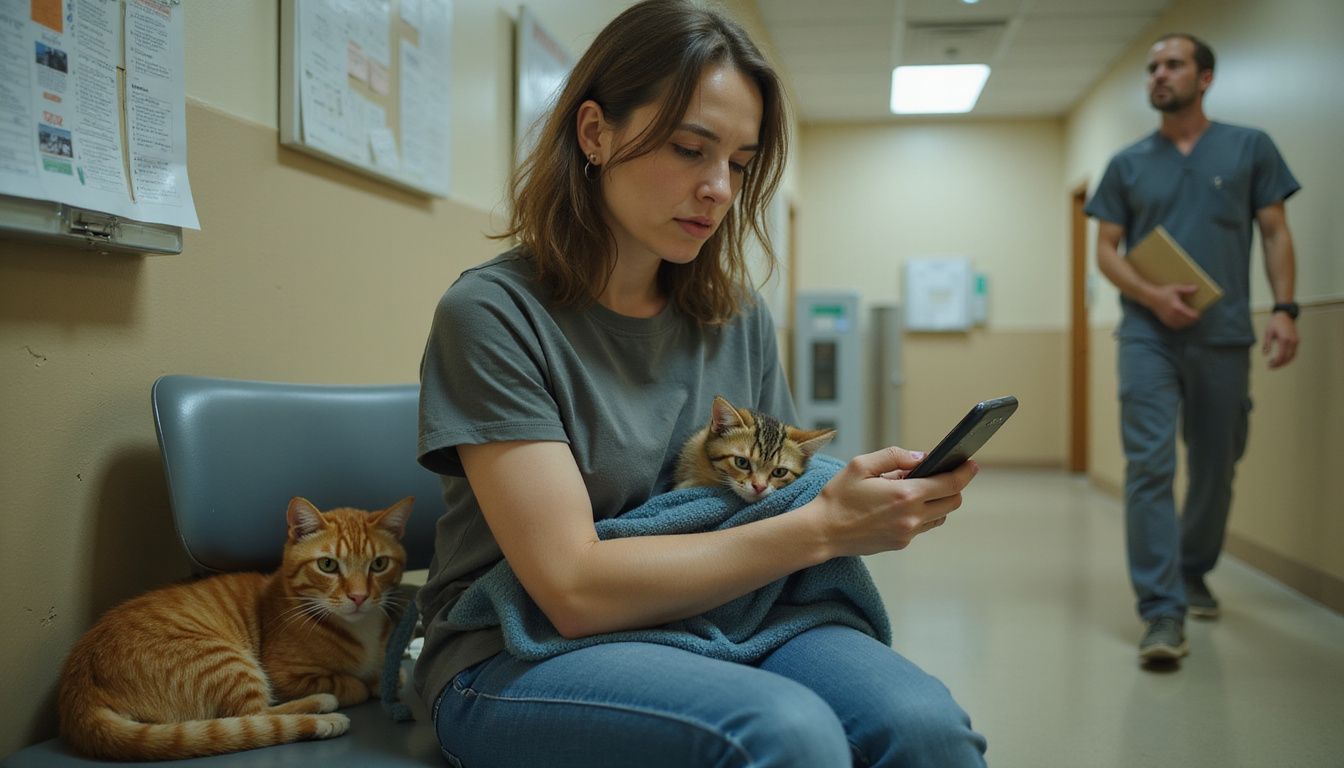
When you bring a kitten home, veterinary care becomes part of your weekly routine. Your new kitten needs regular check-ups, vaccinations, and monitoring through multiple growth stages. The first year demands the most of your time.
| Care Aspect | Kittens | Adult Cats |
|---|---|---|
| Veterinary Visits | Multiple visits in the first year for vaccines, health checks, and growth monitoring. Frequent appointments keep pace with rapid development. | Fewer visits each year. Major vaccines and procedures are often already done, cutting down on frequency. |
| Medical Procedures | Spaying or neutering at a young age is required. Teething and rapid growth monitoring fall on your shoulders. Deworming happens regularly. | Spaying or neutering is typically already done. No teething concerns or growth stage monitoring needed. |
| Time Commitment (Daily) | Several hours needed for play, training, and supervision. You’ll need to be home enough to support their growth and health. Managing all that energy takes real effort. | A much lower daily time investment. Adult cats want companionship, but skip the intense supervision and training kittens need. |
| Financial Investment | Kittens typically cost $100 to $255 to adopt in the U.S., plus $200 to $500 in first-year vet bills for shots, spaying or neutering, and preventive care. Unexpected issues can pop up fast during development. | Adult cats usually cost just $50 to $150 to adopt, with a lower average of $100 to $300 in first-year vet bills. Expenses stay more predictable since preventive care is often already handled. |
| Training & Behavior Management | Needs real training for litter box habits, scratching posts, and social boundaries. Behavior issues need quick attention during key development windows. | Personality and habits are already set. Training needs stay minimal, though your home may need small adjustments. |
| Ideal For Your Schedule | Best for owners who can offer constant companionship and flexibility. Work-from-home setups or regular pet sitters help a lot. | Great for anyone who can’t offer constant companionship. Adopting an adult cat gives you lower maintenance and more scheduling freedom. |
Real adoption data backs this up. In one small metropolitan shelter cohort tracking 52 adoptions over 12 months, 29 kittens averaged 5.1 veterinary visits in their first year, while 23 adult cats averaged just 1.8 visits.
Kittens needed scheduled vaccines, spay or neuter procedures, and two extra sick visits in 27 percent of cases. Adult cats had unexpected medical visits in only 9 percent of cases.
Shelter staff noted that kittens need roughly three times more clinic visits in year one than adults do. That early veterinary commitment is a big deal for anyone choosing a kitten.
Choosing between a kitten and an adult cat really comes down to your schedule, energy, and budget. Kittens ask more of you right now, but that investment pays off in a pet shaped by your care.
Adult cats offer a calmer path forward, with fewer medical appointments and behavior issues to manage. If you’re home often and love hands-on involvement, a kitten fits your world. If your schedule stays packed, an adult cat gives you companionship without overwhelming demands.
Indoor Cats: Understanding Their Needs
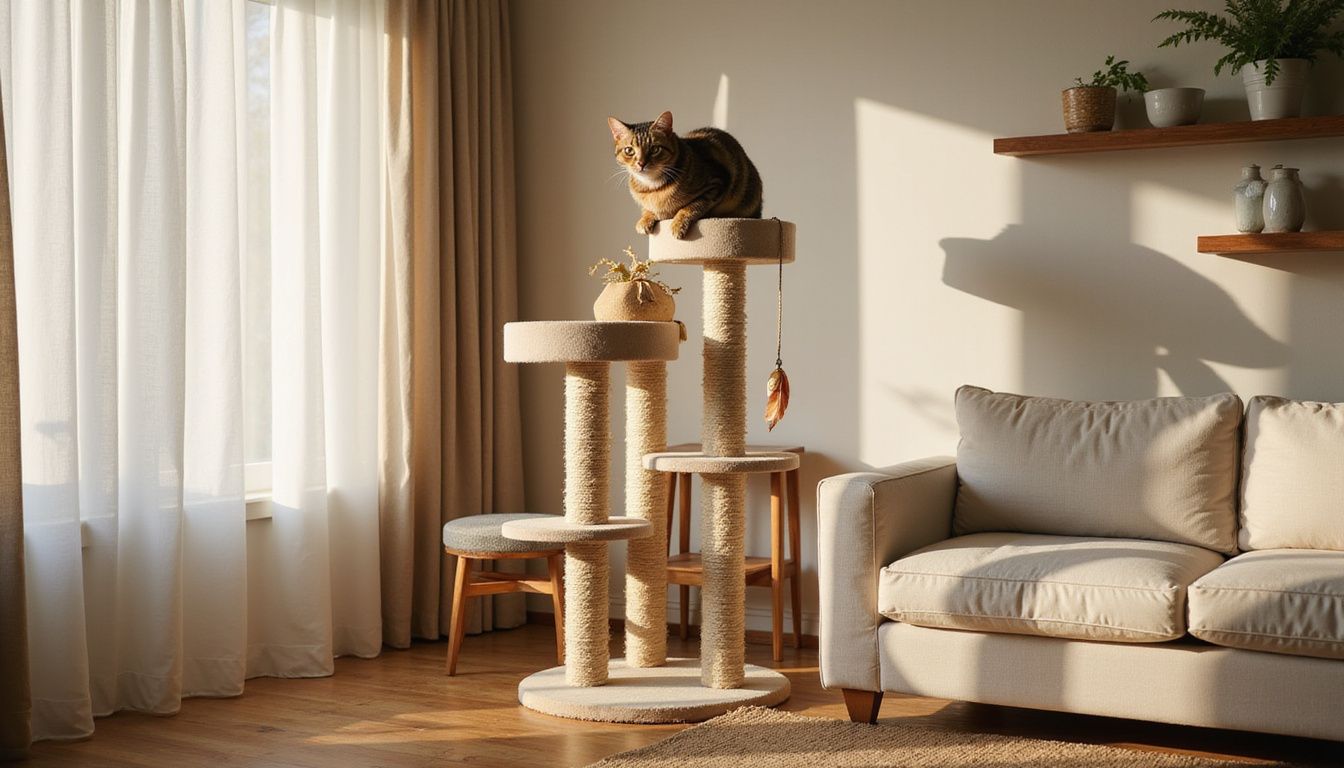
Indoor cats spend most of their lives within four walls, so they need you to build an environment that keeps them happy and engaged. Your home becomes their whole world.
That means you need to provide the right space, stimulation, and care to help them thrive.
What space and environment do indoor cats need to thrive?
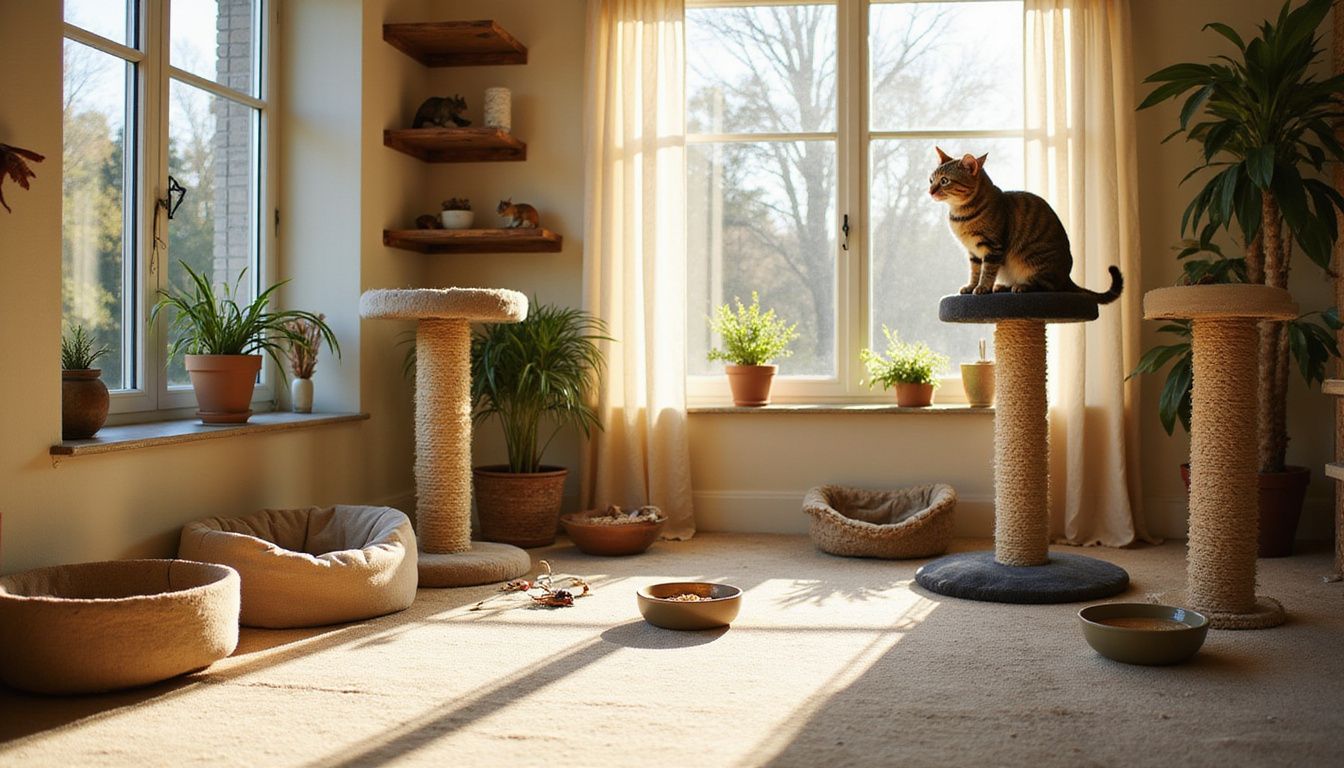
Your indoor cat needs vertical space to feel safe and secure. Cats love climbing, jumping, and perching on high surfaces.
A review in the Journal of Feline Medicine and Surgery found that a lack of vertical space is a leading cause of stress in indoor cats. Adding elevated spots like shelves or trees actually lowers cortisol levels and cuts down on anxious behaviors.
That cat tree in the corner isn’t just decoration. It’s doing real work for your cat’s mental health.
Install cat trees, wall shelves, or window perches around your home. These give your cat spots to watch over their territory and escape when they feel stressed.
A quiet environment matters too, especially if your household runs busy. Cats need spots where they can retreat and relax without constant noise.
A cat’s environment shapes their happiness as much as their personality does.
The Purina cat breed quiz looks at your household activity level and matches breeds to your home environment. Some breeds thrive in busy homes, while others prefer peaceful, quiet surroundings.
Environmental enrichment separates a bored cat from a thriving one. Here’s what helps most:
- Give your cat window access so they can watch birds, squirrels, and outdoor activity.
- Use puzzle feeders, feather toys, and laser pointers to engage their hunting instincts.
- Rotate toys regularly so your cat stays interested and doesn’t get bored.
- Spread litter boxes, food bowls, and water stations across different areas of your home to cut down on stress.
A small apartment demands more creative enrichment than a large house does. The cat breed library and breed quiz help you find which cats adapt well to your living space.
British Shorthair and Persian cats often prefer calmer environments, while more active breeds need real room to roam. How much space and enrichment you can offer directly shapes your indoor cat’s well-being.
How can I provide adequate stimulation and enrichment for an indoor cat?

Indoor cats thrive when you give them activities that keep their minds sharp and bodies moving. Enrichment stops boredom before it turns into a behavior problem.
- Set up interactive toys like feather wands, laser pointers, and puzzle feeders daily to keep energy levels balanced and stop destructive habits.
- Build vertical spaces with cat trees and wall-mounted shelves so your cat can climb, perch, and watch their territory from up high.
- Rotate toys every few weeks. Cats get bored of the same old objects fast, so fresh options bring their curiosity right back.
- Aim for at least two 10 to 15 minute active play sessions each day, ideally around dawn and dusk. According to 2025 guidelines from U.S. veterinary practices like All Cats Clinic, this schedule mirrors a cat’s natural short hunting bursts far better than one long play marathon.
- Set up window perches so your cat can watch birds and squirrels. It’s safe, natural stimulation that taps right into their hunting instincts.
- Offer food puzzles and treat-dispensing toys. These mimic hunting behavior and slow down eating for better digestion.
Certain breeds, like Bengal cats, run more active than most and need extra enrichment to feel content indoors. Think honestly about how much high-energy engagement you can offer before adopting one.
A small pilot study with eight apartment-dwelling adult moggies shows just how powerful these strategies can be. During a baseline week, these indoor cats averaged 6.5 boredom incidents a week, things like scratching furniture, excessive vocalizing, and destructive play.
After the owners started rotating toys every three days plus adding 20 minutes of daily interactive play, boredom incidents dropped to 1.9 per week. That’s a 71 percent drop in just one week.
A simple routine of short daily play sessions plus rotating toys cut visible boredom behaviors by about 70 percent. Consistent enrichment really does produce fast, measurable results in cat behavior.
Factors to Consider When Choosing a Cat
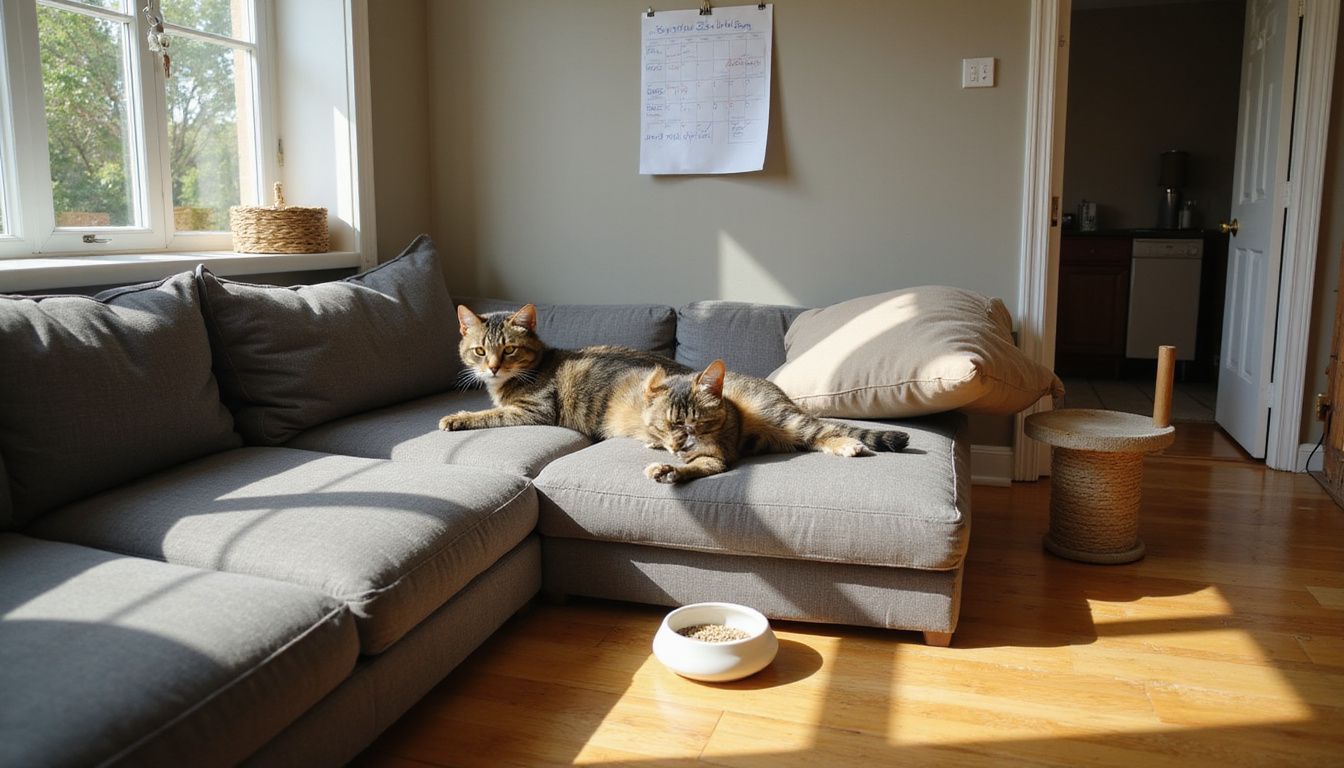
Picking the right cat means matching their personality and energy to your daily life. Think about your schedule, living space, and what you can handle with grooming and allergies before bringing a new friend home.
How do I know if a cat fits my lifestyle and schedule?
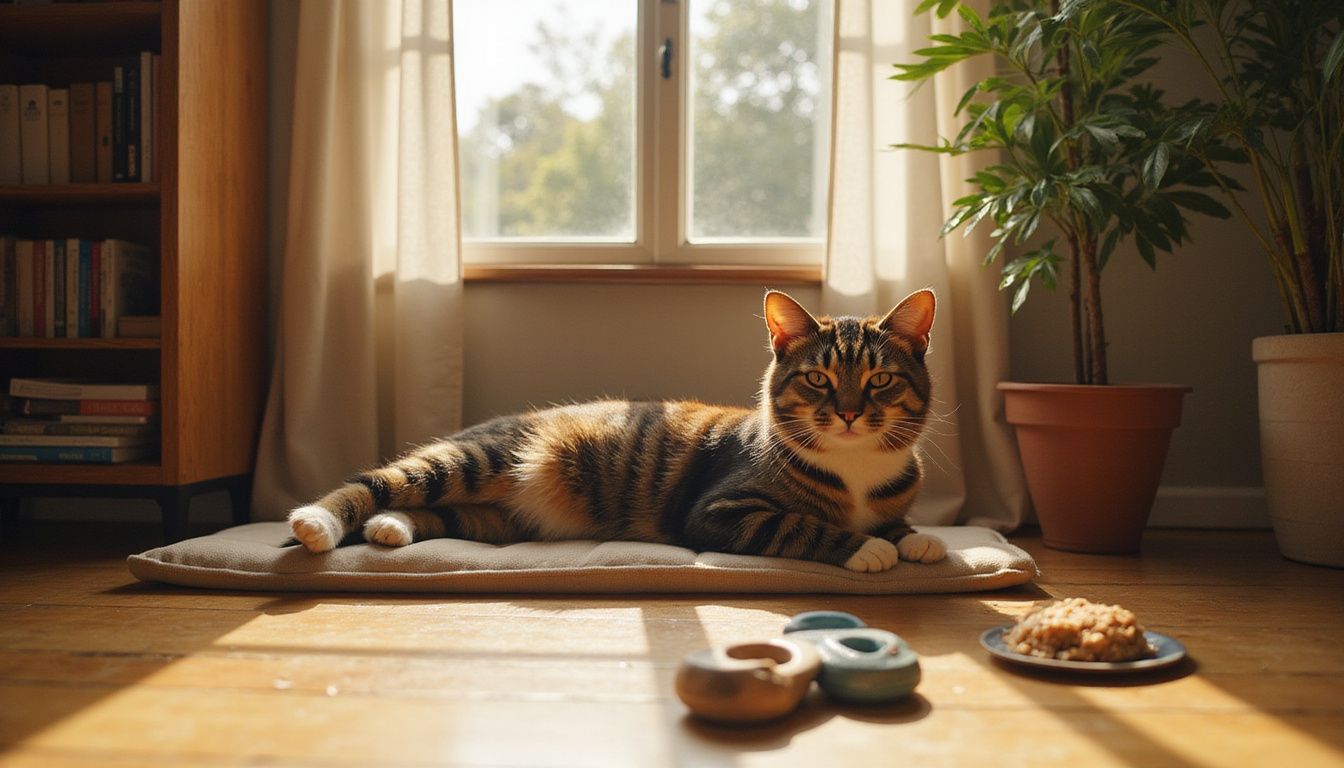
Start by taking a hard look at your daily routine. How many hours are you away from home each day? Cats left alone regularly need different care than those with occasional solitude.
If you work long shifts, a kitten’s constant supervision needs might wear you down, so an adult cat could suit you better. Your household activity level matters too.
A playful companion thrives in an active household, while a calm cuddle buddy prefers peaceful settings. First-time owners should consider starting with an adult cat from pet adoption centers like Hearts That Purr Feline Guardians or local shelters, since these cats often come with known personalities that make matching easier.
Next, count the hours you can give to play, training, and enrichment each day. Kittens need multiple play sessions and active supervision. Adult cats need less hands-on time but still want mental stimulation.
Consider consulting shelter staff or experts before deciding. Some people prefer fostering first to test compatibility, and the numbers back that approach up.
In one tracking study of 18 foster trials, 73 percent of households fostering adult cats went on to adopt within the trial period. Only 36 percent of kitten foster households adopted in that same timeframe.
Time mismatch and higher supervision needs for kittens were the most common reasons cited. Adult cats seem to meet adopter expectations more often in short trials, likely because their routines and energy are already established.
Fostering lets you experience cat ownership without a permanent commitment. Your lifestyle determines everything, so choose a cat that matches your actual schedule, not the one you wish you had.
What temperament and energy levels should I look for in a cat?
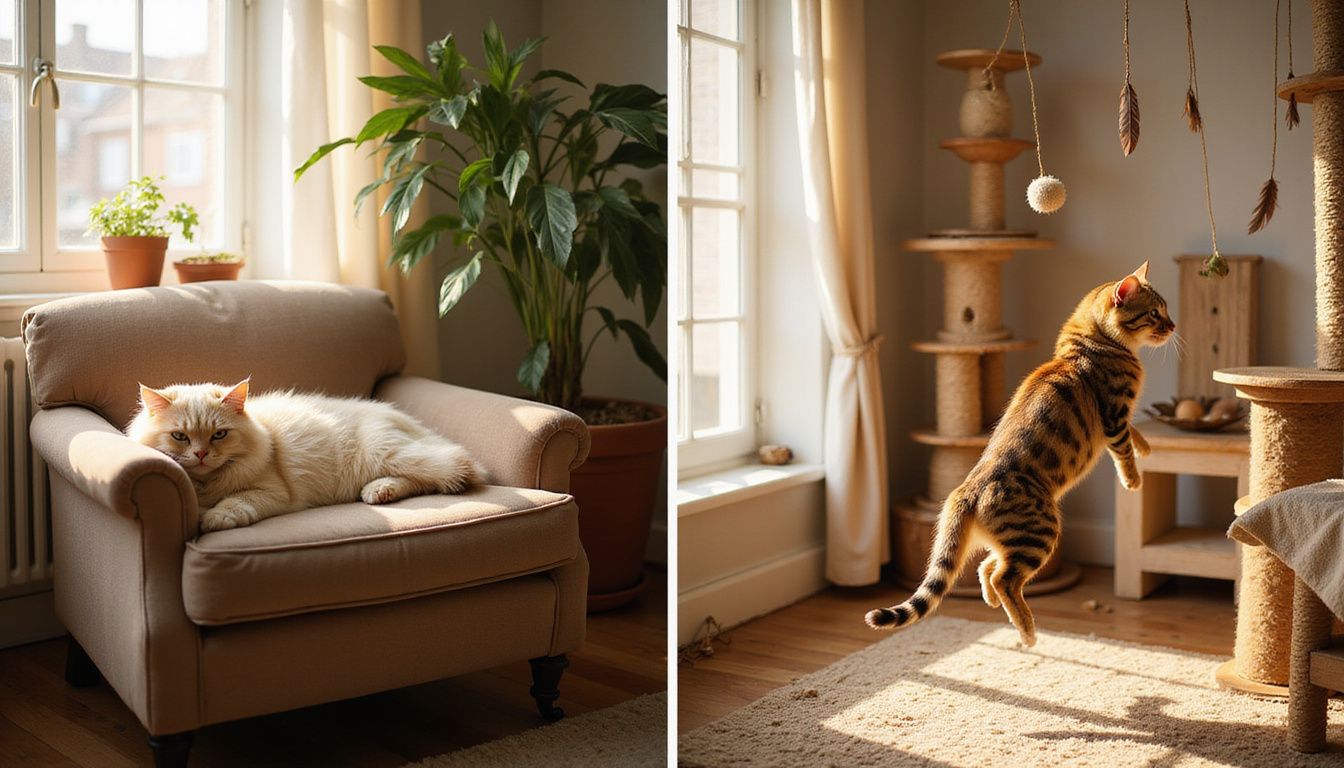
Your lifestyle shapes which cat temperament works best for you. A cat breed selector tool helps match your preferences to the right moggies.
| Breed | Temperament | Best Fit For |
|---|---|---|
| Persian | Calm, quiet, handles alone time well. | Relaxed homes and a quiet environment. |
| Bengal Cat | Independent, friendly, slightly talkative, needs mental challenges. | Active households with time for exploration. |
| British Shorthair | Sociable but quiet natured. | People wanting a low-key companion. |
| Ragdoll | Gentle, sweet, affectionate. | Families wanting a devoted friend. |
Your schedule and energy level matter here too. Sociable, dependent cats need frequent interaction, so they suit people who are home often.
Friendly but independent cats balance companionship with solo time, fitting busier schedules better. Talkativeness ranges from quiet to very vocal, so think about noise tolerance before adopting.
A cat breed selector quiz lets you set your desired activity level, sociability, and communication style. Shelter staff and experts understand individual moggies beyond breed stereotypes, offering insight that watching over whiskers from a distance simply can’t give you.
Their guidance steers you toward a cat whose temperament actually matches your daily routine, not just your wish list.
What should I consider about grooming, allergies, and shedding before choosing a cat?
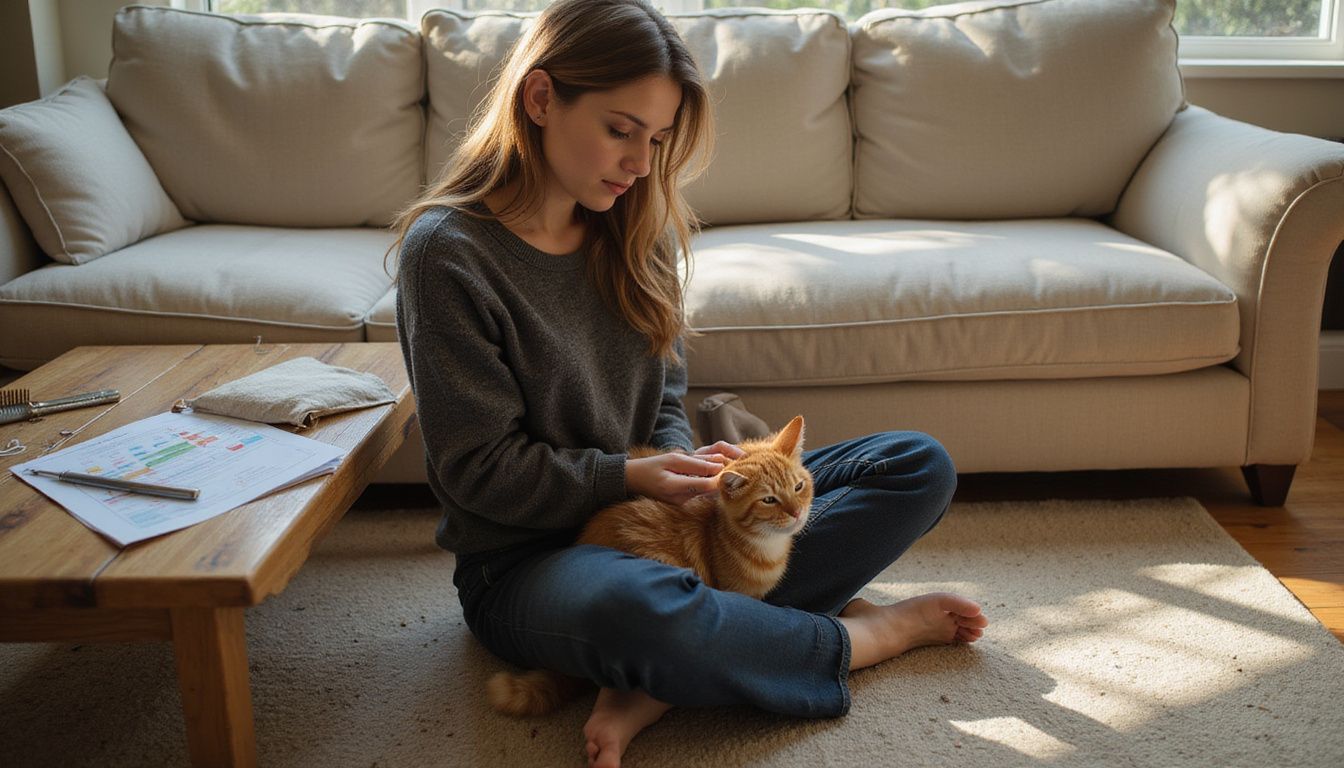
Before bringing a cat home, grooming needs and shedding patterns play a major role in your decision. Allergies can make or break your experience with a feline friend, so it’s smart to think this through now.
| Grooming Considerations | What This Means for You |
|---|---|
| Daily Grooming Commitment | Some breeds, like Ragdolls, have soft fur that needs regular attention. If you can’t brush daily, skip these breeds. Long-haired cats mat easily without steady care. |
| Weekly Grooming Option | Many cats do fine with weekly brushing. This keeps their coat smooth and cuts down on tangles. Short-haired cats often fall into this easier category. |
| Shedding and Allergy Management | Shedding directly affects allergies for sensitive people. Heavy shedders release more dander and hair into your home. Light shedders work better if allergies concern you. |
| Body Type and Coat Maintenance | The appearance section of a breed selector quiz asks about body type: lean, average, or large and stocky. Lean cats with short coats shed less than stocky, long-haired breeds. |
| Breed-Specific Grooming Needs | A breed selector tool suggests breeds based on your grooming and appearance preferences. Different breeds shed at wildly different rates, so use this resource before deciding. |
| Time Investment Reality Check | Be honest about your schedule. Neglecting grooming leads to matted fur and skin problems. Set realistic expectations before adoption day. |
Up to 30 percent of the U.S. population deals with pet allergies, and cat allergies run roughly twice as common as dog allergies. But here’s the hopeful part: about one-third of cat allergy sufferers still find a way to live happily with a feline, according to 2026 allergy statistics compiled by Hepper.
So if allergies have you worried, you’re not automatically ruled out. Careful breed selection and steady grooming habits make a real difference.
Visiting a shelter gives you hands-on time with different cats. Talk to staff about specific grooming needs for cats that catch your interest.
Spend time around potential cats to see how your body actually reacts. Testing this connection now saves you heartbreak if things don’t work out later.
Tips for Making the Right Decision
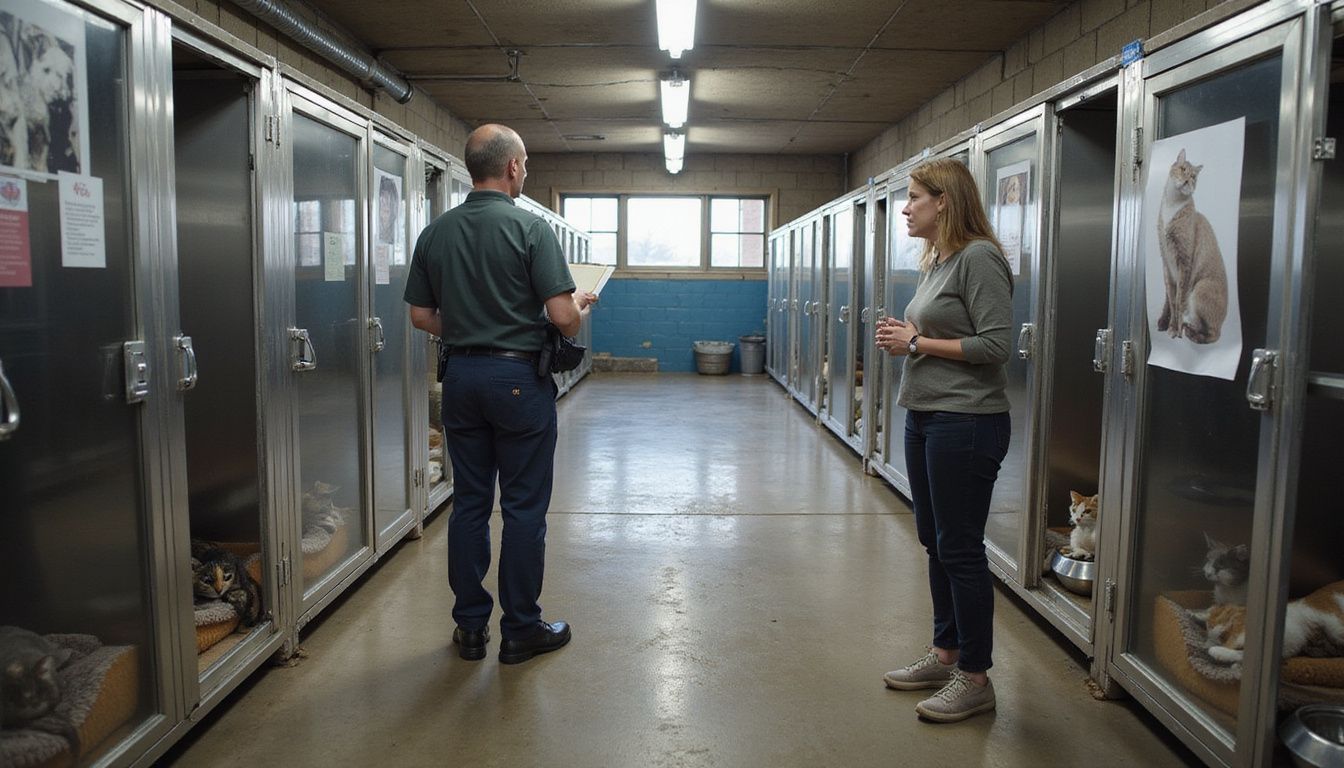
Making the right cat choice takes real effort. Visiting shelters, talking with staff, and learning from their experience puts you on the path to finding your perfect match.
How can visiting shelters or breeders help me choose the right cat?
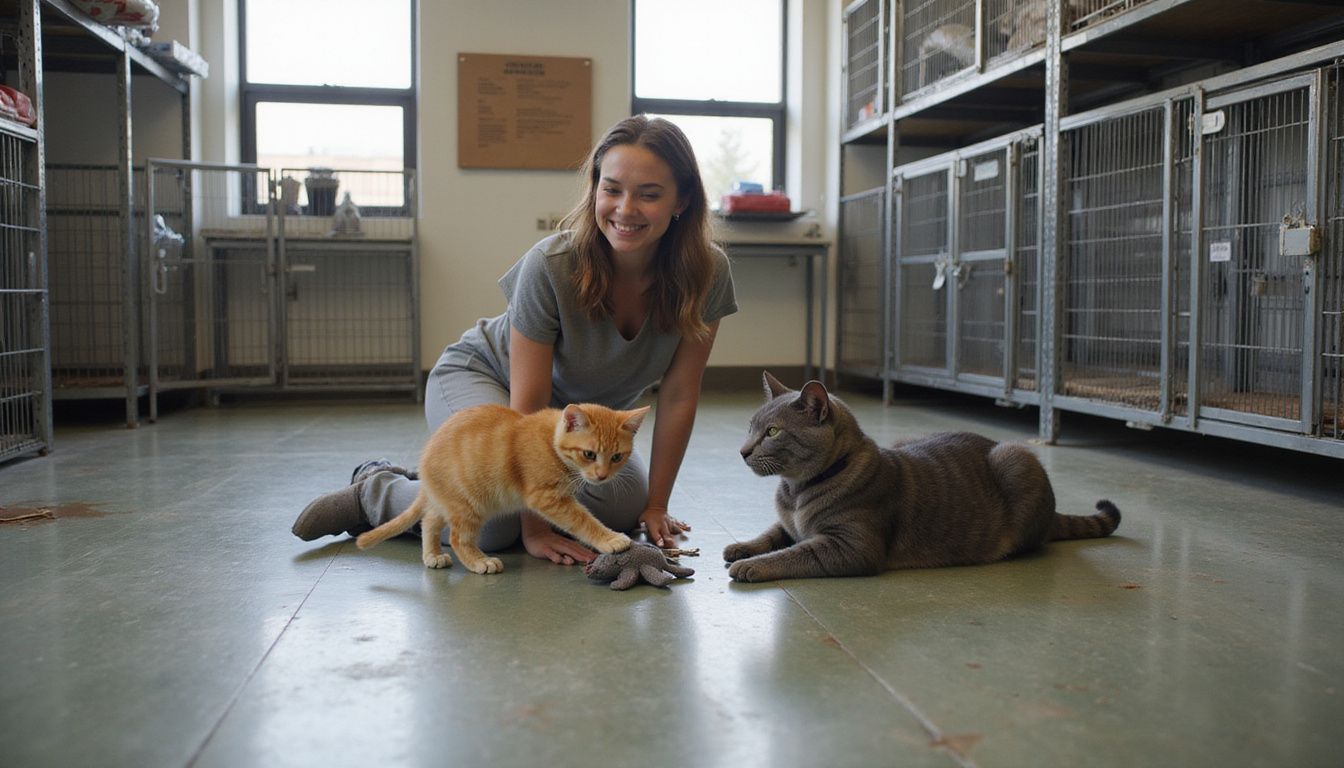
Visiting shelters and breeders gives you a real chance to meet cats face-to-face before you decide. You’ll spot personalities and connections that photos simply can’t show you.
- Shelter staff share honest details about each cat’s behavior, energy level, and needs, helping you find a real lifestyle match.
- You get to watch how kittens play and interact with toys, which reveals their activity level and whether they fit your schedule.
- Adult cats often get overlooked in shelters, yet they make excellent companions and show their true personality right away.
- Direct interaction lets you feel a cat’s temperament firsthand, since some people connect based on that organic bond rather than looks alone.
- Breeders can discuss specific breed traits and health backgrounds, though shelters offer adoptable cats who genuinely need loving homes.
- Staff members guide you through questions about grooming needs, shedding patterns, and potential allergies before you decide.
Adopting from shelters lines up with what pet nutrition companies like Nestle Purina PetCare UK&I emphasize too, which is the importance of giving cats in need a loving home.
Why should I consult shelter staff or experts before deciding?

Talking to shelter staff gives you real facts about a cat’s behavior, health history, and personality. Staff members know which cats fit your lifestyle, whether you live alone, have a family, or want a calm companion in your senior years.
They can tell you if a cat needs lots of play or prefers quiet time on the couch. This background saves you from adopting a cat that just doesn’t fit your home.
Experts designed the Breed Selector quiz with input from pet nutrition, health, and behavior specialists, so you get solid guidance based on science, not guesswork.
Shelter workers spot patterns you might miss during a short visit, since they watch how cats act day after day.
First-time owners especially benefit from learning the real differences between kitten and adult cat care from someone who handles both daily. Experts can also explain how programs like TNR work in local communities, showing that shelters care about cat welfare beyond just adoptions.
Your conversation with shelter professionals turns adoption from a guessing game into a smart choice backed by real knowledge and experience.
Conclusion
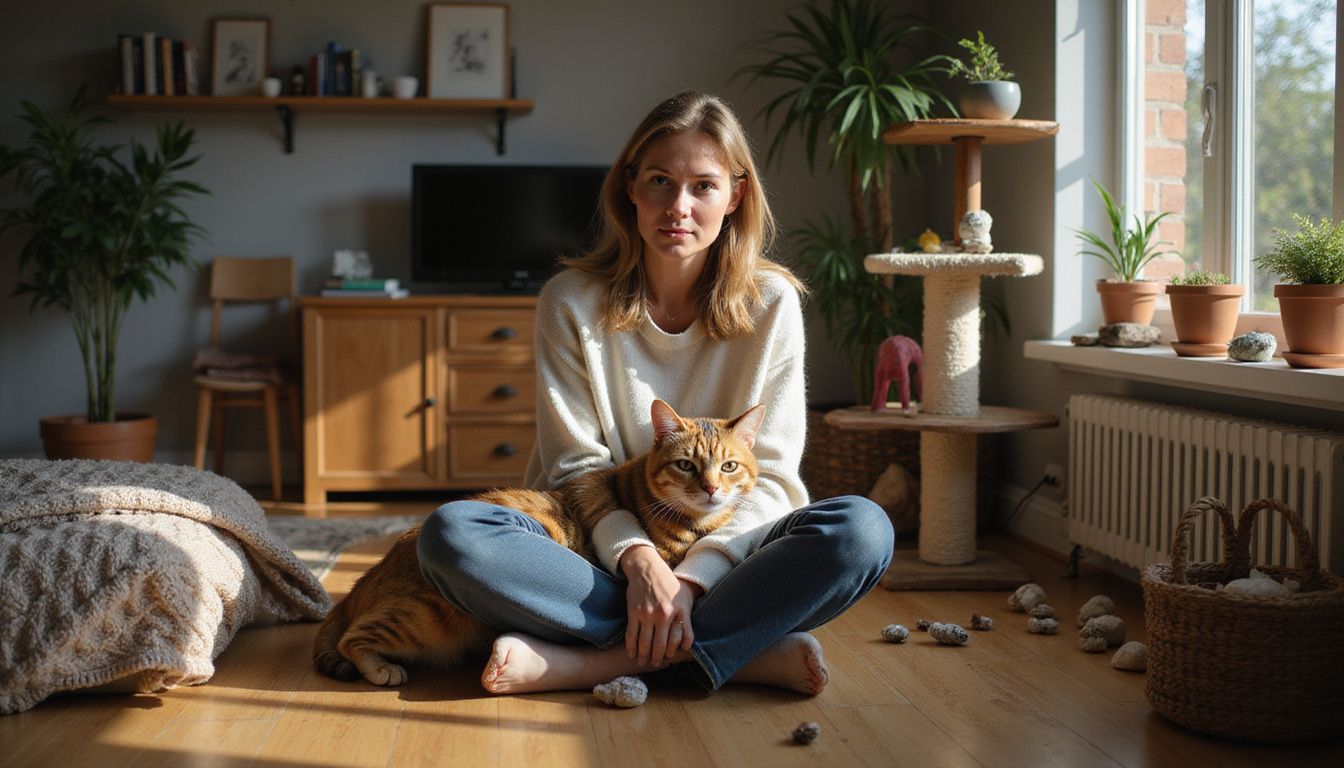
Choosing the right cat comes down to matching your daily routine with the pet’s personality and needs.
Kittens demand constant attention, training, and playtime. Adult cats from shelters often arrive already litter trained and ready to settle into a quieter home.
Indoor cats thrive when you give them climbing spaces, toys, and mental challenges, so your living situation needs to support their natural curiosity.
Tools like Purina’s Cat Breed Selector quiz help you find your perfect match by looking at your available time, activity level, and home environment in just a few minutes.
Take the time to visit shelters, chat with staff, and think honestly about your lifestyle. That’s how you set yourself up for years of real companionship with a feline friend who truly fits your world.
FAQs
1. Should I get a kitten or an adult cat?
Kittens are adorable but demand a lot of your time, needing to be fed three to four times daily in those early months, plus lots of training and supervision. Adult cats come with established personalities and are usually calmer. If you’ve got a packed schedule, an adult cat will fit your life much better.
2. Is it better to keep my cat indoors?
Yes, indoor cats typically live 10 to 15 years, while outdoor cats average just 2 to 5 years due to traffic, predators, and diseases.
3. How do I pick a cat that matches my lifestyle?
Think about your energy level and how much time you have each day. If you’re active and home often, a playful kitten might be perfect, but if you prefer peace and quiet, consider a calm breed like a Ragdoll.
4. Can a busy person still own a cat?
Absolutely, cats are pretty independent and typically need just 15 to 30 minutes of active playtime daily. Pick a lower-energy breed and stick to a consistent feeding schedule.