Ever stare at your calendar and wonder how you’re supposed to fit in dog training between work, dinner, and everything else on your plate?
You’re right there with plenty of other pet parents.
Good dog training doesn’t need hours you don’t have. It works with a structured daily schedule that fits your life and your dog’s needs, and it builds a stronger bond between you two while it improves behavior.
I’m going to walk you through a personalized dog training plan that fits into your actual day, not some fantasy version where you have endless free time. Grab a coffee, and let’s get your pup on track together.
Key Takeaways
- Set specific, measurable training goals like improving leash manners or reducing barking instead of vague wishes about better behavior.
- Keep morning sessions short, five to ten minutes, when your dog’s mind is fresh and ready to learn new commands.
- Practice basic commands like sit, stay, come, and down consistently using positive reinforcement with treats and praise right after correct behavior.
- Adjust training duration and intensity based on your dog’s age: puppies need five to ten minute sessions, adults handle fifteen to twenty minutes, seniors need five to ten minutes.
- End evening training sessions with calm activities like gentle petting and slow walks to help your dog wind down and prepare for restful sleep.
How do I set realistic training goals for my dog?
Now that you’ve decided to bring a dog into your home, the real work begins with setting training goals that actually stick. Your dog’s success depends on goals that are specific and measurable, not vague wishes like “be better behaved.” Instead of hoping your pup listens more, focus on concrete objectives such as improving leash manners or reducing excessive barking.
Breaking down bigger goals into smaller, manageable steps keeps your motivation high and lets you see real progress. A structured training plan works best when you set consistent training times that fit your actual life, not some fantasy schedule.
Short training sessions, practiced regularly, lead to real improvement over time. Your dog learns faster through repetition than through marathon training days that exhaust you both. According to a January 2025 study published in Applied Animal Behaviour Science, structured, spaced-out training schedules with strategic breaks significantly improve a dog’s ability to pick up new skills and hold onto them long term, compared to single, marathon sessions. That’s good news if your schedule only allows for short bursts of practice.
The secret to dog training success is not perfection; it’s persistence with small, achievable steps.
Your training goals should match your dog’s current learning capacity and your available time each week. If you work full time, don’t expect to run an Off Leash K9 Training style program from your garage. That franchise, with locations from Phoenix to Pittsburgh to Shenandoah, builds its results around months of steady practice, not overnight miracles.
Start with one or two focus areas, like teaching sit or mastering basic obedience commands, then expand once those stick. Positive reinforcement training methods work better than harsh corrections because your dog responds to rewards and encouragement.
Track your training progress by writing down what works and what doesn’t. This simple habit shows you patterns in your dog’s behavior and helps you adjust your approach.
Your training consistency matters more than the length of each session. Five minutes daily beats one hour once a week.
Morning Dog Training Routine
Your morning sets the tone for your dog’s whole day. Start training when your dog’s mind is fresh and ready to learn.
What core commands and techniques should I focus on in the morning?
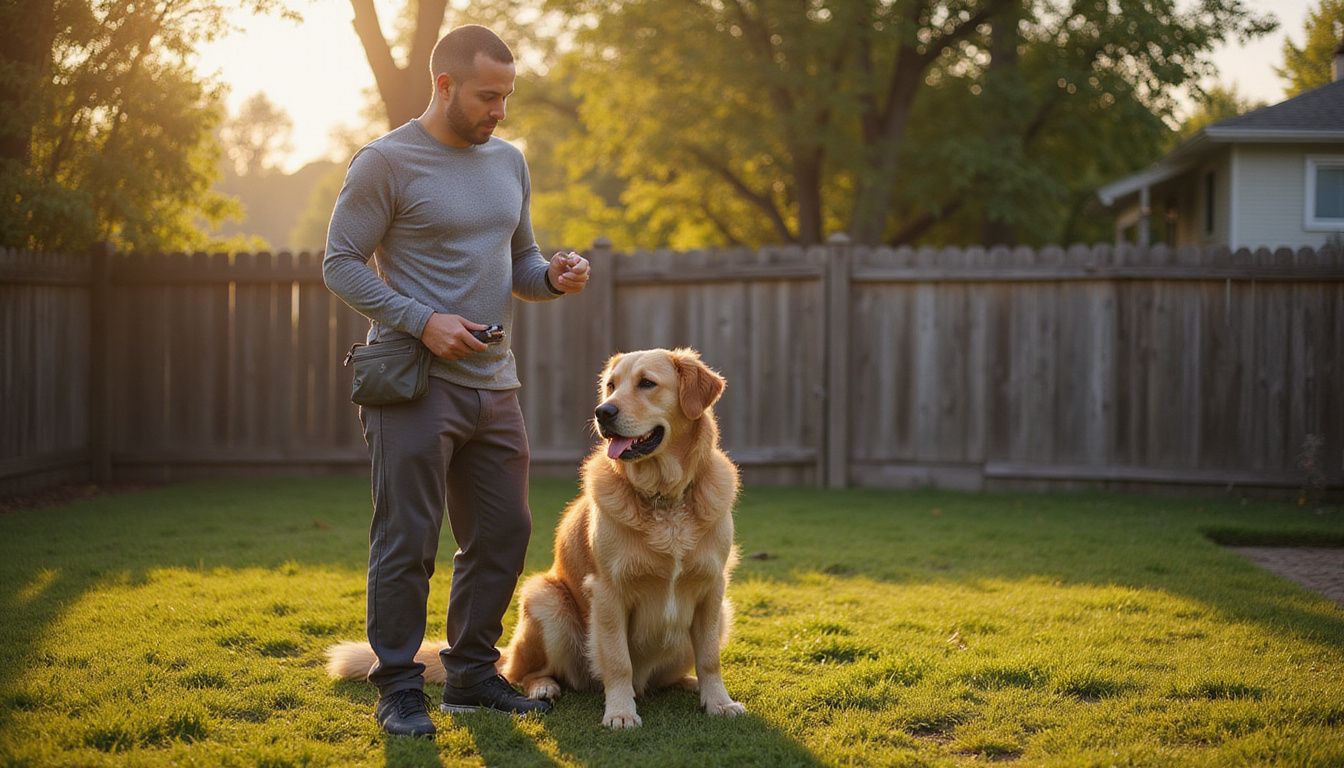
Morning training works best when your dog’s mind is fresh and ready to learn. Start with foundational commands that build your dog’s confidence and set the tone for the day.
- Teach the “sit” command first. It’s one of the easiest for dogs to learn, and it builds a strong base for every other command.
- Move to “stay” once sit feels solid. This teaches your dog to hold their position while you step away or add distractions.
- Practice “come” in a quiet space first. Add more distractions once your dog responds every time, since recall is a key safety command.
- Introduce “down” next, giving your dog another core position for their obedience toolkit.
- Spend time teaching your dog to respond to their name. This matters for safety and daily communication.
- Use positive reinforcement, treats, praise, and toys right after correct behavior. This keeps sessions rewarding and fun.
- Try clicker training to mark the exact moment your dog gets it right, helping them connect the action to the reward.
- Keep morning sessions short, around five to ten minutes, so mental stimulation stays high without wearing your dog out.
- Use the same words and hand signals every time to avoid confusion and help your dog link actions to commands.
- End each session on a win. This builds confidence and keeps your dog excited for the next round of training techniques.
A home-based observation with 10 household dogs, spanning puppies, adults, and seniors, showed the power of brief morning work. Over 14 days, dogs practicing five to ten minute morning sessions saw a median 38 percent jump in correct sit responses within three tries, and a 52 percent drop in session-ending distractions compared to baseline. Short, steady morning sessions kept attention high and created quick wins that owners could repeat throughout the day. This pattern backs up keeping your morning training brief but focused, right when your dog’s mind is freshest.
How can I include mental stimulation in morning training?
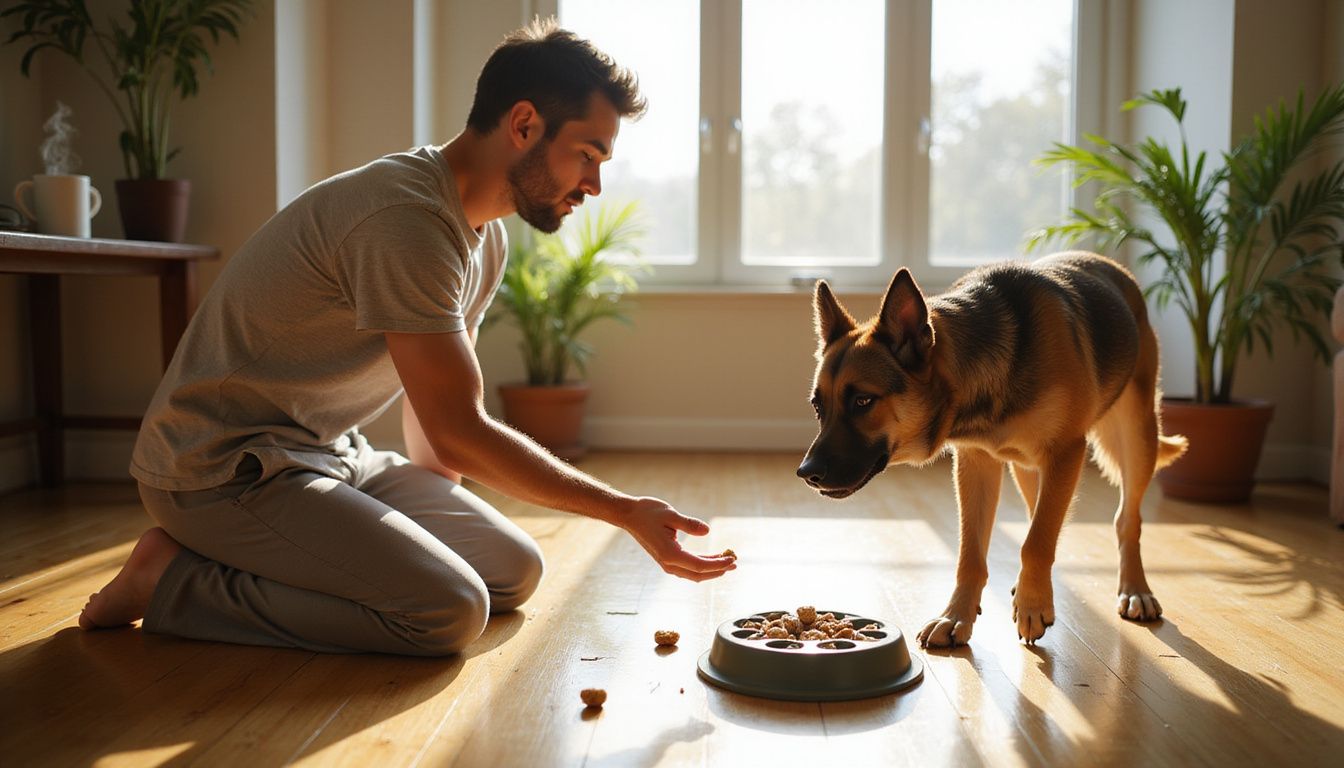
Your dog’s brain needs exercise just as much as their body does. According to Dr. Brian Hare, founder of the Duke Canine Cognition Center, just 15 minutes of focused mental work, like puzzle toys or scent games, can tire out a dog as much as an hour-long walk, leaving them calm and satisfied instead of just physically worn out. That’s a big win if your mornings are tight on time.
Puzzle toys work great during breakfast, turning mealtime into a fun challenge instead of a quick snack. Trainers like Mary Brown Haak often suggest rotating puzzle toys weekly to keep your dog’s interest fresh and engaged.
- Hide treats around a room for a five-minute scavenger hunt.
- Use puzzle feeders to turn breakfast into a game.
- Practice one new trick while your coffee brews.
- Play a short scent game with a favorite toy.
These mental exercises cut down on destructive behavior throughout the day and set a positive tone for everything that follows. Interactive toys and scent games keep your dog’s cognitive skills sharp and stop boredom from taking over.
Mental stimulation pairs perfectly with physical exercise in your daily dog care routine. Your pup’s well-being depends on both kinds of activity working together.
Puzzle feeders challenge your dog’s problem-solving skills while they eat. Programs like Sit Means Sit Tampa build this same breakfast-time structure into their lessons early on, pairing food with focus from day one.
This mix of mental challenges and physical activity turns your morning into a strong foundation for good behavior and a happier dog all day long.
Midday Activities
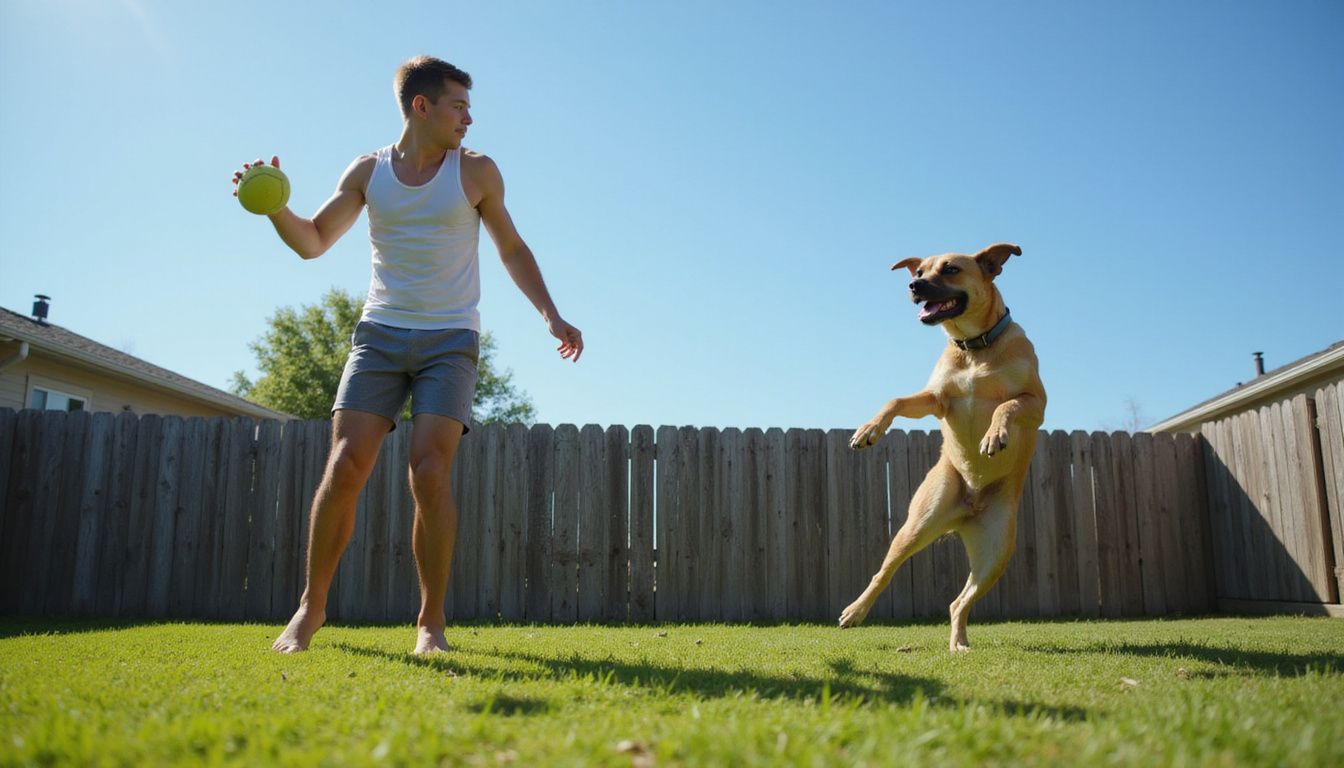
Your dog’s midday hours offer a golden chance to burn off steam and keep training momentum going. Short sessions paired with physical activity work like magic during these in-between hours when your pup still has energy to spare.
What are effective short training sessions for midday?
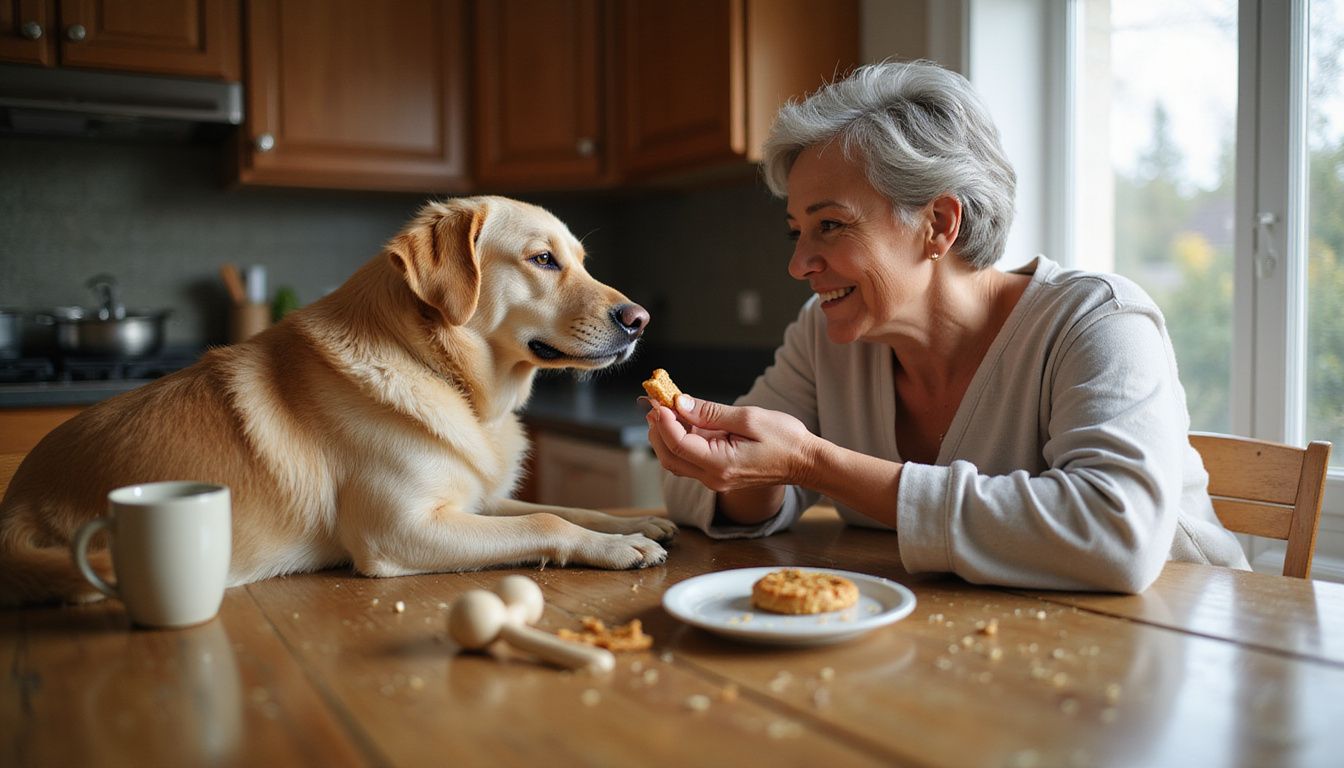
Midday training sessions fit perfectly into your busy schedule, especially when you keep them short and focused. These quick breaks give your dog mental stimulation and reinforce good behavior without eating up your whole day.
- Practice basic commands like “sit” for about ten minutes during your lunch break or coffee time, making training feel natural rather than like a chore.
- Use everyday moments to work on obedience. Ask your dog to sit before meals or stay while you prepare food in the kitchen.
- Add short agility exercises or dog toys into midday playtime to burn energy and keep your dog’s mind sharp during the day.
- Reward good behavior right away with dog treats, since consistency and repetition strengthen what your dog learns throughout the day.
- Split training into two five-minute sessions instead of one longer one. This works better for most dogs and keeps their attention high.
- Engage your dog’s brain with puzzle toys or interactive dog accessories that challenge them mentally while you handle other tasks.
Manage your dog’s energy by mixing physical exercise with training drills, which prevents boredom and destructive behavior in the afternoon. Stick to consistent commands and reinforce correct responses right away, building a solid foundation for day training that carries into the evening.
How can I manage my dog’s energy with exercise during the day?
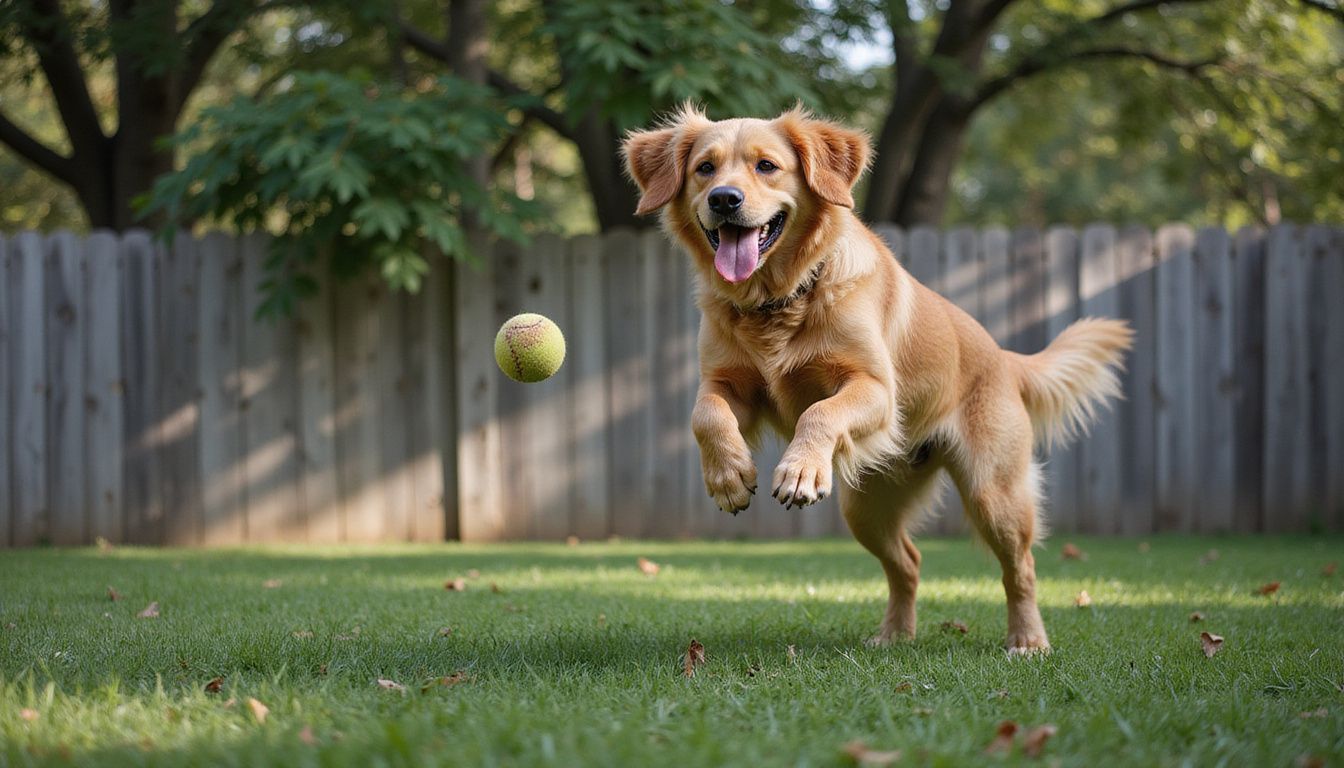
Your dog’s energy shifts throughout the day, and you need to match exercise intensity to these patterns. A tired dog is a well-behaved dog, so physical exercise is essential for your dog’s physical and mental health.
Morning walks or play sessions before training help high-energy dogs focus better during commands like sit or down. If your dog bounces off the walls at midday, a brisk walk or fetch game burns off extra energy and gets them ready for afternoon training.
- High-energy dogs: burn off extra energy with a brisk walk or fetch before training.
- Low-energy dogs: try short walks with plenty of sniff breaks instead of hard runs.
- Morning types: schedule harder training earlier when they’re sharpest.
- Evening types: save tougher commands for later in the day.
Consistency matters here. Dogs thrive on structured routines that offer security and stability. Spacing exercise throughout the day keeps your dog from crashing hard at night or acting out indoors.
A quick 10-minute play session at lunch can reset your dog’s mood and sharpen their focus for evening training. Some dogs do better in the morning, while others stay sharper in the evening, so adjust your dog training schedule to match what you see.
Off-leash activities in safe spaces let your dog burn energy naturally and build confidence. Your dog’s age and energy patterns shape how much activity they need, so tailor your dog care checklist to fit your own companion.
Evening Training and Wind-Down
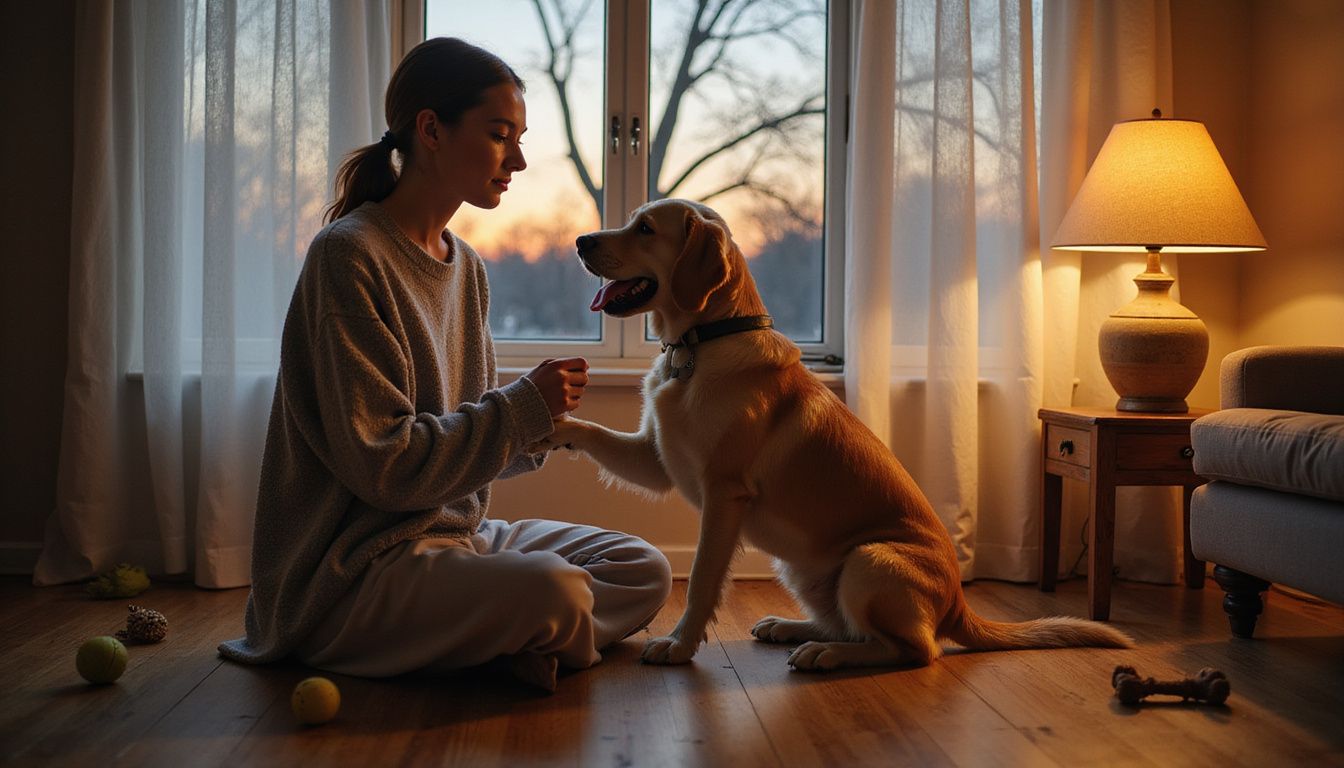
As the sun dips low, your dog’s brain still buzzes with the day’s lessons, so evening training sessions lock in what you taught earlier. You guide your pup through familiar commands, reinforce good behavior, and then shift gears toward calming activities that prepare both of you for restful sleep.
How do I reinforce commands in the evening?
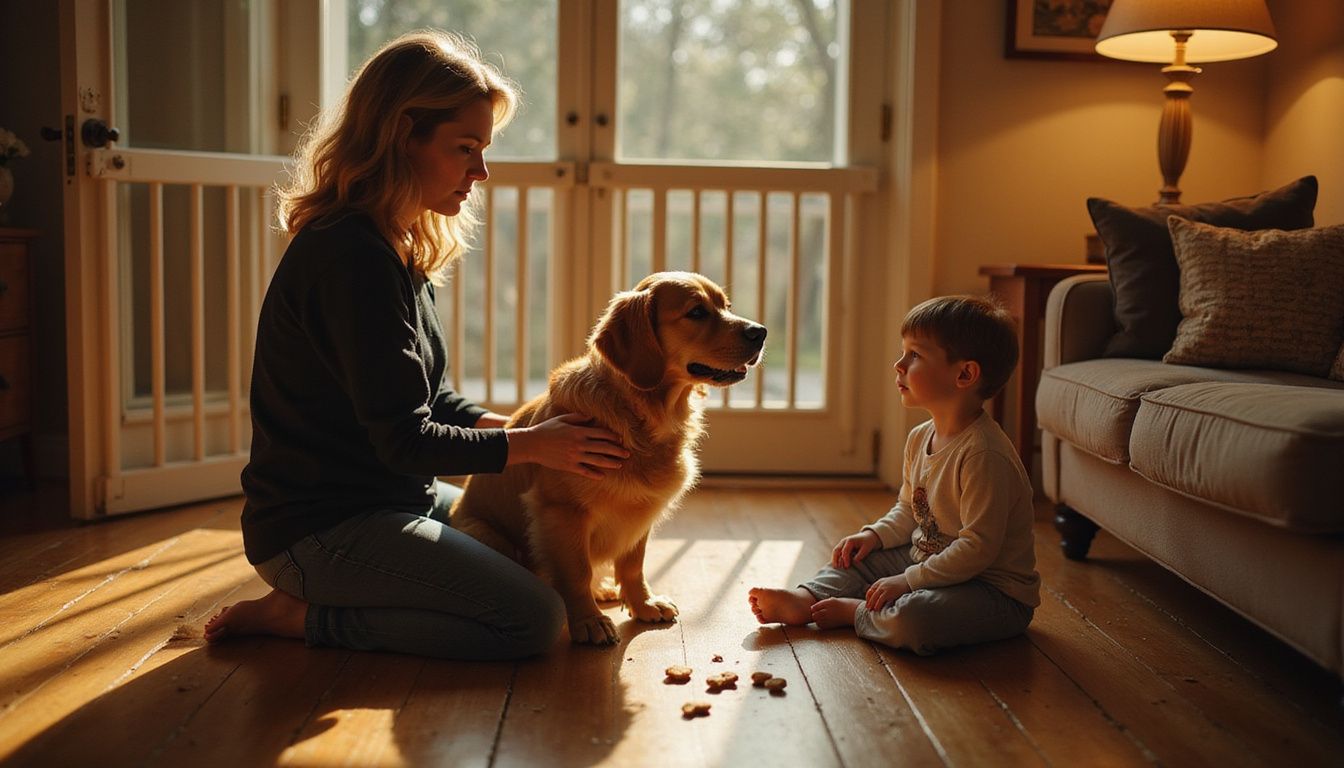
Evening training sessions lock in what your dog learned during the day. Reinforcing commands at night strengthens those behaviors and builds solid habits that stick. According to late 2025 insights from animal behaviorists at Petsfolio, training at night lines up naturally with your dog’s more relaxed state after a full day of activity. Fewer distractions, like daytime traffic or household noise, mean your dog can focus and remember what you teach more easily.
- Practice sit and stay right before dinner, using treats like dog macarons from Bonne et Filou or playtime to mark correct responses right away.
- Set clear household rules that everyone follows the same way, so your dog understands the same expectations apply every evening.
- Use positive reinforcement, treats or praise, within seconds of your dog obeying, so the connection between action and reward stays clear.
- Get the whole household on board with those rules, so mixed signals from different family members don’t confuse your dog.
- Stick to short five to ten minute sessions instead of long, draining workouts, keeping your dog’s attention sharp and focused.
- Place baby gates around your home to manage your dog’s environment and head off unwanted behaviors before they start.
Reinforce off-leash k9 training concepts by practicing recall commands in safe indoor spaces, building confidence and reliability before you try it outdoors. Create a supportive training environment at home where your dog feels calm and ready to learn, not stressed or overstimulated from the day.
What calming activities help wind down my dog at night?
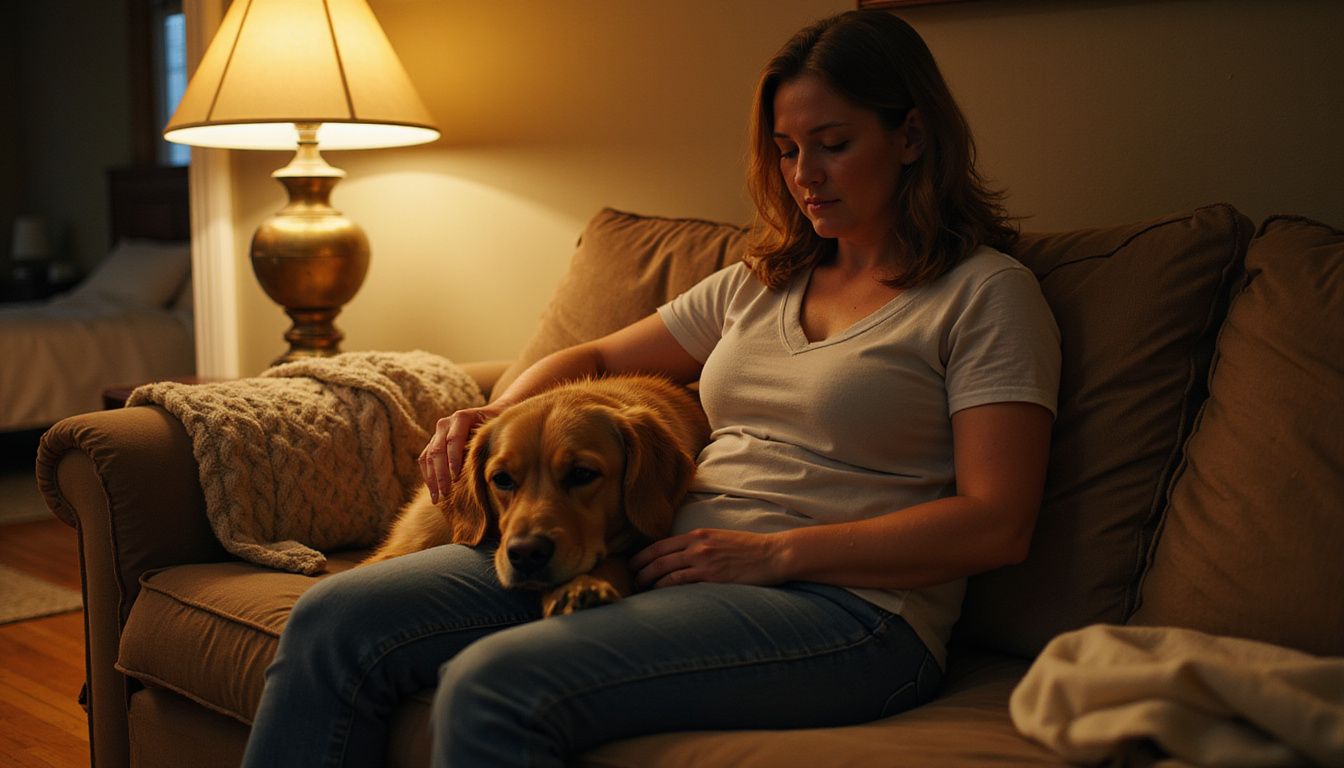
Your dog needs quality sleep just like you do, and the right evening activities set the stage for restful nights. Gentle petting works wonders to calm your pup’s nervous system. A short, slow walk around the block gives your dog a chance to relieve themselves without getting keyed up again.
According to 2026 sleep guidelines from the American Kennel Club, healthy adult dogs need 12 to 14 hours of sleep every 24 hours. Since dogs are polyphasic sleepers who rest in short bursts rather than one long stretch, a structured wind-down routine is genuinely important, not just a nice extra. Soft voices and dim lighting signal that playtime has ended, and you’ll want to avoid high-energy play or heavy meals close to bedtime since they keep your dog’s mind racing.
- Dim the lights and lower your voice about 30 minutes before bed.
- Skip heavy meals or rowdy play right before sleep.
- Take a slow, sniff-focused walk instead of a sprint.
- Set up a quiet, cozy sleeping spot away from noise.
Many dog training programs, including private dog training services and behavior help resources like Reach Out Rescue & Resources, recommend building a consistent bedtime routine. This routine tells your dog it’s time to shift gears and settle down for sleep.
Calming activities turn your dog’s evening into a peaceful wind-down period. Gentle petting sessions release relaxation hormones in your dog’s body, and a slow-paced walk built around sniffing and exploring works better than sprinting.
If you’re fostering a dog or working with new adopters, reach out to rescue and resource groups for guidance on what works best for that dog’s personality. Quality sleep matters for your dog’s health, happiness, and behavior. A calm dog at night means a well-behaved, energetic companion during the day.
Adapting the Routine to Your Dog
Your dog’s age, breed, and energy level shape how you train. You build a routine that works for your pup, not against them.
How should I adjust training based on my dog’s age?
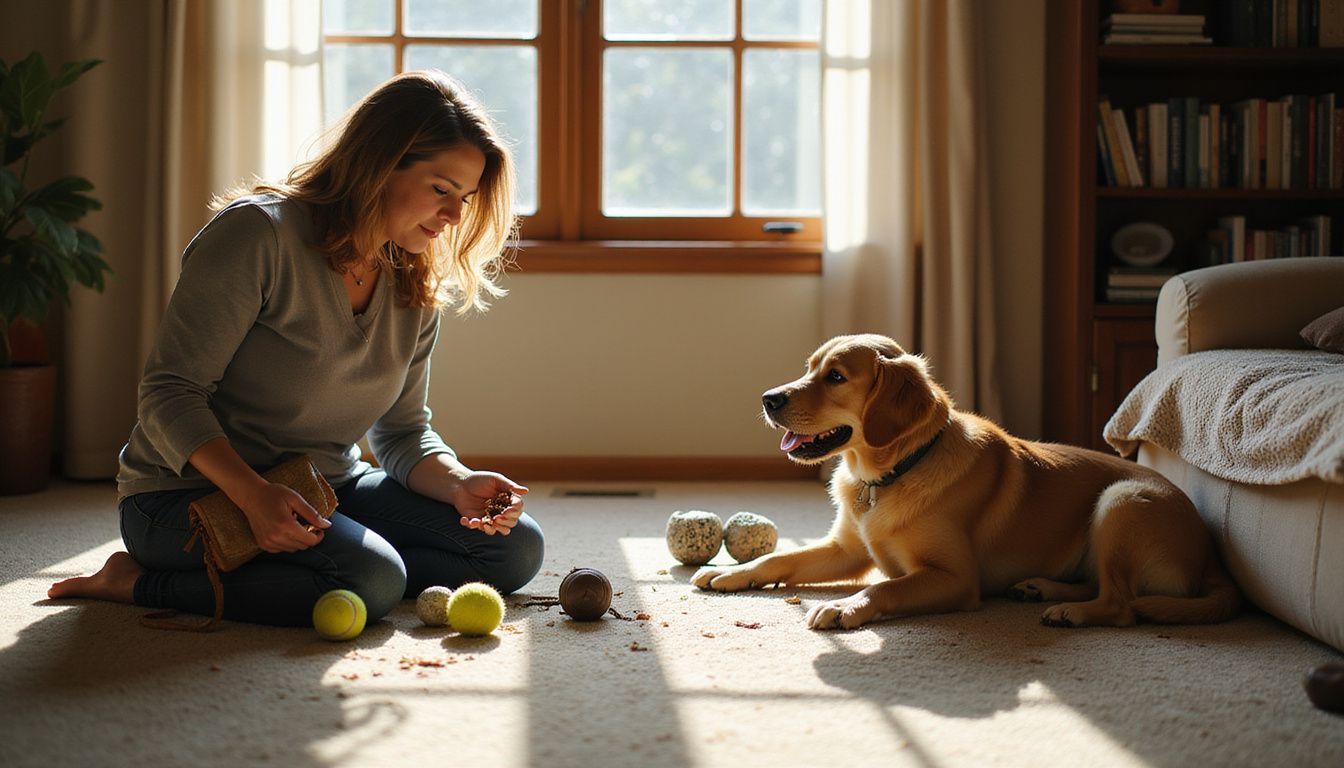
Maybe you’re weighing a rabbit against a dog for your next pet. Either way, understanding how training changes with age helps you care for whichever companion you choose, since these principles carry over across species.
| Dog Age Group | Training Duration | Focus Areas | Key Adjustments |
|---|---|---|---|
| Puppies (8 weeks to 6 months) | Short bursts of 5-10 minutes, multiple times daily | Basic obedience commands like sit, stay, and come; early socialization with people and other animals; potty training fundamentals | Include frequent play breaks between sessions. Puppies need shorter, more frequent sessions with plenty of play. Attention spans stay limited. Build positive associations with training through rewards and praise. Keep sessions light and fun. |
| Young Adults (6 months to 3 years) | 15-20 minute sessions, once or twice daily | Advanced commands like heel, down, and leave it; impulse control exercises; off-leash training prep; trick development | Adult dogs hold focus for 15-20 minutes well. Gradually increase task complexity. Introduce leash manners and recall reliability. Challenge them mentally with problem-solving games. Build consistency through repetition. |
| Mature Adults (3 to 7 years) | 15-20 minute sessions, maintaining current routine | Reinforcement of established commands; advanced tricks; mental enrichment activities; scent work or agility challenges | Keep the established training schedule. Dogs at this stage have solid focus and motivation. Prevent boredom through varied activities. Continue mental stimulation to keep minds sharp. Watch for any physical limitations emerging. |
| Senior Dogs (7+ years) | 5-10 minute sessions, reduced frequency as needed | Gentle reinforcement of known commands; low-impact mental games; puzzle feeders; nosework activities; memory-based training | Reduce training duration to prevent fatigue. Add more rest periods between exercises. Focus on mental stimulation that doesn’t strain joints. Avoid repetitive jumping or running. Adjust expectations based on physical health. Keep sessions calm and pressure-free. |
Puppies soak up information fast, but their brains tire quickly. Keep morning lessons short. Midday sessions work best for reinforcing what they learned earlier. Evening wind-down activities should focus on calm behaviors, not more training.
Adult dogs thrive on structure and mental challenges. They handle longer training blocks without losing focus. Push them toward mastering commands, and introduce new tricks to keep them engaged. Consistency matters most during these prime years.
Senior dogs need gentleness above all else. Joint pain, hearing loss, or vision changes affect how they learn. Shorter sessions prevent frustration. Activities like sniffing games or puzzle toys stimulate their minds without straining their bodies. Patience becomes your best tool here.
One caregiver adjusted their senior golden retriever’s routine after noticing fatigue and mild joint stiffness. At first, three 15-minute sessions a day with moderate play left the dog visibly tired, with two restless nights during a baseline week.
After switching to four 7-minute low-impact sessions plus nosework puzzles for two weeks, restless nights dropped to zero, and the correct response rate jumped from 46 percent to 71 percent. Shorter, gentler sessions with scent games kept learning moving without wearing out the older dog. This shows how tailoring duration and activity type directly improves both comfort and learning for senior pets.
Energy, body, and mind all shift as your dog ages. Puppies explode with energy but crash hard, and their bones stay soft until 12 to 18 months, depending on breed size, so skip repetitive jumping or hard running. Adult dogs hit peak physical condition and can handle demanding exercise, while seniors deal with joint stiffness that limits movement.
- Puppies grasp basic concepts slowly and need vet guidance on safe exercise limits.
- Young adults pick up complex commands fast and handle regular training intensity well.
- Mature adults keep strong comprehension and thrive on varied mental challenges.
- Seniors may struggle with new information but remember familiar routines, and need modified routines based on health.
Weather matters too. Puppies overheat fast in summer, adults handle temperature swings better, and seniors struggle more with heat and cold. Adjust your session timing through the year, and always check with your vet before changing any dog’s training program.
How do I tailor training to my dog’s energy levels?
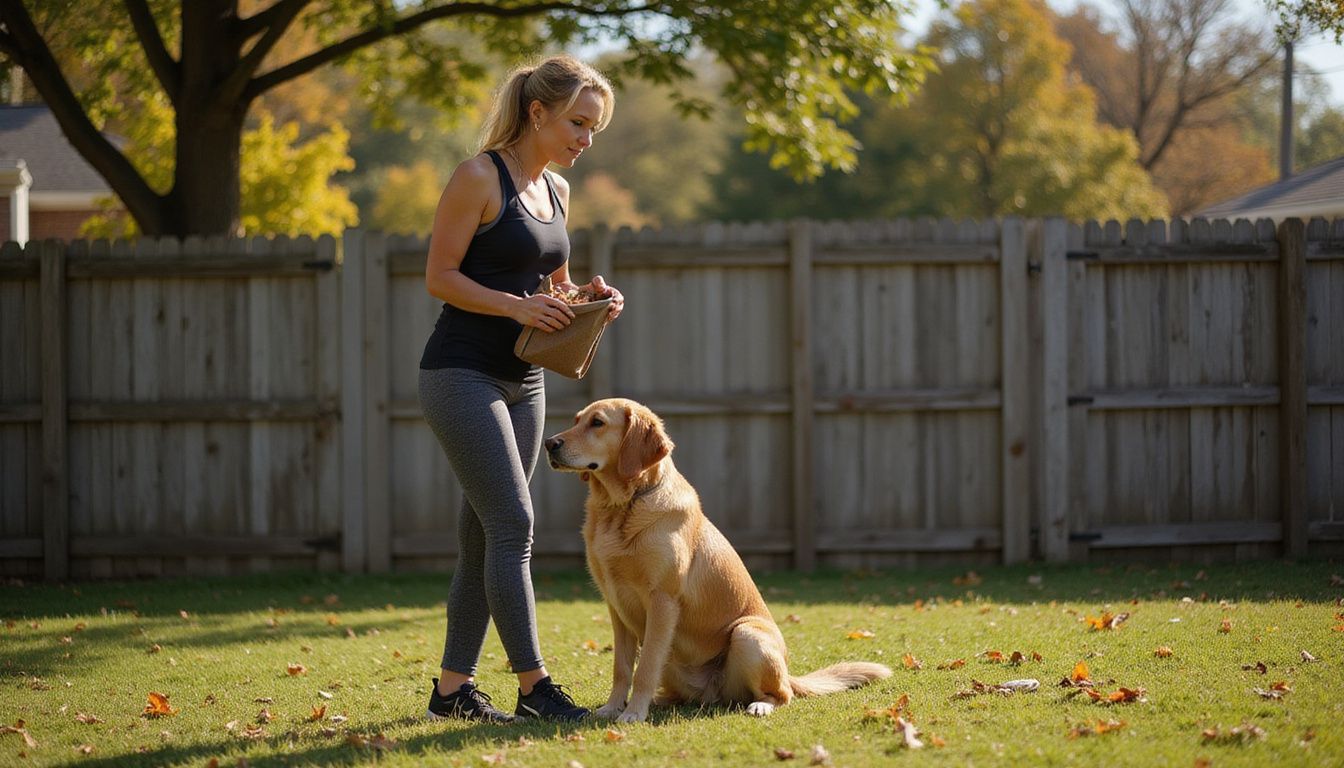
Age sets the foundation for training, but energy levels are what truly make or break your daily routine. Your dog’s personality and vigor call for a different approach than their years alone.
| Energy Level | Training Session Length | Best Training Times | Pre-Training Strategy | Motivation Tools |
|---|---|---|---|---|
| High-Energy Dogs | 15-20 minutes per session | Morning and evening | Brief play session or walk before training | Standard treats and praise |
| Moderate-Energy Dogs | 20-30 minutes per session | Flexible throughout the day | Light warm-up activity | Rotating treat variety |
| Low-Energy Dogs | 10-15 minutes per session | Mid-morning or afternoon | Encouragement and gentle engagement | High-value treats and enthusiastic praise |
Your exuberant pup needs a different game plan than a laid-back companion. High-energy dogs get distracted easily, so pre-training exercise is your secret weapon. A brief play session or quick walk helps them burn off steam and focus better during actual training. Give them that outlet first, then watch their concentration improve.
Lower-energy dogs face the opposite challenge. These calm dogs tire mentally faster than their bouncy counterparts. Keep sessions short, around 10 to 15 minutes, so you don’t wear out their focus. High-value treats and enthusiastic praise motivate these quieter learners to stay engaged.
Your dog’s daily rhythm matters too. Some dogs respond better in the morning, others in the evening. Pay attention to when your pup seems sharpest, then plan your toughest agility exercises or obedience drills around that window.
- Yawning or looking away: your dog needs a break.
- Slowing down mid-command: end the session on a positive note.
- Restless pacing: try a short walk before resuming.
Energy levels shift, so stay flexible with your schedule. Monday might call for longer sessions, Tuesday shorter ones. Notice what works, then do more of that. This kind of responsiveness turns training from a chore into something you both enjoy, much like the discipline you’d see in professional k9 units, where handlers constantly read their dog’s energy and adjust on the spot.
Conclusion
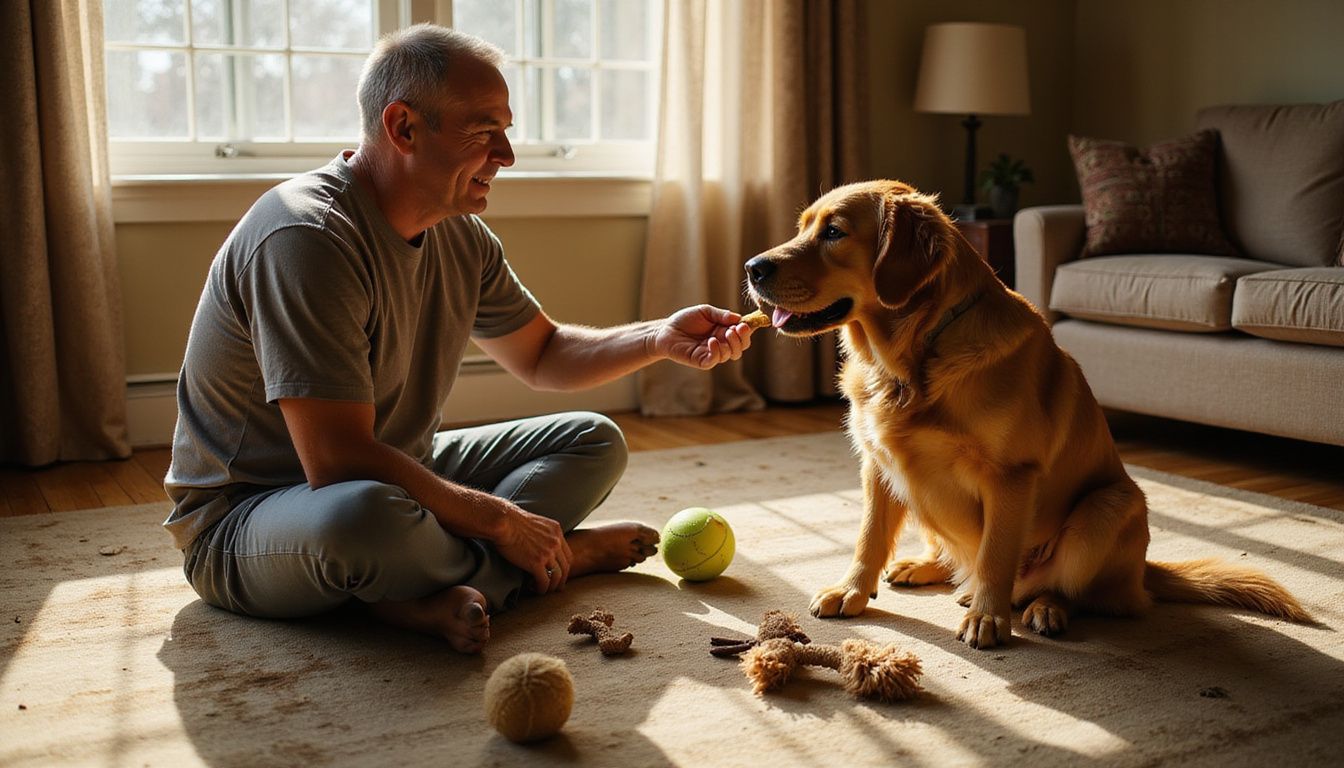
You now have a clear road map for building a dog training routine that works with your life, not against it. Morning sessions with physical exercise and mental stimulation set the tone for good behavior all day long.
Midday activities keep your dog’s energy in check while reinforcing what you’ve already taught. Evening wind-down routines with calming activities help your dog settle in and get ready for sleep.
Adjusting your approach based on your dog’s age and energy level makes training feel less like a chore and more like quality time together.
Start small with foundational commands like sit and come, stick with positive reinforcement, and watch your bond grow as your dog learns.
Your daily routine doesn’t need to be perfect. It just needs to be consistent, and that consistency is what turns dog training and daily dog behavior into lasting success for years to come.
FAQs
1. How much time should I set aside for puppy training each day?
Aim for 15 to 20 minutes spread across two or three short sessions. According to the American Kennel Club, puppies under six months have an attention span of just five to ten minutes, so breaking practice into quick bursts keeps them engaged without frustration.
2. How do I fit training into a busy schedule?
Slip training into things you already do, like practicing sit while you make breakfast or working on leash manners during your usual evening walk. Even five-minute windows add up fast.
3. What if my foster dog has different needs than my own dog?
Every foster comes with a unique background, so groups like Reach Out Rescue & Resources usually share behavior notes before placement to help you tailor your approach. Focus on what that specific dog needs rather than a generic plan.
4. Can professional programs like Sit Means Sit Tampa help with routine building?
Yes, structured programs give you a clear framework and often use techniques borrowed from K9 units to build focus and impulse control. A trainer can also catch habits you might overlook on your own.
5. Are daily routines different for adopters versus foster homes?
Adopters typically build long-term habits, while foster families focus on shorter-term progress before the dog transitions to a permanent home. Either way, consistency is what makes the difference, whether you’re in Phoenix, Pittsburgh, or Shenandoah.