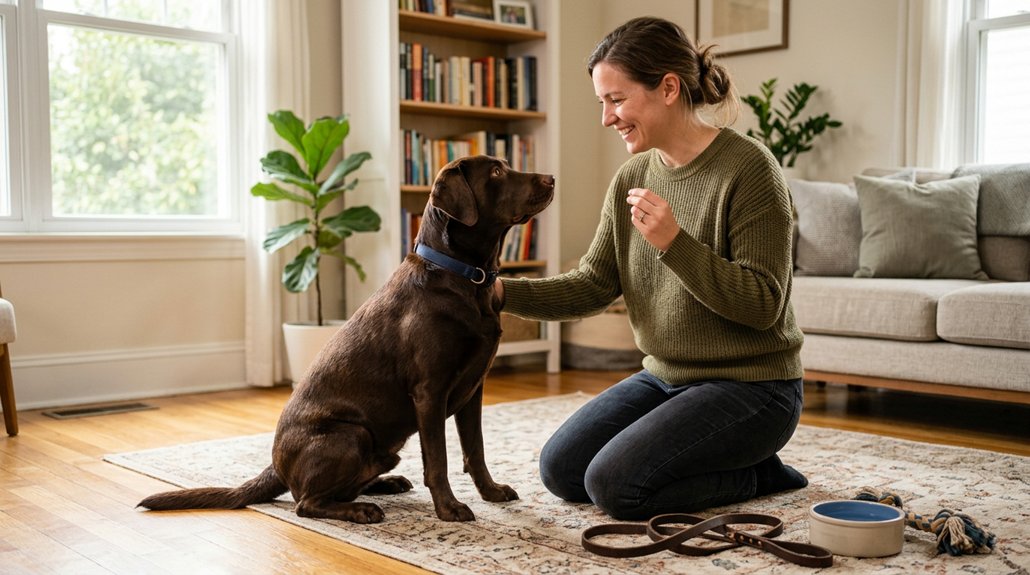
You’re doing a great job as a dog owner if your pet shows happiness through behaviors like wagging tails and playful engagement. A balanced diet, regular check-ups, and consistent training sessions guarantee their overall well-being. Keep an eye on their physical health and provide mental stimulation to prevent boredom. Social interactions with other dogs and people indicate a well-adjusted companion. Explore more to refine your approach and enhance your furry friend’s quality of life.
Key Takeaways
- Observe a wagging tail, playful behavior, and good appetite as signs of a happy, well-adjusted dog.
- Engage your dog with regular exercise and mental stimulation to reduce destructive behaviors and enhance mood.
- Use brief daily training sessions and positive reinforcement to build a bond and ensure obedience.
- Provide high-quality nutrition and schedule regular vet visits to maintain your dog’s health.
- Foster community engagement to receive feedback and improve your dog-care practices.
Is Your Dog Happy? How to Tell
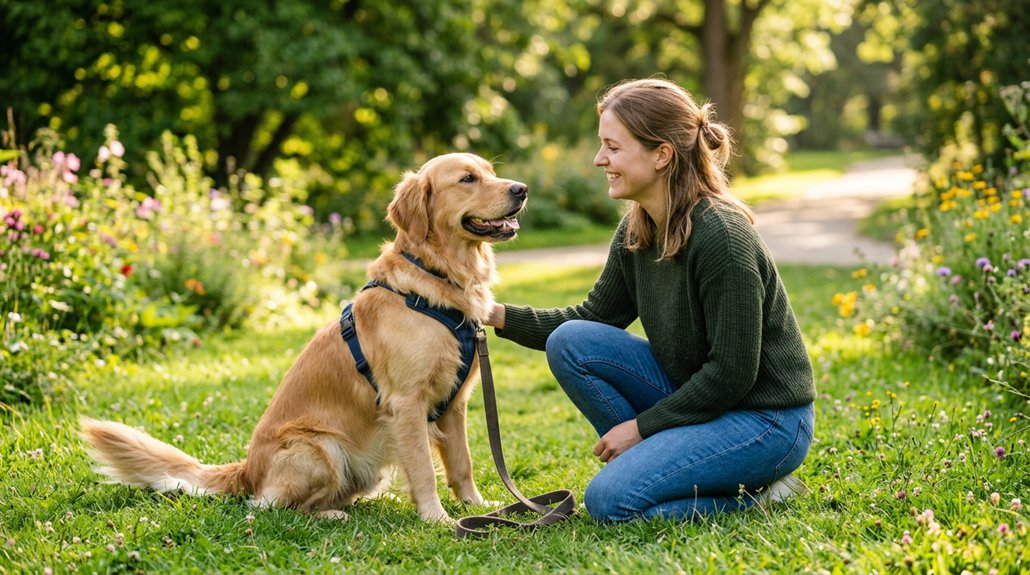
Determining your dog’s happiness hinges on observing specific behaviors and physical cues that signify contentment. A wagging tail is a classic indicator, but it’s vital to take into account the context and speed—slow wags can mean something entirely different than fast, broad sweeps. Playful behavior is another telltale sign of a happy dog. Look for bounding, bouncy movements and an enthusiasm to engage, either with you or other canine friends. Regular playtime fosters mental stimulation, which is important for well-being. Consistent exercise, like daily walks, enhances mood and often results in a relaxed body posture. Additionally, maintaining a steady appetite and regular sleep patterns can reflect happiness. By paying attention to these signs, you can make certain your dog thrives.
Daily Training: Strengthen Your Bond
To strengthen your bond with your dog, incorporate brief daily training sessions using consistent command practice and positive reinforcement techniques. By ensuring clarity and predictability in your interactions, you’re not only promoting obedience but also building a foundation of trust. Gradually increasing the complexity of tasks helps keep your dog engaged and reinforces the positive learning environment you’re aiming to create.
Consistent Command Practice
Consistent command practice with your dog is essential, and incorporating even just five to ten minutes of training into your daily routine can yield considerable benefits. By maintaining command consistency—using the same phrases every time—you prevent confusion and enhance your dog’s learning progression. Establish a regular training routine that fosters engagement through varied techniques, ensuring your canine remains interested and motivated. Gradually increase the difficulty of commands as your dog masters each one, using motivation strategies to sustain their enthusiasm and sense of accomplishment. This persistent practice not only strengthens your bond but also considerably improves communication and trust within your relationship. Remember, the objective is a well-behaved, happy pet, achieved through patience, consistency, and dedication in your training endeavors.
Positive Reinforcement Techniques
While establishing a training routine, utilizing positive reinforcement techniques effectively transforms your daily sessions into a rewarding and constructive experience for your dog. Consistency in applying reward strategies is essential, marking desired behaviors promptly to strengthen behavioral cues. Short, engaging sessions of 5-10 minutes during walks or playtime can encompass treats, praise, or even moments of play as rewards. This approach not only encourages obedience but also enhances your dog’s emotional well-being by fostering a trusting bond between you both.
As you implement these techniques, gradually introduce more challenging commands to keep your dog mentally stimulated and confident. Remember, their progress is ongoing, and patience alongside positive reinforcement will yield significant long-term results. With every session, you’re nurturing a trustworthy, cooperative companion.
Gradual Obedience Improvement
Even though reaching advanced levels of obedience can require time, adopting a daily training routine of 5-10 minutes will steadily improve your dog’s skills and strengthen your bond. Short training sessions, easily merged into walks or play, not only reinforce commands but also stimulate your dog mentally. Consistency and patience in training are essential, ensuring gradual obedience improvement. Track your dog’s progress by noting even small achievements in their response to commands, as these are key training milestones that mark effective communication with your pet. Utilize positive reinforcement, like treats and praise, to motivate your dog and foster a positive learning environment. Celebrating progress reinforces your responsible ownership, enhancing both your dog’s abilities and your shared relationship.
Exercise Benefits: Keep Your Dog Fit and Active
Regular exercise offers numerous benefits for your dog’s physical and mental health. Engaging in consistent exercise routines like a 30-minute walk twice daily supports their physical well-being, helping maintain a healthy weight and stave off obesity. Dogs thrive on physical activities such as fetch or agility training; these stimulate their minds, reducing boredom-related behaviors. By incorporating regular exercise, you also enhance your dog’s behavioral management, as active dogs tend to exhibit fewer destructive behaviors stemming from pent-up energy. Additionally, exercise isn’t just about physical health—it’s a bonding time for you and your dog. Here’s how you can keep them fit:
- Walking: Aim for two 30-minute walks daily.
- Playtime: Engage in games like fetch.
- Agility: Train on obstacle courses.
Socialization: Make Your Dog a Friendly Companion
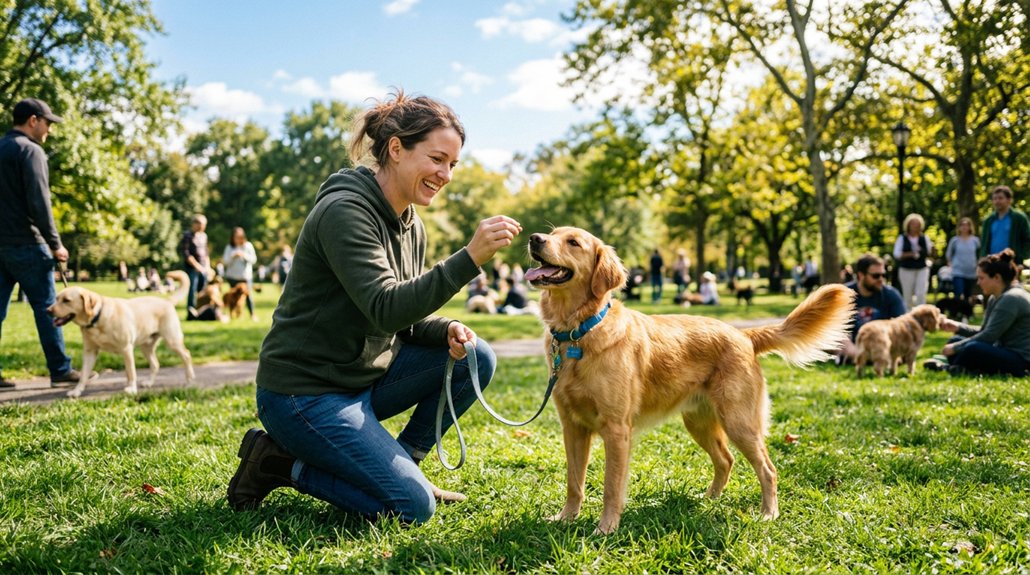
Many dog owners underestimate the importance of socialization, yet it plays a critical role in raising a well-adjusted and happy canine companion. Early socialization during the critical puppyhood period is crucial for ensuring your dog can positively interact with people and other animals. Regular playdates provide significant playdate benefits, helping maintain social skills and reducing aggressive or fearful behavior.
Exposing your dog gradually to various environments, experiences, and people fosters confidence building. This makes your dog more adaptable and comfortable in diverse settings. It’s important to monitor your dog’s body language during these interactions to keep them safe and secure. Positive experiences reinforce social bonds and friendly behavior, turning your pet into a pleasant companion at home and in public.
Hosting With Ease: Ensure Your Dog’s Good Manners
Ensuring your dog has good manners when hosting guests is key to creating a welcoming environment for everyone. Use positive reinforcement training to teach your dog how to gracefully greet visitors and remain calm around new faces, reinforcing desired behaviors like sitting politely instead of jumping. By consistently applying these techniques and observing guest interactions, you can gauge the effectiveness of your training and adjust as needed for smoother, more enjoyable social gatherings.
Welcoming Guests Gracefully
How do you guarantee that welcoming guests into your home is a pleasant experience for both them and your dog? Mastering dog guest etiquette is essential. Implement these greeting techniques:
- Command Consistency: Use basic obedience commands like “sit” and “stay” to prevent jumping and barking. Consistent training enhances control and comfort in social settings.
- Gradual Introductions: Allow guests to enter calmly and let your dog approach at their own pace. It eases nerves and encourages friendly interactions.
- Positive Reinforcement: Reward calm behavior with treats and praise. This reinforces desirable actions and builds a trusting relationship between your dog and visitors.
Engaging in these practices not only reflects well on your training but also fosters a welcoming environment, enhancing the guest experience.
Calm Around New People
When you’re hosting guests, ensuring your dog remains calm around new people is essential for a seamless experience. A well-trained dog greets guests politely, sitting or staying instead of jumping or barking. This behavior demonstrates effective socialization. Positive reinforcement during guest interactions, such as giving treats for calm behavior, strengthens trust between your dog and visitors. Regularly practicing sit and stay commands in different settings helps maintain your dog’s composure, contributing to overall good manners. Additionally, gradually introducing your dog to new people with short visits can reduce anxiety, promoting a relaxed demeanor. A well-adjusted dog that exhibits appropriate behavior during gatherings enhances the atmosphere, making hosting more enjoyable for both you and your guests.
Focus on Quality Nutrition & Health
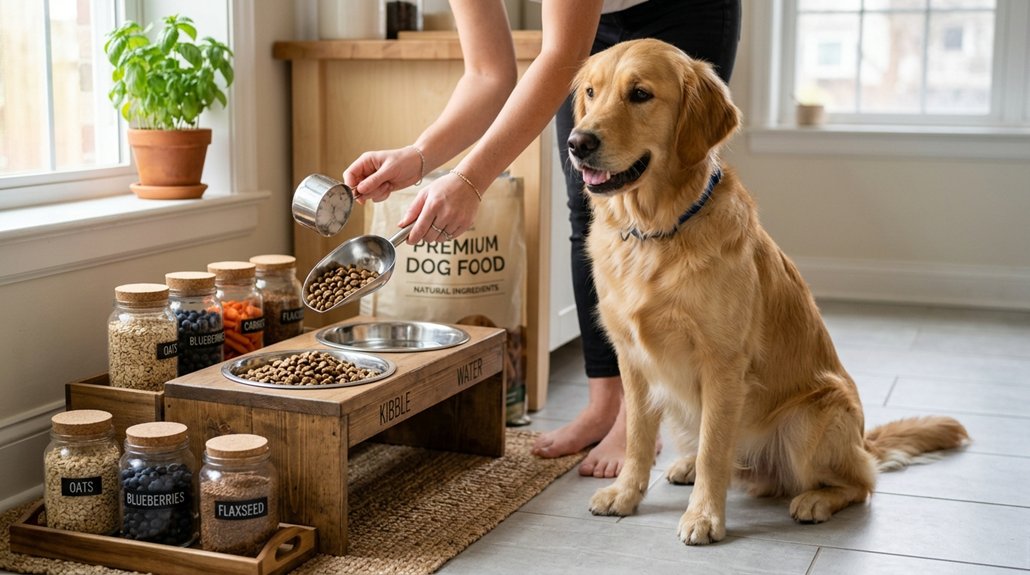
Even though it can sometimes be overwhelming, focusing on quality nutrition and health for your dog is an essential aspect of responsible pet ownership. Confirming nutritional balance is critical. Choose high-quality dog food tailored to your dog’s age, breed, and lifestyle to support health and vitality. Regular health monitoring, through vet check-ups and vaccinations, prevents diseases and assesses overall well-being.
Focusing on nutrition and health is vital to ensuring your dog’s overall well-being.
- Wholesome Ingredients: Opt for food with ingredients that promote long-term wellness.
- Portion Control: Regulate meal sizes and treat intake to avoid obesity.
- Parasite Prevention: Implement flea and tick control measures advised by your vet.
Staying informed about nutritional planning and seeking expert guidance guarantees you’re making informed dietary decisions, directly impacting your dog’s health.
Seek Feedback to Improve Your Dog Care Skills
Are you meeting your dog’s needs fully, or could there be areas you haven’t considered? Owner evaluations begin with regular vet visits; they’re key for evaluating your dog’s health and behavior. A professional trainer offers unbiased insights into your training methods, guiding you toward improvement. Engage with peers—fellow owners provide valuable feedback and broaden your perspective. Logging your dog’s behavior helps track progress, enabling expert consultations to refine your care strategies. Participate in local community dog events, where exchanging experiences enhances your knowledge. Leverage social media and forums to solicit advice from seasoned owners; they offer practical solutions to specific challenges. Remember, seeking peer feedback isn’t just about correcting errors; it’s about continuous improvement in your caregiving journey.
Frequently Asked Questions
How Do You Tell if You Are a Good Dog Owner?
You’re a good dog owner if you guarantee regular exercise, vet visits, and appropriate diet. A responsible pet exhibits positive behavior, responding well to commands. This reflects your successful training, socialization, and dedication to their well-being.
What Is the 7 7 7 Rule for Dogs?
The 7-7-7 rule is the ultimate dog training blueprint: seven weeks for settling, seven months for mastering obedience, and seven years for maturity. It’s essential for fine-tuning dog behavior, training techniques, health, exercise, and socialization.
What Is the 3-3-3 Rule for Dogs?
The 3-3-3 rule for dogs explains adoption adjustments through three periods: initially three days of adjustment, three weeks of settling in, and finally, three months to meet behavioral expectations. It requires empathy, patience, and understanding.
What Is “I Love You” in Dog Language?
In the symphony of dog language, “I love you” sings through tail wagging, soulful eye contact, and gentle pawing. Playful antics and soft whines are love notes, while a submissive posture and sniffing habits seal the bond.
Conclusion
Being a stellar dog owner might feel like winning the lottery, but rest assured, with focused attention on your dog’s happiness, training, exercise, socialization, manners, nutrition, and health, you’re on the right path. Keep seeking feedback and adjusting your approach to meet your dog’s unique needs. Your furry friend’s wagging tail and enthusiastic eyes are the real indicators of your success, providing evidence that you’re doing an exceptional job. Keep up the fantastic work!