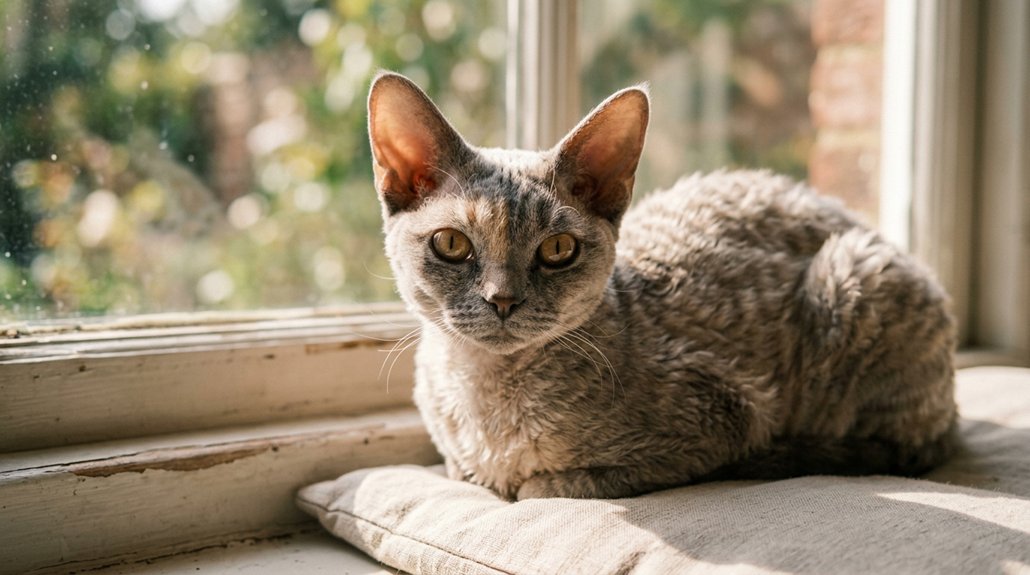
If you’re seeking cat breeds that shed the least, consider the Sphynx, Devon Rex, and Cornish Rex. These breeds, known for minimal shedding, require regular grooming for peak health. Despite their low shedding, remember that all cats produce allergens, including the Fel d 1 protein. Genetic and environmental factors can influence shedding patterns. For a more thorough understanding of how low-shedding cats can fit into your lifestyle, explore further insights and advice.
Key Takeaways
- Sphynx cats are hairless and have minimal fur shedding.
- Devon Rex cats feature a curly coat that requires low-maintenance grooming.
- Cornish Rex’s wavy coat is ideal for minimal shedding.
- Regular grooming is necessary for maintaining low shedding in these breeds.
- Despite minimal shedding, all cats can produce allergens like the Fel d 1 protein.
Understanding Low-Shedding Cat Breeds
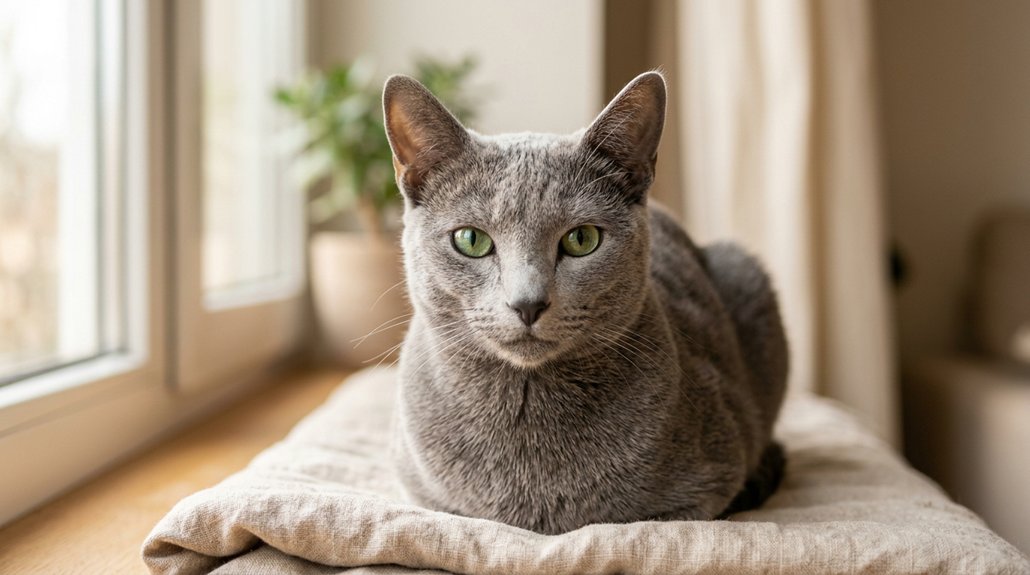
When you’re exploring low-shedding cat breeds, it’s vital to understand the unique characteristics that define them. Breeds like the Sphynx, Devon Rex, and Cornish Rex exhibit minimal fur shedding, offering significant low shedding benefits. The Sphynx, hairless by nature, requires regular bathing to manage oils despite its minimal fur presence. Comparatively, the Devon Rex and Cornish Rex, with their curly coats, further enhance breed comparisons by providing low-maintenance grooming options. It’s significant to mention that while these breeds shed less fur, they still produce allergens since all cats contain the Fel d 1 protein. Regular grooming remains essential to maintain skin health and manage dander, ensuring these breeds continue to be an ideal choice for minimizing shed fur in homes.
Genetic and Environmental Factors Influencing Cat Shedding
You’ll find that both genetic and environmental factors greatly influence cat shedding patterns. Genetic predispositions in certain breeds result in varying coat structures, which can impact how much or how little a cat will shed. Additionally, changes in daylight and temperature can trigger seasonal shedding, leading to fluctuations in fur loss throughout the year.
Factors Affecting Shedding
Although the topic of cat shedding might seem straightforward, it’s actually influenced by a variety of genetic and environmental factors. Shedding myths often lead people to misunderstand these influences. Every breed has a genetic predisposition to a specific shedding pattern. Some breeds naturally shed less due to their genetic makeup.
Environmental factors such as temperature and available daylight can accelerate or decelerate fur loss. Stress and anxiety levels also impact shedding, influencing cats to groom excessively. For shedding solutions, consider the following:
- Health Conditions: Parasites or poor nutrition can cause abnormal shedding and may require veterinary attention.
- Hair Growth Cycle: Cats go through anagen, catagen, and telogen phases, dictating hair growth and loss.
- Behavioral Factors: Emotional distress can increase shedding patterns.
Seasonal Shedding Patterns
Across different seasons, each cat’s shedding pattern is influenced by a combination of genetic predispositions and environmental conditions. Certain cat breeds naturally shed less due to their unique coat types and growth cycles, reducing shedding triggers. Seasonal variations such as daylight and temperature shifts can increase shedding, particularly in spring as cats switch to lighter coats. The hair growth cycle—anagen, catagen, telogen—affects shedding frequency. Stress, anxiety, and environmental disturbances can exacerbate hair loss. Ideal nutrition and health are essential for maintaining coat quality, and deficiencies may lead to excessive shedding. Understanding these factors helps manage shedding and enhance coat health.
| Influence | Impact on Shedding |
|---|---|
| Genetic predispositions | Innate shedding frequency |
| Environmental conditions | Seasonal shedding variations |
| Health and nutrition | Coat quality and shedding |
Why Low-Shedding Cats Are Not Hypoallergenic
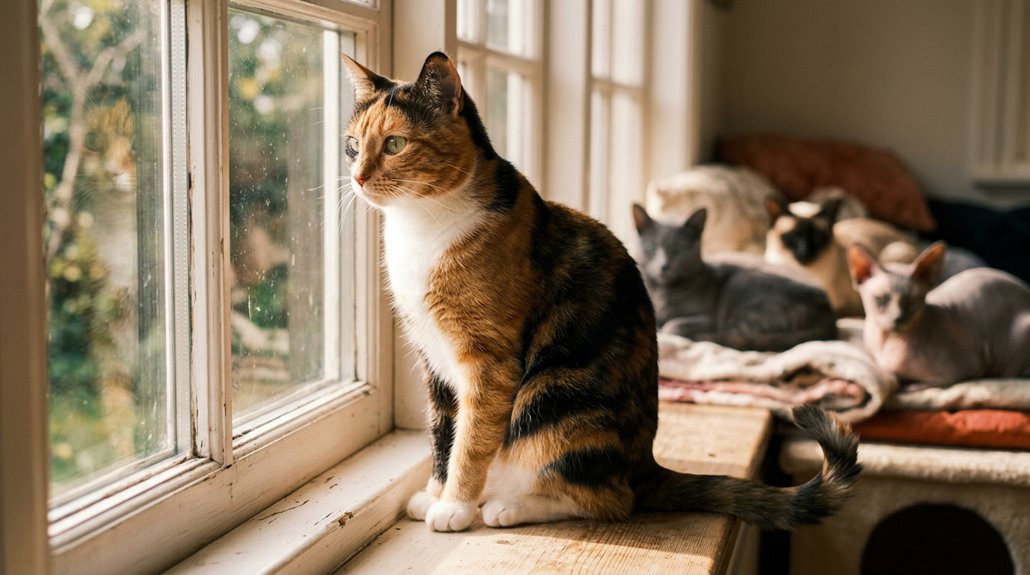
Even if you’ve heard the term “hypoallergenic” applied to certain cat breeds, scientists agree that no cat is truly free from allergens. Cats, including low-shedding varieties, produce the Fel d 1 protein, a primary allergen source responsible for human allergic reactions. While you might think less fur in your environment means fewer issues, that’s not the case.
- All Cats Produce Allergens: Dander and saliva still carry Fel d 1, even in breeds like the Sphynx.
- Minimizing Exposure Helps: Focus on reducing exposure to dander rather than only choosing low-shedding cats.
- Symptoms Can Still Occur: Manage allergies effectively by limiting contact with all cats, irrespective of fur shedding.
Low-shedding cats can reduce fur in your home but don’t expect a hypoallergenic haven.
Top Breeds With Minimal Shedding: a Guide
Choosing a cat that sheds minimally can substantially enhance your home environment with less fur to manage. You’ll find breeds like the Sphynx, Devon Rex, and Russian Blue offer unique coat characteristics that reduce shedding without compromising on companionship. Proper care, such as regular baths for the Sphynx or occasional brushing for the Bengal, guarantees these low-shedding cats remain healthy and content.
Best Low-Shedding Breeds
When searching for the best low-shedding cat breeds, some remarkable options stand out due to their unique characteristics and minimal maintenance requirements. Opting for breeds like the Sphynx, Devon Rex, and Cornish Rex will streamline your cat care routine and limit fur exposure in your home. The Sphynx is a prominent breed that, despite being hairless, demands regular baths to maintain skin health—a reflection of its distinctive breed characteristics. Meanwhile, the Devon Rex requires minimal grooming thanks to its short, curly coat. If you’re seeking a playful companion, the affectionate Cornish Rex has a wavy coat synonymous with low maintenance.
- Bengals: Short, dense coats; low shedding
- Russian Blue: Grayish-blue, hypoallergenic
- Burmese and Bombay: Short, sleek coats
Characteristics Of Minimal Shedders
Understanding the characteristics of minimal shedders can simplify the search for a cat that won’t inundate your home with fur. Cats like the Sphynx and Devon Rex have unique coat structures leading to reduced hair loss. The Cornish Rex features a wavy, short coat with fewer guard hairs, ideal for minimal shedding. Bengals, with their dense coats, require regular brushing for maintenance, resulting in sleek appearances and minimal coat loss. Russian Blues, possessing beautiful grayish-blue coats, shed moderately, making them suitable in some allergy considerations. Burmese cats, with their short, silky coats, are playful yet shed less compared to other breeds. Incorporating coat maintenance techniques will further aid in managing shedding frequency, helping to maintain a comfortable environment for allergy-sensitive individuals.
Care Tips For Low-Shedders
For those seeking cats with minimal shedding, several breeds offer manageable coat care with proper attention to their specific needs. Adopting necessary grooming techniques guarantees both coat and skin health, essential for your feline friend.
- Sphynx Cats: They require regular baths to prevent oil buildup and maintain skin health due to their hairless nature.
- Devon Rex: Their unique curly coats are low-maintenance, but occasional gentle brushing can further reduce shedding.
- Bengal Cats: These have short, dense coats requiring occasional brushing to keep them sleek, emphasizing their low-shed trait.
Russian Blues and Cornish Rex cats also present low shedding. Both benefit from minimal grooming; occasionally brushing helps maintain their natural allure. Prioritize regular checks to verify their skin health is ideal.
Comparing Hairless Versus Low-Shedding Cats
Although both hairless and low-shedding cat breeds promise reduced shedding, they present distinct care requirements and potential allergen triggers. Hairless cats, like the Sphynx, have negligible shedding, but they release allergens through skin and saliva. Regular baths are essential to manage skin oils. In contrast, low-shedding breeds such as the Devon Rex, Cornish Rex, Russian Blue, and Bengal boast minimal hair loss, offering low shedding benefits but still needing grooming to control dander and oils. These breeds can be advantageous for allergy sufferers, though allergies may persist due to Fel d 1 protein. Here’s a comparison:
| Breed Type | Maintenance Requirement |
|---|---|
| Hairless Cats | Regular baths to remove skin oils |
| Low-Shedding | Routine brushing for dander control |
| Sphynx | Minimal fur but produces allergens |
| Use of Baths | Needed more frequently for hairless cats |
| Grooming | Essential for both breeds |
Easy Tips to Groom Your Low-Shedding Cat
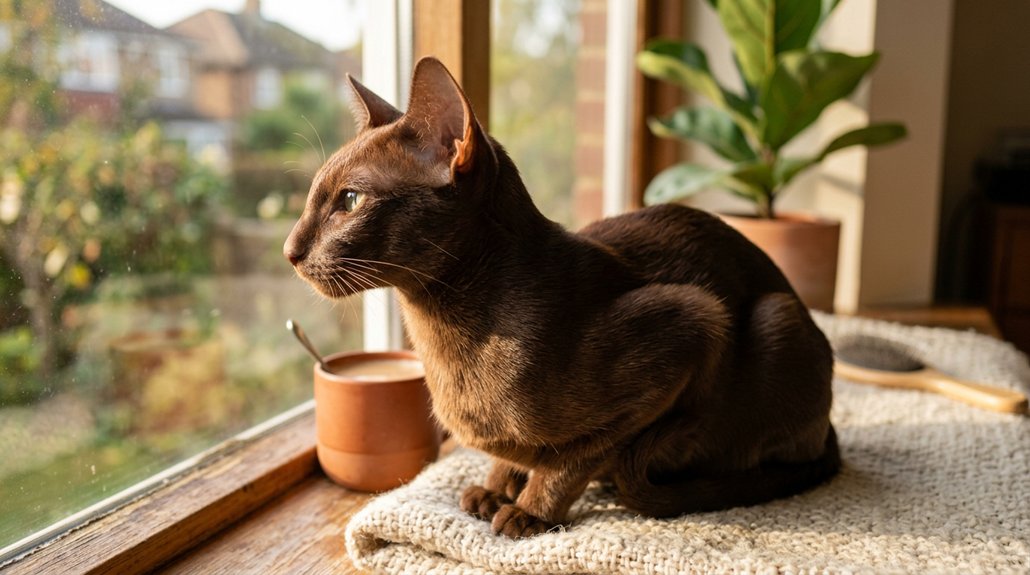
Maintaining the coat of your low-shedding cat doesn’t have to be arduous with a few straightforward tips. Regular brushing is essential as it removes loose hair and distributes natural oils, which promotes a healthy coat and minimizes allergens. For breeds like the Devon Rex and Cornish Rex, use a soft brush or grooming mitt weekly to manage their short, curly coats effortlessly. Incorporating grooming into your routine offers grooming benefits and strengthens bonding practices with your cat. Keep sessions brief and rewarding to create a positive experience. Additionally, use grooming time to assess your cat’s health.
- Regularly check for skin irritations to catch potential health issues early.
- Use a grooming mitt for easier handling and comfort.
- Keep grooming sessions positive to strengthen your bond.
Assessing Your Lifestyle for a Low-Shedding Cat Fit
Choosing the right low-shedding cat requires evaluating your lifestyle to guarantee a harmonious match. When thinking about lifestyle compatibility, assess your daily routine and decide how much time you can dedicate to grooming methods. Even low-shedding breeds, like the Devon Rex, can benefit from regular brushing.
Consider your living space for breeds such as Bengals, which need stimulating environments. Pay attention to your family’s interactions with pets, noting that breeds like the Burmese are both affectionate and adaptable. Activity levels are key; choose between a lap cat or an active companion, like the Bombay.
The table below will help you make a well-informed decision:
| Breed | Activity Level | Grooming Needs |
|---|---|---|
| Devon Rex | Moderate | Regular brushing |
| Bengal | High | Moderate grooming |
| Russian Blue | Low | Minimal grooming |
| Burmese | Moderate | Occasional grooming |
| Bombay | Low | Minimal grooming |
Managing Cat Allergies: Insight and Advice
Even though low-shedding cats might reduce allergen exposure slightly, they won’t eliminate the presence of the Fel d 1 protein entirely. To manage cat allergies effectively, consider integrating allergy reduction strategies such as regular grooming and using cat allergy medications like antihistamines or pursuing allergy shots. It’s essential to consult an allergist to design a personalized plan and maintain a clean environment to further lessen allergen buildup.
Allergy Reduction Strategies
Effectively managing cat allergies involves multiple strategies that focus on minimizing exposure to allergens. You’re likely aware that allergy symptoms can be exacerbated by the presence of dander, a primary allergen. Regular grooming of your cat is essential, as consistent brushing aids in dander removal, helping mitigate these symptoms. Additionally, maintaining a clean home environment is vital. Handwashing, frequent cleaning of surfaces, and laundering bedding reliably reduce dander accumulation.
- Regular grooming: Brush your cat to reduce dander and fur shedding.
- Clean environments: Wash hands and clean surfaces to minimize allergens.
- Consulting an allergist: Gain personalized strategies for effective symptom management.
Cat Allergy Medications
How can you find relief from cat allergies? Start by exploring medication options and allergy screening. Antihistamines like cetirizine or loratadine can help alleviate symptoms such as sneezing and itching. If over-the-counter solutions aren’t enough, prescription options like montelukast may be beneficial. For a potentially lasting solution, consider immunotherapy through allergy shots or sublingual tablets, which work by gradually desensitizing you to cat allergens.
Consider the following medication options:
| Type | Examples | Purpose |
|---|---|---|
| Antihistamines | Cetirizine | Relieve sneezing, itching |
| Antihistamines | Loratadine | Alleviate allergy symptoms |
| Prescription Meds | Montelukast | Mitigate severe reactions |
| Nasal Sprays | Steroid sprays | Reduce nasal inflammation |
| Immunotherapy | Allergy shots | Long-term desensitization |
Consult an allergist for personalized treatment based on your specific needs.
Grooming for Allergy Control
Managing cat allergies effectively relies greatly on implementing a consistent grooming routine. Regular grooming techniques are central to allergen management, primarily by reducing dander and loose fur, both of which harbor the Fel d 1 protein. Incorporating structured grooming practices into your routine offers several benefits:
- Weekly brushing, or more frequent sessions, helps distill loose hair and distribute oils, reducing dander dispersion.
- Targeted bathing of low-shedding breeds like the Devon Rex and Cornish Rex can alleviate allergen accumulation, though it must be done delicately to prevent skin irritation.
- Consultation with veterinarians supports the creation of personalized grooming routines and the selection of specific grooming tools, optimizing both allergen management and your cat’s overall well-being.
These strategies foster a healthier environment for both you and your feline companion.
Real-Life Benefits of Owning Low-Shedding Cats
While there are numerous benefits to owning low-shedding cats, one major advantage is the significant reduction in household maintenance. With breeds like the Sphynx or Devon Rex, you’ll find less fur scattered around your home, minimizing time spent on cleaning duties. Additionally, these cats typically require less frequent grooming—a simple weekly brushing for breeds such as the Cornish Rex suffices. This reduced maintenance means you can spend more time enjoying playful interactions with your feline friend. Those suffering from allergies may also notice a reduction in symptoms, as certain breeds like the Russian Blue produce less allergenic dander. Altogether, low-shedding cats create a more manageable living environment, ensuring that you and your family can delight in their affectionate nature.
Final Takeaways for Selecting Low-Shedding Cats
When selecting a low-shedding cat, it’s important to balance coat maintenance with lifestyle and allergy considerations. Opt for breeds like the Sphynx and Devon Rex for minimal grooming, or the Burmese and Bengal for their short coats and affectionate nature. Remember, no breed is entirely free of allergens, as all cats produce the Fel d 1 protein. Consequently, consistent grooming is essential. Regularly brush and bathe your cat to maintain coat health and reduce allergens in your home.
Balance coat care and allergies by choosing low-shedding breeds, like Sphynx or Devon Rex, and maintaining regular grooming.
Key considerations include:
- Exploring cat shows for insights into breed characteristics and maintenance needs.
- Prioritizing pet adoption to find a cat whose temperament matches your lifestyle.
- Managing mild allergies with low-shedding breeds like the Russian Blue to mitigate reactions efficiently.
Frequently Asked Questions
Which Breed of Cat Sheds the Least Hair?
You’d find the Sphynx cat sheds the least due to its hairless nature. It’s an effective shedding solution, though you’ll still need regular skin care routines to handle oil buildup and maintain its unique appearance.
What Annoys Cats the Most?
What annoys cats the most? Imagine banging cymbals—loud noises and sudden movements can jolt them, disrupting their peace. They dislike being tightly held, sudden environment changes, excessive handling, or erratic routines that shatter their comforting predictability.
Which Dogs Chase Cats?
You’ll find that terriers, hounds, herding breeds, and some sporting breeds often chase cats due to their prey drive and instinctual behaviors. These dog breeds can potentially affect cat interactions by triggering a pursuit response.
What Cat Is Worth $20,000?
You’re curious about which cat commands a $20,000 price tag. It’s the Savannah cat, a notable member of exotic cat breeds, whose price factors include its hybrid heritage, appearance, rarity, and restrictions, elevating its exclusive status.
Conclusion
When traversing the labyrinth of feline companionship, envision low-shedding cats as the gentle breezes in a world of swirling fur storms. Understanding genetic nuances and environmental impacts equips you to choose wisely. Remember, low-shedding doesn’t equate to hypoallergenic, yet these breeds offer tangible benefits. Whether you’re drawn to the sleek, whisper-soft coat or a velvety hairless wonder, let your lifestyle be the compass guiding you. Ultimately, selecting a low-shedding cat marries science with serenity in your home.