
When choosing hypoallergenic dogs, consider breeds like Poodles, Bichon Frises, and Miniature Schnauzers. These breeds have low-shedding coats that trap allergens, making them more suitable for allergy sufferers. Regular grooming, such as every 4-6 weeks, helps manage allergens. Smaller breeds generally produce fewer allergens, further reducing risk. Despite common myths, no dog is entirely hypoallergenic, but careful selection and grooming minimize symptoms. Dive deeper to discover strategies for managing allergens effectively.
Key Takeaways
- Poodles have curly coats that efficiently trap dander, making them a popular hypoallergenic choice.
- Bichon Frises feature low-shedding coats, effectively minimizing allergen exposure.
- Maltese produce fewer allergens due to their small size and single-layer coat.
- Portuguese Water Dogs boast thick, curly coats that manage and trap allergens well.
- Regular grooming every 4-6 weeks is essential in keeping allergen levels low.
Which Hypoallergenic Dogs Are Best for Allergy Sufferers?
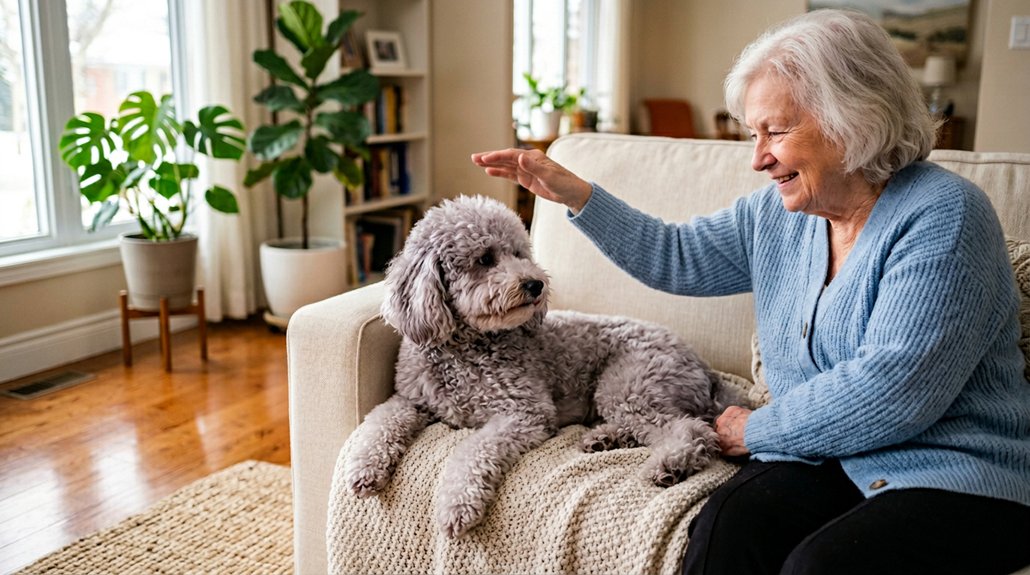
When considering which hypoallergenic dogs are best for allergy sufferers, it’s imperative to weigh the characteristics that minimize allergens. Understanding dog ownership involves recognizing breeds that inherently produce fewer allergens. Popular choices include Poodles and Bichon Frises, known for their curly, low-shedding coats that effectively trap dander, enhancing allergy management within your home. If space is limited, smaller breeds like the Maltese and Miniature Schnauzer not only thrive in apartments but also reduce allergen production thanks to minimal shedding. For those with an active lifestyle, the Portuguese Water Dog stands out with its thick, curly coat. To further manage allergy symptoms, incorporating grooming innovations like frequent bathing and HEPA air filters can substantially reduce allergen levels, optimizing your dog ownership experience.
Learn About Hypoallergenic Breeds
When exploring hypoallergenic dog breeds, it’s vital to understand that common allergens such as the Can f 1 protein in saliva, urine, and dander, rather than fur, are the main culprits behind allergic reactions. Low-shedding breeds like Poodles and Bichon Frise are desirable due to their ability to trap these allergens, thereby minimizing their presence in your environment. Keep in mind, however, that even hypoallergenic dogs aren’t completely free of allergens, so proper grooming and care remain essential.
Common Allergens in Dogs
Though many people believe a dog’s fur is the primary cause of allergies, the reality is that proteins in their saliva, urine, and dander are the true culprits. Saliva proteins transfer onto their skin and fur during grooming, while urine allergens can spread in living areas. Pet dander, tiny skin flakes shed by dogs, considerably contributes to allergic reactions, causing symptoms like sneezing or itchy eyes for about 10% to 20% of the U.S. population.
Managing exposure to these proteins is essential for allergy sufferers. Hypoallergenic breeds that produce less dander or trap it with their non-shedding coats can help. By understanding these common allergens, you can make informed decisions about the best dog breeds that suit your specific allergy needs.
Characteristics of Low-Shedding Breeds
Since managing allergies is essential for many dog lovers, understanding the characteristics of low-shedding breeds is important. These breeds often feature coat types characterized by continuous hair growth and minimal fur release, leading to reduced airborne allergens. Hypoallergenic dogs like Poodles and Bichon Frises have single-layer coats that excel in allergen retention, trapping potential triggers and preventing them from becoming airborne. Smaller-sized dogs are also advantageous as their lower body mass results in decreased allergen production. Regular grooming, such as frequent brushing and bathing, is imperative for maintaining these low-shedding breeds. By adhering to these practices, you can effectively manage the allergens in your home environment, making it easier for allergy sufferers to enjoy the companionship of furry friends.
Identifying Hypoallergenic Dog Traits
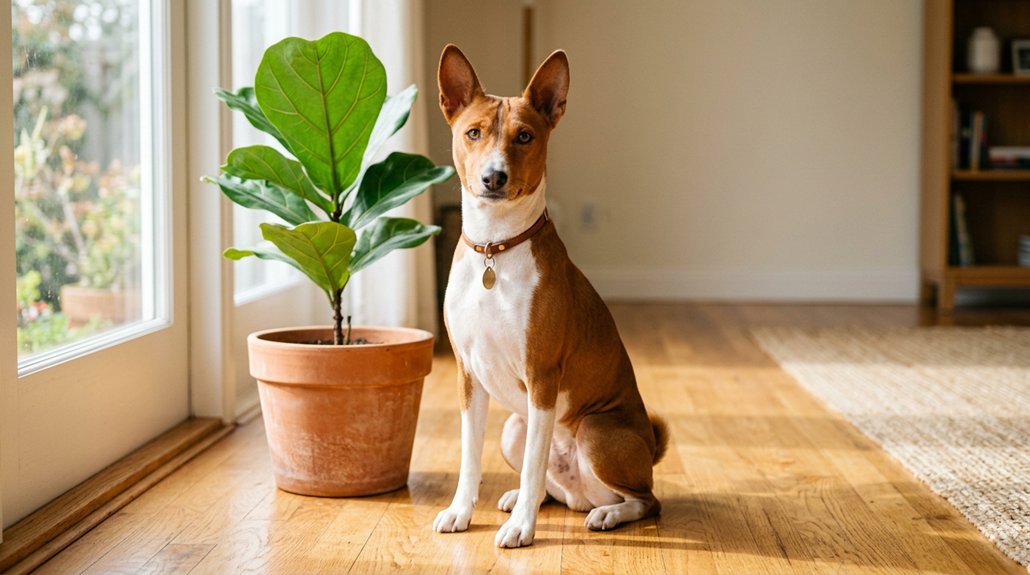
To identify hypoallergenic dog traits, it’s essential to focus on specific characteristics that limit the spread of allergens. Effective dog allergen management begins with recognizing breeds with attributes that naturally control allergen levels. Consider the following three aspects:
- Coat Type: Hypoallergenic dogs often have low-shedding or non-shedding coats. Poodle and Bichon Frise’s curly coats effectively trap dander and hair, reducing airborne allergen presence.
- Coat Layers: Single-layered coats are preferable over double-layered ones, as they usually generate less dander, which is beneficial for sensitive individuals.
- Breed Size: Smaller breeds typically produce fewer allergens. Their size and lower activity levels contribute to decreased dander spread.
Regular grooming routines control allergen levels further by removing loose hair and dander.
Choosing the Best Hypoallergenic Dog for You
Understanding the attributes of hypoallergenic dogs is just one piece of the puzzle; selecting the ideal breed for your specific circumstances requires careful consideration. Start by evaluating lifestyle compatibility and the breed temperament that suits your daily routine. For instance, smaller breeds like the Miniature Schnauzer are perfect for apartment living due to their manageable size and shedding. Conversely, if you’re more active, the lively Portuguese Water Dog makes a great high-energy companion. It’s invaluable to test your allergies by interacting with different breeds, as allergen levels vary. Reputable breeders can guide you in finding a dog whose temperament and needs align with your own. Remember, choosing wisely guarantees your new pet fits seamlessly into your life.
Keeping Your Home Allergy-Free With Hypoallergenic Dogs
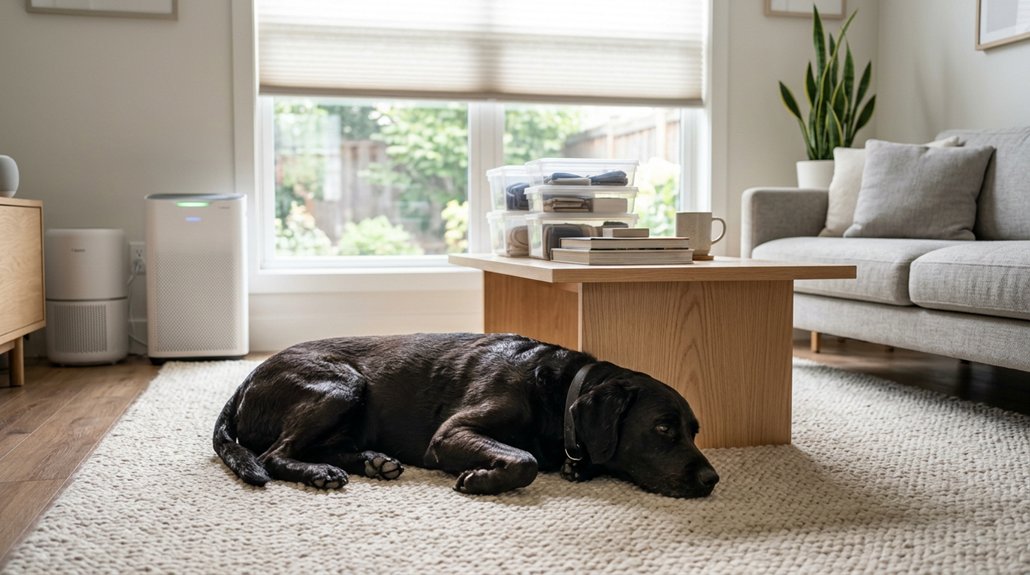
To keep your home as allergy-free as possible with a hypoallergenic dog, it’s important to establish efficient grooming routines that focus on regular baths and brushing to minimize dander. You should also consider allergen-reducing strategies like using HEPA air filters, maintaining ideal humidity levels, and creating pet-free zones to further decrease exposure to allergens. Regularly washing your dog’s bedding and toys will contribute to an overall cleaner environment, reducing potential allergy triggers.
Efficient Grooming Routines
- Groom regularly: Establish a consistent grooming routine every 4-6 weeks to effectively lower allergen exposure.
- Proper tools: Use high-quality grooming items like deshedding brushes and hypoallergenic shampoos to efficiently limit dander and hair spread.
- Outdoor grooming: Perform grooming tasks outside whenever possible to prevent allergen distribution within the home.
Implementing these strategies will greatly help keep your environment allergy-free. Regular grooming complements other allergen-reducing methods and enhances the overall comfort and air quality within your home.
Allergen-Reducing Strategies
For those sensitive to pet allergens, creating an allergy-free sanctuary with a hypoallergenic dog involves a strategic combination of cleaning and preventive measures. Prioritize allergy management by implementing regular grooming routines. Brushing and bathing your dog helps with dander control, minimizing allergens. Install HEPA air filters in your home and replace them monthly to effectively trap pet allergens and enhance air quality. Frequent cleaning of carpets, furniture, and pet areas is essential to prevent allergen accumulation, ensuring a healthier environment. Establish pet-free zones, like bedrooms, to considerably reduce exposure to allergens. Additionally, control humidity levels between 30-50%, limiting dust mites and mold, which aids in alleviating allergy symptoms. These strategies collectively contribute to a more comfortable, allergy-friendly home.
How Grooming Helps With Allergies
While many people believe hypoallergenic dogs generate fewer allergens, regular grooming is essential in greatly reducing dander and loose hair that can exacerbate allergies. Establishing a consistent grooming frequency keeps dander at bay, vital for allergen-sensitive environments. Here are some key points to take into account:
- Grooming frequency: Regular brushing and bathing effectively reduce loose hair and dander accumulation, minimizing allergens.
- Specialized tools: Utilizing professional grooming tools guarantees more effective dander reduction, as they trap and eliminate allergens directly from the dog’s coat.
- Outdoor grooming: Whenever possible, groom your pet outside. This practice prevents allergens from settling in your home’s indoor space, assuring a cleaner environment.
Through diligent grooming, not only do you manage allergens, but your bond with your dog strengthens too.
Adoption Tips for Hypoallergenic Dogs
When considering the adoption of a hypoallergenic dog, how do you verify a good fit for your household and health? Start by engaging in an informed adoption process through reputable shelters or rescues that understand each dog’s hypoallergenic qualities and history with allergies. Schedule multiple visits with potential adoptees, conducting informal allergy testing during each meet-and-greet to assess reactions. Additionally, inquire about the breed’s grooming needs, as hypoallergenic dogs like Poodles require consistent grooming to maintain their coats. Consider fostering the dog initially, offering a trial period to evaluate how allergies respond over time in your home. Finally, understanding the dog’s temperament can be vital for ensuring a stress-free living environment, enhancing the compatibility between you and your new companion.
Myths vs. Facts: Hypoallergenic Dogs
Although many believe hypoallergenic dogs are completely free of allergens, this is a common misconception that needs clarification. In reality, no dog is entirely hypoallergenic, though some breeds produce lower levels of allergens. Understanding the primary allergen sources is key in myth debunking:
- Dander: Proteins found in dander are a significant allergen source, not the fur itself.
- Saliva and Urine: These also contain allergy-triggering proteins.
- Non-Shedding Coats: Breeds like Poodles and Bichon Frises tend to shed less, leading to reduced dander in the environment.
Approximately 10% to 20% of the U.S. population is sensitive to dogs, highlighting the importance of choosing breeds wisely. Regular grooming can further manage allergens, making pet ownership for allergy sufferers more feasible.
Should You Talk to a Vet About Dog Allergies?
Understanding the nuances of hypoallergenic dogs reveals that choosing an appropriate breed is just one part of managing allergies. It’s essential to talk to a vet about dog allergies. They can conduct dog allergy testing to pinpoint specific allergens you’re reacting to. This information is invaluable in helping you select the right hypoallergenic breed tailored to your sensitivity levels. Furthermore, a veterinarian can propose effective allergy management strategies, ensuring you enjoy the companionship of a dog without constant discomfort. They’ll advise on ideal grooming practices to minimize allergen presence and recommend regular check-ups to monitor your symptoms and any necessary adjustments. Consulting with a vet not only aids in controlling your allergies but also enhances your overall pet ownership experience.
Frequently Asked Questions
What Is the Most Allergy Friendly Dog?
The most allergy-friendly dog is typically within the Poodle family. Doodle breeds and Poodle mixes are perfect since they often inherit the Poodle’s hypoallergenic coat, minimizing dander and shedding, making them suitable for allergy sufferers like you.
What Dogs Are Usually Not Allowed in Apartments?
You’ll find that apartment restrictions often include breed limitations like Pit Bull Terriers, Rottweilers, and Dobermans due to size and perceived aggression, along with high-energy breeds. Weight limits usually exclude larger breeds, keeping apartment living quieter and manageable.
What Dogs Listen the Most?
You’ll find that obedient breeds like Poodles, Labradors, and Portuguese Water Dogs excel in listening skills. They respond exceptionally well to effective training techniques, making them some of the top breeds for attentiveness and responsiveness.
What Are the Least Smart Dogs?
You’re curious about the least smart dogs, which include breeds often labeled as low intelligence or least trainable. Think about Afghan Hounds, Basenjis, Bulldogs, and Chow Chows, who are typically more independent and stubborn.
Conclusion
While your journey to find a hypoallergenic canine companion may seem like a quest for the holy grail, remember, it’s more about managing the situation than finding a magical solution. Understanding these special breeds, their unique grooming needs, and maintaining an allergy-friendly home can make all the difference. Consider talking to a vet to guarantee you’re on the right path. Embracing the nuances of hypoallergenic dogs might just lead you to a rewarding relationship without the sneezes.