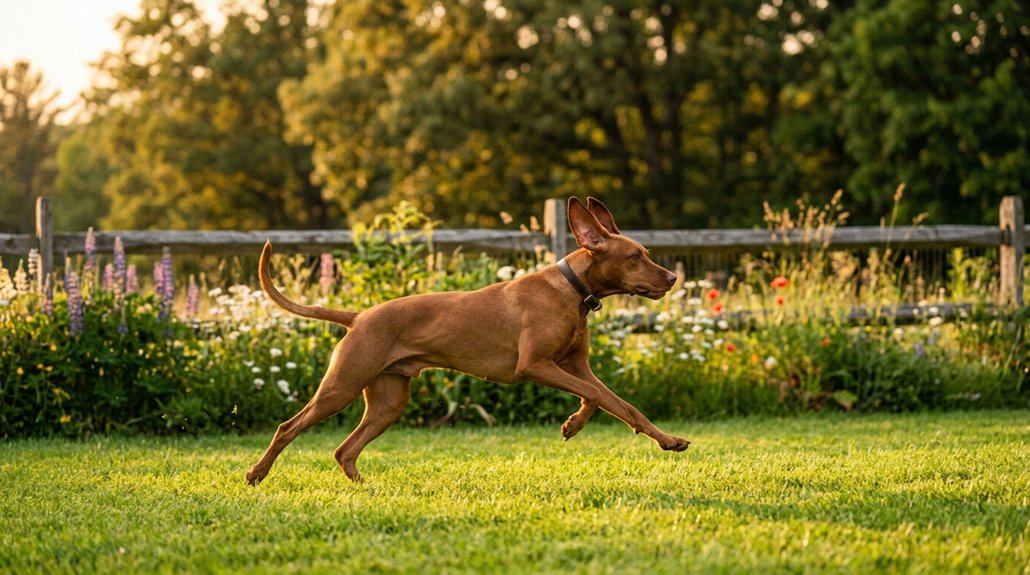
When determining how much space your dog needs, consider breed, energy levels, and age. Larger breeds, like Great Danes, typically require more than the 300 square feet standard recommended for living spaces, while smaller or sedentary breeds might adapt to less. Puppies need extra room for play, whereas older dogs may seek cozier spots. Regardless of size, a safe outdoor area guarantees well-being and enrichment. Further insights will enhance your understanding of optimizing your dog’s environment.
Key Takeaways
- Dogs generally need at least 300 square feet of indoor living space for comfortable movement.
- Larger and high-energy breeds require more space indoors and outdoors for physical activity.
- Puppies need ample space for exploration and play, while older dogs prefer comforting, smaller areas.
- Outdoor spaces should be secure with fencing to ensure safety during play and exercise.
- Regular exercise, including off-leash activities, is crucial to meet breed-specific energy and socialization needs.
What Space Do Dogs Need?
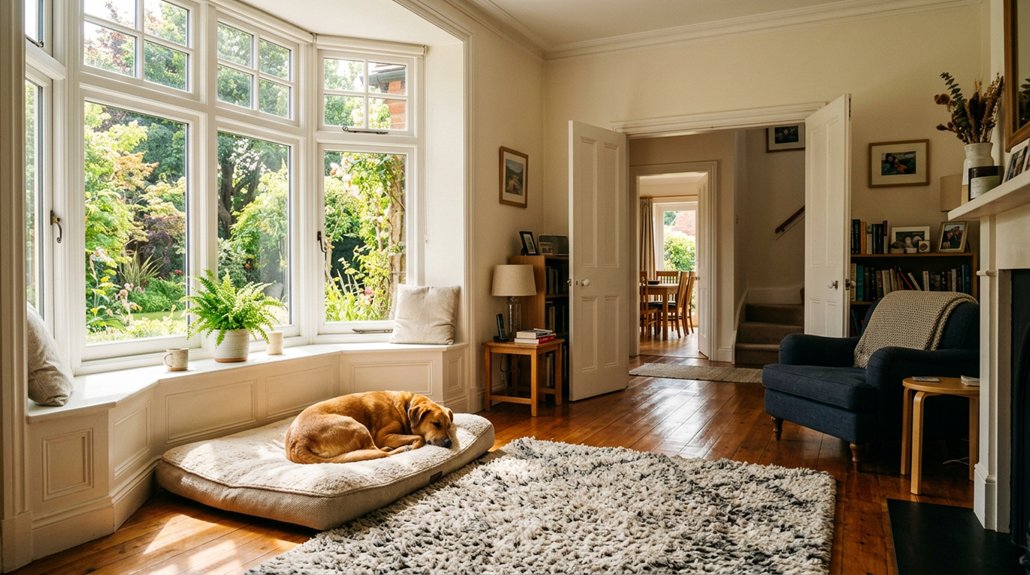
A dog’s spatial needs are influenced by several factors, including breed size, energy levels, and age. Larger breeds like Great Danes demand more room, given their substantial size, to prevent feelings of confinement. However, some sedentary breeds, such as Greyhounds, showcase remarkable space adaptations by comfortably residing in smaller areas. It’s essential to assess each dog’s energy requirements, as active dogs need adequate space to engage in physical activity. Puppies particularly benefit from open spaces for play and development, while older dogs may find solace in smaller, well-known territories. Each dog’s situation varies, and evaluating individual needs guarantees their well-being, regardless of living conditions. While 300 square feet is a general recommendation, personalized assessments lead to ideal environments.
Factors Influencing Your Dog’s Space Needs
Understanding a dog’s spatial needs begins with examining several essential factors that influence these requirements. Dog breeds vary greatly in size, directly affecting space necessities; larger breeds, like Great Danes, generally require more room than smaller ones, such as Chihuahuas. Additionally, energy levels play a vital role. High-energy dogs need ample space to move and exercise, whereas sedentary breeds might thrive in more confined environments. Age is another consideration; puppies and younger dogs demand more room for exploration and play. In contrast, older dogs often seek smaller, comforting spaces. Individual temperament and behavior also influence space requirements. Some dogs manage well in limited areas, while others become anxious without sufficient room. Create a safe, engaging environment to accommodate your dog’s specific needs.
Indoor vs. Outdoor Spaces for Dogs
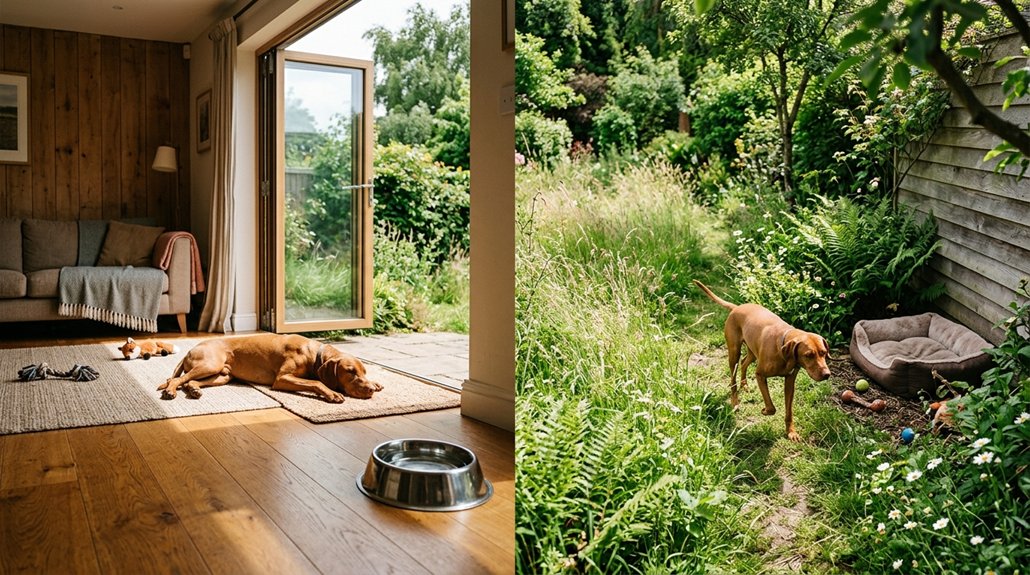
Determining the appropriate indoor and outdoor spaces for your dog requires balancing breed size, energy level, and specific lifestyle needs. Indoor comfort is paramount, ensuring at least 300 square feet of unobstructed space where dogs can move, lie down, and stand freely. Large breeds might require even more room, while a 3 ft x 3 ft resting area is adequate for many to relax comfortably. Outdoor safety is critical; larger breeds thrive in spacious gardens with secure fencing for unrestricted play, while smaller breeds can adapt to limited spaces with regular, off-leash interaction in a well-fenced yard. Always prioritize safe environments to enhance their overall quality of life without compromising their need for daily outdoor exercise and activity.
Exercise and Activity Needs for Dogs
You’ll find that meeting your dog’s exercise and activity needs is essential to their health and happiness, with daily outdoor activities playing a significant role. Active and enrichment exercises, tailored to breed-specific energy levels, should complement regular outings; consider options like engaging play sessions or structured agility training. Additionally, off-leash experiences in secure environments, such as dog parks, can enhance their physical and social interactions, promoting overall wellbeing.
Daily Outdoor Exercise Importance
Active dogs require regular daily outdoor exercise to maintain ideal mental and physical health, regardless of the size of your living space. Outdoor adventures are essential for providing mental stimulation, preventing behavioral issues, and enhancing the bond between you and your dog. Here’s how you can guarantee your dog gets the exercise they need:
- Daily Walks: Aim for at least four walks a day, vital for energy expenditure and well-being.
- Secure Play Areas: Allow them to run and play freely in a fenced area to prevent boredom.
- Understand Breeds: Recognize that smaller, high-energy breeds might require more exercise than larger, sedentary ones.
- Tailored Activities: Design activities specific to your dog’s needs, improving both mental and physical health through tailored outdoor challenges.
Enrichment Activities for Dogs
Engage your dog’s natural instincts and enhance their well-being through carefully planned enrichment activities. Scientific studies highlight that utilizing interactive toys and agility courses can greatly boost both the physical and mental health of your dog, particularly high-energy breeds. Daily commitment to exercise is essential; active dogs should receive at least an hour of dynamic activity to prevent behavioral problems.
Indoor play, including games like fetch or tug-of-war, complements outdoor exercise, especially when space is limited. Additionally, incorporate puzzle feeders and scent games to keep their minds sharp and occupied. Socialization through regular dog park visits enhances emotional health by allowing playful interactions. By blending these activities, you’ll help maintain a balanced, enriched environment that fulfills your dog’s exercise and activity needs.
Off-Leash Exercise Options
Many off-leash exercise options are essential for satisfying a dog’s physical and mental needs, promoting their overall well-being. These practices not only enhance their health but also release off-leash benefits such as improved social skills and reduced behavioral issues. Consider these options:
- Community Dog Parks: Regular visits encourage socializing, but mind your dog park etiquette to guarantee safety for all pets.
- Securely Fenced Backyards: Offer dogs a personal space for free play while safeguarding against external threats.
- Agility Courses: Engage both mind and body, fostering physical health without leaving your premises.
- Daily Walks with Off-leash Areas: Aim for at least four outings, providing ample opportunity for dogs to expend energy and thrive.
Utilizing these options supports your pet’s happiness and longevity.
How to Make Your Small Home Dog-Friendly
When living in a small home with a dog, careful planning can greatly enhance your pet’s comfort and well-being. Choosing a small breed suited for compact spaces is essential. They require a minimum of 9 square feet and thrive with proper daily exercise even in limited areas. Incorporating pet friendly furniture is a smart strategy; opt for multi-functional items that provide both human utility and a cozy spot for your dog. This maintains neatness while maximizing the use of your space. Don’t forget vertical enrichment options like shelves or modified cat trees—these can add stimulative areas without sacrificing floor space. With these arrangements, your small home becomes a vibrant environment that meets both your and your pet’s needs efficiently.
Creating a Safe Space for Dogs
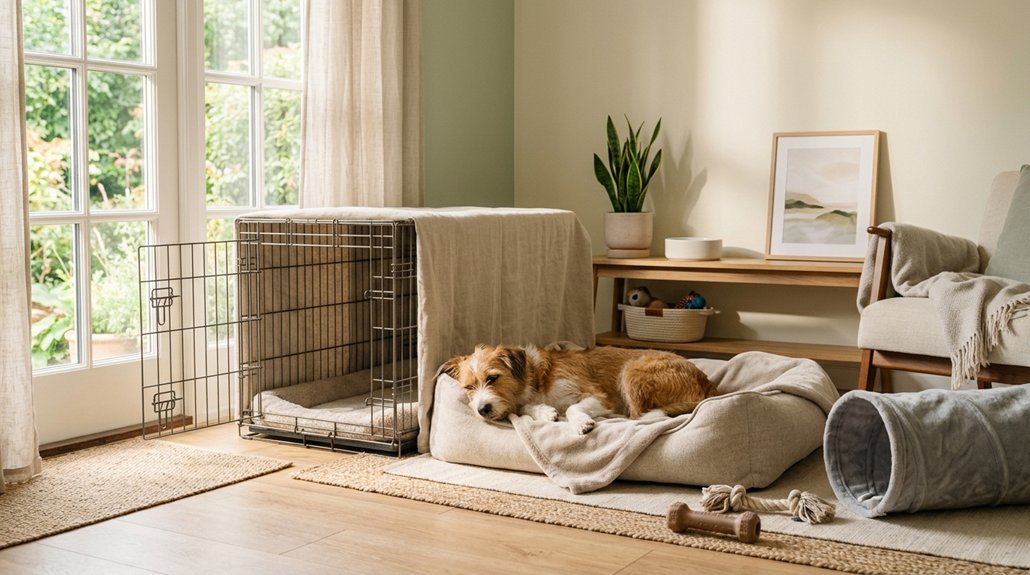
To guarantee your dog thrives in a safe environment, start by dog-proofing the living space with diligence. Here are the dog proofing essentials you need to take into account:
Ensure your dog thrives safely by diligently dog-proofing your living space. Here are key essentials to consider:
- Secure Cords and Block Stairways: Prevent accidents by keeping electrical cords out of reach and using gates to block stair access.
- Stock Up on Supplies: Ascertain essential supplies such as water bowls, chew toys, and grooming tools are available to maintain comfort and safety.
- Designated Sleeping Areas: Create a cozy sleeping area with a dog bed or crate to help reduce anxiety and provide a security-enhancing retreat.
- Regular Home Inspection: Consistently inspect your home for hazards like unstable furniture or sharp objects, guaranteeing a continually safe environment.
Gradually introduce your dog to its new space, allowing supervised exploration for acclimatization.
Frequently Asked Questions
What Is the 3-3-3 Rule With Dogs?
The 3-3-3 rule outlines three adjustment phases: three days for anxiety adaptation, three weeks for routine formation, and three months for full comfort. Dog behavior, space requirements, training techniques, and breed differences markedly influence this timeline.
What Smell Do Dogs Absolutely Hate?
Imagine a dog’s world filled with aversive smells. You’re contemplating odor preferences. Scientifically, dogs have scent sensitivity to citrus, vinegar, and capsaicin. They find these unpleasant fragrances repelling, often avoiding areas with potent synthetic odors or essential oils.
What Words Do Dogs Hear Best?
Dogs hear high-pitched words best due to their sound sensitivity. Emphasize dog communication with clear vocal cues and consistent training commands. Their ability to distinguish tones aids in recognizing words, enhancing your training efficiency.
What Is the 10-10-10 Rule for Dogs?
Picture your dog’s day as a symphony needing harmony. The 10-10-10 rule orchestrates this: 10 minutes each for exercise, training, and play in an ideal environment, offering balanced mental stimulation and preventing behavioral discord.
Conclusion
In considering your dog’s space needs, it’s essential to balance indoor coziness with outdoor exploration. Does your home have space for both restful corners and energetic play? A dog’s happiness hinges on enriched environments, whether in a compact apartment or sprawling yard. Prioritize exercise and mental stimulation to optimize limited areas. By understanding these elements scientifically, you guarantee a safe, fulfilling haven for your dog, seamlessly blending their space with your lifestyle.