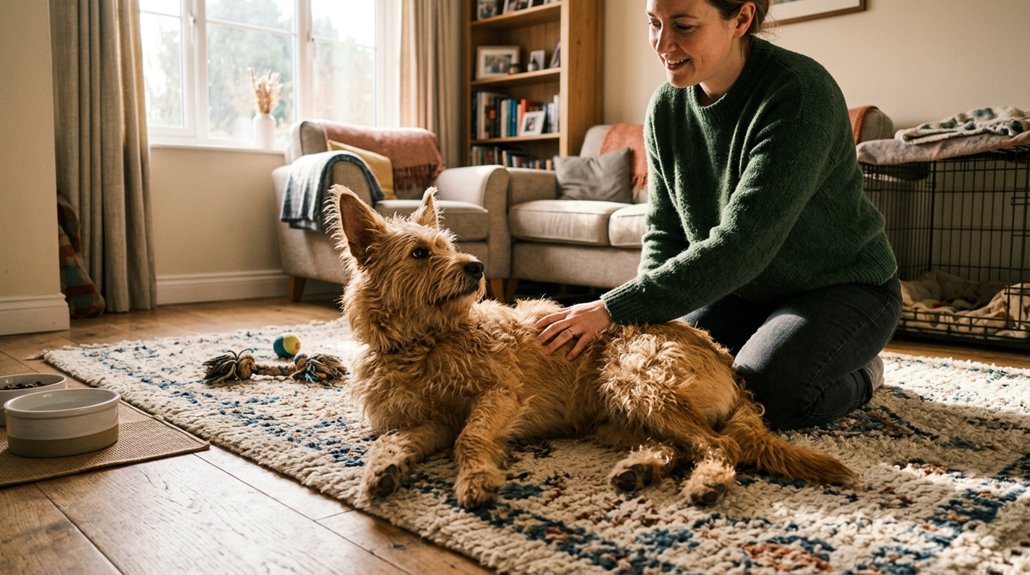
Living with a dog means starting your day with bathroom breaks and breakfast, followed by walks offering physical exercise and mental stimulation. It involves managing challenges like daily poop collection and controlling shedding with high-quality vacuums, while training techniques curb destructive behavior. You’ll explore deep emotional connections, where simple actions like petting release dopamine, reducing stress. Engage your dog with play and training, enriching both lives. Discover exciting insights into dog ownership with your next step.
Key Takeaways
- Daily routines involve morning and evening walks, bathroom breaks, and feeding times.
- Bonding activities like training, play, and cuddling strengthen emotional connections.
- Managing challenges includes regular grooming, poop collection, and financial planning for dog care.
- Dogs provide companionship that reduces loneliness and enhances emotional well-being.
- Dog ownership fosters social interactions and community connections through walks and events.
Daily Life With a Dog: a Routine You’Ll Embrace
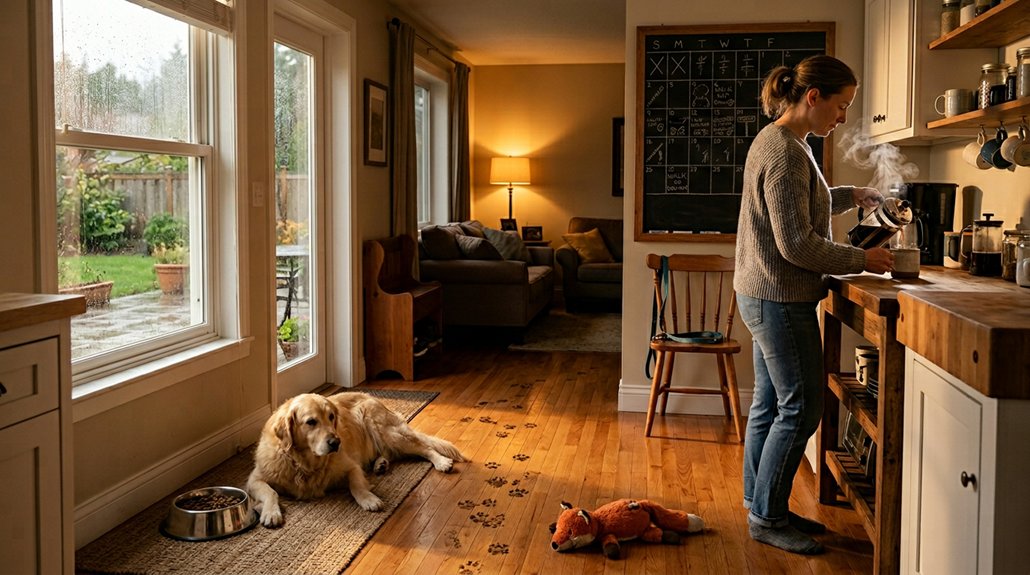
Starting your day with a dog might mean early mornings, but it’s a routine you’ll quickly embrace for its many rewards. Those morning routines become essential as you head outside for a bathroom break followed by breakfast, setting a foundation for your dog’s health and energy. Expert insights suggest combining mental stimulation with physical exercise; walking not only keeps your dog fit but sharpens their mind through exploration. Training techniques like playing fetch or engaging in interactive games reinforce good behavior and enhance your bond. As the day winds down, evening cuddles provide comfort and strengthen your connection. Embracing this rhythm fosters better physical well-being, enhances your mental sharpness, and intertwines you with a broader community of dog lovers.
Facing the Mess: Managing Dog Challenges
Though living with a dog comes with its fair share of joyful moments, managing the inevitable messes can present a formidable challenge. Implementing effective clean-up strategies is essential. Daily poop collection is a must to maintain sanitary conditions. Investing in a high-quality vacuum cleaner is important for shedding solutions, tackling the persistent presence of dog hair on clothing and furniture. To mitigate unexpected chewed items, consistent training and vigilance are key. Behavioral analysis helps understand triggers, enabling preemptive measures. Regularly catering to your dog’s bathroom and walking needs, regardless of weather, necessitates proper outdoor preparation. Financial planning is equally important, as long-term dog care can be costly, often requiring immediate resources to address both predictable and unexpected challenges.
Emotional Ties in Living With a Dog
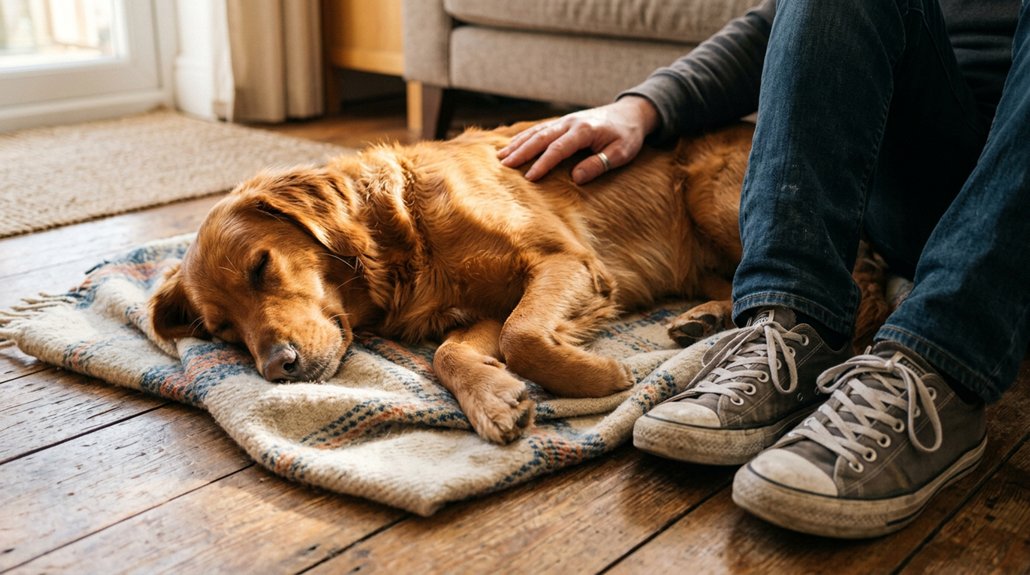
Emotional connection is foundational when living with a dog, as their unwavering companionship infuses everyday life with joy and diminishes feelings of loneliness, contributing to mental well-being. Bonding moments are essential, creating an environment where their playful antics elicit genuine laughter and happiness. This unconditional love not only strengthens your bond but also enhances emotional resilience. As you navigate challenges like training and misbehavior, you learn patience and empathy—traits that deepen your emotional ties. The simple act of petting your dog can release dopamine, offering a calming effect and reducing stress. Such interactions promote a sense of fulfillment and appreciation for life’s everyday joys, solidifying a unique and rewarding relationship that extends beyond surface-level companionship.
Activities to Keep Your Dog Engaged and Healthy
Building a strong emotional bond with your dog lays the groundwork for engaging activities that keep your pet both happy and healthy. Crucial exercise methods start with daily walks, boosting physical health and offering essential mental stimulation. These walks double as socialization opportunities, reducing anxiety and fostering positive interactions. Complement this with interactive playtime such as fetch or tug-of-war, enhancing both physical strength and the bond between you and your dog. To prevent boredom and destructive behavior, introduce mentally stimulating games like puzzle toys or hide-and-seek with treats, challenging your dog’s problem-solving skills. Regular training sessions integrated with play reinforce obedience and create a solid communication framework. Incorporate these strategies to guarantee your dog stays engaged and thrives emotionally.
Connecting Through Dog Ownership: Building Your Community
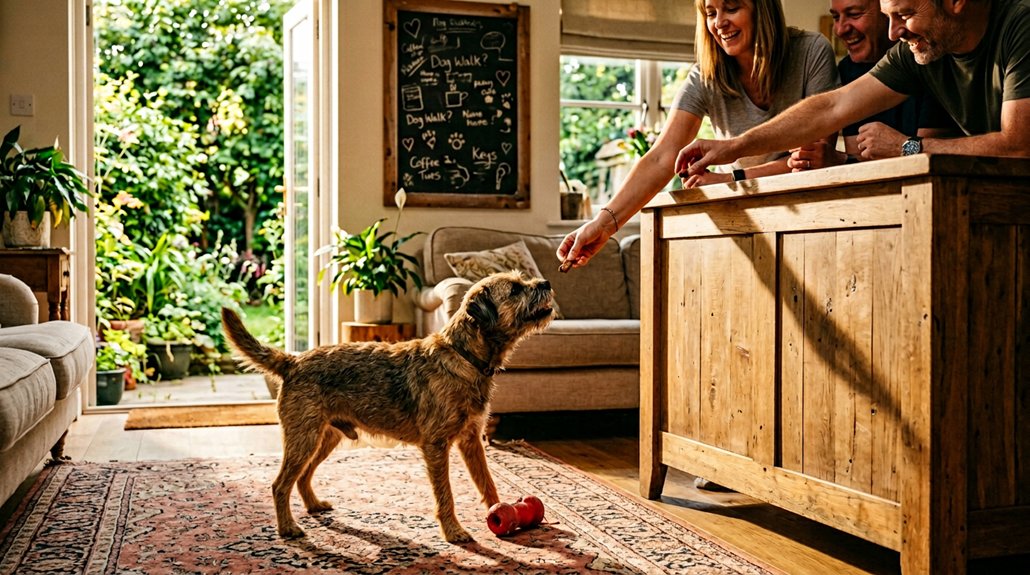
When you own a dog, you’re not just adopting a pet; you’re joining a vibrant community that encourages connection and socialization. Daily walks and dog park trips offer rich social opportunities, enabling you to meet fellow dog owners effortlessly. These interactions often blossom into friendships, extending well beyond dog care. Participating in obedience classes and dog-friendly community events builds a web of support among pet enthusiasts.
Engaging with pet-related businesses and community outreach efforts, like charity events for shelters, further cements your place within this network. You can even foster connections online by exchanging tips and experiences on dog ownership platforms or blogs. This dynamic participation enriches your life, creating a sense of belonging and sharing invaluable resources for you and your beloved pet.
Frequently Asked Questions
What Is the 7 7 7 Rule With Dogs?
The 7-7-7 rule helps you understand dog behavioral patterns by equating one dog year to seven human years. This aids in mastering canine communication as training techniques and health care are tailored according to their developmental stage.
What Is the 3-3-3 Rule With Dogs?
So you think adopting a dog means instant tail wags and fetch games? Think again! The 3-3-3 rule highlights the phases—dogs will test your patience with pet adjustment, dog behavior will surprise even experts. Good luck!
Has Trump Ever Had a Pet?
Trump’s pets included a Yorkshire Terrier named “Chips.” Despite this, Presidential Pooches never graced the White House under his tenure. His preference against canine companions shaped public perception about his aversion to the responsibilities of pet ownership.
What Smell Do Dogs Hate the Most?
Dogs hate citrus scents the most. With their incredible canine olfactory sensitivity, these smells are overwhelming. In training, understanding dog scent preferences means utilizing citrus as a deterrent, ensuring your pup’s environment works with their natural instincts.
Conclusion
Living with a dog isn’t just a routine—it’s a rollercoaster of fur and joy that rockets your heart skyward every day. As you master training techniques and navigate the occasional chaos, you’ll find your bond deepening in unexpected ways. The activity ideas you’ve embraced enrich not just your furry friend’s life but yours too, transforming every walk into an adventure. Ultimately, your dog becomes your finest social ambassador, connecting you with a community you never knew possible.