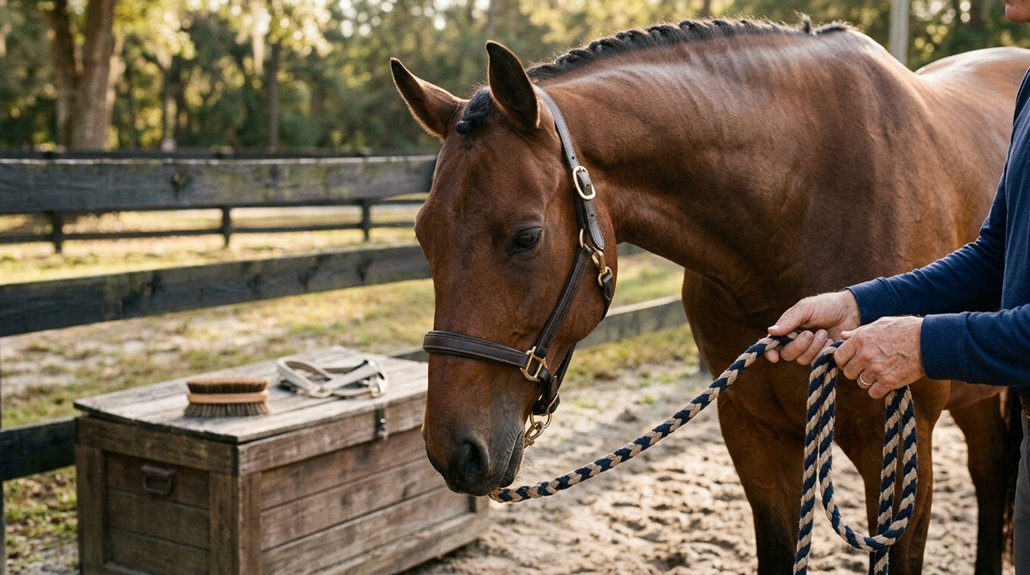
To prevent behavior problems in horses, get to know their instincts and behaviors closely. Provide a stable, enriching environment with plenty of turnout and social interaction. Schedule regular vet visits to catch health issues early. Implement stress reduction strategies like consistent routines and positive reinforcement training. Pay attention to subtle cues in their body language to spot early signs of distress. Consulting a behavior specialist can also be beneficial. There’s much to gain from understanding these key strategies.
Key Takeaways
- Ensure regular veterinary check-ups to detect and address health issues early, preventing pain-related behavior problems.
- Promote social interaction and provide ample outdoor turnout to reduce stress-induced behaviors in horses.
- Implement environmental enrichment with toys, mirrors, and a high-forage diet to mimic natural behaviors and reduce boredom.
- Consistently monitor and identify behavioral changes to allow timely interventions and prevent escalation of issues.
- Consult with behavior specialists for personalized strategies addressing both environmental and physical factors.
Understanding Horse Instincts and Behavior
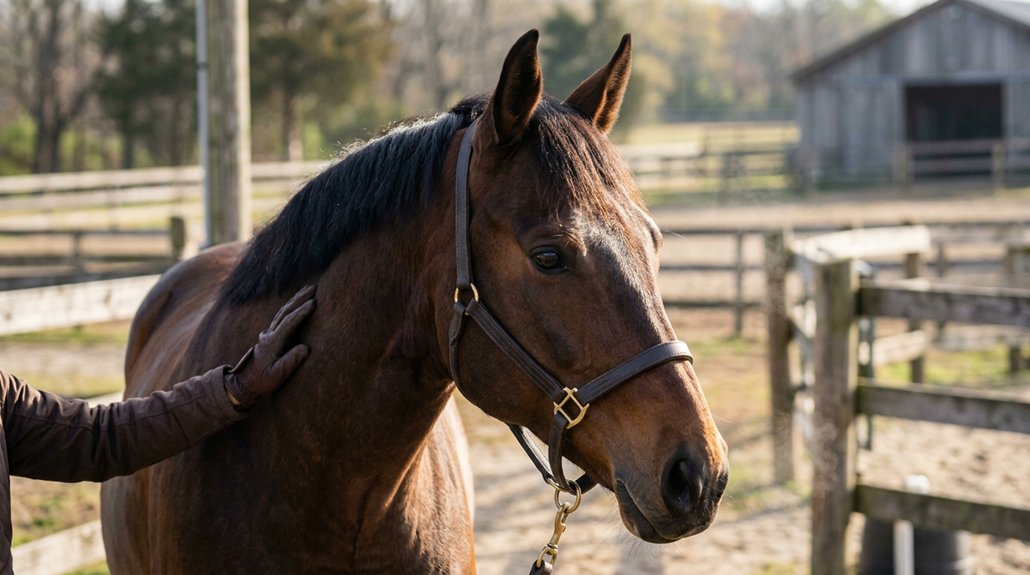
When delving into understanding horse instincts and behavior, it’s essential to recognize their strong social nature as herd animals. You’ll notice that herd dynamics greatly impact their behaviors, with isolation often leading to stress signs like pacing or vocalization. Their instinctive flight response, a key survival trait, means they’ll bolt or rear if frightened. That’s why it’s important to approach changes gradually.
Routine familiarity is another cornerstone; disruptions can create anxiety. Horses thrive on consistency, so altering schedules abruptly can lead to behavioral challenges. Their foraging instinct drives the need for frequent food access. Addressing this by providing diverse and ample forage reduces boredom-related behaviors. Observing your horse closely for stress signs can aid in preventing these potential issues.
Creating a Stable and Enriching Environment
Establishing a stable and enriching environment is essential for preventing behavior problems in horses. Observations show that ample outdoor turnout and social interaction with stablemates alleviate stress-induced behaviors. Consider environmental enrichment by modifying stalls for better visibility and adding mirrors to encourage social interaction, thereby reducing weaving and stall walking. Provide enrichment activities such as toys and forage-based feeding methods. These techniques mimic natural foraging behavior, decreasing boredom and preventing cribbing and weaving. Ensuring a consistent routine and minimizing herd changes provides the stability horses crave, mitigating anxiety-related issues. Also, offering a high-forage diet in multiple small meals aligns with their natural grazing patterns, fulfilling nutritional needs while reducing undesirable behaviors linked to boredom or hunger.
Identifying and Addressing Health Concerns
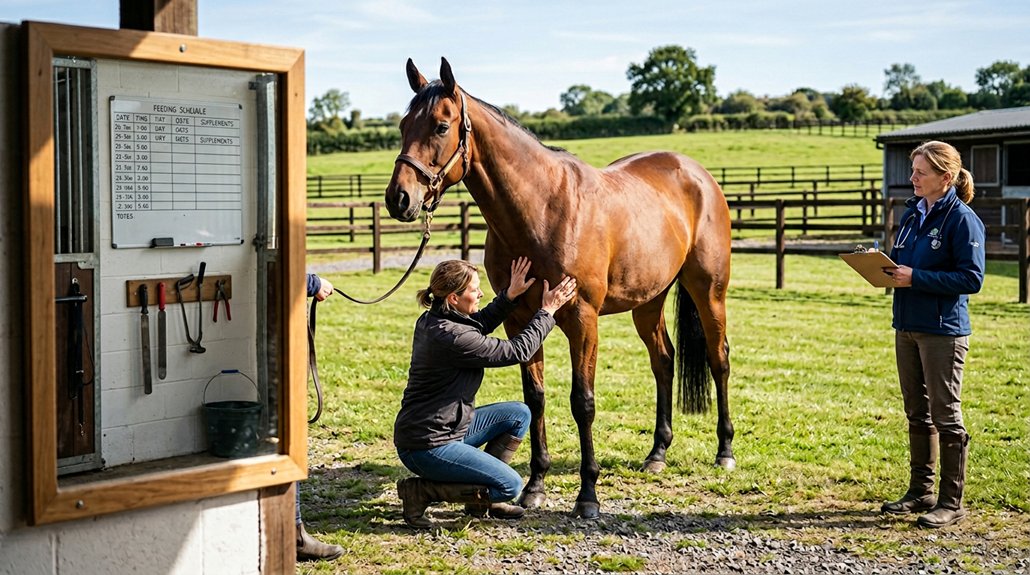
When you’re trying to prevent behavior problems in horses, it’s essential to recognize how health issues can manifest as these undesired behaviors. Regular veterinary check-ups help uncover problems like ulcers or arthritis, which can dramatically impact your horse’s demeanor. Also, addressing pain through proper saddle fit and pain management can alleviate discomfort, reducing the chance of behavior issues linked to physical problems.
Recognizing Health-Related Behaviors
Identifying health-related behaviors in horses is critical for preventing exacerbated behavioral issues down the line. Observing pawing or aggressive tendencies can signal health behavioral indicators that may require urgent attention. You need to employ a keen eye in recognizing subtle shifts that could reflect nutritional deficiencies or chronic discomfort, as these often lead to behavioral health concerns like cribbing. Effective behavioral health management demands timely interventions, potentially avoiding a cascade of stress-induced actions. Pain from underlying conditions should never be underestimated—early identification and treatment guarantee a proactive approach to care.
- Monitor for sudden changes in behavior like increased aggression.
- Assess dietary balance; consider the quality of roughage.
- Evaluate signs of chronic pain or discomfort.
- Identify repetitive behaviors like cribbing.
- Consult a veterinarian sooner than later.
Importance of Regular Check-Ups
While maintaining a horse may seem straightforward, regular check-ups are indispensable for ensuring their health and preventing behavior problems. Effective veterinary communication during these appointments is vital to identify subtle health issues that might manifest as behavioral changes. Health monitoring can reveal conditions like ulcers or arthritis before they cause significant distress. Without proper check-ups, pain often goes unnoticed until undesirable behaviors appear.
Furthermore, exploring dietary implications through nutritional evaluations can prevent deficiencies, which might otherwise lead to behavioral shifts. Thorough assessments allow you to distinguish medical from environmental or training-related problems. By fostering consistent communication with your vet and investing in regular monitoring, you prompt timely interventions. This proactive approach supports your horse’s overall welfare and helps avert chronic behavior issues, aligning with ideal equine management.
Addressing Pain and Discomfort
As you explore the domain of equine behavior management, understanding the crucial role of pain and discomfort becomes important in identifying and addressing health concerns. Effective pain management begins with regular veterinary check-ups. Prompt attention to issues like ulcers and arthritis aids in discomfort assessment, reducing behavior problems. The fit of a saddle and tack is essential; improper gear can cause discomfort, leading to unwanted behaviors. Consider the horse’s diet, as nutritional deficiencies might prompt actions like cribbing.
- Confirm regular veterinary assessments for early detection of health issues.
- Verify correct fit of saddle and tack to prevent discomfort.
- Maintain a balanced diet, addressing nutritional gaps.
- Increase outdoor turnout time for stress relief.
- Monitor behavioral changes closely for early intervention.
Practical Techniques for Stress Reduction
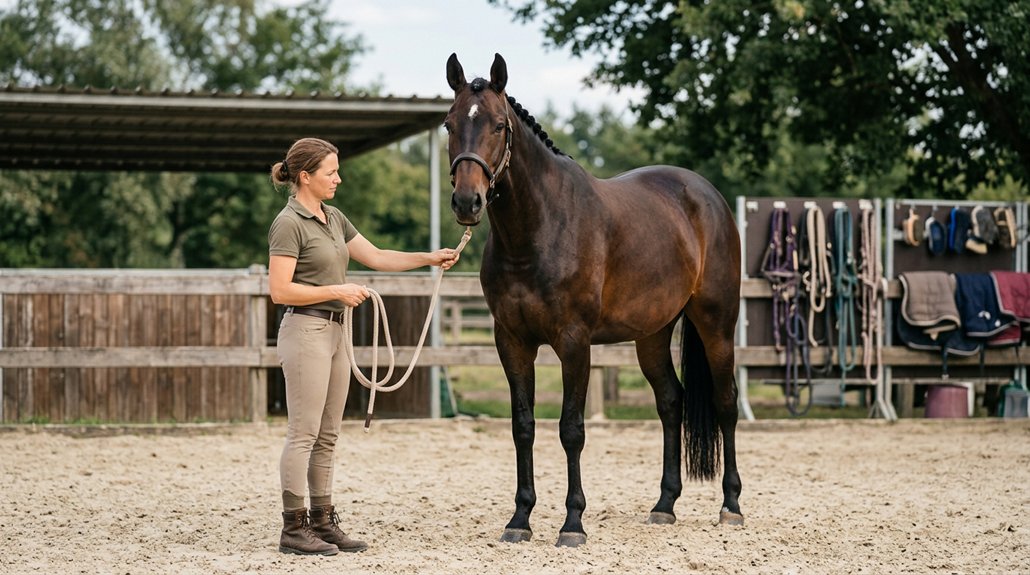
Even though horses are incredibly adaptable creatures, reducing stress is essential to preventing behavior issues. By employing effective turnout strategies, you can markedly cut down stress. Allowing more time outdoors with other horses promotes vital social interactions, alleviating the isolation that often leads to anxiety. Coupled with forage benefits, a diet focused on a high-forage intake, you mimic natural grazing patterns. This not only soothes their digestive system but also reduces anxiety-driven behaviors. To further curb stress-induced issues, consider environmental enrichment—introduce toys and obstacles to keep them mentally stimulated and deter negative habits like weaving. Gradual desensitization to new routines will also help minimize stress reactions. Regular vet check-ups guarantee any health-related pain, which might worsen behavior problems, is addressed.
How Body Language Affects Horse Behavior
Many handlers underestimate how greatly their body language affects a horse’s behavior. Subtle non verbal cues, like a calm and confident stance, have a significant impact. When you maintain an open posture, you foster an emotional connection, letting the horse feel secure. On the other hand, tense or abrupt movements can lead to anxiety in your equine friend. A keen awareness of your body language can be an essential tool for creating trust and preventing unwanted behaviors.
Body language is key: a calm stance fosters trust, while tension breeds anxiety in horses.
- Confidence through posture: A relaxed body signals safety to the horse.
- Open stances: These invite the horse in without pressure.
- Calm gestures: Keep movements smooth and predictable.
- Barriers as aids: Use fences to maintain a non-threatening space.
- Awareness of emotions: Project calmness to reinforce a positive environment.
Getting Started With Positive Reinforcement Training
A robust approach to fostering a strong bond and ensuring desired behaviors in horses is through positive reinforcement training. By focusing on rewards, you create a trusting bond with your horse, encouraging success without relying on aversive methods. Clicker training serves as an effective tool to mark specific behaviors, helping the horse understand and meet expectations. Analyze what motivates your horse, then establish a reward system that consistently pairs positive experiences with previously negative stimuli, such as saddling. Observations show that this counter-conditioning builds confidence and reduces anxiety. Consistent application and repetition solidify learned behaviors over time. Your analytical skills will reveal that many behavioral issues are preventable, paving the way for better welfare and reducing the need for corrective interventions.
Spotting and Addressing Behavioral Issues Early
Recognizing the early signs of behavioral issues in horses is essential for effective management and prevention. Your ability to spot subtle signs of distress, such as changes in routine or temperament, can prevent issues from snowballing. Develop sharp observation techniques by regularly monitoring your horse’s behavior and changes in their environment. Effective trigger management involves identifying and addressing triggers, such as alterations in environment or social dynamics, that might lead to stress.
Consider these techniques:
- Increase turnout time and offer more social interactions.
- Enrich the environment to reduce boredom and stress.
- Implement a structured feeding routine.
- Consult with a veterinarian to rule out health issues.
- Be vigilant and adaptable in your approach.
Swift intervention can mitigate potential stress-related behaviors before they solidify.
Consulting an Equine Behavior Specialist
Good reasons abound for consulting an equine behavior specialist to address and prevent behavioral issues in horses. By doing so, you gain access to a professional assessment that can reveal the root causes of problematic behaviors, paving the way for effective behavior modification. Specialists employ observational techniques and leverage their understanding of equine psychology to identify triggers, suggesting personalized training strategies that cater to your horse’s unique needs. They take a thorough approach, considering environmental factors and the horse’s physical health. Engaging with a behavior specialist also grants you insights into stress management and socialization requirements. With regular consultations, you’ll enhance your knowledge and skills, allowing you to proactively manage behavior challenges, fostering positive interactions with your horse.
Frequently Asked Questions
What Is the 1/2/3 Rule in Horses?
The 1/2/3 Rule helps manage horse behavior by ensuring balanced diets: 1% body weight in forage, 2% in grains, 3% in concentrates. This addresses digestive health, reduces stress, and compliments training techniques effectively. You’ll notice improved well-being.
How to Correct Bad Behavior in a Horse?
Identify behavior triggers accurately by observing your horse closely. Implement training techniques like positive reinforcement and consistent management. Don’t forget to check for any underlying issues, as these could be contributing to your horse’s behavior problems.
How Do Horses Say “I Love You”?
Horses say “I love you” through horse body language like nuzzling and relaxed facial expressions. Equine vocalizations, such as gentle nickering or whinnying, also show affection. Observing these cues reveals the deep bond you’ve formed.
What Should You Not Say to a Farrier?
Don’t say “just do whatever” or “my horse doesn’t need regular trims.” Effective farrier communication guarantees hoof health, preventing long-term issues. Respect their expertise; it’s an investment in your horse’s wellbeing, not a place to skimp.
Conclusion
Understanding and addressing behavior problems in horses is much like tending a garden. Just as a gardener observes and nurtures their plants, you’ll need to read your horse’s body language and tend to its needs. One seasoned horse owner recalls how a small behavioral shift was like a weed in her garden—quickly growing if left unchecked. By using positive reinforcement and creating a healthy environment, you cultivate a harmonious relationship that’s as rewarding as a flourishing garden.