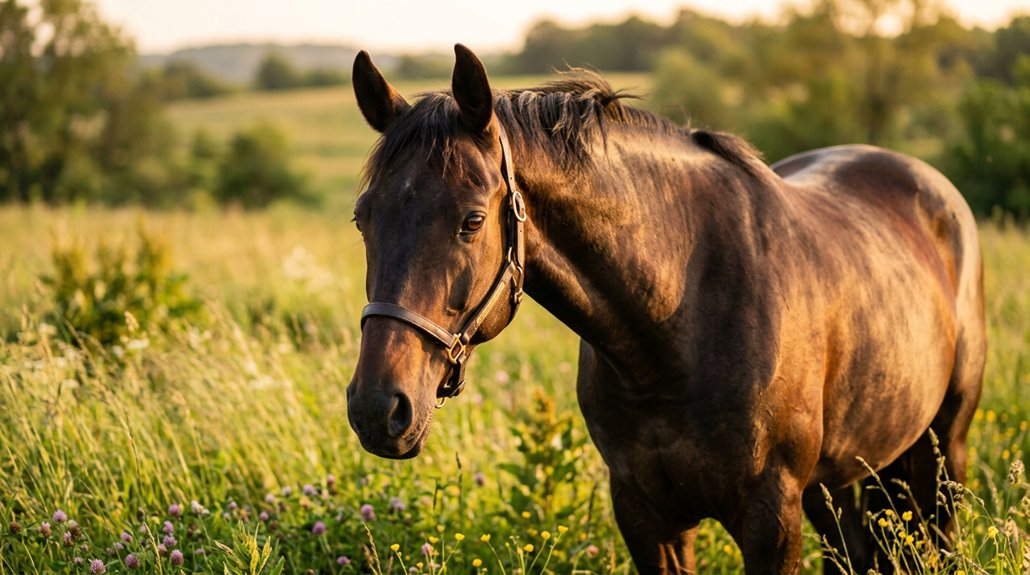
When choosing a horse, consider that breed heavily influences behavior and temperament. Genetic factors may account for up to 60% of these traits. Hot-blooded breeds like Arabians are energetic and sensitive, while cold-blooded breeds like Clydesdales display calmness. Historical roles shaped these temperaments, evolving through selective breeding for specific tasks. Align breed traits with your lifestyle for compatibility and enjoyment. Understanding environmental adaptability and stress responses will enhance the bond with your equine companion and lead to deeper insights.
Key Takeaways
- Horse breed influences temperament, with hot-blooded breeds being high-energy and cold-blooded breeds displaying calmness due to genetic factors.
- Selective breeding has amplified specific traits, like anxiousness, impacting behavior across different breeds.
- Historical roles have shaped contemporary temperaments, with breeds developed for specific purposes like agility or labor.
- Understanding each breed’s energy level and temperament ensures compatibility with the rider’s lifestyle and objectives.
- Environmental adaptability varies by breed, influencing stress responses and requiring tailored management for optimal welfare.
What Makes Each Breed Unique?
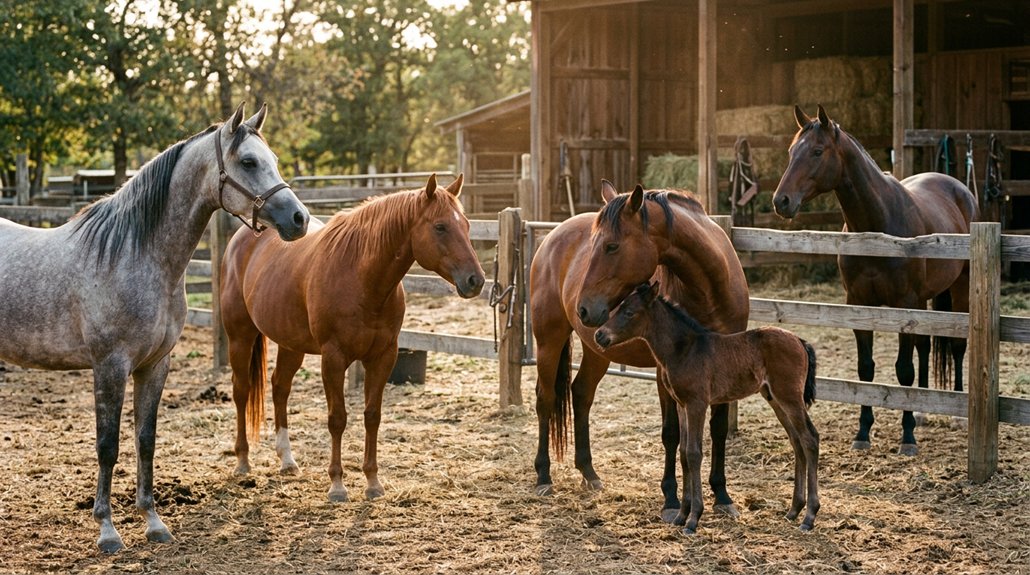
In understanding “What Makes Each Breed Unique?”, you’ll find that each horse breed has distinct behavioral traits shaped by a combination of genetics and selective breeding practices. Hot-blooded traits, like those in Arabians, showcase high energy and sensitivity, ideal for tasks demanding speed and excitement. Cold blooded characteristics in breeds such as Clydesdales reveal calm and gentle dispositions, offering rider compatibility for novices. Warm blooded versatility shines in breeds like Hanoverians, combining intelligence with balanced temperaments. These breed specific behaviors highlight temperament diversity shaped by historical breed origins. Performance expectations are closely linked to the breeding impact, influencing a horse’s environmental adaptability. By examining these traits, you’ll appreciate how breeding choices have culminated in the distinct attributes seen in today’s equine companions.
Unveiling Genetic Influences on Horse Behavior
Genetic fingerprints leave an indelible mark on horse behavior, shaping an array of personality traits across various breeds. With heritability estimates ranging from 1% to 60%, you can see that genetic variation markedly influences traits. Understanding these can aid in behavioral predictions, especially in selective breeding. Here’s how genetic influences manifest:
Genetic fingerprints profoundly impact horse behavior, offering insight into traits for informed selective breeding.
- Selective Enhancements: Over generations, specific traits like anxiousness in some breeds have been intensified through deliberate breeding.
- ‘Hot-Blooded’ Reactions: Breeds known for excitement and reactivity may owe these tendencies to genetic lineage.
- Genetic Testing: This emerging tool helps forecast reactivity in young horses, aiding breeding decisions.
- Research Gaps: Limited studies highlight a need for more exploration into heritability in equine behaviors.
Your understanding of these influences can guide better training and handling strategies.
How Historical Roles Shape Breed Temperament
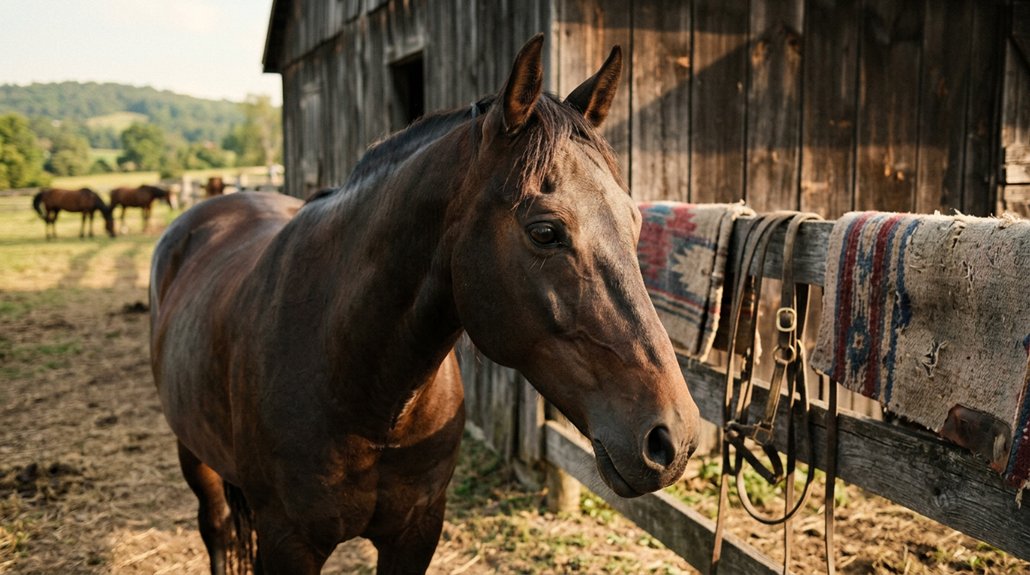
In understanding how historical roles shape horse breed temperament, you’ll notice that selective breeding has notably influenced behavioral traits, tailoring them to meet specific needs like speed or strength. For instance, hot-blooded breeds exhibit high energy and sensitivity because they were bred for tasks demanding agility and quick responses. Conversely, cold-blooded breeds like Shires and Clydesdales were honed for calm strength, reflecting a history in heavy labor roles, which subsequently dictate their gentle nature and suitability for novice riders.
Selective Breeding Influences Traits
Although horse breeding practices have evolved over centuries, the influence of selective breeding on equine behavior and temperament is undeniable. Through genetic selection, breeders have engineered distinct breed characteristics rooted in historical context, influencing behavioral outcomes. Consider the varied approach needed for training:
- Hot-blooded breeds: High energy levels and acute sensitivity indicators, ideal for dynamic sports like racing and show jumping.
- Cold-blooded breeds: Known for their calmer temperaments, they’re suited for working roles such as heavy lifting, making training accessible for novice riders.
- Warm-blooded breeds: A balanced temperament from blending traits of hot and cold-blooded horses, supporting diverse equestrian activities.
- Historical roles: Each breed’s temperament variations reflect their historical working roles, dictating their performance traits in contemporary uses.
Role-Specific Trait Development
Understanding how historical roles shape breed temperament offers valuable insights into the underlying traits that define horse behavior today. By analyzing trait evolution, you can connect how functional adaptations in horses were fostered by their past roles. For instance, hot-blooded breeds like Arabians and Thoroughbreds developed high energy and sensitivity, essential for racing and swift movement; these traits still make them ideal for high-intensity disciplines. Meanwhile, cold-blooded breeds such as Clydesdales and Shires evolved calm, gentle dispositions due to their role in agricultural work, making them trustworthy for beginners. Warm-blooded breeds exhibit a blend of these traits, showing intelligence and versatility, important for diverse equestrian activities. Therefore, each breed’s historical purpose is significant in understanding their temperament today.
Historical Function and Behavior
Examining the influence of historical functions on horse breeds reveals a fascinating connection between their intended roles and current temperament. Breeding history has intentionally shaped temperament evolution in various horse breeds, driven by their specific historical roles. Here’s how:
- Hot-blooded breeds like Arabians and Thoroughbreds were bred for speed and endurance, resulting in high energy and sensitivity.
- Cold-blooded breeds such as Clydesdales and Shires were developed for heavy labor, producing calm and docile temperaments.
- Warm-blooded breeds, including Hanoverians, combine traits for balanced temperaments ideal for sport.
- Selective breeding emphasized traits that enhance performance, affecting emotional responses during activities.
Temperament evolution in horse breeds demonstrates how their historical roles have molded them, influencing their behavior and emotional resilience.
Choosing the Right Horse Breed for Your Lifestyle
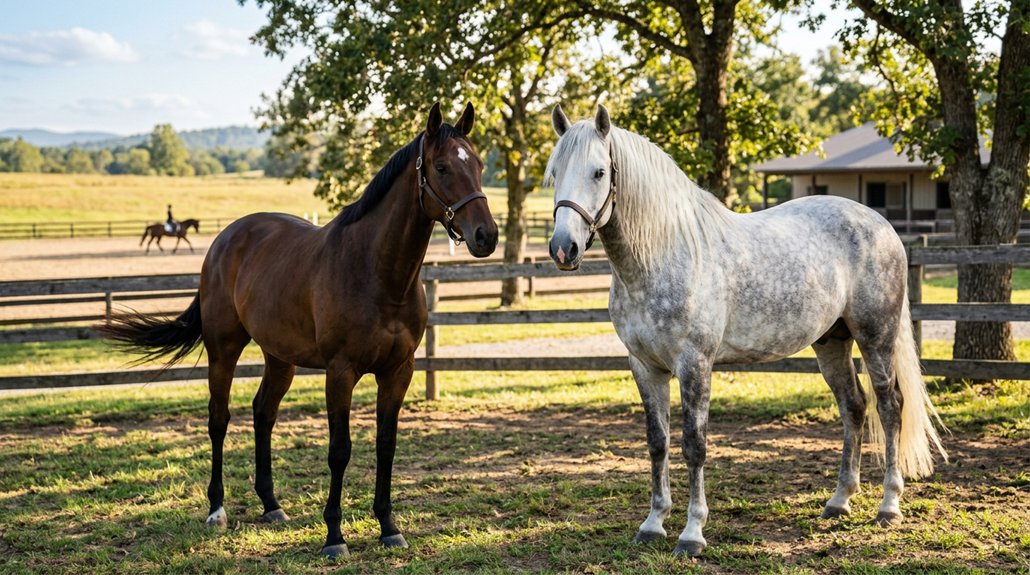
When selecting a horse breed, you’ll need to match the breed’s innate traits with your lifestyle and riding objectives. Consider whether you require the energetic and sensitive nature of hot-blooded breeds or the steadiness of cold-blooded types for a fulfilling experience. By evaluating temperament characteristics and training needs, such as those revealed through the Horse Personality Questionnaire, you can choose a breed that aligns with your skills and goals, ensuring both satisfaction and safety in your equestrian pursuits.
Matching Breed With Lifestyle
Choosing the right horse breed for your lifestyle requires a careful balance of understanding both your own needs and those of the horse. Breed compatibility is essential, so consider these important factors:
- Lifestyle Considerations: Analyze your daily routine and how much time you can dedicate to riding and horse care. Leisure riders may prefer cold-blooded breeds like Clydesdales, while high-intensity enthusiasts might opt for Arabians.
- Temperament Assessment: Different breeds have varying temperaments. Assess a breed’s tendency toward energy and sensitivity, vital for aligning with your activities.
- Rider Experience: Novices should look for forgiving breeds. More seasoned riders can explore spirited options like Thoroughbreds.
- Individual Variation: Remember, within-breed behavioral differences exist. Evaluate individual horses for their unique personalities beyond breed generalizations.
Personality Traits To Consider
While you’re contemplating the right horse breed for your lifestyle, an understanding of personality traits can be your guiding principle. Evaluating energy levels is vital; hot-blooded breeds like Thoroughbreds may require intense exercise, while cold-blooded breeds offer calmer dispositions. Observing social behaviors and bonding tendencies will determine how seamlessly your horse integrates into personal and communal spaces. Trainability factors and learning styles are essential—warm-blooded breeds excel in versatility owing to their balanced temperament spectrum. Consideration of fear responses is pivotal; temperament stability affects how a horse reacts under pressure. Exercise needs align closely with energy levels, shaping daily routines and maintenance. Ultimately, breed-specific behavioral tendencies will guarantee a harmonious fit, fostering a rewarding partnership between horse and rider.
Exploring Personality Traits Across Breeds
In exploring the personality traits across horse breeds, it’s evident that these characteristics are primarily shaped by selective breeding. Different breeds showcase distinct traits, impacting breed compatibility when selecting a horse. Conducting a personality assessment can help you better understand each breed’s qualities. Consider the following:
Exploring horse breed traits reveals their selective breeding origins, influencing compatibility in horse selection.
- Hot-blooded breeds (e.g., Arabians, Thoroughbreds) are known for high energy and sensitivity, requiring experienced handling.
- Cold-blooded breeds (e.g., Clydesdales, Shires) have calm, gentle natures, ideal for beginners.
- Warm-blooded breeds (e.g., Hanoverians, Dutch Warmbloods) have balanced temperaments, excelling in training.
- Analysis using the Horse Personality Questionnaire (HPQ) identifies six traits—Dominance, Anxiousness, Excitability, Protection, Sociability, Inquisitiveness—highlighting how certain traits vary among breeds.
Understanding these traits aids in aligning breeds with specific needs and preferences.
How Breeds Respond to Different Environments
Having explored the distinct personality traits across horse breeds, it’s important to observe how these traits manifest in various environmental settings. Environmental adaptability varies considerably among breeds. Cold-blooded breeds like Clydesdales excel in stable environments due to their calm nature, making them ideal for farms or therapy programs. Conversely, high-energy breeds such as Thoroughbreds and Arabians may struggle in chaotic settings, exhibiting anxiety and increased excitability. These breed-specific behaviors highlight the importance of matching horses to suitable environments. Early handling and socialization further influence temperament—confident, composed behaviors result from positive early experiences. Stress responses also vary; some breeds become anxious in novel situations, impacting welfare and performance. Recognizing these differences can prevent behavioral issues and enhance each breed’s well-being.
Frequently Asked Questions
What Is the 1/2/3 Rule for Horses?
The 1/2/3 rule aids horse training by evaluating behavioral patterns and temperament evaluation. You’ll observe horse behavior (1), interpret reactions (2), and consider environmental influences (3), adapting your approach to align with breed characteristics for best results.
Which Breed of Horse Is the Friendliest?
Think of friendly horse breeds as the warm sun amidst a cold sky. It’s a blend: Clydesdales radiate calm, Irish Draughts show intelligence. Boost their sociability through proper socialization techniques and temperament training alongside breed comparisons.
What Is “I Love You” in Horse Language?
In horse language, “I love you” is expressed through equine communication and social bonding behaviors. You’ll notice nuzzling, soft whinnies, or a relaxed posture, signaling their affection and trust, much like a gentle equine embrace.
What Is the 20% Rule for Horses?
The “20% rule” suggests genetics, like a shadow, casts about 20% on a horse’s behavior. Breed traits influence anxiety and behavioral patterns, but temperament assessment should prioritize training and environmental factors for thorough understanding.
Conclusion
As you saddle up in your quest for the ideal equine companion, remember that each horse breed carries a distinct behavioral “playlist” influenced by genetics, historical roles, and environmental adaptability. Understanding these factors is like revealing a treasure trove of personalities, from the adaptable Quarter Horse to the spirited Arabian. So, tune in to your lifestyle needs and choose wisely—like picking the perfect vinyl record for a Sunday morning. Your perfect match awaits, bridging history with personality.